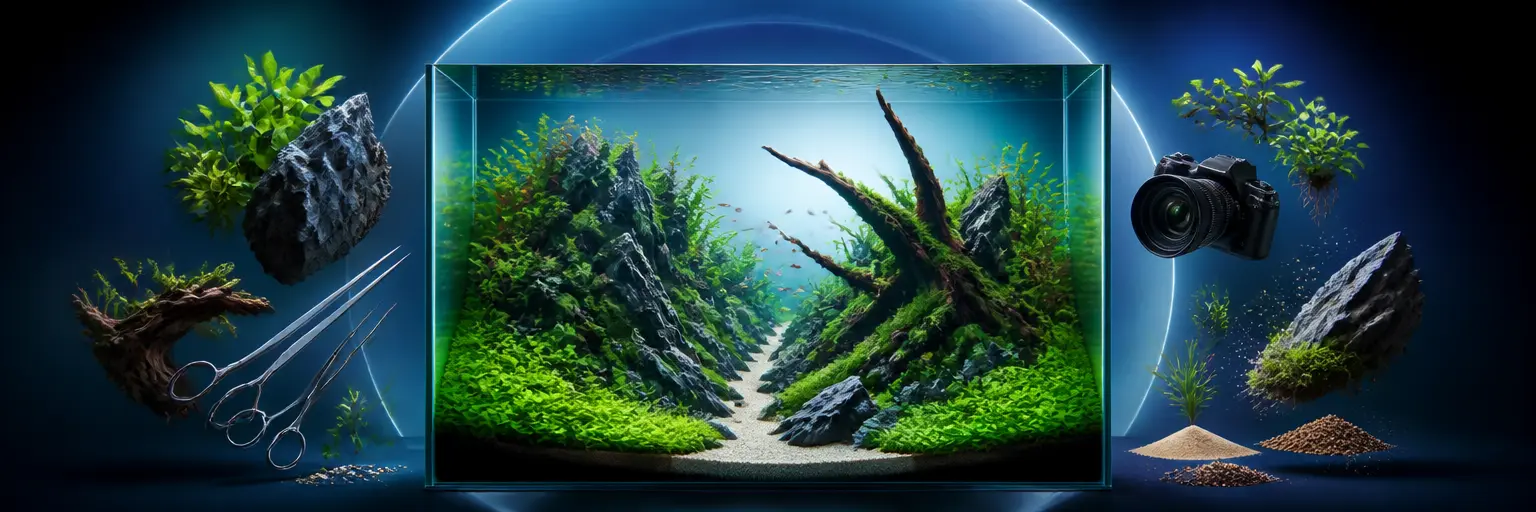
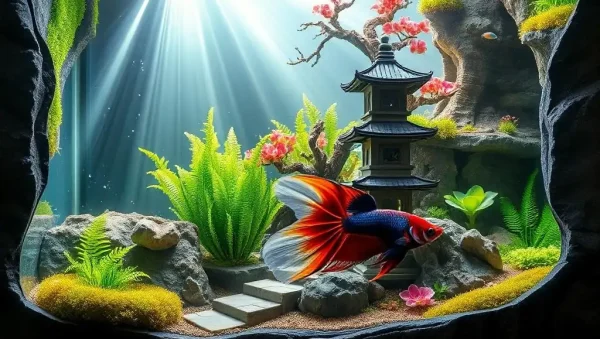
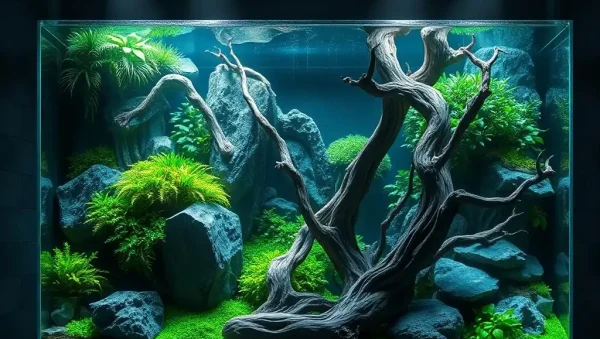
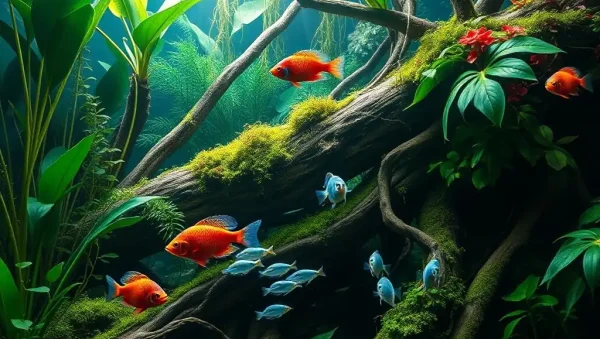
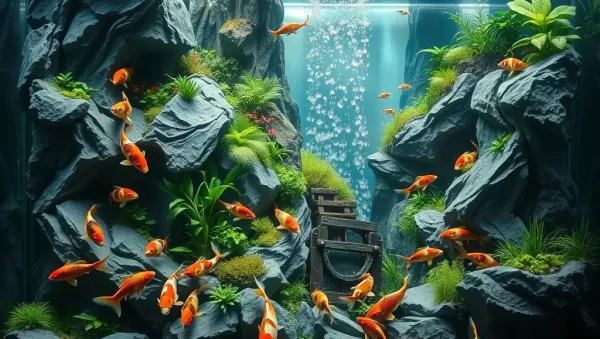
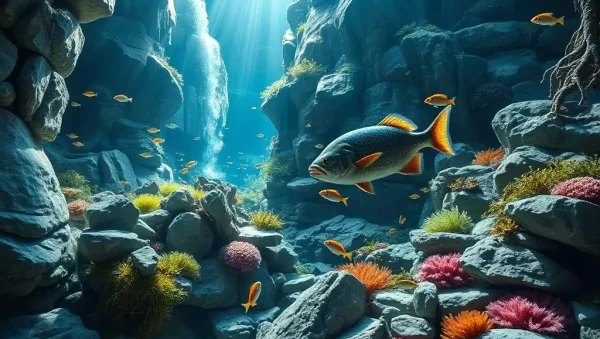
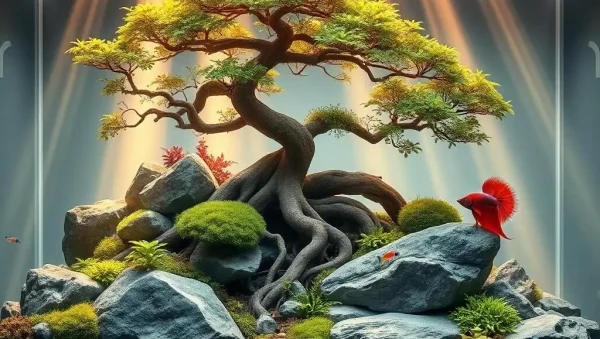
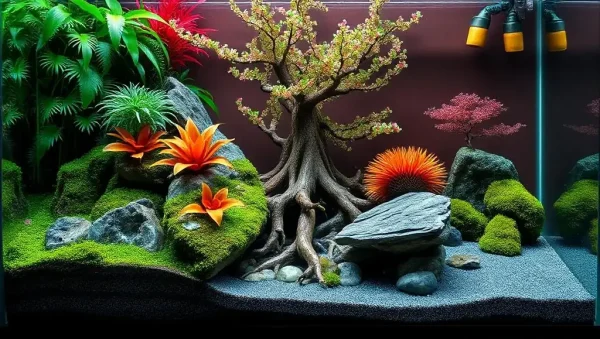
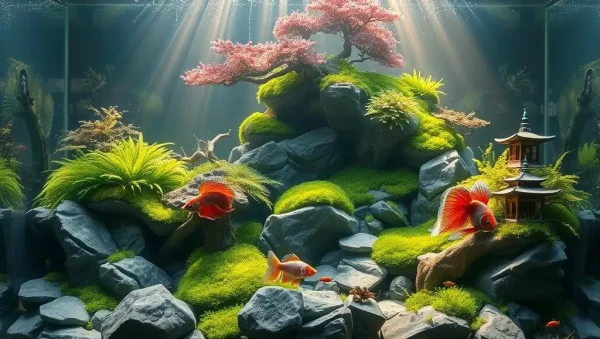
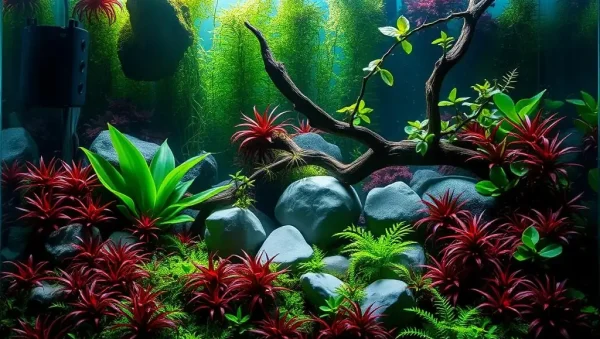
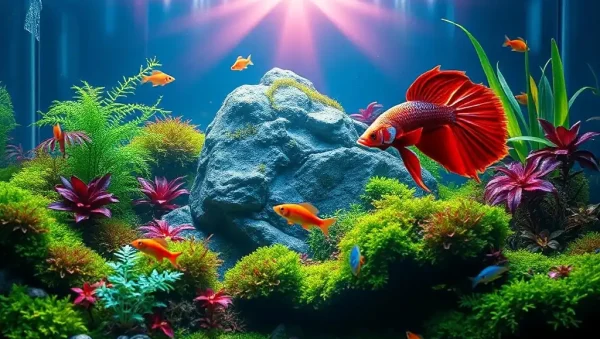
Aquascaping & Aesthetics is the art and science of transforming an aquarium into a balanced underwater landscape. At Aquarium Mastery, you’ll discover practical guidance for creating beautiful freshwater and saltwater displays through thoughtful aquascaping styles, natural hardscape materials, strategic plant placement, and aquarium photography. Whether you are designing your first planted tank or refining an established aquascape, this category helps you combine creativity with healthy aquarium management.
Explore proven aquarium design techniques, including nature aquarium layouts, Iwagumi aquascapes, Dutch-style planted tanks, jungle-style setups, biotopes, and marine aquascaping. Learn how to select compatible rocks, driftwood, substrate, aquatic plants, fish, and invertebrates while maintaining proper scale, contrast, depth, and visual balance. Every design decision should support both aquarium aesthetics and aquatic life, creating a display that is attractive, stable, and sustainable.
This resource also covers essential planting techniques such as carpeting, grouping stem plants, attaching epiphytes, establishing foreground and background layers, and pruning for long-term form. You’ll find advice on lighting, carbon dioxide, fertilization, algae prevention, water clarity, and maintenance routines so your aquascape remains healthy as it matures. Photography guidance will help you capture vibrant aquarium images with better composition, focus, exposure, and color accuracy.
🌿 Aquascaping Design: Styles, Hardscape, Plants & Photography
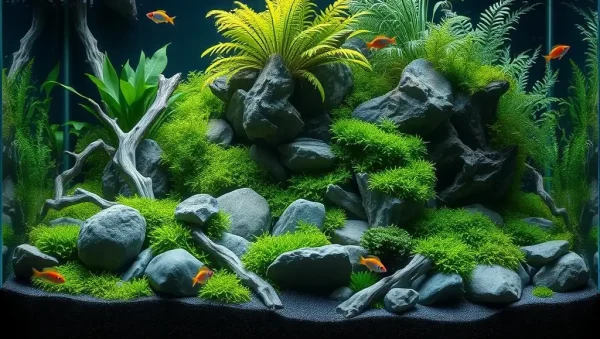
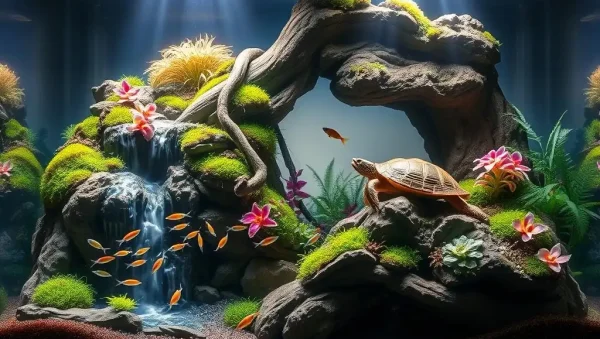
Discover how to plan a cohesive aquarium layout from the beginning, starting with a clear focal point and a suitable composition. This subcategory explores popular aquascaping styles such as Iwagumi, Dutch, jungle, nature aquarium, biotope, and reef aquascaping, explaining the visual principles behind each approach. You’ll learn how negative space, the rule of thirds, perspective, texture, color, and asymmetry can make a tank appear deeper and more natural.
Expect detailed advice on choosing and arranging aquarium rocks, driftwood, substrate, aquatic plants, fish, and invertebrates. Guides cover hardscape stability, planting zones, foreground carpets, midground structure, background growth, epiphyte placement, and practical maintenance. You’ll also learn aquarium photography techniques for smartphones and cameras, including lighting control, glass preparation, composition, reflection reduction, and editing methods that preserve the true appearance of your aquascape.
❓ Frequently Asked Questions
What is aquascaping?
Aquascaping is the practice of designing and maintaining an underwater landscape using hardscape materials, aquatic plants, substrate, and carefully selected aquarium inhabitants. A successful aquascape balances visual composition, plant health, livestock needs, and long-term maintenance.
Which aquascaping style is best for beginners?
A simple nature-style or low-tech planted aquarium is often the best starting point. Choose undemanding plants, stable rocks or driftwood, a manageable layout, and low-maintenance fish. Beginners should prioritize healthy water parameters and sustainable growth over complex high-tech designs.
How do I choose hardscape for an aquarium?
Select aquarium-safe rocks and driftwood that match the tank’s size, intended style, and livestock requirements. Use materials with compatible effects on water chemistry, and secure heavy pieces before adding substrate or water. The hardscape should provide structure, depth, hiding places, and a clear focal point.
How can I keep aquarium plants healthy?
Aquatic plants need suitable lighting, nutrients, carbon availability, stable water conditions, and regular trimming. Match plant requirements to your equipment and experience level. Consistent maintenance, proper planting depth, and early algae control are essential for dense, healthy aquascaping growth.
What are the best tips for aquarium photography?
Clean the aquarium glass, reduce room reflections, switch off pumps briefly if safe, and use a stable camera position. Photograph during the aquarium’s lighting period and adjust exposure so bright areas are not overexposed. A simple composition, accurate white balance, and sharp focus will make your aquascape photographs more appealing and realistic.