
The Perfect Chaeto Habitat: Setting Up Your Refugium for Success on AquariumMastery.com

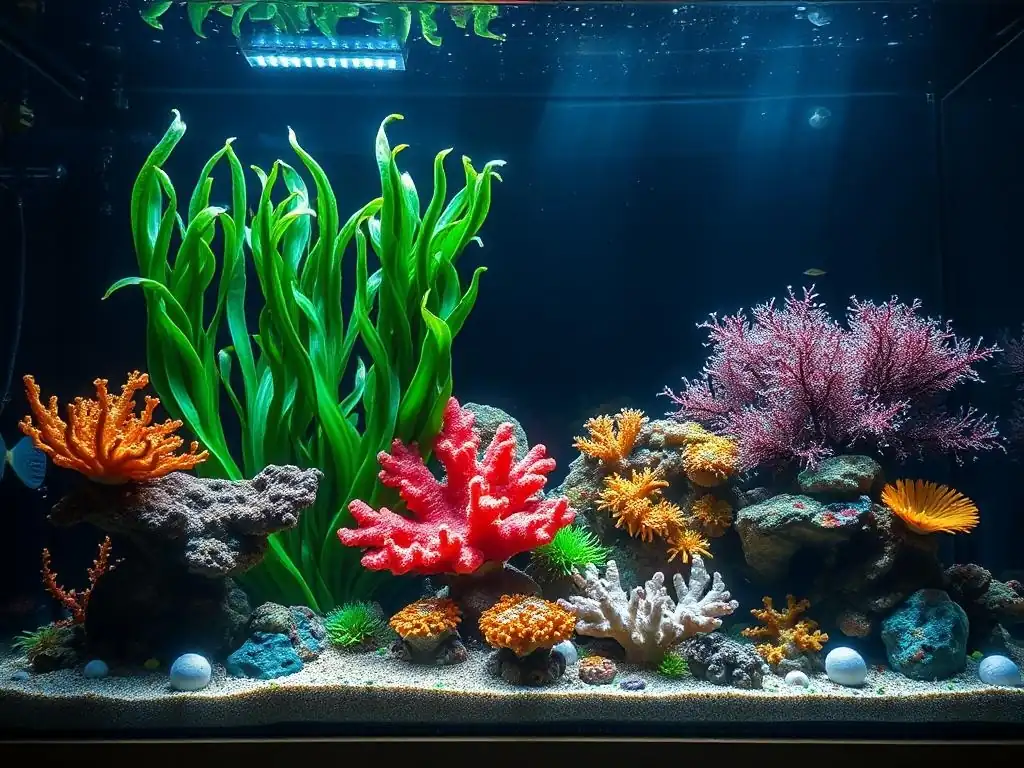
Welcome to Aquarium Mastery!
Ever wondered if you could unlock the secret to crystal-clear aquarium water and a thriving ecosystem? Dive into our Chaeto refugium setup guide and discover how this fascinating macroalgae can revolutionize your tank. Ready to create the perfect habitat? Let's get started!
- Introduction to Chaeto Refugiums for Saltwater Aquariums
- Planning Your Chaeto Refugium Setup: Key Considerations
- Essential Equipment for a Thriving Chaeto Refugium
- Step-by-Step Guide to Setting Up Your Chaeto Refugium
- Maintaining Your Chaeto Refugium for Long-Term Success
- Troubleshooting Common Chaeto Refugium Problems
- Optimizing Your Chaeto Refugium for Nutrient Export
- Advanced Chaeto Refugium Techniques
- Conclusion: Mastering the Chaeto Refugium for a Healthy Aquarium
-
Frequently Asked Questions
- What is a Chaeto refugium and why is it beneficial for my aquarium?
- What size refugium is recommended for a successful Chaeto refugium setup?
- What type of lighting is best for growing Chaeto in a refugium?
- How often should I prune or trim my Chaeto algae in the refugium?
- What are some common problems encountered with Chaeto refugiums, and how can they be resolved?
- Final Reflection: Cultivating Balance in the Reef
- Cultivate Your Reef: Begin Your Thriving Refugium Today!
Introduction to Chaeto Refugiums for Saltwater Aquariums
Understanding the Benefits of a Chaeto Refugium
A refugium, in the context of saltwater aquariums, is a separate compartment or tank designed to cultivate beneficial organisms and macroalgae, primarily for nutrient export. Its main role is to absorb excess nitrates and phosphates from the water, which are common byproducts of fish waste and uneaten food. By effectively removing these nutrients, a well-established refugium significantly reduces the likelihood of nuisance algae outbreaks in the main display tank, leading to clearer water and a healthier environment for corals and fish.
Beyond nutrient export, a refugium serves as a vital biological filter and a safe haven for beneficial microfauna like copepods and amphipods. These tiny crustaceans reproduce rapidly within the refugium, protected from predators in the main tank. They then periodically "seed" the display tank, serving as a continuous, natural food source for finicky eaters such as mandarin dragonets and certain corals, enriching the overall biodiversity and resilience of the aquarium ecosystem.
Why Choose Chaetomorpha Algae for Your Refugium?
Chaetomorpha, commonly known as Chaeto, is widely regarded as the macroalgae of choice for most refugiums due to its exceptional qualities. Its rapid growth rate directly translates to highly efficient nutrient uptake, allowing it to quickly absorb significant amounts of nitrates and phosphates from the water column. Unlike some other macroalgae species, Chaeto grows in a tangled, non-invasive mass and does not "go sexual," meaning it won't release spores into the main tank that could potentially lead to undesirable algae blooms.
Furthermore, Chaeto is remarkably resilient and requires minimal maintenance. It does not need a substrate to anchor itself, simplifying the refugium setup and making harvesting incredibly easy. Its dense, tangled structure also provides an ideal habitat for copepods and amphipods to thrive and reproduce, further enhancing the refugium's contribution to the aquarium's food web. This combination of efficiency, ease of care, and ecological benefits makes Chaeto the cornerstone of an effective Chaeto refugium setup guide.
Planning Your Chaeto Refugium Setup: Key Considerations
Refugium Size and Placement for Optimal Chaeto Growth
The size of your refugium should ideally be proportionate to your main display tank to effectively manage nutrient levels. While any size refugium can offer some benefit, a common recommendation for optimal nutrient export is a refugium volume equivalent to 10-20% of your main tank's volume. For instance, a 100-gallon display tank would benefit significantly from a 10-20 gallon refugium. Placement options typically include a dedicated compartment within a sump, a hang-on-back (HOB) unit, or even a separate, external tank.
Consider the practicalities of placement, including accessibility for routine maintenance and harvesting. Sump-based refugiums are popular for their discreet integration and gravity-fed water return, often allowing for larger volumes. HOB refugiums are an excellent choice for aquariums without sumps, offering a compact solution. Ensure adequate space above the refugium for lighting installation and proper ventilation, as well as easy access for observing Chaeto growth and maintaining the Chaeto refugium setup guide.
Choosing the Right Refugium Tank or Compartment
When selecting the container for your refugium, durability and design are key. Dedicated sump compartments are often pre-designed with baffles to control water flow and prevent macroalgae from entering other sections. If you're using a DIY approach, ensure the acrylic or glass tank is robust and properly sealed to prevent leaks. For a typical 75-gallon reef tank, a sump section measuring approximately 15 inches long by 10 inches wide by 12 inches deep can comfortably house a substantial Chaeto ball.
The depth of the refugium compartment is also an important consideration. A minimum depth of 10-12 inches is generally recommended to allow for a significant volume of Chaeto to grow and provide sufficient water column for light penetration. Adequate depth ensures that the Chaeto mass can tumble gently, exposing all parts to light and flow, which is crucial for maximizing its nutrient uptake efficiency in your Chaeto refugium setup guide.
Determining the Ideal Flow Rate for Your Chaeto Refugium
The flow rate through your refugium is a critical factor for successful Chaeto growth and nutrient export. Too high a flow can excessively tumble the Chaeto, potentially damaging it or even pushing it into other sump compartments or the main display. Conversely, too low a flow can lead to stagnant areas within the refugium, reducing nutrient exchange and potentially causing detritus buildup and Chaeto die-off.
An ideal flow rate allows water to gently tumble the Chaeto, ensuring that all surfaces receive fresh, nutrient-rich water and adequate light. A common guideline is to aim for a turnover of 1 to 3 times the refugium volume per hour. For example, if you have a 15-gallon refugium, a flow rate between 15 and 45 gallons per hour (GPH) would be appropriate. This can be achieved by diverting a portion of your main return pump's flow or by using a small, dedicated pump for the refugium.
Essential Equipment for a Thriving Chaeto Refugium
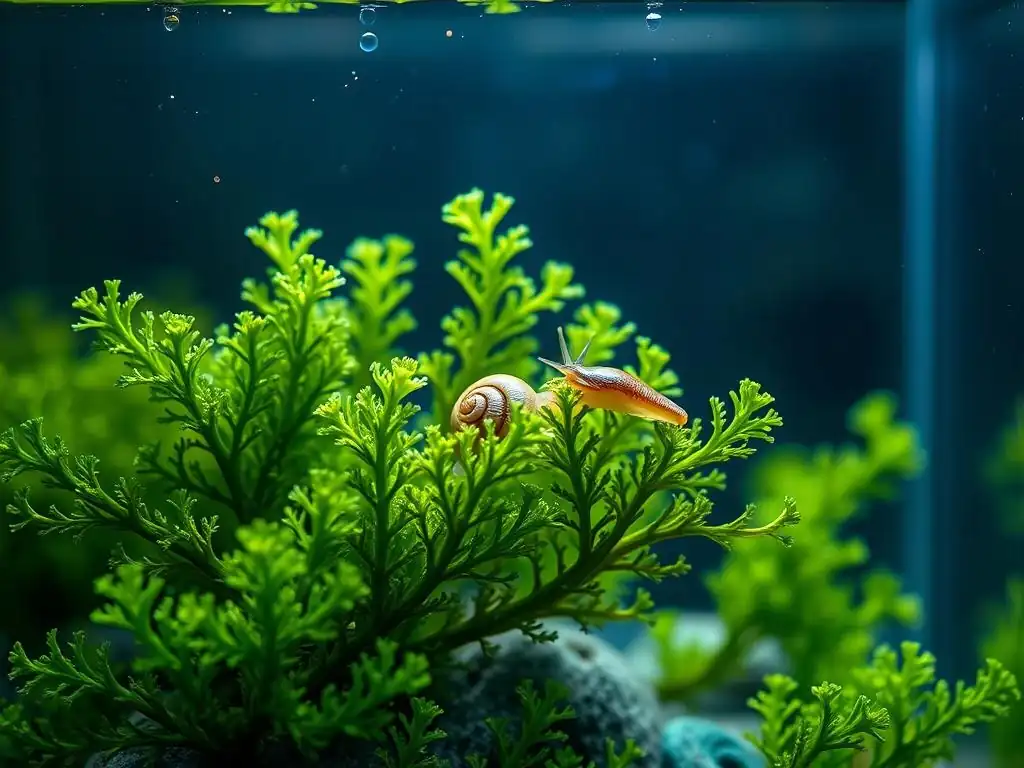
Selecting the Best Refugium Light for Chaeto Algae
Proper lighting is arguably the most crucial element for vigorous Chaeto growth and effective nutrient export. While Chaeto is relatively forgiving, choosing a light specifically designed for macroalgae will yield the best results. These lights typically emit a spectrum rich in red and blue wavelengths (e.g., peak at 660nm red and 450nm blue), which are most efficiently utilized by photosynthetic organisms like Chaetomorpha. LED lights are preferred for their energy efficiency and targeted spectrum.
When considering a light, look at its PAR (Photosynthetically Active Radiation) output, which measures the amount of light available for photosynthesis. For robust Chaeto growth, a PAR value of 50-100 at the surface of the Chaeto ball is often sufficient, though some aquarists successfully run higher. Most dedicated refugium lights are low wattage, ranging from 9W to 30W, depending on the refugium's size and depth. Position the light 6-12 inches above the water surface for optimal coverage and intensity.
Understanding Light Spectrum and Intensity for Chaeto Growth
Chaetomorpha, like most algae, primarily relies on specific wavelengths of light for efficient photosynthesis. The blue spectrum (around 450-470 nm) and the red spectrum (around 630-660 nm) are particularly important for its growth. Lights that emphasize these wavelengths will promote faster and healthier Chaeto development, leading to more effective nutrient absorption. While full-spectrum white lights can work, dedicated refugium lights often provide a more tailored and efficient light source for your Chaeto refugium setup guide.
Light intensity, measured in PAR, directly influences the rate of photosynthesis. Providing adequate PAR (e.g., 70-100 PAR at the Chaeto's surface) ensures that the algae can rapidly convert nutrients into biomass. However, excessive intensity can sometimes lead to light shock or encourage the growth of unwanted nuisance algae. A typical photoperiod for a Chaeto refugium ranges from 10 to 18 hours per day, often on a reverse daylight cycle to help stabilize pH.
Choosing a Substrate (or No Substrate) for Your Chaeto Refugium
One of the significant advantages of cultivating Chaetomorpha algae in a refugium is that it does not require any substrate. Chaeto grows in a tangled, free-floating mass, which simplifies both its maintenance and harvesting. This "no-substrate" approach is highly recommended for most Chaeto refugium setups because it prevents detritus from accumulating within a sand bed, which could otherwise break down and release unwanted nutrients back into the water.
While a substrate is not necessary for Chaeto itself, some aquarists might choose to add a very shallow layer of sand (e.g., 1-2 inches) to their refugium. This is typically done to cultivate anaerobic bacteria for additional nitrate reduction or to provide a habitat for specific types of microfauna that prefer a sand bed. However, adding a substrate introduces an additional element that requires monitoring and cleaning to prevent it from becoming a nutrient sink rather than a benefit. For a pure and efficient Chaeto refugium, a bare bottom is generally the best choice.
The Importance of a Protein Skimmer and Other Filtration
While a Chaeto refugium is highly effective at biological nutrient export, it functions best as part of a comprehensive filtration strategy that includes a protein skimmer. A protein skimmer removes dissolved organic compounds (DOCs) and particulate matter from the water before they can break down into nitrates and phosphates. By removing these precursors, the skimmer significantly reduces the initial nutrient load, allowing the Chaeto to work more efficiently on the remaining dissolved nutrients.
Other forms of mechanical filtration, such as filter socks or sponges, can be used upstream of the refugium to remove larger particulate matter. This prevents detritus from settling in the refugium compartment, which could otherwise decompose and release nutrients, counteracting the Chaeto's efforts. However, mechanical filters must be cleaned or replaced very frequently (daily or every few days) to prevent them from becoming nitrate factories themselves. Activated carbon and GFO (granular ferric oxide) can also be used in separate media reactors to polish water and remove specific pollutants, further complementing the Chaeto's nutrient uptake.
Step-by-Step Guide to Setting Up Your Chaeto Refugium
Step 1: Preparing the Refugium Tank
The first step in setting up your Chaeto refugium is to thoroughly prepare the tank or compartment that will house the Chaeto. If you're using a new tank, rinse it extensively with RODI (Reverse Osmosis Deionized) water to remove any manufacturing residues or dust. For an existing sump compartment, ensure it is clean and free of any accumulated detritus, undesirable algae, or other debris. A clean starting environment is crucial for the healthy establishment of your Chaeto.
Position the refugium in its final location, ensuring that there is adequate space around it for maintenance, plumbing, and particularly for the installation of the refugium light. If your sump has baffles, confirm they are properly sealed and positioned to direct water flow as intended. For hang-on-back (HOB) refugiums, securely mount them to the display tank, verifying all connections are tight and leak-free before proceeding with water introduction.
Step 2: Installing the Plumbing and Circulation
Next, install the plumbing to ensure proper water circulation through your refugium. Water typically flows from the main display tank or from the output of your protein skimmer into the refugium. This can be achieved through a simple siphon, an overflow box if external, or by diverting a portion of the main return pump's flow. For sump-based refugiums, water usually flows from the skimmer section into the refugium compartment, then overflows into the return pump section.
Route the return plumbing from the refugium back to the main sump or directly into the display tank, depending on your setup. Utilize appropriate bulkheads, PVC piping, or flexible tubing for a secure and leak-free connection. It is crucial to ensure that the flow rate through the refugium is adjustable and set to the ideal range of 1-3 times the refugium volume per hour to provide gentle tumbling for the Chaeto. Test all plumbing connections for leaks before fully filling the system to prevent any mishaps.
Step 3: Setting Up the Refugium Lighting System
With the plumbing in place, it's time to install your chosen refugium lighting system. Position the light directly above the Chaeto compartment, ensuring that the light spread covers the entire area where the Chaeto will grow. The distance from the light to the water surface will vary based on the light's intensity and design, but typically ranges from 6 to 12 inches for optimal PAR penetration without causing excessive heat.
Connect the refugium light to a reliable timer. For maximum benefit, many aquarists choose to implement a "reverse daylight photosynthesis" (RDPS) cycle. This means setting the refugium light to turn on when your main display tank lights are off, and vice versa. A common photoperiod for Chaeto is between 10 and 18 hours per day. This RDPS strategy helps to stabilize the aquarium's pH by having photosynthesis occur during the main tank's dark cycle when pH naturally tends to drop due to respiration.
Step 4: Introducing Chaetomorpha Algae to Your Refugium
Once your refugium is filled with saltwater (preferably water from your established aquarium to introduce beneficial bacteria), you are ready to add the Chaetomorpha. Source a healthy, vibrant ball of Chaeto, ensuring it is free from any visible pests or undesirable hitchhiking algae. A good starting amount is often around 0.5 to 1 pound of Chaeto per 10 gallons of your main display tank volume, which provides a solid foundation for your Chaeto refugium setup guide.
Gently place the Chaeto ball into the refugium compartment. It should float or gently tumble with the water flow. Avoid packing the Chaeto too densely, as this can restrict light and water circulation to the inner portions of the ball, potentially leading to die-off. Instead, allow it to spread out somewhat to maximize its exposure to light and ensure good water flow through the entire mass, promoting uniform growth and nutrient uptake.
Maintaining Your Chaeto Refugium for Long-Term Success
Regular Water Changes and Nutrient Control
While a Chaeto refugium is a highly effective tool for nutrient export, it does not eliminate the need for regular water changes in your saltwater aquarium. Water changes are crucial for replenishing essential trace elements that are consumed by corals and other inhabitants, and for removing pollutants that Chaeto may not fully address. A consistent schedule of 10-20% weekly or bi-weekly water changes of the total system volume is still recommended for overall aquarium health and stability.
Continuously monitor nitrate and phosphate levels in your main display tank. An optimally performing Chaeto refugium can help maintain nitrates below 5 ppm and phosphates below 0.03 ppm in a moderately stocked reef system. If these levels remain elevated despite a thriving refugium, consider increasing the biomass of Chaeto, optimizing its lighting, or increasing the frequency of Chaeto harvesting to export more nutrients.
Monitoring Chaeto Growth and Adjusting Lighting
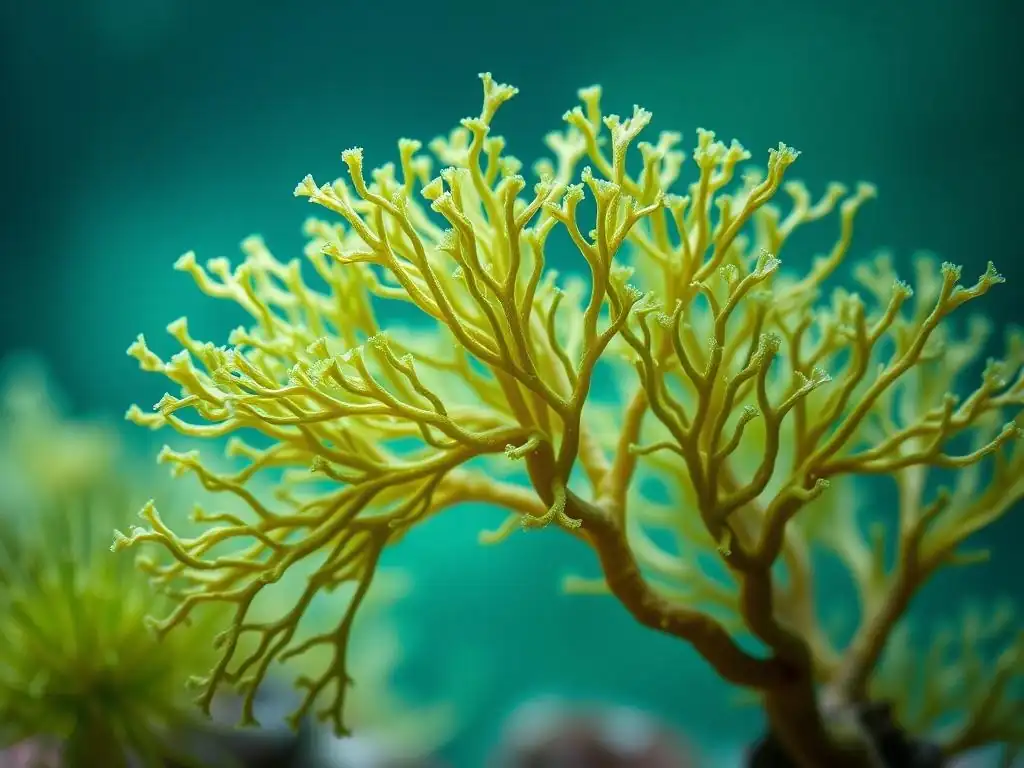
Observing your Chaeto's growth is key to ensuring your refugium is functioning optimally. Healthy Chaeto should appear vibrant green and show noticeable signs of growth, indicating efficient nutrient uptake. If growth seems slow or stagnant, the first area to investigate is your lighting. Review the photoperiod; extending it to 18 hours may stimulate growth. Also, assess the light intensity and spectrum to ensure it's adequate and appropriate for macroalgae.
Conversely, if the Chaeto appears pale, white, or is bleaching, it might be receiving too much light intensity or experiencing a severe lack of nutrients, which is rare in most home aquariums. In such cases, consider raising the light further from the water surface or slightly reducing the photoperiod. Consistent monitoring allows you to fine-tune the environment, ensuring maximum performance from your Chaeto refugium setup guide.
Preventing Chaeto Algae Die-Off: Key Factors
Chaeto die-off, characterized by the algae turning brown or mushy, typically stems from a few critical factors: insufficient light, a lack of available nutrients, or poor water circulation within the Chaeto mass. Ensure your refugium light provides consistent and adequate illumination for the entire photoperiod. In very low nutrient systems, Chaeto might starve, though this is uncommon unless nutrient input is extremely minimal.
Good water flow is essential to deliver nutrients to all parts of the Chaeto and prevent stagnant areas where detritus can accumulate. Gently tumble the Chaeto ball periodically to ensure all sides are exposed to light and flow. Overly dense Chaeto masses can also lead to die-off in the center due to lack of light and flow; regular harvesting helps prevent this. Maintaining stable water parameters (salinity, temperature, pH) also contributes significantly to Chaeto health and resilience.
Dealing with Pests and Unwanted Algae in Your Refugium
While your refugium is intended for beneficial organisms, unwanted guests can sometimes hitchhike in. The most common issues are outbreaks of nuisance algae like hair algae or cyanobacteria within the refugium itself. This often indicates that nutrient levels are still too high, or that the Chaeto isn't growing effectively enough to outcompete them. Manually remove any unwanted algae immediately to prevent it from spreading and outcompeting your Chaeto.
Before introducing new Chaeto, always inspect it thoroughly for pests such as Aiptasia anemones, vermetid snails, or other undesirable organisms. If you discover them later in your refugium, manual removal is usually the most effective method. A thorough rinse of new Chaeto in clean saltwater before placement can help minimize the introduction of unwanted hitchhikers, ensuring a clean and healthy Chaeto refugium setup guide.
Troubleshooting Common Chaeto Refugium Problems
Identifying and Addressing Slow Chaeto Growth
Slow or stunted Chaeto growth is a common indicator that your refugium isn't performing optimally. The first area to scrutinize is your lighting. Confirm that your refugium light is adequately powerful, ideally providing 50-100 PAR at the Chaeto's surface, and that it's running for a sufficient duration, typically 10-18 hours per day. An inappropriate light spectrum (e.g., too much white light, not enough red/blue) can also impede growth.
Next, assess the nutrient levels in your main tank. While Chaeto thrives on nitrates and phosphates, if these are consistently too low (e.g., nitrates below 1 ppm, phosphates below 0.01 ppm), the Chaeto might be nutrient-limited. In such cases, consider slightly increasing feeding or reducing the use of other nutrient-absorbing media like GFO, though this scenario is less common in most home aquariums. Lastly, ensure vigorous, but not turbulent, water flow through the Chaeto mass to deliver nutrients effectively.
Preventing and Treating Algae Blooms in the Display Tank
If your main display tank experiences persistent nuisance algae blooms despite having a functional Chaeto refugium, it suggests that the refugium's nutrient export capabilities are being overwhelmed. This could be due to an insufficient biomass of Chaeto for your tank's nutrient load, inadequate lighting on the Chaeto preventing optimal growth, or an excessive nutrient input (e.g., overfeeding, too many fish, or insufficient water changes).
To rectify this, first increase the amount of Chaeto in your refugium to boost its nutrient uptake capacity. Verify that your refugium light is properly optimized for spectrum and intensity. Critically, review your feeding habits and consider reducing the quantity or frequency of food. Perform larger or more frequent water changes in the main tank to rapidly reduce existing nutrient levels. Ensure your protein skimmer is operating at peak efficiency. Often, a combination of these adjustments is necessary to bring the main tank's nutrient levels under control and ensure your Chaeto refugium setup guide is effective.
Maintaining Optimal Water Parameters for Chaeto Health
While Chaeto is known for its resilience, maintaining stable and optimal water parameters is crucial for its long-term health and efficiency. Keep your salinity consistent, ideally between 1.024 and 1.026 specific gravity, and your temperature within the range of 75-80°F (24-27°C). Significant fluctuations in these parameters can stress the macroalgae, leading to reduced growth or even die-off.
Ensure that alkalinity (8-12 dKH) and calcium (400-450 ppm) levels are also stable and within recommended ranges, as Chaeto, like other photosynthetic organisms, consumes these elements, albeit in smaller quantities compared to corals. Regular testing of these key parameters will help you identify any deviations promptly. A healthy Chaeto refugium contributes to the overall stability of your system, but it also relies on that stability to perform its nutrient export functions optimally.
Optimizing Your Chaeto Refugium for Nutrient Export
Harvesting Chaeto for Nutrient Removal
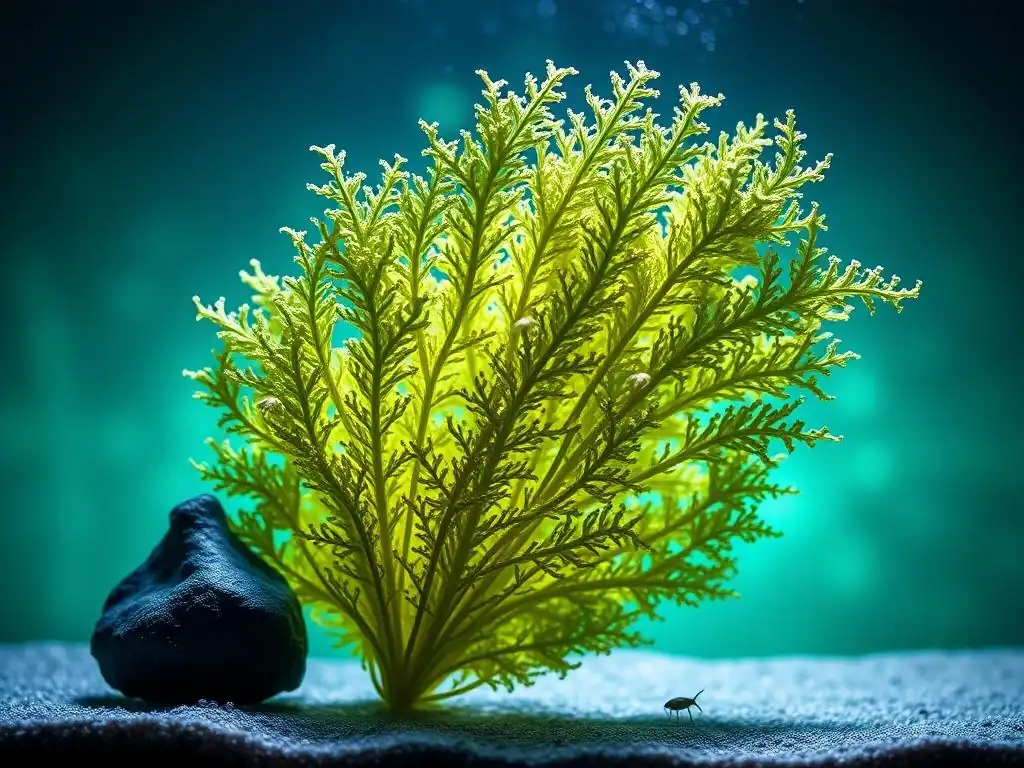
Regular harvesting is the cornerstone of effective nutrient export in a Chaeto refugium. As Chaeto grows, it actively absorbs nitrates, phosphates, and other undesirable nutrients from the water column, incorporating them into its biomass. By physically removing a portion of this grown Chaeto, you are directly extracting these absorbed pollutants from your aquarium system. This is a continuous process that ensures long-term nutrient control.
Aim to harvest approximately 25-50% of the Chaeto biomass every 1-2 weeks, or as frequently as its growth rate dictates and your tank's nutrient levels require. To harvest, simply reach into the refugium and gently pull out a portion of the tangled mass. Lightly squeeze out any excess water back into the refugium before discarding the harvested algae. This simple, consistent action is one of the most direct and effective methods for maintaining low nutrient levels in a reef aquarium.
Using Chaeto as a Food Source for Fish and Invertebrates
While its primary function is nutrient export, harvested Chaeto can occasionally serve as a supplemental food source for certain herbivorous fish and invertebrates in your display tank. Tangs, surgeonfish, and some species of snails (such as Trochus snails) are known to graze on macroalgae. Offering small pieces of fresh Chaeto can provide a natural, fibrous, and nutritious addition to their diet.
Before offering Chaeto to your aquarium inhabitants, it is essential to ensure that the harvested algae is clean and free of any pests, undesirable organisms, or chemical residues. Rinse it thoroughly in clean saltwater to remove any detritus or potential contaminants. While it should not be considered a complete diet replacement, providing small amounts of Chaeto can offer enrichment and contribute to a more balanced diet for specific species, showcasing another benefit of your Chaeto refugium setup guide.
Advanced Chaeto Refugium Techniques
Implementing Reverse Daylight Photosynthesis (RDPS)
Reverse Daylight Photosynthesis (RDPS) is an advanced technique widely adopted by experienced aquarists to enhance the stability of their reef systems. This method involves running the refugium light during the main display tank's dark cycle. During the night, the primary inhabitants of the display tank—fish, corals, and bacteria—respire, releasing carbon dioxide (CO2) into the water. This CO2 accumulation can lead to a natural drop in the aquarium's pH.
By having the Chaeto photosynthesize during this nocturnal period, it actively consumes the CO2 being produced, effectively buffering the pH drop. This helps to maintain a more stable pH throughout a 24-hour cycle, reducing stress on sensitive corals and fish. For example, if your display lights are on from 1 PM to 11 PM, your refugium light would be set to run from 12 AM to 10 AM, ensuring that photosynthesis is continuously occurring somewhere in your system.
Using a Chaeto Reactor for Enhanced Nutrient Control
For aquarists with limited sump space or those seeking the utmost efficiency in nutrient export, a dedicated Chaeto reactor presents an excellent advanced option. These compact, cylindrical units are specifically designed to house a dense ball of Chaeto. They typically feature integrated LED lighting, often arranged circumferentially, and a controlled flow pattern that gently tumbles the Chaeto, ensuring that all parts of the algae receive optimal light exposure and consistent nutrient-rich water.
Chaeto reactors can provide highly efficient nutrient export within a minimal footprint, making them ideal for smaller sumps or standalone setups. They usually require a dedicated small pump to feed water into the reactor, ensuring a precise flow rate for maximum Chaeto growth. While the initial investment for a reactor is higher than a simple sump refugium, their controlled environment and optimized light delivery can lead to exceptionally rapid Chaeto growth and superior nutrient removal, making them a powerful tool for advanced reefkeeping.
Conclusion: Mastering the Chaeto Refugium for a Healthy Aquarium
The Long-Term Benefits of a Well-Maintained Chaeto Refugium
A properly set up and diligently maintained Chaeto refugium is an indispensable asset for any saltwater aquarium, particularly for thriving reef systems. Its primary and most significant benefit lies in its ability to efficiently export nitrates and phosphates, which are key drivers of nuisance algae outbreaks in the display tank. This leads to consistently clearer water, reduced maintenance on the main display, and a healthier, more vibrant environment for your corals and fish to flourish.
Beyond its crucial role in nutrient control, a Chaeto refugium fosters a robust population of beneficial microfauna, such as copepods and amphipods. These organisms serve as a continuous, natural food source, enriching the diet of many aquarium inhabitants and contributing to the overall ecological balance. Furthermore, the pH buffering capabilities provided by a reverse daylight cycle contribute to greater system stability, minimizing stress on sensitive livestock. Embracing the principles of a Chaeto refugium setup guide truly elevates the long-term health and aesthetic appeal of your aquatic ecosystem.
Resources for Further Learning about Chaetomorpha Algae and Refugiums
To continuously enhance your understanding and optimize your Chaeto refugium, exploring additional resources is highly recommended. Delve into scientific papers on marine macroalgae cultivation to gain deeper insights into their physiological requirements. Engage with online forums and communities dedicated to reef keeping, where experienced aquarists share practical tips and troubleshooting advice. Seek out detailed guides provided by reputable aquarium websites, which often offer species-specific care instructions and advanced techniques.
Continuously learning and applying new knowledge will empower you to fine-tune your Chaeto refugium for peak performance. Understanding the intricate balance between light spectrum, intensity, optimal flow rates, and nutrient dynamics will allow you to maximize your Chaeto's growth and nutrient export capabilities. This ongoing commitment to education will ultimately lead to an even more stable, pristine, and captivating saltwater environment for all your aquatic inhabitants.
Frequently Asked Questions
What is a Chaeto refugium and why is it beneficial for my aquarium?
A Chaeto refugium is a separate tank or compartment connected to your main aquarium that cultivates Chaetomorpha algae. It's beneficial because it helps reduce nitrates and phosphates, provides a safe haven for beneficial organisms, and can stabilize the pH in your aquarium.
What size refugium is recommended for a successful Chaeto refugium setup?
The ideal refugium size typically ranges from 10-20% of the main display tank volume. This allows for sufficient space for Chaetomorpha growth and nutrient removal. However, this is a general guideline and can be adjusted based on specific tank needs.
What type of lighting is best for growing Chaeto in a refugium?
Chaetomorpha thrives under full-spectrum LED grow lights. These lights provide the necessary wavelengths for photosynthesis, promoting healthy and rapid growth of the algae. Avoid using lights that produce excessive heat.
How often should I prune or trim my Chaeto algae in the refugium?
Regular pruning is essential to maintain optimal nutrient export. Trim the Chaetomorpha when it becomes dense and compacted, typically every 1-2 weeks. Removing excess algae prevents it from dying off and releasing nutrients back into the system.
What are some common problems encountered with Chaeto refugiums, and how can they be resolved?
Common issues include slow growth, algae die-off, and pest infestations. Slow growth can be addressed by optimizing lighting and flow. Die-off is often due to nutrient imbalances or sudden changes in water parameters. Address pests by quarantining new additions and manually removing them.
Okay, here's a final reflection you can use for your "The Perfect Chaeto Habitat: Setting Up Your Refugium for Success" article on AquariumMastery.com, optimized for the "Chaeto refugium setup guide" keyword:
Final Reflection: Cultivating Balance in the Reef
The journey to a thriving reef aquarium is often paved with meticulous planning and a deep understanding of symbiotic relationships. As we've explored in this Chaeto refugium setup guide, creating the perfect environment for Chaetomorpha algae is not just about algae growth; it's about fostering a balanced ecosystem that benefits the entire tank. The principles outlined here, from lighting to flow rate, are more relevant than ever as reef keepers strive for sustainable and vibrant aquatic environments.
This exploration into Chaeto refugiums has highlighted the profound impact even seemingly small components can have on the overall health of a reef system. My own experiences with refugiums have underscored the importance of patience and observation, learning to read the subtle cues of the ecosystem. The best way to observe a fish is to become a fish.
- Jacques Cousteau. This quote reminds us that understanding our aquariums requires empathy and a willingness to immerse ourselves in their intricate world. The ongoing success of countless reef tanks hinges on the dedication of aquarists to understanding and nurturing these delicate balances.
Now, armed with this knowledge of Chaeto refugium setup, I invite you to reflect on your own reef-keeping journey. Consider how you can apply these principles to create a more sustainable and thriving ecosystem in your aquarium. Embrace the challenge of cultivating balance, and witness the remarkable transformation that a well-maintained refugium can bring to your reef. Your dedication to understanding and nurturing these ecosystems will not only enhance the beauty of your aquarium but also contribute to a deeper appreciation for the wonders of the marine world.
Cultivate Your Reef: Begin Your Thriving Refugium Today!
Thanks for diving into the world of chaeto and refugiums! Now that you're equipped with the knowledge to build the perfect habitat, it's time to put that expertise into action and boost your aquarium's health. Ready to take the plunge?
Here are a few steps you can take now:
- Start your refugium today! Identify the perfect spot in your setup and begin gathering the components. Remember, a healthy refugium means a healthier reef.
- Experiment with lighting cycles. Try an inverted lighting schedule to see how it impacts nutrient levels and algae growth in your specific aquarium.
- Share your refugium journey! Join the Aquarium Mastery community and post photos of your setup, sharing your successes and challenges.
What surprising benefits have you noticed in your reef aquarium after setting up a refugium?