
How Deep Should Your Aquarium Substrate Be for Healthy Plant Roots?

Welcome to Aquarium Mastery!
Ever wondered if you're really giving your aquatic plants the best start in life? Dive into our comprehensive Aquarium Substrate Depth Guide and unlock the secrets to thriving plant roots! We'll help you determine the ideal substrate depth for lush growth and a healthy aquarium ecosystem. Ready to cultivate your underwater paradise? Let's explore!
- Understanding Aquarium Substrate Depth: A Guide for Planted Tanks
- Why Aquarium Substrate Depth Matters for Plant Health
- Determining the Ideal Aquarium Substrate Depth
- Choosing the Right Aquarium Substrate Material
- Step-by-Step Guide to Installing Aquarium Substrate at the Correct Depth
- Maintaining Your Aquarium Substrate for Long-Term Plant Health
- Troubleshooting Common Substrate Depth Issues
- Optimizing Your Planted Aquarium: Beyond Substrate Depth
-
Frequently Asked Questions
- How does the depth of aquarium substrate impact plant health?
- What is the ideal substrate depth for most rooted aquarium plants?
- What type of substrate benefits from a deeper layer in the aquarium?
- Does the substrate depth affect water chemistry in the aquarium?
- How do I determine the best substrate depth for my specific aquarium plants?
- Final Reflection: Cultivating Underwater Gardens
- Cultivate Your Dream Aquarium: Time to Get Planting!
Understanding Aquarium Substrate Depth: A Guide for Planted Tanks
The foundation of a thriving planted aquarium lies beneath the surface – in its substrate. Far more than just a decorative element, the substrate serves as the anchorage for plant roots, a reservoir for essential nutrients, and a crucial habitat for beneficial bacteria that play a vital role in the nitrogen cycle. Getting the aquarium substrate depth right is a critical factor often overlooked by novice aquarists, yet it profoundly impacts the health and vitality of aquatic plants. This guide aims to provide comprehensive insights into optimizing substrate depth for a lush, vibrant planted tank.
Why Aquarium Substrate Depth Matters for Plant Health
Substrate Depth and Root Development in Aquatic Plants
Proper substrate depth provides a stable and conducive environment for plant roots to develop and spread effectively. A sufficient depth allows aquatic plants, particularly those with extensive root systems like Cryptocoryne species or Echinodorus (Amazon Swords), to firmly anchor themselves, preventing them from floating or being dislodged by fish activity or water currents. For robust growth, a depth typically ranging from 2 to 4 inches (5 to 10 cm) is often recommended, as it enables the development of a strong root network vital for both physical stability and nutrient absorption.
This extensive root network is essential for accessing nutrients bound within the substrate, such as iron, potassium, and various trace elements, which are often less bioavailable in the water column. For instance, a well-established Echinodorus bleheri can develop roots several inches long, actively seeking out and absorbing nutrients from deeper substrate layers. Without adequate depth, these plants may struggle to form robust root systems, leading to stunted growth and reduced overall vigor, underscoring the importance of this aquarium substrate depth guide.
The Impact of Insufficient Substrate Depth on Plant Growth
An insufficient aquarium substrate depth can lead to a multitude of problems for aquatic plants. When the substrate is too shallow, plants struggle to establish proper anchorage, resulting in frequent uprooting, especially for newly planted specimens or during routine maintenance. This constant disturbance stresses the plants and prevents them from settling in and beginning healthy growth. Carpeting plants like Glossostigma elatinoides or Hemianthus callitrichoides may fail to spread effectively without enough substrate to root into, leading to patchy growth.
Furthermore, a shallow substrate layer severely limits nutrient absorption for root-feeding plants. Many aquatic plants, particularly heavy feeders, rely on the substrate as their primary source of essential macronutrients (e.g., nitrogen, phosphorus, potassium) and micronutrients. A layer less than 1.5 inches (3.8 cm) can quickly become depleted, leading to visible nutrient deficiencies such as chlorosis (yellowing leaves due to iron deficiency) or stunted growth, even if water column fertilizers are regularly dosed. This limitation highlights a critical aspect of an effective aquarium substrate depth guide.
How Excessive Substrate Depth Can Harm Your Aquarium
While it might seem counterintuitive, an overly deep aquarium substrate depth can also be detrimental to a planted tank. The primary concern is the formation of anaerobic pockets, areas within the substrate where oxygen is completely depleted due to poor water circulation. In these oxygen-deprived zones, harmful anaerobic bacteria can thrive, producing toxic compounds like hydrogen sulfide (H2S), which smells distinctly like rotten eggs. This gas is highly poisonous to fish and invertebrates and can be lethal if released into the water column in significant amounts.
Substrate depths exceeding 5-6 inches (12-15 cm), particularly with fine-grained or highly compacting materials, are particularly susceptible to anaerobic conditions without proper mitigation strategies. Additionally, excessive depth adds considerable weight to the aquarium, potentially stressing the stand and making maintenance tasks, such as gravel vacuuming or planting, more challenging. Although some very large plants might benefit from deeper roots, the risks associated with anaerobic conditions generally outweigh the benefits beyond a certain point, making careful consideration of optimal aquarium substrate depth crucial for overall tank health.
Determining the Ideal Aquarium Substrate Depth
Factors Influencing Optimal Substrate Depth for Planted Aquariums
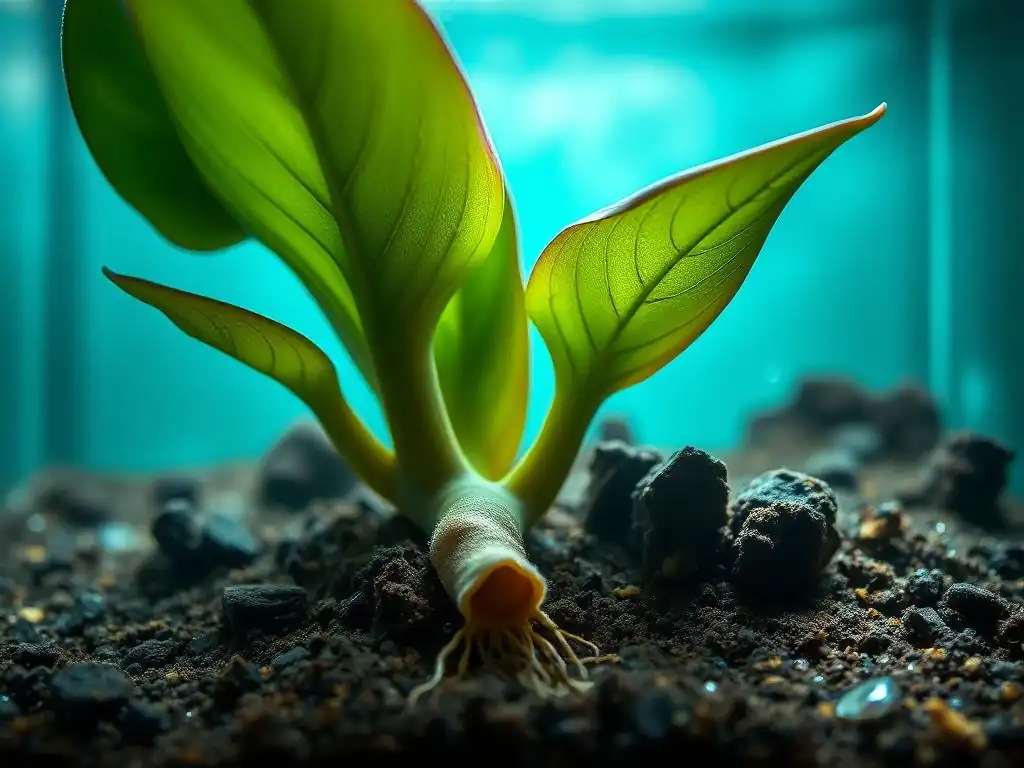
Determining the optimal aquarium substrate depth for a planted tank is not a one-size-fits-all scenario; it depends on several interacting factors. Key considerations include the specific plant species you intend to grow, their individual rooting habits, and the physical characteristics of the chosen substrate material, such as its grain size and composition. Whether you plan to incorporate nutrient-rich base layers or rely solely on inert substrates also significantly influences the ideal depth.
The interplay of these factors is crucial for successful plant growth. For example, a finer substrate like sand might require a slightly shallower depth than a coarser gravel to prevent compaction and anaerobic zones, yet it can still support robust root systems due to its high surface area for nutrient retention. Similarly, tanks designed for heavy root feeders will naturally demand a deeper, more nutrient-dense substrate compared to those focused on epiphytic plants or water column feeders. Understanding these nuances is key to developing a comprehensive aquarium substrate depth guide tailored to your specific setup.
Plant Species and Rooting Habits
Different plant species have varying root requirements. Heavy root feeders like Amazon Swords ( Echinodorus spp.) and Cryptocoryne species need deeper substrate for their extensive root systems, typically 3-5 inches (7.6-12.7 cm). In contrast, stem plants such as Rotala or Ludwigia can thrive with less depth, around 2-3 inches (5-7.6 cm), as they absorb nutrients from both the water column and substrate. Carpeting plants like Monte Carlo or Dwarf Hairgrass also benefit from a finer, more stable substrate of 1.5-2.5 inches (3.8-6.3 cm) for secure rooting and spreading.
Grain Size and Composition of the Substrate
The physical characteristics of the substrate material play a significant role. Fine-grained substrates like sand (0.5-2 mm) can compact more easily, potentially restricting root growth and oxygen flow if too deep. Coarser gravels (3-6 mm) offer better water circulation within the substrate but might not provide as much surface area for beneficial bacteria or nutrient retention. Specialized planted tank soils often have a porous, granular structure (1-4 mm) that balances good drainage with nutrient-holding capacity, allowing for deeper application without excessive anaerobic risk.
The Role of Nutrient-Rich Substrates
The presence and type of nutrient-rich substrates directly influence optimal depth. If using an aquasoil or a separate nutrient-rich base layer (e.g., laterite, fertilized peat), the overall aquarium substrate depth can be tailored to maximize the benefits of these materials. These substrates provide essential macro and micronutrients directly to plant roots, reducing the reliance on water column fertilization for heavy root feeders. A deeper layer of these nutrient-rich materials, typically 2-4 inches (5-10 cm), ensures a long-lasting supply, promoting sustained healthy growth.
General Guidelines for Substrate Depth Based on Plant Type
Shallow-Rooting Plants: Minimum Substrate Depth Requirements
For plants that develop shallow root systems or primarily absorb nutrients from the water column, such as most stem plants ( Rotala rotundifolia, Ludwigia repens) or carpeting plants like Monte Carlo ( Micranthemum tweediei), a substrate depth of 1.5 to 2.5 inches (3.8 to 6.3 cm) is generally sufficient. This depth provides adequate anchorage without creating excessive volume that could lead to compaction or anaerobic issues. It also allows for easier planting and repositioning of smaller, more delicate plants.
Even for these less demanding species, a minimum depth is crucial for stability and to provide a surface area for beneficial bacteria to colonize. While epiphytes like Java Fern ( Microsorum pteropus) or Anubias barteri do not root into the substrate itself (they attach to hardscape), the overall ecosystem stability provided by a properly laid substrate still benefits them indirectly. This minimum depth ensures that plants remain securely planted and offers flexibility for future plant additions, making it a practical recommendation in any aquarium substrate depth guide.
Deep-Rooting Plants: Providing Adequate Support
Plants known for developing extensive and robust root systems, such as Amazon Swords ( Echinodorus species), most Cryptocorynes, and larger Vallisneria varieties, require a deeper substrate to truly thrive. For these species, a minimum substrate depth of 3 to 4 inches (7.6 to 10 cm) is generally recommended. This allows their powerful root networks to spread out, anchor firmly, and efficiently draw essential macro and micronutrients directly from the substrate, which is their primary source of sustenance.
In setups with very large sword plants or densely planted tanks aiming for long-term stability, depths up to 5 inches (12.7 cm) might be considered. However, when opting for such deep layers, it becomes even more critical to implement measures to prevent anaerobic zones, such as the use of porous aquasoils, substrate heating cables to promote convection, or regular gentle disturbance of the substrate. This deeper layer ensures continuous access to nutrients and prevents plants from becoming root-bound, which can stunt growth and overall vitality, a vital consideration for a comprehensive aquarium substrate depth guide.
Substrate Depth for Different Aquarium Setups
Low-Tech Planted Tanks: Substrate Considerations
In low-tech planted tanks, which typically operate with ambient CO2 levels, lower light intensity, and often minimal liquid fertilization, the substrate plays an even more critical role in nutrient supply. A general aquarium substrate depth guide for these setups often suggests a depth of 2.5 to 3.5 inches (6.3 to 8.9 cm) of nutrient-rich substrate, such as a dedicated planted tank soil or a layer of laterite capped with inert gravel. This depth ensures a substantial and long-lasting reservoir of nutrients for plants that grow at a slower pace and rely heavily on root feeding.
The key in low-tech setups is stability and sustained nutrient release. A sufficient substrate depth allows for the establishment of a robust microbial community within the substrate, which is crucial for nutrient cycling and plant uptake. While anaerobic pockets are still a concern, the slower metabolism of plants and less aggressive growth in low-tech tanks often makes them slightly more forgiving than high-tech setups regarding minor fluctuations in substrate conditions, provided the substrate material itself is suitable and not prone to excessive compaction.
High-Tech Planted Tanks: Optimizing Substrate Depth for CO2 Injection
High-tech planted tanks, characterized by high light, CO2 injection, and often comprehensive liquid fertilization, can support very rapid and vigorous plant growth. For these dynamic setups, an aquarium substrate depth guide typically recommends 2.5 to 4 inches (6.3 to 10 cm). While water column nutrient availability is high due to liquid fertilizers, a good substrate depth is still essential for rooting stability and providing a buffer of nutrients, especially for heavy root feeders that can quickly deplete water column nutrients.
The challenge in high-tech tanks with deeper substrates is managing the potential for anaerobic zones, as the rapid plant growth, higher temperatures, and increased biological activity can accelerate oxygen depletion within the substrate. Therefore, careful substrate selection (e.g., highly porous aquasoils that resist compaction) and potentially incorporating measures like substrate heating cables (to promote convection) or diligent maintenance (e.g., light surface gravel vacuuming to remove detritus) become even more crucial to ensure optimal conditions and prevent the buildup of harmful gases.
Choosing the Right Aquarium Substrate Material
Different Types of Aquarium Substrate and Their Impact on Root Growth
The choice of aquarium substrate material significantly impacts both the physical environment for root growth and the availability of nutrients. Different materials offer varying levels of porosity, nutrient retention, and buffering capacity, all of which influence how well plants can establish, absorb sustenance, and thrive. Understanding these differences is a fundamental component of any comprehensive aquarium substrate depth guide for planted tanks, as the material directly dictates how deep the substrate can or should be.
For instance, very fine sands can compact easily, potentially hindering root penetration and leading to anaerobic areas if applied too deeply. In contrast, coarser gravels offer excellent water flow but might lack the inherent nutrient-holding capacity necessary for long-term plant health without supplementation. Dedicated planted tank soils, on the other hand, are specifically engineered to provide both optimal physical structure and a rich nutrient profile, making them an ideal choice for a wide variety of aquatic plant species and allowing for greater flexibility in depth.
Gravel: Pros and Cons for Planted Tanks
Standard aquarium gravel, typically with particle sizes ranging from 3-6 mm, offers good water circulation within the substrate, which helps prevent the rapid formation of anaerobic conditions. Its inert nature means it generally won't alter water chemistry significantly, making it a safe choice for a wide range of fish and plant setups. However, gravel holds very few nutrients on its own, meaning root-feeding plants will heavily rely on supplemental root tabs or a nutrient-rich base layer beneath it. A typical aquarium substrate depth guide for gravel-only setups might recommend 2-3 inches (5-7.6 cm) to allow for sufficient root anchorage.
While gravel is relatively affordable and easy to clean, its larger particle size can make it challenging for very fine-rooted plants or delicate carpeting species to establish firmly. Nutrients, when added via liquid fertilizers, can also leach out of the substrate more quickly compared to finer materials. To compensate for its lack of inherent nutrients, aquarists frequently use a layered approach, placing a dedicated plant soil or nutrient-rich clay (like laterite) beneath the gravel to provide the necessary sustenance for thriving root systems over the long term.
Sand: Suitability for Rooted Plants
Aquarium sand, with particle sizes generally less than 2 mm, provides a very fine and compact bed that is excellent for plants with delicate root systems and for carpeting species like Dwarf Hairgrass ( Eleocharis parvula) or Glossostigma elatinoides. Its fine grain allows for excellent root penetration and superior nutrient retention, as nutrients tend to stay localized around the roots rather than dispersing quickly into the water column. For sand, an aquarium substrate depth guide usually suggests 1.5 to 2.5 inches (3.8 to 6.3 cm) to balance root support with the inherent risk of compaction and anaerobic zones.
The main drawback of sand is its tendency to compact over time, which can lead to reduced water flow and the formation of anaerobic pockets, especially if applied deeper than recommended or without adequate plant root penetration. Regular, gentle stirring of the top layer (avoiding disturbance of established roots) or the introduction of sand-sifting snails (e.g., Malaysian Trumpet Snails) can help mitigate this issue by promoting aeration. Despite this, sand remains a popular choice for its aesthetic appeal, ease of planting for certain species, and its benefits for specific plant types.
Soil-Based Substrates: Nutritional Benefits and Depth Considerations
Soil-based substrates, often commercially termed "aquasoils" or "active substrates" (e.g., ADA Aqua Soil, Fluval Stratum), are specifically engineered for planted aquariums. They are typically porous, rich in humic acids, trace elements, and macronutrients, and often possess a high cation exchange capacity (CEC), meaning they can absorb and release nutrients to plant roots as needed. These substrates are excellent for promoting robust root growth, vibrant plant health, and can help buffer pH to slightly acidic levels, ideal for many aquatic plants. An aquarium substrate depth guide for aquasoils often recommends 2.5 to 4 inches (6.3 to 10 cm), depending on the plant load and desired aesthetic.
While highly beneficial, these substrates can initially release ammonia and other nutrients, requiring a proper aquarium cycling period before adding livestock. They may also lower pH and KH (carbonate hardness), which is advantageous for many aquatic plants but needs to be monitored. Due to their rich composition and often light, granular nature, overly deep layers (e.g., exceeding 5 inches or 12.7 cm) without sufficient plant density or water flow can still pose a risk for anaerobic conditions, although their inherent porosity often makes them more forgiving than compacted sand or gravel in deeper applications.
Planted Aquarium Substrates: Commercially Available Options
- ADA Aqua Soil Amazonia: A popular choice among advanced aquascapers, known for its rich nutrient content and ability to lower pH and KH, creating ideal conditions for many demanding aquatic plants.
- Fluval Stratum: A lightweight, porous substrate derived from volcanic soil, designed to provide an ideal environment for plant roots and beneficial bacteria. It helps buffer pH to a neutral level.
- Seachem Flourite: A stable, porous clay gravel that is highly durable and provides an excellent environment for root growth. It is rich in iron and other trace elements but does not contain significant amounts of nitrogen or phosphorus, making it suitable for long-term use with supplemental fertilization.
- Eco-Complete Planted Aquarium Substrate: A mineral-rich, porous substrate that contains live beneficial bacteria to help convert fish waste. It is designed to provide all the nutrients plants need, often without the need for additional fertilizers.
Layering Substrates for Optimal Plant Growth
The Benefits of a Multi-Layered Substrate System
A multi-layered substrate system combines the distinct advantages of different materials to create an optimal and highly customized environment for plant roots. This approach typically involves a nutrient-rich base layer covered by an inert or less active top layer. This strategic layering allows aquarists to provide targeted nutrition where roots need it most, while simultaneously maintaining a clean, aesthetically pleasing surface that resists algae growth and is generally easier to vacuum without disturbing the nutrient layers. This sophisticated method is a key recommendation in any advanced aquarium substrate depth guide.
The primary benefit of layering is the ability to specifically tailor the substrate to the unique needs of various plant species, providing both long-term nutrient release and excellent physical support. For instance, a base layer of specialized plant soil can supply essential macro and micronutrients for years, ensuring sustained growth for heavy root feeders. Meanwhile, a top layer of fine sand or small gravel ensures stable anchorage for plants, prevents the nutrient-rich layer from clouding the water, and allows for easier surface cleaning. This combination creates a more stable, fertile, and visually appealing environment than a single-material substrate.
Base Layer: Providing Nutrients and Stability
The base layer, typically 1-2 inches (2.5-5 cm) deep, is where the majority of the nutrients for root-feeding plants are concentrated. This foundational layer often consists of specialized planted tank soils (like ADA Aqua Soil or Fluval Stratum), laterite, or even carefully prepared mixes of potting soil capped with sand, though the latter requires careful preparation to avoid issues. Its primary role is to provide a rich, long-lasting source of essential macro and micronutrients, such as iron, potassium, and nitrogen compounds, directly to the roots as they grow into it.
Beyond nutrition, the base layer also contributes significantly to the overall stability of the entire substrate bed. Its composition, often granular and porous, allows for some water circulation while still retaining nutrients effectively. For example, a layer of clay-based laterite will bind iron and other minerals, releasing them slowly over time as plant roots demand them, ensuring sustained, healthy growth and preventing common deficiencies. This foundational layer is critical for the long-term success of a heavily planted tank, as detailed in any thorough aquarium substrate depth guide.
Top Layer: Facilitating Root Penetration and Water Circulation
The top layer, typically 1-3 inches (2.5-7.6 cm) deep, serves multiple crucial purposes in a layered substrate system. It effectively caps the nutrient-rich base layer, preventing it from clouding the water or being easily disturbed by fish or maintenance activities. Materials commonly used for this layer include fine gravel, sand, or inert planted tank substrates (e.g., Seachem Flourite). This layer should be fine enough to allow easy root penetration for plants while being coarse enough to permit some water circulation and prevent excessive compaction, especially crucial for aquarium substrate depth management.
The top layer also provides the primary aesthetic surface of the aquarium and is the layer that will be gently vacuumed during routine maintenance. Its texture and particle size should be conducive to planting and re-planting without excessive disturbance to the underlying nutrient layer. For example, a fine sand top layer allows delicate carpeting plants to spread easily, while slightly coarser gravel might be preferred for tanks with bottom-dwelling fish that tend to stir the substrate. The choice of top layer is crucial for both functionality and visual appeal, as emphasized in a complete aquarium substrate depth guide.
Step-by-Step Guide to Installing Aquarium Substrate at the Correct Depth
Preparing Your Aquarium Tank for Substrate Installation
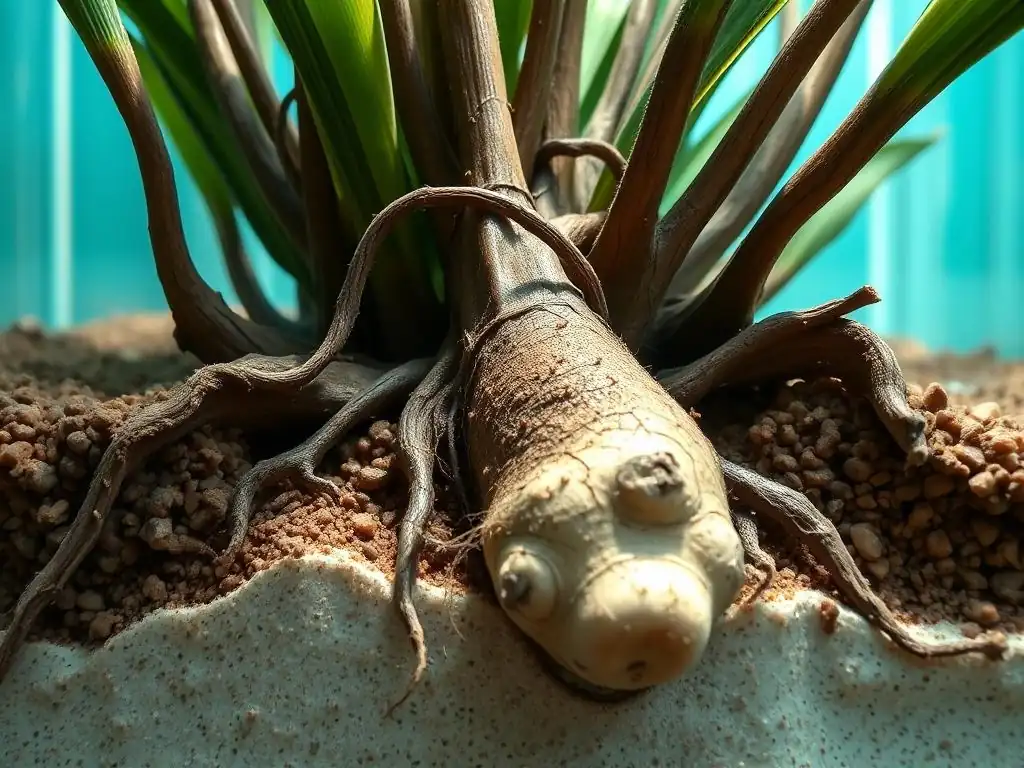
Before adding any substrate, it is paramount to thoroughly clean the empty aquarium tank. This involves rinsing it meticulously with plain water to remove any dust, debris, or manufacturing residues that could potentially contaminate your aquatic environment. It is crucial to avoid using soaps, detergents, or chemical cleaners, as their residues can be highly toxic and detrimental to aquatic life, even after rinsing. Ensure the tank is placed on a level, sturdy stand, and that any hardscape elements like rocks or driftwood that will be partially buried are either already in position or carefully planned for.
If you are opting for a multi-layered substrate system, ensure all chosen substrate materials are pre-rinsed according to the manufacturer's specific instructions. While some specialized aquasoils do not require rinsing, others like sand or inert gravel often need multiple rinses until the water runs completely clear to prevent initial cloudiness in the filled tank. Having all necessary tools ready, such as a ruler or measuring tape for precise depth, a leveling tool, and a substrate scraper, will significantly streamline the installation process and help achieve the desired aquarium substrate depth.
Measuring and Calculating the Required Substrate Volume
To accurately determine the amount of substrate needed for your aquarium, you'll need to calculate the volume of your tank's footprint and multiply it by your desired aquarium substrate depth. For example, for a standard 20-gallon long tank measuring 30 inches (76.2 cm) in length and 12 inches (30.5 cm) in width, aiming for a 3-inch (7.6 cm) substrate depth would require a volume of 30 * 12 * 3 = 1080 cubic inches (or 76.2 * 30.5 * 7.6 = 17,665 cm³). This cubic measurement can then be converted to liters or gallons to match the substrate packaging (1 gallon ≈ 231 cubic inches; 1 liter ≈ 61.02 cubic inches). Many online calculators are available to assist with these conversions.
It is generally advisable to purchase slightly more substrate than your precise calculation, typically an extra 10-15%, to account for any irregularities in the tank bottom, displacement by hardscape elements, or to provide flexibility for future adjustments. Having a precise calculation based on an accurate aquarium substrate depth guide ensures you don't run out of material mid-installation, which can be frustrating, and helps in budgeting for your aquarium setup.
Evenly Distributing the Substrate Across the Tank Bottom
Begin the substrate installation by carefully adding the base layer (if utilizing a multi-layered system) to the empty tank, spreading it evenly across the entire bottom. Use a substrate scraper, a long ruler, or even your hand to distribute the material to the desired depth.
It is often aesthetically pleasing and functionally beneficial to create a slight slope, with the substrate being deeper at the back of the tank (e.g., 4 inches / 10 cm) and gradually shallower towards the front (e.g., 2 inches / 5 cm). This creates a sense of depth and allows for better viewing of foreground plants.
Once the base layer is in place and relatively leveled, gently add the top layer, again spreading it evenly over the base. Exercise caution to avoid excessively mixing the layers, especially if the base layer is nutrient-rich and prone to clouding the water. Placing a piece of plastic wrap or a flat plate on the base layer can help diffuse the impact of the falling substrate, minimizing disturbance. Throughout this process, regularly check the aquarium substrate depth at multiple points across the tank bottom to ensure it meets your target specifications.
Tips for Avoiding Anaerobic Pockets in Deep Substrate Beds
To effectively prevent the formation of anaerobic pockets, which can release harmful hydrogen sulfide gas, several strategies are crucial, particularly in deeper substrate beds (exceeding 4 inches / 10 cm). One effective method is to select substrates with inherently good porosity, such as specialized planted tank soils or coarse gravels, which facilitate some level of water exchange and oxygen penetration. Another highly recommended technique is to incorporate a substrate heating cable (e.g., a bottom heater), which creates gentle convection currents within the substrate, promoting subtle water movement and oxygenation.
Regularly disturbing the top few inches of the substrate during routine maintenance, being careful not to uproot plants excessively, can also help promote oxygen exchange. Introducing burrowing invertebrates like Malaysian Trumpet Snails ( Melanoides tuberculata) can naturally aerate the substrate as they move through it, breaking up compacted areas. For very deep beds, ensure there's a good density of root-feeding plants, as their robust root systems can help oxygenate the substrate as they grow. Following these tips is a vital part of any responsible aquarium substrate depth guide to ensure a healthy and safe environment.
Maintaining Your Aquarium Substrate for Long-Term Plant Health
Regular Vacuuming and Cleaning of the Substrate
Regular, yet gentle, vacuuming of the substrate surface is crucial for maintaining long-term plant health and preventing the buildup of detritus. Focus on vacuuming only the very top layer, carefully avoiding deep penetration into the substrate, especially in densely planted areas. This process effectively removes uneaten food, fish waste, and decaying plant matter, which can otherwise decompose, contribute to nutrient imbalances, or lead to the development of anaerobic conditions within the substrate.
For heavily planted tanks, a light surface vacuuming once every 1-2 weeks during routine water changes is often sufficient. In areas with dense plant growth where a gravel vacuum might be too disruptive, simply waving a hand gently above the substrate can help dislodge accumulated debris, allowing it to be drawn into the aquarium filter. Over-vigorous vacuuming can disturb delicate plant roots, prematurely release trapped nutrients, or even disrupt the beneficial bacterial colonies within the substrate, counteracting the benefits of careful aquarium substrate depth planning.
Fertilizing Plants Through the Substrate
For many root-feeding aquatic plants, supplementing nutrients directly into the substrate is often more effective and efficient than relying solely on liquid fertilizers dosed into the water column. Root tabs, which are slow-release capsules or tablets containing essential macro and micronutrients (e.g., iron, potassium, nitrogen, phosphorus), are commonly used for this purpose. These tabs are carefully inserted directly into the substrate near the base of heavy root feeders like Echinodorus species, Cryptocorynes, Lagenandra meeboldii, and Vallisneria species.
The frequency of root tab application depends on the specific brand, the density of your planting, and the plant's individual nutrient demands, but typically ranges from every 2-4 months. This method ensures that nutrients are available precisely where the roots can absorb them most efficiently, leading to stronger growth, more vibrant coloration, and improved overall plant vitality. It complements water column fertilization, providing a complete nutrient regime for thriving aquatic plants, a key aspect of a comprehensive aquarium substrate depth guide.
Monitoring Substrate Depth and Adjusting as Needed
Over time, the aquarium substrate depth can shift, settle, or be displaced due to various factors such as fish activity, burrowing invertebrates, or routine maintenance. It is important to periodically monitor the substrate depth, especially in critical areas where plants are heavily rooted or where hardscape elements are present. If areas become too shallow, plants might struggle to anchor securely, or their roots might become exposed, leading to stress, nutrient deficiencies, and stunted growth.
If adjustments are needed, carefully add more of the appropriate substrate material to shallow spots, gently pushing it into place without disturbing established roots too much. Conversely, if an area has become excessively deep and shows signs of anaerobic conditions (e.g., black patches, a rotten egg smell when disturbed), carefully siphon out some of the excess substrate from that area, ensuring minimal disruption to the overall tank ecosystem. Maintaining the ideal aquarium substrate depth is an ongoing process that contributes significantly to a healthy and stable planted tank environment.
Troubleshooting Common Substrate Depth Issues
Plants Uprooting Due to Insufficient Substrate
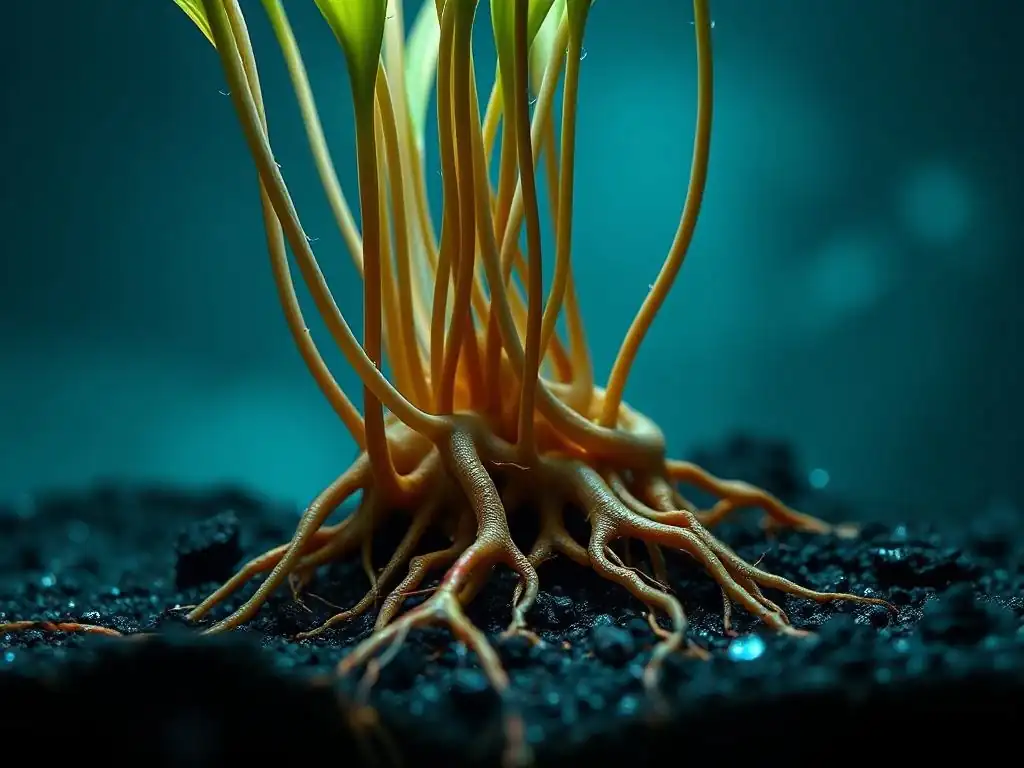
One of the most common and frustrating issues encountered with insufficient aquarium substrate depth is plants repeatedly uprooting. This problem frequently affects newly planted specimens or species with less robust root systems, and is often exacerbated by active bottom-dwelling fish (e.g., Corydoras, larger cichlids) or strong water flow from filters. The lack of sufficient depth means plant roots cannot establish a firm grip within the substrate, leading to plants floating to the surface, causing significant stress and preventing proper nutrient uptake.
To remedy this, gently re-plant the affected specimens, ensuring their root crowns are fully buried and the roots are spread out. Consider adding more substrate to the problematic area to increase the depth to at least 2-3 inches (5-7.6 cm) for most plant types, or even deeper for heavy root feeders.
For particularly stubborn plants that repeatedly uproot, using planting weights (small, inert lead-free weights) or carefully placing small, inert rocks around the base of the plant can provide temporary stability until the roots develop sufficiently to anchor themselves. Patience is key, as newly planted roots require time to establish.
Root Rot and Anaerobic Conditions in Overly Deep Substrate
Overly deep substrate beds, especially those lacking proper porosity or adequate water circulation, are highly prone to developing anaerobic conditions, which can lead to severe root rot in aquatic plants. Symptoms typically include plants with blackened, mushy roots, often accompanied by a distinct rotten egg smell (hydrogen sulfide) if the substrate is disturbed. This hydrogen sulfide gas is highly toxic to fish and invertebrates and can lead to sudden, unexplained deaths if released into the water column in large quantities.
To address this serious issue, carefully reduce the aquarium substrate depth in the affected areas, aiming for a maximum of 4-5 inches (10-12.7 cm) unless specific aeration measures (like substrate heating cables) are in place. Gently stir the top layers of the substrate regularly to promote oxygen exchange and release any trapped gases. Introducing burrowing invertebrates like Malaysian Trumpet Snails ( Melanoides tuberculata) can also naturally aerate the substrate as they move through it. Increasing water flow over the substrate surface and ensuring good filtration can help by promoting overall tank circulation and nutrient distribution, mitigating anaerobic zones.
While not always solely caused by aquarium substrate depth, improper depth can significantly contribute to nutrient deficiencies in aquatic plants. A substrate that is too shallow, particularly if it is inert (like plain gravel), will quickly deplete any available nutrients, leading to visible symptoms in plants. These can include yellowing leaves (indicative of iron deficiency), stunted or slow growth (often a sign of nitrogen or phosphorus deficiency), or holes in older leaves (frequently a symptom of potassium deficiency). This is because many aquatic plants, especially heavy root feeders, rely heavily on substrate absorption for their primary nutrient intake.
If nutrient deficiencies are observed and your water column fertilization regime is already optimized, it's crucial to assess your substrate depth and its inherent composition. For shallow, inert substrates, consider adding root tabs directly into the substrate near the base of the affected plants to provide localized nutrient supplementation. For nutrient-rich substrates that might be nearing exhaustion (typically after 1-2 years), supplementing with root tabs can extend their effectiveness. Ensuring the right aquarium substrate depth guide for your plants' specific needs is crucial for consistent and adequate nutrient availability, leading to robust and healthy growth.
Optimizing Your Planted Aquarium: Beyond Substrate Depth
Lighting, CO2, and Fertilization: Complementary Factors for Plant Growth
While a carefully chosen aquarium substrate depth is a fundamental pillar of a successful planted aquarium, it is just one component of a complex ecosystem. Lighting, CO2 supplementation, and comprehensive water column fertilization are equally critical and work synergistically to promote robust plant growth. Insufficient or inappropriate lighting will inevitably lead to leggy, pale, or algae-ridden plants, regardless of substrate quality, as plants cannot photosynthesize effectively without adequate light intensity and spectrum. Similarly, inadequate CO2 is often the limiting factor for plant growth in high-light setups, leading to stunted or unhealthy development, even with perfect substrate conditions.
A balanced fertilization regime, encompassing both macro (nitrogen, phosphorus, potassium) and micronutrients (iron, manganese, zinc, etc.) dosed into the water column, complements the nutrients absorbed from the substrate. For instance, even with a perfectly laid, nutrient-rich substrate, a potassium deficiency in the water column will manifest as holes in older leaves. Optimizing these three interconnected factors alongside proper substrate depth creates the ideal conditions for lush, vibrant plant growth, ensuring all essential elements for photosynthesis and cellular development are readily available.
Choosing the Right Plants for Your Aquarium Environment
Selecting plant species that are compatible with your tank's specific parameters and your personal commitment level is paramount for success. For example, beginner aquarists might find greater success starting with hardy, low-light plants like Java Fern ( Microsorum pteropus), Anubias species, and various Cryptocorynes, which are more forgiving of minor fluctuations in water parameters and do not demand extremely deep or intensely nutrient-rich substrates. Attempting to grow demanding carpeting plants or intricate stem plant arrangements in a low-tech setup without adequate CO2 or light will likely lead to frustration and plant failure.
Thoroughly researching the specific light, CO2, and nutrient requirements of each plant species before purchase can save a significant amount of trouble and disappointment. Understanding if a plant is primarily a root feeder or a water column feeder will also directly inform your aquarium substrate depth guide and overall fertilization strategy. Matching plants to your existing or planned aquarium setup ensures they not only survive but truly thrive, contributing to a stable, visually appealing, and biologically active aquatic environment.
Achieving a Balanced Ecosystem for Thriving Aquatic Plants
Ultimately, a thriving planted aquarium is a balanced ecosystem where plants, fish, invertebrates, and beneficial microorganisms coexist harmoniously, each contributing to the overall health and stability of the system. This delicate balance is achieved by consistently providing the right conditions: stable water parameters, appropriate lighting duration and intensity, adequate CO2 (if applicable), comprehensive nutrition from both the water column and the meticulously prepared substrate, and regular, proper maintenance practices. Each element, including the carefully chosen aquarium substrate depth, plays a vital and interconnected role in this intricate system.
Monitoring key indicators such as plant health (growth rate, coloration, absence of deficiencies), water test results (e.g., nitrates, phosphates, pH, GH, KH), and fish behavior provides crucial feedback for making necessary adjustments. A truly healthy planted tank will exhibit clear water, vibrant plant coloration with minimal algae growth, and active, healthy inhabitants. It is a continuous learning process, but by understanding and diligently implementing the principles of proper aquarium substrate depth and other complementary factors, aquarists can create stunning, sustainable, and rewarding underwater landscapes that bring immense satisfaction.
Frequently Asked Questions
How does the depth of aquarium substrate impact plant health?
The depth of your aquarium substrate is crucial because it directly affects root development and nutrient availability for your plants. Too shallow, and roots won't anchor properly; too deep, and anaerobic zones can form.
What is the ideal substrate depth for most rooted aquarium plants?
Generally, a substrate depth of 2-3 inches is recommended for most rooted aquarium plants. This provides adequate space for roots to establish and access nutrients without creating anaerobic conditions.
What type of substrate benefits from a deeper layer in the aquarium?
Substrates containing nutrient-rich additives or those used in layered substrate systems often benefit from a deeper layer. This allows for a longer release of nutrients and better root establishment.
Does the substrate depth affect water chemistry in the aquarium?
Yes, the substrate depth can influence water chemistry. Deeper substrates can harbor anaerobic bacteria, potentially leading to the production of harmful compounds like hydrogen sulfide if not properly maintained.
How do I determine the best substrate depth for my specific aquarium plants?
Research the specific needs of your chosen aquarium plants. Some species require shallower substrate, while others thrive with deeper layers for better root systems and nutrient uptake.
Final Reflection: Cultivating Underwater Gardens
The journey into understanding the optimal aquarium substrate depth reveals more than just technical specifications; it unveils the delicate balance necessary for thriving aquatic ecosystems. What began as a practical guide to achieving healthy plant roots transforms into a deeper appreciation for the interconnectedness of life within our glass-encased worlds.
This exploration has highlighted how a seemingly simple factor like substrate depth profoundly influences the health and vibrancy of our aquariums. It's a reminder that even the smallest details, when carefully considered, can unlock the potential for breathtaking underwater landscapes. The best time to plant a tree was 20 years ago. The second best time is now.
This ancient proverb resonates deeply, urging us to take action and cultivate the conditions for growth, both in our aquariums and in our lives.
Now, consider the lessons learned. How can you apply this newfound understanding to nurture growth and stability, not just in your aquariums, but in other areas of your life? Take a moment to reflect on the foundations you're building, the depths you're exploring, and the ecosystems you're cultivating. The principles of balance, patience, and attention to detail extend far beyond the glass walls of an aquarium, offering a powerful framework for creating a more vibrant and fulfilling existence.
Cultivate Your Dream Aquarium: Time to Get Planting!
Thanks for diving deep into the world of aquarium substrates! We hope you now feel equipped to give your aquatic plants the strong, healthy roots they deserve. Ready to transform your tank?
Here are some actions you can take to get started:
- Measure your aquarium base and calculate the substrate depth needed. Don't be afraid to adjust based on the specific plants you have!
- Explore adding root tabs for an extra boost of nutrients to your plants. Your plants will thank you!
- Share your substrate success stories (or struggles!) in the comments below. What unique plant combinations are you trying?
- Experiment with different materials to find what best suits your plants.
What substrate depth and plant combination are you most excited to try, and why?