
Liquid Fertilizers vs. Root Tabs: Feeding Your Aquatic Plants Right

Welcome to Aquarium Mastery!
Ever wondered if you're really giving your aquatic plants what they need to thrive? Dive in! We're exploring the crucial world of plant nutrition, focusing on the often debated topic: the best liquid fertilizer for your aquarium. Discover the secrets to lush, vibrant plant growth and learn how to choose between liquid fertilizers and root tabs. Ready to unlock the full potential of your planted tank? Let's get started!
- Understanding Aquatic Plant Nutrition for a Thriving Aquarium
-
Liquid Fertilizers: A Comprehensive Guide for Aquarium Use
- What are Liquid Fertilizers for Aquariums?
- Benefits of Using Liquid Fertilizers in Planted Tanks
- Different Types of Liquid Aquarium Fertilizers: All-in-One vs. Individual Nutrients
- How to Choose the Best Liquid Fertilizer for Your Aquarium
- Best Liquid Fertilizer Aquarium: Our Top Recommendations
- Properly Dosing Liquid Fertilizers: A Step-by-Step Guide
- Avoiding Algae Blooms: Balancing Nutrients in Liquid Fertilization
-
Root Tabs: Providing Targeted Nutrition for Root-Feeding Aquarium Plants
- What are Root Tabs and How Do They Work?
- Advantages of Using Root Tabs in Planted Aquariums
- Types of Root Tabs Available for Aquarium Plants
- Choosing the Right Root Tabs for Your Specific Plant Species
- How to Install Root Tabs for Optimal Plant Growth
- Root Tab Placement: Maximizing Nutrient Uptake
- Root Tab Longevity: When to Replace Your Root Tabs
-
Liquid Fertilizers vs. Root Tabs: A Detailed Comparison
- Nutrient Delivery: Direct Water Column vs. Root Zone
- Ease of Use: Application and Dosing Comparison
- Cost-Effectiveness: Liquid Fertilizers and Root Tabs Compared
- Plant Compatibility: Which Plants Benefit Most from Each Method?
- Impact on Water Parameters: Liquid Fertilizers and Root Tabs
- Addressing Nutrient Deficiencies: Speed and Effectiveness
- Combining Liquid Fertilizers and Root Tabs: A Synergistic Approach
- Troubleshooting Common Fertilization Issues in Planted Aquariums
- Conclusion: Choosing the Right Fertilization Method for Your Aquarium Plants
-
Frequently Asked Questions
- What are the main differences between liquid fertilizers and root tabs for aquarium plants?
- When should I use liquid fertilizer in my aquarium?
- How often should I dose liquid fertilizer in my aquarium?
- Can I use both liquid fertilizer and root tabs in the same aquarium?
- What are the potential drawbacks of using liquid fertilizers in my aquarium?
- Final Reflection: Cultivating Aquatic Harmony
- Nourish Your Aquarium: Ignite Plant Growth Today!
Understanding Aquatic Plant Nutrition for a Thriving Aquarium
The Importance of Fertilization in Planted Aquariums
In a natural aquatic environment, plants receive a continuous supply of nutrients from the decomposition of organic matter, runoff from surrounding land, and mineral dissolution from rocks and soil. However, a closed aquarium system, particularly one with regular water changes and efficient filtration, rapidly depletes these essential nutrients. Without supplemental fertilization, aquatic plants will quickly show signs of deficiency, such as stunted growth, discoloration, or even melting away, compromising the health and aesthetic appeal of the entire tank.
Proper fertilization is therefore crucial for maintaining a vibrant and healthy planted aquarium. Healthy plants not only enhance the visual beauty of the tank but also play a vital role in water quality management by absorbing harmful nitrates and phosphates, which can contribute to algae growth. For instance, a densely planted 50-gallon aquarium can effectively utilize up to 5-10 ppm of nitrates per week, significantly contributing to a stable ecosystem and reducing the burden on filtration systems.
Essential Nutrients for Healthy Aquarium Plants: Macro and Micronutrients
Aquatic plants, like their terrestrial counterparts, require a balanced array of nutrients for optimal growth, categorized into macronutrients and micronutrients. Macronutrients are needed in larger quantities and include Nitrogen (N), Phosphorus (P), and Potassium (K). Nitrogen is vital for leaf and stem growth, with typical target levels in planted tanks ranging from 5-20 ppm. Phosphorus is essential for root development and flowering, ideally maintained at 0.5-2 ppm. Potassium supports overall plant vigor, photosynthesis, and disease resistance, with recommended levels often between 10-30 ppm.
Micronutrients, though required in smaller amounts, are equally critical for plant health. These include Iron (Fe), Manganese (Mn), Boron (B), Zinc (Zn), Copper (Cu), Molybdenum (Mo), and Chlorine (Cl). Iron, for example, is fundamental for chlorophyll production, and its deficiency often manifests as yellowing between the veins of new leaves (interveinal chlorosis). Many tap water sources lack sufficient quantities of these trace elements, making their supplementation through fertilizers indispensable for preventing deficiencies and ensuring robust, colorful plant growth.
Liquid Fertilizers: A Comprehensive Guide for Aquarium Use
What are Liquid Fertilizers for Aquariums?
Liquid fertilizers for aquariums are concentrated nutrient solutions designed to be added directly to the water column. These formulations contain various essential macro and micronutrients that plants can absorb through their leaves and, to a lesser extent, their root systems. They are particularly effective for plants that derive most of their nutrition from the water column, such as stem plants, floating plants, and epiphytes like Anubias and Java Fern.
The primary function of liquid fertilizers is to provide immediate and easily accessible nutrients throughout the aquarium. When dosed, the nutrients disperse quickly, making them readily available for absorption by all plants in the tank. This rapid availability is a significant advantage, allowing aquarists to promptly address nutrient deficiencies and promote vigorous growth, especially in tanks with high light and CO2 injection where plant metabolism is accelerated.
Benefits of Using Liquid Fertilizers in Planted Tanks
One of the foremost benefits of using liquid fertilizers is their rapid absorption rate. Nutrients become available to plants almost immediately after dosing, which is crucial for fast-growing species or when correcting sudden nutrient deficiencies. This quick uptake allows for precise control over nutrient levels, as aquarists can adjust dosages based on plant response and water test results within a short timeframe.
Furthermore, liquid fertilizers are highly beneficial for plants that primarily absorb nutrients through their leaves, such as many common stem plants (e.g., Rotala, Ludwigia), mosses, and floating plants. They are also ideal for tanks with inert substrates like sand or gravel that do not provide inherent nutrition. The ease of application and the ability to distribute nutrients uniformly throughout the water column make liquid fertilizers a versatile and effective choice for many planted aquarium setups.
Different Types of Liquid Aquarium Fertilizers: All-in-One vs. Individual Nutrients
Liquid aquarium fertilizers typically come in two main categories: all-in-one solutions and individual nutrient supplements. All-in-one fertilizers, such as Seachem Flourish Comprehensive or Tropica Specialised Fertiliser, provide a balanced blend of macro and micronutrients in a single bottle. These are often the preferred choice for beginners or those seeking convenience, as they simplify the dosing regimen and aim to cover most general plant nutritional needs without requiring multiple products.
Conversely, individual nutrient supplements, like Seachem Nitrogen, Phosphorus, Potassium, or Iron, allow for highly targeted dosing. These are favored by experienced aquarists or those managing high-tech tanks with CO2 injection, where specific nutrient demands can fluctuate significantly. Using individual components allows for precise adjustments to address specific deficiencies or excesses, providing ultimate control over the tank's nutrient profile and enabling the cultivation of demanding plant species.
How to Choose the Best Liquid Fertilizer for Your Aquarium
Choosing the best liquid fertilizer for your aquarium depends largely on your tank's specific needs, including its size, plant density, lighting intensity, and whether you use CO2 injection. For low-tech, moderately planted tanks with standard lighting and no CO2, an all-in-one liquid fertilizer that provides a comprehensive blend of macro and micronutrients is usually sufficient and user-friendly. These formulations offer a balanced approach without the complexity of individual dosing.
For high-tech planted aquariums with intense lighting and CO2 supplementation, where plants grow rapidly and have higher metabolic demands, a more robust fertilization strategy is often required. This might involve using a specialized all-in-one designed for high-tech setups, or a combination of individual macronutrient (NPK) and micronutrient (trace elements, particularly iron) supplements. When evaluating options for the best liquid fertilizer aquarium, consider products that offer chelated micronutrients, as chelation ensures these vital elements remain available for plant uptake in various water conditions.
Best Liquid Fertilizer Aquarium: Our Top Recommendations
When seeking the best liquid fertilizer for a planted aquarium, several reputable brands consistently deliver excellent results. For a comprehensive, all-in-one solution suitable for many setups, particularly those with moderate lighting and CO2, Seachem Flourish Comprehensive is a widely popular choice known for its balanced blend of essential nutrients. Another highly regarded option for a general-purpose, easy-to-use fertilizer is API Leaf Zone, which focuses on iron and potassium, vital for green growth and preventing common deficiencies.
For aquarists running high-tech, CO2-injected tanks demanding precise control, Tropica Specialised Fertiliser or ADA Green Brighty K (for potassium supplementation) are often considered among the best liquid fertilizer aquarium options. These professional-grade fertilizers are formulated to support vigorous growth in demanding environments. For addressing specific nutrient imbalances, Seachem's individual line (e.g., Nitrogen, Phosphorus, Potassium, Iron) allows for targeted dosing, enabling aquarists to create a customized nutrient regimen that perfectly matches their plants' requirements.
Properly Dosing Liquid Fertilizers: A Step-by-Step Guide
Properly dosing liquid fertilizers is crucial to avoid nutrient imbalances and potential algae issues. Always start by reading the manufacturer's instructions, as dosing recommendations can vary significantly between products. A general rule of thumb is to begin with half the recommended dose, especially in newly set up tanks or those with sparse planting, and gradually increase it based on plant growth and health. For example, if a product recommends 5ml per 10 gallons weekly, start with 2.5ml.
Measure the precise amount of fertilizer using a syringe or a measuring spoon designed for aquarium use, ensuring accuracy. It's often best to dose liquid fertilizers after a water change to replenish nutrients lost during the change and to ensure consistent levels. Monitor your plants closely for signs of deficiency (e.g., yellowing leaves, stunted growth) or excess (e.g., sudden algae blooms) and adjust your dosing frequency or amount accordingly. Consistency in dosing, whether daily or weekly, is more effective than sporadic applications.
Avoiding Algae Blooms: Balancing Nutrients in Liquid Fertilization
Algae blooms are a common concern when using liquid fertilizers, primarily stemming from an imbalance in nutrient levels, often coupled with excessive lighting or insufficient CO2. Over-dosing liquid fertilizers can lead to an accumulation of nutrients that plants cannot fully utilize, providing an ideal environment for nuisance algae to proliferate. For instance, if nitrates consistently remain above 20 ppm in a tank with moderate planting, it might indicate over-fertilization or insufficient plant mass to absorb the nutrients.
To prevent algae, it's vital to maintain a balance between light, CO2, and nutrients. Ensure your lighting duration and intensity are appropriate for your plant mass, typically 8-10 hours for most planted tanks. If using CO2, ensure stable and adequate levels (e.g., 20-30 ppm). Regular water changes (e.g., 25-50% weekly) help reset nutrient levels and remove excess. If algae appears, reduce fertilizer dosage, increase water changes, and consider optimizing CO2 and lighting before resuming a gradual increase in fertilization.
Root Tabs: Providing Targeted Nutrition for Root-Feeding Aquarium Plants
What are Root Tabs and How Do They Work?
Root tabs are solid, slow-release fertilizer pellets or capsules designed to be inserted directly into the substrate of a planted aquarium. Unlike liquid fertilizers that disperse nutrients throughout the water column, root tabs provide targeted nutrition specifically to plants that primarily absorb nutrients through their root systems. These include many popular rosette plants like Amazon Swords (Echinodorus species), Cryptocorynes, and various species of Valisneria.
The mechanism behind root tabs involves the gradual dissolution of their nutrient content into the substrate surrounding the plant's roots. This creates a localized, nutrient-rich zone that mimics the fertile soil conditions found in natural aquatic habitats. Because the nutrients are released slowly and directly into the substrate, they are less likely to leach into the water column in significant amounts, thereby minimizing their impact on water parameters and reducing the risk of contributing to water column algae.
Advantages of Using Root Tabs in Planted Aquariums
One of the key advantages of root tabs is their ability to provide long-term, consistent nutrition directly to the root zone of heavy root-feeding plants. This targeted delivery ensures that these specific plants receive the essential macro and micronutrients they need for robust growth, such as iron for lush green leaves and phosphorus for strong root development. For example, a healthy Amazon Sword plant can significantly benefit from the steady supply of nutrients from a well-placed root tab.
Furthermore, root tabs have minimal impact on the water column. Since the nutrients are encapsulated and slowly released into the substrate, there is less risk of sudden nutrient spikes in the water, which can sometimes trigger algae blooms. This makes them a safer option for tanks with sensitive fish or shrimp species that might be affected by rapid changes in water chemistry. They also reduce the frequency of liquid fertilizer dosing for root-feeding plants, simplifying maintenance.
Types of Root Tabs Available for Aquarium Plants
The market offers various types of root tabs, each with different compositions and release rates. Many popular root tabs, such as Seachem Flourish Tabs and API Root Tabs, are clay-based and primarily focus on providing essential micronutrients like iron, manganese, and other trace elements, along with some potassium. These are excellent for general supplementation and are widely used for a variety of root-feeding plants.
Other types of root tabs may be humate-based or feature more comprehensive nutrient mixes, including higher concentrations of macronutrients like nitrogen, phosphorus, and potassium (NPK). Examples include Tropica Nutrition Capsules and ADA Multi Bottom, which are designed for more demanding setups or specific plant needs. Some specialized tabs might also contain beneficial bacteria to enhance nutrient cycling in the substrate. Choosing the right type depends on the specific nutritional requirements of your plant species and the existing fertility of your substrate.
Choosing the Right Root Tabs for Your Specific Plant Species
Selecting the appropriate root tabs is crucial for maximizing their benefits. The primary consideration should be the type of plants you are growing. If you have heavy root feeders such as large Amazon Swords (Echinodorus bleheri), various Cryptocoryne species (e.g., Cryptocoryne wendtii), or Valisneria, then root tabs are highly recommended. These plants develop extensive root systems that actively absorb nutrients from the substrate.
Conversely, plants that are primarily water column feeders, like most stem plants (e.g., Rotala indica), mosses (e.g., Java Moss), or epiphytes (e.g., Anubias barteri attached to wood), will not benefit as much from root tabs, as their roots are mainly for anchoring. For root feeders, look for tabs that specifically mention a balanced blend of macro and micronutrients, or those known to be rich in iron and potassium, which are frequently depleted in the substrate.
How to Install Root Tabs for Optimal Plant Growth
Proper installation of root tabs is essential to ensure maximum nutrient uptake and prevent premature dissolution into the water column. Using a pair of long-handled tweezers is highly recommended for precise placement. The tab should be inserted deep into the substrate, ideally about 1-2 inches away from the base of the plant, ensuring it is fully buried and not exposed to the water column. If a tab is exposed, its nutrients can leach too quickly, potentially causing water cloudiness or contributing to algae issues.
For larger plants or those with extensive root systems, consider placing multiple tabs around the root zone, spaced a few inches apart, to provide a wider area of nutrient enrichment. For example, a large Amazon Sword might benefit from 3-4 tabs placed in a circle around its base. After insertion, gently push the substrate back over the tab to ensure it remains buried. This method ensures that the nutrients are delivered directly where the plant needs them most, promoting strong root development and lush foliage.
Root Tab Placement: Maximizing Nutrient Uptake
Strategic placement of root tabs is key to maximizing their effectiveness for your aquarium plants. For individual, large root-feeding plants like Amazon Swords or large Cryptocorynes, insert the root tab directly beneath the plant's crown or slightly to its side, ensuring it's at least 2-3 inches deep into the substrate. This positions the nutrients directly within reach of the primary root system.
For groups of smaller root-feeding plants, such as a cluster of Dwarf Sagittaria or a foreground of Micro Swords, space the root tabs approximately every 4-6 inches throughout the planted area. This creates a network of nutrient-rich pockets that can support the entire group. For a 20-gallon long tank heavily planted with various root feeders, you might use 5-8 root tabs strategically placed, while a 75-gallon tank could require 15-20 tabs to cover all root-feeding areas effectively.
Root Tab Longevity: When to Replace Your Root Tabs
The longevity of root tabs varies depending on the brand, formulation, and the specific conditions of your aquarium. Most standard root tabs, such as Seachem Flourish Tabs or API Root Tabs, are designed to release nutrients gradually over a period of approximately 3 to 4 months. Some specialized or professional-grade root tabs, like Tropica Nutrition Capsules, might have a slightly shorter lifespan of 2-3 months, while others could last up to 6 months.
Monitoring your plants is the best indicator for when to replace root tabs. If your heavy root-feeding plants, such as Amazon Swords or Cryptocorynes, start to show signs of nutrient deficiency – like yellowing older leaves, stunted growth, or a general decline in vibrancy – it's a strong signal that the existing root tabs are depleted. It's often beneficial to stagger the replacement of tabs, perhaps replacing a third of them every month, to ensure a continuous and consistent supply of nutrients to your plants.
Liquid Fertilizers vs. Root Tabs: A Detailed Comparison
Nutrient Delivery: Direct Water Column vs. Root Zone
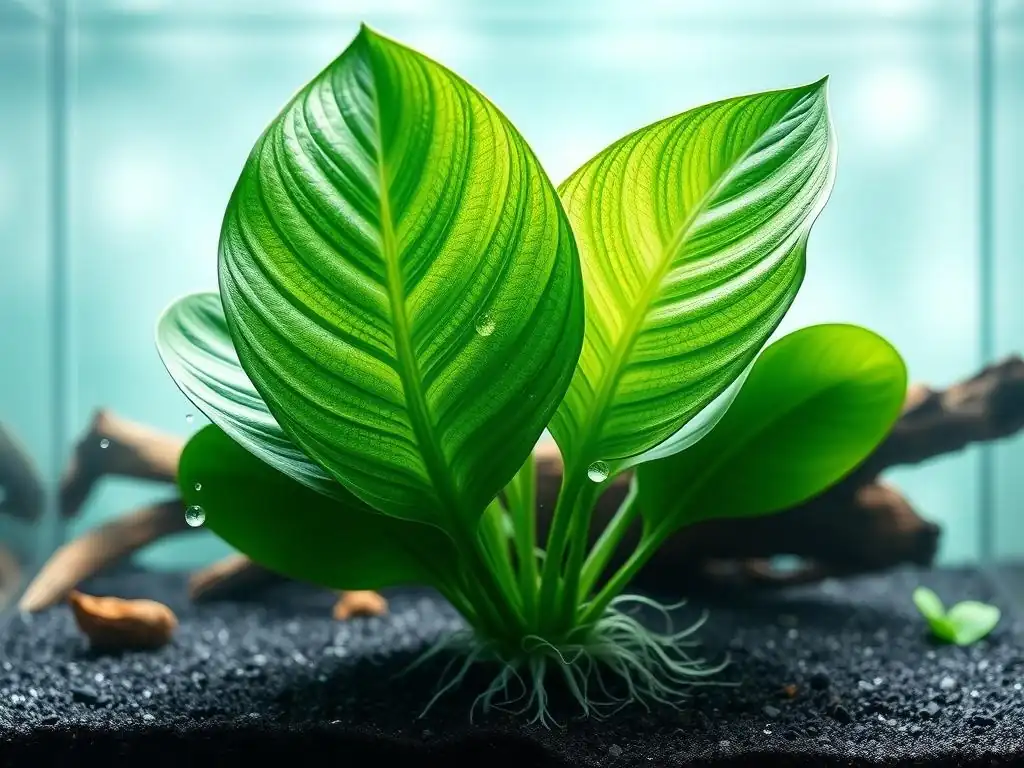
The fundamental difference between liquid fertilizers and root tabs lies in their method of nutrient delivery. Liquid fertilizers are designed to be added directly to the aquarium water, where they dissolve and distribute nutrients throughout the entire water column. This makes them ideal for plants that absorb nutrients primarily through their leaves, such as most stem plants (e.g., Rotala, Ludwigia), floating plants (e.g., Dwarf Water Lettuce), and epiphytes (e.g., Anubias, Bucephalandra) that are attached to hardscape. The nutrients are immediately available for uptake.
In contrast, root tabs are solid, slow-release fertilizers inserted into the substrate, delivering nutrients directly to the root zone. This method is highly beneficial for plants that are heavy root feeders, relying on their root systems to absorb the majority of their required nutrition. Classic examples include Amazon Swords, Cryptocoryne species, and various types of Valisneria. The localized delivery ensures that nutrients are concentrated where these plants can most efficiently access them, minimizing their presence in the water column.
Ease of Use: Application and Dosing Comparison
When it comes to ease of use, liquid fertilizers generally offer more simplicity in their application. They are typically dosed by adding a measured amount directly to the water column, often on a daily or weekly schedule. This allows for quick adjustments to nutrient levels based on observed plant health or water test results. For instance, increasing a dose of liquid iron is as simple as adding a few more drops to the water.
Root tabs, while effective, require a more hands-on approach during installation. They must be manually inserted deep into the substrate near the plant's roots, which can be a bit disruptive to the tank's aquascape, especially in established setups. However, once installed, their slow-release nature means they require replacement only every few months (typically 3-6 months), significantly reducing the frequency of intervention compared to daily or weekly liquid dosing.
Cost-Effectiveness: Liquid Fertilizers and Root Tabs Compared
Comparing the cost-effectiveness of liquid fertilizers and root tabs involves considering both the initial purchase price and the long-term consumption. A bottle of liquid fertilizer might have a lower upfront cost (e.g., a 500ml bottle of a common liquid fertilizer could range from $10-$25), but its ongoing cost can accumulate, especially for larger tanks or those with dense planting that require frequent dosing. For a 50-gallon tank, a 500ml bottle might last 2-3 months.
Root tabs, on the other hand, typically have a higher initial cost per pack (e.g., a pack of 10-20 tabs might range from $10-$20). However, their slow-release nature means they need to be replaced much less frequently, usually every 3 to 6 months. This often translates to a lower long-term operating cost for providing targeted nutrition to root-feeding plants. For a tank with only a few large root feeders, root tabs can be more cost-efficient over a year compared to constant liquid dosing for those specific plants.
Plant Compatibility: Which Plants Benefit Most from Each Method?
The compatibility of fertilization methods with specific plant types is a critical factor. Liquid fertilizers are highly effective for plants that absorb nutrients primarily from the water column. This category includes a vast array of popular aquarium plants such as stem plants (e.g., Rotala, Ludwigia, Bacopa), floating plants (e.g., Frogbit, Red Root Floaters), epiphytes like Anubias and Java Fern (which anchor to hardscape but absorb from water), and most mosses (e.g., Java Moss, Christmas Moss). These plants thrive on readily available dissolved nutrients.
Root tabs are specifically designed for and most beneficial to heavy root-feeding plants. These plants develop extensive root systems that efficiently extract nutrients from the substrate. Prime examples include Amazon Swords (Echinodorus species), Cryptocorynes (e.g., Cryptocoryne wendtii, Cryptocoryne spiralis), Valisneria, Sagittaria, and some types of water lilies. While these plants can absorb some nutrients from the water column, their growth truly flourishes when their roots have access to a rich, localized nutrient source provided by root tabs.
Impact on Water Parameters: Liquid Fertilizers and Root Tabs
The impact on water parameters differs significantly between liquid fertilizers and root tabs. Liquid fertilizers, by their nature, directly add dissolved nutrients into the water column. If dosed excessively or if the tank's plant mass is insufficient to absorb them, these nutrients (particularly nitrates and phosphates) can accumulate, leading to elevated levels that might contribute to algae growth or, in rare cases, affect sensitive fish or invertebrates. Regular water testing is often recommended to monitor these levels.
Root tabs, conversely, have a minimal to negligible impact on water column parameters. Because the nutrients are encased and slowly released directly into the substrate, they are primarily confined to the root zone. This localized delivery prevents significant amounts of nutrients from leaching into the open water, making root tabs a safer option for maintaining stable water chemistry, especially in tanks with delicate inhabitants like certain shrimp species or fish that are sensitive to nutrient fluctuations.
Addressing Nutrient Deficiencies: Speed and Effectiveness
When it comes to addressing immediate nutrient deficiencies, liquid fertilizers offer a distinct advantage due to their rapid availability. Once added to the water column, nutrients are quickly dispersed and readily absorbed by plants, often showing visible improvements in plant health within days. For instance, if new plant growth shows signs of iron deficiency (yellowing between veins), a dose of liquid iron can often correct the issue within 24-48 hours. This makes liquid fertilizers ideal for quick, responsive adjustments to plant health.
Root tabs, while highly effective for long-term nutrition, are much slower to act in correcting acute deficiencies. The nutrients are released gradually over weeks or months, meaning they are not suitable for immediate crisis management. If a root-feeding plant shows signs of severe deficiency, adding root tabs will provide a solution over time, but it won't offer the rapid turnaround that liquid fertilizers can. Their strength lies in consistent, sustained feeding, preventing deficiencies from occurring in the first place rather than quickly remedying them.
Combining Liquid Fertilizers and Root Tabs: A Synergistic Approach
Creating a Balanced Fertilization Strategy
For many aquarists aiming for a lush and thriving planted aquarium, the most effective approach is to combine the use of both liquid fertilizers and root tabs. This synergistic strategy acknowledges that different aquatic plants have varying methods of nutrient uptake – some primarily from the water column, others mainly from the substrate. By utilizing both methods, you ensure that all plants in your aquarium receive optimal nutrition tailored to their specific needs.
A balanced fertilization strategy might involve using an all-in-one liquid fertilizer weekly to provide comprehensive macro and micronutrients to water column feeders and general tank health. Simultaneously, root tabs would be placed near heavy root-feeding plants every few months to ensure a consistent, localized supply of vital nutrients directly to their root systems. This dual approach covers all bases, promoting vigorous growth across the entire plant spectrum in your aquarium.
When to Use Both Liquid Fertilizers and Root Tabs
The decision to use both liquid fertilizers and root tabs is most beneficial in planted aquariums that host a diverse range of plant species. If your tank contains a mix of stem plants (which are water column feeders), epiphytes like Anubias (also water column feeders), and heavy root feeders such as Amazon Swords or Cryptocorynes, then a combined approach is highly recommended. This ensures that every plant type receives its preferred form of nourishment.
Furthermore, a combined strategy is particularly valuable in tanks with inert substrates like sand or gravel. Since these substrates do not inherently provide nutrients, both liquid fertilizers (for water column access) and root tabs (for localized root feeding) become essential to provide a complete nutritional profile for all plants. For a 50-gallon tank with a mix of Rotala, Java Fern, and Amazon Swords, a regular liquid fertilizer dose combined with targeted root tabs for the Swords would be an ideal regimen.
Optimizing Plant Growth with Combined Fertilization Methods
Optimizing plant growth through combined fertilization methods involves careful observation and adjustment. For example, in a high-tech 60-gallon aquarium featuring a carpet of Dwarf Hairgrass (which benefits from both water column and substrate nutrients), a dense background of Rotala (water column feeder), and a few large Amazon Swords (heavy root feeder), a comprehensive strategy would be implemented. The Swords would receive root tabs every 3-4 months, while the entire tank would get a daily or weekly dose of a high-quality liquid all-in-one fertilizer.
To fine-tune this approach, regularly monitor the health and growth rate of all your plants. If the Rotala shows signs of deficiency (e.g., pale new growth), consider slightly increasing the liquid fertilizer dose. If the Swords' older leaves are yellowing, it might be time to replace or add more root tabs. Periodic water testing for key nutrients like nitrates and phosphates can also help ensure that nutrient levels remain within optimal ranges, preventing both deficiencies and excesses that could lead to algae issues.
Troubleshooting Common Fertilization Issues in Planted Aquariums
Identifying Nutrient Deficiencies in Aquarium Plants
Identifying nutrient deficiencies in aquarium plants requires keen observation of their growth and appearance. Common signs of deficiency include:
- Nitrogen (N) deficiency: Older leaves turn yellow (chlorosis) and may melt.
- Phosphorus (P) deficiency: Stunted growth, dark green leaves, or purplish tints on older leaves.
- Potassium (K) deficiency: Holes or yellowing on older leaves, often starting at the edges, leading to necrosis.
- Iron (Fe) deficiency: New leaves are pale or yellow with green veins (interveinal chlorosis); overall stunted growth.
- Magnesium (Mg) deficiency: Yellowing between the veins of older leaves, similar to iron but on older growth.
It's crucial to distinguish whether new or old growth is affected, as this often indicates which nutrient is deficient. For instance, deficiencies in mobile nutrients like nitrogen, phosphorus, and potassium typically affect older leaves first, as the plant reallocates these nutrients to new growth. Immobile nutrient deficiencies, such as iron and boron, usually manifest in new growth first, as the plant cannot move these nutrients from older tissues.
Dealing with Algae Blooms Caused by Over-Fertilization
Algae blooms are a common and frustrating issue in planted aquariums, often exacerbated by over-fertilization, especially with liquid fertilizers. If you notice a sudden surge in green hair algae, diatoms, or green water, it's a strong indicator of a nutrient imbalance. The first step is to reduce your liquid fertilizer dosage, potentially cutting it by 30-50% for a week or two, and increase your water change frequency significantly (e.g., 50% daily or every other day) to remove excess nutrients from the water column.
Beyond reducing fertilizers, it is vital to ensure that your lighting and CO2 levels are balanced with your nutrient input. Excessive light or insufficient CO2 can also trigger algae, even with proper fertilization. Manual removal of algae is necessary to break its cycle. Consider adding fast-growing floating plants like Frogbit or Dwarf Water Lettuce, which are excellent at absorbing excess nutrients from the water column, thereby outcompeting algae for available resources.
Adjusting Your Fertilization Regimen for Optimal Results
Adjusting your fertilization regimen is an ongoing process that requires patience and close monitoring. Begin with a conservative dosing schedule, perhaps half of the manufacturer's recommendation, and observe your plants for a week or two. If plants show signs of robust growth and vibrant colors without any algae issues, you've found a good starting point. If you notice slight deficiencies, gradually increase the dosage by small increments (e.g., 10-20%) and continue observing.
Conversely, if algae begins to appear, or if water tests show consistently high levels of nitrates or phosphates, it's a clear sign to reduce your fertilizer input. Keeping a log of your dosing schedule, water parameters, and plant observations can be incredibly helpful for fine-tuning your regimen. Remember that a thriving planted aquarium is a dynamic ecosystem, and its nutritional needs will evolve as plants grow and mature, necessitating periodic adjustments to your fertilization strategy.
Conclusion: Choosing the Right Fertilization Method for Your Aquarium Plants
Key Takeaways: Liquid Fertilizers vs. Root Tabs
In the journey to cultivate a flourishing planted aquarium, understanding the roles of liquid fertilizers and root tabs is paramount. Liquid fertilizers excel at providing readily available nutrients directly to the water column, making them indispensable for plants that absorb primarily through their leaves, such as stem plants, floating plants, and epiphytes. They offer quick nutrient delivery, ideal for correcting acute deficiencies and supporting fast-growing species, and are easy to adjust through regular dosing.
Root tabs, on the other hand, offer targeted, slow-release nutrition directly into the substrate, making them the superior choice for heavy root-feeding plants like Amazon Swords and Cryptocorynes. They provide a consistent, localized nutrient supply with minimal impact on water column parameters, reducing the risk of algae. The "best liquid fertilizer aquarium" approach for many aquarists often involves a strategic combination of both methods, ensuring all plants receive optimal nutrition based on their unique absorption mechanisms.
Achieving a Lush and Healthy Planted Aquarium
Achieving a lush and healthy planted aquarium is a holistic endeavor that extends beyond just fertilization. While providing the right nutrients through liquid fertilizers, root tabs, or a combination of both is crucial, it must be integrated with other vital components of a thriving plant ecosystem. This includes ensuring adequate and appropriate lighting, maintaining stable and sufficient carbon dioxide (CO2) levels, utilizing a nutrient-rich substrate, and adhering to a consistent water change schedule.
By carefully balancing these elements – light, CO2, substrate, and a well-tailored fertilization regimen – aquarists can create an environment where aquatic plants not only survive but truly flourish. Continuous observation of your plants, coupled with regular water parameter testing, will empower you to make informed adjustments, leading to a vibrant, stable, and aesthetically pleasing planted aquarium that brings immense satisfaction.
Frequently Asked Questions
What are the main differences between liquid fertilizers and root tabs for aquarium plants?
Liquid fertilizers are water-soluble nutrients directly absorbed by plant leaves, while root tabs are slow-release fertilizers inserted into the substrate near the roots. The best choice depends on the type of plant and its nutrient uptake preference.
When should I use liquid fertilizer in my aquarium?
Use liquid fertilizer when you have plants that primarily absorb nutrients through their leaves, like Anubias or Java Fern, or when you need to address nutrient deficiencies quickly in the water column.
How often should I dose liquid fertilizer in my aquarium?
Dosing frequency depends on your aquarium's plant load, lighting intensity, and CO2 levels. Start with the manufacturer's recommendations and adjust based on observed plant growth and algae levels.
Can I use both liquid fertilizer and root tabs in the same aquarium?
Yes, using both can be beneficial, providing a comprehensive nutrient supply for all types of plants. Just be mindful of over-fertilization, which can lead to algae blooms.
What are the potential drawbacks of using liquid fertilizers in my aquarium?
Overdosing liquid fertilizers can lead to algae outbreaks and imbalances in water chemistry. Regularly monitor your water parameters to prevent these issues.
Final Reflection: Cultivating Aquatic Harmony
The journey to a thriving planted aquarium often begins with understanding the nuances of nutrient delivery, and as we've explored, the choice between liquid fertilizers and root tabs is a crucial one. The pursuit of the "best liquid fertilizer aquarium" is not simply about finding the most potent product, but about achieving a balanced ecosystem where plants flourish and fish thrive. This delicate balance requires careful consideration of plant needs, substrate composition, and overall aquarium health, a principle that extends far beyond the glass walls of our tanks.
The impact of informed aquascaping extends beyond aesthetics; it fosters a deeper appreciation for the interconnectedness of life. My own experiences with planted aquariums have taught me the importance of patience, observation, and a willingness to adapt. The subtle shifts in plant growth, the vibrant colors of healthy leaves, and the overall harmony of a well-maintained tank are a constant reminder of the power of attentive care. The best time to plant a tree was 20 years ago. The second best time is now.
This ancient proverb resonates deeply with the long-term commitment required for a flourishing planted aquarium, urging us to embrace the journey with dedication and foresight.
Now, as you embark on your own aquascaping adventures, I encourage you to reflect on the principles we've discussed. Consider the unique needs of your plants, the composition of your substrate, and the overall health of your aquarium ecosystem. Don't be afraid to experiment, to learn from your mistakes, and to continuously refine your approach. By embracing a holistic understanding of aquatic plant nutrition, you can transform your aquarium into a vibrant and thriving underwater paradise, a testament to the power of knowledge and dedication.
Nourish Your Aquarium: Ignite Plant Growth Today!
Thank you for diving into the world of aquatic plant nutrition! We hope this article illuminated the key differences between liquid fertilizers and root tabs, empowering you to create a thriving underwater ecosystem. Now, it’s time to put that knowledge into action!
Here are some steps you can take to further enhance your aquarium's plant life:
- Strategically introduce root tabs to your heavy root-feeding plants, paying close attention to their specific needs and placement as outlined in the article.
- Experiment with a combination of liquid fertilizers and root tabs to observe which approach yields the best results for your specific aquarium setup.
- Share your personal experiences and insights on aquatic plant fertilization with fellow aquarium enthusiasts in online forums or local aquarium clubs.
What specific combination of liquid fertilizer and root tabs are you most excited to try in your aquarium?