
The Caulerpa Conundrum: Maximizing Nutrient Export While Avoiding a Tank Takeover

Welcome to Aquarium Mastery!
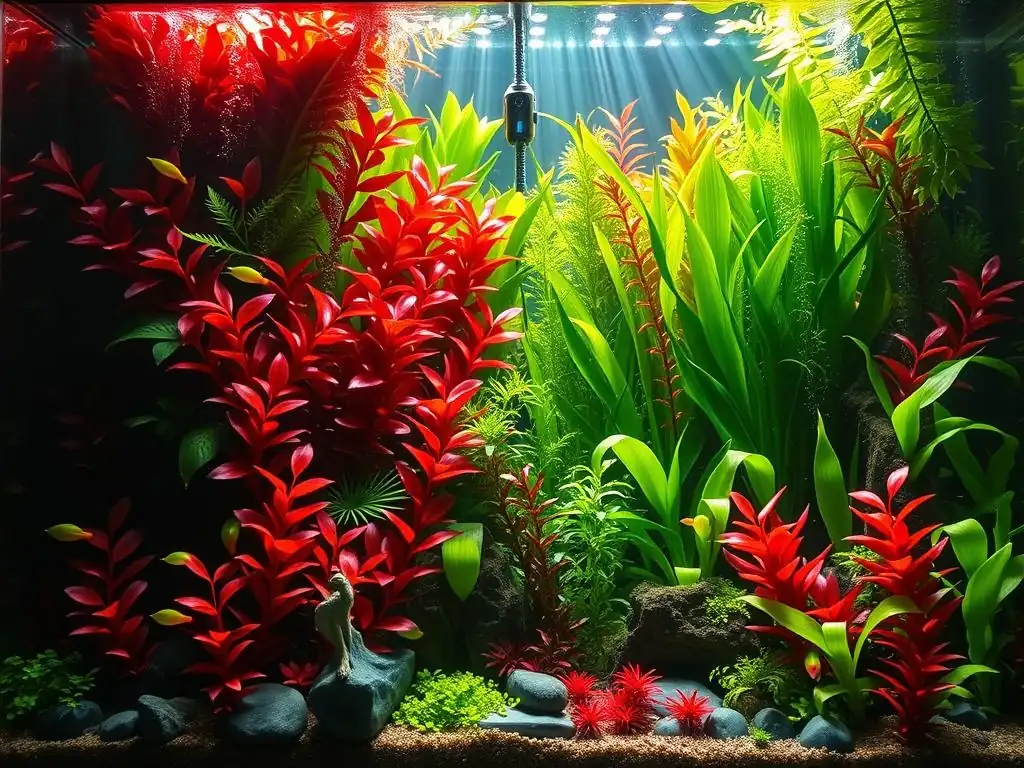
Ever wondered how to harness the nutrient-exporting power of Caulerpa in your freshwater aquarium without it taking over? You're in the right place! Dive in to explore the Caulerpa control freshwater aquarium conundrum and discover the secrets to a thriving, balanced ecosystem. Ready to master the art of Caulerpa management? Let's get started!
- The Macroalgae Management: Optimizing Nutrient Export While Maintaining Control
- Understanding Macroalgae: A Natural Filtration Tool
- Mastering Macroalgae Control in Your Reef Tank
- Optimizing Nutrient Export with Macroalgae
- Macroalgae Control Methods: A Detailed Examination
- Troubleshooting Common Macroalgae Problems
- Alternatives to Macroalgae for Nutrient Export in Saltwater Aquariums
- Best Practices for Macroalgae Management: A Summary
-
Frequently Asked Questions
- How can Caulerpa benefit a freshwater aquarium, given it's typically a saltwater algae?
- What is the primary risk associated with using Caulerpa in an aquarium?
- What are some effective methods for controlling Caulerpa growth in a saltwater aquarium?
- How does Caulerpa contribute to nutrient export in a saltwater aquarium?
- What water parameters should I monitor closely when using Caulerpa in my saltwater aquarium?
- Final Reflection: Navigating the Delicate Balance
- Unleash the Power of Caulerpa: Take Control of Your Aquarium's Ecosystem!
The Macroalgae Management: Optimizing Nutrient Export While Maintaining Control
Understanding Macroalgae: A Natural Filtration Tool
What is Macroalgae and Why Use it in a Saltwater Tank?
Macroalgae refers to large, multicellular forms of algae that are visible to the naked eye, distinguishing them from the microscopic nuisance algae that often plague aquariums. These diverse organisms range from filamentous strands to complex plant-like structures, playing a vital role as primary producers in marine ecosystems. In a saltwater aquarium, macroalgae are intentionally cultivated primarily for their ability to perform natural filtration, absorbing excess nutrients that accumulate from fish waste, uneaten food, and decaying organic matter.
The strategic inclusion of macroalgae, particularly species like Chaetomorpha (often called Chaeto), Gracilaria, and various Caulerpa species, offers aquarists a powerful, biological method for maintaining water quality. Beyond nutrient export, they contribute to oxygenation during the day and can provide a safe haven for beneficial microfauna such as copepods and amphipods, which serve as a natural food source for corals and fish. While highly effective, certain species, especially within the Caulerpa genus, demand careful management due to their rapid growth and potential for invasiveness if not properly controlled.
The Benefits of Macroalgae: Natural Nutrient Control
The primary benefit of integrating macroalgae into a saltwater aquarium system is their exceptional capacity for natural nutrient control. These photosynthetic organisms actively absorb nitrates and phosphates, which are common byproducts of the aquarium ecosystem and can lead to nuisance algae blooms if left unchecked. A well-established and dense refugium of Chaetomorpha, for instance, can effectively process significant amounts of nitrates, potentially reducing levels from an undesirable 20-30 parts per million (ppm) down to below 5 ppm in a meticulously managed system, comparable to the nutrient removal capabilities of a small protein skimmer.
Furthermore, macroalgae contribute to overall system stability. During their photosynthetic process, they consume carbon dioxide (CO2), which helps to maintain stable pH levels, particularly during the aquarium's dark cycle when pH naturally tends to drop. Beyond chemical balance, they foster biodiversity by creating a thriving microhabitat for copepods and amphipods. These tiny crustaceans are essential components of the reef food web, providing a continuous, natural food source for corals, mandarin fish, and other filter feeders, thereby reducing the need for supplemental feeding of these delicate species.
The Risks of Macroalgae: Potential for Rapid Growth and Competition
Despite their undeniable benefits, certain macroalgae species, particularly some within the Caulerpa genus, pose significant risks due to their potential for rapid and aggressive growth. Species like Caulerpa taxifolia, notoriously dubbed "killer algae" in some invasive contexts, or even Caulerpa prolifera can quickly outcompete desirable corals and other invertebrates for essential resources like light and space. Their rhizoidal growth habit allows them to spread rapidly across live rock and substrate, forming dense mats that can smother sessile organisms.
A critical risk associated with Caulerpa species is their propensity for "going sexual" or sporulating. This phenomenon occurs when the algae releases its entire cellular content, including gametes and spores, into the water column. This event often manifests as a sudden, milky bloom and can lead to a drastic crash in water parameters, including dangerous spikes in ammonia and nitrites, and severe oxygen depletion.
Such sporulation can be triggered by stress, sudden changes in lighting, or even physical damage during harvesting. Additionally, some macroalgae, Caulerpa in particular, are known to release allelochemicals – secondary metabolites that can inhibit the growth or health of corals and other sensitive invertebrates, subtly undermining the delicate balance of a reef tank over time.
Mastering Macroalgae Control in Your Reef Tank
Key Strategies for Preventing Macroalgae Overgrowth
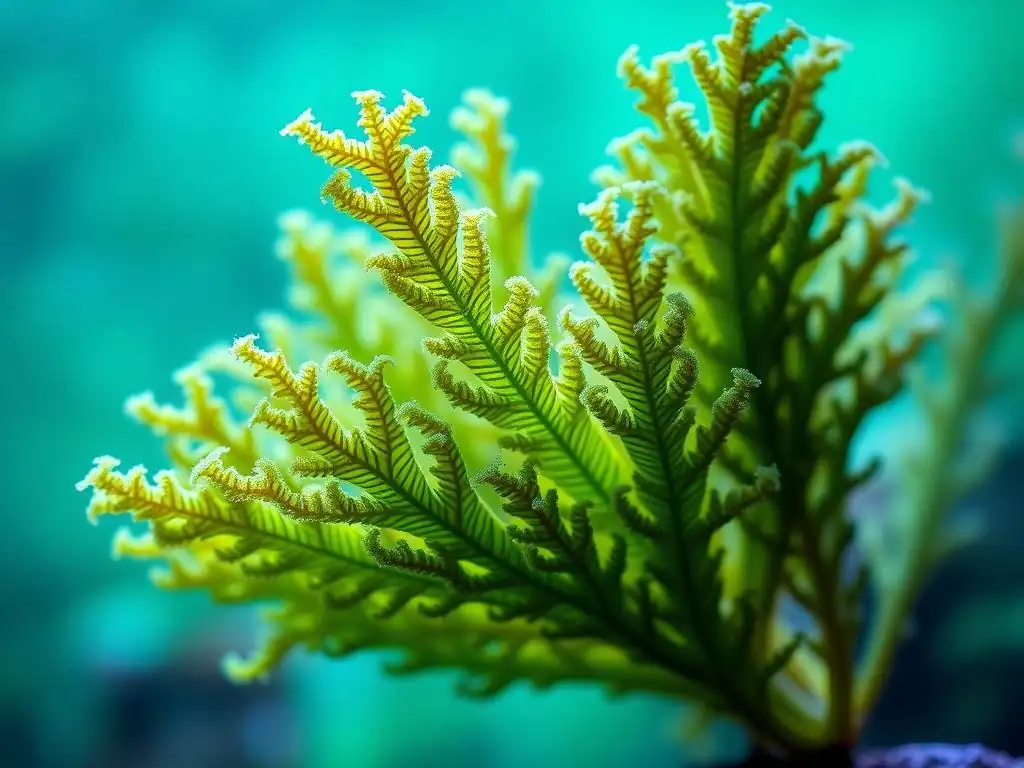
Preventing macroalgae overgrowth is fundamentally about managing the conditions that fuel their proliferation. The primary strategy revolves around stringent nutrient limitation. Aquarists should aim to maintain nitrate levels below 10 ppm and phosphate levels below 0.03 ppm through a combination of meticulous feeding practices, regular water changes, and efficient mechanical and biological filtration. By starving nuisance algae of their essential building blocks, their growth can be significantly curtailed.
Another crucial strategy involves precise lighting control. While macroalgae require light for photosynthesis, providing an appropriate spectrum and photoperiod is vital. Excessive light intensity or duration can trigger explosive growth, especially in fast-growing species like Caulerpa, and can even induce sporulation.
For a dedicated refugium, a reverse photoperiod (lighting the refugium when the main display is dark) of 12-18 hours is commonly employed to help stabilize pH and maximize nutrient uptake. Lastly, employing physical barriers such as baffles or screens within sumps or refugiums is essential to prevent macroalgae fragments from escaping and establishing themselves in the main display tank, a key aspect of effective Caulerpa control.
Choosing the Right Macroalgae Species for Your Aquarium
The selection of macroalgae species is a pivotal decision for any aquarist aiming for effective nutrient export without inviting an invasive takeover. Prioritizing non-invasive species is highly recommended, with Chaetomorpha linum (Chaeto) being a perennial favorite. Chaeto's "tumbleweed" growth habit makes it incredibly easy to harvest and less prone to attaching to surfaces or undergoing problematic sexual reproduction.
In optimal conditions, Chaetomorpha is reported to remove nitrates at rates of up to 1 milligram per liter per day, making it a highly efficient nutrient sponge. Other suitable choices include various Gracilaria species, such as Gracilaria parvispora, which also offer good nutrient uptake with less risk.
If one opts to use Caulerpa species, such as Caulerpa prolifera or Caulerpa racemosa, a thorough understanding of their specific growth patterns and inherent risks is paramount. While Caulerpa species are exceptionally efficient at nutrient uptake, their rhizoidal system allows them to rapidly colonize surfaces, and the risk of sporulation is considerably higher than with Chaeto.
Many experienced aquarists who utilize Caulerpa do so in strictly isolated refugiums, adhering to rigorous Caulerpa control protocols to manage its aggressive nature. Always conduct thorough research on any specific macroalgae species before introducing it, focusing on its growth rate, potential for invasiveness, and any known allelopathic properties.
Understanding Macroalgae Growth Factors: Light, Nutrients, and Flow
Successful macroalgae cultivation for nutrient export hinges on a nuanced understanding of their primary growth factors: light, nutrients, and flow. Light is the fundamental energy source for photosynthesis. A dedicated refugium light, often a full-spectrum LED in the 6500K range or a specialized grow light, with a specific photoperiod (e.g., 18 hours on, 6 hours off, or a reverse daylight cycle) is crucial for optimizing macroalgae growth and, consequently, nutrient uptake. Insufficient or excessive light can stress the algae, leading to stunted growth or even die-off.
Nutrients, specifically nitrates and phosphates, are the very substances macroalgae are meant to remove. Higher concentrations of these nutrients will generally lead to faster macroalgae growth, which is desirable for export but necessitates more frequent harvesting to prevent overgrowth. For healthy coral growth while providing sufficient nutrients for macroalgae, target nitrate levels typically range from 2-10 ppm, and phosphates from 0.01-0.03 ppm.
Lastly, moderate to high water flow is highly beneficial. A flow rate of 5-10 times the refugium volume per hour ensures that nutrients are efficiently delivered to the algae and metabolic waste products are carried away. Stagnant areas can impede growth, lead to detritus accumulation, and potentially cause die-off.
Optimizing Nutrient Export with Macroalgae
Effective Macroalgae Harvesting Techniques for Nutrient Removal
The core principle of nutrient export through macroalgae is the physical removal of the algal biomass once it has absorbed nutrients. This process, known as harvesting or trimming, is crucial for continuous and effective nutrient control. As macroalgae grow, they sequester nitrates, phosphates, and other undesirable compounds from the water. By regularly removing a portion of this growth, these trapped nutrients are permanently exported from the aquarium system.
For fast-growing species like Caulerpa or Chaetomorpha, harvesting every 1-2 weeks is often necessary to maintain optimal nutrient removal rates. A practical guideline is to remove approximately 25-50% of the macroalgae biomass at each harvest, adjusting the frequency and quantity based on observed growth rates and water parameters. When harvesting, simply remove clumps of algae by hand.
For Caulerpa, it is particularly important to avoid tearing or breaking the fronds excessively, as this can induce sporulation. Clean cuts are preferred to minimize stress. For individuals searching for "Caulerpa control freshwater aquarium," it's vital to clarify that these harvesting techniques are specifically tailored for saltwater systems where Caulerpa thrives.
Maintaining a Balanced Ecosystem to Limit Unwanted Spread
Maintaining a balanced ecosystem within the main display tank is a proactive measure against unwanted macroalgae spread. Introducing a diverse cleanup crew of herbivorous snails, such as Astrea, Trochus, or Turbo snails, and certain fish like tangs (e.g., Yellow Tang, Zebrasoma flavescens) or blennies (e.g., Lawnmower Blenny, Salarias fasciatus) can significantly aid in controlling nuisance algae and consuming any stray macroalgae fragments before they establish.
A healthy adult Yellow Tang, for example, can consume 10-20% of its body weight in algae daily. While these grazers are invaluable for general algae management, they are typically not sufficient for comprehensive Caulerpa control in a dedicated refugium.
Beyond biological controls, consistently monitoring and adjusting feeding habits and filtration to keep overall nutrient levels low is paramount. An imbalance in the nitrate-to-phosphate ratio, deviating from the ideal Redfield ratio of approximately 16:1, can sometimes favor the growth of certain problematic algae species. Furthermore, always quarantine new livestock and live rock before introduction to the main system. This preventative step helps to avoid introducing unwanted algae species, pests, or diseases that could disrupt the delicate ecological balance and potentially lead to an algal outbreak.
Using a Refugium for Controlled Macroalgae Growth
A refugium is an indispensable tool for achieving controlled macroalgae growth and maximizing nutrient export. This separate chamber, typically located within the sump or as an external tank, provides a dedicated, low-flow, and predator-free environment where macroalgae can thrive without competing with corals or being consumed by fish. This isolation is particularly crucial for aggressive species like Caulerpa, offering robust Caulerpa control by containing its growth.
The design of an effective refugium often includes a deep sand bed (DSB) or ample live rock to facilitate denitrification and a strong, dedicated light source optimized for macroalgae photosynthesis. The water flow through a refugium is typically kept gentle, around 1-3 times the refugium volume per hour, which allows detritus to settle and provides a stable environment for beneficial microfauna like copepods and amphipods to breed.
This setup not only maximizes nutrient export by allowing macroalgae to grow densely but also continuously seeds the main display tank with live food, enhancing the overall health and biodiversity of the reef ecosystem.
Macroalgae Control Methods: A Detailed Examination
Manual Removal: The First Line of Defense
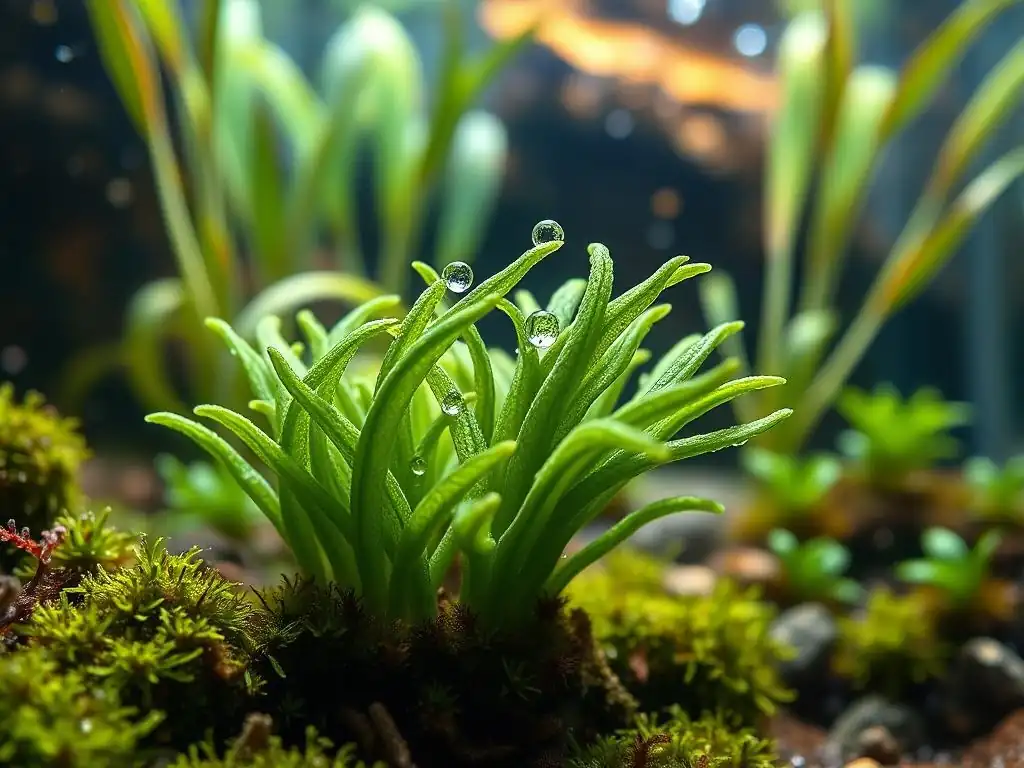
Manual removal stands as the most direct and often the most effective method for immediate macroalgae control. This technique involves physically pulling, scraping, or siphoning unwanted algae from live rock, substrate, equipment, and tank walls. For localized outbreaks or as part of routine maintenance, manual removal is highly effective. When dealing with Caulerpa control, meticulous manual removal is critical; great care must be taken to remove entire fronds and rhizoids without breaking them into small fragments. Even tiny pieces of Caulerpa possess the ability to regenerate into new, invasive colonies, making thoroughness essential.
While highly effective for immediate results, manual removal can be labor-intensive, especially in large or heavily infested aquariums. Aquarists must exercise caution to avoid damaging sensitive corals or other invertebrates during the process. It is also imperative to remove all harvested algae from the system promptly to prevent the re-release of absorbed nutrients as the algae decays. This method is a continuous effort, forming the first and often most important line of defense against macroalgae overgrowth.
Biological Control: Introducing Macroalgae-Eating Invertebrates
Biological control involves introducing specific invertebrates and fish known for their macroalgae-grazing habits. Various snails, such as Astrea, Trochus, and Turbo snails, along with certain crabs like Emerald crabs ( Mithrax sculptus), are excellent grazers. Emerald crabs, in particular, are known to consume bubble algae and some filamentous algae. Sea slugs, like the Lettuce Nudibranch ( Elysiella pusilla), can also target specific types of macroalgae.
Herbivorous fish play a significant role as well. Tangs, such as the Yellow Tang ( Zebrasoma flavescens), and certain blennies, like the Lawnmower Blenny ( Salarias fasciatus), are voracious algae eaters that can help keep macroalgae in check. A healthy adult Yellow Tang can consume a substantial amount of algae daily, acting as a powerful preventative measure.
However, biological controls often have specific dietary preferences and may not completely eradicate severe infestations. They are best utilized as a preventative measure or for managing minor outbreaks, rather than as the sole solution for aggressive Caulerpa control. For well-established Caulerpa colonies, biological control alone is rarely sufficient.
Chemical Control: Considering Alternatives for Eradication [Note potential risks]
Chemical control methods for macroalgae should always be considered a last resort due to their significant potential risks to the delicate reef ecosystem. Historically, copper-based treatments were used for algae control, but these are highly toxic to invertebrates and can be absorbed by live rock, rendering the tank unsuitable for corals and other sensitive organisms in the long term. Consequently, copper treatments are generally not recommended for reef aquariums.
While various algaecides are available, many are formulated for freshwater systems or have limited efficacy and potential to cause harm in saltwater reef tanks. Some can lead to dangerous oxygen depletion or damage beneficial bacterial colonies. A safer, indirect chemical control method involves the use of phosphate removers, such as granular ferric oxide (GFO) or lanthanum chloride. These products effectively reduce phosphate levels, thereby starving the algae.
GFO, for example, can reduce phosphate levels from 0.5 ppm to undetectable levels within days when properly utilized, offering a powerful, indirect Caulerpa control strategy. However, it is crucial to note that direct chemical solutions designed to kill algae can have severe negative impacts on the entire reef system, potentially harming corals, invertebrates, and beneficial bacteria. Always exercise extreme caution and fully understand the risks before employing such methods.
Troubleshooting Common Macroalgae Problems
Dealing with Macroalgae Sexual Reproduction
Macroalgae sexual reproduction, particularly in Caulerpa species, is a significant concern for aquarists. This event, known as sporulation, is characterized by the sudden release of a milky, nutrient-rich substance (gametes and spores) into the water column, often accompanied by the rapid disintegration of the algae itself. This can lead to a dangerous spike in ammonia, nitrite, and nitrate levels, as well as severe oxygen depletion, posing a significant threat to all tank inhabitants.
Prevention is key to avoiding sporulation. Maintain stable water parameters, avoid sudden drastic changes in light intensity or duration, and ensure consistent temperatures. Regular and thorough harvesting of Caulerpa is crucial to prevent the algae from accumulating too much biomass and reaching a mature state where sporulation is more likely.
Many aquarists trim Caulerpa weekly to keep its biomass in check. If sporulation does occur, immediate action is necessary: perform a large water change (50% or more), increase aeration to combat oxygen depletion, and run activated carbon to remove toxins and excess nutrients. Closely monitor ammonia and nitrite levels and be prepared for additional water changes.
Identifying and Addressing Macroalgae Nutrient Deficiencies
While macroalgae are typically introduced to remove excess nutrients, they can paradoxically exhibit signs of nutrient deficiency, even in an otherwise nutrient-rich environment. Symptoms often include pale or yellowing fronds, stunted growth, or a general lack of vigor despite seemingly adequate light and high nitrate/phosphate levels. For instance, Chaetomorpha might turn light green or yellowish if it lacks certain micronutrients.
The underlying cause is often a depletion of specific trace elements vital for macroalgae growth, such as iron or manganese, which are consumed as the algae grows. Even with regular water changes, these elements can become limiting factors in heavily stocked or fast-growing refugiums. To address this, consider dosing trace elements specifically formulated for macroalgae or refugiums.
Supplementing iron at a concentration of 0.05-0.1 ppm can significantly boost the growth and health of species like Chaetomorpha. Ensuring proper water circulation also helps deliver these essential nutrients efficiently to the algae. Regular water changes with a high-quality marine salt mix will also help replenish a broad spectrum of trace elements.
Preventing Macroalgae from Spreading to the Main Display Tank
Preventing macroalgae from spreading from the refugium to the main display tank is a critical aspect of Caulerpa control and overall tank management. The most effective method is to cultivate macroalgae exclusively within a dedicated refugium, ensuring it is physically isolated from the main display. Utilize physical barriers such as egg crate, filter socks, or baffles within the sump or refugium to prevent any fragments from escaping and entering the return pump section, which would then transport them into the display.
Careful flow management within the sump and refugium is also important. Design the flow to minimize turbulence that could break off pieces of algae, especially fragile species. Ensure that return pumps are equipped with strainers or sponges to catch any errant fragments before they can be pumped into the main tank.
Regular visual inspection of the main display tank is paramount. Periodically check all areas, particularly low-flow zones, crevices in live rock, and behind equipment, for any hitchhiking macroalgae. Promptly remove any found to prevent them from establishing a foothold, as even a tiny piece of Caulerpa can rapidly regrow into a large, invasive colony.
Alternatives to Macroalgae for Nutrient Export in Saltwater Aquariums
Utilizing Protein Skimmers for Nutrient Removal
Protein skimmers are a cornerstone of nutrient export in many saltwater aquariums, offering an effective alternative or complement to macroalgae. These devices work by creating a column of extremely fine air bubbles within a reaction chamber. Dissolved organic compounds (DOCs) – precursors to nitrates and phosphates – adhere to the surface of these bubbles. As the bubbles rise, they form a protein-rich foam that overflows into a collection cup, thereby physically removing these organic wastes from the water column before they can break down.
A well-sized and properly maintained protein skimmer provides continuous nutrient export, significantly reducing the organic load in the aquarium. A high-quality skimmer can remove 20-50% of DOCs daily in an average reef tank, directly contributing to lower nitrate and phosphate levels. While highly efficient for DOC removal, protein skimmers do not directly remove nitrates and phosphates that have already formed, unlike macroalgae. They require regular cleaning of the collection cup, and their efficiency can be influenced by water parameters such as salinity and pH, as well as the presence of certain additives.
Implementing Regular Water Changes
Regular water changes remain one of the most fundamental, reliable, and universally applicable methods of nutrient export in saltwater aquariums. This practice directly removes accumulated nitrates, phosphates, and other undesirable substances from the tank while simultaneously replenishing essential trace elements and maintaining stable alkalinity and calcium levels. It is a straightforward and highly effective way to dilute pollutants.
For instance, a consistent 20% weekly water change in a 100-gallon aquarium removes 20 gallons of nutrient-laden water and replaces it with pristine, freshly mixed saltwater, effectively reducing nitrate levels by 20% with each change. The frequency and volume of water changes should be tailored to the individual tank's bioload and nutrient levels, with some systems benefiting from bi-weekly or even daily small water changes.
While highly effective, this method requires a consistent supply of high-quality saltwater, typically prepared using reverse osmosis/deionization (RO/DI) water mixed with a good marine salt. It can also be labor-intensive for larger aquariums, hence its frequent use in conjunction with other nutrient control methods for optimal results.
Employing Carbon Dosing Techniques
Carbon dosing is an advanced nutrient export technique that involves adding a precise amount of a simple carbon source (such as vinegar, vodka, or commercial carbon supplements) to the aquarium water. This carbon acts as a food source for heterotrophic bacteria, encouraging their rapid proliferation. As these bacteria multiply, they consume nitrates and phosphates from the water column for their growth, effectively converting dissolved nutrients into bacterial biomass.
The newly formed bacterial biomass, often referred to as "bio-floc," can then be efficiently removed from the system by a protein skimmer, or it can be consumed by corals and other filter feeders. This process can significantly reduce nitrates and phosphates, often bringing them to undetectable levels. Some aquarists have reported nitrate drops from 20 ppm to near zero within weeks with careful and consistent dosing. This method offers a powerful indirect strategy for Caulerpa control by effectively starving the algae of its primary nutrient sources.
However, carbon dosing requires precise daily dosing to prevent bacterial blooms (which can cause cloudy water) or dangerous oxygen depletion. It also necessitates a robust protein skimmer to effectively remove the bacterial biomass and can sometimes reduce alkalinity if not closely monitored. This technique is not suitable for all tanks, particularly those with very low nutrient requirements or without adequate skimming capacity.
Best Practices for Macroalgae Management: A Summary
Key Takeaways for Successful Macroalgae Control
Successful macroalgae control and utilization for nutrient export hinge on several critical principles. Foremost among them is the understanding that prevention is paramount. By focusing on limiting nutrient input through careful feeding practices, avoiding overstocking, and maintaining excellent overall husbandry, aquarists can significantly reduce the conditions that allow nuisance macroalgae to thrive in the first place.
Secondly, choose wisely when selecting macroalgae species for your refugium. Prioritize non-invasive species like Chaetomorpha over potentially problematic ones such as Caulerpa, especially if you are new to refugiums or prefer a lower-maintenance approach. Thirdly, consistent harvesting is non-negotiable. Regular physical removal of macroalgae biomass is crucial for continuous nutrient export and to prevent overgrowth or sporulation, particularly for effective Caulerpa control. Lastly, utilizing a dedicated refugium is key to controlled growth, preventing unwanted spread to the main display tank and providing a safe, stable haven for beneficial microfauna.
Long-Term Strategies for Maintaining a Balanced Reef Ecosystem
Maintaining a balanced reef ecosystem over the long term requires a proactive and multi-faceted approach. Regular monitoring of water parameters is essential; consistently testing nitrates, phosphates, alkalinity, calcium, and magnesium allows aquarists to detect trends and address potential issues before they escalate. The goal should be to maintain stable parameters within ideal ranges rather than constantly chasing specific numbers.
Furthermore, fostering a diverse cleanup crew of snails, crabs, and herbivorous fish is a natural and continuous defense against nuisance algae and detritus accumulation. These biological grazers provide ongoing maintenance and contribute to the overall health of the ecosystem. Finally, implementing balanced filtration by combining biological filtration (e.g., live rock, sand bed), mechanical filtration (e.g., filter socks), and chemical filtration (e.g., activated carbon, GFO) with macroalgae creates a comprehensive and robust nutrient management strategy. This layered approach provides redundancy and resilience against unforeseen challenges, ensuring a healthy and stable environment for all inhabitants.
Monitoring Your Tank Regularly to Prevent Issues
Consistent and diligent monitoring of your aquarium is the cornerstone of preventing macroalgae issues and maintaining a thriving reef ecosystem. Daily visual inspection is crucial; take a few moments each day to observe your tank for any unusual algae growth, discoloration of corals, or changes in fish behavior. Specifically, look for any signs of Caulerpa attempting to spread outside its designated refugium or any new, undesirable algal blooms in the main display.
Beyond visual checks, parameter tracking is vital. Keep a detailed log of all your water test results. This allows you to identify long-term trends and correlate them with any changes in your tank's inhabitants, feeding habits, or maintenance routines.
For example, a gradual increase in nitrate levels might indicate that your macroalgae harvesting schedule needs to be more frequent or that you are overfeeding. Based on this continuous monitoring, make proactive adjustments to your feeding, harvesting schedules, or filtration methods. Early detection and intervention are key to effective Caulerpa control and overall tank health, preventing minor, manageable issues from escalating into significant and challenging problems.
Frequently Asked Questions
How can Caulerpa benefit a freshwater aquarium, given it's typically a saltwater algae?
Caulerpa is not suitable for freshwater tanks. This article focuses on its use and control in saltwater aquariums. Freshwater aquariums require different algae solutions.
What is the primary risk associated with using Caulerpa in an aquarium?
The biggest risk is a Caulerpa takeover. If not properly managed, it can rapidly outcompete other desirable organisms and become difficult to eradicate. Nutrient imbalances can exacerbate this issue.
What are some effective methods for controlling Caulerpa growth in a saltwater aquarium?
Effective control methods include regular pruning, maintaining proper nutrient levels (especially nitrates and phosphates), and introducing Caulerpa-eating herbivores. A refugium can also help.
How does Caulerpa contribute to nutrient export in a saltwater aquarium?
Caulerpa absorbs excess nutrients like nitrates and phosphates from the water column, effectively removing them from the system. This helps maintain water quality and reduces the risk of nuisance algae blooms.
What water parameters should I monitor closely when using Caulerpa in my saltwater aquarium?
You should closely monitor nitrate and phosphate levels. Also, pay attention to water flow and lighting, as these factors influence Caulerpa growth and nutrient uptake efficiency.
The journey through the "Caulerpa Conundrum" underscores a critical truth: even in the controlled environment of a freshwater aquarium, nature's power demands respect and careful management. Understanding the potential benefits of Caulerpa for nutrient export is only half the battle; mastering its control is the key to unlocking its potential without succumbing to a tank takeover. This delicate balance reflects a broader challenge we face in all our interactions with the natural world.
The enduring fascination with Caulerpa, despite its invasive tendencies, speaks volumes about our desire to harness natural processes for our benefit. My own experience with aquarium keeping has taught me that the most rewarding successes come from understanding and working with nature, not against it. As the renowned aquarist Albert J. Thiel once said: The best way to succeed in reefkeeping is to observe, learn, and adapt.
This sentiment rings true not just for reef tanks, but for any ecosystem, large or small, where we seek to intervene.
Now, armed with a deeper understanding of Caulerpa control in freshwater aquariums, I encourage you to reflect on your own approach to aquarium keeping and beyond. How can you better observe, learn, and adapt to the natural rhythms of your own little world? Embrace the challenge of finding that delicate balance, and you'll not only create a thriving ecosystem, but also cultivate a deeper appreciation for the intricate beauty of nature itself.
Unleash the Power of Caulerpa: Take Control of Your Aquarium's Ecosystem!
Thank you for diving deep into the world of Caulerpa! We hope you've gained a new appreciation for its potential and a clearer understanding of how to manage it effectively. Now, it's time to turn knowledge into action.
Here are a few ways to take your Caulerpa management to the next level:
- Implement a strategic pruning schedule: This is the single most important step to prevent a Caulerpa takeover. Aim for regular, small trimmings, rather than infrequent, large ones.
- Explore using Caulerpa in a refugium to maximize nutrient export and provide a safe haven for beneficial invertebrates. Consider introducing a small population of amphipods or copepods to help control its growth naturally.
- Document your Caulerpa growth and pruning schedule for 30 days. Share your findings and any surprising observations with fellow aquarists!
What's one specific adjustment you'll make to your Caulerpa management strategy this week?