
Controlling Aggressive Stem Plants: Keeping Your Aquascape Balanced

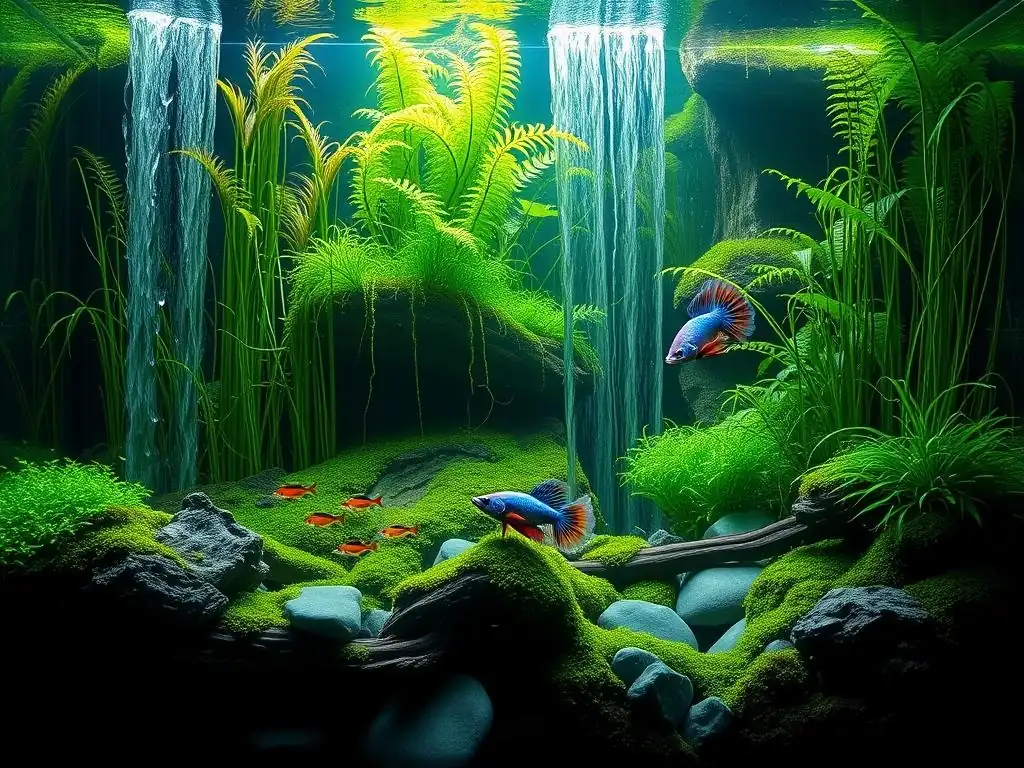
Welcome to Aquarium Mastery!
Ever felt like your beautiful aquascape is being taken over by those enthusiastic stem plants? You're not alone! Dive in and discover our expert guide to Aggressive Stem Plant Control, and learn how to keep your tank balanced and thriving. Ready to reclaim your aquascape? Let's get started!
- Controlling Fast-Growing Aquarium Plants: Maintaining Aquascape Balance
- Understanding Fast-Growing Plants in Aquariums
- Strategies for Fast-Growing Plant Control in Freshwater Aquariums
- Specific Techniques for Controlling Common Fast-Growing Plants
- Preventing Future Rapid Plant Growth Issues
- Tools and Equipment for Effective Plant Control
- Troubleshooting Common Plant Control Problems
- Maintaining a Balanced Aquascape: The Long-Term Benefits of Plant Control
-
Frequently Asked Questions
- How can I identify if a stem plant in my aquarium is considered "aggressive"?
- What are some practical methods for controlling the growth of aggressive stem plants?
- Are there specific types of fertilizers or lighting adjustments that can help manage aggressive stem plants?
- What are the potential negative impacts of neglecting aggressive stem plant control in my aquarium?
- Can introducing certain fish or invertebrates help control aggressive stem plants?
- Final Reflection: Cultivating Harmony in the Aquatic Realm
- Cultivate Your Aquatic Paradise: Plant with Purpose!
Controlling Fast-Growing Aquarium Plants: Maintaining Aquascape Balance
Understanding Fast-Growing Plants in Aquariums
Identifying Rapid Growth Patterns in Aquarium Plants
Rapid growth in aquarium plants manifests in several observable ways, often requiring frequent intervention to maintain an aquascape's intended design. For instance, species like Egeria densa (Anacharis) can exhibit growth rates of 1-2 inches per week, or even more under optimal conditions, quickly reaching the water surface. Similarly, Ceratophyllum demersum (Hornwort) is known to double its biomass in just a few days when provided with ample light and nutrients, making daily visible changes a common occurrence.
Visual cues of rapid growth include dense foliage that starts to overshadow neighboring plants, new shoots emerging from nodes at an accelerated pace, and roots or runners spreading aggressively across the substrate. Unlike slow-growing plants such as Anubias or Bucephalandra, which might only put out a new leaf every few weeks, fast growers demand consistent attention due to their quick expansion, which can drastically alter the tank's appearance and health within a week.
The Impact of Rapid Plant Growth on Aquascape Stability
Unchecked rapid plant growth can severely compromise the stability and health of an aquascape. As aggressive stem plants grow upwards and outwards, they inevitably shade out lower-growing species or even their own lower leaves, leading to stunted growth or melt in less competitive plants. This reduction in light penetration can be significant, often dropping by 30-50% in areas densely overgrown, starving plants at the bottom of the tank. Furthermore, dense plant masses can impede water flow, creating stagnant zones where detritus can accumulate, leading to localized nutrient pockets and potential anaerobic conditions.
Beyond the biological implications, the aesthetic impact of rapid plant growth is profound. An aquascape designed with specific open spaces, pathways, or focal points can quickly become a tangled jungle, losing its intended structure and visual appeal. This uncontrolled expansion not only makes the tank look messy but also makes maintenance tasks like gravel vacuuming or accessing equipment far more challenging, necessitating proactive aggressive stem plant control to preserve the aquascape's integrity.
Why Controlling Plant Growth is Crucial for a Healthy Aquarium Ecosystem
Controlling plant growth is paramount for maintaining a balanced and thriving aquarium ecosystem. Unmanaged fast-growing plants can lead to significant oxygen depletion during the night, as plants respire and consume oxygen, potentially stressing or harming fish and invertebrates. By managing their growth, aquarists ensure that all plants receive adequate light and nutrients, preventing nutrient imbalances that could otherwise lead to widespread algae blooms, as excess nutrients are quickly consumed by the most dominant plants, then released upon their decay.
Effective aggressive stem plant control also ensures ample swimming space for fish and reduces stress caused by overcrowding. A well-managed plant mass contributes to stable water parameters by efficiently processing nitrates and other waste products. This proactive management prevents the ecosystem from becoming dominated by a few aggressive species, fostering biodiversity and providing varied habitats that support the natural behaviors and well-being of all tank inhabitants.
Strategies for Fast-Growing Plant Control in Freshwater Aquariums
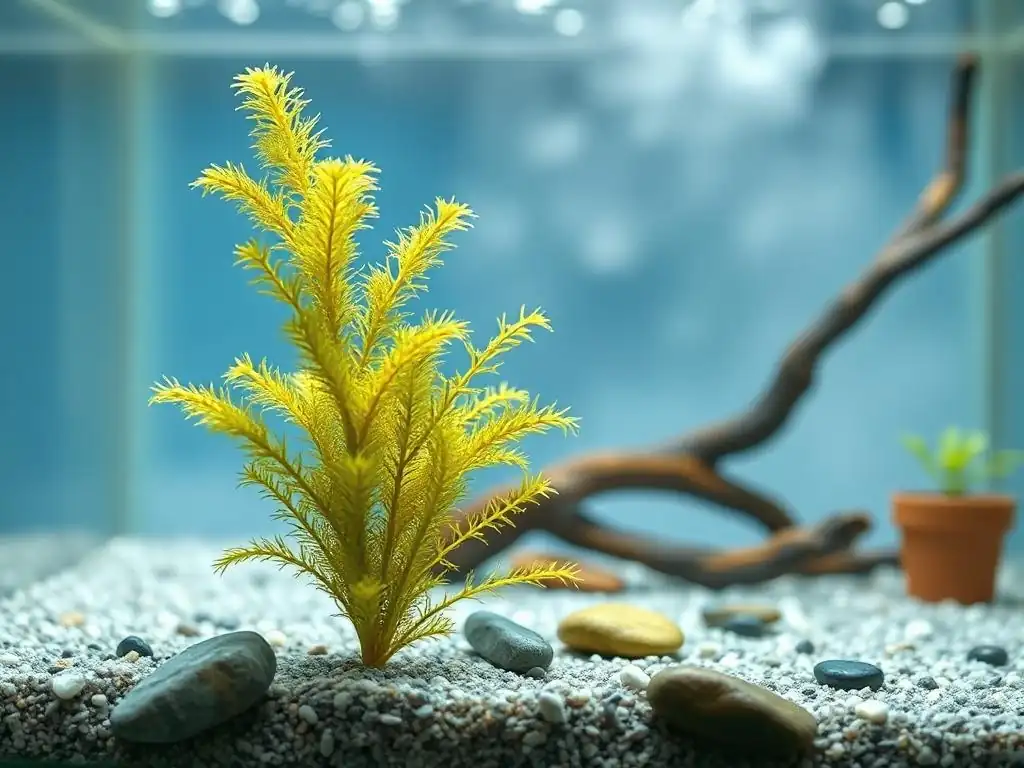
Regular Pruning: The Foundation of Plant Management
Regular pruning is the cornerstone of effective aggressive stem plant control and overall plant management in freshwater aquariums. It is essential not only for maintaining the desired shape and size of plants but also for promoting their health and encouraging bushier growth. For many fast-growing stem plants, such as Rotala rotundifolia or Ludwigia repens, weekly or bi-weekly pruning sessions are often necessary to prevent them from overgrowing the tank and overshadowing other species.
There are two primary pruning methods: "trim and replant" and "trim and discard." The "trim and replant" method involves cutting the top portion of a stem plant and replanting it into the substrate, allowing it to root and continue growing, while the original base often sprouts new shoots. This method is ideal for propagating plants and creating dense bushes. The "trim and discard" method simply involves removing the cut portions from the tank, which is crucial for exporting excess nutrients and preventing the tank from becoming overly dense, especially with plants like Egeria densa or Hornwort.
Proper Pruning Techniques for Various Plant Types
Proper pruning techniques vary depending on the plant type, ensuring healthy regrowth and maintaining the aquascape's aesthetic. For most stem plants, the general rule is to cut the stem just above a node (where leaves emerge). This encourages the plant to branch out from the cut point, leading to a bushier, more compact growth habit, which is a form of aquatic plant growth control. Rosette plants, like Cryptocoryne species, are pruned by carefully removing older, outer leaves at their base using sharp scissors, which allows new growth to emerge from the center.
Rhizome plants, such as Anubias or Java Fern, are typically propagated or controlled by dividing the rhizome itself, ensuring each section has at least a few leaves. Floating plants, which can quickly cover the surface and block light, are managed by simply scooping out excess biomass. Regardless of the plant type, using sharp, dedicated aquascaping tools is crucial to make clean cuts, minimize damage to plant tissue, and prevent the introduction of pathogens, ensuring the plant can recover quickly and healthily.
Determining Pruning Frequency Based on Growth Rate and Tank Size
The optimal pruning frequency for fast-growing plants is highly dependent on their inherent growth rate, the intensity of light and nutrient availability, and the overall size of the aquarium. In high-tech setups, characterized by high light, CO2 injection (e.g., 25-30 ppm), and nutrient-rich substrates, aggressive stem plants can grow exceptionally fast, often requiring pruning every 5-7 days. This frequent intervention is necessary to manage their rapid biomass production and maintain the aquascape's design.
Conversely, in low-tech aquariums with moderate light and no CO2 injection, the same plants will grow at a significantly slower pace, potentially needing pruning only every 2-4 weeks. Tank size also plays a critical role; a 10-gallon tank with fast-growing Limnophila sessiliflora will appear overgrown much faster than a 50-gallon tank with the same plant, even with identical growth rates, simply due to the confined space. Therefore, smaller tanks typically necessitate more frequent and vigilant rapid plant growth management.
Nutrient Management for Controlled Plant Growth
While nutrients are essential for healthy plant growth, their careful management is a powerful tool for aggressive stem plant control. Over-fertilization, especially with macronutrients like nitrates and phosphates, can fuel explosive growth that quickly overwhelms an aquascape. Instead of blindly dosing, aquarists should aim for a balanced nutrient regime that supports healthy, but not excessive, growth.
The concept of "lean dosing" involves providing just enough nutrients to prevent deficiencies while keeping levels low enough to discourage runaway growth. For example, maintaining nitrate levels around 5-10 ppm and phosphates at 0.5-1 ppm can significantly slow down the growth rate of many fast-growing species without causing stunting or deficiencies. Regular water testing allows for precise adjustments, ensuring that plants receive what they need without providing an excess that leads to uncontrollable proliferation.
Balancing Macro and Micro Nutrients to Limit Excessive Growth
Macronutrients—Nitrogen (N), Phosphorus (P), and Potassium (K)—are the primary building blocks for plant biomass, and their availability directly dictates the rate of growth. To limit excessive growth, one strategy is to slightly limit one of these macronutrients, typically nitrates or phosphates, while ensuring the others are still available. For instance, consistently keeping nitrate levels at the lower end of the recommended range (e.g., 5 ppm instead of 20 ppm) can effectively slow down the overall growth rate of aggressive stem plants without causing visible deficiencies.
Micronutrients, such as Iron (Fe), Magnesium (Mg), and various trace elements, are also vital for plant health but are less likely to cause uncontrolled explosive growth unless severely overdosed. These are usually required in much smaller quantities. The key to aquatic plant growth control through nutrient management lies in precise dosing based on actual plant consumption and water test results, rather than relying on generalized recommendations. This allows aquarists to fine-tune the growth rate to match their maintenance schedule and aesthetic goals.
The Role of CO2 Injection in Plant Development and Control
Carbon dioxide (CO2) is arguably the most significant growth accelerator for aquatic plants, especially in high-tech planted aquariums. While CO2 injection is often employed to achieve lush, vibrant growth, it can also be manipulated as a tool for rapid plant growth management. By reducing the CO2 concentration in the water, for example, from a high of 30 ppm to a more moderate 15-20 ppm, the growth rate of aggressive stem plants will naturally slow down.
However, adjusting CO2 levels requires a delicate balance. Too little CO2 can lead to stunted growth, nutrient deficiencies, and increased susceptibility to algae in all plants, not just the fast growers. Therefore, CO2 control for limiting growth should be approached cautiously, ensuring that the remaining CO2 levels are still sufficient to support the health of all plant species in the tank. Monitoring CO2 with a drop checker and adjusting the regulator precisely is key to finding the right balance for controlled, healthy growth.
Utilizing Plant Placement to Manage Rapid Growth
Strategic plant placement is a proactive measure in aggressive stem plant control, minimizing the impact of fast-growing species on the overall aquascape. By carefully considering where each plant type is placed, aquarists can simplify future maintenance and ensure all plants receive adequate resources. Fast-growing plants should ideally be positioned in areas that are easily accessible for frequent pruning, such as the background or along the sides of the tank.
It is crucial to avoid placing fast-growing, tall plants directly in front of or immediately adjacent to slower-growing, light-demanding foreground plants (e.g., Monte Carlo or Dwarf Hairgrass). The rapid vertical growth of stem plants will quickly overshadow and starve these lower plants of light, leading to their decline. Grouping similar growth-rate plants together can also streamline pruning sessions and prevent individual plants from dominating the entire layout.
Strategic Planting Locations to Minimize Competition
To minimize competition for light and nutrients, strategic planting locations are paramount. Fast-growing stem plants should be grouped together, typically in the background or midground, where their height can be utilized to create depth and their rapid growth can be managed collectively during pruning. This arrangement simplifies the trimming process and prevents their unchecked expansion from encroaching upon other, more delicate species.
Avoid planting aggressive species directly over or immediately next to carpeting plants or other slow-growing foreground plants that require intense light. Instead, create distinct zones within the aquascape. For instance, a dense bush of Rotala can be placed behind a large piece of driftwood or rockwork, which physically separates it from foreground elements. This thoughtful placement is a proactive form of aquatic plant growth control, ensuring that each plant type thrives without hindering its neighbors.
Creating Barriers to Prevent Plant Encroachment
For certain aggressive plant types, particularly those that spread via runners or rhizomes, physical barriers can be an effective method to prevent encroachment and maintain defined planting areas. For instance, plants like Vallisneria or Sagittaria subulata are notorious for sending out extensive runners that can quickly colonize large portions of the substrate. To contain their spread, one can bury a thin, impermeable plastic barrier (e.g., a cut-up plastic folder or a piece of acrylic) a few inches deep into the substrate around the planting area.
Similarly, for rhizomatous plants like Anubias or Java Fern that are prone to attaching and spreading onto décor, strategically placing rocks or driftwood can act as natural boundaries. While these plants are not "aggressive stem plants" in the typical sense, their uncontrolled spread can still disrupt an aquascape. Utilizing these barriers ensures that the plant remains within its designated zone, simplifying future maintenance and preserving the overall design integrity.
Specific Techniques for Controlling Common Fast-Growing Plants
Managing Egeria densa (Anacharis): A Detailed Guide
Egeria densa, commonly known as Anacharis, is a popular, yet extremely fast-growing, submerged plant known for its ability to quickly consume nitrates and oxygenate the water. It thrives particularly well in cooler water temperatures (around 68-75°F or 20-24°C) and can easily grow 2-3 inches per week under good lighting. Its growth habit is primarily vertical, reaching the surface rapidly and then spreading horizontally, forming dense mats that can shade out everything beneath.
Effective aggressive stem plant control for Egeria densa involves frequent pruning. When it reaches the water surface or becomes too dense, simply cut the stems to the desired length. The cut tops can be replanted to propagate new plants, or discarded to export excess nutrients from the tank. Due to its vigorous nutrient uptake, regular removal of Egeria densa biomass is an excellent way to keep nutrient levels in check and prevent algae blooms, making it a valuable, albeit high-maintenance, plant for nutrient export.
Controlling Vallisneria Growth in Planted Aquariums
Vallisneria species, such as Vallisneria spiralis or Vallisneria gigantea (Jungle Val), are popular background plants known for their long, ribbon-like leaves and their rapid spread via runners. While providing a natural, flowing aesthetic, their aggressive runner production can quickly lead to a dense monoculture, especially in smaller tanks where a single Jungle Val leaf can easily reach 3 feet in length.
Controlling Vallisneria growth primarily involves regularly trimming its runners. Once a new plantlet establishes itself from a runner, you can either cut the runner close to the parent plant and remove the new plantlet, or carefully pull up the entire new plantlet if thinning is desired. For dense patches, it may be necessary to pull up entire sections of plants to create space. This thinning process usually needs to be performed every 3-4 weeks to prevent the plant from completely taking over the substrate and shading out other bottom-dwelling plants.
Taming Ceratophyllum demersum (Hornwort): Tips and Tricks
Ceratophyllum demersum, or Hornwort, is an exceptionally fast-growing plant, often used as a floating plant but can also be anchored. It is unique in that it does not root into the substrate and is known for its brittle nature, easily breaking into small pieces, each of which can regenerate into a full plant. Under high light and nutrient-rich conditions, Hornwort can double its volume in less than a week, quickly consuming available nutrients and light.
Due to its rapid growth and tendency to break apart, the most effective method for taming Hornwort is frequent manual removal of excess biomass. Simply scoop out large handfuls of the plant as it accumulates on the surface or becomes too dense. While it is a fantastic nutrient sponge, its rapid growth makes consistent rapid plant growth management essential to prevent it from completely shading the tank and outcompeting all other plant life. Regular removal helps maintain light penetration and prevents the tank from becoming a Hornwort monoculture.
Dealing with the Rapid Spread of Limnophila sessiliflora (Ambulia)
Limnophila sessiliflora, commonly known as Ambulia, is a very popular stem plant appreciated for its delicate, feathery leaves and bright green coloration. However, it is also a very fast grower, quickly reaching the water surface and branching out profusely. Its rapid vertical growth can quickly overshadow and deprive lower plants of light, making it a challenging plant to manage in smaller or meticulously aquascaped tanks.
To deal with the rapid spread of Ambulia, frequent pruning is crucial, often on a weekly to bi-weekly basis. When the stems reach the water surface or become too leggy at the bottom, cut the top 4-6 inches of the stem and replant it into the substrate. The original base will typically sprout new shoots, encouraging a bushier growth habit. Regular trimming not only controls its size but also promotes denser, more attractive foliage, ensuring it remains a beautiful addition rather than an invasive one.
Preventing Future Rapid Plant Growth Issues
Choosing Appropriate Plants for Your Aquarium Size
One of the most effective ways to prevent future rapid plant growth issues is to proactively choose plants that are appropriate for your aquarium's size and your commitment to maintenance. Before purchasing any aquatic plant, research its typical growth rate, maximum size, and propagation methods. For instance, introducing a plant like Egeria densa or Hornwort, which can grow several inches per week, into a small 5 or 10-gallon tank without a plan for daily maintenance will inevitably lead to an overgrown, unmanageable situation.
Instead, opt for species whose expected growth rate and mature size are compatible with your tank's dimensions and your willingness to prune. For nano tanks, consider slower-growing stem plants or smaller species like Staurogyne repens instead of towering background plants. This thoughtful selection is the first and most fundamental step in proactive aggressive stem plant control, significantly reducing the likelihood of future overgrowth problems.
Implementing a Regular Maintenance Schedule for Plant Trimming
Consistency is paramount in preventing rapid plant growth issues from escalating. Implementing a regular, predictable maintenance schedule for plant trimming is far more effective than waiting until the aquarium is visibly overgrown. For tanks with fast-growing species, this might mean dedicating 15-30 minutes to pruning every week or bi-weekly, rather than attempting a massive overhaul once a month.
Integrating plant trimming into your existing water change routine can make it feel less like an extra chore. For example, during your weekly 25% water change, take the opportunity to trim back any aggressive stem plants that are nearing the surface or shading other plants. This consistent approach ensures that plant growth is managed incrementally, preventing large biomass buildups that can destabilize water parameters and lead to nutrient imbalances.
Monitoring Water Parameters to Optimize Plant Health and Control Growth
Regular monitoring of key water parameters is crucial not only for overall plant health but also as a tool for aquatic plant growth control. Specifically, testing for macronutrients like nitrates (NO3), phosphates (PO4), and potassium (K) can provide invaluable insights. If these levels are consistently high (e.g., nitrates above 20 ppm, phosphates above 2 ppm), it indicates an abundance of nutrients fueling rapid, potentially uncontrollable growth.
By routinely checking these parameters, aquarists can make informed decisions about fertilizer dosing, aiming for target ranges that support healthy growth without overfeeding the plants. For instance, maintaining nitrates between 5-10 ppm and phosphates between 0.5-1 ppm often provides sufficient nutrients for healthy growth while preventing the explosive growth seen with higher concentrations. Adjusting dosing based on these readings helps to manage the overall growth rate and prevent runaway nutrient levels, which in turn reduces the likelihood of algae outbreaks.
Tools and Equipment for Effective Plant Control
Choosing the Right Aquascaping Tools for Pruning
Having the correct aquascaping tools is fundamental for effective and precise plant control. Sharp, long-handled scissors are indispensable for pruning stem plants and accessing hard-to-reach areas without disturbing the substrate or tank inhabitants. Both straight and curved scissors (typically 10-12 inches long for deeper tanks) are useful; straight scissors are ideal for general trimming, while curved ones excel at reaching awkward angles or trimming carpeting plants.
Forceps or tweezers, also long-handled, are essential for planting small stem cuttings and retrieving trimmed plant pieces that might otherwise float around or sink into the substrate. A good quality blade scraper, often with replaceable razor blades, is useful for removing any algae that might accumulate on the glass, which can often be a symptom of imbalanced plant growth or nutrient levels. Investing in these tools makes the regular tasks of aggressive stem plant control much easier and more efficient.
Nutrient Testing Kits for Monitoring Water Chemistry
Accurate nutrient testing kits are vital for understanding the chemical environment of your planted aquarium and for precise aquatic plant growth control. Liquid test kits for nitrates (NO3), phosphates (PO4), and potassium (K) are particularly important for planted tanks. Brands like API offer comprehensive freshwater master test kits that cover these and other essential parameters.
These kits provide actionable data, allowing aquarists to determine if nutrient levels are too high (fueling excessive growth) or too low (leading to deficiencies). For example, if nitrate levels are consistently above 20 ppm, it indicates an excess that can be reduced through water changes or by trimming more plant biomass. Conversely, if potassium is consistently low, it might lead to pinholes in leaves. Regular testing empowers the aquarist to make informed adjustments to their fertilizing regime, promoting balanced growth and preventing both nutrient deficiencies and runaway growth.
CO2 Regulators and Diffusers for Balanced Growth
For aquarists utilizing CO2 injection, a reliable CO2 regulator with a solenoid valve and a high-quality diffuser is crucial for achieving balanced plant growth and effective rapid plant growth management. A regulator allows for precise control over the CO2 flow rate (measured in bubbles per second), ensuring a consistent and optimal concentration of CO2 in the water. The solenoid valve, when connected to a timer, automatically turns off the CO2 at night, preventing dangerous CO2 spikes when plants are not photosynthesizing.
A good diffuser creates fine CO2 bubbles, maximizing dissolution into the water. Monitoring CO2 levels with a drop checker is also essential; it changes color based on the CO2 concentration, providing a visual cue (e.g., green for optimal, blue for too low, yellow for too high). Proper CO2 management helps plants grow vigorously, but also allows for fine-tuning. By slightly reducing the CO2 level from maximum efficiency, aquarists can slow down the growth rate of aggressive stem plants, bringing it into a more manageable range.
Troubleshooting Common Plant Control Problems
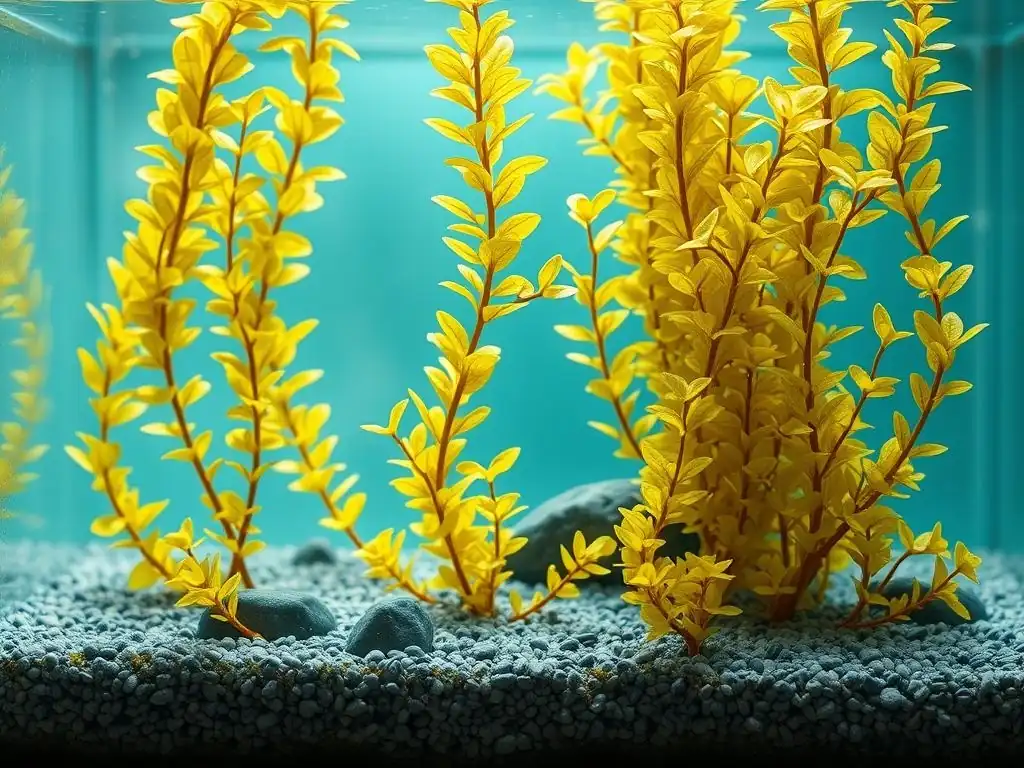
Dealing with Algae Blooms Caused by Excessive Plant Growth
Paradoxically, excessive plant growth, particularly when uncontrolled, can sometimes lead to algae blooms. This occurs because dense plant masses can reduce water circulation and light penetration to lower areas, creating stagnant zones where detritus accumulates. These localized pockets of decaying matter can release nutrients into the water column, becoming prime breeding grounds for various types of algae, such as hair algae or even black brush algae.
To deal with algae blooms caused by overgrown plants, the primary step is aggressive pruning to open up the plant mass, improve water flow, and allow light to reach all areas. Additionally, improving overall water circulation by adding a small powerhead or adjusting filter outflow can help. Performing a 30-50% water change can help reduce free-floating algae spores and excess nutrients. Ensuring proper nutrient balance through testing and careful dosing, rather than over-relying on plants for nutrient export when they are already overgrown, is also critical.
Preventing Nutrient Deficiencies After Aggressive Pruning
Aggressive pruning, while necessary for aggressive stem plant control, can sometimes lead to nutrient imbalances or deficiencies in the remaining plant mass. When a large volume of plant biomass is removed, the overall nutrient uptake capacity of the tank is suddenly reduced. If the tank was previously dosed for a high plant load, this can lead to a temporary surplus of nutrients in the water column, potentially triggering algae. Conversely, if the tank was already running lean, the removal of biomass might tip the balance into deficiency for the remaining plants.
To prevent this, it's crucial to monitor water parameters closely for a few days after a heavy trim. Consider performing a small water change (e.g., 20-30%) immediately after a significant trim to rebalance the water column. Observe the remaining plants for signs of deficiency, such as yellowing leaves (iron or nitrogen), transparent leaves (potassium), or stunted new growth. Adjust your fertilizer dosing program downwards initially, then gradually increase it as the plants recover and new growth emerges, ensuring a steady supply of nutrients without excess.
Addressing Stunted Growth in Other Plants Due to Plant Competition
Stunted growth in slower-growing or less competitive plants is a common problem in tanks with unmanaged fast-growing species. Aggressive stem plants can quickly outcompete their neighbors for essential resources like light and nutrients, leading to the affected plants developing smaller leaves, appearing leggy, or showing signs of browning and melt. This competition can severely disrupt the intended balance and aesthetic of the aquascape.
The most direct solution involves more aggressive pruning of the competitive, fast-growing plants to open up the canopy and allow light to penetrate to the lower layers. Re-evaluating plant placement is also key; ensure that light-demanding plants are not directly overshadowed. If the issue appears to be widespread nutrient deficiency affecting multiple species, consider slightly increasing the overall nutrient dosing, assuming light and CO2 (if applicable) are already optimized. This comprehensive approach ensures that all plants have a fair chance to thrive, supporting effective aquatic plant growth control.
Maintaining a Balanced Aquascape: The Long-Term Benefits of Plant Control
Creating a Visually Appealing and Healthy Aquarium Environment
Consistent and effective aggressive stem plant control is fundamental to creating a visually appealing and healthy aquarium environment. By regularly pruning and managing plant growth, aquarists can ensure that plants maintain their intended shapes and sizes, contributing to the overall artistic design of the aquascape. This meticulous care allows the intricate details of hardscape, focal points, and diverse plant textures to truly shine, transforming the aquarium into a captivating underwater landscape.
A well-maintained planted tank is a dynamic and vibrant display that reflects the aquarist's dedication and skill. It offers a sense of depth and natural beauty, providing a serene backdrop for the fish and invertebrates. Beyond aesthetics, a controlled plant mass ensures optimal light penetration and water flow, preventing stagnant areas and promoting robust plant health, which in turn contributes to the overall well-being of the entire aquatic ecosystem.
Promoting Biodiversity and Ecosystem Stability
Proper plant management plays a crucial role in promoting biodiversity and ecosystem stability within the aquarium. Without consistent rapid plant growth management, a few aggressive species can quickly outcompete and overshadow slower-growing or more delicate plants, leading to a monoculture. Regular pruning prevents this dominance, allowing a diverse range of plant species to coexist and thrive, each contributing uniquely to the tank's nutrient cycling and aesthetic appeal.
A diverse plant population creates varied micro-habitats, offering different hiding spots, foraging grounds, and spawning sites for various fish and invertebrate species. This biological diversity makes the ecosystem more resilient and stable, as different plants utilize nutrients in different ways and at different rates, contributing to more consistent water parameters. A balanced plant mass also helps reduce stress on fish by providing adequate cover and promoting natural behaviors, leading to a healthier, more vibrant aquatic community.
Enjoying a Thriving Aquascape for Years to Come
The long-term benefits of consistent aggressive stem plant control culminate in the enduring enjoyment of a thriving aquascape. By proactively managing plant growth, aquarists significantly reduce the likelihood of major problems such as severe algae outbreaks, widespread plant melt, or sudden water quality crashes, which often stem from unmanaged plant biomass. This proactive approach transforms the hobby from a constant battle against problems into a rewarding experience of nurturing a living piece of art.
With effective strategies in place, aquarists can spend less time troubleshooting and more time observing and appreciating the intricate beauty and dynamic life within their tank. A well-maintained aquascape offers a consistent source of tranquility and fascination, providing a stable and beautiful environment that can be enjoyed for many years, making the investment of time and effort truly worthwhile.
Frequently Asked Questions
How can I identify if a stem plant in my aquarium is considered "aggressive"?
Aggressive stem plants are typically characterized by their rapid growth rate and tendency to outcompete other plants for nutrients and light. This often results in shading and nutrient deficiencies for slower-growing species.
What are some practical methods for controlling the growth of aggressive stem plants?
Regular pruning is crucial. Also, consider nutrient limitations such as reducing nitrate and phosphate levels. Another option is manual removal of excess growth.
Are there specific types of fertilizers or lighting adjustments that can help manage aggressive stem plants?
Yes, using a lean fertilization approach can slow down their growth. Adjusting the light intensity and duration can also impact their growth rate, favoring less demanding plants.
What are the potential negative impacts of neglecting aggressive stem plant control in my aquarium?
Uncontrolled growth can lead to light deprivation for lower-growing plants. It can also cause nutrient imbalances and oxygen depletion in the water.
Can introducing certain fish or invertebrates help control aggressive stem plants?
Some herbivores, such as certain types of snails or fish, may graze on stem plants. However, their effectiveness varies and they may also target other plants. Choose carefully!
Final Reflection: Cultivating Harmony in the Aquatic Realm
The insights shared throughout this article highlight the critical importance of proactive intervention in managing aggressive stem plants within an aquascape. Neglecting this aspect can quickly lead to an imbalance, transforming a carefully curated underwater paradise into a monoculture dominated by a single, rapidly expanding species. This isn't just about aesthetics; it's about the health and biodiversity of the entire aquatic ecosystem.
The challenge of controlling aggressive stem plants underscores a broader truth about our relationship with nature: balance requires constant attention and mindful action. We must learn to anticipate potential disruptions and adapt our strategies accordingly. The best time to plant a tree was 20 years ago. The second best time is now.
This ancient proverb resonates deeply with the need for consistent maintenance and preventative measures in aquascaping, reminding us that even small actions taken today can yield significant benefits in the long run.
As you contemplate the principles of aggressive stem plant control, I encourage you to consider how these lessons might extend beyond the confines of your aquarium. How can you apply the principles of proactive management and mindful intervention to other areas of your life, fostering greater balance and harmony in your own personal ecosystem? Embrace the challenge, and cultivate a future where growth and control coexist in perfect equilibrium.
Cultivate Your Aquatic Paradise: Plant with Purpose!
Thank you for diving deep into the art of controlling aggressive stem plants and preserving the harmony of your aquascape. We hope you’ve discovered valuable insights to help you maintain a balanced and thriving underwater world. Ready to transform your aquarium from a challenge into a masterpiece?
Here’s how you can take action:
- Prioritize strategic pruning: Regularly trim your aggressive stem plants, focusing on removing the apical buds to encourage lateral growth and prevent them from overshadowing other species.
- Share your triumphs (and tribulations!): Post photos of your aquascaping journey on social media using #AquariumMastery and inspire other hobbyists.
- Explore alternative planting methods: Experiment with different substrate depths and planting densities to find the sweet spot that keeps your stem plants thriving but under control.
What unique aquascaping challenges are you currently facing, and what innovative solutions are you exploring?