
Caulerpa as a Natural Food Source: Benefits for Herbivorous Fish & Inverts

Welcome to Aquarium Mastery!
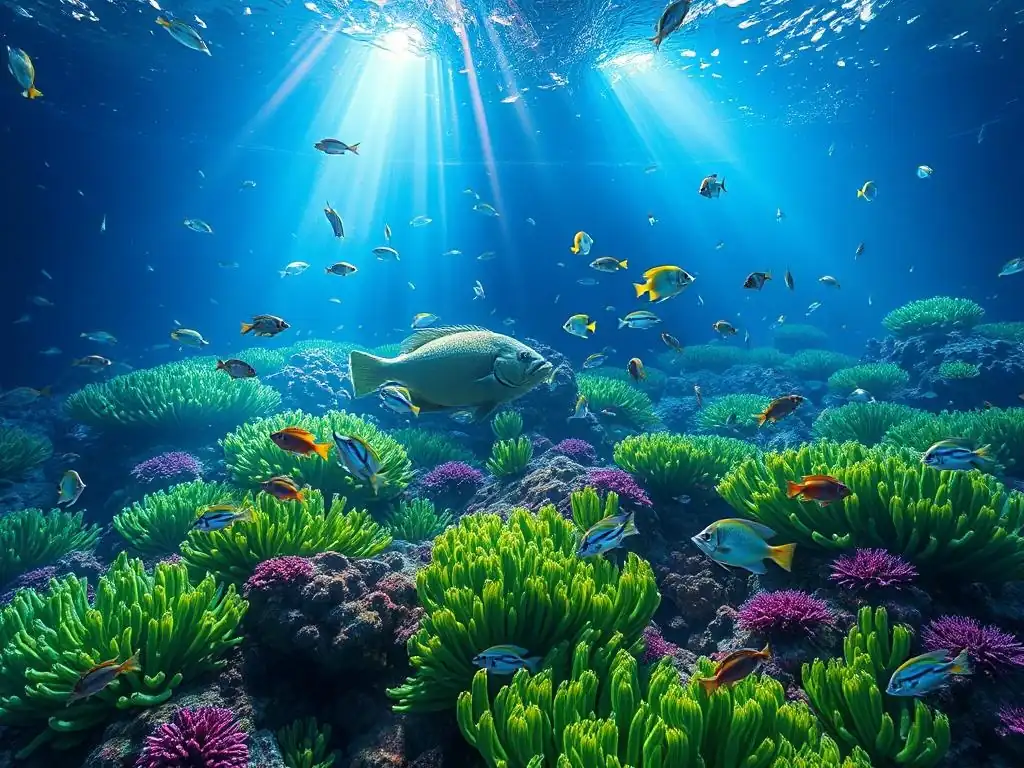
Ever wondered if there's a natural, sustainable way to feed your herbivorous fish and invertebrates while also enhancing your aquarium's ecosystem? Our latest deep dive into Caulerpa herbivorous fish care unlocks the secrets to successfully using this macroalgae as a vibrant and nutritious food source. Discover the benefits, the challenges, and how to keep both your Caulerpa and your finned friends thriving. Intrigued? Dive in to uncover the power of Caulerpa!
- Introduction to Caulerpa for Saltwater Aquariums
- Caulerpa: A Nutritional Powerhouse for Herbivores
- Caulerpa Species for Herbivorous Fish and Invertebrates
- Feeding Herbivorous Fish with Caulerpa: Best Practices
- Caulerpa and Invertebrates: A Symbiotic Relationship
- Potential Drawbacks and Mitigation Strategies for Caulerpa
- Caulerpa Herbivorous Fish Care: A Summary of Benefits
- Conclusion: Caulerpa - A Valuable Asset for a Thriving Herbivorous Aquarium
-
Frequently Asked Questions
- What is Caulerpa and why is it beneficial for herbivorous fish?
- Which types of herbivorous fish thrive on a diet including Caulerpa?
- How can I introduce Caulerpa into my aquarium safely?
- What are the potential risks of using Caulerpa in my aquarium?
- How do I properly manage Caulerpa growth to prevent problems in my aquarium?
- Final Reflection: Embracing Nature's Bounty for Thriving Reefs
- Unleash the Power of Caulerpa in Your Aquarium!
Introduction to Caulerpa for Saltwater Aquariums
What is Caulerpa? Exploring its Popularity in Marine Aquariums
Caulerpa is a genus of green macroalgae renowned for its diverse forms and rapid growth, making it a popular choice in many saltwater aquariums, particularly in refugiums. Characterized by its unique stolon structure from which fronds, resembling various plant shapes like grapes, feathers, or blades, emerge, Caulerpa species can anchor themselves to substrates with rhizoids. Its popularity stems from its efficiency in nutrient export, consuming nitrates and phosphates that can fuel nuisance algae, thereby contributing to cleaner, more stable water parameters within the reef tank ecosystem.
Beyond its role in nutrient management, Caulerpa is also valued for its aesthetic appeal in display tanks and its capacity to provide natural shelter for small invertebrates and fry. Aquarists often cultivate species like Caulerpa prolifera or Caulerpa racemosa due to their relatively manageable growth patterns and visual interest. However, it is crucial for aquarists practicing Caulerpa herbivorous fish care to understand the specific needs and potential challenges associated with this genus, ensuring its benefits are maximized while risks are mitigated.
Why Choose Caulerpa for Your Reef Tank? Natural Food Source and More
Choosing Caulerpa for a reef tank extends beyond its primary function as a nutrient export mechanism; it serves as a multifaceted asset. For herbivorous fish and invertebrates, it offers a readily available, natural, and continuous food source, mimicking their natural grazing environments. Species like Yellow Tangs ( Zebrasoma flavescens) or Rabbitfish ( Siganus vulpinus) readily graze on Caulerpa, benefiting from its nutritional content and fulfilling their natural foraging behaviors, which can reduce aggression and stress.
Furthermore, Caulerpa contributes significantly to the overall biodiversity and ecological balance of a marine aquarium. It provides critical habitat and refuge for copepods and amphipods, which are vital live food sources for many corals and smaller fish. This natural food chain support, combined with its ability to stabilize pH by consuming CO2 during daylight hours and releasing O2, makes Caulerpa an integral component of a thriving, self-sustaining reef environment, especially when focusing on optimal Caulerpa herbivorous fish care.
Caulerpa: A Nutritional Powerhouse for Herbivores
The Nutritional Composition of Caulerpa: Vitamins, Minerals, and More
Caulerpa macroalgae are recognized as a highly nutritious food source for marine herbivores, boasting a rich profile of essential vitamins, minerals, and other beneficial compounds. Studies on various Caulerpa species, such as Caulerpa lentillifera (sea grapes), indicate they are particularly rich in dietary fiber, which aids digestion, and contain a significant amount of protein, typically ranging from 5% to 15% of dry weight, crucial for growth and tissue repair. They are also packed with vital micronutrients.
Specifically, Caulerpa provides a good source of vitamins, including Vitamin A (beta-carotene), Vitamin C, and various B vitamins, which support immune function and metabolic processes. Mineral content is also impressive, with notable levels of calcium, magnesium, iron, and iodine, all essential for bone density, nerve function, and overall physiological health in marine organisms. For example, the high calcium content in Caulerpa supports the skeletal development of fish and shell growth in invertebrates, making it an excellent natural supplement in Caulerpa herbivorous fish care.
Benefits of Caulerpa in the Diet of Herbivorous Fish
Incorporating Caulerpa into the diet of herbivorous fish offers a multitude of benefits that extend beyond basic nutrition. Its fibrous texture promotes healthy gut motility, aiding in digestion and preventing common digestive issues like bloat or impaction, which can be prevalent in fish fed solely on processed foods. The continuous availability of Caulerpa encourages natural grazing behaviors, reducing stress and aggression often seen in species like Tangs when food is scarce or limited to specific feeding times.
Moreover, the diverse array of vitamins and minerals found in Caulerpa contributes to enhanced immune system function, making fish more resilient to diseases. For instance, the carotenoids present in Caulerpa not only act as powerful antioxidants but also play a role in intensifying the vibrant coloration of fish, particularly yellow, red, and orange pigments, as observed in species like the Yellow Tang. This natural, consistent grazing also helps maintain cleaner tanks by consuming detritus and reducing the need for supplemental feeding, directly contributing to optimal Caulerpa herbivorous fish care.
Caulerpa as a Supplement: Promoting Healthy Growth and Vibrant Colors
Using Caulerpa as a dietary supplement goes a long way in promoting robust growth and enhancing the natural coloration of herbivorous fish and invertebrates. Unlike dried or frozen foods, live Caulerpa retains its full spectrum of nutrients, including delicate vitamins that can degrade during processing. For juvenile fish or those recovering from stress, the readily available nutrients in Caulerpa provide the building blocks necessary for rapid and healthy development, often leading to faster growth rates compared to those on commercial diets alone.
The rich carotenoid content, particularly in green macroalgae like Caulerpa, is directly responsible for the vivid hues seen in many marine fish. Regular consumption of Caulerpa can deepen the yellow of a Yellow Tang or the blue and purple tones of a Powder Blue Tang, making their colors more pronounced and striking. This natural color enhancement, combined with the overall health benefits, underscores Caulerpa's value as a superior dietary supplement in comprehensive Caulerpa herbivorous fish care regimens, contributing significantly to the aesthetic and vitality of the aquarium inhabitants.
Caulerpa Species for Herbivorous Fish and Invertebrates
Best Caulerpa Varieties for Grazing: Caulerpa prolifera, Caulerpa serrulata, and Others
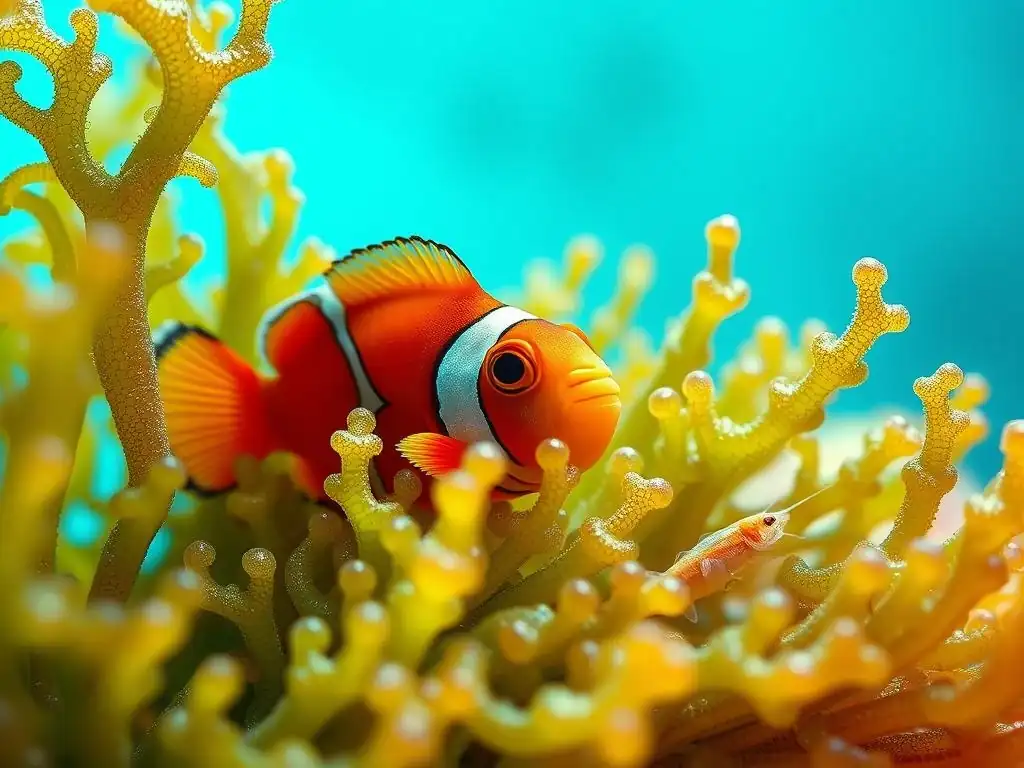
When selecting Caulerpa species for a reef tank, particularly for grazing herbivores, certain varieties are more commonly recommended due to their palatability and growth characteristics. Caulerpa prolifera, with its blade-like fronds, is a popular choice; it grows relatively quickly and is readily consumed by many herbivorous fish, including various Tangs and Rabbitfish. Its moderate growth rate makes it easier to manage compared to some faster-growing species.
Another excellent option is Caulerpa serrulata, identifiable by its serrated, fan-like fronds. This species also provides a good grazing surface and is generally accepted by a wide range of herbivores.
While Caulerpa racemosa (grape Caulerpa) is also popular for its unique appearance and nutrient export capabilities, its tougher texture might make it less appealing to some fish compared to the softer C. prolifera. It's important to note that Caulerpa taxifolia is highly invasive in some regions and should generally be avoided in home aquariums due to its aggressive growth and potential to outcompete other organisms if introduced to natural waters.
Caulerpa for Specific Herbivores: Tailoring Your Selection
Tailoring your Caulerpa selection to specific herbivore species can maximize the benefits of this natural food source. For large, voracious grazers like adult Yellow Tangs ( Zebrasoma flavescens) or Naso Tangs ( Naso lituratus), a fast-growing and abundant species like Caulerpa prolifera or Caulerpa serrulata is ideal to keep up with their consumption rates. These fish can consume significant amounts of macroalgae daily, with some Tangs grazing for several hours, making a continuous supply essential for their well-being.
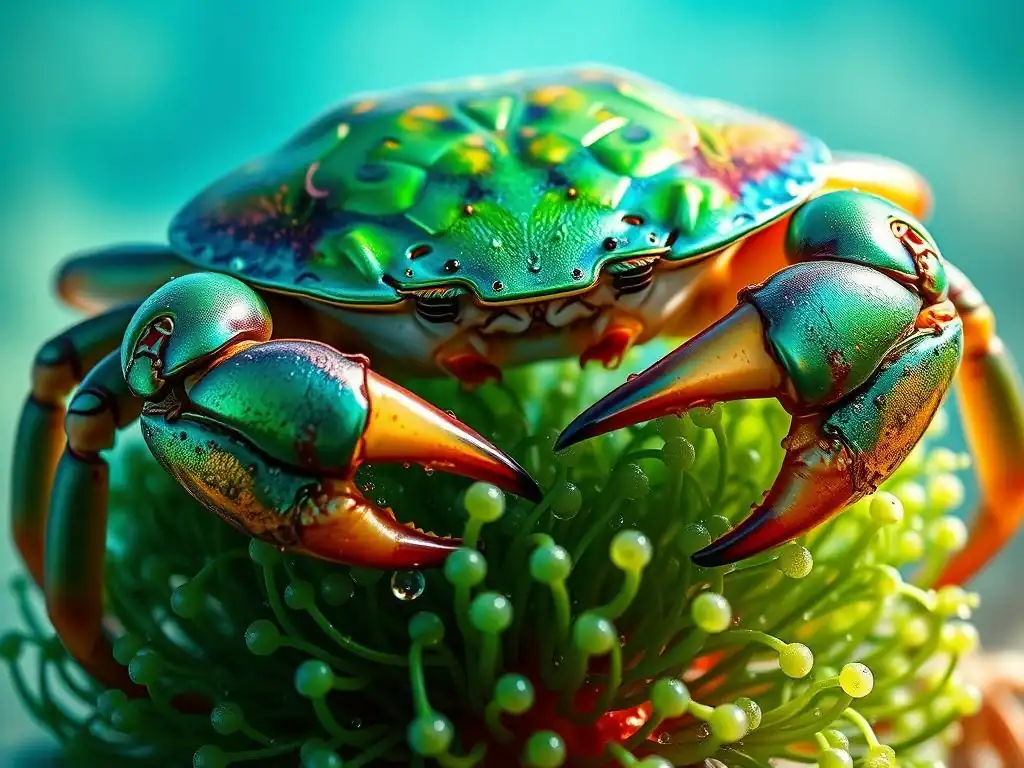
For smaller herbivores, such as certain species of Blennies or smaller Angelfish, softer varieties of Caulerpa might be preferred, or smaller fragments of larger species. Invertebrates like sea urchins ( Diadema setosum) are less selective and will readily consume most Caulerpa species, including the tougher C. racemosa. Emerald Crabs ( Mithraculus sculptus) are also known to graze on various Caulerpa types, contributing to algae control. Understanding the specific dietary preferences and grazing habits of your tank inhabitants is key to successful Caulerpa herbivorous fish care.
Considerations When Choosing Caulerpa Species for Your Tank
Choosing the right Caulerpa species for your aquarium involves several important considerations beyond just palatability for herbivores. The growth rate of the species is paramount; some Caulerpa species, like certain strains of Caulerpa taxifolia (though generally advised against), can grow exceptionally fast and quickly overtake an aquarium if not diligently managed. This rapid growth, while beneficial for nutrient export, can become problematic in a display tank.
Furthermore, the potential for sexual reproduction, often referred to as "Caulerpa meltdown," is a critical factor. During this event, the algae releases its gametes into the water column, which can lead to a milky bloom and a rapid decline in water quality due to the decay of the parent plant.
Species like C. prolifera are generally less prone to this sudden meltdown compared to others. Therefore, selecting a species with a more predictable growth pattern and lower risk of sexual reproduction, along with implementing regular harvesting, is crucial for maintaining a stable and healthy environment for your Caulerpa herbivorous fish care efforts.
Feeding Herbivorous Fish with Caulerpa: Best Practices
How to Introduce Caulerpa to Your Aquarium
Introducing Caulerpa to your aquarium requires careful planning to ensure it establishes successfully and benefits your herbivorous fish without causing issues. It is highly recommended to introduce Caulerpa into a dedicated refugium rather than directly into the main display tank, especially for species known for aggressive growth or potential sexual meltdown. This allows for controlled growth, easier harvesting, and minimizes the risk of it overrunning corals or outcompeting other desirable algae.
When first acquiring Caulerpa, inspect it thoroughly for any pests or unwanted organisms. A brief freshwater dip (for a few seconds) can help dislodge hitchhikers, though some sensitive invertebrates may be harmed. Once clean, secure the Caulerpa to live rock or place it loosely in a well-lit area of the refugium with moderate flow. For direct feeding to display tanks, small, fresh pieces can be offered daily, perhaps secured with an algae clip, ensuring your Caulerpa herbivorous fish have direct access to this nutritious food source.
Cultivating Caulerpa as a Sustainable Food Source
Cultivating Caulerpa within a refugium provides a sustainable and continuous supply of natural food for your herbivorous fish, reducing reliance on commercially prepared foods. To foster robust growth, ensure the refugium has adequate lighting, preferably on a reverse daylight cycle to help stabilize pH and oxygen levels during the main tank's dark period. A photoperiod of 12-16 hours is generally sufficient for most Caulerpa species.
Regular harvesting is crucial for maintaining a healthy Caulerpa crop and preventing sexual reproduction or nutrient lockout. Aim to remove approximately 20-30% of the Caulerpa biomass weekly or bi-weekly, depending on its growth rate. This pruning not only provides fresh food for your fish but also exports accumulated nutrients from the system, effectively acting as a natural filter. This systematic approach to cultivation is a cornerstone of effective Caulerpa herbivorous fish care and overall tank health.
Preventing Caulerpa Overgrowth: Maintaining a Balanced Ecosystem
Preventing Caulerpa overgrowth is paramount to maintaining a balanced and healthy aquarium ecosystem. While beneficial, unchecked Caulerpa can quickly outcompete corals for light and space, especially in the display tank. The most effective method of control is consistent and timely harvesting. By regularly trimming and removing portions of the Caulerpa, you manage its biomass and prevent it from becoming a nuisance.
Another strategy is to utilize herbivorous animals, such as certain Tangs, Rabbitfish, or even sea urchins, within the display tank to graze on any Caulerpa that might escape the refugium or be introduced as food. However, rely primarily on manual removal and refugium management. Ensuring proper nutrient control in the main tank through efficient filtration and responsible feeding practices will also limit the fuel for excessive Caulerpa growth, supporting overall Caulerpa herbivorous fish care and tank stability.
Caulerpa and Invertebrates: A Symbiotic Relationship
Caulerpa Benefits for Invertebrates: Shelter and Food
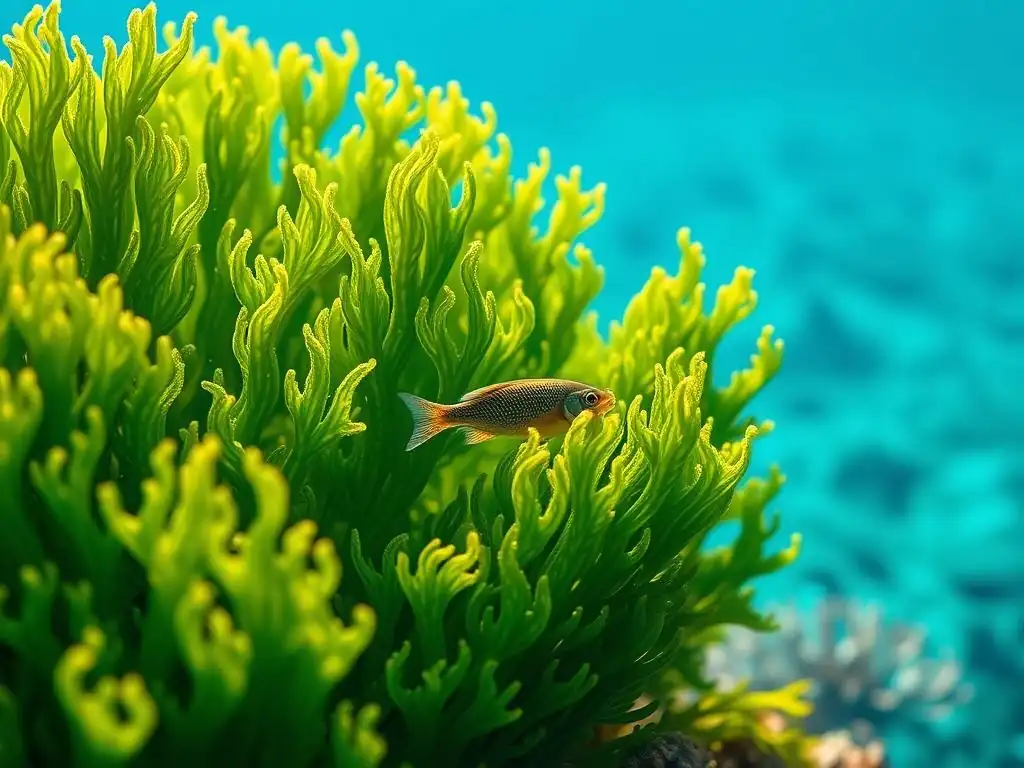
Caulerpa offers significant benefits to a wide array of marine invertebrates, serving both as a crucial food source and a vital habitat. The dense, branching structures of many Caulerpa species provide excellent refuge and hiding spots for small invertebrates such as copepods, amphipods, and various types of small snails. These micro-crustaceans, in turn, become a natural, continuous live food source for corals and smaller fish, contributing to the aquarium's biodiversity and food web.
Beyond shelter, many herbivorous invertebrates readily graze on Caulerpa. For instance, species of sea urchins, certain abalone, and various herbivorous snails like Astrea or Turbo snails will actively consume Caulerpa, benefiting from its nutritional profile. This grazing activity not only provides sustenance for the invertebrates but also helps to keep the Caulerpa growth in check, creating a symbiotic relationship where the macroalgae supports the invertebrates, and the invertebrates help manage the algae, enhancing the overall Caulerpa herbivorous fish care environment.
Invertebrates that Thrive on Caulerpa: Sea Urchins, Abalone, and Sea Cucumbers
Several key invertebrate species thrive on Caulerpa, making them excellent additions to a reef tank focused on natural grazing and algae control. Sea urchins, such as the Tuxedo Urchin ( Mespilia globulus) or various Diadema species, are highly efficient grazers and will consume large quantities of Caulerpa, helping to keep it from overgrowing. Their continuous grazing also helps to clean up detritus and maintain a pristine substrate.
Abalone, like the Green Abalone ( Haliotis fulgens), are also excellent herbivores that will graze on Caulerpa and other macroalgae, though they are often more nocturnal. Certain species of sea cucumbers, such as the Tiger Tail Sea Cucumber ( Holothuria hilla), are detritivores that will process the decaying matter associated with Caulerpa, further contributing to a clean environment. Introducing these invertebrates can create a balanced ecosystem where Caulerpa herbivorous fish care is complemented by natural invertebrate grazing, reducing the need for manual maintenance.
Balancing Caulerpa Consumption by Fish and Invertebrates
Achieving a balance in Caulerpa consumption between fish and invertebrates is essential for maintaining a stable and thriving aquarium. While both groups benefit from Caulerpa, an imbalance can lead to either insufficient food for some inhabitants or excessive Caulerpa growth if not enough grazers are present. For example, if you have a large population of highly efficient fish grazers like Tangs, they might consume Caulerpa faster than it can grow, necessitating supplemental feeding or larger refugium cultivation.
Conversely, if the grazing pressure from fish is low, invertebrates like sea urchins can become primary consumers, ensuring the Caulerpa doesn't overgrow. Monitoring the rate of Caulerpa depletion is key. If it's disappearing too quickly, consider increasing the amount cultivated or supplementing with other greens. If it's growing too fast, consider adding more specific grazers or increasing manual harvesting. This continuous observation and adjustment are vital components of successful Caulerpa herbivorous fish care and maintaining a harmonious reef ecosystem.
Potential Drawbacks and Mitigation Strategies for Caulerpa
Caulerpa's Rapid Growth: Managing Nutrient Levels
One of the primary advantages of Caulerpa, its rapid growth, can also be its most significant drawback if not properly managed. While vigorous growth signifies efficient nutrient export, it can lead to Caulerpa quickly outcompeting corals and other desirable organisms for light and space in the display tank. This rapid biomass accumulation necessitates diligent management to prevent it from becoming a nuisance algae.
To mitigate this, regular and aggressive harvesting is crucial. In a refugium setting, aim to remove 20-40% of the Caulerpa biomass weekly or bi-weekly, depending on its growth rate. This not only controls its spread but also ensures the export of nitrates and phosphates from the system. Maintaining low overall nutrient levels in the aquarium through efficient filtration, appropriate stocking, and controlled feeding will also naturally limit the extent of Caulerpa's growth, supporting balanced Caulerpa herbivorous fish care.
Preventing Caulerpa Takeover: Control Methods and Best Practices
Preventing Caulerpa takeover in a reef aquarium involves a multi-pronged approach combining physical control, biological measures, and environmental management. Physical removal is the most direct method; regularly prune and remove any Caulerpa that appears in the main display tank. This is particularly important for species that can attach to rocks and spread rapidly.
Introducing specific herbivorous fish and invertebrates that actively graze on Caulerpa can provide biological control. For instance, certain Tangs or Rabbitfish will readily graze on Caulerpa, helping to keep its growth in check. Emerald crabs and sea urchins are also effective grazers. Environmentally, maintaining stable water parameters, especially low phosphate and nitrate levels (e.g., nitrates below 10 ppm, phosphates below 0.05 ppm), reduces the available nutrients that fuel Caulerpa's rapid growth, thereby preventing it from dominating the tank and ensuring effective Caulerpa herbivorous fish care.
Addressing the Risk of Caulerpa Fragmentation
The risk of Caulerpa fragmentation is a significant concern for aquarists, as even small pieces can re-establish and grow into new colonies, leading to unwanted spread. This is particularly problematic during manual removal or if a piece breaks off due to strong flow or grazing. If fragments are not promptly removed, they can quickly attach to live rock or sand and begin new growth cycles throughout the aquarium.
To address this, exercise extreme caution during manual removal, trying to extract entire fronds or colonies without breaking them. If a piece does fragment, use a siphon or fine net to remove it immediately. Ensuring proper flow patterns can help direct fragments towards filtration areas where they can be captured. Some aquarists also employ filter socks or mechanical filtration to catch errant pieces before they can settle. Implementing these careful handling practices is vital for preventing widespread Caulerpa proliferation and maintaining a controlled environment for Caulerpa herbivorous fish care.
Caulerpa Herbivorous Fish Care: A Summary of Benefits
Optimizing Your Aquarium for Caulerpa and Herbivore Health
Optimizing your aquarium for both Caulerpa and the health of your herbivorous fish involves creating an environment where both can thrive synergistically. This begins with providing a well-lit refugium for Caulerpa cultivation, ideally with a reverse photoperiod to stabilize pH. Adequate water flow within the refugium ensures nutrient delivery to the Caulerpa and prevents detritus accumulation.
For the herbivores, ensuring a diverse diet that includes Caulerpa, along with other macroalgae, provides comprehensive nutrition. Maintaining stable water parameters (e.g., salinity at 1.025, temperature 76-78°F, alkalinity 8-12 dKH, calcium 400-450 ppm) is crucial for the health of both the algae and the fish. Regular testing and consistent maintenance routines are paramount to creating an optimal environment for robust Caulerpa growth and the vibrant health of your herbivorous fish, truly embodying effective Caulerpa herbivorous fish care.
Monitoring and Maintaining a Healthy Caulerpa Ecosystem
Monitoring and maintaining a healthy Caulerpa ecosystem within your aquarium is an ongoing process that directly impacts the well-being of your herbivorous fish. Regularly observe the Caulerpa's color, growth rate, and overall appearance; healthy Caulerpa should be vibrant green and actively growing. Pale or decaying Caulerpa can indicate nutrient deficiencies, insufficient light, or an impending sexual meltdown, which can severely impact water quality.
Consistent harvesting is key to managing Caulerpa biomass and preventing nutrient buildup. Aim for weekly or bi-weekly trims, removing about 20-30% of the growth. Test water parameters regularly, paying close attention to nitrates and phosphates, as the Caulerpa's growth rate is a good indicator of their levels. Addressing any signs of stress in the Caulerpa promptly helps maintain its effectiveness as a natural filter and a sustainable food source, making it an integral part of Caulerpa herbivorous fish care.
Advanced Caulerpa Cultivation Techniques for Dedicated Aquarists
For dedicated aquarists seeking to maximize Caulerpa production and its benefits for Caulerpa herbivorous fish care, advanced cultivation techniques can be employed. One such technique involves the use of specialized, high-intensity LED lighting optimized for macroalgae growth, often featuring specific red and blue spectrums that promote photosynthesis. This can significantly increase biomass production, allowing for greater nutrient export and a more abundant food source.
Another advanced method is the implementation of a dedicated Caulerpa reactor or scrubber, which provides an isolated, high-flow environment for intensive cultivation. These systems ensure optimal light exposure and nutrient delivery, minimizing the risk of Caulerpa spreading to the main display tank while maximizing its filtering capacity. Some aquarists also experiment with supplementing trace elements, such as iron, which can be beneficial for robust macroalgae growth, provided they are dosed carefully to avoid adverse effects on other tank inhabitants.
Conclusion: Caulerpa - A Valuable Asset for a Thriving Herbivorous Aquarium
Caulerpa stands out as an exceptionally valuable asset for any saltwater aquarium, particularly those housing herbivorous fish and invertebrates. Its multifaceted benefits, ranging from efficient nutrient export and natural pH stabilization to providing a continuous, highly nutritious food source, make it an indispensable component of a balanced marine ecosystem. By mimicking natural grazing environments, Caulerpa supports the physiological and behavioral health of herbivores, contributing to their vibrant coloration, robust growth, and reduced stress levels.
While managing its rapid growth and potential for fragmentation requires diligent attention, the advantages of incorporating Caulerpa far outweigh the challenges. Through careful species selection, strategic placement in a refugium, regular harvesting, and consistent monitoring, aquarists can harness the full potential of this remarkable macroalgae. Embracing comprehensive Caulerpa herbivorous fish care practices ensures a thriving, aesthetically pleasing, and biologically stable aquarium where fish and invertebrates flourish on a natural, sustainable diet.
Frequently Asked Questions
What is Caulerpa and why is it beneficial for herbivorous fish?
Caulerpa is a type of macroalgae that can serve as a natural food source for many herbivorous fish and invertebrates. It offers essential nutrients and fiber, contributing to their overall health and well-being.
Which types of herbivorous fish thrive on a diet including Caulerpa?
Many fish, including tangs, rabbitfish, and certain blennies, readily consume Caulerpa. Invertebrates like sea urchins and some snails also benefit from grazing on it.
How can I introduce Caulerpa into my aquarium safely?
Introduce it gradually and monitor its growth. Ensure your tank parameters are suitable for Caulerpa and that your herbivorous fish are compatible. It's also crucial to quarantine new algae to prevent introducing pests or diseases.
What are the potential risks of using Caulerpa in my aquarium?
Uncontrolled Caulerpa growth can overtake a tank, blocking light and impacting other inhabitants. Certain species can also release toxins if stressed, potentially harming your aquarium ecosystem.
How do I properly manage Caulerpa growth to prevent problems in my aquarium?
Regularly trim the Caulerpa to prevent it from spreading too aggressively. Ensure your tank has adequate water flow and proper lighting. Also, maintain optimal nutrient levels to support balanced growth.
Final Reflection: Embracing Nature's Bounty for Thriving Reefs
The exploration of Caulerpa's potential as a natural food source for herbivorous fish and invertebrates is not merely an academic exercise; it's a crucial step towards sustainable reef keeping in a world increasingly aware of ecological balance. Understanding and utilizing this readily available resource can significantly improve the health and vitality of our aquatic ecosystems, offering a tangible solution to the challenges of providing optimal nutrition for our beloved reef inhabitants.
This journey into the world of Caulerpa herbivorous fish care has highlighted the profound interconnectedness within our aquariums and the broader marine environment. My own fascination with reef ecosystems stems from a deep appreciation for their delicate balance, and the potential for responsible aquarists to contribute positively to their preservation. As Jacques Cousteau so eloquently stated, The sea, once it casts its spell, holds one in its net of wonder forever.
This wonder, and the responsibility it entails, drives us to seek innovative and sustainable solutions like utilizing Caulerpa.
Now, armed with this knowledge, I invite you to reflect on your own practices. How can you incorporate the lessons learned about Caulerpa herbivorous fish care into your own reef keeping endeavors? Consider experimenting with different Caulerpa species, observing their impact on your fish and invertebrates, and sharing your findings with the community. By embracing nature's bounty and engaging in responsible practices, we can collectively contribute to the health and longevity of our cherished reef ecosystems.
Unleash the Power of Caulerpa in Your Aquarium!
Thank you for diving into the world of Caulerpa and its incredible benefits for your herbivorous aquarium inhabitants! Now that you understand its potential, it’s time to put this knowledge into action.
Here are a few ways to get started:
- Introduce a small amount of Caulerpa into your refugium or display tank to observe how your fish and invertebrates respond. Monitor water parameters closely during this acclimation period.
- Explore different Caulerpa species to find the perfect fit for your aquarium's specific needs and aesthetic preferences. Research their growth rates and nutrient uptake capabilities.
- Share your Caulerpa success stories (and challenges!) with fellow aquarists on forums or social media to foster a community of knowledge and support.
What innovative ways are you planning to incorporate Caulerpa into your aquarium ecosystem?