
Java Fern (Microsorum Pteropus): Essential LowLight Care for this Rhizome Classic

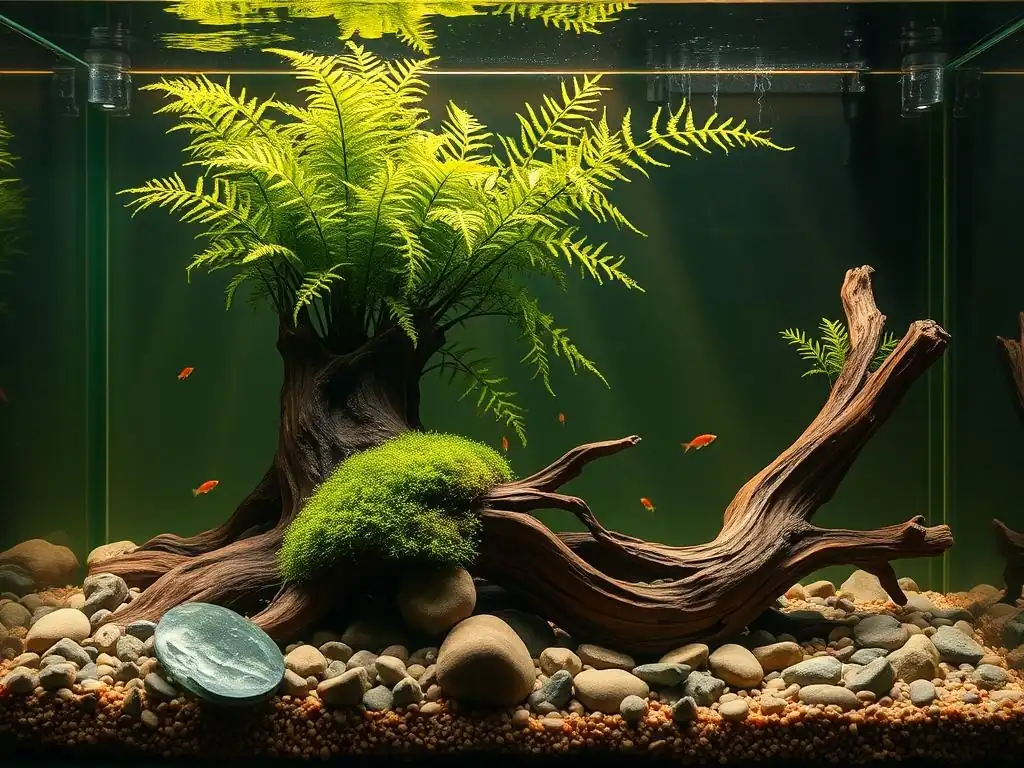
Welcome to Aquarium Mastery! Ever wondered how to keep your Java fern thriving, even in low-light conditions? Dive in and unlock the secrets to successful Java fern low light care in this essential guide. Get ready to transform your aquarium with this resilient and beautiful plant!
- Understanding Java Fern: An Aquarium Classic
- Java Fern Low Light Care: Key Factors for Success
- Planting and Attaching Java Fern: Best Practices
- Propagating Java Fern: Expanding Your Collection
- Common Java Fern Problems and Solutions
- Java Fern Varieties: Exploring Different Types
- Choosing Tank Mates for Java Fern
- Java Fern in Aquascaping: Design Ideas and Inspiration
- Java Fern Low Light Care: A Summary of Essential Tips
-
Frequently Asked Questions
- What makes Java Fern a good choice for low-light aquariums?
- How do I properly plant Java Fern in my aquarium?
- What are the ideal water parameters for Java Fern to thrive?
- What are some common problems or issues I might encounter when caring for Java Fern?
- How can I propagate Java Fern to create more plants for my aquarium?
- Final Reflection: Embracing Simplicity and Resilience
- Unlock the Beauty: Cultivate Your Java Fern Today!
Understanding Java Fern: An Aquarium Classic
What is Java Fern (Microsorum Pteropus)? A Brief Overview
Java Fern, scientifically known as Microsorum Pteropus, is a highly popular and resilient aquatic plant originating from Southeast Asia. It is characterized by its distinct rhizome, a horizontal stem from which roots and leaves emerge, and its vibrant green, lance-shaped leaves that can vary in size and texture depending on the specific variety. Unlike many other aquatic plants, Java Fern does not derive its primary nutrients from the substrate but rather absorbs them directly from the water column through its leaves and rhizome.
This plant’s unique growth habit of attaching its rhizome to surfaces like driftwood or rocks, rather than being planted in the substrate, makes it a versatile and easy-to-manage addition to any freshwater aquarium. Its hardiness and adaptability to a wide range of water conditions, coupled with its minimal lighting requirements, firmly establish it as a cornerstone plant for both novice and experienced aquarists seeking reliable, low-maintenance aquatic flora.
Why Java Fern is Popular in Freshwater Aquariums
Java Fern's widespread popularity in freshwater aquariums stems from several key attributes that make it an ideal choice for a diverse array of setups. Foremost among these is its exceptional durability and ease of care, which significantly reduces the maintenance burden for aquarists. It is remarkably tolerant of varying water parameters, thriving in conditions that might stress more delicate plant species, making it an excellent "set it and forget it" option.
Beyond its resilience, Java Fern offers significant aesthetic and functional benefits to an aquatic environment. Its lush green foliage provides a natural, vibrant backdrop or midground element in aquascapes, contributing to a more naturalistic look. Furthermore, its dense growth offers valuable shelter and hiding spots for fish and invertebrates, reducing stress and promoting healthier behaviors. Many species, such as livebearers and some cichlids, also utilize its leaves as a spawning surface, making it beneficial for breeding tanks.
Java Fern Low Light Care: Key Factors for Success
Lighting Requirements for Healthy Java Fern Growth
When it comes to Java fern low light care, understanding its specific lighting needs is paramount. Java Fern is renowned for its ability to thrive under low light conditions, typically requiring a Photosynthetically Active Radiation (PAR) range of 10-20 micromoles per square meter per second (µmol/m²/s). In terms of older metrics, this roughly translates to 0.25 to 0.5 watts per liter using standard fluorescent lighting. While it tolerates low light, providing moderate light (e.g., 20-40 PAR) can encourage more robust growth and a denser leaf structure without necessarily increasing the risk of algae if other factors are balanced.
The duration of lighting is also crucial for optimal Java fern low light care. An ideal photoperiod for Java Fern is typically 8 to 10 hours per day. Exceeding this duration, especially with higher intensity lighting, can lead to excessive algae growth on its broad leaves, which can impede photosynthesis and detract from the plant's appearance. Consistent lighting schedules, achieved with a timer, help maintain plant health and prevent stress, making it easier to manage the overall conditions for your Java fern low light care setup.
Optimal Water Parameters for Java Fern: Temperature, pH, and Hardness
Java Fern exhibits a remarkable adaptability to a wide spectrum of water parameters, further solidifying its reputation as a beginner-friendly plant. For optimal growth and health, a water temperature range of 68-82°F (20-28°C) is ideal, though it can tolerate slightly cooler or warmer conditions for short periods. This broad temperature tolerance makes it compatible with most tropical freshwater fish species.
Regarding pH, Java Fern thrives in a range of 6.0 to 7.5, leaning towards slightly acidic to neutral conditions, but it can comfortably withstand extremes from 5.0 to 8.0 without significant adverse effects. Similarly, water hardness, measured as General Hardness (GH) and Carbonate Hardness (KH), is not a critical limiting factor. Java Fern adapts well to soft to moderately hard water, typically thriving in GH values from 3 to 15 dGH. The plant's inherent resilience across such a wide array of water parameters makes Java fern low light care straightforward and forgiving for aquarists.
Essential Nutrients for Java Fern: Fertilization Strategies
While Java Fern is often described as a low-demanding plant, it still requires essential nutrients for healthy growth, particularly in tanks with low fish loads or abundant plant mass. As a water column feeder, it primarily absorbs nutrients through its leaves and rhizome, rather than through roots in the substrate. Therefore, substrate fertilization is generally unnecessary for Java Fern.
The plant benefits significantly from a regular regimen of liquid aquarium fertilizers that provide both macronutrients (Nitrogen, Phosphorus, Potassium - NPK) and micronutrients (such as Iron, Magnesium, and other trace elements). Although CO2 injection is not required for Java Fern to survive, providing a comprehensive liquid fertilizer once or twice a week, following the product's recommended dosage, will significantly enhance its growth rate and vitality, contributing to effective Java fern low light care. For instance, a tank with a moderate plant load might benefit from 5-10 ml of a balanced liquid fertilizer per 10 gallons weekly.
Planting and Attaching Java Fern: Best Practices
How to Attach Java Fern to Decorations: Rocks and Wood
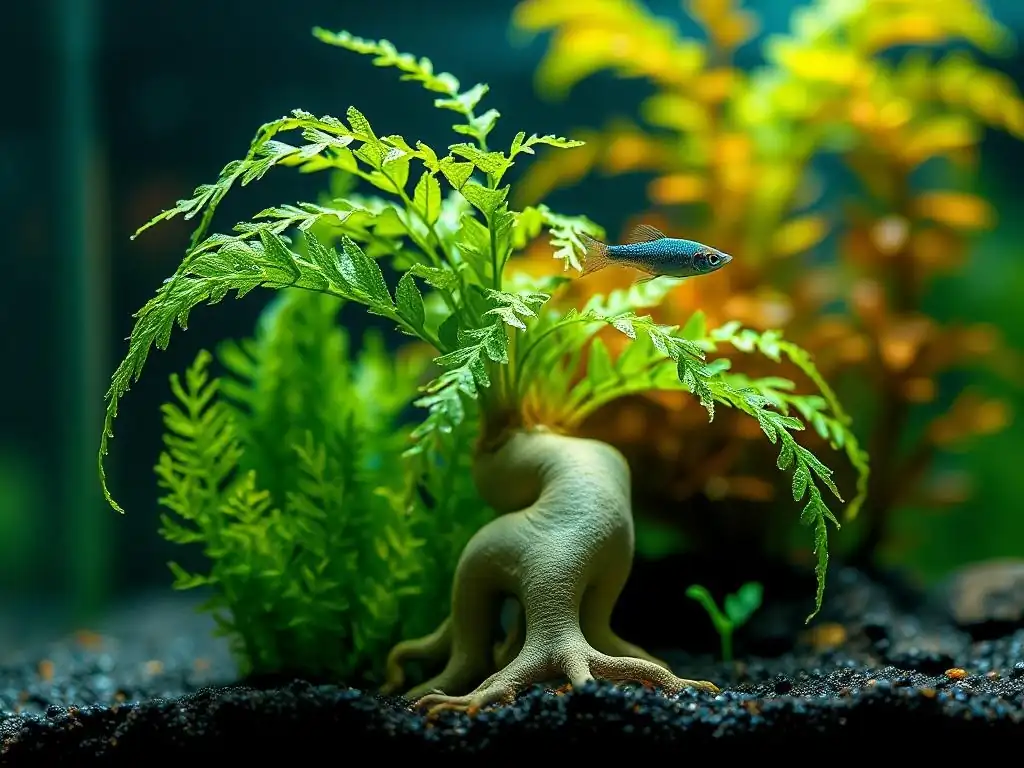
Proper attachment is a critical aspect of Java fern low light care, as it directly impacts the plant's long-term health. The rhizome, the thick horizontal stem from which the leaves and roots grow, must never be buried in the substrate. Instead, Java Fern should be securely attached to hardscape elements such as rocks, driftwood, or even aquarium decorations.
One common method involves using fishing line or cotton thread to gently tie the rhizome to the chosen surface. Over time, the plant's roots will naturally grow and firmly anchor themselves to the hardscape, at which point the thread can be carefully removed if desired.
Another popular and effective technique is to use cyanoacrylate-based super glue gel. A small dab of glue can be applied to the rhizome and then pressed onto the desired surface for a few seconds until it adheres. This method is particularly quick and secure, and the glue is aquarium-safe once cured. Regardless of the method chosen, ensure that the rhizome is in good contact with the surface, allowing the roots to spread and establish a strong hold, which is fundamental for successful Java fern low light care.
Avoiding Rhizome Rot: The Importance of Proper Attachment
The single most critical mistake to avoid when caring for Java Fern is burying its rhizome in the substrate. If the rhizome is covered by gravel or sand, it will suffocate and inevitably lead to rhizome rot. This condition manifests as a softening and blackening of the rhizome, followed by the decay and melting of the leaves. Rhizome rot not only destroys the plant but can also release decaying organic matter into the water column, potentially impacting water quality.
Proper attachment, as described previously, is the primary preventative measure against rhizome rot. By ensuring the rhizome is exposed to the water column, it can properly exchange gases and absorb nutrients, allowing the plant to thrive. Even if roots grow into the substrate over time, the key is that the rhizome itself remains unburied. This fundamental principle of Java fern low light care is essential for the longevity and health of your plant.
Can Java Fern be Planted in Substrate? Addressing Common Concerns
While the general rule for Java Fern is to avoid burying the rhizome, there are nuances to how it can interact with the substrate. It cannot be "planted" in the traditional sense, like a stem plant, where the stem is inserted directly into the gravel or sand. Doing so will lead to the aforementioned rhizome rot. However, it is possible to anchor the plant by gently tucking only its roots into the substrate, ensuring that the entire rhizome remains exposed above the substrate line.
Alternatively, some aquarists simply rest the plant on top of the substrate, allowing its roots to naturally creep into the media over time without burying the rhizome. In setups with very coarse substrate or no substrate at all, Java Fern can be placed directly on the tank bottom, provided it is attached to a piece of hardscape. The crucial distinction for successful Java fern low light care is always to keep the rhizome free from burial, regardless of the substrate type or whether the roots eventually find their way into it.
Propagating Java Fern: Expanding Your Collection
Propagating Java Fern from Plantlets: A Simple Guide
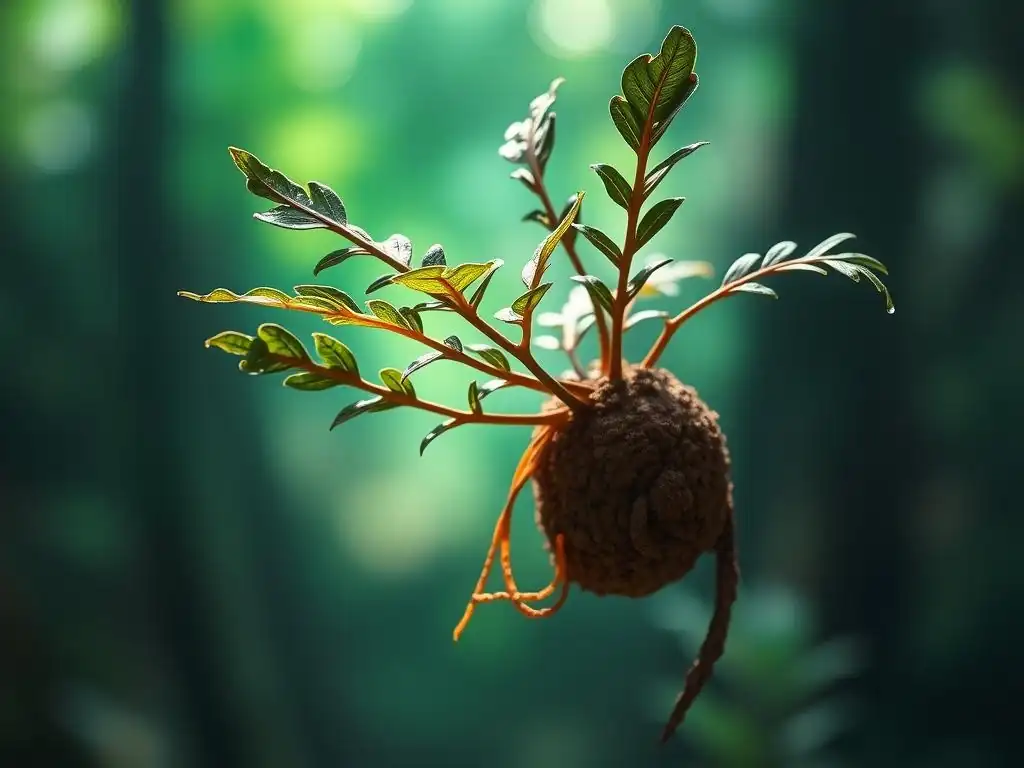
Propagating Java Fern is remarkably straightforward, primarily occurring through the formation of plantlets. These are miniature replicas of the parent plant that spontaneously develop on the edges or tips of older, mature leaves. Often, you will notice tiny rhizomes and a few small leaves emerging from these points. Once these plantlets have developed a few leaves and some visible roots, they are ready for detachment.
To propagate, simply snip the section of the parent leaf containing the plantlet using clean aquarium scissors. You can then gently pull the plantlet free from the leaf fragment. These newly detached plantlets can then be attached to new pieces of hardscape (rocks, driftwood) using the same methods as adult Java Fern – thread, fishing line, or super glue gel. This natural propagation method allows aquarists to easily expand their Java Fern collection or share plants with others, making Java fern low light care even more rewarding.
Encouraging Plantlet Production: Ideal Conditions
While Java Fern plantlets often appear spontaneously, certain conditions can encourage their production, particularly on older or slightly stressed leaves. Consistent and stable water parameters, along with adequate nutrient availability through liquid fertilization, are foundational for overall plant health, which indirectly supports propagation. A healthy, well-nourished parent plant is more likely to produce viable plantlets.
Anecdotally, some aquarists observe increased plantlet formation on leaves that are nearing the end of their lifespan or have experienced minor damage. Moderate lighting, rather than extremely low light, can also contribute to more vigorous growth and, consequently, more frequent plantlet development. Ensuring that the plant receives consistent Java fern low light care, including appropriate nutrient dosing, will naturally lead to a continuous supply of new Java Fern plants.
Common Java Fern Problems and Solutions
Identifying and Treating Java Fern Diseases
Java Fern is notably resistant to true diseases in the conventional sense, unlike some other aquatic plants. Most "problems" attributed to Java Fern are typically symptoms of environmental stress, nutrient deficiencies, or suboptimal Java fern low light care. For instance, brown or black spots on leaves often indicate a potassium deficiency, while leaves turning translucent or melting can point to a sudden change in water parameters, extreme nutrient deprivation, or simply very old leaves decaying naturally.
Treating these issues primarily involves rectifying the underlying environmental factors. This includes ensuring stable water parameters (temperature, pH, GH/KH), maintaining a consistent lighting schedule, and providing a balanced liquid fertilizer that includes essential macronutrients like potassium and micronutrients like iron. Regular water changes (e.g., 25-30% weekly) also help maintain water quality and replenish trace elements. By addressing these fundamental aspects of Java fern low light care, most "disease-like" symptoms can be effectively managed.
Dealing with Algae on Java Fern Leaves
Algae growth on Java Fern leaves is a common challenge, largely due to its slow growth rate and broad leaf surface area, which provides an ideal substrate for algae to colonize. The primary culprits for excessive algae are typically too much light intensity or duration, coupled with an imbalance of nutrients in the water column, such as high nitrates or phosphates. Green spot algae, black beard algae (BBA), and green dust algae are frequently observed on Java Fern.
Solutions involve a multi-pronged approach. First, assess and potentially reduce your light intensity or shorten your photoperiod to 8-9 hours. Second, increase the frequency and volume of water changes (e.g., 30-40% twice a week) to reduce excess nutrients.
Third, introduce algae-eating invertebrates like Amano shrimp (e.g., 1 shrimp per 5 gallons) or Nerite snails (e.g., 1 snail per 2-3 gallons), which are highly effective at grazing on various algae types without harming the plant. For localized outbreaks, manual removal by gently rubbing the leaves or a short dip in a diluted hydrogen peroxide solution (e.g., 1.5 ml of 3% H2O2 per gallon for 1-2 minutes) can be effective, followed by a thorough rinse.
Addressing Slow Growth in Java Fern
Java Fern is inherently a slow-growing plant, and expecting rapid expansion can lead to misinterpreting its natural growth habit as a problem. However, unusually slow or stagnant growth beyond its typical rate often indicates suboptimal conditions in your Java fern low light care setup. The most common reasons for stunted growth include insufficient nutrient availability, especially potassium and iron, or light levels that are too low, even for a low-light plant. While it tolerates low light, extremely dim conditions might limit its photosynthetic activity.
To address unusually slow growth, ensure you are consistently dosing a comprehensive liquid fertilizer that covers all essential macronutrients and micronutrients. For instance, a tank with 20 gallons might benefit from 5 ml of a liquid all-in-one fertilizer twice a week. While Java Fern thrives in low light, consider if your current lighting is at the extreme low end of the spectrum.
A slight increase in light intensity, while still maintaining low-tech parameters, can sometimes stimulate more vigorous growth. Additionally, maintaining stable water parameters and performing regular water changes contribute to an overall healthy environment that supports consistent, albeit slow, growth.
Java Fern Varieties: Exploring Different Types
Narrow Leaf Java Fern: Characteristics and Care
The Narrow Leaf Java Fern is a popular cultivar of Microsorum Pteropus, distinguished by its more slender, elongated leaves compared to the standard broad-leaf Java Fern. Its foliage often appears more delicate and feathery, providing a contrasting texture in an aquascape. Despite its refined appearance, its care requirements are identical to those of the standard Java Fern.
It thrives under low to moderate lighting conditions, prefers to be attached to hardscape rather than buried in the substrate, and benefits from liquid fertilization. Its adaptability to a wide range of water parameters (temperature 68-82°F, pH 6.0-7.5) makes it just as robust and easy to maintain as its broader-leafed counterpart. The Narrow Leaf variety is an excellent choice for aquarists looking to add a finer texture to their Java fern low light care setup without increasing the complexity of maintenance.
Windelov Java Fern: Unique Leaf Structure
The Windelov Java Fern, often referred to as "Lace Java Fern," is perhaps the most visually distinct cultivar of Microsorum Pteropus. Its defining characteristic is the finely branched, fringed tips of its leaves, which give it a delicate, lace-like appearance. This unique morphology creates an intricate texture that adds significant visual interest to an aquascape, often being used as a focal point or a midground plant.
Like other Java Fern varieties, the Windelov cultivar is incredibly hardy and shares the same easy care requirements. It flourishes in low light environments, requiring no CO2 injection, and absorbs nutrients from the water column. Proper attachment to driftwood or rocks is crucial to prevent rhizome rot, and it tolerates a broad range of freshwater parameters. Its unique aesthetic combined with its low-maintenance nature makes it a highly sought-after plant for Java fern low light care.
Trident Java Fern: Identifying Features and Requirements
The Trident Java Fern is another captivating cultivar of Microsorum Pteropus, named for its distinctive leaves that typically fork into three or more "prongs" or lobes, resembling a trident. This branching pattern gives it a somewhat wilder, more organic appearance compared to the standard or narrow-leaf varieties. The degree of "trident" splitting can vary, with some leaves showing more pronounced divisions than others.
In terms of care, the Trident Java Fern mirrors the requirements of all other Java Fern types. It is a low-light plant that thrives when attached to hardscape elements and benefits from consistent liquid fertilization. Its robust nature means it tolerates a wide range of water conditions (pH 6.0-7.5, temperature 68-82°F) and is generally resistant to herbivorous fish. The unique leaf shape of the Trident variety makes it an excellent choice for adding a distinctive architectural element to your Java fern low light care aquascape.
Choosing Tank Mates for Java Fern
Fish that are Compatible with Java Fern
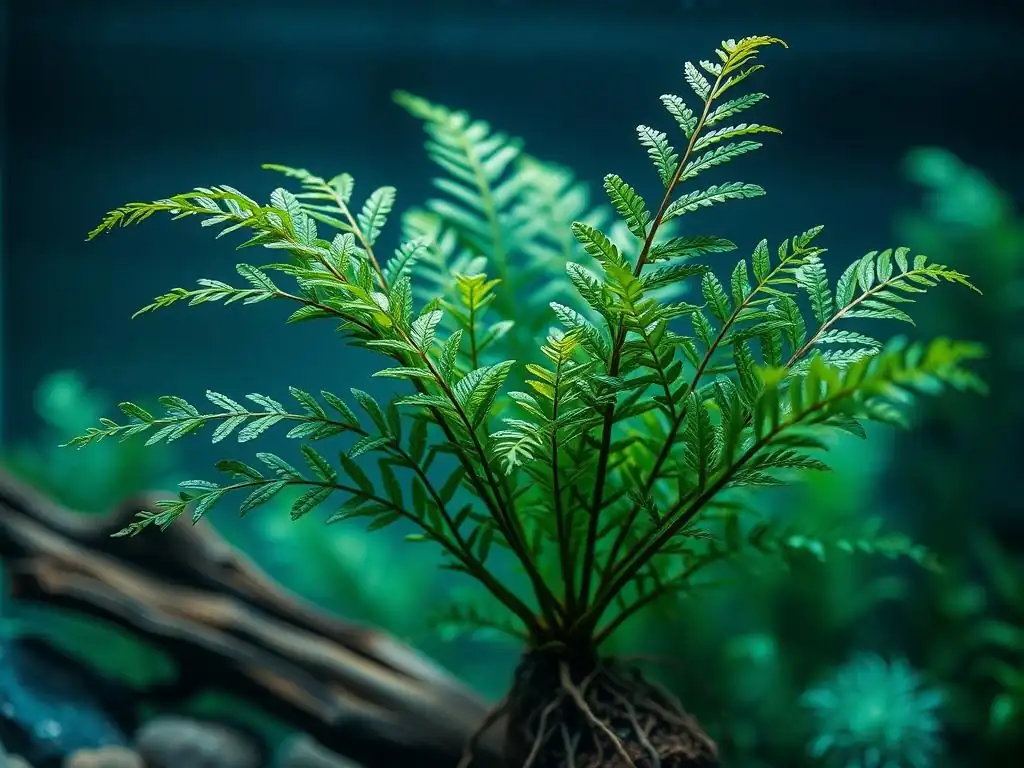
Java Fern is an excellent plant choice for a vast majority of freshwater community aquariums due to its resilience and unpalatability to most fish. Compatible tank mates include popular species such as Neon Tetras, Cardinal Tetras, Guppies, Mollies, Platies, and various types of peaceful Gouramis (e.g., Dwarf Gouramis). Bottom dwellers like Corydoras catfish and Otocinclus catfish are also ideal, as they do not disturb the plant and often appreciate the cover it provides.
Even many peaceful dwarf cichlids, such as German Blue Rams or Bolivian Rams, coexist well with Java Fern, often utilizing its broad leaves for spawning. The plant's tough leaf structure generally deters most species from eating or damaging it, making it a reliable addition to tanks housing a diverse array of freshwater fish that benefit from the natural shelter and visual breaks it offers.
Avoiding Fish that Eat or Damage Java Fern
While Java Fern is generally considered unpalatable to most aquarium fish, there are a few exceptions or situations where certain species might cause damage. Highly herbivorous fish, especially if not adequately fed with appropriate vegetable matter, might occasionally nip at Java Fern leaves out of hunger or curiosity. This includes some larger, more aggressive cichlid species known for their plant-destroying habits, such as certain Tilapia species or large African Cichlids.
Goldfish, known for their tendency to uproot and consume soft-leaved plants, are typically not a good match for delicate aquascapes, though Java Fern's toughness makes it more resistant than many other plants. Large Plecos, while generally not plant-eaters, can sometimes inadvertently dislodge plants attached to hardscape due to their strong suction cups and large body size. For optimal Java fern low light care and longevity, it is best to avoid housing it with species notorious for significant plant destruction or those that might perceive it as a food source when other options are scarce.
Java Fern in Aquascaping: Design Ideas and Inspiration
Creating Natural Aquascapes with Java Fern
Java Fern is an incredibly versatile plant for creating natural and aesthetically pleasing aquascapes, largely due to its unique attachment method and adaptability. It excels when anchored to driftwood, where its roots can weave into the crevices, creating a truly organic, "grown-on" appearance that mimics natural submerged roots and branches. Similarly, attaching it to rocks allows for the creation of lush, green focal points or softening the harsh lines of hardscape.
Its ability to thrive in low light makes it perfect for shaded areas within the tank, such as under larger pieces of wood or in the background, providing depth and dimension. Java Fern can be used as a midground plant to create a dense, green wall, or even as a backdrop to smaller, foreground plants. The varying leaf shapes of its cultivars (Narrow Leaf, Windelov, Trident) offer opportunities to introduce diverse textures and visual interest, contributing to a rich, biodiverse feel in your Java fern low light care setup.
Combining Java Fern with Other Aquatic Plants
Java Fern pairs exceptionally well with other low-light, low-tech aquatic plants, allowing aquarists to create diverse and visually appealing aquascapes without the need for complex equipment like CO2 injection. Excellent companions include various Anubias species (e.g., Anubias barteri, Anubias nana), which also attach to hardscape and share similar care requirements and low light tolerance. Their broad, leathery leaves contrast beautifully with Java Fern's more delicate or branched foliage.
Bucephalandra species are another fantastic pairing, offering a wide array of leaf shapes and colors that complement Java Fern's green hues. Cryptocoryne species (e.g., Cryptocoryne wendtii, Cryptocoryne spiralis), which are rooted plants but also thrive in low light, can be planted in the substrate in front of or around Java Fern-covered hardscape, creating layers of texture and depth. Combining Java Fern with various mosses, such as Java Moss or Christmas Moss, on hardscape can further enhance the natural, overgrown aesthetic, creating a truly harmonious and low-maintenance aquatic garden.
Java Fern Low Light Care: A Summary of Essential Tips
Quick Guide to Maintaining Healthy Java Fern in Low Light Aquariums
For thriving Java Fern in your low light aquarium, adhere to these fundamental principles of Java fern low light care:
- Do not bury the rhizome: This is the most critical rule. Always attach the plant to hardscape (rocks, driftwood) using thread, fishing line, or aquarium-safe super glue gel.
- Provide low to moderate light: Aim for a consistent 8-10 hour photoperiod. Too much light can lead to algae issues.
- Maintain stable water parameters: Java Fern is adaptable, but consistent temperatures (68-82°F / 20-28°C) and a pH range of 6.0-7.5 are ideal.
- Supplement with liquid fertilizer: As a water column feeder, Java Fern benefits greatly from a comprehensive liquid fertilizer dosed once or twice a week, especially in tanks with low fish loads.
- Be patient: Java Fern is a naturally slow grower. Appreciate its gradual development rather than expecting rapid changes.
- Prune old leaves: Remove any browning, melting, or algae-covered leaves to encourage new growth and maintain plant health.
Troubleshooting Checklist for Java Fern Problems
If your Java Fern isn't thriving despite following essential Java fern low light care, use this checklist to diagnose and resolve common issues:
- Browning or Melting Leaves:
- Is the rhizome buried? If so, immediately reattach it to hardscape, ensuring the rhizome is fully exposed to the water column.
- Are water parameters stable? Test your water for sudden fluctuations in temperature, pH, or hardness. Perform small, frequent water changes to stabilize.
- Is there sufficient liquid fertilizer? Ensure you are dosing a balanced all-in-one liquid fertilizer regularly. Potassium deficiency often causes brown spots.
- Was there a drastic environmental change? If the plant was recently introduced or moved, it might be melting back due to acclimation stress.
- Excessive Algae Growth on Leaves:
- Is your light intensity too high or duration too long? Reduce the photoperiod to 8-9 hours, or lower light intensity if possible.
- Are there excess nutrients (nitrates/phosphates) in the water? Increase water change frequency and volume (e.g., 30-40% twice a week) and consider reducing fish feeding.
- Are there enough algae eaters? Introduce Amano shrimp or Nerite snails to help control algae.
- No Growth or Very Slow Growth (beyond natural slowness):
- Is the plant receiving any nutrients? Ensure regular liquid fertilizer dosing. Even low-light plants need food.
- Is the light too low? While it tolerates low light, extremely dim conditions can stunt growth. Consider a slight increase in light intensity if it's exceptionally dim.
- Are water parameters consistently stable? Fluctuations can stress the plant and inhibit growth.
Frequently Asked Questions
What makes Java Fern a good choice for low-light aquariums?
Java Fern is exceptionally tolerant of low light conditions, meaning it can thrive where other aquatic plants might struggle. This makes it a popular and easy-to-care-for choice for beginners. It also helps in controlling algae growth.
How do I properly plant Java Fern in my aquarium?
Instead of burying the roots, Java Fern should be attached to rocks or driftwood using fishing line, glue, or thread. Burying the rhizome (the horizontal stem) can cause it to rot and die. This is crucial for its survival.
What are the ideal water parameters for Java Fern to thrive?
Java Fern is adaptable, but it prefers a temperature between 62-82°F (16-28°C) and a pH of 6.0-7.5. Maintaining stable water parameters and performing regular water changes are important. It can also tolerate a wide range of TDS.
What are some common problems or issues I might encounter when caring for Java Fern?
Common problems include black spots, which can be caused by nutrient deficiencies or poor water quality. Also, brown edges can be caused by a lack of potassium. Addressing these issues promptly can prevent them from escalating.
How can I propagate Java Fern to create more plants for my aquarium?
Java Fern propagates easily through adventitious plantlets that form on the leaves. Once these plantlets have developed roots, they can be carefully detached and attached to new surfaces in the aquarium, creating new Java Fern plants.
Final Reflection: Embracing Simplicity and Resilience
The journey through understanding Java Fern care underscores a broader truth: beauty and resilience often thrive in simplicity. Just as this unassuming aquatic plant flourishes in low-light conditions, so too can we find strength and growth in environments that seem less than ideal. The adaptability of the Java Fern serves as a potent reminder that thriving doesn't always require lavish resources or constant intervention.
This exploration of Java Fern care has subtly influenced my perspective on the natural world and our relationship with it. It's a gentle nudge to appreciate the understated elegance of nature and the power of patience. The Java Fern's ability to propagate from a single leaf, clinging to surfaces and drawing sustenance from its surroundings, is a testament to its inherent tenacity. Adopt the pace of nature: her secret is patience.
- Ralph Waldo Emerson. This quote resonates deeply, reminding us that true growth, like that of the Java Fern, often unfolds at its own unhurried pace.
Now, consider the lessons learned from the Java Fern's resilience and adaptability. How can you apply this understanding to your own life? Embrace the simplicity around you, find strength in challenging circumstances, and remember that even in low-light conditions, you possess the potential to flourish. Cultivate patience, nurture your inner resilience, and watch as your own unique beauty unfolds, just like the enduring Java Fern.
Unlock the Beauty: Cultivate Your Java Fern Today!
Thank you for diving into the world of Java Ferns with us! We hope this guide has empowered you to confidently care for this resilient aquatic plant and enhance your aquarium's natural beauty. Ready to take the next step?
Here are some actionable steps you can take right now:
- Propagate a new Java Fern from your existing plant! Carefully divide the rhizome or detach a plantlet from a leaf and secure it to a rock or driftwood.
- Join our Aquarium Mastery community forum and share your Java Fern growth progress with other enthusiasts.
- Experiment with different placement locations in your tank to observe how light intensity affects your Java Fern's growth patterns.
What unique way will you choose to display your thriving Java Fern?