
Hydrocotyle Tripartita 'Japan': The CloverLike Vine for Carpets & More

Welcome to Aquarium Mastery!
Ever dreamed of a lush, vibrant carpet of green in your aquarium? Hydrocotyle Tripartita 'Japan' might just be your answer! This fascinating plant is more than just a pretty face. Dive in to discover the secrets of Hydrocotyle Japan carpet planting, from its unique growth habits to how to cultivate a thriving underwater meadow. Curious how to make it work in your tank? Let's explore!
- Introduction to Hydrocotyle Japan for Aquarium Carpets
- Understanding Hydrocotyle Tripartita 'Japan' Characteristics
-
Optimal Conditions for 'Japan' Hydrocotyle Carpet Planting
- Lighting Requirements for Dense 'Japan' Hydrocotyle Growth
- CO2 Injection: Boosting Hydrocotyle Japan Carpet Development
- Water Parameters: Ideal Conditions for 'Japan' Hydrocotyle
- Substrate Considerations for Healthy 'Japan' Hydrocotyle Roots
- Nutrient Needs: Fertilizing 'Japan' Hydrocotyle Effectively
- Planting and Propagation of Hydrocotyle Tripartita 'Japan'
- 'Japan' Hydrocotyle: Common Issues and Solutions
- 'Japan' Hydrocotyle: Tank Mates and Compatibility
- Creative Aquascaping Ideas with Hydrocotyle Tripartita 'Japan'
- Maintaining a Thriving Hydrocotyle Japan Carpet
- Where to Buy Hydrocotyle Tripartita 'Japan'
- Conclusion: Mastering Hydrocotyle Japan Carpet Planting
-
Frequently Asked Questions
- How does Hydrocotyle tripartita 'Japan' create a carpet in an aquarium?
- What are the ideal water parameters for growing Hydrocotyle tripartita 'Japan' successfully?
- What kind of lighting is required for Hydrocotyle tripartita 'Japan' to form a dense carpet?
- Is CO2 injection necessary for Hydrocotyle tripartita 'Japan' to thrive?
- What are some common problems aquarists face when growing Hydrocotyle tripartita 'Japan' and how can they be solved?
- Final Reflection: Embracing Nature's Miniature Tapestry
- Unleash Your Aquascaping Dreams!
Introduction to Hydrocotyle Japan for Aquarium Carpets
Discovering the Appeal of Hydrocotyle Tripartita 'Japan'
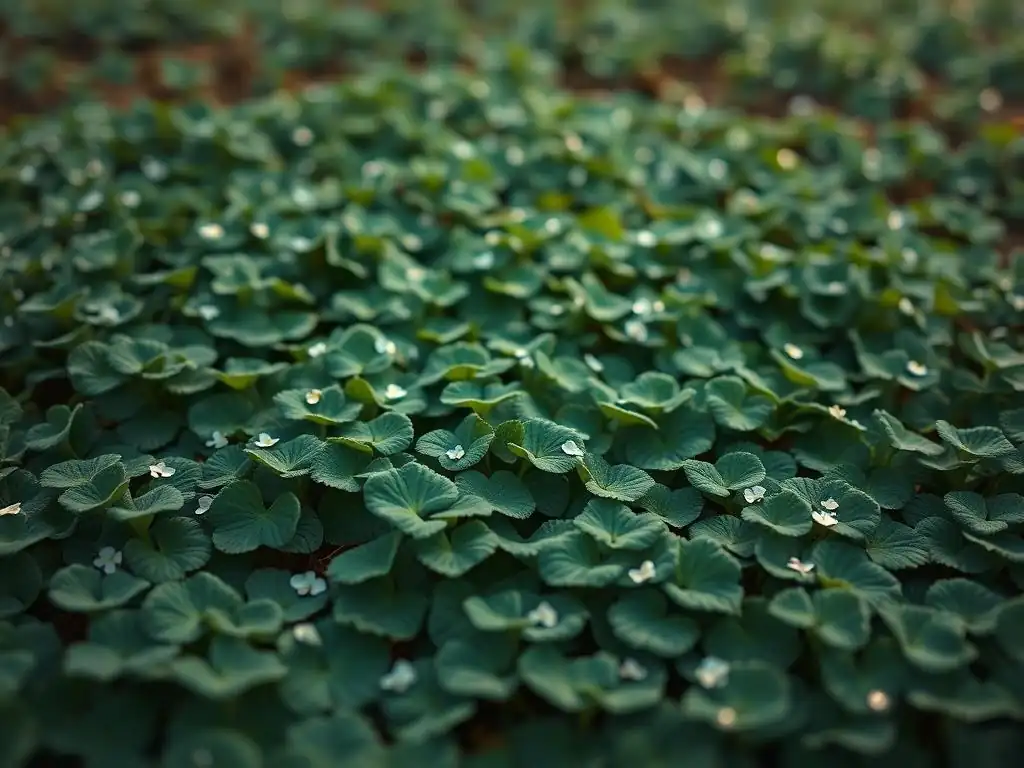
Hydrocotyle Tripartita 'Japan', often simply referred to as Hydrocotyle Japan, has emerged as a highly sought-after plant in the freshwater aquascaping community. Its distinctive three-lobed, clover-like leaves, typically no larger than 1 cm in diameter, create a delicate yet vibrant green texture that is unparalleled among carpeting plants. This species' ability to form a dense, low-growing mat under optimal conditions makes it an ideal choice for aquarists aiming for a natural, lush foreground in their planted aquariums.
The widespread adoption of Hydrocotyle Japan in award-winning aquascapes underscores its aesthetic versatility and visual impact. Unlike some other carpeting plants that can be challenging to establish, Hydrocotyle Japan offers a relatively forgiving growth habit, making it accessible to a broader range of aquarists. Its rapid spread and unique appearance contribute significantly to the depth and visual interest of an underwater landscape, making it a cornerstone for many captivating aquarium designs.
Why Choose 'Japan' Hydrocotyle for Your Freshwater Tank?
Opting for Hydrocotyle Japan for your freshwater aquarium offers numerous benefits beyond its undeniable beauty. As a foreground plant, it provides excellent shelter and foraging grounds for small fish, shrimp, and other invertebrates, enhancing the ecosystem of your tank. Its dense growth contributes to oxygenation during the photoperiod and helps to absorb excess nutrients, thereby assisting in the prevention of algae outbreaks and maintaining stable water quality.
When compared to other popular carpeting plants such as Monte Carlo (Micranthemum tweediei) or Dwarf Hairgrass (Eleocharis parvula), Hydrocotyle Japan carpet planting often establishes more quickly and offers a distinct textural contrast. While Monte Carlo forms a very compact, uniform carpet, and Dwarf Hairgrass offers a fine, grassy look, Hydrocotyle Japan provides a unique, slightly more wild and naturalistic appearance reminiscent of a miniature clover field. This makes it a superb choice for aquarists seeking a dynamic and visually engaging foreground.
Understanding Hydrocotyle Tripartita 'Japan' Characteristics
Identifying the Distinctive Features of 'Japan' Hydrocotyle
The most defining characteristic of Hydrocotyle Tripartita 'Japan' is its small, tri-lobed leaves, which closely resemble miniature clover leaves. Each leaf typically measures between 0.5 to 1.5 cm across and is supported by a slender petiole that can vary in length depending on lighting conditions. Under intense light, the petioles remain short, keeping the plant low to the substrate, while in lower light, they may elongate, causing the plant to grow taller as it seeks light.
The vibrant green coloration of Hydrocotyle Japan adds a refreshing visual element to any aquascape. Its delicate appearance belies a robust growth habit when provided with the right conditions. Unlike some other aquatic plants with more complex leaf structures, the simple, elegant form of Hydrocotyle Japan contributes to a clean and harmonious aesthetic, making it a favorite for foreground Hydrocotyle Japan carpet planting in nature aquariums.
Growth Habits: How 'Japan' Hydrocotyle Forms a Carpet
Hydrocotyle Tripartita 'Japan' primarily spreads through stolons, which are horizontal runners that creep along the substrate. From these stolons, new plantlets emerge at nodes, each developing roots that anchor into the substrate and sending up new leaves. This rapid stoloniferous growth is what allows Hydrocotyle Japan to efficiently form a dense, lush carpet across the aquarium floor.
The density and height of the Hydrocotyle Japan carpet are significantly influenced by environmental factors. High light intensity and consistent CO2 injection encourage compact, horizontal growth, resulting in a tightly packed and low-lying carpet. Conversely, in conditions with insufficient light or CO2, the plant tends to grow more vertically, with elongated stems and leaves, reducing its effectiveness as a foreground carpet. Regular trimming also plays a crucial role in maintaining its desired carpet form.
'Japan' Hydrocotyle vs. Other Hydrocotyle Species: A Comparison
While several Hydrocotyle species are available in the aquarium hobby, Hydrocotyle Tripartita 'Japan' stands out for its specific suitability as a carpeting plant. For instance, Hydrocotyle leucocephala (Brazilian Pennywort) features much larger, rounder leaves, often reaching 3-5 cm in diameter, and typically grows as a floating or midground stem plant rather than a carpet. Its growth is more upright and sprawling, making it less ideal for a compact foreground.
Another common species, Hydrocotyle verticillata (Whorled Pennywort), has distinctive umbrella-like leaves but generally exhibits a less aggressive carpeting habit compared to 'Japan'. Its growth tends to be more sparse, and its leaves are typically larger, around 2-3 cm. The smaller leaf size and dense, horizontal growth pattern of Hydrocotyle Tripartita 'Japan' are key factors that differentiate it and make it superior for achieving a tight, uniform Hydrocotyle Japan carpet planting.
Optimal Conditions for 'Japan' Hydrocotyle Carpet Planting
Lighting Requirements for Dense 'Japan' Hydrocotyle Growth
Achieving a dense and vibrant Hydrocotyle Japan carpet critically depends on providing adequate lighting. Moderate to high light intensity is essential to encourage its characteristic compact, horizontal growth. In environments with insufficient light, Hydrocotyle Japan tends to "stretch" towards the light source, resulting in elongated stems, sparse leaf distribution, and a significantly less dense carpet.
For optimal growth and carpeting, a Photosynthetically Active Radiation (PAR) level of approximately 30-50 µmol/m²/s at the substrate level is generally recommended. LED lighting systems with adjustable intensity and spectrum are highly effective for this purpose, allowing aquarists to fine-tune the light to meet the plant's specific needs. Consistent photoperiods, typically 8-10 hours per day, also contribute to stable and healthy development of your Hydrocotyle Japan carpet.
CO2 Injection: Boosting Hydrocotyle Japan Carpet Development
Carbon dioxide (CO2) injection is arguably the most significant factor in promoting vigorous and compact growth for Hydrocotyle Japan carpet planting. While the plant can survive without supplemental CO2, its growth will be noticeably slower, and it will struggle to form a dense, low-lying carpet. CO2 acts as a vital nutrient, accelerating photosynthesis and enabling the plant to utilize light and other nutrients more efficiently.
Maintaining CO2 levels between 20-30 parts per million (ppm) is ideal for encouraging rapid and lush growth. This can be monitored using a drop checker. Consistent CO2 supply throughout the photoperiod is more beneficial than fluctuating levels, as it prevents stress to the plants and reduces the likelihood of algae growth. A pressurized CO2 system is highly recommended for anyone serious about cultivating a thriving Hydrocotyle Japan carpet.
Water Parameters: Ideal Conditions for 'Japan' Hydrocotyle
Hydrocotyle Tripartita 'Japan' is relatively adaptable to a range of water parameters, but it thrives best in stable and clean conditions. The ideal temperature range for this plant is between 20°C and 28°C (68°F and 82°F). Temperatures outside this range can slow growth or cause stress.
Regarding pH and hardness, Hydrocotyle Japan prefers slightly acidic to neutral water, with a pH range of 6.0 to 7.5. It also performs best in soft to moderately hard water, typically with a General Hardness (GH) between 4 and 12 dGH. Maintaining consistent water parameters through regular water changes and proper filtration will significantly contribute to the health and vibrancy of your Hydrocotyle Japan carpet.
Substrate Considerations for Healthy 'Japan' Hydrocotyle Roots
The choice of substrate plays a crucial role in the successful establishment and long-term health of your Hydrocotyle Japan carpet. A nutrient-rich substrate, such as an aquasoil specifically designed for planted tanks (e.g., ADA Aqua Soil, Tropica Aquarium Soil), is highly recommended. These substrates provide essential macro and micronutrients directly to the plant's roots, fostering robust growth and anchoring.
If using an inert substrate like sand or fine gravel, it is imperative to supplement with root tabs placed directly beneath the Hydrocotyle Japan plants. A fine-grained substrate is preferred over coarse gravel, as it allows the plant's delicate roots and runners to easily penetrate and spread, facilitating the formation of a dense carpet. The substrate depth should be at least 5-7 cm (2-3 inches) to allow for proper root development.
Nutrient Needs: Fertilizing 'Japan' Hydrocotyle Effectively
To maintain a lush and vibrant Hydrocotyle Japan carpet, a comprehensive fertilization regimen is essential. This plant requires a balanced supply of both macronutrients (Nitrogen, Phosphorus, Potassium - NPK) and micronutrients, particularly iron. Deficiencies in any of these can lead to stunted growth, pale coloration, or even melting leaves.
Liquid fertilizers, dosed regularly based on the specific needs of your aquarium (e.g., Estimative Index or lean dosing methods), are crucial for providing readily available nutrients to the water column, which Hydrocotyle Japan absorbs through its leaves and stems. Iron supplementation is particularly important for maintaining the plant's bright green coloration and preventing chlorosis (yellowing). Consistent nutrient availability, combined with adequate lighting and CO2, ensures the Hydrocotyle Japan carpet remains healthy and visually appealing.
Planting and Propagation of Hydrocotyle Tripartita 'Japan'
Step-by-Step Guide to Planting 'Japan' Hydrocotyle for Carpet Effect
Effective Hydrocotyle Japan carpet planting begins with proper preparation. Start by separating the plant into small individual clumps, each consisting of 2-3 nodes or a small cluster of leaves with a bit of stem. Using fine-tipped aquascaping tweezers, carefully plant these individual clumps into the substrate, ensuring that the roots are fully buried but the leaves remain exposed.
For a dense carpet effect, plant the clumps relatively close together, approximately 1-2 cm (0.4-0.8 inches) apart. This initial dense planting encourages the plant to spread horizontally faster, as it competes for light and space. Ensure the substrate is moist during planting to prevent the plants from drying out and to make it easier to embed them securely. Patience is key in the initial weeks as the plant establishes itself.
Propagating 'Japan' Hydrocotyle: Simple Techniques
Propagating Hydrocotyle Japan is remarkably straightforward, primarily achieved through cuttings. As the plant grows and spreads its runners across the substrate, new plantlets will naturally emerge from the nodes. To propagate, simply snip a section of a healthy runner that has at least 2-3 nodes and preferably some small roots already developed.
Once cut, these sections can be replanted directly into the substrate using tweezers, where they will quickly establish new root systems and continue to grow. This method allows aquarists to easily expand their existing Hydrocotyle Japan carpet or to fill in any sparse areas. The plant's vigorous growth under optimal conditions means you will likely have an abundance of material for propagation in a relatively short period.
Trimming and Maintenance for a Lush 'Japan' Hydrocotyle Carpet
Regular trimming is paramount to maintaining a dense, low, and healthy Hydrocotyle Japan carpet. Without consistent trimming, the plant can grow too tall, shade itself, and eventually lead to the lower layers melting due to lack of light. Depending on growth rate, trimming every 2-4 weeks is often necessary.
To trim, use sharp aquascaping scissors to carefully snip off the top portions of the carpet. Aim to maintain a uniform height across the carpet. After trimming, it is crucial to remove any floating plant debris using a net or by siphoning during a water change, as decaying plant matter can contribute to nutrient spikes and algae issues. This routine maintenance encourages new, compact growth and ensures the Hydrocotyle Japan carpet remains vibrant and lush.
'Japan' Hydrocotyle: Common Issues and Solutions
Algae Growth on 'Japan' Hydrocotyle: Prevention and Treatment
Algae growth on Hydrocotyle Japan can be a frustrating issue, often indicating an imbalance in the aquarium ecosystem. Common causes include excessive light intensity without adequate CO2 or nutrients, inconsistent CO2 levels, or poor water circulation that creates dead spots. Prevention involves maintaining a stable balance of light, CO2, and nutrients, along with consistent water parameters and good flow.
Should algae appear, manual removal with a soft brush or gentle siphoning can help. Addressing the underlying cause is crucial for long-term treatment. For instance, if CO2 is low, increase injection rates; if nutrients are imbalanced, adjust your fertilization schedule. Introducing algae-eating invertebrates like Amano shrimp ( Caridina multidentata) or Otocinclus catfish can also provide a biological solution, helping to keep your Hydrocotyle Japan carpet clean.
Nutrient Deficiencies in 'Japan' Hydrocotyle: Identifying and Correcting
Hydrocotyle Japan, like all plants, can exhibit signs of nutrient deficiencies if not properly fertilized. Pale green or yellowing leaves, especially on new growth, often indicate a lack of nitrogen or iron. Stunted growth or unusually small leaves can be a general sign of insufficient macro or micronutrients. Holes in older leaves or yellowing with green veins might point to a potassium deficiency.
Correcting these issues involves adjusting your fertilization regimen. If using an aquasoil, ensure it hasn't depleted its nutrients. For inert substrates, verify that root tabs are still active or consider adding new ones. Increase liquid fertilizer dosing to provide the necessary macro and micronutrients. Consistent monitoring of plant health and water parameters allows for prompt identification and correction of deficiencies, ensuring a healthy Hydrocotyle Japan carpet.
Slow Growth of 'Japan' Hydrocotyle: Troubleshooting Tips
If your Hydrocotyle Japan carpet is growing slowly despite initial promising signs, it's essential to systematically troubleshoot potential causes. The most common culprits are insufficient lighting, inadequate CO2 supply, or a lack of essential nutrients. First, confirm that your light intensity and photoperiod are appropriate for a high-light plant. A PAR meter can help verify light levels at the substrate.
Next, check your CO2 system. Ensure the CO2 diffuser is producing fine bubbles, and that your drop checker indicates optimal CO2 levels (20-30 ppm). Inconsistent CO2 can severely hinder growth. Finally, review your fertilization schedule. Are you dosing all necessary macro and micronutrients regularly? Also, consider water flow; poor circulation can prevent nutrients and CO2 from reaching the plant effectively. Addressing these factors typically resolves slow growth issues, leading to a thriving Hydrocotyle Japan carpet.
'Japan' Hydrocotyle: Tank Mates and Compatibility
Suitable Fish and Invertebrates for a 'Japan' Hydrocotyle Tank
Choosing appropriate tank mates is crucial for the longevity and aesthetic appeal of your Hydrocotyle Japan carpet. Small, peaceful fish species that do not typically graze on plants or disturb the substrate are ideal. Examples include various species of Tetras (e.g., Neon Tetras, Ember Tetras, Rummy-nose Tetras), Rasboras (e.g., Harlequin Rasboras, Chili Rasboras), Guppies, and Endlers. These fish typically inhabit the mid to upper water column and pose no threat to the carpet.
Invertebrates such as Amano shrimp ( Caridina multidentata) and various dwarf shrimp species (e.g., Cherry shrimp, Blue Dream shrimp) are excellent choices. They are diligent algae eaters and will not damage the plants. Snails like Nerite snails and Ramshorn snails are also beneficial for algae control and will not harm the Hydrocotyle Japan carpet. These tank mates contribute to a balanced ecosystem and help maintain the pristine condition of your planted foreground.
Avoiding Problems: Fish that May Damage 'Japan' Hydrocotyle
To protect your delicate Hydrocotyle Japan carpet, it is vital to avoid introducing fish species known for uprooting plants or grazing on vegetation. Large, boisterous fish, such as many species of Cichlids (e.g., Oscars, Jack Dempseys), can easily uproot the shallow-rooted Hydrocotyle Japan while digging or defending territory. Similarly, certain large bottom-dwelling fish, like large Plecos (e.g., Common Pleco), may inadvertently dislodge plants as they move or graze.
Herbivorous fish are also a significant risk. Species like Silver Dollars, some larger Gouramis, and Goldfish are notorious for their tendency to consume or damage aquatic plants. Even seemingly peaceful fish can become problematic if they develop a taste for plants. Always research a fish's compatibility with live plants, especially carpeting species, before introducing it to an aquarium featuring a Hydrocotyle Japan carpet.
Creative Aquascaping Ideas with Hydrocotyle Tripartita 'Japan'
Using 'Japan' Hydrocotyle as a Foreground Carpet
The primary and most popular use for Hydrocotyle Tripartita 'Japan' in aquascaping is to create a lush, vibrant foreground carpet. Its small, clover-like leaves, when kept short through proper lighting and trimming, form a dense, uniform green lawn that significantly enhances the visual depth and natural feel of an aquarium. This creates a stunning contrast against hardscape elements like rocks and driftwood, drawing the viewer's eye into the scape.
A well-established Hydrocotyle Japan carpet planting can serve as the foundation for an entire aquascape, providing a sense of scale and tranquility. It is particularly effective in smaller nano tanks where its delicate size perfectly complements the limited space, making the tank appear larger and more intricate. The uniform texture of the carpet also highlights individual hardscape elements or taller background plants, creating a harmonious and balanced composition.
Integrating 'Japan' Hydrocotyle into Iwagumi and Nature Aquariums
Hydrocotyle Japan is an exceptional choice for integrating into Iwagumi and Nature Aquarium styles. In Iwagumi, where the focus is on rock formations and minimal plant species, Hydrocotyle Japan carpet planting softens the starkness of the stones, creating a verdant base that complements the natural lines and textures of the hardscape. Its ability to grow low and dense prevents it from overpowering the rocks, maintaining the minimalist aesthetic crucial to Iwagumi.
In Nature Aquariums, which aim to replicate natural landscapes, Hydrocotyle Japan serves as a versatile foreground or even midground plant. It blends seamlessly with other plant types, contributing to a rich biodiversity and a sense of depth. Its natural, slightly wild growth habit, especially when allowed to grow a little taller, can mimic mossy banks or grassy fields, enhancing the overall organic feel of the aquascape.
'Japan' Hydrocotyle as a Midground Accent Plant
While primarily known for its carpeting abilities, Hydrocotyle Tripartita 'Japan' can also be effectively utilized as a midground accent plant. By allowing it to grow slightly taller and less densely trimmed in specific areas, it can create beautiful bushy clusters that add texture and volume to the mid-section of the aquarium. This can be particularly effective around the base of driftwood or larger rocks, where a complete carpet might not be desired.
Using Hydrocotyle Japan as a midground accent can help create a natural transition between a low foreground carpet and taller background plants, adding layers and depth to the aquascape. It can also be used to conceal equipment or to soften hard lines within the layout. This versatility makes Hydrocotyle Japan a valuable tool for aquascapers looking to add intricate details and varied textures beyond just a foreground carpet.
Maintaining a Thriving Hydrocotyle Japan Carpet
Regular Maintenance Schedule for 'Japan' Hydrocotyle
Maintaining a thriving Hydrocotyle Japan carpet requires a consistent and disciplined maintenance schedule. Weekly water changes, typically 25-50% of the tank volume, are essential to replenish minerals, remove accumulated waste, and ensure stable water parameters. Alongside water changes, regular liquid fertilizer dosing, typically 2-3 times per week depending on the chosen method (e.g., Estimative Index or lean dosing), is crucial to provide continuous nutrient supply.
Bi-weekly or even weekly trimming of the Hydrocotyle Japan carpet is often necessary, especially in high-tech setups with strong light and CO2, to prevent it from growing too tall and shading itself. This encourages dense, compact growth. Daily checks for CO2 levels via a drop checker and observing the plant for any signs of deficiencies or algae are also vital, allowing for prompt adjustments before minor issues escalate.
Preventing and Addressing Common Problems in 'Japan' Hydrocotyle Carpets
Preventing problems in a Hydrocotyle Japan carpet starts with establishing optimal and stable conditions from the outset. This includes providing consistent high light, a stable CO2 supply (20-30 ppm), a nutrient-rich substrate, and a balanced fertilization regimen. Ensuring good water circulation throughout the tank helps deliver CO2 and nutrients evenly and prevents dead spots where algae can thrive.
Should common issues like algae or nutrient deficiencies arise, prompt action is key. For algae, first identify the cause (e.g., too much light, fluctuating CO2) and correct it, then manually remove the algae. For nutrient deficiencies, adjust your fertilizer dosing based on the specific symptoms observed. Patience, coupled with systematic troubleshooting and consistent maintenance, will ensure your Hydrocotyle Japan carpet remains healthy and vibrant.
Where to Buy Hydrocotyle Tripartita 'Japan'
Finding Reputable Sources for 'Japan' Hydrocotyle
When looking to purchase Hydrocotyle Tripartita 'Japan' for your aquarium, it is crucial to seek out reputable sources to ensure you receive healthy, pest-free plants. Specialized online aquatic plant retailers are often the best option, as they typically offer a wider selection, provide detailed care information, and have established reputations for quality. Websites with positive customer reviews and clear shipping policies are a good indicator of reliability.
Local fish stores that specialize in planted aquariums can also be excellent sources. These stores often have knowledgeable staff who can offer advice specific to your setup. Additionally, checking aquatic plant forums or local aquarium club groups can sometimes lead to finding hobbyists who are selling or trading healthy cuttings, often at a reasonable price. Always prioritize sources that demonstrate proper handling and care of their plants.
Ensuring Healthy Plants: What to Look for When Buying 'Japan' Hydrocotyle
Upon receiving or selecting Hydrocotyle Japan, carefully inspect the plants for signs of health and potential issues. Healthy Hydrocotyle Japan should exhibit vibrant green coloration, firm stems, and no signs of melting, yellowing, or browning leaves. Avoid plants that appear pale, translucent, or have significant portions of their leaves decaying, as these may struggle to adapt to your tank.
It is also vital to check for the presence of pests such as snails, hydra, or algae on the plant material. While some minor algae might be present, extensive growth could indicate poor previous conditions. Many aquarists opt to quarantine new plants in a separate container for a week or two, or perform a quick dip in a mild bleach or potassium permanganate solution, to eliminate any hitchhikers before introducing them to their main aquarium and potentially contaminating your existing Hydrocotyle Japan carpet.
Conclusion: Mastering Hydrocotyle Japan Carpet Planting
The Enduring Appeal of 'Japan' Hydrocotyle in Aquascaping
Hydrocotyle Tripartita 'Japan' has firmly established its place as a cornerstone in the world of aquascaping, largely due to its unique aesthetic and remarkable versatility. Its distinctive clover-like leaves create a soft, lush foreground that can transform any aquarium into a captivating underwater landscape. Whether used for a dense, low-lying carpet or as a delicate midground accent, its vibrant green hue and intricate texture add a profound sense of depth and natural beauty.
The enduring appeal of Hydrocotyle Japan lies not only in its visual charm but also in its relatively manageable care requirements, provided its fundamental needs are met. It offers a rewarding experience for aquarists of all levels, allowing them to cultivate a piece of living art that continuously evolves. Its consistent popularity in competitive aquascapes further solidifies its status as a top choice for creating stunning and harmonious aquatic environments.
Achieving a Beautiful and Healthy 'Japan' Hydrocotyle Carpet: Final Thoughts
Successfully cultivating a beautiful and healthy Hydrocotyle Japan carpet is a testament to understanding and consistently providing its specific environmental needs. The triumvirate of strong lighting, consistent CO2 injection, and a nutrient-rich substrate forms the foundation for vigorous growth. Regular and meticulous trimming is equally crucial for maintaining its desired low-lying, dense form and preventing self-shading.
While initial establishment may require patience, the payoff is a breathtaking green carpet that provides both aesthetic pleasure and a thriving habitat for aquarium inhabitants. By adhering to a consistent maintenance schedule, monitoring water parameters, and promptly addressing any signs of deficiency or algae, any dedicated aquarist can master Hydrocotyle Japan carpet planting and enjoy the profound beauty it brings to their freshwater aquarium.
Frequently Asked Questions
How does Hydrocotyle tripartita 'Japan' create a carpet in an aquarium?
Hydrocotyle tripartita 'Japan' creates a carpet by spreading horizontally via runners (stolons). These runners root into the substrate, forming a dense, clover-like ground cover. Regular trimming encourages denser growth.
What are the ideal water parameters for growing Hydrocotyle tripartita 'Japan' successfully?
This plant thrives in soft to moderately hard water with a pH between 6.0 and 7.5. Maintaining a stable temperature between 68°F and 77°F is also crucial for optimal growth.
What kind of lighting is required for Hydrocotyle tripartita 'Japan' to form a dense carpet?
Hydrocotyle tripartita 'Japan' benefits from moderate to high lighting. Insufficient light can lead to leggy growth, while adequate light promotes compact and dense carpet formation.
Is CO2 injection necessary for Hydrocotyle tripartita 'Japan' to thrive?
While Hydrocotyle tripartita 'Japan' can grow without CO2, CO2 injection significantly enhances its growth rate and density. Adding CO2 will lead to a much lusher and healthier carpet.
What are some common problems aquarists face when growing Hydrocotyle tripartita 'Japan' and how can they be solved?
Common problems include algae growth on the leaves (address with algae eaters or manual removal) and nutrient deficiencies (supplement with liquid fertilizers). Also, ensure proper water circulation to prevent stagnation.
Final Reflection: Embracing Nature's Miniature Tapestry
The journey through the world of Hydrocotyle tripartita 'Japan' reveals more than just a guide to carpet planting; it illuminates the potential for transforming our living spaces into miniature ecosystems. This humble plant, with its clover-like leaves, offers a tangible connection to nature, reminding us that even the smallest elements can contribute to a vibrant and thriving environment. The growing popularity of this plant speaks volumes about our collective desire to bring the outdoors in, blurring the lines between our homes and the natural world.
This exploration has underscored the profound impact that seemingly simple choices can have on our well-being. The act of cultivating a Hydrocotyle Japan carpet is not merely about aesthetics; it's about fostering a sense of tranquility and connection to the earth. It's a reminder that beauty can be found in the unexpected, in the delicate balance of a miniature ecosystem. As the renowned landscape architect Frederick Law Olmsted once said: The enjoyment of scenery employs the mind without fatigue and yet exercises it, tranquilizes it and yet enlivens it; and thus, through the influence of the mind over the body, gives the effect of refreshing rest and reinvigoration to the whole system.
Now, consider the potential within your own space. What small act of cultivation, what touch of nature, can you introduce to create a more harmonious and enriching environment? Let the lessons learned from the Hydrocotyle tripartita 'Japan' inspire you to embrace the beauty of the miniature, to cultivate your own personal oasis, and to find solace and inspiration in the simple act of nurturing life. Let's all strive to create spaces that not only reflect our aesthetic preferences but also nourish our souls.
Unleash Your Aquascaping Dreams!
Thanks for diving into the world of Hydrocotyle Tripartita 'Japan' with us! We hope you've discovered new possibilities for creating stunning underwater landscapes. Now, it's time to bring those ideas to life.
Here's how you can take your aquascape to the next level:
- Dare to create a Hydrocotyle carpet: Purchase Hydrocotyle Tripartita 'Japan' from a reputable seller and plant it densely in your aquarium to form a lush, vibrant carpet.
- Explore unconventional planting methods: Try attaching small portions of Hydrocotyle Tripartita 'Japan' to driftwood or rocks for a unique, cascading effect.
- Share your aquascaping journey: Post photos of your Hydrocotyle-inspired aquascapes on social media using #AquariumMastery, inspiring others and connecting with fellow enthusiasts.
What unexpected place will you feature Hydrocotyle Tripartita 'Japan' in your aquascape?