
Water Wisteria (Hygrophila Difformis): Adaptable Beauty for Any Tank

Welcome to Aquarium Mastery!
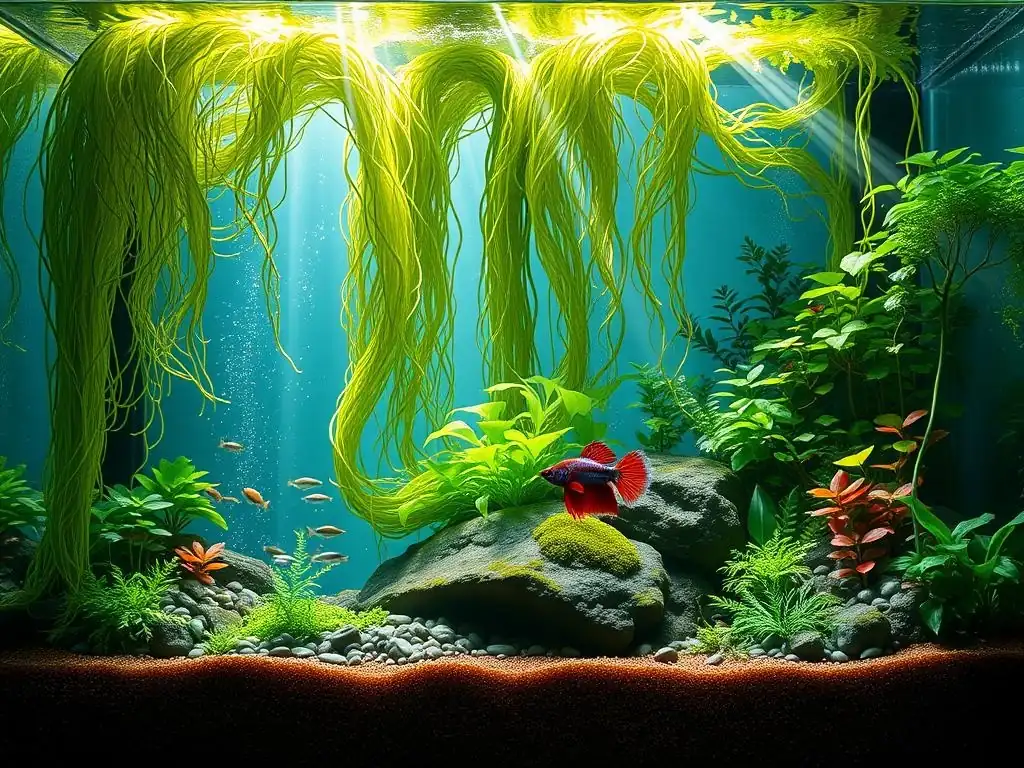
Ever wondered how to add a touch of effortless elegance to your aquarium? Dive in with us as we unlock the secrets to thriving Water Wisteria (Hygrophila Difformis). This adaptable beauty can transform your tank, but understanding its specific needs is key. Read on to discover everything you need to know about Water Wisteria tank care and create a flourishing underwater paradise! Ready to learn more?
- Introduction to Water Wisteria: A Beginner-Friendly Aquarium Plant
- Water Wisteria Tank Care: Essential Guidelines for Healthy Growth
- Planting and Propagating Water Wisteria in Your Aquarium
- Benefits of Water Wisteria in a Freshwater Aquarium
- Common Issues and Troubleshooting Water Wisteria Problems
- Water Wisteria Tank Mates: Compatibility Considerations
- Water Wisteria Varieties and Similar Plants
- Conclusion: Mastering Water Wisteria Tank Care for a Thriving Aquarium
-
Frequently Asked Questions
- What are the key benefits of adding Water Wisteria to my aquarium?
- Is Water Wisteria suitable for both freshwater and saltwater aquariums?
- What are the ideal water parameters for optimal Water Wisteria growth?
- How often should I trim my Water Wisteria plant?
- What are some common problems associated with Water Wisteria and how can I solve them?
- Final Reflection: Embracing Adaptability in Our Aquatic Worlds
- Cultivate Your Aquatic Paradise: Plant Your Wisteria Journey Now!
Introduction to Water Wisteria: A Beginner-Friendly Aquarium Plant
What is Water Wisteria (Hygrophila Difformis)?
Water Wisteria, scientifically known as Hygrophila difformis, is a popular and highly adaptable freshwater aquatic plant native to Southeast Asia. It is cherished by aquarists for its distinctive, deeply lobed leaves that resemble fern fronds, though its appearance can vary significantly based on environmental conditions. This stem plant typically grows upright but can also be used as a floating plant, offering versatility in aquascaping and providing excellent cover for various aquatic inhabitants.
Under optimal water wisteria tank care conditions, Hygrophila difformis exhibits rapid growth, often reaching heights of 10 to 20 inches (25-50 cm) or more. Its vibrant green coloration adds a lush, natural aesthetic to any freshwater setup. The plant's ability to thrive in a wide range of water parameters, combined with its ease of propagation, makes it an ideal choice for both novice and experienced aquarists looking to enhance their aquatic environments.
Why Choose Water Wisteria for Your Freshwater Aquarium?
Choosing Water Wisteria for your freshwater aquarium offers numerous advantages, primarily its remarkable resilience and ease of maintenance. Unlike many other aquatic plants that demand specific conditions, Hygrophila difformis is incredibly forgiving, tolerating varying light levels, pH values, and water hardness. This makes water wisteria tank care straightforward, significantly reducing the learning curve for beginners and providing a reliable option for established tanks.
Beyond its low-maintenance nature, Water Wisteria contributes significantly to the overall health and beauty of an aquarium. Its fast growth rate means it efficiently absorbs excess nitrates and other waste products, acting as a natural biological filter that helps maintain pristine water quality and inhibit algae growth. Furthermore, its dense foliage provides essential shelter and hiding spots for shy fish, fry, and invertebrates, promoting a less stressful environment for your aquatic pets and enhancing the tank's natural ecosystem.
Water Wisteria Tank Care: Essential Guidelines for Healthy Growth
Optimal Water Parameters for Water Wisteria Growth
Temperature and pH Requirements for Hygrophila Difformis
For optimal water wisteria tank care and robust growth, Hygrophila difformis thrives within a broad temperature range, ideally between 68°F and 82°F (20°C to 28°C). This range accommodates most common tropical fish species, making Water Wisteria an excellent choice for community tanks. While the plant can tolerate slight fluctuations, maintaining a stable temperature within this spectrum helps prevent stress and promotes consistent, healthy development of its vibrant green foliage.
Regarding pH levels, Water Wisteria is remarkably adaptable, flourishing in water with a pH between 6.0 and 8.0. This wide tolerance means it can thrive in slightly acidic to slightly alkaline conditions, which covers the preferences of a vast majority of freshwater aquarium inhabitants. Consistent monitoring of pH, perhaps once a week, helps ensure stability, which is more crucial than hitting a precise number within its acceptable range for effective water wisteria tank care.
Water Hardness and Water Changes for Water Wisteria
Water Wisteria generally prefers soft to moderately hard water, with a general hardness (GH) range of 3 to 10 dGH (50-180 ppm) and a carbonate hardness (KH) of 3 to 8 dKH (50-140 ppm). While it can adapt to slightly harder water, extreme hardness might hinder its ability to absorb certain nutrients, potentially leading to slower growth or less vibrant coloration. Monitoring these parameters with a reliable test kit can help pinpoint any issues early in your water wisteria tank care routine.
Regular water changes are paramount for successful water wisteria tank care, not just for the plant but for the entire aquarium ecosystem. Performing weekly water changes of 25-30% helps replenish essential trace elements and micronutrients that the fast-growing Water Wisteria rapidly consumes. Simultaneously, this process removes accumulated nitrates and other waste products, preventing their buildup and ensuring a clean, healthy environment conducive to the plant's robust growth and overall tank stability.
Lighting Needs for Water Wisteria: Ensuring Lush Growth
Low to Moderate Lighting: Ideal for Water Wisteria
Water Wisteria is incredibly forgiving when it comes to lighting, thriving exceptionally well under low to moderate light conditions. For most home aquariums, a light intensity providing approximately 10-20 PAR (Photosynthetically Active Radiation) or an equivalent of 0.25 to 0.5 watts per liter using older fluorescent tube metrics, for 8-10 hours per day, is sufficient. Under these conditions, the plant will display healthy, broad green leaves, and its growth rate will be steady without inviting excessive algae.
Maintaining a consistent photoperiod is a critical aspect of water wisteria tank care under low to moderate lighting. Using a timer to ensure the lights turn on and off at the same time each day prevents stress to the plant and helps regulate its metabolic processes. While growth may not be as explosive as in high-tech setups, Water Wisteria will still contribute significantly to nutrient absorption and aesthetic appeal, making it a reliable choice for less intensely lit tanks.
Can Water Wisteria Thrive in High-Light Tanks?
Yes, Water Wisteria can certainly thrive in high-light tanks, but its appearance and care requirements will change significantly. Under intense lighting, typically 30+ PAR, the plant's growth accelerates dramatically, and its leaves become much more deeply lobed and intricate, often developing attractive reddish or purple hues, particularly on new growth. This transformation showcases the plant's adaptability, but it also demands a more attentive approach to water wisteria tank care.
In high-light environments, the increased rate of photosynthesis means Water Wisteria will consume nutrients and CO2 at a much faster pace. Consequently, CO2 injection often becomes necessary to prevent stunted growth or melting, and a comprehensive fertilization regimen, including macro and micronutrients, is crucial to meet its heightened demands. Without adequate CO2 and nutrients, the plant may struggle, leading to susceptibility to algae growth or nutrient deficiencies, which underscores the importance of balancing all factors in a high-tech setup.
Substrate and Fertilization for Water Wisteria
Choosing the Right Substrate for Water Wisteria Roots
Water Wisteria is highly adaptable regarding substrate choice, capable of growing well in various types, including inert gravel, sand, or specialized planted tank substrates like aqua soil. While it can derive a significant portion of its nutrients directly from the water column, particularly when floating, planting it in a nutrient-rich substrate undeniably promotes stronger root development and more robust growth. A substrate depth of at least 2-3 inches (5-7.5 cm) allows for secure anchoring of the stems.
For those using inert substrates like standard aquarium gravel, incorporating root tabs directly beneath the planted stems is an excellent strategy for boosting the plant's health. These tabs slowly release essential nutrients, such as iron and potassium, directly to the roots, supplementing the nutrients available in the water column. This targeted approach to nutrient delivery is a beneficial component of comprehensive water wisteria tank care, ensuring the plant has access to what it needs for vigorous growth from the ground up.
Fertilization Strategies for Promoting Healthy Water Wisteria
Given its rapid growth rate, Water Wisteria is a relatively heavy feeder, requiring a consistent supply of both macronutrients (nitrogen, phosphorus, potassium) and micronutrients (iron, manganese, boron, etc.) for optimal health. In tanks with a low fish load or no CO2 injection, liquid fertilizers dosed regularly, typically once or twice a week, are often sufficient to meet its demands. A balanced all-in-one liquid fertilizer is a convenient option for most aquarists.
For tanks with higher light, CO2 injection, or a dense plant load, a more comprehensive fertilization strategy may be necessary. This might involve dosing individual macro and micronutrients based on specific plant requirements and water test results. Paying particular attention to iron levels is crucial, as a deficiency can lead to yellowing or pale leaves. Consistent and appropriate fertilization is a cornerstone of effective water wisteria tank care, ensuring the plant remains vibrant and free from nutrient-related issues.
Planting and Propagating Water Wisteria in Your Aquarium
How to Plant Water Wisteria: Stem vs. Floating
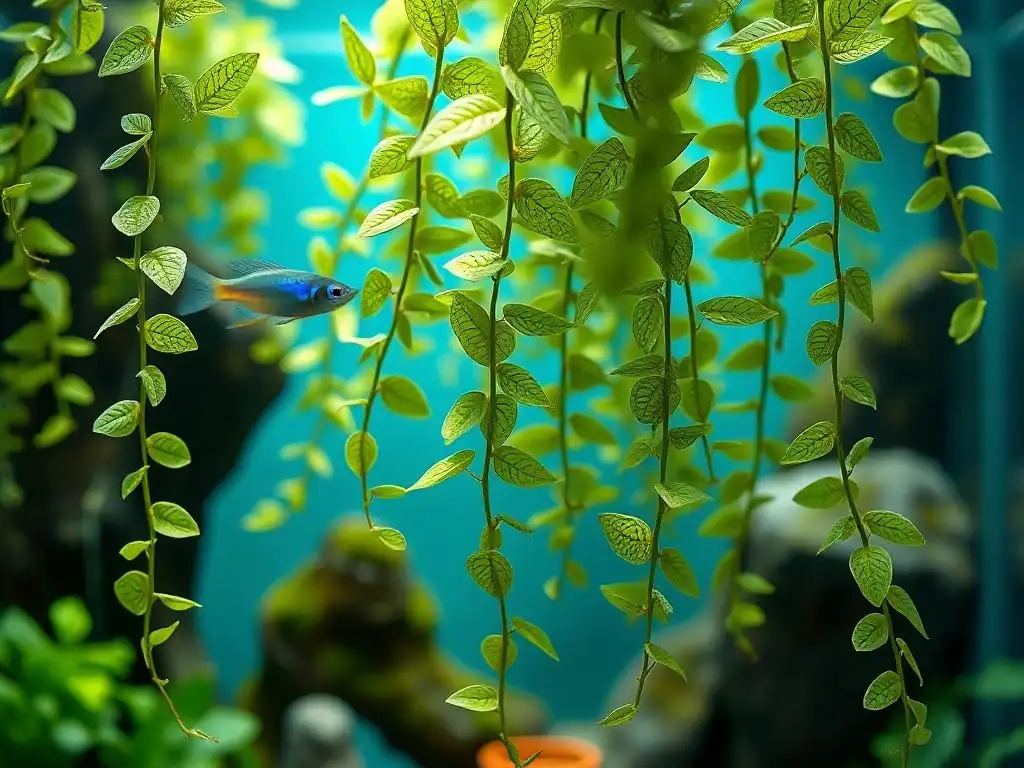
Planting Water Wisteria effectively can be done in two primary ways: rooting stems in the substrate or allowing them to float freely. To plant stems in the substrate, gently trim off the bottom few sets of leaves from a healthy cutting, exposing the nodes. Then, using tweezers or your fingers, carefully push the bare stem into the substrate, ensuring at least one or two nodes are buried. Space stems a few inches apart to allow for proper light penetration and future growth, which is vital for long-term water wisteria tank care.
Alternatively, Water Wisteria can be left to float on the water surface. This method is particularly beneficial for tanks housing fry or shy fish, as the dense floating foliage provides excellent cover and a natural food source for grazing. When floating, the plant absorbs nutrients directly from the water column through its leaves and often develops extensive root systems that dangle into the water. Both methods are straightforward and contribute to the plant's versatility in aquascaping, making water wisteria tank care adaptable to various setups.
Propagating Water Wisteria: Easy Methods for Expansion
Stem Cuttings: A Simple Propagation Technique
Propagating Water Wisteria through stem cuttings is incredibly simple and highly effective, allowing aquarists to quickly expand their plant collection or fill out their aquascape. To perform a stem cutting, select a healthy, mature stem from the parent plant that is at least 4-6 inches (10-15 cm) long. Using sharp aquascaping scissors, make a clean cut just below a node (the point where leaves emerge). Remove the bottom few sets of leaves from the cut portion to expose the nodes.
Once prepared, the cut stem can be replanted directly into the substrate, ensuring the exposed nodes are buried, or simply allowed to float on the water surface. New roots will typically emerge from the buried or submerged nodes within a week or two, establishing the new plant. This straightforward process highlights the ease of water wisteria tank care and its rapid multiplication, making it a favorite for aquarists looking for quick plant growth.
Side Shoots: Utilizing Natural Growth for Propagation
Water Wisteria naturally produces numerous side shoots or lateral branches from its main stems, offering another effortless method for propagation. As the plant grows, these side shoots develop their own sets of leaves and often begin to produce small roots while still attached to the parent plant. This natural growth habit simplifies the process of creating new plants without needing to make precise cuts.
To propagate using side shoots, gently detach a well-developed shoot from the main stem once it has grown a few inches long and shows signs of root development. These detached side shoots can then be planted directly into the substrate, just like stem cuttings, or allowed to float independently. This method leverages the plant's inherent growth pattern, making water wisteria tank care even more convenient for increasing your plant mass and providing more hiding spots in your aquarium.
Benefits of Water Wisteria in a Freshwater Aquarium
Water Purification and Nitrate Reduction with Water Wisteria
One of the most significant benefits of incorporating Water Wisteria into a freshwater aquarium is its exceptional ability to purify water and reduce nitrate levels. As a fast-growing plant, Hygrophila difformis acts as a highly efficient nutrient sink, actively absorbing excess nitrates, phosphates, and other nitrogenous waste products that are byproducts of fish metabolism and decaying organic matter. This rapid nutrient uptake directly competes with algae, effectively inhibiting its growth and maintaining clearer, healthier water.
By consuming these harmful compounds, Water Wisteria helps to stabilize water parameters, reducing the frequency of necessary water changes and creating a more balanced and thriving ecosystem for your fish and invertebrates. This natural filtration process contributes significantly to overall water wisteria tank care, transforming waste into lush, green growth and preventing the buildup of toxins that can be detrimental to aquatic life.
Providing Shelter and Hiding Places for Aquarium Inhabitants
The dense, intricate foliage of Water Wisteria provides invaluable shelter and hiding places for a wide array of aquarium inhabitants. Its bushy growth habit creates natural nooks and crannies where shy fish can retreat from more aggressive tank mates, reducing stress and promoting healthier behavior. This is particularly beneficial for species like cardinal tetras or dwarf gouramis, which appreciate having cover to feel secure.
For breeding tanks, Water Wisteria is an excellent choice as it offers crucial protection for fry and young invertebrates. Livebearer fry, such as guppy or molly babies, can easily hide among the wisteria's leaves, significantly increasing their survival rate from predation by adult fish. Shrimp and snails also benefit from its surface area, which provides ample grazing grounds for biofilm and micro-organisms, making it an essential component of comprehensive water wisteria tank care for diverse communities.
Enhancing the Aesthetic Appeal of Your Aquarium with Water Wisteria
Beyond its functional benefits, Water Wisteria dramatically enhances the aesthetic appeal of any freshwater aquarium. Its vibrant green color and unique, deeply lobed leaves create a lush, natural backdrop that can transform a simple glass box into a captivating aquatic landscape. The plant's ability to grow tall makes it ideal for background planting, forming a dense green wall, while its versatility allows it to be used in the midground or even as a floating plant, adding texture and depth.
The varying leaf shapes, which become more intricate under higher light, offer dynamic visual interest. When healthy, Water Wisteria's vigorous growth fills out empty spaces, making the aquarium appear more established and inviting. Its adaptable nature means it can be incorporated into various aquascaping styles, from naturalistic biotopes to Dutch-style planted tanks, proving that effective water wisteria tank care also leads to a visually stunning aquatic display.
Common Issues and Troubleshooting Water Wisteria Problems
Water Wisteria Melting: Causes and Solutions
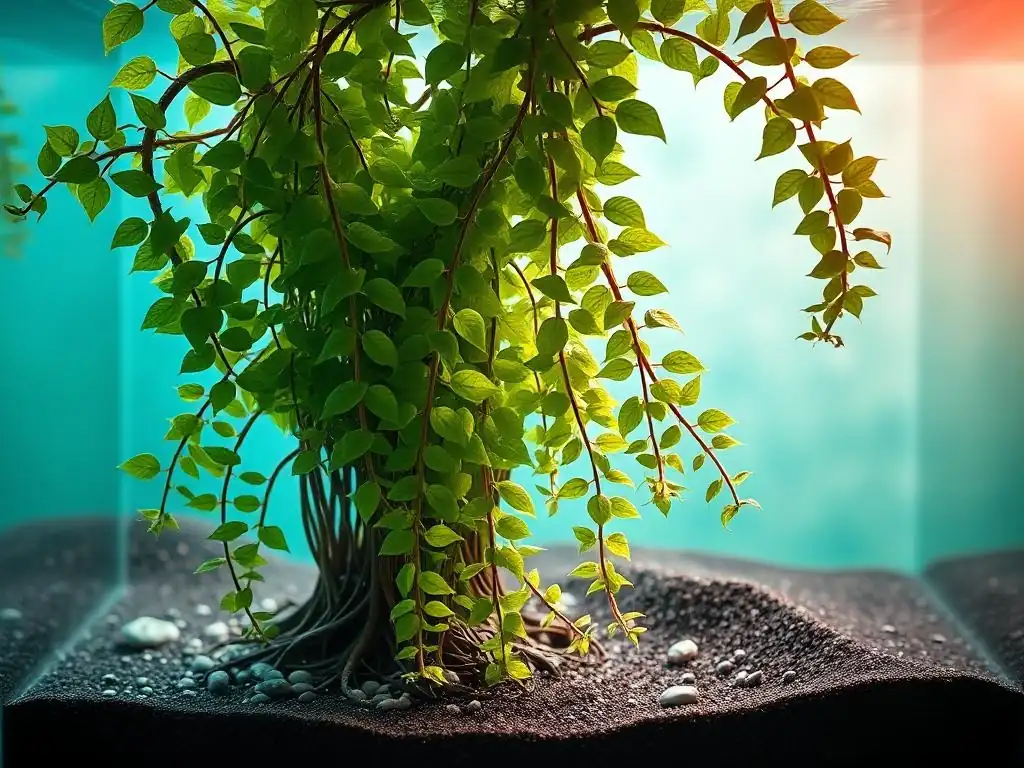
Water Wisteria melting, characterized by leaves turning translucent, mushy, or disintegrating, is a common issue that can alarm aquarists. The primary cause is often a sudden change in environmental conditions, such as significant shifts in water parameters (temperature, pH, or hardness) or a drastic change in lighting intensity or duration. Plants grown emersed (out of water) before being submerged into an aquarium may also experience initial melting as they adapt to their new aquatic form.
To address melting, first ensure stable water parameters within the recommended ranges for water wisteria tank care. If the plant was recently introduced, some initial melting is normal; simply prune away affected leaves. For established plants, check for nutrient deficiencies, particularly potassium or iron, and ensure adequate CO2 if running a high-light tank. Consistent light cycles and gradual changes to tank conditions are key preventative measures against widespread melting.
Algae Growth on Water Wisteria: Prevention and Control
Algae growth on Water Wisteria leaves is a common indicator of an imbalance in the aquarium, usually related to excessive light, insufficient CO2, or nutrient imbalances. Green spot algae, hair algae, or even black beard algae can colonize the plant's surfaces, hindering its photosynthesis and detracting from its appearance. While some algae are natural, excessive growth signals a problem in water wisteria tank care.
Prevention involves maintaining a balanced ecosystem: ensure appropriate light intensity and duration (typically 8-10 hours), and consider CO2 injection if you have high light. Regularly dose a balanced liquid fertilizer to ensure the plant outcompetes algae for nutrients. For existing algae, manual removal (gently wiping leaves) and introducing algae-eating tank mates like Amano shrimp or Nerite snails can be effective. Addressing the underlying cause is crucial for long-term control.
Stunted Growth: Identifying and Addressing Nutrient Deficiencies
Stunted growth in Water Wisteria, characterized by unusually small leaves, slow growth rates, or distorted new growth, is typically a sign of nutrient deficiencies. Common symptoms include yellowing or pale leaves (often indicating iron deficiency), holes in leaves (potassium deficiency), or very small, tightly clustered new growth (nitrogen or phosphorus deficiency). These issues highlight gaps in the water wisteria tank care regimen.
To address stunted growth, first ensure you are providing a comprehensive liquid fertilizer that includes both macro and micronutrients. If using an inert substrate, consider adding root tabs near the plant's base to provide localized nutrition. Confirm that CO2 levels (if injected) are adequate, as CO2 is a primary nutrient for plant growth. Regular water testing can help pinpoint specific nutrient imbalances, allowing for targeted supplementation to restore the plant to its full, lush potential.
Water Wisteria Tank Mates: Compatibility Considerations
Suitable Fish Species for a Water Wisteria Tank
Water Wisteria's robust nature and dense foliage make it an excellent choice for a wide variety of freshwater community fish, particularly those that are peaceful and do not tend to uproot plants. Ideal tank mates include small schooling fish like Neon Tetras, Cardinal Tetras, and Rummy Nose Tetras, which enjoy the cover provided by the wisteria. Livebearers such as Guppies, Mollies, and Platies also thrive in planted tanks and benefit from the plant's shelter, especially for their fry.
Bottom dwellers like Corydoras catfish and Otocinclus catfish are also highly compatible, as they gently forage without disturbing the plant's roots. Peaceful gouramis, such as Dwarf Gouramis, appreciate the dense vegetation for hiding and exploring. When considering fish for a water wisteria tank, the key is to select species known for their calm temperament and non-destructive habits, ensuring they will coexist harmoniously with the plant and contribute to a balanced ecosystem.
Invertebrates That Complement Water Wisteria
Invertebrates are fantastic companions for Water Wisteria, often contributing positively to the tank's cleanliness and overall health without damaging the plants. Freshwater shrimp, particularly Amano Shrimp and various Neocaridina species like Cherry Shrimp, are excellent choices. They are diligent algae eaters, constantly grazing on the plant's leaves and surfaces, helping to keep them clean and free from unsightly growths. Their gentle movements pose no threat to the plant's structure, making them perfect additions for water wisteria tank care.
Snails, such as Nerite Snails and Mystery Snails, also complement Water Wisteria beautifully. Nerite Snails are renowned for their algae-eating prowess, cleaning glass and plant leaves without consuming the plant itself. Mystery Snails, while larger, are generally peaceful and will graze on detritus and decaying plant matter, further contributing to tank hygiene. These invertebrates enhance the natural ecosystem, providing a natural cleaning crew that thrives alongside the lush foliage of Water Wisteria.
Water Wisteria Varieties and Similar Plants
Exploring Different Forms of Hygrophila Difformis
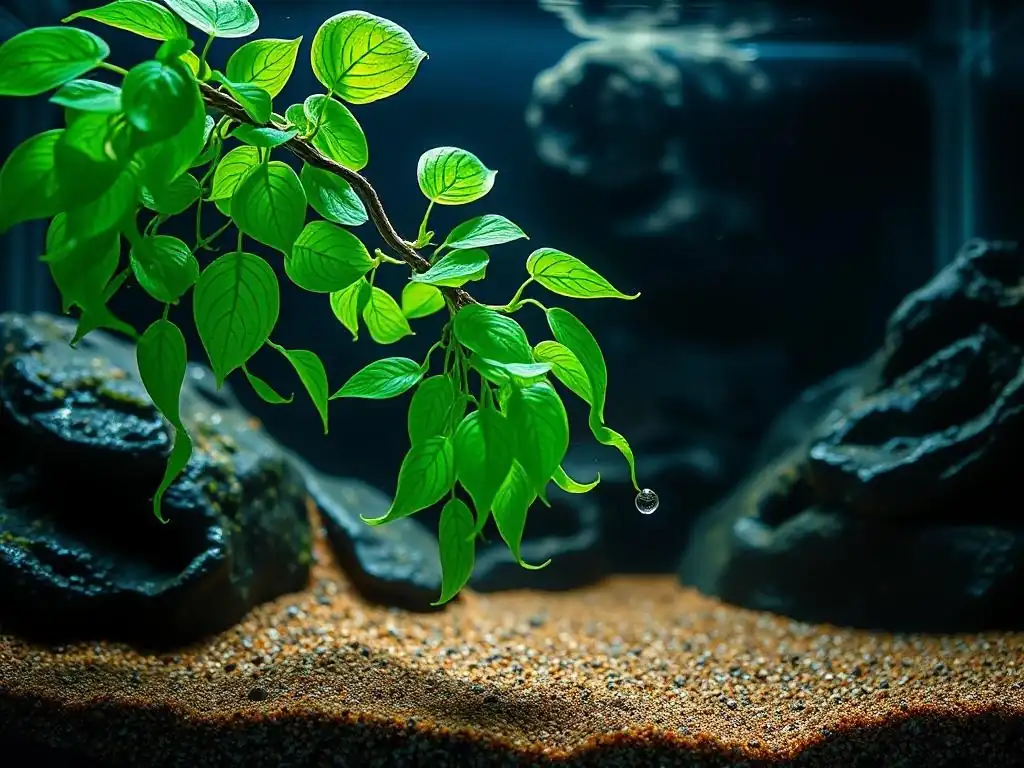
While "Water Wisteria" typically refers to the species Hygrophila difformis, the plant itself exhibits remarkable phenotypic plasticity, meaning its appearance can vary significantly based on the environmental conditions it is grown under. In low to moderate light, its leaves tend to be broader and less deeply lobed, appearing more like a conventional broadleaf plant. However, under high light intensity and with CO2 supplementation, the leaves become much more finely dissected and deeply lobed, resembling a true aquatic fern or even a delicate lace plant.
This adaptability in form means that a single Hygrophila difformis plant can present different "looks" within the same species, depending on the aquarist's water wisteria tank care setup. While there aren't distinct named "varieties" in the same way as some other plants, recognizing these environmental influences on its morphology is key. Other Hygrophila species, such as Hygrophila polysperma (Indian Water Star) or Hygrophila corymbosa (Temple Plant), share similar care requirements but possess different leaf shapes and growth habits.
Alternative Aquarium Plants with Similar Characteristics
For aquarists seeking alternatives to Water Wisteria that offer similar benefits and ease of care, several other freshwater plants stand out. Anacharis ( Egeria densa) is an excellent choice; it's a fast-growing stem plant that thrives in a wide range of conditions, effectively absorbing nitrates and providing dense cover. Like Water Wisteria, it can be planted or left to float, making it highly versatile.
Hornwort ( Ceratophyllum demersum) is another robust, low-maintenance option. It's a true floating plant but can also be anchored, known for its extremely rapid growth and ability to consume excess nutrients, which helps control algae. Lastly, Ludwigia repens offers similar ease of care to Water Wisteria but with the added bonus of potential red coloration under higher light, providing a vibrant contrast in the aquascape. All these plants share the desirable traits of adaptability, rapid nutrient uptake, and providing shelter, making them great substitutes for or companions to Water Wisteria.
Conclusion: Mastering Water Wisteria Tank Care for a Thriving Aquarium
Enjoy the Beauty and Benefits of Water Wisteria in Your Aquatic Setup
Mastering Water Wisteria tank care is a rewarding endeavor that brings unparalleled beauty and ecological benefits to any freshwater aquarium. From its remarkable adaptability to varying water parameters and light conditions to its vigorous growth and natural water purification capabilities, Hygrophila difformis truly stands out as a cornerstone plant for both novice and experienced aquarists. Its ability to thrive with minimal intervention, while also flourishing in high-tech setups, underscores its versatility and forgiving nature.
By following the essential guidelines for optimal water parameters, lighting, substrate, and fertilization, you can ensure your Water Wisteria remains lush, vibrant, and actively contributes to a healthy aquatic environment. The ease of propagation allows you to effortlessly expand your green oasis, while its dense foliage provides invaluable shelter for your aquatic inhabitants. Embrace the simplicity and profound impact of Water Wisteria tank care, and enjoy the thriving, aesthetically pleasing aquatic world it helps create in your home.
Frequently Asked Questions
What are the key benefits of adding Water Wisteria to my aquarium?
Water Wisteria offers several benefits, including natural filtration, oxygen production, and providing hiding places for fish, contributing to a healthier and more vibrant tank environment.
Is Water Wisteria suitable for both freshwater and saltwater aquariums?
No, Water Wisteria (Hygrophila Difformis) is specifically a freshwater plant. It will not survive in a saltwater environment.
What are the ideal water parameters for optimal Water Wisteria growth?
Water Wisteria thrives in slightly acidic to neutral water (pH 6.5-7.5) with a temperature range of 72-82°F (22-28°C). Adequate lighting is also crucial.
How often should I trim my Water Wisteria plant?
Trimming frequency depends on the growth rate, but generally, prune when the plant becomes too dense or reaches the water surface. This encourages bushier growth and prevents shading of other plants.
What are some common problems associated with Water Wisteria and how can I solve them?
Common problems include yellowing leaves due to nutrient deficiencies (add liquid fertilizer) and slow growth due to insufficient lighting (increase light intensity or duration). Address these issues promptly to maintain plant health.
Final Reflection: Embracing Adaptability in Our Aquatic Worlds
The journey through understanding Water Wisteria's remarkable adaptability reveals more than just optimal tank care; it mirrors the very essence of thriving in dynamic environments. Just as this plant effortlessly adjusts to varying water parameters and lighting conditions, we too can learn to embrace change and find beauty in the unexpected challenges life throws our way. The principles of nurturing this resilient aquatic plant extend beyond the glass walls of an aquarium, offering a powerful metaphor for personal growth and resilience.
This seemingly simple plant, with its delicate, fern-like leaves, has deeply influenced the aquascaping community, demonstrating that beauty and ease of care can coexist harmoniously. Its popularity underscores a fundamental desire for connection with nature, even within the confines of our homes. The best things in life are often the simplest, and Water Wisteria embodies that perfectly – a touch of nature, effortlessly enriching our lives.
This enduring appeal speaks volumes about our innate yearning for tranquility and the restorative power of the natural world.
As you consider the lessons learned about Water Wisteria's care and adaptability, I invite you to reflect on your own capacity for growth and resilience. Just as providing the right conditions allows this plant to flourish, nurturing your own inner environment – with self-care, learning, and positive relationships – will enable you to thrive in the ever-changing currents of life. Embrace the challenges, adapt to the circumstances, and watch as your own unique beauty unfolds, just like the Water Wisteria in a well-tended tank.
Cultivate Your Aquatic Paradise: Plant Your Wisteria Journey Now!
Thanks for diving into the world of Water Wisteria! We hope you've discovered how this adaptable plant can transform your aquarium into a lush, vibrant ecosystem. Now, let’s bring that vision to life.
- Begin propagating! Take cuttings from your existing aquarium plants or order a Water Wisteria today to kickstart your underwater garden.
- Explore compatible tank mates! Research fish and invertebrates known to thrive alongside Water Wisteria for a harmonious aquarium environment.
- Share your growing tips! Connect with fellow aquarists on forums or social media to exchange advice and inspire others with your planted tank progress.
What innovative aquascaping idea will Water Wisteria help you realize first?