
Gracilaria in the Display: Adding a Splash of Red and Natural Filtration

Welcome to Aquarium Mastery!
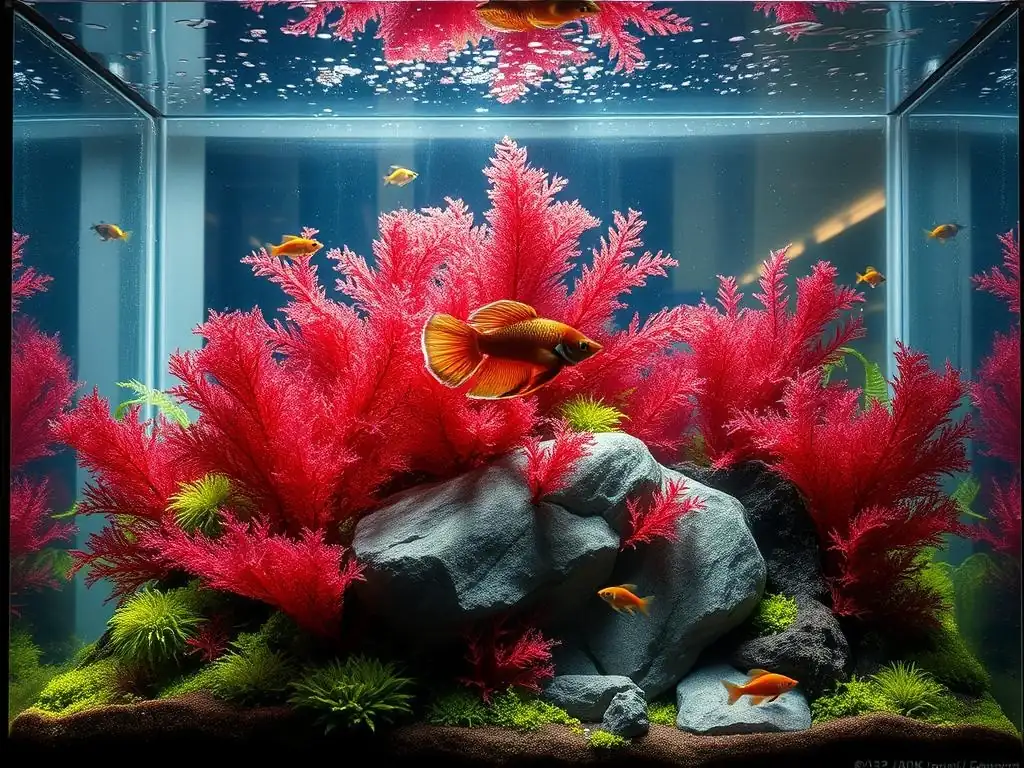
Curious about adding a vibrant splash of red and natural filtration to your aquarium? Dive in to discover everything you need to know about Gracilaria algae aquarium care. We'll explore how this beautiful macroalgae can thrive in your display, offering both aesthetic appeal and essential benefits to your aquatic ecosystem. Ready to unlock the secrets of Gracilaria? Let's get started!
- Introduction to Gracilaria Algae for Saltwater Aquariums
- Gracilaria Species for Aquarium Use: A Colorful Overview
- Gracilaria Algae Aquarium Care: Essential Guidelines
- Gracilaria and Nutrient Control: A Natural Filtration Powerhouse
- Feeding Gracilaria Algae: Providing Essential Nutrients
- Propagating Gracilaria Algae: Expanding Your Red Algae Display
- Troubleshooting Common Gracilaria Problems in Reef Tanks
- Integrating Gracilaria into Your Saltwater Aquarium Ecosystem
- Where to Buy Gracilaria Algae for Your Aquarium
- Conclusion: Mastering Gracilaria Algae Aquarium Care for a Thriving Reef
-
Frequently Asked Questions
- What is Gracilaria algae and why is it used in aquariums?
- Is Gracilaria algae suitable for both freshwater and saltwater aquariums?
- How do I care for Gracilaria algae in my aquarium?
- What are the benefits of using Gracilaria algae for filtration?
- Are there any potential downsides to keeping Gracilaria algae?
- Final Reflection: Embracing Nature's Red Filter
- Dive Deeper: Cultivate Your Gracilaria Expertise!
Introduction to Gracilaria Algae for Saltwater Aquariums
What is Gracilaria and Why Keep it in Your Reef Tank?
Gracilaria is a genus of red macroalgae, part of the Rhodophyta division, known for its vibrant coloration and branching, bushy forms. In the context of saltwater aquariums, species like Gracilaria hayi are particularly popular due to their striking red hues, which can range from deep maroon to bright crimson, adding a unique aesthetic appeal to a reef tank.
Beyond its visual charm, Gracilaria is a highly effective natural filter, actively absorbing nitrates, phosphates, and other undesirable nutrients from the water column. This dual benefit of beauty and utility makes it a favored choice for aquarists looking to enhance both the appearance and water quality of their marine environments.
Keeping Gracilaria in a reef tank contributes significantly to the overall health and stability of the ecosystem. Its robust growth habit allows it to outcompete nuisance algae for available nutrients, thereby reducing the likelihood of outbreaks of green hair algae or cyanobacteria.
Furthermore, the dense structure of Gracilaria provides excellent shelter and foraging grounds for various beneficial microfauna, such as copepods and amphipods, which are crucial components of a healthy reef food web and serve as natural food sources for many fish and corals. Proper Gracilaria algae aquarium care ensures these benefits are maximized, leading to a more stable and visually appealing display.
Benefits of Gracilaria Algae: Natural Filtration and Aesthetics
The primary benefit of integrating Gracilaria algae into a saltwater aquarium is its exceptional capacity for natural filtration. Like other macroalgae, Gracilaria utilizes dissolved nitrates and phosphates as essential nutrients for its growth. By actively consuming these compounds, it helps to maintain nutrient levels at desirable low ranges, typically aiming for nitrates below 10 ppm and phosphates below 0.03 ppm in a reef system. This nutrient export mechanism is particularly valuable in heavily stocked tanks or those with significant bioloads, reducing the need for extensive chemical filtration and promoting a more stable environment for sensitive corals and invertebrates.
Beyond its crucial role in water purification, Gracilaria offers significant aesthetic advantages. Its diverse forms, from delicate branching structures to more robust, bushy growths, along with its vivid red coloration, provide a striking contrast to the greens and browns often found in rockwork and other algae.
When properly maintained with diligent Gracilaria algae aquarium care, it can create a vibrant, dynamic focal point within the display tank, mimicking the natural beauty of a healthy reef environment. This visual appeal, combined with its functional benefits, makes Gracilaria a highly desirable addition for both novice and experienced aquarists seeking to elevate their marine aquascapes.
Gracilaria Species for Aquarium Use: A Colorful Overview
Gracilaria Hayi: The Popular Red Gracilaria for Aquariums
Gracilaria hayi stands out as one of the most widely recognized and utilized species of red Gracilaria in the marine aquarium hobby. Its popularity stems from several key characteristics: its distinctive, vibrant red coloration, which can intensify under optimal lighting; its relatively robust and bushy growth form, making it easy to anchor or tumble in a refugium; and its efficient nutrient uptake capabilities.
Gracilaria hayi typically grows in a somewhat chaotic, branching manner, forming dense clumps that provide excellent habitat for copepods and other beneficial microfauna. Its resilience to varying flow conditions and its adaptability to a range of reef tank parameters contribute to its widespread adoption by aquarists practicing comprehensive Gracilaria algae aquarium care.
This particular species is often favored for display refugiums or even directly in the main display tank due to its attractive appearance. While it can grow quite large, reaching several inches in diameter within a few weeks under ideal conditions, its growth is manageable through regular pruning.
Aquarists often report that Gracilaria hayi exhibits a good balance between rapid nutrient uptake and a growth rate that doesn't quickly overwhelm a system, provided it is harvested periodically. Maintaining its vivid red color requires attention to specific lighting spectrums and the availability of trace elements, particularly iron, which influences chlorophyll and phycoerythrin production, the pigments responsible for its red hue.
Other Gracilaria Species Suitable for Saltwater Displays
While Gracilaria hayi is the most common, several other Gracilaria species are occasionally found in the aquarium trade and can also be suitable for saltwater displays, each offering unique textures and shades of red. For instance, some species might exhibit a more delicate, feathery appearance, while others could have thicker, more cylindrical branches. Examples include Gracilaria curtissiae or Gracilaria parvispora, though these are less frequently encountered than G. hayi.
These alternative species still provide the same fundamental benefits of nutrient export and habitat creation, contributing to the overall health of the reef system. Their visual differences can add further diversity to an aquascape.
When considering other Gracilaria species, it is crucial to research their specific growth habits and potential light or flow preferences, as these can vary slightly from the more common G. hayi. However, the general principles of Gracilaria algae aquarium care, such as providing stable water parameters, adequate lighting, and essential trace elements, remain consistent across the genus. Observing how a particular species adapts to your tank environment and adjusting conditions as needed will ensure its successful integration and contribution to your reef ecosystem's filtration and aesthetic appeal.
Gracilaria Algae Aquarium Care: Essential Guidelines
Setting Up Your Aquarium for Gracilaria Growth
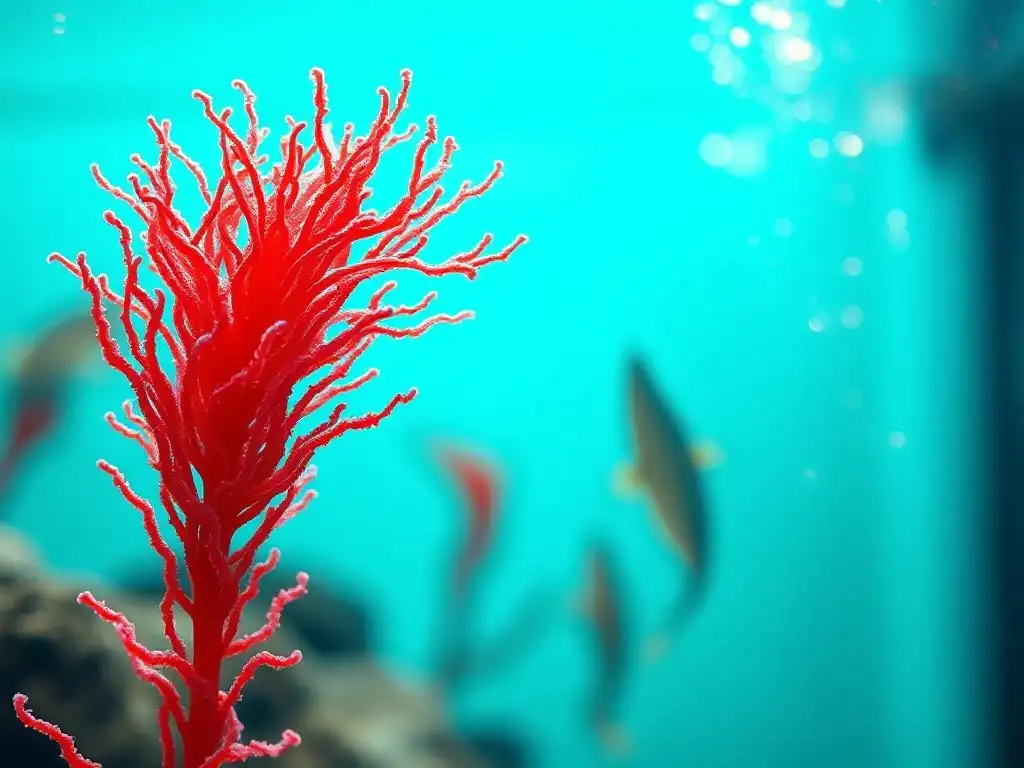
Proper setup is crucial for successful Gracilaria growth and maximizing its benefits in a saltwater aquarium. Gracilaria thrives in areas with moderate to high water flow, which ensures adequate nutrient delivery and prevents detritus accumulation within its branches. In a display tank, it can be attached to rockwork using reef-safe glue or fishing line, or simply placed in a low-flow area where it can tumble gently without getting trapped.
For refugiums, Gracilaria is typically allowed to tumble freely or placed in a dedicated section with sufficient flow. The volume of Gracilaria needed depends on the tank's bioload; a general guideline suggests having a volume of macroalgae roughly equivalent to 10-20% of the display tank's volume for effective nutrient control, though this can vary.
Substrate is generally not required for Gracilaria, as it is a free-floating or epilithic (growing on rocks) macroalgae. Ensuring the area designated for Gracilaria is free from aggressive corals or invertebrates that might damage its delicate structure is also important. For optimal Gracilaria algae aquarium care, consider placing it in a location where it receives direct light but does not shade other light-dependent inhabitants. Regular monitoring of its growth and health will indicate if adjustments to flow or placement are necessary to maintain its vibrant color and robust nutrient absorption capacity.
Water Parameters for Optimal Gracilaria Algae Growth: Salinity, Temperature, and Nutrients
Maintaining stable water parameters is paramount for healthy Gracilaria algae growth. Gracilaria thrives within standard reef tank parameters, generally preferring a salinity range of 1.023 to 1.026 specific gravity, or 33-35 ppt. Temperature should be kept stable between 72°F and 78°F (22°C to 26°C), as extreme fluctuations can stress the algae and hinder its growth.
While Gracilaria is known for consuming nitrates and phosphates, it does require a baseline level of these nutrients to grow. Ideal nitrate levels for Gracilaria growth are typically in the range of 5-15 ppm, and phosphates around 0.03-0.1 ppm. If nutrient levels drop too low (e.g., nitrates consistently below 1 ppm or phosphates undetectable), Gracilaria may begin to bleach or turn pale, indicating nutrient starvation.
Alkalinity, calcium, and magnesium levels should also be maintained within standard reef parameters, typically 8-12 dKH for alkalinity, 400-450 ppm for calcium, and 1250-1350 ppm for magnesium. Although Gracilaria primarily absorbs nitrates and phosphates, stable major element concentrations contribute to overall water stability, which indirectly supports healthy macroalgae growth. Regular water testing, at least once a week for key parameters, allows for timely adjustments. This proactive approach to water chemistry is a cornerstone of effective Gracilaria algae aquarium care, ensuring the algae remains a vibrant and efficient filtration tool.
Lighting Requirements for Healthy Red Gracilaria
Lighting is a critical factor influencing the growth rate and coloration of Gracilaria algae. Like other photosynthetic organisms, Gracilaria requires adequate light intensity and spectrum to thrive. For optimal growth and to maintain its characteristic red pigmentation, a full-spectrum light source with strong output in the red and blue wavelengths is recommended.
The Photosynthetically Active Radiation (PAR) level for Gracilaria typically ranges from 50 to 150 PAR, depending on the specific species and its placement in the tank. Higher PAR levels, especially with a significant red component (e.g., 630-660 nm), can enhance the production of phycoerythrin, the red pigment, leading to more vibrant coloration.
A photoperiod of 10 to 14 hours per day is generally suitable for Gracilaria. Some aquarists opt for a reverse photoperiod in their refugium (lighting it during the tank's dark cycle) to help stabilize pH fluctuations and further counteract nocturnal oxygen dips. However, for Gracilaria in the main display, aligning its photoperiod with the main tank's lights is common.
It is important to avoid excessively high light intensity too quickly, as this can lead to bleaching or stress. Gradual acclimation to new lighting conditions is advisable. Proper light management is a key component of Gracilaria algae aquarium care, ensuring not only vigorous growth but also the stunning red color that makes it a popular display macroalgae.
Gracilaria and Nutrient Control: A Natural Filtration Powerhouse
How Gracilaria Algae Reduces Nitrates and Phosphates
Gracilaria algae functions as a highly efficient biological filter by actively absorbing dissolved inorganic nutrients, primarily nitrates (NO3-) and phosphates (PO43-), from the water column. These compounds are byproducts of fish waste, uneaten food, and the breakdown of organic matter, and if allowed to accumulate, can lead to nuisance algae blooms and stress sensitive corals.
Gracilaria, through photosynthesis, incorporates these nutrients into its biomass, effectively locking them away from the water. For instance, a healthy, rapidly growing clump of Gracilaria can significantly reduce nitrate levels by 5-10 ppm per week in a moderately stocked 50-gallon tank, assuming adequate light and initial nutrient availability.
The process of nutrient export through Gracilaria is completed when the algae is periodically harvested. By physically removing portions of the grown Gracilaria, the absorbed nitrates and phosphates are permanently taken out of the aquarium system. This method is often preferred over chemical filtration media because it is a natural, sustainable process that also adds a living, aesthetic element to the tank. Consistent harvesting, typically every 1-2 weeks depending on growth rate, ensures that the Gracilaria remains in a rapid growth phase, maximizing its nutrient uptake efficiency and maintaining optimal water quality for the reef environment.
Using Gracilaria in a Refugium for Enhanced Filtration
Integrating Gracilaria into a refugium is one of the most effective strategies for enhanced nutrient control and overall system stability. A refugium is a separate section of the sump or a dedicated external tank plumbed into the main system, designed to house beneficial organisms and macroalgae away from the main display's inhabitants. In a refugium, Gracilaria can grow unhindered by herbivores, allowing it to reach its full potential as a nutrient export powerhouse. The controlled environment of a refugium, often with a dedicated light source on a reverse photoperiod, optimizes Gracilaria's photosynthetic activity.
The benefits of Gracilaria in a refugium extend beyond nutrient removal. Its dense structure provides an ideal habitat for the proliferation of copepods and amphipods, which are crucial components of the marine food web.
These microcrustaceans reproduce rapidly within the refugium and are then carried into the main display tank via the water flow, serving as a continuous, natural food source for corals, mandarinfish, and other inhabitants. This symbiotic relationship between Gracilaria, microfauna, and the main display tank significantly contributes to the long-term health and biodiversity of the entire reef system, making a Gracilaria-filled refugium a cornerstone of advanced Gracilaria algae aquarium care.
Maintaining a Healthy Gracilaria Population for Effective Nutrient Export
To ensure Gracilaria consistently performs as an effective nutrient export mechanism, maintaining a healthy and actively growing population is essential. This primarily involves regular harvesting. As Gracilaria grows, it absorbs nutrients; if it is not pruned, its growth will slow, and its nutrient uptake efficiency will diminish. Typically, about 20-30% of the Gracilaria biomass should be removed every 1-3 weeks, depending on the tank's nutrient levels and the algae's growth rate. This pruning stimulates new growth, ensuring the algae remains in a state of active nutrient consumption.
Beyond harvesting, monitoring water parameters is crucial. While Gracilaria consumes nitrates and phosphates, it also requires trace elements, particularly iron, for vibrant coloration and robust growth. If Gracilaria starts to look pale or its growth slows despite apparent nutrient availability, it might indicate a deficiency in these micronutrients. Consistent lighting, stable water flow, and preventing the algae from becoming choked with detritus are also vital. A thriving, regularly pruned Gracilaria population is a clear indicator of successful Gracilaria algae aquarium care and a powerful asset in maintaining a pristine reef environment.
Feeding Gracilaria Algae: Providing Essential Nutrients
Understanding Gracilaria's Nutritional Needs
Gracilaria algae, being photosynthetic, primarily obtains its energy from light and its bulk nutrients directly from the water column. Its main nutritional requirements are dissolved inorganic compounds such as nitrates (NO3-) and phosphates (PO43-), which are naturally produced as byproducts of the nitrogen cycle and the breakdown of organic matter in a reef aquarium.
For Gracilaria to grow vigorously and perform its nutrient export function efficiently, these macronutrients must be present in the water, albeit at low levels. If a tank runs extremely lean (e.g., nitrates consistently below 1 ppm and phosphates below 0.01 ppm), Gracilaria growth can stall, and it may even begin to bleach or turn translucent, indicating starvation.
In such ultra-low nutrient systems, a strategy often employed in Gracilaria algae aquarium care is "feeding" the tank with small, controlled amounts of nitrate and phosphate sources, or ensuring a slightly higher bioload, to maintain just enough available nutrients for the Gracilaria to thrive. However, for most home aquariums with fish and corals, there is usually a sufficient baseline of these compounds.
It's important to remember that Gracilaria doesn't require direct feeding in the traditional sense, like fish or corals; rather, it consumes the very compounds aquarists typically try to remove, making it a unique and beneficial component of the filtration system.
Supplementing with Iron and Trace Elements for Vibrant Color
While nitrates and phosphates are the primary macronutrients for Gracilaria, trace elements play a vital role in its health, growth, and particularly its vibrant red coloration. Iron (Fe) is perhaps the most critical trace element for red macroalgae, as it is a key component of chlorophyll and also influences the production of phycoerythrin, the red pigment. A deficiency in iron can cause Gracilaria to lose its intense red hue, becoming pale or brownish. Aquarists often observe a noticeable improvement in color intensity and growth rate after dosing iron supplements specifically formulated for marine aquariums.
Other important trace elements include iodine, potassium, and manganese, all of which contribute to the overall metabolic processes and structural integrity of the algae. While some of these elements are depleted through protein skimming and uptake by corals and other tank inhabitants, regular water changes with a high-quality salt mix usually replenish a baseline. However, in tanks with robust Gracilaria growth, targeted supplementation of iron and a general trace element mix may be beneficial.
When supplementing, it's crucial to follow manufacturer guidelines and dose sparingly, as overdosing can be detrimental to other tank inhabitants. Careful monitoring of Gracilaria's color and growth is the best indicator of its trace element needs, forming an important aspect of advanced Gracilaria algae aquarium care.
Propagating Gracilaria Algae: Expanding Your Red Algae Display
Simple Methods for Gracilaria Propagation in Your Aquarium
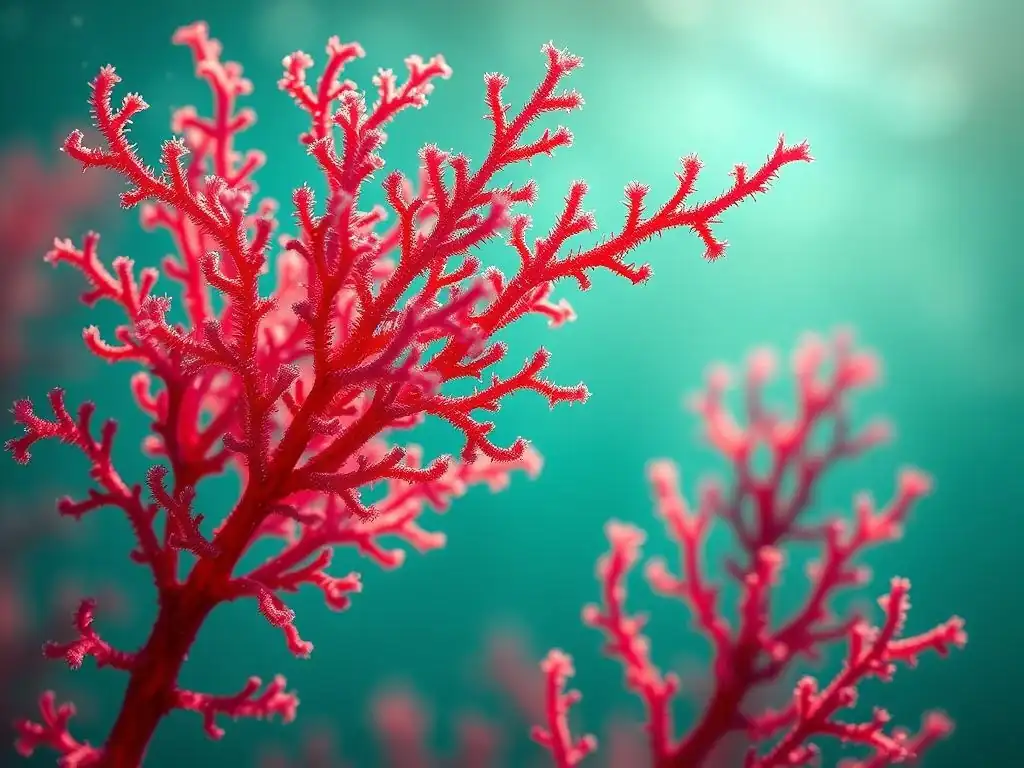
Propagating Gracilaria algae in a home aquarium is remarkably simple, primarily relying on fragmentation. Due to its branching growth habit, Gracilaria can be easily multiplied by simply breaking or cutting off a piece from a healthy, established clump.
A fragment as small as 1-2 inches in length is often sufficient to start a new colony. These fragments can then be placed in an area of the tank with good light and flow, either by allowing them to tumble freely in a refugium, securing them gently onto live rock with reef-safe glue or fishing line, or placing them in an algae clip in the display.
The key to successful propagation is ensuring the new fragment receives adequate light and flow, and that general water parameters are stable, mirroring the conditions that allowed the parent colony to thrive. This ease of propagation means aquarists can readily expand their Gracilaria biomass for increased nutrient export or to create multiple display areas within their tank. It also allows for sharing with other hobbyists, making Gracilaria a sustainable and cost-effective addition to any saltwater setup. This straightforward approach is a testament to the robust nature of Gracilaria and simplifies Gracilaria algae aquarium care.
Maintaining Optimal Conditions for Successful Propagation
To ensure successful and rapid propagation of Gracilaria fragments, maintaining optimal environmental conditions is paramount. Consistent and appropriate lighting, as previously discussed (e.g., 50-150 PAR, full spectrum with red/blue emphasis, 10-14 hour photoperiod), is the most critical factor, as it drives the photosynthetic process necessary for growth. Stable water parameters, including salinity (1.023-1.026 SG) and temperature (72-78°F), also contribute significantly to the health and growth rate of new fragments. Any sudden fluctuations can stress the delicate new growth, hindering propagation.
Furthermore, ensuring a consistent, albeit low, supply of nitrates (5-15 ppm) and phosphates (0.03-0.1 ppm) is necessary, as these are the building blocks for new algae tissue. If the tank is ultra-low nutrient, the new fragments may struggle to grow or even bleach.
Moderate water flow around the fragments helps prevent detritus buildup and ensures fresh water, rich in nutrients and trace elements, reaches all parts of the algae. Regular observation of the new fragments for signs of growth or stress allows for timely adjustments to these conditions, thereby maximizing the success rate of Gracilaria propagation and optimizing Gracilaria algae aquarium care.
Troubleshooting Common Gracilaria Problems in Reef Tanks
Addressing Gracilaria Algae Turning White or Brown
When Gracilaria algae in a reef tank begins to turn white, translucent, or brown, it's a clear indicator of stress or an underlying issue requiring attention. Bleaching (turning white/translucent) is most commonly caused by nutrient starvation, particularly if nitrate levels consistently fall below 1 ppm and phosphates are undetectable. In such cases, the algae lacks the essential building blocks for growth and pigment production.
Remedies include increasing the bioload, feeding more, or carefully dosing a nitrate or phosphate supplement. Another cause of bleaching can be excessive light intensity or an abrupt change in lighting; gradually reducing intensity or moving the algae to a less intensely lit area can help.
Conversely, Gracilaria turning brown often points to insufficient lighting, leading to a reduction in photosynthetic pigments, or poor water flow causing detritus to settle and smother the algae. Increasing light intensity or adjusting the light spectrum towards more red and blue wavelengths can help restore color. Improving water circulation around the algae, perhaps with a small powerhead, can prevent detritus accumulation. Monitoring water parameters, ensuring stable temperature and salinity, and checking for any signs of pests are also crucial steps in troubleshooting and providing effective Gracilaria algae aquarium care.
Combating Algae Overgrowth and Competition
While Gracilaria is highly beneficial, its vigorous growth can sometimes lead to overgrowth, potentially competing with corals or other desired organisms for light and space. If Gracilaria is growing directly in the display tank, it's important to monitor its expansion closely. Left unchecked, dense clumps can shade corals, leading to their recession or bleaching. This competition is particularly relevant for slower-growing or light-sensitive corals. The primary method for combating Gracilaria overgrowth is regular and consistent harvesting. As mentioned previously, removing 20-30% of the biomass every 1-3 weeks helps manage its size and stimulates new, efficient growth.
Another aspect of managing competition involves strategic placement. In a display tank, Gracilaria should be placed where it has ample room to grow without encroaching upon sensitive corals. For instance, securing it to an isolated rock or in a designated corner can help contain its spread.
If Gracilaria is housed in a refugium, overgrowth is generally less of a concern for the main display, but regular harvesting is still crucial to maintain its nutrient export efficiency and prevent it from choking out the refugium itself. Proactive management is key to successful Gracilaria algae aquarium care and maintaining a balanced reef ecosystem.
Dealing with Pests and Herbivores That May Target Gracilaria
While generally hardy, Gracilaria algae can occasionally be targeted by certain pests or herbivores in a reef tank, potentially damaging its health or preventing its growth. Some common culprits include certain species of sea slugs (e.g., Elysia species), which might graze on macroalgae. If these pests are observed, manual removal is often the most effective method. For larger infestations, predatory nudibranchs or specialized fish that consume these specific slugs might be considered, though care must be taken to ensure they are reef-safe.
More commonly, various herbivorous fish and invertebrates, while beneficial for controlling nuisance algae, might also graze on Gracilaria, especially if it's placed in the main display. Tangs (e.g., Yellow Tangs, Blue Tangs), rabbitfish, and certain hermit crabs or snails are known to consume macroalgae. If the goal is to keep Gracilaria as a display aesthetic or for dedicated nutrient export, these grazers can become problematic.
In such cases, housing Gracilaria in a refugium where it is safe from predation is the most reliable solution. Alternatively, if kept in the display, providing ample alternative food sources for herbivores might reduce their interest in the Gracilaria. Understanding these potential threats is a key part of comprehensive Gracilaria algae aquarium care.
Integrating Gracilaria into Your Saltwater Aquarium Ecosystem
Compatible Tank Mates for Gracilaria Algae
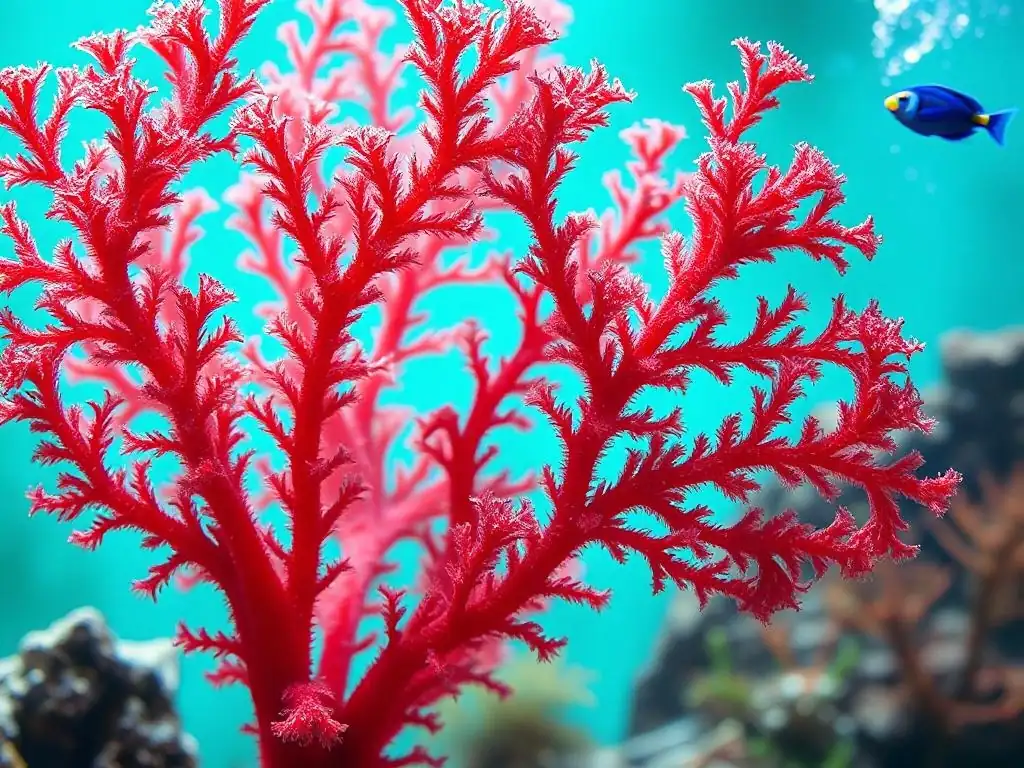
Integrating Gracilaria into a saltwater aquarium requires consideration of compatible tank mates to ensure its longevity and effectiveness. Generally, most reef-safe fish and invertebrates coexist peacefully with Gracilaria. This includes a wide array of popular choices such as clownfish, gobies, blennies (non-herbivorous types), most cardinalfish, and many species of shrimp (e.g., peppermint shrimp, cleaner shrimp). Corals, both soft and stony, are also compatible, provided Gracilaria is not allowed to overgrow and shade them. The primary concern lies with known herbivorous species that actively graze on macroalgae.
Species to be cautious of, or to avoid if Gracilaria is intended for display or dedicated nutrient export, include many tangs (e.g., Yellow Tang, Sailfin Tang, Blue Tang), rabbitfish, and some angelfish. While these fish are excellent at controlling nuisance algae, they will often readily consume Gracilaria. Similarly, certain species of hermit crabs (e.g., some larger Paguristes species) and snails (e.g., Trochus snails) can graze on macroalgae.
If these herbivores are present, placing Gracilaria in a refugium is highly recommended. Otherwise, carefully selecting tank mates that are not voracious macroalgae eaters is a crucial aspect of successful Gracilaria algae aquarium care.
Using Gracilaria as a Food Source for Herbivorous Fish and Invertebrates
Beyond its role as a natural filter and aesthetic enhancement, Gracilaria algae can serve as an excellent, nutrient-rich food source for herbivorous fish and invertebrates in a saltwater aquarium. Species like tangs, rabbitfish, and some angelfish, which are natural grazers, readily consume Gracilaria. By offering harvested Gracilaria, aquarists can supplement the diet of these fish with a natural, fiber-rich food that mimics their wild diet. This can lead to improved coloration, better digestive health, and reduced aggression, as it satisfies their innate grazing behavior.
To use Gracilaria as a food source, simply harvest a portion from your refugium or display, rinse it gently, and then place it in an algae clip or secure it to a rock in the main display tank. Many aquarists report that their fish enthusiastically graze on Gracilaria, often preferring it over dried nori. This sustainable food source not only benefits the fish but also provides a practical way to utilize the excess algae grown for nutrient export. It effectively completes the loop of Gracilaria algae aquarium care, transforming a filtration byproduct into valuable nutrition for your tank's inhabitants.
Where to Buy Gracilaria Algae for Your Aquarium
Selecting Healthy Gracilaria Specimens
When purchasing Gracilaria algae for your aquarium, selecting healthy specimens is crucial for a successful start. A healthy Gracilaria clump should exhibit vibrant, consistent red coloration throughout its branches, without significant patches of white, brown, or black. These discolored areas can indicate stress, nutrient deficiency, or decay. The texture should be firm and pliable, not mushy or brittle. Avoid specimens that appear slimy, have an unpleasant odor, or are covered in detritus or undesirable parasitic algae.
Inspect the Gracilaria carefully for any signs of pests, such as unwanted small invertebrates (e.g., Aiptasia anemones, flatworms, or specific types of nudibranchs that prey on macroalgae) or nuisance algae like hair algae or bryopsis. While a thorough quarantine process is always recommended for any new addition to a reef tank, a visual inspection at the point of purchase can help minimize the risk of introducing problems. Choosing robust, clean, and vibrantly colored specimens sets the foundation for thriving Gracilaria algae aquarium care.
Purchasing Gracilaria Online vs. Local Fish Stores
Aquarists have two primary avenues for acquiring Gracilaria algae: purchasing online from dedicated aquaculture suppliers or through local fish stores (LFS). Each option presents its own advantages and disadvantages. Buying Gracilaria online often provides a wider selection of species and ensures the algae is sourced directly from aquaculture facilities, potentially reducing the risk of pests or diseases compared to wild-collected specimens.
Online retailers typically ship Gracilaria in insulated packaging with heat or cold packs, depending on the climate, to ensure its survival during transit. However, shipping costs can be a factor, and there's a reliance on the shipping carrier for timely and careful delivery.
Local fish stores offer the immediate gratification of bringing the algae home the same day and the opportunity to visually inspect the specimen before purchase, as previously mentioned. You can directly assess its color, texture, and cleanliness. The downside is that LFS inventory might be more limited, and the Gracilaria may have been exposed to various tank conditions, potentially carrying unwanted hitchhikers.
Regardless of the source, a strict quarantine protocol of 2-4 weeks in a separate tank is highly recommended for all new Gracilaria arrivals. This allows for observation, treatment if necessary, and ensures only healthy, pest-free algae is introduced to your main display, reinforcing diligent Gracilaria algae aquarium care.
Conclusion: Mastering Gracilaria Algae Aquarium Care for a Thriving Reef
Mastering Gracilaria algae aquarium care is a rewarding endeavor that significantly contributes to the health, stability, and aesthetic appeal of any saltwater reef tank. By understanding its fundamental needs—from specific water parameters and lighting requirements to its role in nutrient export—aquarists can harness the full potential of this vibrant red macroalgae. Gracilaria's ability to efficiently absorb nitrates and phosphates, coupled with its capacity to provide habitat for beneficial microfauna and serve as a natural food source, makes it an invaluable asset in maintaining a pristine and balanced marine ecosystem.
The ease of propagation and relatively straightforward troubleshooting of common issues further solidify Gracilaria's position as a favored macroalgae among hobbyists. Whether integrated into a dedicated refugium or showcased directly in the display, a thriving Gracilaria population acts as a powerful natural filter, reducing the reliance on chemical media and fostering a more resilient environment. With consistent monitoring, regular harvesting, and attention to its specific requirements, Gracilaria will undoubtedly add a splash of natural beauty and robust filtration to your aquatic masterpiece, truly elevating your experience in the world of reef keeping.
Frequently Asked Questions
What is Gracilaria algae and why is it used in aquariums?
Gracilaria algae is a type of red macroalgae often used in aquariums for its aesthetic appeal and natural filtration capabilities. It helps to remove nitrates and phosphates from the water.
Is Gracilaria algae suitable for both freshwater and saltwater aquariums?
While some variations might tolerate slightly brackish water, Gracilaria is primarily used in saltwater aquariums. It thrives in marine environments with proper salinity and lighting.
How do I care for Gracilaria algae in my aquarium?
Gracilaria requires moderate to high lighting and good water flow. Regular trimming can encourage growth and prevent it from shading other inhabitants.
What are the benefits of using Gracilaria algae for filtration?
Gracilaria algae acts as a natural filter, consuming excess nutrients like nitrates and phosphates that can lead to algae blooms and water quality issues. This improves the overall health of the aquarium ecosystem.
Are there any potential downsides to keeping Gracilaria algae?
If not properly maintained, Gracilaria can grow rapidly and potentially outcompete other organisms for resources. It's crucial to monitor its growth and trim it regularly.
Final Reflection: Embracing Nature's Red Filter
The journey through understanding Gracilaria algae's potential in aquarium care reveals more than just practical tips; it underscores a growing appreciation for natural, sustainable solutions within our aquatic hobbies. The information presented highlights not only the aesthetic appeal of this vibrant red algae but also its crucial role in maintaining a balanced and healthy aquarium ecosystem, a concept increasingly vital in today's environmentally conscious world.
My own experience with aquarium keeping has shown me the delicate balance required to create a thriving environment, and Gracilaria offers a compelling, natural approach to achieving that. In nature, nothing exists alone.
- Rachel Carson. This quote resonates deeply when considering the symbiotic relationship Gracilaria fosters within an aquarium, mirroring the interconnectedness of natural ecosystems and reminding us of the responsibility we hold as stewards of these miniature underwater worlds.
As you consider adding a splash of red and natural filtration to your own aquarium, I encourage you to reflect on the broader implications of your choices. Embrace the opportunity to learn from nature, to create a thriving ecosystem, and to contribute to a more sustainable and beautiful aquatic hobby. Let Gracilaria be more than just an addition to your display; let it be a symbol of your commitment to responsible aquarium keeping and a testament to the power of natural solutions.
Dive Deeper: Cultivate Your Gracilaria Expertise!
Thanks for exploring the vibrant world of Gracilaria! We hope you’ve uncovered some valuable insights into adding this beneficial macroalgae to your aquarium. Now, it’s time to take action and transform your tank.
Here are a few ways to get started:
- Begin your Gracilaria cultivation: Source a small sample of Gracilaria from a reputable supplier and introduce it to your display or refugium, carefully monitoring its growth and your water parameters.
- Join the Aquarium Mastery Community: Share your experiences, tips, and photos of your Gracilaria setup with fellow enthusiasts.
- Explore related macroalgae: Research other beneficial macroalgae species to create a diverse and thriving ecosystem in your aquarium.
What's one small step you'll take this week to incorporate the beauty and benefits of Gracilaria into your aquarium?