
NoCO2 Carpeting Plants: Can You Achieve a Lush Foreground LowTech?

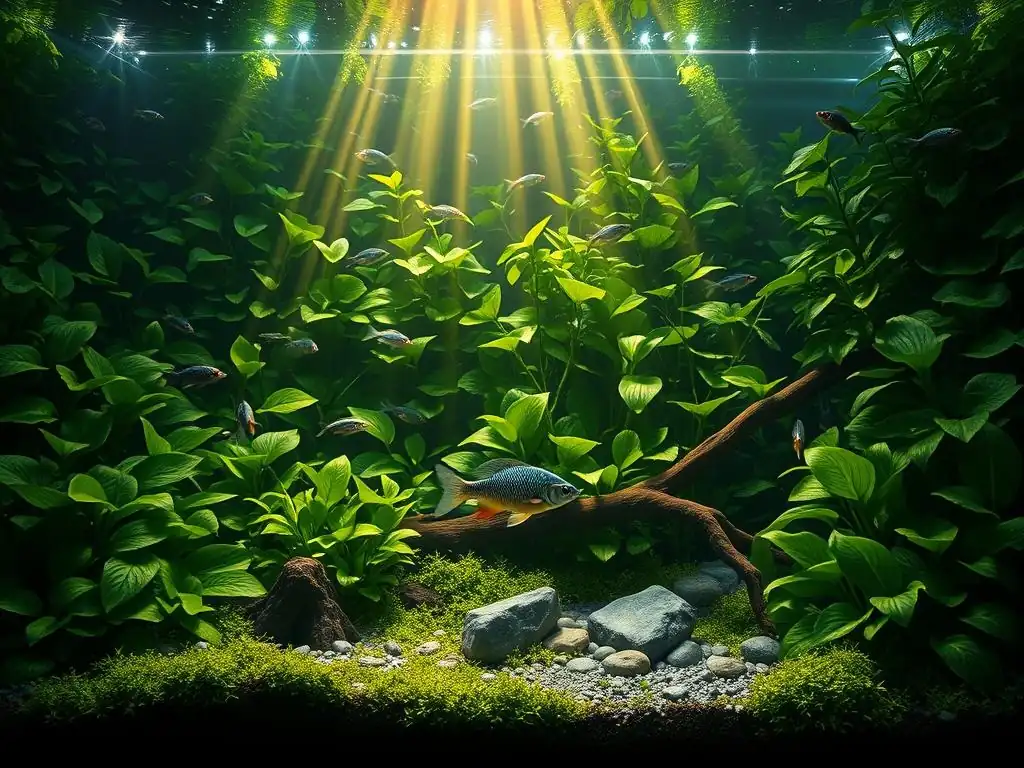
Welcome to Aquarium Mastery! Ever dreamt of a vibrant, carpeted aquarium floor, teeming with life and captivating beauty, but shy away from the complexities of CO2 injection? You're in the right place! Delve into our guide on " Lowtech CO2 carpeting plants" and discover how you can achieve a lush, stunning foreground in your low-tech aquarium. Curious how? Let's explore the secrets together...
- Low-Maintenance Carpeting Plants for Aquariums: Achieving a Lush Foreground Without CO2
- Understanding Low-Tech Planted Aquariums and Carpeting Plants
- Selecting Suitable Carpeting Plants for No CO2 Setups
- Setting Up a Low-Tech Aquarium for Carpeting Plants
- Planting and Encouraging Growth of Carpeting Plants
- Maintaining a Healthy Low-Tech Planted Aquarium
- Troubleshooting Common Issues
- Achieving a Dense Foreground: Realistic Expectations
- Conclusion: The Beauty of Low-Maintenance Carpeting Plants
-
Frequently Asked Questions
- What are Lowtech CO2 carpeting plants and why are they relevant to aquariums?
- Can I really achieve a lush foreground in a low-tech aquarium using carpeting plants?
- What are some of the most popular low-maintenance carpeting plants for NoCO2 tanks?
- What kind of substrate and lighting are recommended for NoCO2 carpeting plants?
- What are some common challenges and solutions when growing carpeting plants in a low-tech aquarium?
- Final Reflection: Cultivating Green Futures
- Cultivate Your Dream Aquarium: Dive In Now!
Low-Maintenance Carpeting Plants for Aquariums: Achieving a Lush Foreground Without CO2
Understanding Low-Tech Planted Aquariums and Carpeting Plants
Defining a Low-Tech Planted Aquarium
A low-tech planted aquarium is characterized by its simplicity and reliance on natural processes, primarily eschewing the use of pressurized carbon dioxide (CO2) injection systems. Unlike high-tech setups that often employ intense lighting, sophisticated filtration, and precise CO2 dosing to achieve rapid plant growth, low-tech tanks operate with moderate lighting and rely on the ambient CO2 naturally present in the water. This approach emphasizes stability, lower maintenance demands, and a more forgiving environment for both plants and fish.
Typically, a low-tech setup will feature moderate lighting, usually providing a Photosynthetically Active Radiation (PAR) level between 15-30 at the substrate, for a duration of 6-8 hours daily. Filtration is generally standard, providing mechanical and biological support without the need for specialized equipment. The absence of active CO2 injection means that plant growth rates will be considerably slower, often taking months to establish a dense carpet where a high-tech tank might achieve similar results in a few weeks. This slower pace, however, contributes to a more stable ecosystem with fewer drastic parameter swings.
The Aesthetic Appeal of Carpeting Plants
Carpeting plants are highly sought after by aquarists for their ability to transform the aquarium foreground into a lush, vibrant "lawn" or dense mat. This creates a natural, miniature landscape within the tank, reminiscent of an underwater meadow. Their low-growing habit adds significant depth and perspective to the aquascape, making the tank appear larger and more intricate. Beyond their visual appeal, these plants provide essential hiding spots and grazing areas for small fish, shrimp, and other invertebrates, enhancing the overall biodiversity and health of the aquatic environment.
The visual impact of a well-established carpet is profound, offering a striking contrast to taller background plants and hardscape elements like rocks and driftwood. For instance, a dense carpet of Dwarf Sagittaria can provide a rich green base that highlights the vibrant colors of schooling fish like Neon Tetras, while a foreground of Monte Carlo creates a delicate, almost velvety texture. This naturalistic aesthetic is a primary driver for many aquarists who aim to replicate a slice of nature within their homes, and achieving this with lowtech CO2 carpeting plants is a particularly satisfying endeavor.
The Relationship Between CO2 and Carpeting Plants
Carbon dioxide (CO2) is a fundamental component for photosynthesis, the process by which plants convert light energy into chemical energy for growth. In a typical high-tech planted aquarium, CO2 is injected to ensure that plants have an abundant supply of this crucial nutrient, leading to rapid and robust growth, particularly for demanding species. Many traditional carpeting plants, such as Hemianthus callitrichoides 'Cuba' (HC Cuba), are highly CO2-dependent, requiring elevated levels (e.g., 20-30 ppm) to achieve their characteristic dense, low-lying growth. Without sufficient CO2, these plants tend to melt, grow leggy, or simply fail to thrive.
The challenge of cultivating lowtech CO2 carpeting plants lies in selecting species that can efficiently utilize the ambient CO2 available in the water, which typically ranges from 2-5 ppm. While this amount is sufficient for many common aquarium plants, it limits the growth rate and density of true carpeting species.
Therefore, aquarists aiming for a lush foreground in a low-tech setup must manage their expectations regarding growth speed and density, as the carpet will develop much more slowly and may not achieve the same ultra-dense appearance as in a CO2-injected tank. Success hinges on choosing hardy, adaptable species that can thrive under these less demanding conditions.
Selecting Suitable Carpeting Plants for No CO2 Setups
Characteristics of Low-Light Tolerant Carpeting Plants
Low-light tolerant carpeting plants possess specific physiological adaptations that allow them to thrive in aquariums without supplementary CO2 and under moderate lighting conditions. These plants generally exhibit a slower growth rate compared to their high-tech counterparts, which means they require less CO2 and nutrients to sustain themselves. Their cells are more efficient at capturing and utilizing light energy, even at lower PAR levels, often between 15-30 at the substrate. This efficiency is crucial because it minimizes the risk of algae outbreaks, which are often triggered by an imbalance between light intensity and nutrient availability.
Furthermore, these resilient species are typically less demanding regarding water parameters, tolerating a broader range of pH (e.g., 6.0-8.0) and hardness (e.g., 2-15 dGH). Many are strong root feeders, meaning they derive a significant portion of their nutrients directly from the substrate rather than solely from the water column. This characteristic makes a nutrient-rich substrate or the strategic use of root tabs particularly beneficial for their long-term health and spread. Understanding these traits is key to successfully cultivating lowtech CO2 carpeting plants that will form a beautiful, stable foreground.
Recommended Carpeting Plant Species for Beginners in Low-Tech Aquariums
Dwarf Sagittaria (Sagittaria subulata)
Dwarf Sagittaria is an excellent choice for a low-tech carpet due to its remarkable hardiness and adaptability. This plant produces grass-like blades that typically reach a height of 2 to 6 inches, though it can grow taller in lower light conditions as it stretches for light. It propagates readily through runners, quickly forming a dense, natural-looking carpet across the substrate. Dwarf Sagittaria is highly tolerant of various water parameters, thriving in temperatures between 64-82°F (18-28°C) and a wide range of pH and hardness, including moderately hard water up to 20 dGH.
To encourage its carpeting behavior, it's best planted in a nutrient-rich substrate, or with root tabs placed near its root system, as it is a heavy root feeder. While it can survive in very low light, moderate lighting (around 20 PAR at the substrate) will promote more robust growth and a quicker spread. Its resilience makes it forgiving for beginners, and its ability to thrive without CO2 injection firmly places it among the top lowtech CO2 carpeting plants.
Micro Sword (Lilaeopsis brasiliensis)
Micro Sword is another popular option for creating a fine-bladed, grass-like carpet in low-tech setups. Its thin, bright green blades typically grow to a height of 1 to 3 inches, forming a dense mat as it sends out runners. While it can be a bit slower to establish than Dwarf Sagittaria, its delicate appearance provides a beautiful, naturalistic foreground. Micro Sword prefers moderate lighting (around 25 PAR) and benefits significantly from a nutrient-rich substrate or the consistent application of root tabs, as its extensive root system is crucial for nutrient absorption.
This plant thrives in stable water conditions, ideally with temperatures between 68-82°F (20-28°C) and soft to moderately hard water. Although it will grow without CO2, providing good substrate nutrition and consistent, moderate light will greatly accelerate its carpeting process. Patience is key with Micro Sword, as a full carpet can take several months to establish, but the result is a truly stunning and low-maintenance foreground for any lowtech CO2 carpeting plants aquarium.
Staurogyne repens (S. repens)
Staurogyne repens, often referred to simply as S. repens, is a versatile plant that can be used as a foreground or midground accent, and with proper care, it can form a compact carpet. It features small, round to oval, bright green leaves and a bushy growth habit.
When planted in moderate light (around 25-30 PAR) and regularly trimmed, it can be encouraged to grow horizontally and spread, creating a dense, low-lying bush-like carpet around 2-4 inches tall. While it benefits from CO2, it is one of the more adaptable stem plants that can thrive in a low-tech environment, albeit with slower growth.
For optimal carpeting, S. repens benefits greatly from a nutrient-rich substrate and the addition of root tabs to support its extensive root system. Consistent pruning of vertical growth is essential to promote lateral branching and a denser carpet. It prefers temperatures between 70-80°F (21-27°C) and soft to moderately hard water. Its ability to maintain a compact form and spread without CO2 makes it a highly regarded option among aquarists seeking lowtech CO2 carpeting plants that offer a different texture from traditional grass-like species.
Monte Carlo (Micranthemum 'Monte Carlo')
Monte Carlo is a highly sought-after carpeting plant known for its small, round, vibrant green leaves that form an incredibly dense and attractive carpet. While traditionally considered a moderate to high-light, CO2-dependent plant, it can indeed be grown in a low-tech setup, though with significantly slower growth and a less dense carpet. Its compact size means it rarely grows taller than 1 inch, making it ideal for a very low foreground. To succeed with Monte Carlo in a no-CO2 tank, moderate lighting (around 30 PAR) is crucial, along with a highly nutritious substrate.
The key to cultivating Monte Carlo as a lowtech CO2 carpeting plant is patience and consistent provision of nutrients, primarily through root tabs. It is a heavy root feeder and will benefit immensely from nutrient-rich aqua soil or regular replenishment of root tabs directly beneath its growth. It thrives in temperatures between 70-78°F (21-26°C) and soft to moderately hard water. While it may take many months to achieve a noticeable carpet, its unique aesthetic makes the effort worthwhile for many dedicated aquarists.
Other Potential Low-Tech Carpeting Plant Options
Beyond the commonly recommended species, several other plants can provide a carpeting effect in a low-tech aquarium, though they might require more specific conditions or exhibit slower growth rates. One such option is Dwarf Hairgrass (Eleocharis parvula). While it truly thrives with CO2 and high light, some aquarists have success with it in low-tech setups by providing strong, consistent moderate light (around 30 PAR) and a very rich substrate. However, its growth will be significantly slower, and achieving a dense carpet can take well over a year.
Another category of plants that can serve as a low-lying foreground are various mosses, such as Java Moss (Taxiphyllum barbieri) or Christmas Moss (Vesicularia montagnei). While not true carpeting plants in the sense of rooting into the substrate, they can be painstakingly tied or glued to flat rocks, mesh, or driftwood pieces and spread to create a moss "carpet."
This method is excellent for covering large areas and requires very low light and no CO2, making it a highly accessible alternative for those seeking a green foreground without the challenges of traditional lowtech CO2 carpeting plants. Cryptocoryne parva is also a possibility; it's extremely slow-growing but can form a dense, very low-lying carpet over many years with minimal light and no CO2.
Setting Up a Low-Tech Aquarium for Carpeting Plants
Substrate Selection for Plant Growth
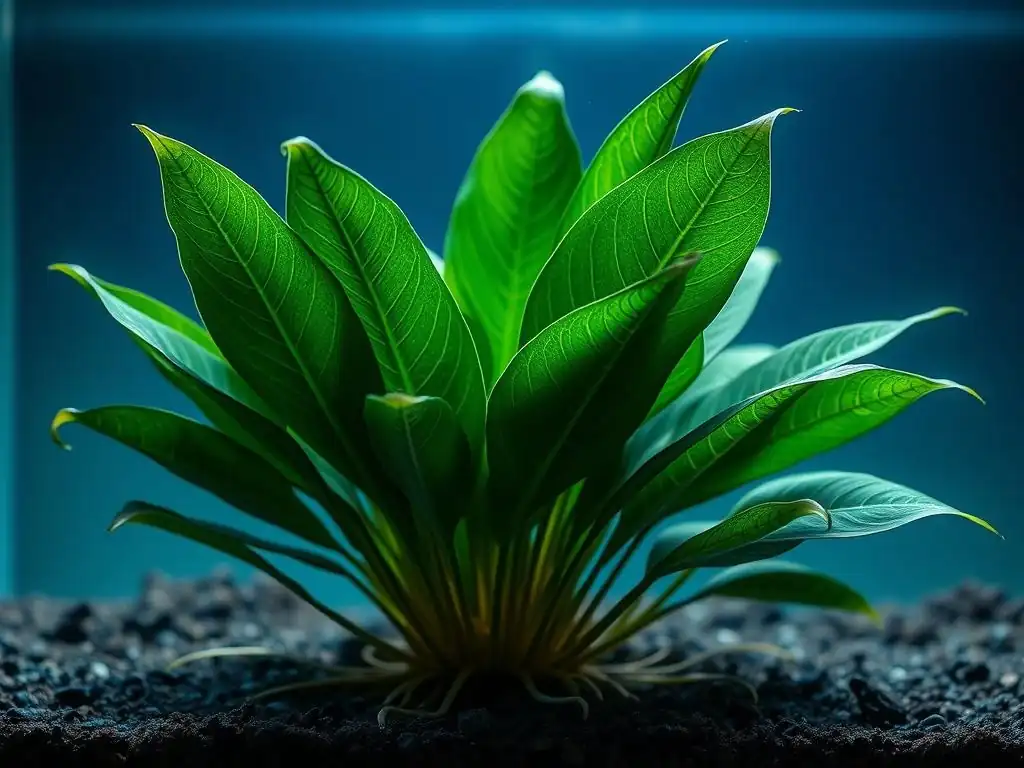
The choice of substrate is paramount for the successful cultivation of lowtech CO2 carpeting plants, as many of these species are heavy root feeders. A nutrient-rich substrate provides a stable, long-term source of essential macro and micronutrients directly to the plant roots, compensating for the lack of injected CO2 and reducing reliance on water column fertilization.
Dedicated plant substrates, often called "aqua soils" or "planting soils," such as ADA Aqua Soil Amazonia or Fluval Stratum, are highly effective. These substrates are typically rich in organic matter and minerals, and they possess a high Cation Exchange Capacity (CEC), meaning they can absorb and release nutrients as needed by the plants.
Alternatively, a layer of laterite or nutrient-rich clay-based additives can be mixed beneath an inert gravel cap. This provides a slow-release nutrient reservoir without altering water chemistry significantly. For the most budget-conscious approach, an inert gravel or sand substrate can be used, but it must be supplemented with root tabs. Regardless of the type, a substrate depth of at least 2-3 inches (5-7.5 cm) is recommended to allow for robust root development and prevent plants from easily floating up. A good substrate is the foundation for a thriving low-tech planted tank.
Lighting for Low-Tech Planted Tanks
Lighting is one of the most critical factors in a low-tech planted aquarium, requiring a delicate balance to promote plant growth without triggering excessive algae. For lowtech CO2 carpeting plants, the ideal Photosynthetically Active Radiation (PAR) at the substrate level typically ranges from 15 to 30 µmol/m²/s. Too little light will result in stunted growth and a failure to carpet, while too much light, especially without supplemental CO2, will almost certainly lead to pervasive algae issues. The duration of the light cycle is equally important; a consistent photoperiod of 6 to 8 hours per day is generally recommended.
LED fixtures are highly popular for low-tech setups due to their energy efficiency, longevity, and often adjustable intensity. Many modern LED lights allow users to customize brightness, ensuring the PAR levels are appropriate for the chosen plants. Using a reliable timer is essential to maintain a consistent light schedule, as irregular lighting can stress plants and encourage algae. For example, a 10-gallon tank with Dwarf Sagittaria might thrive under a low-wattage LED fixture (e.g., 10-15 watts) set to 7 hours a day, providing sufficient light without overdoing it.
Fertilization Strategies for Carpeting Plants in No CO2 Aquariums
In the absence of CO2 injection, strategic fertilization becomes even more crucial for ensuring lowtech CO2 carpeting plants receive all the necessary macro and micronutrients. A balanced approach often involves a combination of liquid fertilizers and root tabs to address both water column and substrate nutrient needs.
Liquid Fertilizers: Benefits and Drawbacks
Liquid fertilizers are designed to provide essential macro-nutrients (Nitrogen, Phosphorus, Potassium - NPK) and micro-nutrients (Iron, Manganese, Boron, Zinc, Copper, Molybdenum, etc.) directly into the water column. This benefits plants that absorb nutrients primarily through their leaves, such as mosses and some stem plants. Regular dosing, typically on a weekly basis after a water change, helps replenish vital elements that are consumed by plants or removed during maintenance. Brands like Seachem Flourish or API Leaf Zone offer comprehensive nutrient profiles suitable for low-tech setups.
However, liquid fertilizers come with potential drawbacks. Overdosing can lead to nutrient imbalances that promote algae growth, especially in tanks with lower plant mass or insufficient light to utilize the added nutrients. It requires consistent adherence to a dosing schedule, which can be forgotten. While beneficial for overall plant health, liquid fertilizers alone may not be sufficient for heavy root-feeding carpeting plants, as their primary nutrient uptake occurs through their root systems embedded in the substrate.
Root Tabs: Application and Effectiveness
Root tabs are an exceptionally effective fertilization method for lowtech CO2 carpeting plants that are heavy root feeders, such as Dwarf Sagittaria, Micro Sword, and Staurogyne repens. These small, encapsulated fertilizers are inserted directly into the substrate near the plant roots, providing a concentrated, slow-release source of nutrients.
They typically contain a blend of macro and micronutrients, including iron, potassium, and trace elements, that are gradually released over several months (e.g., 3 to 6 months per tab). This targeted delivery ensures that nutrients are available precisely where they are needed, minimizing their presence in the water column and thus reducing the risk of algae outbreaks.
For optimal effectiveness, root tabs should be placed about 1-2 inches deep into the substrate, directly underneath or very close to the plant clumps. For a spreading carpet, placing tabs every 4-6 inches across the desired carpeting area can provide sustained nutrition. Brands like Seachem Flourish Tabs or API Root Tabs are widely available and highly effective. The long-lasting nature of root tabs makes them a convenient and highly beneficial component of a low-tech fertilization strategy, allowing carpeting plants to establish strong root systems and spread consistently.
Planting and Encouraging Growth of Carpeting Plants
Planting Techniques for Different Species
Proper planting techniques are crucial for the successful establishment and spread of lowtech CO2 carpeting plants. For species that spread via runners, such as Dwarf Sagittaria, Micro Sword, and Monte Carlo, it's best to plant small individual plantlets or very small clumps approximately 1 to 2 inches apart across the desired foreground area. Using long, slender tweezers can greatly assist in carefully pushing the roots into the substrate without damaging them. This initial spacing allows the plants to quickly send out runners and fill in the gaps, forming a continuous carpet.
For stem plants like Staurogyne repens, which can be encouraged to carpet, trim the lower leaves off each stem, leaving a few nodes exposed. Plant individual stems or small groups of 2-3 stems into the substrate, ensuring that at least two nodes are buried. Space these groupings about 1.5 to 2 inches apart. This encourages the buried nodes to root while the remaining leaves can photosynthesize. During the planting process, it's important to keep the plants moist or submerged to prevent them from drying out, which can cause significant shock and melt.
Promoting Lateral Growth for a Dense Carpet
To achieve a dense, lush carpet with lowtech CO2 carpeting plants, promoting lateral growth over vertical growth is key. This is primarily achieved through consistent and strategic trimming. For runner-producing plants like Dwarf Sagittaria or Micro Sword, allow them to establish and send out runners. Once they begin to grow taller than desired, trim the vertical blades. This signals the plant to divert energy into producing more runners and spreading horizontally, rather than growing upwards.
For Staurogyne repens, regular trimming of the vertical shoots is even more critical. When the stems grow too tall, trim them back to about 1 inch above the substrate. This encourages the plant to branch out at the base and send out side shoots, creating a bushier, denser, and more compact carpet. Consistent light and nutrient availability, particularly from root tabs, also support robust lateral expansion. Good water flow across the substrate helps distribute ambient CO2 and nutrients, further aiding the spread of these plants and preventing stagnation that could inhibit growth.
Propagating Carpeting Plants
Propagating lowtech CO2 carpeting plants is generally straightforward and essential for accelerating the carpeting process. Most true carpeting plants, like Dwarf Sagittaria, Micro Sword, and Monte Carlo, naturally propagate through runners. As these plants establish, they will send out horizontal stems (runners) along or just beneath the substrate, from which new plantlets emerge. Once these new plantlets develop a small root system and a few leaves, they can be gently separated from the parent plant using sharp scissors or tweezers.
These newly separated plantlets can then be replanted in other areas of the aquarium where a carpet is desired, effectively expanding the planted area. For stem plants like Staurogyne repens, propagation is achieved through stem cuttings. Simply cut the top portion of a healthy stem (typically 2-4 inches long) and remove the lower leaves. The trimmed stem can then be replanted directly into the substrate, where it will root and grow into a new plant. This method of propagation not only helps to fill in the tank but also encourages the parent plants to become bushier.
Maintaining a Healthy Low-Tech Planted Aquarium
Water Change Schedule and Tank Maintenance
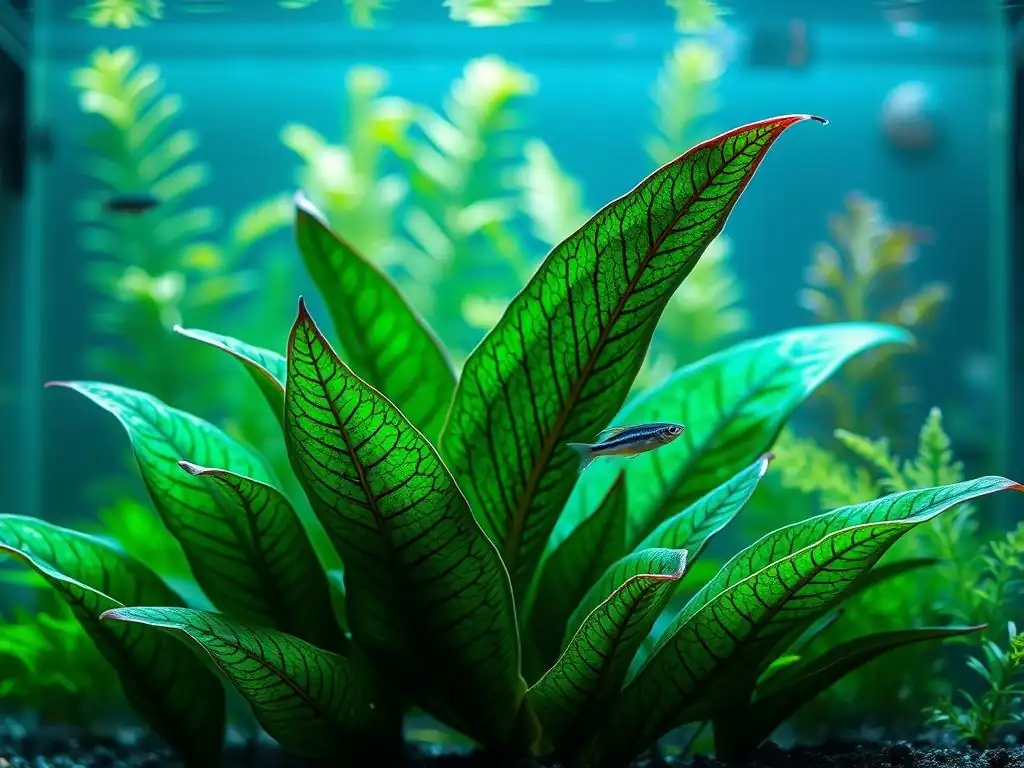
Consistent water changes are a cornerstone of maintaining a healthy low-tech planted aquarium, especially when cultivating lowtech CO2 carpeting plants. Regular water changes, typically 25-30% of the tank volume every one to two weeks, serve multiple vital purposes. They help replenish essential trace elements that are consumed by plants and fish, which may not be fully replaced by liquid fertilizers alone. Simultaneously, water changes remove accumulated nitrates, phosphates, and other organic waste products that can contribute to algae growth if allowed to build up.
Beyond water changes, routine tank maintenance includes light gravel vacuuming of exposed substrate areas to remove fish waste and detritus, taking care not to disturb the delicate root systems of carpeting plants. Filter maintenance, such as rinsing filter sponges in old tank water and replacing chemical media as needed, ensures efficient mechanical and biological filtration. This consistent care helps maintain stable water parameters, which is crucial for the long-term health and growth of sensitive carpeting plants.
Algae Control Methods
Algae is a common challenge in any aquarium, and low-tech planted tanks are no exception. Effective algae control in a low-tech setup, particularly with lowtech CO2 carpeting plants, hinges on maintaining a careful balance of light, nutrients, and ambient CO2. The most frequent cause of algae outbreaks is an imbalance, often too much light relative to the available nutrients or CO2. Reducing the photoperiod to 6-7 hours and ensuring consistent, moderate light intensity can significantly curb algae growth.
Introducing a clean-up crew of algae-eating invertebrates and fish is a highly effective biological control method. Nerite snails (e.g., 1-2 per 10 gallons) are excellent at consuming green spot algae on glass and hard surfaces, while Amano shrimp (e.g., 5-10 per 10 gallons) are renowned for their voracious appetite for hair algae and other filamentous types. Otocinclus catfish also contribute by grazing on soft algae.
Manual removal, such as scraping algae from glass and gently removing it from plant leaves, should be performed regularly. Additionally, avoiding overfeeding fish and ensuring consistent fertilization without excess can help prevent nutrient spikes that fuel algae blooms.
Pruning Techniques for Carpeting Plants
Pruning is an essential maintenance task for lowtech CO2 carpeting plants, directly impacting their density, health, and ability to form a lush foreground. For species that spread via runners, like Dwarf Sagittaria and Micro Sword, pruning primarily involves trimming any blades that grow too tall, typically using long, sharp aquascaping scissors. This encourages the plant to put more energy into lateral growth and propagate new runners, leading to a denser carpet rather than a patchy, overgrown appearance.
For plants like Staurogyne repens, which can be encouraged to carpet, pruning is even more critical. When stems grow vertically, they should be trimmed back to a few inches above the substrate. This encourages the plant to branch out horizontally from the nodes, creating a bushier and more compact carpet.
Regular removal of any decaying or yellowing leaves from all carpeting plants is also important. This prevents them from breaking down and releasing excess nutrients into the water, which could fuel algae growth. Consistent pruning, perhaps every 2-4 weeks depending on growth rate, is key to maintaining a neat and healthy carpet.
Troubleshooting Common Issues
Slow Growth
Slow growth is the most common issue encountered when cultivating lowtech CO2 carpeting plants. Given the absence of injected CO2, slower growth is inherent, but excessively stunted or stagnant growth indicates an underlying problem. The first step is to verify light intensity and duration. Ensure the PAR levels at the substrate are within the recommended 15-30 range and that the photoperiod is consistent, ideally 6-8 hours daily. Insufficient light is a primary culprit for poor growth.
Next, assess nutrient availability. Even with a nutrient-rich substrate, root tabs eventually deplete. If your root tabs are older than 3-6 months, consider replacing them. If using liquid fertilizers, ensure consistent and appropriate dosing.
For instance, if Dwarf Sagittaria growth seems to halt, checking the root tab presence is crucial. Water parameters, such as pH and general hardness (GH), should also be checked for stability, as drastic fluctuations can stress plants. Finally, consider if there are too many fast-growing plants competing for the limited ambient CO2 and nutrients; sometimes, reducing the overall plant biomass can help the carpeting plants thrive.
Nutrient Deficiencies
Identifying nutrient deficiencies in lowtech CO2 carpeting plants can be challenging, as symptoms often overlap or mimic other issues. However, specific visual cues can point to particular deficiencies. Yellowing or pale green leaves, especially in older growth, often indicate a lack of Nitrogen (N). If new growth is pale or stunted, it might suggest an Iron (Fe) deficiency, which is critical for chlorophyll production. Holes in leaves or decaying edges can point to a Potassium (K) deficiency.
Addressing these deficiencies typically involves targeted fertilization. For Nitrogen or Potassium issues, increasing the dose of a comprehensive liquid fertilizer containing NPK can help. For Iron deficiency, a liquid iron supplement or iron-rich root tabs are effective. For instance, if your Monte Carlo carpet is looking yellowish and not spreading, it likely needs more iron and possibly fresh root tabs to deliver nutrients directly to its roots. Observing which parts of the plant (old vs. new leaves) are affected can help pinpoint the specific missing nutrient.
Algae Problems
Algae problems are a persistent nuisance in planted aquariums, and in low-tech setups with lowtech CO2 carpeting plants, they almost always signal an imbalance. The most common imbalances relate to light, nutrients, or the CO2-to-nutrient ratio. Green spot algae on glass and hard surfaces often indicates low phosphates or insufficient light. Hair algae or stringy algae typically arise from an excess of nutrients (especially nitrates or phosphates) coupled with fluctuating or insufficient ambient CO2. Brown diatom algae is common in new tanks and usually resolves as the tank matures.
To combat algae, first, review your lighting. Reduce the photoperiod to 6 hours if it's longer, and ensure the light intensity (PAR) is not too high for a low-tech setup (e.g., above 30 PAR). Next, evaluate your fertilization. If you're over-dosing liquid fertilizers, reduce the amount.
If nutrient levels are too low, paradoxically, some algae can thrive. Ensure consistent water changes to export excess nutrients. Introducing a robust clean-up crew, such as Amano shrimp (e.g., 5-10 per 10 gallons) for hair algae or Nerite snails for green spot algae, provides invaluable biological control. Manual removal of algae is also essential for immediate relief and to break the cycle.
Achieving a Dense Foreground: Realistic Expectations
The Role of Patience and Observation
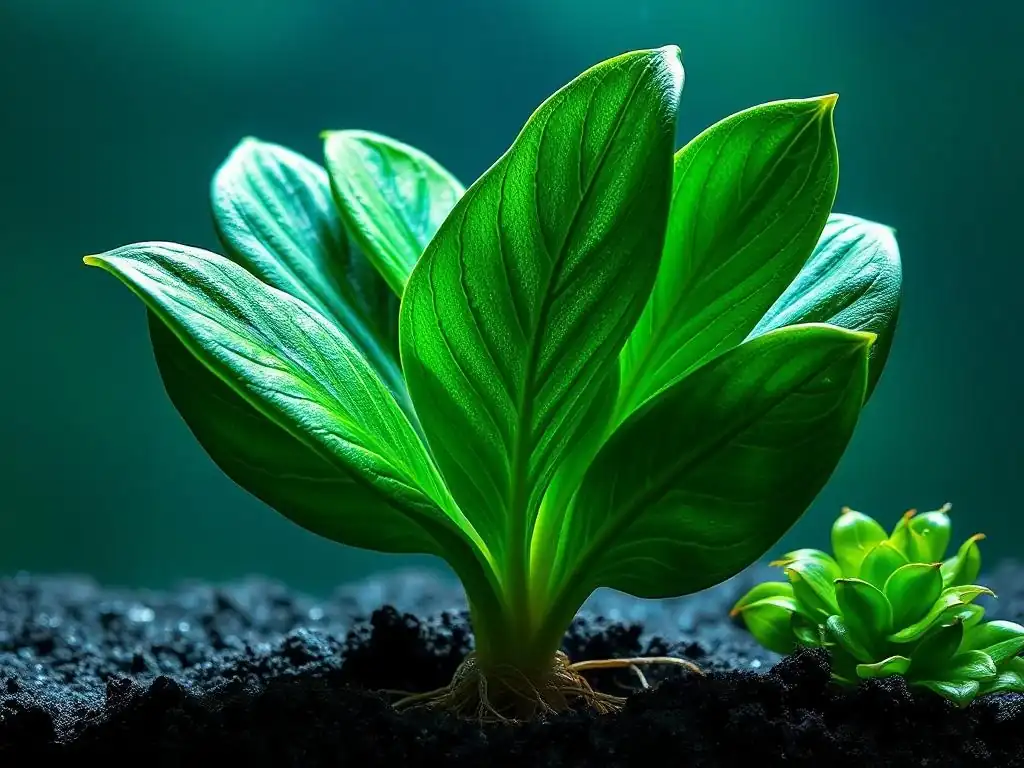
Achieving a dense, lush carpet with lowtech CO2 carpeting plants is a testament to an aquarist's patience and keen observation skills. Unlike high-tech setups where a full carpet can develop in as little as 4-8 weeks with aggressive CO2 injection and high light, a low-tech carpet will take significantly longer—often 6 months to over a year—to fully establish and fill in. This slower growth rate is a direct consequence of relying on ambient CO2 and moderate light. It's crucial for aquarists to manage their expectations and understand that rapid results are not feasible in this environment.
Consistent observation allows the aquarist to identify subtle signs of nutrient deficiencies, algae outbreaks, or growth stagnation early on. For example, noticing a slight yellowing of new growth on Monte Carlo might prompt an immediate root tab replacement, preventing further decline. Documenting progress with weekly or monthly photos can be incredibly motivating, as the slow but steady transformation becomes evident over time. Patience is not just a virtue in low-tech aquascaping; it is an absolute necessity for success.
Alternatives to Traditional Carpeting Plants
For aquarists seeking a quicker or less demanding way to achieve a green foreground effect without venturing into high-tech CO2 injection, several excellent alternatives to traditional lowtech CO2 carpeting plants exist. One popular option is to utilize various mosses, such as Java Moss (Taxiphyllum barbieri) or Christmas Moss (Vesicularia montagnei). These mosses can be tied or superglued to flat pieces of slate, lava rock, or stainless steel mesh and laid directly on the substrate.
Over time, they will spread and form a dense, low-lying green mat that mimics a carpet, requiring very low light and no CO2. This method is highly effective for covering large areas with minimal effort.
Another approach is to use very low-growing epiphytic plants attached to small pieces of hardscape. Species like Anubias nana 'Petite' or various small Bucephalandra species can be tied to small rocks or driftwood and strategically placed in the foreground. While they don't root into the substrate to form a true carpet, their compact size and dense growth habit can create a similar visual effect of a lush, green foreground. These plants are incredibly hardy, require minimal light, and are completely undemanding regarding CO2, making them perfect for ultra low-maintenance setups.
Conclusion: The Beauty of Low-Maintenance Carpeting Plants
Achieving a lush, natural-looking foreground in an aquarium without the complexities of CO2 injection is not only possible but also a deeply rewarding aspect of the low-tech aquascaping hobby. While the journey requires patience and a nuanced understanding of plant needs, the stable and resilient ecosystem that emerges is a testament to the power of a balanced approach. By carefully selecting the right lowtech CO2 carpeting plants—such as the adaptable Dwarf Sagittaria, delicate Micro Sword, versatile Staurogyne repens, or even the challenging Monte Carlo—aquarists can lay the foundation for a stunning underwater landscape.
The success of these low-maintenance carpets hinges on a few critical factors: providing a nutrient-rich substrate, ensuring consistent and appropriate moderate lighting, and implementing targeted fertilization strategies primarily through root tabs. This combination ensures that even in the absence of active CO2, plants receive the vital resources needed for their slow but steady growth. The resulting dense, vibrant foreground not only enhances the aesthetic appeal of the aquarium but also contributes to a healthier environment for its inhabitants, proving that a beautiful, thriving planted tank is well within reach for every dedicated aquarist, even without high-tech equipment.
Frequently Asked Questions
What are Lowtech CO2 carpeting plants and why are they relevant to aquariums?
Lowtech CO2 carpeting plants are aquatic plants suitable for creating a dense, ground-covering layer in aquariums that don't use CO2 injection systems. They are relevant because they offer a visually appealing and naturalistic look without the need for expensive and complex equipment.
Can I really achieve a lush foreground in a low-tech aquarium using carpeting plants?
Yes, it's possible, but it requires careful planning and execution. Choosing the right plant species and providing adequate lighting and nutrients are essential for success in a low-tech setup.
What are some of the most popular low-maintenance carpeting plants for NoCO2 tanks?
Some popular choices include Marsilea hirsuta, Dwarf Sagittaria, and Staurogyne repens. These plants are known for their adaptability to lower light conditions and their ability to spread effectively without CO2 supplementation.
What kind of substrate and lighting are recommended for NoCO2 carpeting plants?
A nutrient-rich substrate like aquarium soil is highly recommended to provide essential nutrients. Moderate lighting is generally sufficient, but adjustments may be needed based on the specific plant species and tank depth.
What are some common challenges and solutions when growing carpeting plants in a low-tech aquarium?
Common challenges include algae growth and slow growth rates. Solutions involve regular water changes, proper lighting control, and manual removal of algae, alongside the strategic addition of fertilizers.
Final Reflection: Cultivating Green Futures
The journey into the world of low-tech carpeting plants reveals more than just the possibility of a lush foreground without CO2 injection; it underscores the power of patience, observation, and a deep understanding of natural processes. In a world increasingly reliant on complex technology, the simplicity and sustainability of this approach offer a refreshing reminder that beauty and abundance can be achieved through mindful interaction with nature, even within the confines of our own aquariums.
This exploration has profoundly influenced my perspective on aquarium keeping, highlighting the importance of working with nature, rather than against it. It's a lesson that extends far beyond the glass walls of a tank, reminding us that sustainable practices, even in seemingly small areas, can have a significant impact. The best time to plant a tree was 20 years ago. The second best time is now.
This ancient proverb resonates deeply, urging us to embrace the opportunities before us to cultivate a greener, more sustainable future, one plant at a time.
Now, I invite you to reflect on the potential within your own spaces. Consider the possibilities that lie dormant, waiting to be awakened with a little patience, observation, and a commitment to low-tech solutions. Let the success of these CO2-free carpeting plants inspire you to cultivate your own green future, both within your aquarium and beyond. Embrace the challenge, experiment with different approaches, and discover the profound satisfaction of nurturing life in its simplest, most sustainable form.
Cultivate Your Dream Aquarium: Dive In Now!
Thank you for exploring the world of low-tech planted aquariums with us! We hope you've discovered new possibilities for creating a stunning foreground without CO2. Now, it's time to take the plunge and bring your vision to life!
Here are a few ways to get started:
- Boldly begin your no-CO2 carpet: Choose one plant discussed (like Staurogyne repens or Monte Carlo) and order enough to cover at least half the intended area. Remember, patience is key!
- Explore local aquarium groups or forums to swap trimmings with other hobbyists. You might find unique varieties perfectly suited for your tank!
- Share your progress! Post photos of your new carpet on social media using #AquariumMastery and inspire others on their low-tech journey.
Ready to start growing your own underwater paradise? Which plant will you choose to launch your no-CO2 carpet adventure?