
Hidden Dangers: How Incorrect Lighting Can Stunt Your Aquarium Plants

Welcome to Aquarium Mastery!
Ever wondered why your beautiful aquarium plants aren't thriving, despite your best efforts? Hidden Dangers: How Incorrect Lighting Can Stunt Your Aquarium Plants delves into a critical, often overlooked factor in aquarium health. Could incorrect aquarium lighting be the culprit behind stunted growth and lackluster color? Explore this vital aspect of aquatic plant care and unlock the secrets to a flourishing underwater garden. Let's dive in and illuminate the path to a vibrant, healthy aquarium!
- Understanding the Impact of Aquarium Lighting on Plant Growth
- Identifying Incorrect Aquarium Lighting for Planted Tanks
- Types of Aquarium Lighting and Their Suitability for Planted Tanks
- The Light Spectrum and PAR: Key Factors for Plant Photosynthesis
- Diagnosing Light-Related Plant Growth Problems
- Correcting Incorrect Aquarium Lighting for Optimal Plant Growth
- Beyond Lighting: Optimizing Other Factors for Plant Growth
- Advanced Techniques for Maximizing Plant Growth with Lighting
- Preventing Future Lighting Problems in Your Planted Aquarium
-
Frequently Asked Questions
- How does incorrect aquarium lighting specifically stunt plant growth?
- What are the most common signs that my aquarium plants are suffering from inadequate lighting?
- What type of lighting is generally considered optimal for healthy aquarium plant growth?
- Can too much light also negatively impact aquarium plants?
- How can I determine the correct lighting duration and intensity for my specific aquarium plants?
- Final Reflection: Illuminating Growth
- Ignite Growth: Transform Your Aquarium into a Thriving Oasis!
Understanding the Impact of Aquarium Lighting on Plant Growth
Why Light is Essential for Healthy Aquarium Plants
Light is the fundamental energy source for aquatic plants, driving the critical process of photosynthesis. This biological marvel converts light energy into chemical energy, enabling plants to synthesize sugars from carbon dioxide and water, which are then used for growth and cellular functions. Specifically, chlorophyll, the green pigment in plants, primarily absorbs light in the blue (around 430-470 nanometers) and red (around 640-670 nanometers) regions of the visible spectrum. These specific wavelengths are crucial for optimal photosynthetic efficiency, powering everything from root development to leaf expansion.
Without adequate light, or light of the correct spectrum, plants cannot produce enough energy to sustain themselves. This directly impacts their ability to absorb essential nutrients like nitrates, phosphates, and potassium from the water column and substrate. For instance, a plant struggling with insufficient light may show a significant reduction in nutrient uptake, even if those nutrients are abundant in the water. This interconnectedness means that even if all other parameters (CO2, nutrients) are perfect, incorrect aquarium lighting stunts growth by crippling the very engine of plant life.
The Devastating Effects of Insufficient Light for Aquatic Flora
Insufficient light is a leading cause of poor plant health in freshwater aquariums, manifesting in a range of detrimental effects. The most common sign is stunted growth, where plants simply fail to grow to their expected size or propagate new leaves. For example, a normally fast-growing stem plant like Rotala rotundifolia might only add a few millimeters of growth per week instead of several centimeters, and its leaves may remain small and tightly packed. This lack of vigor also makes plants more susceptible to disease and algae overgrowth, as they cannot outcompete the algae for available nutrients.
Beyond general stunting, plants suffering from light deficiency often exhibit chlorosis, a yellowing or paling of the leaves due to insufficient chlorophyll production. They may also "melt" or rot away, particularly older or lower leaves, as the plant sacrifices less efficient parts to conserve energy.
In extreme cases, plants may stretch towards the light source, a phenomenon known as etiolation, resulting in weak, elongated stems and sparse foliage. A prime example is an Amazon Sword (Echinodorus bleheri) in a low-light setup; instead of developing broad, vibrant green leaves, it might produce narrow, pale leaves that quickly deteriorate, clearly demonstrating how incorrect aquarium lighting stunts growth and overall plant vitality.
Identifying Incorrect Aquarium Lighting for Planted Tanks
Recognizing the Signs of Light Deficiency in Aquarium Plants
Identifying light deficiency early is crucial to prevent long-term damage to your aquatic plants. One of the primary indicators is a noticeable slowdown or complete halt in growth, especially in species known for rapid development. For instance, a healthy Ludwigia repens typically grows several inches per week under proper conditions, but with insufficient light, it might barely grow an inch. New leaves may emerge smaller than usual, or fail to develop their characteristic color, often appearing pale green or even yellow (chlorotic) instead of a vibrant hue.
Another tell-tale sign is etiolation, where plants stretch excessively towards the light source, resulting in leggy, spindly stems with widely spaced leaves. This is a desperate attempt by the plant to maximize light absorption. Additionally, lower leaves on stem plants or older leaves on rosette plants may yellow, brown, and eventually melt away.
This occurs because the plant reallocates its limited energy and nutrients to new growth at the top, sacrificing older, less efficient foliage. If you also notice an increase in green spot algae on plant leaves or tank glass, it often signifies that your plants are not photosynthesizing efficiently enough to consume available nutrients, a direct consequence of incorrect aquarium lighting that stunts growth.
Common Mistakes in Aquarium Lighting Setups Leading to Stunted Growth
Several common errors in aquarium lighting setups can lead to plants suffering from stunted growth. A frequent mistake is using an underpowered light fixture for the tank size and the specific plant species being cultivated.
For example, a standard incandescent hood light on a 20-gallon tank might provide only 10-15 PAR (Photosynthetically Active Radiation) at the substrate level, which is barely sufficient for the hardiest low-light plants like Anubias, let alone medium or high-light demanding species such as Hemianthus callitrichoides 'Cuba' (HC Cuba) which require 50-80+ PAR. This mismatch between light output and plant requirements directly contributes to how incorrect aquarium lighting stunts growth.
Another prevalent issue is an insufficient photoperiod, meaning the lights are not on long enough each day. While a typical planted tank requires 8-10 hours of light, some aquarists might only run their lights for 6 hours, leading to a cumulative energy deficit for the plants.
Conversely, excessively long photoperiods (e.g., 12+ hours) can also be problematic, not necessarily causing stunted growth but often leading to severe algae outbreaks that outcompete the plants for nutrients and light. Lastly, neglecting to replace fluorescent bulbs regularly (every 6-12 months for T5HOs) or using old, degraded LED fixtures can drastically reduce the effective light intensity and spectrum, even if they still appear to be working, thereby contributing to the problem of incorrect aquarium lighting stunts growth.
Types of Aquarium Lighting and Their Suitability for Planted Tanks
LED Aquarium Lights: Pros and Cons for Plant Growth
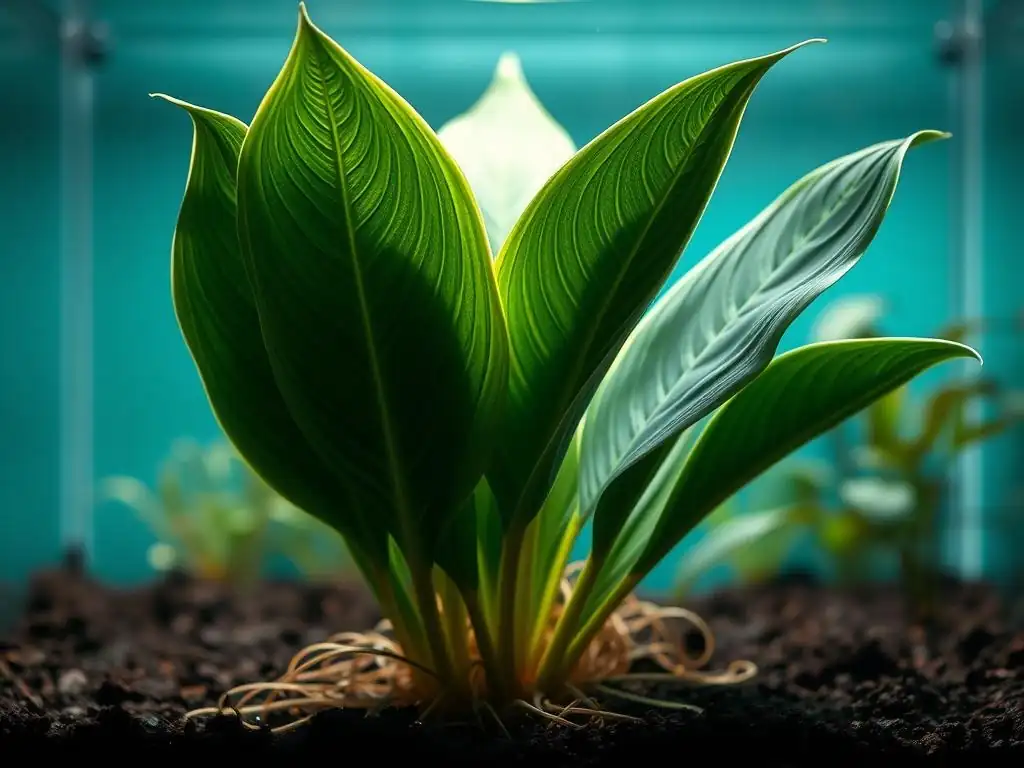
LED (Light Emitting Diode) aquarium lights have become the most popular choice for planted tanks due to their numerous advantages. A significant benefit is their energy efficiency; LEDs consume considerably less power than traditional fluorescent or metal halide lights, leading to lower electricity bills.
They also boast an impressively long lifespan, often rated for 50,000 hours or more, meaning years of use before replacement is necessary, unlike fluorescent bulbs that degrade within months. Furthermore, many high-quality LED fixtures offer customizable spectrums and dimming capabilities, allowing aquarists to fine-tune light intensity and color output to meet the specific needs of their plants and enhance their visual appeal.
Despite their advantages, LED lights do have some drawbacks. The initial upfront cost for a good quality, full-spectrum LED fixture capable of supporting demanding plants can be significantly higher than other lighting types. For instance, a premium 24-inch LED light might cost upwards of $150-$250, whereas a similar fluorescent fixture could be $50-$100.
Additionally, while many LEDs offer excellent PAR (Photosynthetically Active Radiation) values, cheaper or lower-end models may lack the necessary intensity or the complete spectrum required for robust plant growth, especially for red and blue wavelengths crucial for photosynthesis. This can lead to the very problem where incorrect aquarium lighting stunts growth, despite the light being an LED.
Fluorescent Aquarium Lights: Are They Still a Viable Option?
Fluorescent aquarium lights, particularly T5 High Output (T5HO) bulbs, were once the gold standard for planted tanks and remain a viable, often cost-effective, option for many aquarists. Their primary advantage is a lower initial purchase price for both fixtures and bulbs compared to high-end LEDs.
T5HO bulbs, in particular, offer good light penetration and a wide range of spectrums specifically designed for plant growth, such as 6500K daylight bulbs or specialized plant growth bulbs with enhanced red and blue peaks. For a low-tech or medium-light planted tank, a well-chosen T5HO setup can provide excellent results, supporting a wide array of plant species.
However, fluorescent lights come with distinct disadvantages that have led to their decline in popularity. Their lifespan for optimal plant growth is significantly shorter than LEDs; T5HO bulbs typically need to be replaced every 6 to 12 months, even if they still illuminate, because their spectrum and intensity degrade over time. Failure to do so is a classic example of how incorrect aquarium lighting stunts growth.
They also generate more heat than LEDs, which can contribute to higher tank temperatures, and are less energy-efficient, consuming more electricity to produce comparable light output. While still effective, the ongoing replacement costs and higher energy consumption make them a less sustainable long-term choice for many enthusiasts.
Metal Halide Aquarium Lights: When and Why to Use Them
Metal Halide (MH) aquarium lights represent the pinnacle of intensity, making them suitable for very specific and demanding planted tank applications. Their primary advantage is their unparalleled light output and penetration, capable of reaching the bottom of even very deep aquariums (e.g., 24 inches or more) with high PAR values.
This makes them ideal for large, high-tech planted tanks where the goal is to grow the most light-demanding plant species, such as certain varieties of Tonina, or to achieve dense carpeting with plants like Hemianthus callitrichoides 'Cuba' in deep water. The intense, shimmering effect they create on the water surface is also aesthetically pleasing to many aquarists.
Despite their powerful performance, metal halide lights have significant drawbacks that limit their widespread use. They generate a substantial amount of heat, often requiring active cooling solutions like chiller units or fans to prevent tank overheating, especially in warmer climates. Their energy consumption is also very high, leading to considerably higher electricity bills compared to LEDs.
Furthermore, MH bulbs have the shortest lifespan for optimal output, typically requiring replacement every 6 to 9 months, and are generally more expensive than fluorescent bulbs. Consequently, metal halides are predominantly used by advanced aquarists with very specific high-light requirements and a willingness to manage their associated challenges, as incorrect aquarium lighting stunts growth if the intensity is too low for the species, but too high can also cause issues like algae blooms.
The Light Spectrum and PAR: Key Factors for Plant Photosynthesis
Understanding the Light Spectrum Needs of Different Aquarium Plants
The light spectrum refers to the range of colors, or wavelengths, present in the light source, and different wavelengths are absorbed by plants for various photosynthetic processes. Chlorophyll, the primary pigment in plants, efficiently absorbs light in the blue range (approximately 400-500 nanometers) and the red range (approximately 600-700 nanometers).
Blue light is crucial for vegetative growth and compact plant structure, while red light is essential for stem elongation, flowering, and overall biomass production. Full-spectrum lights, which provide a balanced output across the entire visible spectrum, are generally recommended for planted tanks to ensure all photosynthetic pigments are adequately stimulated.
However, some plants may benefit from specific spectrum enhancements. For instance, many red-pigmented plants, such as Rotala macrandra or Ludwigia arcuata, will exhibit more vibrant coloration when exposed to a light spectrum with a higher proportion of red wavelengths.
Conversely, plants like Monte Carlo (Micranthemum tweediei) or Glossostigma elatinoides, which are often used for carpeting, tend to grow more compactly under lights with a stronger blue component. Therefore, understanding the light spectrum is vital; simply having a bright light isn't enough if the necessary wavelengths are missing, as this constitutes a form of incorrect aquarium lighting that stunts growth and prevents plants from reaching their full potential.
PAR (Photosynthetically Active Radiation): Measuring Light Intensity for Optimal Growth
PAR, or Photosynthetically Active Radiation, is a crucial metric that quantifies the amount of light within the visible spectrum (400-700 nanometers) that is actually usable by plants for photosynthesis. Unlike lumens or lux, which measure light brightness as perceived by the human eye, PAR specifically measures the light intensity relevant to plant growth. A PAR meter provides a much more accurate assessment of a light fixture's effectiveness for a planted aquarium. For instance, a light might appear bright to us but lack the necessary blue and red wavelengths, resulting in low PAR and subsequent stunted plant growth.
Optimal PAR values vary significantly depending on the plant species and the overall tank setup. For low-light plants like Anubias barteri or Java Fern (Microsorum pteropus), a PAR range of 15-30 µmol/m²/s at the substrate level is typically sufficient. Medium-light plants, such as Cryptocoryne wendtii or Amazon Swords, thrive in PAR values between 30-60 µmol/m²/s.
High-light demanding species, including most carpeting plants like HC Cuba or challenging stem plants like Rotala 'Vietnam', require PAR values exceeding 60 µmol/m²/s, often pushing into the 80-100+ range. Without adequate PAR, regardless of the perceived brightness, incorrect aquarium lighting stunts growth by failing to provide the energy plants need for robust photosynthesis.
Case Studies: Real-World Examples of Incorrect Lighting Stunting Growth
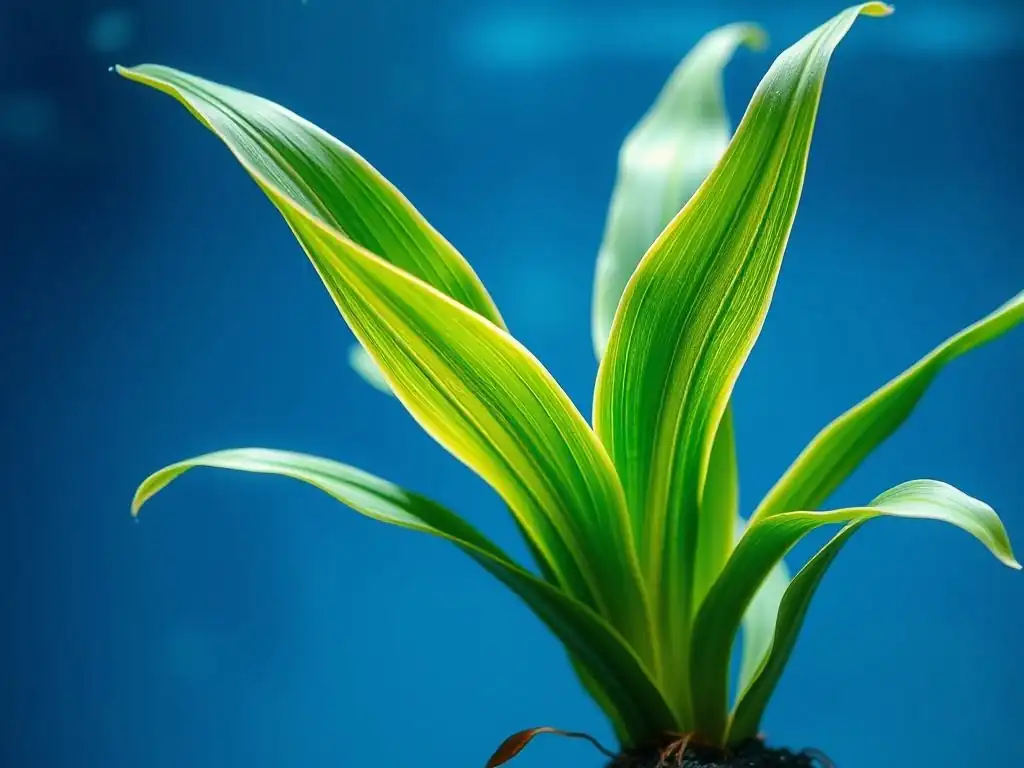
Consider the case of an aquarist attempting to grow a vibrant carpet of Monte Carlo in a 30-gallon tank using a basic LED fixture designed for fish-only setups. Despite adding CO2 and fertilizers, the Monte Carlo failed to spread, growing tall and spindly (etiolation), and its leaves were pale green. A PAR measurement revealed only 20 µmol/m²/s at the substrate, far below the 50-70 µmol/m²/s required for this demanding plant.
This classic scenario illustrates how incorrect aquarium lighting stunts growth, as the light lacked the intensity to drive the robust photosynthesis needed for a dense carpet. The solution involved upgrading to a high-output LED fixture capable of delivering sufficient PAR, which led to dense, healthy growth within weeks.
Another example involves a 55-gallon tank with mature Amazon Swords and Cryptocoryne plants that suddenly started showing yellowing lower leaves and significantly slower growth, despite consistent fertilization and CO2. The owner had been using T5HO fluorescent bulbs for over 18 months without replacement. While the bulbs still emitted light, their spectrum and intensity had degraded considerably over time.
A quick test confirmed the PAR had dropped from an initial 45 µmol/m²/s to a mere 25 µmol/m²/s. This gradual decline in light quality, a common form of incorrect aquarium lighting, stunts growth by slowly starving the plants of energy. Replacing the old T5HO bulbs with new ones restored the necessary PAR, and the plants quickly regained their vigor, demonstrating the importance of regular bulb maintenance.
Troubleshooting Guide: Addressing Specific Plant Species and Their Lighting Needs
When troubleshooting light-related plant growth issues, it's essential to consider the specific requirements of each plant species in your aquarium. For instance, if you observe stunted growth and melting in low-light plants like Anubias nana or Java Fern, the problem is rarely too little light; more often, it's too much light, which can lead to excessive algae growth on their slow-growing leaves, effectively suffocating them. In such cases, reducing light intensity or duration, or providing shade, might be necessary.
Conversely, if you're attempting to grow high-light demanding plants such as Rotala macrandra, Blyxa japonica, or most carpeting plants, and they exhibit pale coloration, leggy growth, or fail to thrive, the most probable cause is insufficient light intensity (PAR) or an inadequate spectrum. For these species, simply increasing the photoperiod won't solve the problem; a more powerful light fixture with a full spectrum and high PAR output is required.
Understanding these species-specific needs is paramount; a "one-size-fits-all" lighting approach often results in incorrect aquarium lighting that stunts growth for some, while potentially causing algae issues for others, highlighting the need for tailored solutions.
Correcting Incorrect Aquarium Lighting for Optimal Plant Growth
Choosing the Right Aquarium Light Fixture for Your Plants
Selecting the appropriate aquarium light fixture is the cornerstone of correcting incorrect aquarium lighting and fostering optimal plant growth. The choice should be primarily dictated by the depth of your tank and the light requirements of the plants you intend to keep.
For shallow tanks (under 18 inches) with low to medium light plants (e.g., Cryptocorynes, Swords), a quality LED fixture offering adjustable intensity or a T5HO fixture with appropriate bulbs (e.g., 6500K daylight) will generally suffice. For deeper tanks (over 20 inches) or those housing demanding high-light plants (e.g., most stem plants, carpeting plants), a more powerful LED unit designed for planted tanks, often with higher PAR output and a broader, more customizable spectrum, becomes essential.
When evaluating fixtures, look beyond just "watts per gallon" which is an outdated and unreliable metric. Instead, focus on the fixture's PAR (Photosynthetically Active Radiation) output at the substrate level, which many manufacturers now provide.
Aim for fixtures that allow for dimming or spectrum adjustment, as this provides flexibility to fine-tune light conditions as your plants grow or as you introduce new species. Investing in a reputable brand known for producing lights specifically for planted aquariums, such as Chihiros, Twinstar, or Fluval Plant 3.0, often ensures a full spectrum and sufficient intensity to prevent incorrect aquarium lighting that stunts growth and promotes healthy plant development.
Adjusting Light Intensity and Duration for Maximum Plant Health
Once you have the right light fixture, the next critical step in correcting incorrect aquarium lighting is to properly adjust its intensity and duration. For new setups or after a significant change, it's advisable to start with a moderate intensity and a shorter photoperiod, typically 6-7 hours per day. This allows plants to acclimate and helps prevent initial algae outbreaks. Over several weeks, you can gradually increase the intensity or duration by 30-60 minutes per week, closely observing your plants for signs of thriving growth (e.g., pearling, new leaves) and monitoring for any excessive algae development.
For tanks with high-light demanding plants and CO2 injection, a longer photoperiod of 8-10 hours at higher intensity might be necessary. However, exceeding 10 hours of light, especially at high intensity, significantly increases the risk of algae blooms, as plants often reach their photosynthetic saturation point and simply cannot utilize the extra light, leaving excess nutrients for algae.
Many modern LED fixtures offer dimming capabilities, allowing precise control over PAR levels. If your plants are exhibiting stunted growth despite adequate CO2 and nutrients, increasing light intensity slightly might be the missing piece, whereas if algae is rampant, reducing intensity or duration is often the first corrective measure to combat the effects of incorrect aquarium lighting that stunts growth by enabling algae.
The Importance of a Proper Photoperiod for Aquarium Plants
A consistent and appropriate photoperiod, the duration of light exposure each day, is paramount for the health and growth of aquarium plants. Plants, like many living organisms, operate on a circadian rhythm, and a stable light-dark cycle allows them to efficiently carry out photosynthesis during the light phase and metabolic processes during the dark phase.
An ideal photoperiod for most planted aquariums typically ranges from 7 to 9 hours daily. Providing less than 7 hours can lead to insufficient energy production, contributing to incorrect aquarium lighting that stunts growth, while consistently exceeding 10 hours can deplete available CO2 and nutrients, leading to stress and widespread algae issues.
Using a reliable timer is crucial to maintain this consistency. Manual switching of lights can lead to erratic photoperiods, causing stress to plants and potentially triggering algae. For example, a tank consistently receiving 8 hours of light at the same time each day will generally have healthier plants than one receiving 6 hours one day and 10 hours the next.
Some aquarists even implement a "siesta" period, breaking an 8-hour photoperiod into two 4-hour segments with a 2-3 hour dark break in between. While not universally necessary, this method can sometimes help manage algae by allowing CO2 levels to replenish, while still providing sufficient light for plant growth.
Beyond Lighting: Optimizing Other Factors for Plant Growth
The Role of CO2 in Plant Photosynthesis and Growth
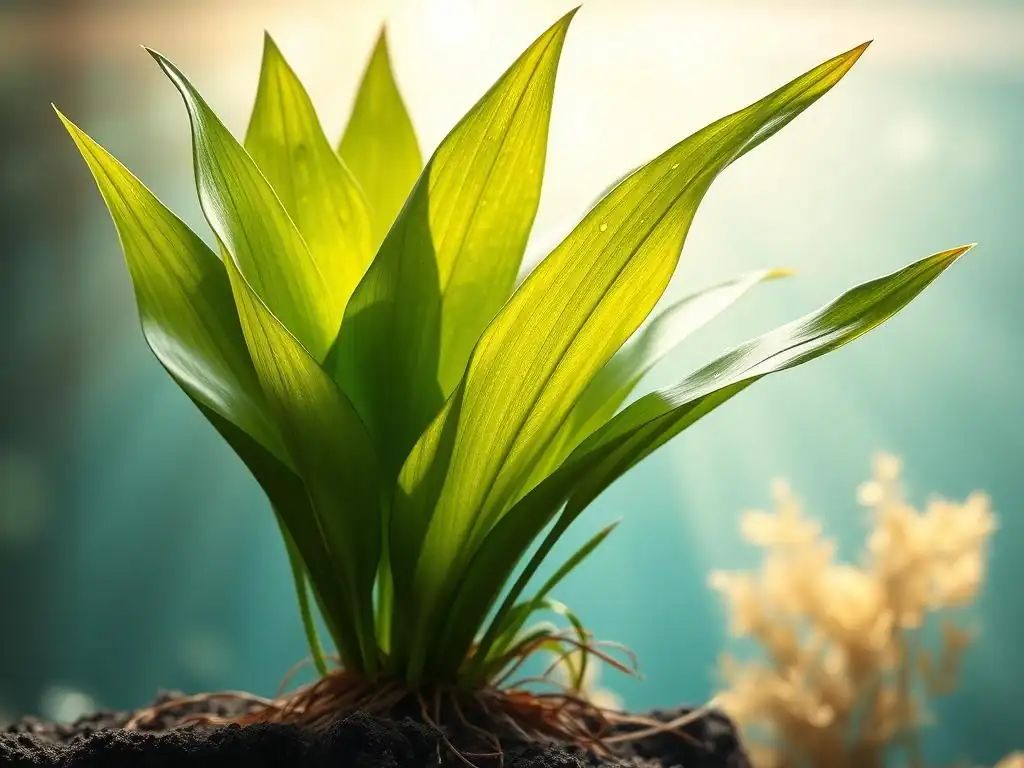
While correct lighting is paramount, it functions as part of a triumvirate with carbon dioxide (CO2) and nutrients to drive plant growth. CO2 is a primary raw material for photosynthesis; without sufficient availability, plants cannot effectively utilize the light energy they receive, regardless of its intensity or spectrum. In a typical planted aquarium, the atmospheric CO2 diffusing into the water is often insufficient to support anything beyond the hardiest, slowest-growing plants. This is particularly true for high-light demanding species, which require significantly more CO2 to maintain their rapid growth rates.
Therefore, for most medium to high-light planted tanks, supplemental CO2 injection is essential. Pressurized CO2 systems deliver a consistent supply of carbon, enabling plants to photosynthesize at their maximum potential. For instance, injecting CO2 to achieve a concentration of 25-30 ppm (parts per million) can dramatically boost growth rates by 300-500% compared to non-CO2 injected tanks.
Without adequate CO2, even perfect lighting can lead to stunted growth, pale leaves, and an increased susceptibility to algae, as the plants cannot process the available light and nutrients efficiently. This highlights that incorrect aquarium lighting stunts growth not just by itself, but also by creating an imbalance in the tank's ecosystem.
Substrate and Nutrient Availability: Complementing Your Lighting Strategy
A nutrient-rich substrate and a balanced fertilization regimen are indispensable complements to an effective lighting strategy. While some plants absorb nutrients primarily from the water column, many, especially heavy root feeders like Amazon Swords, Cryptocorynes, and various stem plants, rely heavily on nutrients available in the substrate. Inert substrates like sand or gravel provide no nutrients on their own, necessitating the use of root tabs or specialized planted tank substrates (e.g., ADA Aqua Soil, Fluval Stratum) which are packed with essential macro and micronutrients.
Beyond the substrate, liquid fertilizers provide crucial macro-nutrients (Nitrogen, Phosphorus, Potassium) and micronutrients (Iron, Manganese, Boron, etc.) that plants absorb directly from the water column. A common scenario where incorrect aquarium lighting stunts growth is when an aquarist upgrades their light without also increasing nutrient dosing.
Higher light intensity demands a proportionally higher supply of CO2 and nutrients. If, for instance, a tank moves from low to high light, but iron or potassium levels remain low (e.g., <0.1 ppm for iron, <10 ppm for potassium), plants will quickly show deficiencies like yellowing leaves or pinholes, regardless of the light quality. Thus, a holistic approach to plant nutrition is vital for maximizing the benefits of proper lighting.
Water Parameters: Maintaining Ideal Conditions for Plant Growth
Stable and appropriate water parameters are the foundational elements that support all other aspects of plant growth, including the effective utilization of light. Key parameters include temperature, pH, general hardness (GH), and carbonate hardness (KH). Most popular aquatic plants thrive in tropical temperatures ranging from 72-78°F (22-26°C). Extreme temperature fluctuations or consistently low/high temperatures can stress plants, reducing their metabolic rate and hindering their ability to photosynthesize efficiently, thereby indirectly leading to stunted growth even under optimal lighting.
Similarly, pH and water hardness play a crucial role. While many plants are adaptable, a slightly acidic to neutral pH (6.5-7.5) and moderate hardness (GH 4-8 dGH, KH 3-6 dKH) are generally preferred for optimal nutrient uptake and CO2 solubility. For instance, in soft, acidic water, CO2 is more readily available to plants.
Drastic swings in any of these parameters can cause significant stress, leading to leaf melt, stunted growth, and increased susceptibility to algae. Therefore, regular water testing and maintaining stable conditions are essential to ensure that your plants are robust enough to fully capitalize on the energy provided by your lighting system, preventing the various ways incorrect aquarium lighting stunts growth.
Advanced Techniques for Maximizing Plant Growth with Lighting
Using Light Timers for Consistent Photoperiods
Implementing a reliable light timer is arguably the most fundamental advanced technique for maximizing plant growth and preventing issues arising from inconsistent or incorrect aquarium lighting that stunts growth. Manual operation of aquarium lights often leads to erratic photoperiods – perhaps 9 hours one day, 6 hours the next, and 10 hours on a weekend. This inconsistency stresses plants, disrupting their metabolic rhythms and photosynthetic efficiency. Plants thrive on predictability, and a consistent light-dark cycle allows them to optimize their internal processes, from nutrient uptake to sugar production.
Digital timers offer superior precision over mechanical ones, allowing for exact start and end times down to the minute. Many advanced LED fixtures come with built-in programmable timers that can even simulate sunrise and sunset, gradually increasing and decreasing light intensity, which further reduces stress on fish and plants alike.
A consistent photoperiod, typically between 7 to 9 hours for most planted tanks, minimizes the chances of algae outbreaks by ensuring plants receive sufficient light for photosynthesis without excessive duration that might lead to nutrient imbalances or CO2 depletion. This simple automation significantly contributes to robust and healthy plant growth.
Implementing Reflectors to Increase Light Penetration
For fluorescent light fixtures, particularly T5HO and T8 setups, implementing high-quality reflectors can significantly enhance light penetration and intensity, effectively transforming an otherwise insufficient setup into one capable of supporting more demanding plants. Reflectors are designed to bounce light that would otherwise escape upwards or sideways back down into the aquarium. This redirection can increase the PAR (Photosynthetically Active Radiation) delivered to the plants by an impressive 10% to 20%, depending on the quality and design of the reflector.
This boost in usable light can be particularly beneficial in deeper tanks or for aquarists looking to achieve denser growth from their existing fluorescent setup without upgrading to an entirely new fixture. For example, a 36-inch T5HO bulb might deliver 40 PAR at the substrate without a reflector, but with a highly efficient individual reflector, that PAR could increase to 48-50 PAR, making it suitable for a broader range of medium-light plants.
By ensuring more of the light generated by the bulb actually reaches the plants, reflectors actively combat the problem of incorrect aquarium lighting that stunts growth due to poor light distribution or insufficient intensity.
Combining Different Light Spectrums for Enhanced Plant Color and Growth
Advanced aquarists often combine different light spectrums to achieve specific growth characteristics or enhance the vibrant coloration of their aquatic plants. While full-spectrum white LEDs are excellent for overall growth, supplementing with specific wavelengths can yield remarkable results. For instance, adding a dedicated red-spectrum LED strip (often around 660nm) can significantly boost the red pigmentation in plants like Rotala 'Blood Red' or Ludwigia 'Super Red', making their colors more intense and appealing. This is because red light is crucial for anthocyanin production, the pigment responsible for red hues.
Similarly, incorporating blue-spectrum LEDs (around 450nm) can promote more compact, bushier growth in carpeting plants and help prevent stretching (etiolation) in many stem plants. Some high-end LED fixtures offer independent control over red, green, blue, and white channels, allowing aquarists to precisely customize the light recipe for their specific plant collection. This nuanced approach moves beyond just providing sufficient PAR, enabling the aquarist to fine-tune the photosynthetic process and aesthetic appeal, directly addressing how incorrect aquarium lighting stunts growth by ensuring plants receive the precise wavelengths needed for their specific developmental and coloration needs.
Preventing Future Lighting Problems in Your Planted Aquarium
Regular Maintenance and Bulb Replacement
Preventing future lighting problems in a planted aquarium hinges significantly on consistent maintenance and timely bulb replacement. Even the highest quality light fixtures require some attention. Dust and hard water spots can accumulate on light covers and bulbs, reducing light penetration by as much as 10-15% over time. Regularly wiping down these surfaces with a clean, damp cloth ensures maximum light reaches your plants. For fixtures placed directly on the tank lid, condensation can also build up, necessitating frequent cleaning.
More critically, fluorescent bulbs, including T5HOs and T8s, experience a gradual degradation in their light spectrum and intensity long before they visibly burn out. While a bulb might still glow, its PAR output and crucial red/blue wavelengths diminish significantly after 6 to 12 months of use. Continuing to use these degraded bulbs is a common form of incorrect aquarium lighting that stunts growth, as plants simply won't receive the necessary energy.
Therefore, a strict replacement schedule for fluorescent bulbs is essential. While LEDs have much longer lifespans (typically 5+ years), even they can lose some intensity over many years of continuous operation, so monitoring plant health remains key.
Monitoring Plant Growth and Adjusting Lighting Accordingly
Proactive monitoring of your aquarium plants is the most effective way to prevent and address lighting problems before they become severe. Regularly observe new growth for signs of health: are new leaves vibrant and appropriately sized? Are stem plants growing compactly without excessive stretching between nodes? Is there consistent pearling (small oxygen bubbles forming on leaves) during the photoperiod, indicating active photosynthesis? These are all indicators of healthy, well-lit plants.
Conversely, be vigilant for symptoms of incorrect aquarium lighting that stunts growth, such as pale or yellowing leaves, melting, etiolation (stretching), or a complete halt in growth. If you notice these signs, consider adjusting your lighting. If plants are stretching, increase intensity or duration.
If algae is rampant, especially green spot algae on leaves, your light might be too intense or on for too long. Small, incremental adjustments (e.g., 30 minutes more/less photoperiod, or a 5-10% intensity change on dimmable lights) followed by a week of observation will help you fine-tune your lighting for optimal plant health and prevent future issues.
Understanding Plant-Specific Lighting Requirements for Long-Term Success
Achieving long-term success in a planted aquarium largely depends on a thorough understanding of the specific lighting requirements for each plant species you cultivate. Attempting to grow a high-light demanding plant like Hemianthus callitrichoides 'Cuba' (HC Cuba) in a low-light setup will inevitably lead to incorrect aquarium lighting that stunts growth, regardless of other parameters. Similarly, placing a low-light plant such as Anubias barteri directly under intense, unshaded light designed for high-tech setups can lead to severe algae growth on its leaves, effectively suffocating it.
Before purchasing any aquatic plant, research its ideal PAR range, preferred spectrum, and typical growth habits. Group plants with similar lighting needs together within the tank, or strategically place hardscape to provide shade for lower-light species if you have a high-intensity light.
For instance, a tank with only Anubias, Java Fern, and Cryptocorynes will thrive under a moderate LED light providing 20-30 PAR, whereas a tank aiming for a dense carpet of Monte Carlo and vibrant red stem plants will require a high-output LED delivering 60-80+ PAR. This informed approach to plant selection and placement is crucial for preventing future lighting-related problems and ensuring a thriving, aesthetically pleasing planted aquarium.
Frequently Asked Questions
How does incorrect aquarium lighting specifically stunt plant growth?
Incorrect lighting provides insufficient photosynthetic energy for plants. This leads to reduced or halted chlorophyll production, hindering their ability to convert light into food, resulting in stunted growth and potential death.
What are the most common signs that my aquarium plants are suffering from inadequate lighting?
Signs include leggy growth (stretched stems with sparse leaves), fading leaf color, and a lack of new growth. You might also notice algae blooms, as the plants are too weak to compete.
What type of lighting is generally considered optimal for healthy aquarium plant growth?
The best lighting depends on the plant species, but generally, full-spectrum LED lighting is recommended. It provides a broad range of wavelengths needed for efficient photosynthesis and vibrant colors.
Can too much light also negatively impact aquarium plants?
Yes, excessive light can cause problems. It can lead to algae outbreaks, plant bleaching (loss of color), and even burn the leaves. Maintaining a proper light cycle is essential.
How can I determine the correct lighting duration and intensity for my specific aquarium plants?
Research the specific needs of your plant species. Start with a moderate light intensity and duration (e.g., 6-8 hours) and gradually adjust based on plant response and signs of algae. Consider using a PAR meter for precise measurement.
Final Reflection: Illuminating Growth
The insights shared throughout this article highlight a critical, often overlooked aspect of aquarium keeping: the profound impact of proper lighting on aquatic plant health. What might seem like a simple aesthetic choice is, in reality, a fundamental requirement for vibrant, thriving ecosystems within our glass boxes. Ignoring the nuances of light spectrum, intensity, and duration can lead to stunted growth, nutrient imbalances, and ultimately, the demise of our carefully curated underwater landscapes.
This exploration into the world of aquarium lighting has undoubtedly reshaped my own perspective on the hobby. Understanding the intricate relationship between light and plant physiology has transformed my approach from simply providing illumination to actively cultivating a balanced and flourishing environment. The best time to plant a tree was 20 years ago. The second best time is now.
This ancient proverb resonates deeply, reminding us that even if past lighting choices have been less than ideal, the opportunity to correct course and foster growth remains.
Now, I invite you to reflect on your own aquarium practices. Are your plants reaching their full potential, bathed in the light they need to thrive? Or are they struggling, silently pleading for a change? Take the knowledge you've gained here and use it to illuminate a brighter future for your aquatic plants, transforming your aquarium into a vibrant testament to the power of informed care.
Ignite Growth: Transform Your Aquarium into a Thriving Oasis!
Thank you for diving deep into the world of aquarium lighting! You've now unlocked the secrets to ensuring your aquatic plants flourish. Ready to put that knowledge into action?
Here are some immediate steps you can take:
- Re-evaluate Your Lighting: Conduct a thorough assessment of your current lighting system. Note the wattage, spectrum, and duration. Compare these findings with the ideal parameters for your specific plants.
- Share your findings! Post your lighting specs and plant list in our community forum. Get personalized feedback and guidance from fellow aquarium enthusiasts.
- Experiment with light duration. Gradually adjust the photoperiod to find the sweet spot for your plants – observe their growth closely for signs of improvement!
What's the first lighting adjustment you're planning to make to unlock your plants' full potential? Share your plans in the comments below!