
Monte Carlo vs. HC Cuba: Which Micro Carpet Reigns Supreme?

Welcome to Aquarium Mastery!
Ever dreamed of a lush, vibrant carpet of green blanketing the bottom of your aquarium? We're diving deep into the world of micro carpets to help you achieve just that. In this article, we're tackling the ultimate showdown: Monte Carlo vs. HC Cuba. Which one truly deserves the title of "Best micro carpet aquarium"? Get ready to uncover the secrets to a breathtaking underwater landscape – let's explore!
- Dwarf Sagittaria vs. Micro Sword: Which Grass-Like Carpet Reigns Supreme for Your Aquarium?
- Choosing the Best Grass-Like Carpet Plant for Your Freshwater Aquarium
- Dwarf Sagittaria: The Beginner-Friendly Grass Option
- Micro Sword (Lilaeopsis brasiliensis): The Classic Choice
-
Frequently Asked Questions
- How do Monte Carlo and HC Cuba differ in their growth habits in a micro carpet aquarium?
- What are the ideal water parameters for establishing a successful micro carpet using either Monte Carlo or HC Cuba?
- Which of these two micro carpet plants is easier to propagate in a freshwater aquarium setting?
- What are some common challenges aquarists face when growing Monte Carlo or HC Cuba as a micro carpet?
- Which plant offers better aesthetics for a "Best Micro Carpet Aquarium" and why?
- Final Reflection: The Enduring Allure of the Miniature Aquatic Landscape
- Cultivate Your Dream Aquarium Today!
Dwarf Sagittaria vs. Micro Sword: Which Grass-Like Carpet Reigns Supreme for Your Aquarium?
Choosing the Best Grass-Like Carpet Plant for Your Freshwater Aquarium
Understanding the Appeal of Grass-Like Carpet Plants in Aquascaping
Aquascapers frequently seek grass-like carpet plants to create a lush, natural foreground in their freshwater aquariums, mimicking the appearance of an underwater meadow or a finely manicured lawn. This aesthetic not only enhances the visual depth and perspective of the aquascape but also provides a serene, calming environment. A dense, verdant carpet can transform a simple glass box into a captivating miniature ecosystem, dramatically improving the overall beauty and perceived health of the aquatic habitat.
Beyond their undeniable visual appeal, these carpeting plants offer significant functional benefits to the aquarium ecosystem. They provide excellent hiding places and foraging grounds for small fish, shrimp, and other invertebrates, offering a sense of security and promoting natural behaviors. Furthermore, a well-established carpet effectively absorbs excess nutrients, such as nitrates, which can be reduced by 10-20 ppm per week in a moderately planted tank, depending on the plant biomass and nutrient load, thereby helping to suppress unwelcome algae growth. They also contribute to oxygenation through photosynthesis during the day, further benefiting aquatic life.
Key Considerations When Selecting a Carpet Plant
Selecting the ideal grass-like carpet plant for your aquarium hinges on several critical factors, including the tank's size, the intensity of available lighting (measured in Photosynthetic Active Radiation, or PAR), the presence or absence of CO2 injection, and your personal commitment to maintenance. For instance, a high-tech setup with PAR values ranging from 50-70 at the substrate level and supplemental CO2 opens up a wider array of carpeting options compared to a low-tech tank that might only provide 15-25 PAR and no CO2. Understanding these parameters is crucial for achieving a successful and vibrant "best micro carpet aquarium."
Additionally, the growth habits of the plant, the type and depth of your substrate, and its compatibility with your aquarium inhabitants must be carefully considered. Some carpeting plants spread aggressively, while others are notoriously slow growers, impacting how quickly a full carpet is established. Most carpeting species thrive in a nutrient-rich substrate of at least 2-3 inches (5-7.5 cm) for optimal root development. It's also important to ensure that your chosen plant won't be consistently uprooted or damaged by larger, digging fish species, which could disrupt the carpet's formation and stability.
Dwarf Sagittaria: The Beginner-Friendly Grass Option
Dwarf Sagittaria Plant Profile: Characteristics and Growth Habits
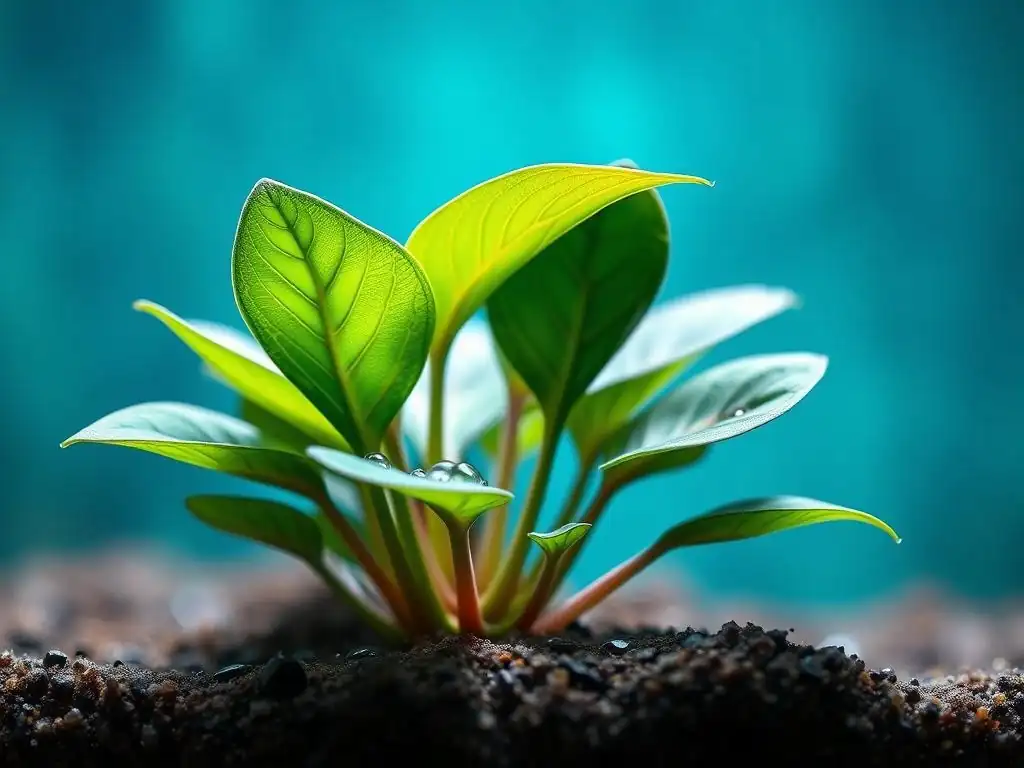
Sagittaria subulata, commonly known as Dwarf Sagittaria, is a versatile and true aquatic plant native to various regions of the Americas. Characterized by its linear, sword-like leaves, it typically displays a vibrant light to medium green hue. While its height can vary significantly based on environmental conditions, it generally ranges from 2-6 inches (5-15 cm), often staying shorter in high-light setups. This plant propagates primarily through runners, which are horizontal stems that spread across the substrate, producing new plantlets along their length.
Under favorable conditions, which include moderate lighting and a nutrient-rich substrate, Dwarf Sagittaria can exhibit a remarkably fast growth rate. It rapidly sends out runners, allowing it to establish a dense, sprawling carpet within a relatively short period, often as quickly as 2-3 months. Each runner is capable of producing new plantlets every few days, leading to an impressive spread of several inches per week. This vigorous propagation makes it an excellent choice for aquarists looking to quickly cover their foreground.
Advantages of Using Dwarf Sagittaria as a Carpet Plant
Ease of Propagation and Maintenance
Dwarf Sagittaria is renowned for its straightforward propagation and minimal maintenance requirements, making it an ideal choice for both novice and experienced aquarists. Its runners readily produce new, independent plantlets, which can be easily separated and replanted to expand the carpet or fill in sparse areas. This natural propagation method eliminates the need for complex pruning techniques often associated with more demanding stem plants, simplifying the upkeep process significantly.
Furthermore, its robust root system makes it less susceptible to accidental uprooting compared to some more delicate carpeting species. While it is a moderately fast grower, its growth is manageable, and it does not require excessive fertilization to thrive. Trimming is uncomplicated; aquarists can simply cut back any taller leaves to maintain a desired low-lying appearance, a task that can be accomplished with standard aquarium scissors. This ease of care solidifies its position as a top contender for achieving the "best micro carpet aquarium" look without extensive effort.
Tolerance to Varying Water Parameters
One of the most significant advantages of Dwarf Sagittaria is its remarkable adaptability to a broad spectrum of water parameters, making it incredibly forgiving for aquarists. It flourishes across a wide pH range, typically from 6.0 to 8.0, and can comfortably thrive in temperatures between 68-82°F (20-28°C). This resilience extends to water hardness, as it tolerates both soft and moderately hard water conditions, generally performing well within a general hardness (GH) of 3-15 dGH and a carbonate hardness (KH) of 2-10 dKH.
This wide tolerance range means that Dwarf Sagittaria is less prone to melting or stunting its growth due to minor fluctuations in water chemistry, a common challenge for more sensitive aquatic plants. Its ability to adapt to varying conditions significantly reduces the risk of plant loss and helps maintain a stable, long-term carpet in a diverse array of aquarium setups. This reliability makes it a consistently dependable choice for aquarists aiming for a stable and resilient foreground.
Adaptable to Different Lighting Conditions
Dwarf Sagittaria exhibits notable flexibility when it comes to lighting, adapting its growth habit to the intensity it receives. While it thrives and achieves its most compact, dense carpet form under moderate to high light conditions, typically ranging from 20-40 PAR (Photosynthetically Active Radiation) at the substrate, it can still survive and grow in lower light environments, even down to 10-15 PAR. In higher light, it tends to stay shorter and more compact, often forming a true carpet only 2-3 inches (5-7.5 cm) in height.
Conversely, in lower light conditions, the plant will naturally stretch and grow taller as it attempts to reach for the light source, potentially reaching heights of 6-8 inches (15-20 cm). While this might not achieve the desired low-lying carpet effect, it demonstrates the plant's robust nature; it won't necessarily perish from suboptimal lighting. This adaptability allows aquarists to successfully grow Dwarf Sagittaria in a variety of setups, though moderate to high light is recommended to achieve the ideal dense "best micro carpet aquarium" aesthetic.
Potential Drawbacks of Dwarf Sagittaria
Can Grow Tall and Require Regular Trimming
Despite its common name, Dwarf Sagittaria can, under certain conditions, grow significantly taller than desired for a compact carpet, sometimes exceeding 6 inches (15 cm) in height. This vertical growth is particularly pronounced in lower light environments where the plant stretches to reach illumination, or in highly nutrient-rich substrates that encourage robust vertical development. This tendency necessitates frequent trimming, potentially every 1-2 weeks, to maintain a low, manicured appearance, which can be a time-consuming task for aquarists.
While the trimming process for Dwarf Sagittaria is relatively straightforward, involving the removal of the outer, taller leaves, the sheer frequency required can be a drawback for those seeking a truly low-maintenance aquascape. Regular trimming can also disturb the substrate, potentially releasing detritus into the water column, and requires consistent effort to keep the carpet at the desired uniform height. This constant intervention might not appeal to aquarists who prefer a more "set-and-forget" approach to their "best micro carpet aquarium" setup.
May Spread Quickly and Require Containment
One of the defining characteristics of Dwarf Sagittaria is its aggressive runner production, which, while beneficial for rapid carpeting, can also become a management challenge. This plant can quickly colonize an entire aquarium if left unchecked, potentially outcompeting slower-growing plants or overrunning areas intended for other species. Its runners can extend several inches in a single week, allowing it to rapidly fill any open substrate space.
To prevent Dwarf Sagittaria from completely dominating the aquascape, aquarists often need to employ containment strategies. This can involve using physical barriers, such as strategically placed rocks or driftwood, to limit its spread to specific areas, or diligently trimming and removing runners that venture beyond their designated zone. This constant vigilance and management of its rapid expansion can be a significant drawback for aquarists who prefer minimal intervention in their "best micro carpet aquarium" and desire a more defined layout without constant pruning.
Micro Sword (Lilaeopsis brasiliensis): The Classic Choice
Micro Sword Plant Profile: Characteristics and Growth Habits
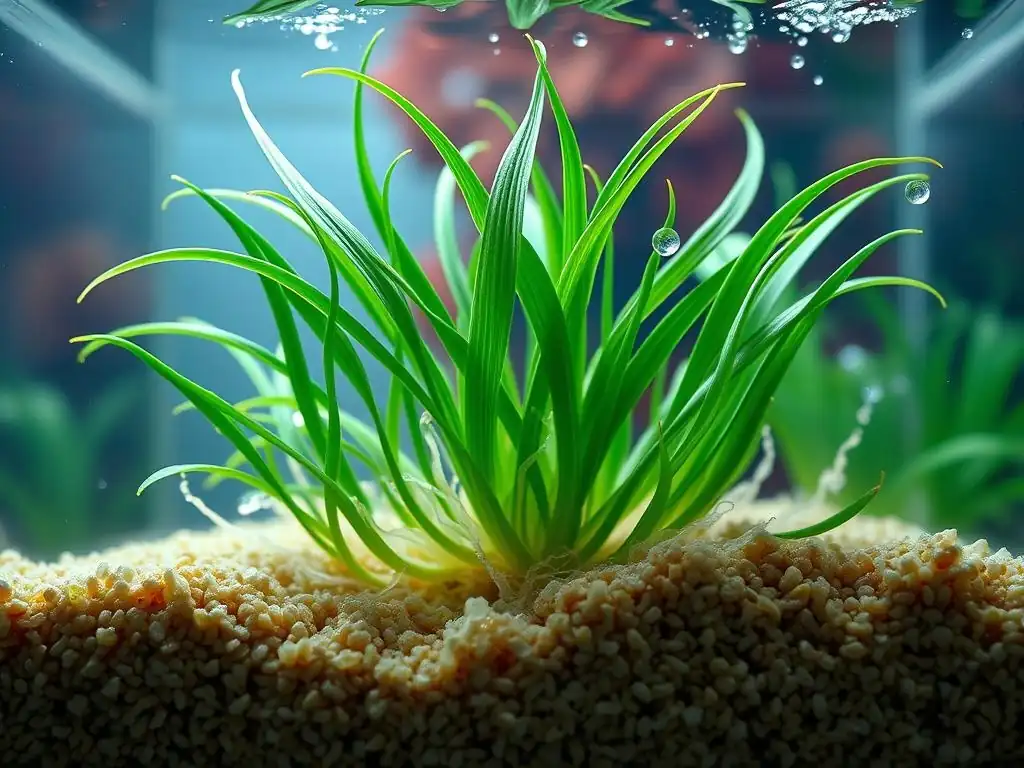
Lilaeopsis brasiliensis, commonly known as Micro Sword, is a classic and highly sought-after aquatic plant originating from South America, prized for its ability to create a stunning, fine-textured carpet. It features very thin, grass-like leaves, typically a vibrant bright green, that grow densely in compact clumps. Its height usually remains quite modest, ranging from 1-3 inches (2.5-7.5 cm), which makes it an ideal candidate for achieving a truly "micro" carpet effect in the foreground of an aquascape. Like Dwarf Sagittaria, it propagates via runners, though its spreading habit is notably slower.
The growth rate of Micro Sword is a key characteristic that sets it apart; it is known for being relatively slow, particularly during its initial establishment phase. Even under optimal growing conditions, which include high light, CO2 injection, and a nutrient-rich substrate, it can take anywhere from 3 to 6 months, or even longer, to establish a visibly dense carpet. This slow pace requires a significant degree of patience from the aquascaper, as the journey to a full, lush foreground can be a gradual one.
Advantages of Using Micro Sword as a Carpet Plant
Fine Texture Resembling Grass
The most compelling advantage of Micro Sword is its unparalleled aesthetic appeal, specifically its extremely fine, needle-like leaves that meticulously replicate the look of a natural, manicured lawn. This delicate texture creates a breathtakingly realistic "grass" effect that is highly coveted by aquascapers, offering a visual elegance often preferred over the broader leaves of plants like Dwarf Sagittaria for a truly miniature and refined underwater landscape. The subtle movement of its delicate blades in the current adds to the dynamic beauty of the tank.
When fully carpeted, Lilaeopsis brasiliensis contributes an exceptional sense of depth and scale to an aquascape, making it a cornerstone plant for popular styles such as Iwagumi and Nature Aquarium. Its uniform height and delicate, uniform appearance significantly enhance the overall artistic impression, providing a pristine, unblemished foreground that draws the eye. This unique visual impact makes Micro Sword a prime choice for those striving for the ultimate "best micro carpet aquarium" in terms of aesthetic refinement.
Relatively Easy to Propagate
Despite its slow growth rate, Micro Sword propagates reliably through runners, a method similar to that of Dwarf Sagittaria. New plantlets emerge from these horizontal stems, which can then be carefully separated from the parent plant and replanted elsewhere to expand the carpet or fill in any sparse areas. This natural process, while gradual, ensures a steady and predictable means of increasing the plant's coverage within the aquarium.
Once Micro Sword is firmly established in the substrate, it consistently sends out runners, allowing for a methodical expansion of the carpet over time. Aquarists can proactively accelerate this process by gently dividing established clumps and replanting the individual plantlets, though meticulous care must be taken to avoid damaging the plant's delicate root system during this procedure. This straightforward propagation method, albeit requiring patience, ensures a sustainable supply of plants for maintaining or expanding a lush foreground.
Suitable for Low-Tech Setups
While Micro Sword undeniably thrives and achieves its most dense and vibrant form with the aid of CO2 injection and high-intensity lighting, it possesses a notable resilience that allows it to survive and slowly grow in low-tech aquarium setups. In such environments, characterized by moderate lighting and the absence of supplemental CO2, Micro Sword can still establish a carpet, provided there is a nutrient-rich substrate and a consistent regimen of liquid fertilization. Its inherently slower growth rate means it does not demand the same high levels of CO2 that faster-growing, high-light demanding plants do.
However, it is crucial to manage expectations for Micro Sword in low-tech conditions. The carpeting process will be considerably more prolonged, potentially taking 6-12 months or even longer to achieve significant coverage, and the resulting carpet may not be as dense or lush as one grown in a high-tech setup. Nevertheless, for aquarists who prioritize simplicity, lower initial investment, and minimal equipment, Micro Sword offers a viable, albeit patient, pathway to achieving a beautiful, grass-like foreground for their "best micro carpet aquarium."
Potential Drawbacks of Micro Sword
Slow Growth Rate
The most significant and frequently cited drawback of Micro Sword is its notoriously slow growth rate, which can be a source of frustration for aquarists eager to establish a quick, dense carpet. Even under optimal conditions, including high lighting, CO2 injection, and a nutrient-rich substrate, it can take a considerable amount of time—typically 3 to 6 months—to observe significant carpeting. Achieving a full, lush, and truly dense carpet often requires 9 to 12 months or even longer, demanding considerable patience from the aquascaper.
This protracted growth period has practical implications for the aquascape. The exposed substrate remains vulnerable to algae colonization for a longer duration, as the plants are not yet dense enough to outcompete invading algae for nutrients and light. This necessitates heightened vigilance regarding initial algae control and maintaining a precise balance of nutrients, which can prove challenging for novice aquarists. The slow progression also means that immediate visual impact is limited, requiring a long-term commitment to the aquascape's development.
Can Be Prone to Algae
Due to its inherently slow growth rate, especially during the crucial initial establishment phase, Micro Sword is notably more susceptible to algae outbreaks than faster-growing carpeting plants. When nutrient imbalances occur or lighting is not optimally managed, its delicate leaves provide an ample surface for various types of algae, including unsightly hair algae, diatoms, and green spot algae, to take hold. Its fine, dense foliage can also inadvertently trap detritus, which further contributes to localized nutrient build-up and provides a fertile ground for algae proliferation.
Algae accumulation on the delicate blades of Micro Sword can quickly smother the plant, impeding its photosynthesis and potentially leading to melting or stunting its growth. To counteract this, regular manual removal of algae is often necessary, which can be a painstaking task given the plant's fine texture. Furthermore, maintaining pristine water conditions, ensuring consistent nutrient dosing, and optimizing lighting schedules are absolutely crucial to minimize the risk of algae outbreaks and ensure the long-term health and vibrancy of a Micro Sword carpet.
Requires Adequate Lighting
While Micro Sword can survive in moderate light conditions, to truly carpet and achieve its iconic dense, low-lying form, it demands adequate lighting, specifically in the moderate to high range. Optimal growth and carpeting typically require Photosynthetically Active Radiation (PAR) levels of 30-50 at the substrate level. Insufficient light is a common cause of failure for Micro Sword, resulting in leggy, sparse growth where the plant struggles to spread runners effectively, ultimately failing to form the desired dense carpet.
In low-light environments, Micro Sword tends to exhibit etiolated growth, meaning its leaves become elongated, stringy, and much taller than ideal, losing its characteristic compact, grass-like appearance. It also severely inhibits its ability to send out runners, leading to patchy and incomplete coverage rather than a uniform carpet. Therefore, providing consistently strong and appropriate lighting is not merely a preference but a non-negotiable factor for achieving a successful and visually appealing "best micro carpet aquarium" with Micro Sword.
Frequently Asked Questions
How do Monte Carlo and HC Cuba differ in their growth habits in a micro carpet aquarium?
Monte Carlo tends to grow larger leaves and can be less demanding regarding CO2 injection and lighting. HC Cuba, on the other hand, has smaller leaves but often requires higher light and CO2 levels for optimal growth.
What are the ideal water parameters for establishing a successful micro carpet using either Monte Carlo or HC Cuba?
Both plants prefer slightly acidic water (pH 6.0-7.0) and a temperature range of 72-78°F (22-26°C). However, HC Cuba is more sensitive to water quality fluctuations and requires pristine conditions.
Which of these two micro carpet plants is easier to propagate in a freshwater aquarium setting?
Both Monte Carlo and HC Cuba propagate through runners. Monte Carlo is generally considered easier to propagate due to its more robust growth and tolerance of less-than-perfect conditions.
What are some common challenges aquarists face when growing Monte Carlo or HC Cuba as a micro carpet?
Common issues include algae growth due to insufficient lighting or nutrient imbalances, and poor rooting if the substrate isn't nutrient-rich or the plants are disturbed too frequently during the initial planting phase.
Which plant offers better aesthetics for a "Best Micro Carpet Aquarium" and why?
Aesthetics are subjective, but HC Cuba's tiny leaves can create a denser, more visually appealing carpet when grown successfully. Monte Carlo offers a lush and natural look and is often easier to achieve a full carpet with.
Final Reflection: The Enduring Allure of the Miniature Aquatic Landscape
The journey through the vibrant world of Monte Carlo and HC Cuba has revealed more than just the subtle differences between two popular aquarium carpets; it has highlighted the enduring appeal of creating miniature ecosystems within our homes. The quest for the "best micro carpet aquarium" is, in essence, a quest for beauty, balance, and a connection to nature, all encapsulated within a glass box.
This pursuit of the perfect aquascape has profoundly influenced the hobby, driving innovation in lighting, CO2 systems, and substrate technology. My own experience with these plants has shown me the patience and dedication required to nurture such delicate life. The best things in life are often unseen, that's why we close our eyes when we kiss, cry, or dream.
This quote resonates deeply with the hidden beauty and intricate processes unfolding within a thriving micro carpet, a testament to the unseen magic of nature.
Now, as you consider your own aquascaping aspirations, I invite you to reflect on the lessons learned. Whether you choose the lush vibrancy of Monte Carlo or the delicate elegance of HC Cuba, remember that the true reward lies not just in the final product, but in the journey of creation and the profound connection you forge with the natural world. Embrace the challenge, experiment with passion, and cultivate your own slice of underwater paradise.
Cultivate Your Dream Aquarium Today!
Thanks for diving into the world of micro carpet plants! We hope this comparison has helped you understand the nuances of Monte Carlo and HC Cuba. Now, it’s time to bring your aquascaping vision to life.
Ready to get started? Here are a few things you can do right now:
- Take the plunge and begin setting up your next planted aquarium using either Monte Carlo or HC Cuba, based on which best suits your style and tank parameters.
- Explore different trimming techniques for your chosen carpet plant to achieve a dense and lush growth, even experimenting with dry start methods!
- Share your experience and photos of your growing micro carpets with fellow aquascapers on social media, using #AquariumMastery to inspire others.
What innovative aquascaping design will you create, and how will you nurture it to perfection?