
pH & Alkalinity Boost: How Macroalgae Can Help Stabilize Your Saltwater Chemistry

Welcome to Aquarium Mastery!
Ever wondered how to naturally boost and stabilize the pH and alkalinity in your saltwater aquarium? Dive in and discover how the power of macroalgae can revolutionize your tank's chemistry! This isn't just about a quick fix; it's about creating a thriving, balanced ecosystem. Ready to unlock the secrets of using macroalgae for a healthy and vibrant saltwater environment? Keep reading to learn everything you need to know about a Saltwater pH alkalinity boost!
- Understanding pH and Alkalinity in Saltwater Aquariums
- The Role of Macroalgae in Saltwater pH Alkalinity Boost
- Choosing the Right Macroalgae for pH and Alkalinity Control
- Setting Up a Macroalgae Refugium for Optimal Water Chemistry
- Maintaining Your Macroalgae Refugium for Sustained pH and Alkalinity Stability
- Troubleshooting pH and Alkalinity Imbalances with Macroalgae
- The Benefits Beyond pH and Alkalinity: Additional Advantages of Macroalgae
- Conclusion: Achieving Saltwater Stability with the Power of Macroalgae
-
Frequently Asked Questions
- How can macroalgae help boost pH and alkalinity in my saltwater aquarium?
- What types of macroalgae are best for boosting pH and alkalinity?
- How does macroalgae compare to chemical buffers for pH and alkalinity?
- What other benefits does macroalgae provide besides pH and alkalinity stabilization?
- How much macroalgae should I use in my refugium or display tank?
- Final Reflection: Cultivating Stability in Our Marine Ecosystems
- Rediscover Your Reef's Equilibrium: Take the Next Step!
Understanding pH and Alkalinity in Saltwater Aquariums
The Importance of Stable Water Chemistry for Marine Life
Maintaining stable water chemistry is paramount for the health and longevity of marine inhabitants in a saltwater aquarium. Fluctuations in parameters like pH and alkalinity can induce severe stress on corals, fish, and invertebrates, leading to compromised immune systems, reduced growth, and even mortality.
For calcifying organisms such as stony corals and coralline algae, consistent pH and alkalinity are crucial for their calcification process, where they build their skeletons or structures from calcium and carbonate ions. If these parameters deviate significantly from ideal ranges—typically pH 8.0-8.4 and alkalinity 7-12 dKH (degrees of carbonate hardness)—the biological processes of these organisms can be severely impaired, potentially leading to coral bleaching, tissue necrosis, or skeletal erosion.
Beyond the direct impact on calcification, unstable water chemistry creates an environment where marine life struggles to adapt. Rapid shifts in pH, even within the acceptable range, are often more detrimental than a slightly lower but stable pH. For instance, a sudden drop in pH can cause acidosis in fish, affecting their respiratory function and overall metabolism.
Similarly, an unstable alkalinity makes it challenging for corals to maintain their internal ion balance, diverting energy from growth and reproduction towards simply surviving the fluctuating conditions. Therefore, achieving a consistent saltwater pH alkalinity boost through natural means is a cornerstone of successful reef keeping, allowing marine organisms to thrive rather than merely exist.
Defining pH: A Measure of Acidity and Alkalinity
pH is a logarithmic scale ranging from 0 to 14, indicating the acidity or alkalinity of a solution. A pH of 7 is neutral, values below 7 are acidic, and values above 7 are alkaline (or basic). In saltwater aquariums, pH measures the concentration of hydrogen ions (H+) in the water. A higher concentration of H+ ions means lower pH (more acidic), while a lower concentration means higher pH (more alkaline). For a typical reef aquarium, the ideal pH range is generally considered to be between 8.0 and 8.4, closely mimicking natural ocean conditions.
Understanding pH is critical because even small changes on the logarithmic scale represent significant shifts in acidity. For example, a drop from pH 8.2 to 7.2 means the water has become ten times more acidic. Such a drastic change can be lethal to many sensitive marine species. Factors like excess carbon dioxide (CO2) from respiration, organic decomposition, or poor gas exchange can drive down pH by forming carbonic acid. Conversely, processes like photosynthesis, which consumes CO2, tend to raise pH. Maintaining a stable pH is a key component of providing a saltwater pH alkalinity boost and overall chemical balance.
What is Alkalinity? Buffering Capacity in Saltwater Systems
Alkalinity, often referred to as carbonate hardness (dKH), is a measure of the water's buffering capacity—its ability to resist changes in pH. In saltwater systems, alkalinity is primarily provided by bicarbonate, carbonate, and borate ions. These ions act as a buffer by neutralizing acids introduced into the water, preventing drastic pH drops.
For instance, when an acid enters the system, these ions can absorb the hydrogen ions, thereby preventing the pH from plummeting. The recommended alkalinity range for most reef aquariums is typically between 7 and 12 dKH (degrees of carbonate hardness), though many advanced reef keepers aim for 8-9 dKH.
The importance of alkalinity extends beyond just pH stability; it is a fundamental building block for calcifying organisms. Corals and coralline algae absorb calcium and carbonate ions from the water to build their aragonite skeletons. If alkalinity levels are too low, even with sufficient calcium, calcification rates will slow or cease, leading to weakened skeletons and poor growth.
Conversely, excessively high alkalinity can lead to calcium precipitation, causing cloudy water and potential tissue irritation for corals. Therefore, a robust alkalinity level is essential for a consistent saltwater pH alkalinity boost, ensuring the long-term health and growth of your marine ecosystem.
The Role of Macroalgae in Saltwater pH Alkalinity Boost
Macroalgae as Natural Water Chemistry Regulators
Macroalgae, often cultivated in a dedicated refugium, act as powerful natural regulators of saltwater chemistry. Their primary mechanism for this regulation lies in photosynthesis, the process by which they convert light energy into chemical energy, consuming carbon dioxide (CO2) in the process. During the day, as they photosynthesize, macroalgae actively remove CO2 from the water.
Since dissolved CO2 forms carbonic acid, its removal directly leads to an increase in pH. At night, macroalgae, like all living organisms, respire, releasing CO2 and slightly lowering pH. However, when properly managed, especially with a reverse lighting cycle in a refugium, the net effect over a 24-hour period is a stabilization and often a slight increase in overall pH, providing a consistent saltwater pH alkalinity boost.
Beyond direct CO2 consumption, macroalgae contribute to water chemistry regulation by absorbing excess nutrients, particularly nitrates and phosphates. High levels of these nutrients can indirectly contribute to lower pH over time through bacterial decomposition of organic waste, which releases CO2 and other acidic compounds. By efficiently exporting these nutrients when harvested, macroalgae reduce the overall organic load in the system, lessening the burden on the buffering capacity and allowing the pH to remain more stable. This dual action—direct CO2 removal and indirect nutrient export—makes macroalgae an indispensable tool for achieving a naturally balanced and resilient marine environment.
How Macroalgae Consumption Impacts pH Levels
The direct impact of macroalgae on pH levels stems from their metabolic activities, primarily photosynthesis. During daylight hours (or when refugium lights are on), macroalgae vigorously consume dissolved carbon dioxide from the water column. This CO2, when dissolved, forms carbonic acid (H2CO3), which contributes to the acidity of the water.
By removing this carbonic acid precursor, macroalgae effectively shift the carbonate equilibrium, causing the pH to rise. For example, if a main display tank experiences a typical nighttime pH drop from 8.3 to 7.9 due to animal respiration, a refugium with macroalgae running on a reverse lighting cycle can actively consume CO2 during this period, helping to mitigate or even prevent such significant drops, maintaining a more consistent saltwater pH alkalinity boost.
This continuous consumption of CO2 helps to counteract the natural acidification processes occurring in a closed aquarium system, such as respiration from fish and corals, and the decomposition of organic matter. A robust macroalgae bed can absorb a substantial amount of CO2, effectively "breathing" in the acidic compounds released by the aquarium's inhabitants.
This creates a more stable pH environment, reducing the stress on sensitive corals and fish that are highly susceptible to pH swings. The more vigorous the growth and the larger the macroalgae biomass, the more pronounced their buffering effect on pH can be, contributing significantly to overall water quality.
Alkalinity Enhancement Through Macroalgae Growth
While macroalgae do not directly add alkalinity ions to the water in the same way chemical supplements do, their growth significantly contributes to alkalinity stability and preservation, which is crucial for a sustained saltwater pH alkalinity boost. By actively consuming CO2 during photosynthesis, macroalgae reduce the amount of carbonic acid in the water. This reduction in acidity helps to maintain the availability of carbonate and bicarbonate ions, which are the primary components of alkalinity. In essence, they create an environment where the existing alkalinity buffers are more effective and less likely to be depleted by acidic conditions.
Furthermore, by efficiently exporting nitrates and phosphates, macroalgae reduce the overall organic load and the potential for bacterial respiration to produce CO2 and other acidic byproducts. This indirect benefit means that the system's inherent alkalinity is not constantly being consumed to neutralize acids formed from decomposition. For instance, in a tank with high bioload, organic decay can significantly drive down pH and consume alkalinity.
A well-managed macroalgae refugium mitigates this, allowing the alkalinity to be primarily utilized by calcifying organisms like corals rather than being expended on buffering against general system acidity. This preservation of alkalinity, coupled with pH stabilization, creates ideal conditions for coral calcification and overall system health.
Choosing the Right Macroalgae for pH and Alkalinity Control
Popular Macroalgae Species for Saltwater Aquariums
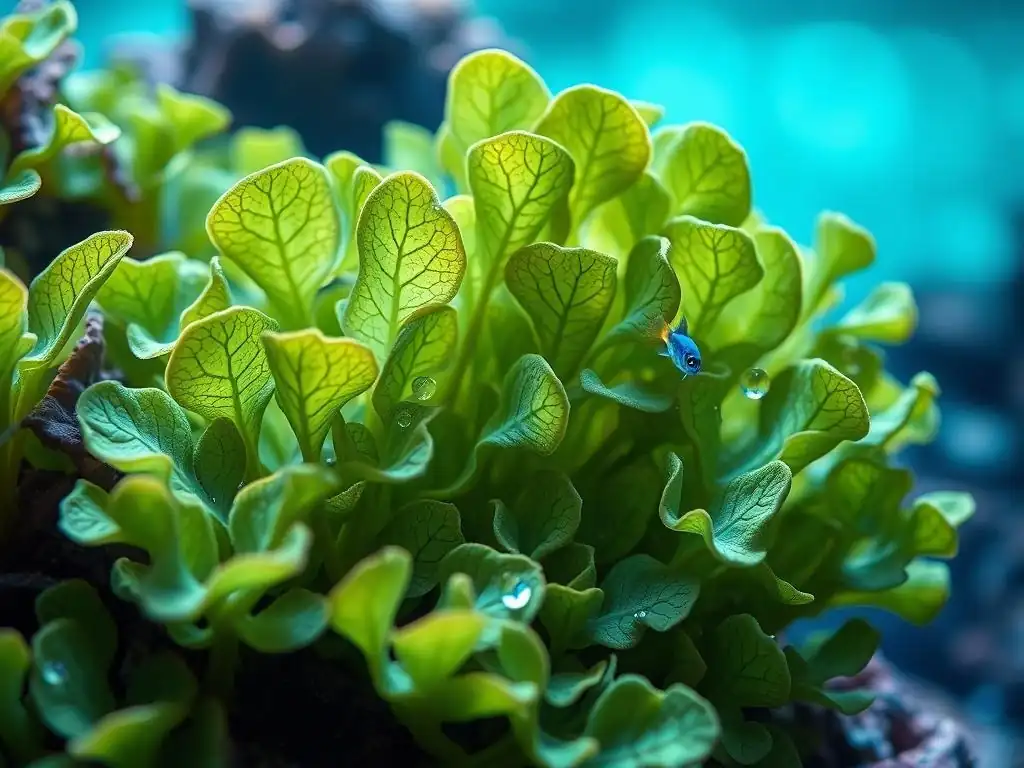
Several species of macroalgae are popular choices for saltwater aquariums due to their effectiveness in nutrient export and their contribution to a saltwater pH alkalinity boost. Each species has unique characteristics regarding growth rate, ease of care, and potential drawbacks, making the selection dependent on specific aquarium needs and management preferences. Understanding these differences is key to successful integration.
These macroalgae act as natural filters, absorbing nitrates and phosphates that fuel nuisance algae growth, while also consuming CO2 to stabilize pH. Their diverse forms and growth habits offer aquarists flexibility in designing their refugium or display tank, ensuring there's a suitable option for almost any setup aiming for better water chemistry.
Chaetomorpha (Chaeto): A Nutrient Export Powerhouse
Chaetomorpha linum, commonly known as Chaeto, is arguably the most popular and widely recommended macroalgae for saltwater refugiums. It is characterized by its spaghetti-like, tangled structure, which provides an immense surface area for beneficial bacteria to colonize. Chaeto is highly effective at absorbing nitrates and phosphates from the water column, often reducing these undesirable nutrients to undetectable levels in well-managed systems. Its non-invasive growth habit means it won't attach to rocks or sand and is easily contained within a refugium, making it simple to harvest.
Chaeto's rapid growth rate under appropriate lighting translates to significant CO2 consumption, directly contributing to a saltwater pH alkalinity boost. It constantly pulls carbonic acid from the water during its photosynthetic cycles, helping to stabilize pH and reduce the severity of nighttime pH drops. Furthermore, Chaeto does not reproduce sexually by sporulation, eliminating the risk of nutrient dumps or toxic releases that can occur with other macroalgae species, making it a safe and reliable choice for continuous water quality improvement and pH management.
Caulerpa: Rapid Growth and Potential Drawbacks
Caulerpa is a genus of macroalgae known for its extremely rapid growth and highly efficient nutrient uptake, making it a powerful tool for nutrient export and contributing to a saltwater pH alkalinity boost. Various species exist, such as Caulerpa prolifera (blade-like) and Caulerpa taxifolia (fern-like), each with distinct appearances. Their fast growth means they can quickly absorb large quantities of nitrates and phosphates, significantly improving water quality and providing a strong photosynthetic buffer against pH swings.
However, Caulerpa comes with notable drawbacks. Its most significant concern is its tendency to reproduce sexually (sporulation) under stressful conditions, such as sudden changes in light or nutrient levels. During sporulation, the algae release all their stored nutrients and organic matter into the water, which can lead to a rapid and dangerous drop in pH, oxygen depletion, and a massive nutrient spike, potentially crashing an entire aquarium.
Additionally, many Caulerpa species are invasive, growing aggressively and attaching to rockwork, making them difficult to control and potentially outcompeting corals in the main display tank if not strictly contained within a refugium. Due to these risks, careful management and regular pruning are essential if choosing Caulerpa.
Gracilaria: Palatable Algae with Buffering Capabilities
Gracilaria, often seen in species like Gracilaria parvispora (red ogo) or Gracilaria hayi (bushy red algae), is another excellent macroalgae choice, particularly appealing for its dual benefits: nutrient export and palatability to herbivorous fish. It typically grows as bushy, often reddish or brownish clumps. Like other macroalgae, Gracilaria efficiently absorbs nitrates and phosphates, contributing to cleaner water and reducing the fuel for nuisance algae. Its robust photosynthetic activity also helps in consuming CO2, thereby aiding in pH stabilization and contributing to a saltwater pH alkalinity boost.
A unique advantage of Gracilaria is its high palatability to many marine herbivores, such as tangs and angelfish. This makes it a great option for growing in a refugium to supplement the diet of display tank inhabitants, providing natural grazing opportunities. While it grows slower than some Caulerpa species, it is generally less prone to sporulation than Caulerpa, making it a more stable and safer option for long-term nutrient management and pH buffering. Its aesthetic appeal also makes some species suitable for display-style refugiums.
Factors to Consider When Selecting Macroalgae
When selecting the right macroalgae for your saltwater aquarium, several factors should be carefully considered to ensure optimal performance and compatibility with your system. The primary goal is to maximize the saltwater pH alkalinity boost and nutrient export while minimizing potential risks. First, consider the growth rate of the species. Faster-growing macroalgae like Caulerpa will export more nutrients and consume more CO2, but they also require more frequent harvesting to prevent nutrient re-release upon die-off and to manage their invasive potential. Slower growers like some Gracilaria or Chaetomorpha might be less demanding in terms of pruning frequency.
Secondly, assess the invasiveness of the macroalgae. Species that rapidly attach to rockwork or sand, like many Caulerpa varieties, can quickly overrun a refugium and potentially spread to the main display tank, competing with corals for space and light. Non-invasive species like Chaetomorpha, which simply tumble, are much easier to contain and manage.
Finally, consider the palatability of the algae if you intend it to serve as a supplemental food source for herbivorous fish. Species like Gracilaria are readily consumed by tangs and other grazers, offering an additional benefit to your system's inhabitants. Balancing these factors will lead to a successful and sustainable macroalgae setup.
Setting Up a Macroalgae Refugium for Optimal Water Chemistry
What is a Refugium and Why Use One?
A refugium is a dedicated, separate compartment or container within a saltwater aquarium system, typically plumbed to the main display tank. Its name, derived from "refuge," accurately describes its purpose: to provide a safe haven for beneficial organisms to grow and thrive without predation from the main display's inhabitants. In the context of a saltwater pH alkalinity boost, a refugium is primarily used to cultivate macroalgae, which are crucial for nutrient export and water chemistry stabilization.
The strategic use of a refugium offers multiple advantages. Firstly, it allows for the cultivation of fast-growing macroalgae that efficiently absorb nitrates and phosphates, preventing nuisance algae outbreaks in the main tank. Secondly, by hosting macroalgae, the refugium actively consumes CO2 through photosynthesis, helping to stabilize and even raise the pH of the entire system, especially when run on a reverse photoperiod.
This continuous CO2 removal contributes significantly to a natural saltwater pH alkalinity boost. Lastly, refugiums provide a breeding ground for beneficial microfauna, such as copepods and amphipods, which serve as a natural food source for corals and fish, enhancing biodiversity and overall ecosystem health.
Designing Your Refugium for Maximum Alkalinity Support
Designing an effective macroalgae refugium for optimal alkalinity support involves careful consideration of its size, internal layout, and integration with the main system. Generally, a larger refugium volume is more effective, with many aquarists aiming for a refugium that is at least 10-20% of the main display tank's volume, if space permits.
This larger volume allows for a greater biomass of macroalgae, leading to more significant nutrient export and CO2 consumption. The internal design should prioritize ample space for macroalgae to tumble or attach, often with a bare bottom or a shallow sand bed (e.g., 1-2 inches) to facilitate cleaning and prevent detritus accumulation.
Water flow through the refugium should be moderate and consistent, ideally around 1 to 3 times the refugium's volume per hour. This ensures that nutrients are delivered to the macroalgae and that oxygenated water and beneficial microfauna can flow into the main display.
The refugium is typically placed in the sump, after mechanical filtration (e.g., filter socks) but before the return pump. This positioning ensures that water entering the refugium is relatively clean, preventing detritus buildup, and that the beneficial output (cleaner water, higher pH, microfauna) is directly returned to the main system, contributing to a continuous saltwater pH alkalinity boost.
Lighting Considerations for Macroalgae Growth
Proper lighting is perhaps the most critical factor for successful macroalgae growth in a refugium, directly impacting its ability to provide a saltwater pH alkalinity boost. Macroalgae, being photosynthetic organisms, require specific light intensity and spectrum to thrive. Full-spectrum LED lights or dedicated refugium lights with a strong emphasis on red and blue wavelengths (e.g., 660nm red and 450nm blue) are highly effective, as these are the primary wavelengths absorbed by chlorophyll for photosynthesis. The intensity should be sufficient to promote vigorous growth without encouraging nuisance algae in the refugium itself.
A common and highly effective strategy is to run the refugium lights on a reverse photoperiod, meaning the refugium lights are on when the main display tank lights are off (e.g., 12 hours on, 12 hours off, opposite to the display). This counteracts the natural nighttime pH drop that occurs in the main tank due to animal respiration (which releases CO2).
By having macroalgae actively consume CO2 during the main tank's dark period, the system's overall pH is significantly stabilized, providing a continuous and natural saltwater pH alkalinity boost throughout the 24-hour cycle. This consistent consumption of CO2 helps maintain higher average pH levels and reduces daily pH swings, benefiting all marine life.
Water Flow and Circulation in the Refugium
Optimal water flow and circulation within the macroalgae refugium are essential for maximizing its effectiveness in providing a saltwater pH alkalinity boost and overall water quality. The flow rate should be moderate and laminar, avoiding excessively turbulent or stagnant areas. A flow rate of approximately 1 to 3 times the refugium's volume per hour is generally recommended.
This ensures that a continuous supply of nutrient-rich water from the main display tank passes through the macroalgae, allowing them to efficiently absorb nitrates and phosphates. Consistent flow also prevents detritus from settling and accumulating within the refugium, which could otherwise decompose and release unwanted nutrients back into the water.
Furthermore, proper circulation ensures that the oxygenated water, a byproduct of macroalgae photosynthesis, is evenly distributed throughout the refugium and then efficiently returned to the main system. This constant exchange of water helps maintain stable parameters throughout the entire aquarium. Stagnant zones can lead to localized nutrient buildup or even anaerobic conditions, which are detrimental to the health of the macroalgae and the overall system. By providing adequate flow, the macroalgae can perform their vital role in CO2 consumption and nutrient export consistently, directly contributing to a stable saltwater pH alkalinity boost.
Maintaining Your Macroalgae Refugium for Sustained pH and Alkalinity Stability
Regular Pruning and Harvesting of Macroalgae
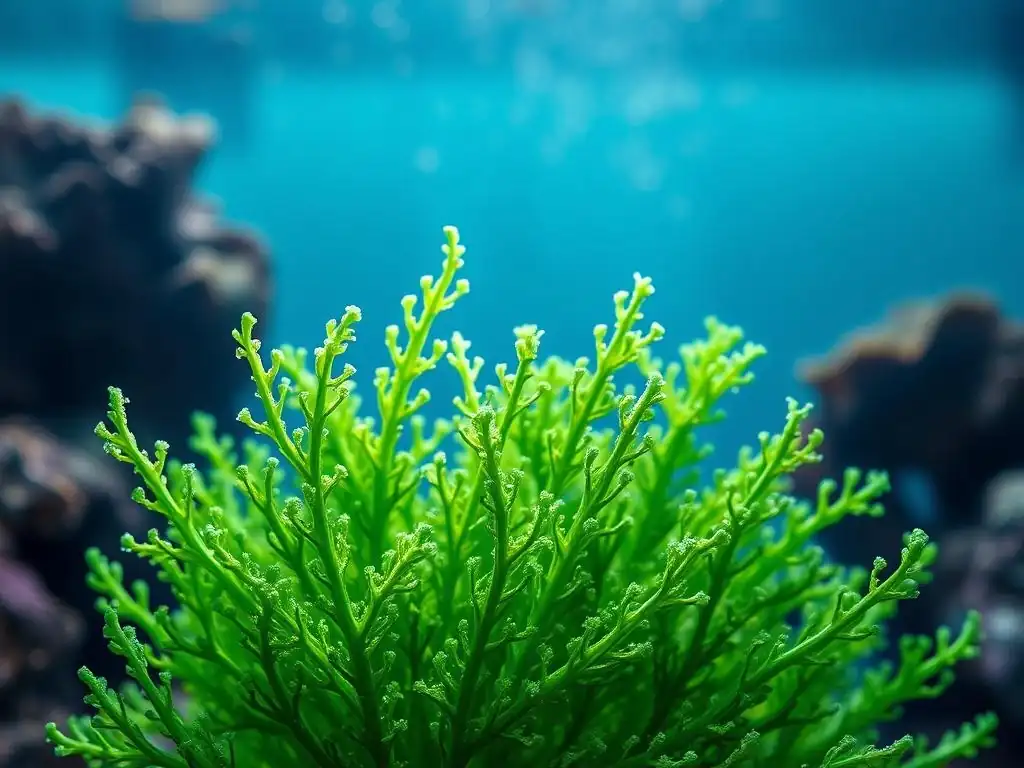
Regular pruning and harvesting are the most critical maintenance tasks for a macroalgae refugium, directly impacting its effectiveness in providing a saltwater pH alkalinity boost and exporting nutrients. As macroalgae grow, they absorb nitrates, phosphates, and other dissolved organic compounds from the water. The act of physically removing a portion of this grown algae removes these absorbed nutrients permanently from the aquarium system, preventing their re-release if the algae were to die back. Without regular harvesting, the macroalgae's capacity to absorb new nutrients diminishes, and if allowed to die off, it can even become a source of pollution.
The frequency of harvesting depends on the growth rate of your specific macroalgae species and the nutrient load of your system. For fast-growing species like Chaetomorpha, harvesting every one to two weeks might be necessary, removing approximately 20-30% of the biomass each time. This consistent removal of nutrient-laden biomass ensures the macroalgae remain in a vigorous growth phase, maximizing their efficiency in consuming CO2 for pH stability and exporting unwanted nutrients. This continuous cycle of growth and removal is the cornerstone of maintaining a consistent saltwater pH alkalinity boost and overall water quality through natural means.
Monitoring pH and Alkalinity Levels in Your Saltwater Tank
Consistent monitoring of pH and alkalinity levels is essential to gauge the effectiveness of your macroalgae refugium and ensure sustained saltwater pH alkalinity boost. Regular testing allows you to track trends, identify potential issues before they become critical, and make informed adjustments to your system. For pH, it's advisable to test at least once daily, ideally at different times (e.g., morning and evening) to observe the natural daily swings and confirm that the refugium's reverse lighting cycle is effectively mitigating nighttime drops. Aim for a stable pH around 8.1-8.3.
Alkalinity should be tested at least weekly, using a reliable test kit (e.g., Salifert, Hanna, Red Sea). Maintaining alkalinity within the target range, typically 8-9 dKH for most reef tanks, is crucial for coral calcification and buffering capacity. Recording these measurements over time provides valuable data, allowing you to observe the long-term impact of your macroalgae refugium.
If you notice a consistent drift in either pH or alkalinity, it indicates a need to adjust your refugium's lighting, harvesting schedule, or consider if other factors are influencing your water chemistry. Proactive monitoring ensures your macroalgae system is always optimized for stability.
Addressing Common Issues in Macroalgae Refugiums
Even with careful setup, macroalgae refugiums can encounter common issues that hinder their effectiveness in providing a saltwater pH alkalinity boost. One frequent problem is slow or stunted growth of the macroalgae. This often points to insufficient lighting (wrong spectrum or intensity), a lack of essential nutrients (if the tank is too clean, paradoxically), or inadequate water flow. Troubleshooting involves checking light output, ensuring moderate flow, and occasionally allowing nutrient levels to rise slightly if they are consistently at zero, to provide fuel for growth.
Another common issue is the presence of nuisance algae growing within the refugium itself, competing with the desired macroalgae. This usually indicates an imbalance, often too much light, incorrect light spectrum, or a buildup of detritus. Addressing this involves adjusting lighting, improving flow to prevent dead spots, and regular cleaning of the refugium compartment.
Lastly, macroalgae die-off, especially with species like Caulerpa (sporulation), can lead to a sudden release of nutrients and a drop in pH, negating any saltwater pH alkalinity boost. Preventing this requires diligent harvesting, stable parameters, and avoiding sudden environmental changes. Regular observation and prompt action are key to maintaining a healthy and effective refugium.
Troubleshooting pH and Alkalinity Imbalances with Macroalgae
Identifying the Root Cause of pH and Alkalinity Problems
Before attempting to correct pH and alkalinity imbalances with macroalgae, it is crucial to accurately identify the root cause of the problem. A persistently low pH (e.g., below 7.8) can stem from several factors: high dissolved CO2 due to poor gas exchange (e.g., closed top, insufficient surface agitation), excessive organic decomposition (from overfeeding or detritus buildup), high bioload, or simply a lack of sufficient buffering capacity (low alkalinity). Conversely, a consistently high pH (e.g., above 8.5) is less common but can result from excessive dosing of kalkwasser or other alkalinity supplements, or very high gas exchange.
Low alkalinity is often caused by high calcification demand from growing corals, insufficient supplementation, or the continuous consumption of buffers to neutralize acids in the system. High alkalinity, though rare in actively growing coral tanks, can occur from over-dosing. Accurate testing with reliable kits (and calibrating any pH probes) is the first step.
For example, if your pH drops significantly overnight but recovers during the day, it points to CO2 buildup and respiration. If alkalinity is consistently low despite moderate coral growth, your dosing might be insufficient or the system's buffering capacity is being rapidly consumed by other processes. Understanding these underlying causes dictates whether macroalgae can fully resolve the issue or if they need to be part of a multi-faceted solution for a sustained saltwater pH alkalinity boost.
Adjusting Macroalgae Growth to Optimize Water Chemistry
Once the root cause of pH and alkalinity imbalances is identified, adjustments to your macroalgae refugium can be made to optimize water chemistry and provide a better saltwater pH alkalinity boost. If your pH is consistently low, particularly during nighttime hours, increasing the efficiency of your macroalgae is key.
This can involve extending the refugium's reverse photoperiod (e.g., from 10 hours to 14 hours, ensuring it covers the main tank's dark period), upgrading the refugium light to one with a more optimal spectrum and intensity for macroalgae growth, or increasing the macroalgae biomass itself. More vigorous growth means greater CO2 consumption, directly raising pH.
For issues related to alkalinity stability, ensuring consistent and healthy macroalgae growth is equally important. While macroalgae don't directly add alkalinity, their role in pH stabilization and nutrient export preserves the existing alkalinity buffers. If alkalinity is dropping too rapidly, it might be that the macroalgae are not effectively removing enough organic acids or mitigating pH swings, leading to increased buffer consumption.
Ensure frequent and sufficient harvesting to maintain peak nutrient export efficiency. Conversely, if pH is too high, you might slightly reduce the refugium light duration, though this is less common as macroalgae typically help normalize pH rather than over-elevate it in a balanced system. The goal is to fine-tune the macroalgae's metabolic activity to align with your system's specific needs for a balanced saltwater pH alkalinity boost.
Supplementing Alkalinity When Macroalgae Isn't Enough
While macroalgae are powerful tools for pH stabilization and the preservation of alkalinity, it's crucial to understand that they typically do not add alkalinity ions to the water at a rate sufficient to meet the demands of a heavily stocked reef tank with rapidly growing corals. Macroalgae primarily reduce the consumption of alkalinity by mitigating pH drops and exporting nutrients that contribute to acidity. For systems with significant calcification demands (e.g., tanks dominated by SPS corals), direct alkalinity supplementation will almost certainly still be necessary, even with a thriving macroalgae refugium.
Common methods for direct alkalinity supplementation include two-part solutions (e.g., B-Ionic, ESV B-ionic), kalkwasser (calcium hydroxide), or a calcium reactor. For instance, a reef tank with several mature SPS colonies might consume 1-2 dKH of alkalinity per day. While macroalgae might reduce this consumption by 0.5 dKH by stabilizing pH, the remaining 0.5-1.5 dKH deficit still needs to be addressed through dosing.
Macroalgae, in this scenario, act as an incredibly valuable support system, making your dosing regimen more stable and efficient by reducing daily fluctuations and the overall demand for alkalinity, thus contributing to a more consistent saltwater pH alkalinity boost overall. They are a foundational component of stability, but not a complete replacement for direct supplementation in demanding systems.
The Benefits Beyond pH and Alkalinity: Additional Advantages of Macroalgae
Nutrient Export and Nitrate Reduction
Beyond their direct impact on pH and alkalinity, macroalgae are exceptionally effective at nutrient export, particularly in reducing nitrates and phosphates. These nutrients, often byproducts of fish waste, uneaten food, and decaying organic matter, are the primary fuel for nuisance algae outbreaks (e.g., hair algae, diatoms, cyanobacteria) in the display tank. Macroalgae, through their rapid growth, absorb these unwanted compounds from the water column, effectively "locking" them into their biomass. When the macroalgae are periodically harvested and removed from the system, these absorbed nitrates and phosphates are permanently exported, leading to significantly cleaner water.
For example, a well-established Chaetomorpha refugium in a 100-gallon system with moderate bioload can often reduce nitrates from levels of 20-30 ppm down to undetectable levels (below 1 ppm) within a few weeks, provided there's consistent growth and harvesting. This continuous removal of excess nutrients is paramount for maintaining a pristine display tank, preventing unsightly algae blooms, and creating a healthier environment for sensitive corals and fish. This passive, biological filtration method is a cornerstone of advanced reef keeping, contributing to overall water quality and complementing the saltwater pH alkalinity boost they provide.
Providing a Habitat for Beneficial Microfauna
A significant, often underestimated, benefit of establishing a macroalgae refugium is its ability to provide a safe and thriving habitat for beneficial microfauna, such as copepods, amphipods, and other micro-crustaceans. The dense, intricate structure of macroalgae, particularly species like Chaetomorpha, offers protection from predation by fish and other larger inhabitants of the main display tank. This allows these tiny organisms to reproduce and flourish in large numbers.
These microfauna are incredibly valuable to a reef ecosystem. They serve as a natural, continuous food source for many corals, and especially for finicky eaters like Mandarin Dragonets, which rely almost exclusively on a steady supply of live copepods. They also act as detritivores, consuming uneaten food and detritus, further contributing to the cleanliness of the aquarium. The constant trickle of these micro-crustaceans from the refugium into the main display tank enhances biodiversity, promotes natural behaviors, and ultimately contributes to a more robust and self-sustaining reef environment, complementing the saltwater pH alkalinity boost with a vital ecological service.
Enhancing Overall Aquarium Aesthetics
While not their primary function, macroalgae can indirectly contribute to the overall aesthetics of a saltwater aquarium. By effectively performing nutrient export and providing a saltwater pH alkalinity boost, macroalgae help to maintain crystal-clear water and significantly reduce the occurrence of unsightly nuisance algae outbreaks in the main display tank.
When nitrates and phosphates are kept at very low levels by a thriving refugium, the conditions that fuel undesirable algae like hair algae, diatoms, or cyanobacteria are suppressed. This allows the vibrant colors of corals and the natural beauty of the rockwork to truly shine, unobstructed by green or brown films.
Furthermore, a well-designed external refugium can itself be an attractive feature, showcasing healthy, lush macroalgae growth. Species like some Gracilaria or Caulerpa can be quite beautiful with their varied textures and colors. By ensuring a pristine and stable environment in the main tank, macroalgae allow the true beauty of your marine inhabitants to be the focal point, enhancing the visual appeal of your entire setup. This holistic improvement in water quality and ecological balance culminates in a more visually stunning and enjoyable aquarium.
Conclusion: Achieving Saltwater Stability with the Power of Macroalgae
The Long-Term Benefits of a Macroalgae-Driven System
Implementing a macroalgae-driven system, typically through a dedicated refugium, offers profound long-term benefits for maintaining a stable and thriving saltwater aquarium. By harnessing the natural photosynthetic processes of macroalgae, aquarists can achieve a consistent saltwater pH alkalinity boost, mitigating daily pH swings and preserving alkalinity levels. This natural buffering capacity reduces the reliance on constant chemical dosing and creates a more forgiving environment for sensitive marine life. The continuous removal of nitrates and phosphates through macroalgae growth and harvesting translates to significantly cleaner water, fewer nuisance algae outbreaks, and a healthier ecosystem overall.
Beyond chemical stability, a macroalgae refugium fosters a richer, more diverse biological environment. It provides a safe breeding ground for beneficial microfauna, which serve as a natural food source for corals and fish, enhancing their vitality and natural behaviors. This integrated approach mimics natural marine ecosystems more closely, leading to a more resilient and self-sustaining aquarium. The long-term result is a system that is not only visually stunning due to pristine water clarity and healthy inhabitants but also requires less intervention for chemical imbalances, allowing aquarists to enjoy their marine world with greater peace of mind.
Tips for Continued Success with Saltwater pH Alkalinity Boost
For continued success in leveraging macroalgae for a robust saltwater pH alkalinity boost and overall system health, adherence to a few key practices is essential:
- Consistent Monitoring: Regularly test your pH and alkalinity levels, ideally daily for pH (morning and evening) and weekly for alkalinity. Keep a log to track trends and identify any deviations early.
- Regular Harvesting: Prune and harvest your macroalgae consistently, typically every 1-2 weeks, removing 20-30% of the biomass. This ensures peak nutrient export efficiency and prevents nutrient re-release.
- Optimal Lighting: Provide appropriate lighting (spectrum and intensity) to your refugium, and consider a reverse photoperiod to counteract nighttime pH drops in the main tank.
- Adequate Flow: Ensure moderate, laminar water flow through your refugium to deliver nutrients to the macroalgae and prevent stagnant areas.
- Species Selection: Choose macroalgae species like Chaetomorpha or Gracilaria that are well-suited to your system's needs and management capabilities, considering growth rate, invasiveness, and palatability.
- Patience and Observation: Recognize that establishing a balanced macroalgae system takes time. Observe your tank's response and make gradual adjustments as needed.
- Holistic Approach: Remember that macroalgae are a powerful tool but part of a larger system. Combine their benefits with good husbandry practices, appropriate stocking levels, and, if necessary, supplemental dosing for calcium and alkalinity in demanding reef tanks.
Frequently Asked Questions
How can macroalgae help boost pH and alkalinity in my saltwater aquarium?
Macroalgae consume carbon dioxide during photosynthesis, which helps raise the pH and stabilize alkalinity in your saltwater aquarium. This process prevents rapid pH swings and maintains a more stable environment. They act as a natural buffer against pH drops.
What types of macroalgae are best for boosting pH and alkalinity?
Fast-growing macroalgae like Chaetomorpha (Chaeto), Caulerpa, and Gracilaria are generally considered the best choices. They have a high growth rate and effectively consume carbon dioxide, leading to significant improvements in water chemistry.
How does macroalgae compare to chemical buffers for pH and alkalinity?
Macroalgae offer a natural and sustainable way to maintain pH and alkalinity, unlike chemical buffers which require regular additions and can sometimes cause imbalances. Macroalgae provide a biological solution by consuming excess nutrients and producing oxygen.
What other benefits does macroalgae provide besides pH and alkalinity stabilization?
Besides buffering pH and alkalinity, macroalgae help reduce nitrates and phosphates, compete with nuisance algae, and provide a refuge for beneficial invertebrates. They contribute to a healthier and more balanced aquarium ecosystem.
How much macroalgae should I use in my refugium or display tank?
The amount of macroalgae needed depends on the size of your tank and the bioload. A good starting point is to aim for a volume of macroalgae roughly equivalent to 10-20% of your aquarium's volume. Monitor your water parameters and adjust the amount accordingly.
Final Reflection: Cultivating Stability in Our Marine Ecosystems
The intricate dance between pH and alkalinity, as we've explored, is not merely a chemical equation for saltwater aquariums, but a reflection of the delicate balance within our larger marine ecosystems. The ability of macroalgae to naturally provide a saltwater pH alkalinity boost highlights the power of nature-based solutions in addressing environmental challenges. Understanding and harnessing these processes is more crucial than ever, as our oceans face increasing pressures from acidification and pollution.
This exploration of macroalgae's role has profoundly underscored the interconnectedness of life within our aquariums and beyond. It reminds us that even small actions, like cultivating a thriving macroalgae refugium, can contribute to a healthier, more resilient marine environment. In nature, nothing exists alone.
- Rachel Carson. This quote perfectly encapsulates the symbiotic relationships that sustain life, and the responsibility we have to protect them.
Now, consider the implications of this knowledge. How can you, as an aquarist or simply as a concerned citizen, apply these principles to your own life? Let us all strive to be mindful stewards of our planet, embracing sustainable practices and advocating for policies that protect our precious marine resources. The future of our oceans, and indeed our planet, depends on our collective commitment to understanding and nurturing the delicate balance of life within them.
Rediscover Your Reef's Equilibrium: Take the Next Step!
Thank you for diving into the fascinating world of macroalgae and its power to stabilize your saltwater aquarium! Now that you've learned how these vibrant plants can impact pH and alkalinity, it's time to translate that knowledge into a thriving reef ecosystem.
Here's how you can get started:
- Implement a macroalgae refugium. This is the most impactful step you can take to naturally regulate your pH and alkalinity. Research which macroalgae species best suit your tank's needs and nutrient levels.
- Share your newfound knowledge! Discuss your plans to integrate macroalgae with fellow reef keepers on forums or social media groups. Collaboration and shared experiences can lead to even better results.
- Track your progress. Start a simple journal to document pH and alkalinity fluctuations before and after implementing macroalgae. This will help you fine-tune your approach and demonstrate the power of natural solutions.
What specific macroalgae species are you most excited to try in your refugium, and what challenges do you anticipate facing?