
PPSPro Dosing: A Leaner Approach to Aquarium Plant Fertilization

Welcome to Aquarium Mastery!
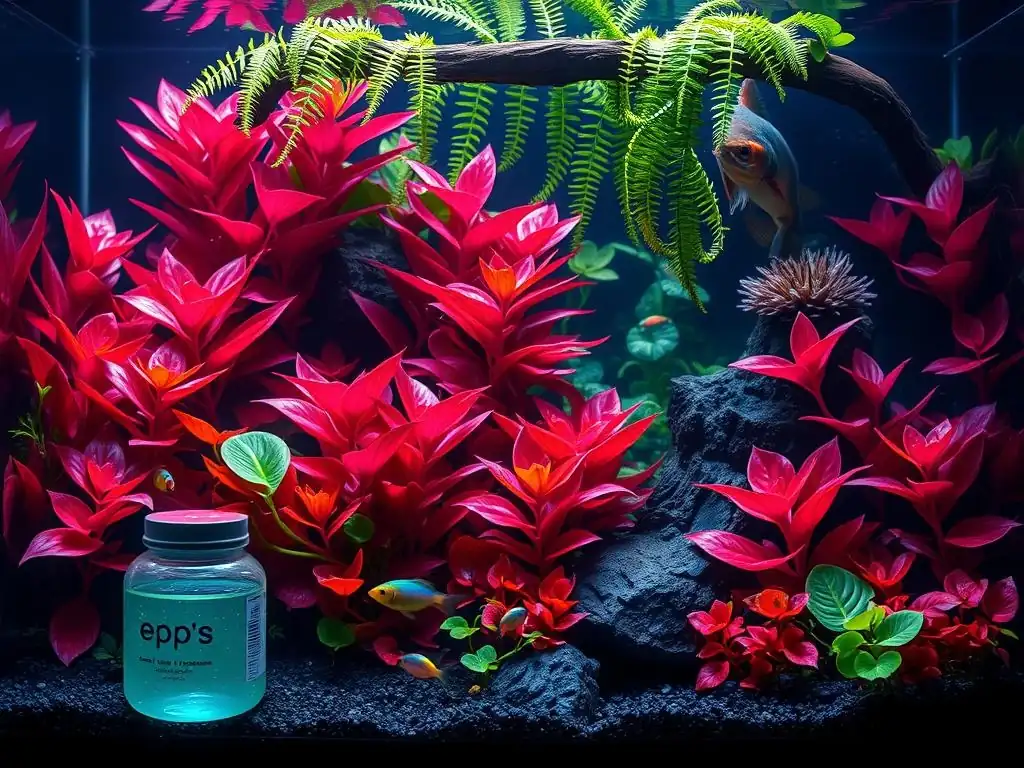
Ever wondered if there's a simpler, more effective way to nourish your aquarium plants? Dive in and discover the secrets of PPS Pro dosing in our beginner's guide. Unlocking the potential of a leaner, more controlled fertilization regime could be the key to vibrant, thriving aquatic flora. Ready to transform your planted tank? Let's explore!
- Aquarium Plant Fertilization: A Comprehensive Guide
- Understanding Aquarium Plant Nutrition
- Choosing a Fertilization Method
- Calculating Fertilizer Doses for Your Aquarium
- Implementing a Fertilization Schedule
- Observing Plant Health and Identifying Deficiencies
- Testing Water Parameters for Optimal Plant Health
- Troubleshooting Common Fertilization Issues
- Advanced Fertilization Techniques
- Resources for Further Learning
-
Frequently Asked Questions
- What is PPS Pro dosing and why is it considered a "leaner" approach?
- How does PPS Pro dosing differ from the Estimative Index (EI) method?
- What types of aquariums are best suited for PPS Pro dosing?
- What are the key nutrients involved in PPS Pro dosing?
- How do I get started with PPS Pro dosing as a beginner?
- Final Reflection: Cultivating Growth, Simplifying Complexity
- Revolutionize Your Aquarium: Embrace the PPS-Pro Advantage!
Aquarium Plant Fertilization: A Comprehensive Guide
Understanding Aquarium Plant Nutrition
Essential Macronutrients for Plant Growth (Nitrogen, Phosphorus, Potassium)
Aquarium plants, much like terrestrial plants, require a foundational set of macronutrients for robust growth and vibrant health. The three primary macronutrients are Nitrogen (N), Phosphorus (P), and Potassium (K), often referred to as NPK. Nitrogen, typically absorbed as nitrate (NO3-), is crucial for protein synthesis, chlorophyll production, and overall vegetative growth. Without sufficient nitrogen, plants often exhibit pale green or yellowing leaves, particularly on older growth, and stunted development.
Phosphorus, usually taken up as phosphate (PO43-), plays a vital role in energy transfer processes, root development, and flower/seed formation, though the latter is less common in submerged aquatic plants. A deficiency in phosphorus can manifest as dark green, stunted leaves, sometimes with a reddish or purplish tint, and slow growth. Potassium is essential for enzyme activation, water regulation (osmosis), and nutrient transport within the plant.
Potassium deficiency is frequently observed as yellowing or necrosis (tissue death) along the leaf margins, especially on older leaves, or the development of pinholes in leaves. A balanced supply of these macronutrients is paramount for any successful planted aquarium.
Essential Micronutrients for Plant Growth (Iron, Trace Elements)
Beyond the NPK macronutrients, aquarium plants also depend on a range of essential micronutrients, which are required in much smaller quantities but are equally critical for various physiological processes. Iron (Fe) is perhaps the most well-known micronutrient, indispensable for chlorophyll production and enzymatic reactions. Iron deficiency is a common issue, typically presenting as chlorosis (yellowing) of new growth, while older leaves remain green, or the veins stay green while the tissue between them yellows.
Other vital trace elements include Manganese (Mn), Boron (B), Zinc (Zn), Copper (Cu), and Molybdenum (Mo). Manganese is involved in photosynthesis and enzyme activity; Boron is crucial for cell wall formation and calcium uptake; Zinc plays a role in enzyme systems and growth hormones; Copper is a component of enzymes and involved in photosynthesis; and Molybdenum is essential for nitrogen metabolism.
These elements are often provided together in a comprehensive trace mix. For those starting with a PPS dosing beginner guide, understanding these trace elements is key, as many dry fertilizer regimens include a dedicated trace mix to ensure all necessary micronutrients are available, preventing common deficiencies and promoting lush plant growth.
Factors Affecting Nutrient Uptake in Planted Aquariums (Lighting, CO2, Substrate)
The efficiency with which aquarium plants absorb available nutrients is profoundly influenced by several environmental factors. Lighting is a primary driver of photosynthesis, the process by which plants convert light energy into chemical energy, utilizing CO2 and nutrients. High-intensity lighting can accelerate metabolic rates, leading to a greater demand for nutrients. Conversely, low light conditions reduce nutrient uptake, making it easier to over-fertilize and potentially trigger algae growth.
Carbon Dioxide (CO2) is another critical factor, often considered a macronutrient due to the large quantities required for photosynthesis. Inadequate CO2 levels severely limit plant growth, even if all other nutrients are abundant. Plants simply cannot process nutrients effectively without sufficient CO2. Finally, the substrate plays a significant role, particularly for root-feeding plants. Nutrient-rich substrates can provide a steady, long-term supply of certain elements directly to the roots, complementing liquid fertilization. Factors like water flow and temperature also indirectly affect nutrient uptake by influencing CO2 availability and metabolic rates, highlighting the interconnectedness of a planted aquarium ecosystem.
Choosing a Fertilization Method
All-in-One Liquid Fertilizers: Convenience and Limitations
All-in-one liquid fertilizers offer a convenient solution for many aquarists, particularly beginners. These products typically contain a balanced blend of macronutrients (N, P, K) and a spectrum of essential micronutrients, including iron and various trace elements, in a single bottle. The primary advantage of these formulations is their simplicity: users often only need to dose one product a few times a week, following the manufacturer's recommendations. This ease of use makes them an attractive option for those new to planted tanks or hobbyists with busy schedules who prefer a straightforward approach to plant nutrition.
However, the convenience of all-in-one fertilizers comes with certain limitations. Because they contain a fixed ratio of nutrients, it can be challenging to address specific nutrient deficiencies without potentially overdosing on other elements. For example, if a plant shows signs of iron deficiency, increasing the dose of an all-in-one fertilizer might also raise nitrate and phosphate levels unnecessarily, which could contribute to algae issues.
Furthermore, the cost per dose can be significantly higher compared to dry fertilizers, especially for larger aquariums. While suitable for low to medium-tech setups, aquarists pursuing a PPS dosing beginner guide often find that all-in-one solutions lack the precision and cost-effectiveness for advanced aquascaping.
Dry Fertilizers: Cost-Effectiveness and Customization
Dry fertilizers represent a highly cost-effective and customizable approach to aquarium plant nutrition, favored by many experienced aquascapers and those practicing methods like PPS dosing. These fertilizers are sold as individual salts or compounds, such as Potassium Nitrate (KNO3) for nitrogen and potassium, Monopotassium Phosphate (KH2PO4) for phosphorus and potassium, and various chelated iron or trace element mixes. The initial investment might seem higher due to purchasing multiple separate compounds, but a small amount of dry fertilizer can last for months or even years, making the long-term cost significantly lower than liquid alternatives.
The primary benefit of dry fertilizers lies in their unparalleled flexibility and precision. Aquarists can mix their own stock solutions, tailoring the exact concentration of each nutrient to meet the specific demands of their plants and water parameters. For instance, if a tank consistently shows low potassium levels but adequate nitrogen, an aquarist can dose only potassium sulfate without adding other unnecessary nutrients.
This level of control is crucial for advanced setups and allows for fine-tuning nutrient levels to optimize plant growth and minimize algae. A PPS dosing beginner guide often recommends starting with dry fertilizers due to their precision and the ability to maintain very stable, low nutrient levels over time.
Substrate Fertilizers: Long-Term Nutrient Release
Substrate fertilizers, also known as root tabs or enriched aquasoils, are designed to provide a sustained release of nutrients directly to the roots of aquatic plants. These products are typically placed beneath the substrate or mixed into the bottom layer during tank setup.
They are particularly beneficial for heavy root feeders such as Cryptocoryne species, Echinodorus (Swords), and various stem plants that derive a significant portion of their nutrition from the substrate. Root tabs often contain a blend of essential macro and micronutrients, sometimes encapsulated to ensure slow release over several months, typically ranging from three to six months depending on the product and water parameters.
The advantage of substrate fertilizers is their ability to create a nutrient-rich environment at the plant's root zone, promoting strong root development and overall plant vigor. This localized nutrient supply can reduce the reliance on liquid dosing for certain nutrients, especially for plants that primarily absorb through their roots.
However, substrate fertilizers are not a complete fertilization solution; they primarily benefit root feeders and may not adequately supply nutrients to water column feeders or plants with less developed root systems. They work best in conjunction with a comprehensive liquid dosing regimen, complementing methods like PPS dosing by ensuring a foundational nutrient base is available at the substrate level.
Calculating Fertilizer Doses for Your Aquarium

Determining Your Aquarium Volume
Accurately determining your aquarium's volume is the fundamental first step in calculating precise fertilizer doses, essential for any PPS dosing beginner guide. An incorrect volume calculation can lead to under-dosing, resulting in nutrient deficiencies, or over-dosing, which can foster algae growth and potentially stress aquatic life. While manufacturers often list the approximate volume (e.g., "50-gallon tank"), the actual water volume is usually less due to the displacement by substrate, rocks, driftwood, and equipment like filters and heaters.
To get the most accurate volume, measure the inside length, width, and height of your tank in centimeters or inches.
- If using centimeters:
Length (cm) x Width (cm) x Height (cm) / 1000 = Liters. - If using inches:
Length (in) x Width (in) x Height (in) / 231 = US Gallons.
After calculating the gross volume, it's advisable to subtract an estimated volume for displacement. A common approximation is to subtract 10-20% from the gross volume, depending on the amount of hardscape and substrate. For instance, a "50-gallon" tank might hold closer to 40-45 actual gallons of water. This adjusted net volume provides a more reliable basis for all subsequent dosing calculations, ensuring nutrients are added in appropriate concentrations.
Understanding Fertilizer Concentrations and PPM (Parts Per Million)
Understanding fertilizer concentrations and the concept of Parts Per Million (PPM) is crucial for precise dosing, especially when using dry fertilizers or following a PPS dosing beginner guide. PPM is a measure of concentration, indicating how many milligrams of a substance are present per liter of water (mg/L). For instance, if you aim for 10 PPM of Nitrate (NO3) in a 100-liter tank, you need to add 10 milligrams of NO3 for every liter, totaling 1000 mg (or 1 gram) of NO3.
Dry fertilizers are typically sold as pure chemical compounds (e.g., KNO3, KH2PO4, K2SO4). Each compound contains a specific percentage of the target nutrient. For example, Potassium Nitrate (KNO3) is approximately 38% Nitrate (NO3) and 61% Potassium (K).
To calculate how much of the raw chemical is needed to achieve a certain PPM of the nutrient, you must account for this percentage. Online dosing calculators simplify this by performing the complex stoichiometry, allowing you to input your desired PPM and tank volume, and it outputs the exact weight of the dry chemical needed. Mastering PPM calculations empowers aquarists to precisely control nutrient levels, preventing both deficiencies and excesses.
Utilizing Online Dosing Calculators
Online dosing calculators are indispensable tools for aquarists, particularly those venturing into dry fertilizer regimens and methods like PPS dosing. These calculators automate the complex chemical calculations required to convert desired nutrient PPMs into the precise weight of dry fertilizer compounds needed for a given aquarium volume. Instead of manually performing stoichiometry, users simply input their tank's net water volume, the specific dry fertilizer compound they are using (e.g., KNO3, KH2PO4, CSM+B), and their target nutrient concentration in PPM.
For example, if you want to raise Nitrate by 5 PPM in a 50-gallon tank using Potassium Nitrate (KNO3), an online calculator will instantly tell you the exact number of grams or teaspoons of KNO3 to add. Many popular planted tank forums and supplier websites offer these free calculators, often including options for various nutrient compounds and even suggesting common dosing targets for methods like PPS.
Utilizing these calculators eliminates guesswork, significantly reduces the risk of dosing errors, and provides a reliable framework for maintaining stable and optimal nutrient levels, making the process of PPS dosing a practical and accessible beginner guide.
Implementing a Fertilization Schedule
Daily vs. Weekly Dosing Strategies
When it comes to fertilizing a planted aquarium, aquarists generally choose between daily or weekly dosing strategies, each with its own merits. Weekly dosing, often associated with the Estimative Index (EI) method, involves adding a larger quantity of fertilizers once or twice a week, typically after a significant water change. This approach aims to provide an excess of all essential nutrients, ensuring plants never experience deficiencies, and then resetting nutrient levels with a large water change (e.g., 50%) to prevent buildup. It's a robust method for high-tech tanks with intense lighting and CO2.
In contrast, daily or every-other-day dosing, commonly associated with the PPS (Perpetual Preservation System) method, involves adding smaller, more consistent amounts of nutrients. The philosophy behind PPS dosing is to provide just enough nutrients to meet daily plant demands, preventing large fluctuations in water column nutrient levels.
This "leaner approach" aims to minimize excess nutrients, which can help mitigate algae growth, especially in tanks with moderate lighting and CO2. While daily dosing requires more frequent attention, it can lead to more stable nutrient environments and is often recommended as a PPS dosing beginner guide due to its gentle, consistent nature.
Starting with a Low Dose and Gradually Increasing
A prudent approach to implementing any fertilization schedule, especially for a PPS dosing beginner guide, is to start with a low dose and gradually increase it. This conservative strategy allows the aquarist to observe the plants' response and adjust nutrient levels incrementally, minimizing the risk of over-fertilization and subsequent algae outbreaks. For instance, if a recommended dose is 10 PPM of nitrate per week, a beginner might start with 3-5 PPM and monitor plant growth over several weeks.
If plants show signs of nutrient deficiency (e.g., pale leaves, stunted growth), the dose can be slowly increased by a small increment, perhaps 10-20% at a time, until healthy growth is observed. Conversely, if algae begins to proliferate, it might indicate an excess of certain nutrients or an imbalance, prompting a reduction in dosing. This iterative process of "dose, observe, adjust" is crucial for finding the optimal nutrient balance for a specific tank setup, as every aquarium ecosystem is unique in its plant mass, lighting, CO2 levels, and fish load. Patience and keen observation are key to success.
Monitoring Plant Growth and Adjusting Doses Accordingly
Effective aquarium plant fertilization is not a static process; it requires continuous monitoring of plant growth and health, followed by corresponding adjustments to the dosing regimen. Healthy, thriving plants will exhibit vibrant coloration, robust new growth, and minimal signs of deterioration. Conversely, issues like yellowing leaves, stunted new shoots, pinholes, or melting tissue are strong indicators of nutrient deficiencies or imbalances, signaling a need to adjust fertilizer input.
For example, if new leaves are consistently pale, it might suggest an iron deficiency, prompting an increase in a trace element supplement. If older leaves are yellowing with holes, it could point to a potassium shortage, requiring a bump in potassium dosing. The goal is to find the "sweet spot" where plants are growing vigorously without excessive algae. This involves a delicate balance and often requires patience. Keeping a simple log of dosing amounts and observed plant health can be immensely helpful in identifying trends and making informed adjustments, allowing for a truly optimized PPS dosing beginner guide experience.
Observing Plant Health and Identifying Deficiencies

Visual Indicators of Nutrient Deficiencies (Leaf Color, Growth Patterns)
Observing the visual cues of aquarium plants is the most immediate way to identify potential nutrient deficiencies. Different nutrient shortages manifest in distinct ways, often affecting specific parts of the plant. For instance, a general yellowing or paling of older leaves, particularly if the veins remain green, often points to a nitrogen deficiency. If the yellowing occurs on new growth while older leaves remain green, it frequently indicates an iron or sometimes manganese deficiency.
Beyond leaf color, growth patterns also provide valuable clues. Stunted growth, small new leaves, or distorted leaf shapes can signal a deficiency in various micronutrients like boron or zinc. Pinholes or melting along the edges of older leaves are classic signs of potassium deficiency. Dark green, stunted plants with a reddish or purplish tint, especially on the undersides of leaves, often suggest a lack of phosphorus. Learning these visual indicators is a core component of any effective PPS dosing beginner guide, enabling aquarists to diagnose and address issues promptly.
Common Nutrient Deficiencies in Aquarium Plants and Their Solutions
Several nutrient deficiencies are commonly encountered in planted aquariums, each with specific symptoms and corresponding solutions.
- Nitrogen (N) Deficiency: Symptoms include general yellowing or paling of older leaves, slow growth.
- Solution: Increase dosing of a nitrogen source like Potassium Nitrate (KNO3). Aim for 5-10 ppm NO3.
- Phosphorus (P) Deficiency: Symptoms include dark green, stunted leaves, sometimes with a reddish or purplish tint, especially on the undersides.
- Solution: Increase dosing of a phosphorus source like Monopotassium Phosphate (KH2PO4). Target 0.5-1.0 ppm PO4.
- Potassium (K) Deficiency: Symptoms include yellowing or necrosis (tissue death) along leaf margins, pinholes in older leaves.
- Solution: Increase dosing of a potassium source like Potassium Sulfate (K2SO4) or KNO3/KH2PO4. Aim for 10-20 ppm K.
- Iron (Fe) Deficiency: Symptoms include chlorosis (yellowing) of new growth, while older leaves remain green; veins may stay green while tissue yellows.
- Solution: Increase dosing of a chelated iron supplement (e.g., Seachem Flourish Iron, or a dry chelated mix like Fe-DTPA). Target 0.1-0.5 ppm Fe.
- Trace Element Deficiencies (e.g., Mn, B, Zn): Symptoms are varied but can include stunted, distorted new growth, or pale coloration.
- Solution: Ensure a comprehensive trace mix (e.g., CSM+B) is being dosed regularly as part of your PPS dosing schedule.
Addressing these deficiencies involves precise adjustments to the fertilization regimen, often by increasing the specific nutrient in question while maintaining other levels.
Importance of Regular Water Changes
Regular water changes are a cornerstone of maintaining a healthy planted aquarium, playing a crucial role in nutrient management and overall water quality. While methods like PPS dosing aim for leaner, more consistent nutrient levels, water changes prevent the accumulation of organic waste products, nitrates from fish waste, and any potential buildup of certain nutrients that might not be fully utilized by plants. A 30-50% weekly water change is a common recommendation for many planted tanks, especially those with moderate to high fish loads.
Beyond waste removal, water changes also replenish essential minerals and trace elements that might be consumed by plants or removed through filtration. They help maintain stable pH and alkalinity, which are vital for CO2 solubility and nutrient availability. For aquarists following a PPS dosing beginner guide, regular water changes are particularly important as they help to "reset" the system and prevent any long-term imbalances that could occur even with precise dosing, ensuring a clean slate for the next dosing cycle and contributing to a stable, thriving environment for both plants and fish.
Testing Water Parameters for Optimal Plant Health
Testing for Nitrate (NO3), Phosphate (PO4), and Potassium (K)
Regularly testing water parameters, particularly for key macronutrients like Nitrate (NO3), Phosphate (PO4), and Potassium (K), is fundamental for optimizing plant health and refining any PPS dosing strategy. While a PPS dosing beginner guide often suggests starting doses based on general recommendations, actual plant uptake varies, making testing invaluable for fine-tuning. Nitrate kits are widely available and relatively easy to use, providing a direct measurement of nitrogen levels. Aiming for 5-10 ppm NO3 is a common target for lush plant growth without excessive algae.
Phosphate test kits measure PO4 levels, which should typically be maintained at a lower concentration, often around 0.5-1.0 ppm. While some aquarists don't routinely test for potassium due to the lack of widely available and accurate home test kits, it's still a critical macronutrient. When using dry fertilizers, potassium is often introduced via KNO3 (Potassium Nitrate) and KH2PO4 (Monopotassium Phosphate), which both contain potassium.
If a dedicated potassium source like K2SO4 (Potassium Sulfate) is used, visual symptoms of deficiency (pinholes in leaves) are often the primary indicator, though some advanced hobbyists use professional lab testing. Consistent monitoring of available parameters helps prevent deficiencies and excesses, guiding precise adjustments to your fertilization schedule.
Maintaining Balanced Nutrient Levels
Maintaining balanced nutrient levels is paramount for preventing both deficiencies that stunt plant growth and excesses that can fuel algae blooms. It's not enough to simply have nutrients present; they must be available in appropriate ratios. For instance, while high nitrogen is good for leafy growth, an imbalance where nitrogen is abundant but phosphorus is scarce can still lead to stunted development. The Redfield Ratio, though primarily for marine environments, provides a conceptual understanding of nutrient ratios, suggesting that a balance, rather than just high levels, is key.
For planted aquariums, a common target range might be:
- Nitrate (NO3): 5-10 ppm
- Phosphate (PO4): 0.5-1.0 ppm
- Potassium (K): 10-20 ppm
- Iron (Fe): 0.1-0.5 ppm
These ranges are flexible and depend on plant mass, lighting intensity, and CO2 levels. A PPS dosing beginner guide emphasizes providing a consistent, lean supply of all nutrients to prevent any single element from becoming a limiting factor. Regular water testing, combined with careful observation of plant health, allows aquarists to make informed adjustments to achieve and maintain this delicate balance, fostering a vibrant and algae-free aquatic landscape.
Using Test Kits and Interpreting Results
Using reliable test kits and accurately interpreting their results are critical skills for any aquarist aiming for optimal plant health. Most aquarium test kits are colorimetric, meaning they involve adding reagents to a water sample that cause a color change, which is then compared to a color chart provided with the kit. It's important to follow the instructions precisely, including shaking reagents, timing reactions, and reading results under consistent lighting conditions. Common test kits include those for Nitrate (NO3), Phosphate (PO4), and sometimes Iron (Fe).
Interpreting results involves comparing the color of your sample to the chart and then correlating that value with your fertilization goals. For example, if your Nitrate test consistently reads 0 ppm, and your plants show signs of nitrogen deficiency (pale older leaves), it's a clear indication to increase your nitrogen dosing.
Conversely, if Nitrate levels are consistently above 20 ppm and you're battling green spot algae, you might consider reducing nitrogen input or increasing water changes. Consistent testing, perhaps weekly before a water change, provides valuable data to guide your PPS dosing strategy and ensure your plants receive the precise nutrition they need.
Troubleshooting Common Fertilization Issues
Algae Blooms: Causes and Prevention
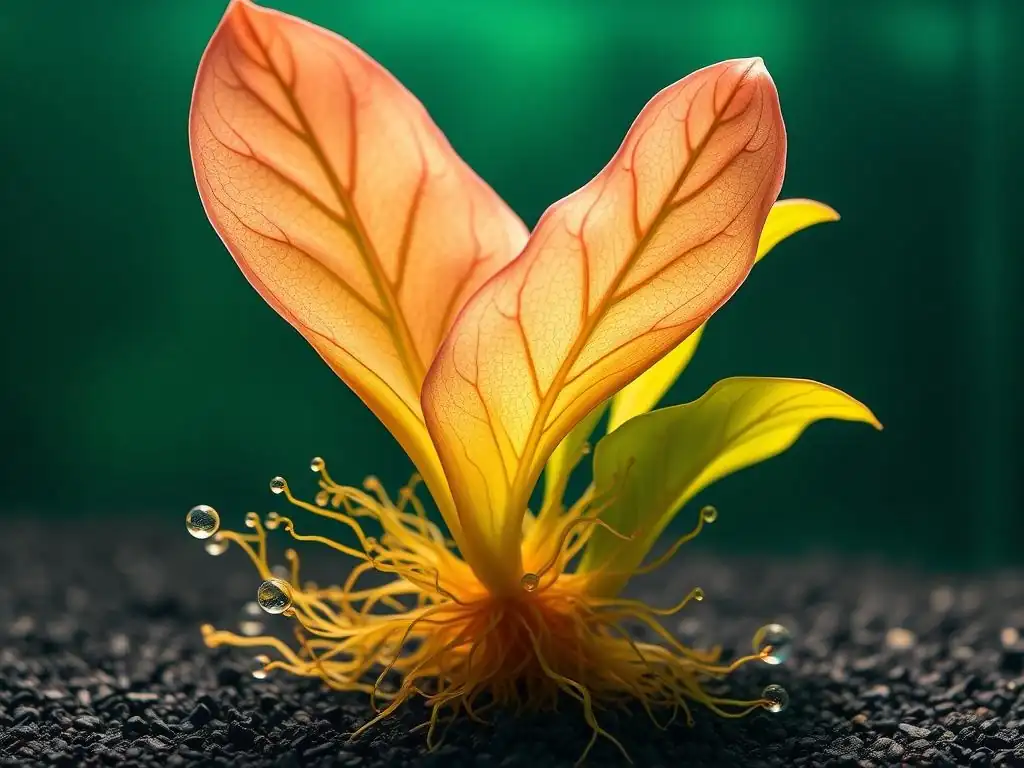
Algae blooms are one of the most frustrating and common issues in planted aquariums, often mistakenly attributed solely to "too many nutrients." While nutrient excess can contribute, algae are primarily indicators of an imbalance in the ecosystem, often related to lighting, CO2, or a fluctuating nutrient supply. For instance, too much light without adequate CO2 and nutrients will inevitably lead to algae, as algae are more efficient at utilizing limited resources under such conditions.
Prevention strategies include:
- Consistent CO2: Maintain stable CO2 levels (20-30 ppm) throughout the photoperiod.
- Stable Lighting: Use a consistent photoperiod (typically 6-8 hours) and appropriate intensity for your plants.
- Balanced Nutrients: Ensure all macro and micronutrients are available in sufficient, but not excessive, amounts. A PPS dosing beginner guide emphasizes this lean, stable approach.
- Regular Water Changes: Remove excess organic waste and reset nutrient levels.
- Good Flow: Ensure nutrients and CO2 are distributed evenly throughout the tank.
- Adequate Plant Mass: Healthy, thriving plants outcompete algae for resources. Addressing the root cause, rather than just treating the symptoms, is key to long-term algae control.
Nutrient Imbalances: Identifying and Correcting
Nutrient imbalances occur when one or more essential nutrients are either deficient or in excessive supply relative to others, leading to suboptimal plant growth and often triggering algae. Identifying these imbalances requires keen observation of specific plant deficiency symptoms and, ideally, water testing. For example, if plants show classic signs of potassium deficiency (pinholes in older leaves) despite regular dosing of a general fertilizer, it suggests potassium is the limiting factor.
Correcting nutrient imbalances involves a targeted approach. If potassium is deficient, increase the potassium component of your PPS dosing. If you suspect an excess of a certain nutrient (e.g., high nitrates fueling hair algae), you might temporarily reduce its dosing or increase water change frequency.
Sometimes, an imbalance isn't about too much or too little of one nutrient, but an overall lack of CO2 or light preventing plants from utilizing available nutrients effectively. The key is to systematically adjust one variable at a time, observe the plant's response over a week or two, and then make further adjustments. This methodical approach is central to effective PPS dosing.
Adjusting Fertilization for Different Plant Species
Not all aquarium plants have the same nutritional requirements, necessitating adjustments to a fertilization strategy based on the species present in your tank. For example, fast-growing stem plants like Rotala or Ludwigia are heavy feeders that demand ample macronutrients (N, P, K) and CO2 to thrive and achieve vibrant coloration. They often benefit from a more robust PPS dosing schedule or even methods like Estimative Index.
In contrast, slower-growing plants such as Anubias, Bucephalandra, and Java Fern, which primarily absorb nutrients from the water column, have much lower demands. Over-fertilizing these species, especially with high light, can lead to algae growth on their leaves. Root feeders like Cryptocorynes and Echinodorus benefit significantly from nutrient-rich substrates or root tabs, even if liquid dosing is moderate.
A balanced tank with a mix of plant types might require a generalized PPS dosing beginner guide approach, perhaps slightly leaning towards the needs of the more demanding species, while ensuring ample CO2 and light to prevent nutrient lockouts for the faster growers. Tailoring your approach to your specific plant collection is crucial for success.
Advanced Fertilization Techniques
CO2 Injection and Nutrient Uptake
CO2 injection is arguably the most impactful advanced fertilization technique for planted aquariums, fundamentally altering plants' ability to absorb and utilize other nutrients. Carbon dioxide is a primary raw material for photosynthesis, and in a high-tech planted tank, it becomes the limiting factor for growth before any other nutrient. When CO2 levels are optimized (typically 20-30 ppm), plants can photosynthesize at a much higher rate, leading to significantly faster and more robust growth.
This accelerated growth, in turn, dramatically increases the plants' demand for all other macro and micronutrients. A tank with CO2 injection will consume nitrates, phosphates, potassium, and trace elements much more rapidly than a low-tech setup. Therefore, a comprehensive PPS dosing strategy becomes even more critical in a CO2-injected tank to prevent nutrient deficiencies. Without adequate CO2, adding more liquid fertilizers will often only fuel algae, as the plants cannot efficiently process the available nutrients. Achieving a balance between lighting, CO2, and nutrient supply is the cornerstone of a successful high-tech planted aquarium.
Light Intensity and Fertilization Requirements
Light intensity is another critical factor that directly influences a planted aquarium's fertilization requirements. Higher light intensity drives faster photosynthesis, leading to an increased demand for CO2 and all essential macro and micronutrients.
In a tank with very bright lighting (e.g., 50-70 PAR at the substrate), plants will grow rapidly and deplete nutrients from the water column much quicker than in a dimly lit tank. This necessitates a more aggressive or frequent dosing regimen to keep up with plant consumption, often favoring a robust PPS dosing schedule or even the Estimative Index method to ensure no nutrient becomes a limiting factor.
Conversely, in low-light setups (e.g., 10-20 PAR), plants grow much slower, and their nutrient demands are significantly reduced. Over-fertilizing in such environments can easily lead to nutrient imbalances and severe algae outbreaks because the plants simply cannot utilize the excess nutrients due to insufficient light energy. For a PPS dosing beginner guide, understanding this relationship is key: moderate light typically pairs well with a leaner, consistent PPS dosing approach, while very high light demands a more comprehensive and potentially higher nutrient input. Balancing light with CO2 and nutrients is essential for preventing algae and promoting healthy plant growth.
Utilizing Different Substrates for Plant Growth
The choice of substrate profoundly impacts nutrient availability and, consequently, the overall fertilization strategy for a planted aquarium. Inert substrates like sand or gravel provide no inherent nutrients, requiring all plant nutrition to be delivered via the water column through liquid fertilizers or root tabs. In such setups, a comprehensive PPS dosing regimen for water column feeding plants is essential, and root tabs become critical for heavy root feeders.
Conversely, nutrient-rich substrates, often referred to as "aquasoils" (e.g., ADA Aqua Soil, Fluval Stratum), are specifically designed to store and release nutrients over time. These substrates can provide a significant portion of a plant's nutritional needs, especially for root feeders, for several months or even years.
While aquasoils reduce the immediate need for heavy liquid dosing, they do not eliminate it entirely, as water column feeders and highly demanding plants will still require supplemental liquid fertilizers. Combining a good aquasoil with a carefully calibrated PPS dosing schedule can create an incredibly stable and productive environment for a wide variety of aquatic plants, reducing the frequency of major nutrient additions.
Resources for Further Learning
Online Forums and Communities for Planted Aquarium Enthusiasts
Online forums and communities are invaluable resources for planted aquarium enthusiasts, offering a wealth of collective knowledge, troubleshooting advice, and inspiration. Platforms such as the Planted Tank Forum, BarrReport, and various Facebook groups dedicated to aquascaping and planted tanks provide spaces for beginners and experienced hobbyists alike to ask questions, share experiences, and learn from others. These communities are particularly helpful for understanding nuanced topics like PPS dosing, as users often share their specific dosing schedules, plant responses, and solutions to common problems.
Engaging with these communities allows aquarists to access real-world examples and diverse perspectives that might not be covered in standard guides. For a PPS dosing beginner guide, hearing how others have adapted the method to different tank sizes, plant types, and equipment setups can provide practical insights and build confidence. Many forums also host dedicated sections for specific topics like CO2 injection, lighting, and nutrient deficiencies, making them an excellent first stop for troubleshooting and expanding one's knowledge base.
Books and Articles on Aquarium Plant Care
For a deeper and more structured understanding of aquarium plant care, a variety of specialized books and comprehensive articles offer invaluable information. Authors like Diana Walstad (author of "Ecology of the Planted Aquarium") provide foundational knowledge on low-tech planted tanks and the intricate biological processes at play. Books by Takashi Amano, while visually stunning, also offer insights into aquascaping principles and the demands of high-tech setups.
Beyond full-length books, numerous in-depth articles are available from reputable aquatic plant suppliers, scientific journals (accessible through academic databases), and established aquascaping websites. These resources often delve into the specific chemistry of fertilizers, the physiology of aquatic plants, and detailed guides on various dosing methods, including the precise calculations behind PPS dosing. Consulting these expert-authored materials ensures accuracy and provides a solid theoretical foundation, complementing the practical advice found in online communities and enhancing one's overall expertise in planted tank management.
Reputable Suppliers of Aquarium Fertilizers and Equipment
Sourcing high-quality aquarium fertilizers and reliable equipment is crucial for the success of any planted tank, especially when implementing precise dosing methods like PPS. Reputable suppliers ensure that the dry fertilizers are pure and correctly labeled, and that liquid fertilizers are accurately formulated. For dry fertilizers, common suppliers include companies specializing in chemical compounds, or dedicated aquarium plant supply stores online. These vendors often provide convenient pre-weighed packs or bulk quantities of Potassium Nitrate (KNO3), Monopotassium Phosphate (KH2PO4), Potassium Sulfate (K2SO4), and comprehensive trace mixes like CSM+B.
When choosing equipment, look for reliable test kits from established brands (e.g., API, Salifert, Hanna Instruments) to ensure accurate readings. Dosing pumps, precise digital scales (for weighing dry fertilizers down to 0.01g), and quality glassware for mixing stock solutions are also important. Investing in products from well-regarded suppliers minimizes variables and helps ensure consistent results, making the journey of a PPS dosing beginner guide much smoother and more predictable. Checking reviews and seeking recommendations from experienced aquarists in online communities can help identify the most reliable sources.
Frequently Asked Questions
What is PPS Pro dosing and why is it considered a "leaner" approach?
PPS Pro dosing is a method of daily aquarium plant fertilization that uses lower concentrations of nutrients compared to other methods like Estimative Index (EI). This "leaner" approach aims to prevent nutrient buildup and algae growth.
How does PPS Pro dosing differ from the Estimative Index (EI) method?
While both are fertilization methods, EI involves larger doses and frequent water changes to avoid nutrient imbalances. PPS Pro uses smaller, daily doses tailored to the plants' needs, minimizing waste and the need for frequent water changes.
What types of aquariums are best suited for PPS Pro dosing?
PPS Pro is well-suited for densely planted aquariums with moderate to high light and CO2 injection. It's also effective for tanks where the aquarist wants more control over nutrient levels and less frequent water changes.
What are the key nutrients involved in PPS Pro dosing?
The primary nutrients used in PPS Pro are macro nutrients (Nitrates, Phosphates, Potassium) and micro nutrients (trace elements). Proper balancing of these ensures healthy plant growth and prevents deficiencies.
How do I get started with PPS Pro dosing as a beginner?
Start by researching your plants' nutrient needs and calculating the correct dosage for your tank size. AquariumMastery.com provides detailed guides and calculators to assist you. Remember to monitor your plants closely for signs of deficiencies or excesses.
Final Reflection: Cultivating Growth, Simplifying Complexity
The journey through PPS-Pro dosing reveals a powerful truth: simplicity can unlock profound results. What began as a technical exploration of aquarium plant fertilization culminates in a readily accessible method, empowering even the most novice aquarist to achieve vibrant, thriving aquatic ecosystems. This isn't just about chemistry; it's about democratizing access to a beautiful and rewarding hobby.
The impact of PPS-Pro extends beyond the individual aquarium. It fosters a deeper understanding of aquatic ecosystems and encourages responsible plant care. My own journey with this method has underscored the importance of observation and patience, qualities that translate far beyond the glass walls of a tank. The best time to plant a tree was 20 years ago. The second best time is now.
This ancient proverb resonates deeply with the principles of PPS-Pro: consistent, measured action yields long-term rewards.
Now, as you embark on your own PPS-Pro adventure, I urge you to embrace the spirit of experimentation and observation. Don't be afraid to adjust, to learn, and to share your experiences. Let this "PPS dosing beginner guide" be more than just instructions; let it be a catalyst for your own aquatic masterpiece, a testament to the power of informed action and the beauty of a balanced ecosystem.
Revolutionize Your Aquarium: Embrace the PPS-Pro Advantage!
Thank you for diving deep into the world of PPS-Pro dosing! We hope this article has illuminated a simpler path to lush, vibrant aquarium plants. Now, let's put that knowledge into action and witness the transformation firsthand.
Here's how you can supercharge your planted aquarium:
- Begin implementing PPS-Pro dosing in your aquarium immediately, starting with the recommended low-end dosages and observing your plants closely for any signs of deficiency or excess.
- Share your PPS-Pro journey! Document your progress with photos and notes, and share your findings on aquarium forums or social media to inspire fellow hobbyists.
- Challenge yourself to identify a new plant deficiency symptom each week and adjust your dosing accordingly – becoming a true master of plant health.
Ready to unlock the full potential of your planted aquarium with PPS-Pro?