
How to Revive a Struggling Rosette Plant: A StepbyStep Guide

Welcome to Aquarium Mastery!
Is your beloved rosette plant looking a little… under the weather? Don't despair! We understand the frustration of watching your aquatic plants struggle. This guide, "How to Revive a Struggling Rosette Plant: A Step-by-Step Guide," will walk you through the process of bringing your rosette back to its vibrant glory. Ready to learn the secrets to a thriving aquarium ecosystem? Let's dive in and discover how to breathe new life into your aquatic garden!
- How to Revive a Struggling Echinodorus: A Step-by-Step Guide
- Identifying Problems with Your Echinodorus
-
Step-by-Step Echinodorus Revival Guide
- Step 1: Evaluating the Echinodorus' Condition
- Step 2: Correcting Water Chemistry Imbalances for Echinodorus
- Step 3: Optimizing Lighting for Echinodorus Recovery
- Step 4: Addressing Nutrient Deficiencies in Echinodorus
- Step 5: Controlling Algae Growth on Echinodorus
- Step 6: Protecting Echinodorus from Fish Damage
- Step 7: Pruning and Replanting Echinodorus
- Long-Term Echinodorus Care and Maintenance
- Troubleshooting Common Echinodorus Issues
- Achieving a Thriving Echinodorus Display in Your Aquarium
-
Frequently Asked Questions
- How do I know if my rosette plant is struggling in my aquarium?
- What are the most common causes of rosette plant decline in aquariums?
- How often should I fertilize my rosette plant in my aquarium?
- What kind of lighting is best for reviving a struggling rosette plant?
- Can I propagate a rosette plant to create new plants from a struggling one?
- Final Reflection: Cultivating Resilience, Within and Without
- Ignite Your Rosette's Growth: Take Action Now!
How to Revive a Struggling Echinodorus: A Step-by-Step Guide
Identifying Problems with Your Echinodorus
Recognizing Common Signs of Echinodorus Distress
When your Echinodorus (commonly known as a sword plant or rosette plant) begins to struggle, it often displays a range of visible symptoms. These can include yellowing leaves (chlorosis), browning or translucent spots, holes in the foliage, or a noticeable stunting of new growth. For instance, if over 30% of your Echinodorus bleheri's older leaves are turning yellow from the edges inward, it's a strong indicator of a potassium deficiency, while pale new growth with dark veins often points to an iron deficit.
Beyond discoloration, observe the plant's overall vigor. A healthy Echinodorus should exhibit robust, firm leaves and consistent production of new shoots. If the plant appears limp, its leaves are melting into a mushy consistency, or it has ceased growing entirely, these are clear signs of severe distress requiring immediate attention. Early recognition of these symptoms is crucial for a successful rosette plant revive guide intervention.
Understanding Potential Causes of Echinodorus Problems in Freshwater Aquariums
Poor Lighting Conditions Impacting Echinodorus
Echinodorus species generally thrive under moderate to high lighting conditions, typically requiring a Photosynthetically Active Radiation (PAR) level of 20-40 µmol/m²/s at the substrate for optimal growth. Insufficient light can manifest as pale, elongated leaves, a phenomenon known as etiolation, as the plant stretches to reach more light. Conversely, excessively strong light can sometimes lead to algae growth on the leaves, effectively shading the plant and hindering its photosynthesis.
The duration of light exposure is equally critical. A consistent photoperiod of 8-10 hours per day is generally recommended for Echinodorus. Shorter periods can slow down growth and lead to a lack of vitality, while longer durations, particularly exceeding 10-12 hours, significantly increase the risk of rampant algae growth, which directly competes with your rosette plant for resources and light.
Nutrient Deficiencies Affecting Echinodorus Health
As heavy root feeders, Echinodorus plants are particularly susceptible to nutrient deficiencies within the substrate and water column. Iron deficiency is a common culprit, typically causing new leaves to emerge pale yellow or white while the veins remain dark green. This interveinal chlorosis is a classic sign for many aquatic plants, including sword plants.
Another frequent issue is potassium deficiency, which often presents as pinholes, yellowing, or browning on older leaves, sometimes leading to their eventual disintegration. Nitrogen deficiency, though less common in established aquariums, can result in overall pale green or yellow leaves and stunted growth across the entire plant. Addressing these specific nutrient gaps is a core component of any rosette plant revive guide.
Inadequate CO2 Levels and Echinodorus Growth
Carbon dioxide (CO2) is a fundamental building block for photosynthesis, and many Echinodorus species, especially the larger varieties, benefit significantly from supplemental CO2. When CO2 levels in the aquarium water are too low, typically below 10-15 ppm, the plant's growth rate will dramatically slow down, leaves may appear brittle, and the plant may even begin to melt or stunt.
Fluctuations in CO2 levels can be just as detrimental as consistently low levels, stressing the plant and making it more vulnerable to other issues. Maintaining a stable CO2 concentration, ideally between 20-30 ppm during the light cycle, allows Echinodorus to efficiently convert light energy into growth, leading to more vibrant colors and robust foliage.
Algae Growth Inhibiting Echinodorus Vigor
Algae growth on Echinodorus leaves is a common problem and a strong indicator of an imbalance in the aquarium ecosystem. Types like green spot algae, green dust algae, or black beard algae can form a suffocating layer over the plant's surface, effectively blocking light from reaching the chlorophyll within the leaves. This significantly reduces the plant's ability to photosynthesize and absorb nutrients.
A thick coating of algae can diminish the plant's photosynthetic efficiency by as much as 50% or more, leading to a decline in health and eventual decay if not addressed. Algae often proliferate due to excessive light, nutrient imbalances (e.g., high nitrates with low phosphates), or insufficient CO2, all of which create conditions unfavorable for your rosette plant but ideal for algae.
Fish Grazing Damage to Echinodorus
While many fish species are compatible with planted tanks, some are notorious for grazing on or damaging delicate aquatic plants like Echinodorus. Larger cichlids, goldfish, and certain species of plecos (such as the common pleco, Hypostomus plecostomus) are known culprits that can cause significant damage. Symptoms include ragged leaf edges, holes, or even entire leaves being consumed.
For example, a common pleco can rasp large, irregular holes in the broad leaves of an Echinodorus amazonica, while goldfish might continuously nip at tender new shoots. This type of damage not only disfigures the plant but also stresses it, diverting energy from growth towards repair and making it more vulnerable to other issues, undermining any rosette plant revive guide efforts.
Step-by-Step Echinodorus Revival Guide
Step 1: Evaluating the Echinodorus' Condition
Carefully Inspecting Leaves and Roots for Damage
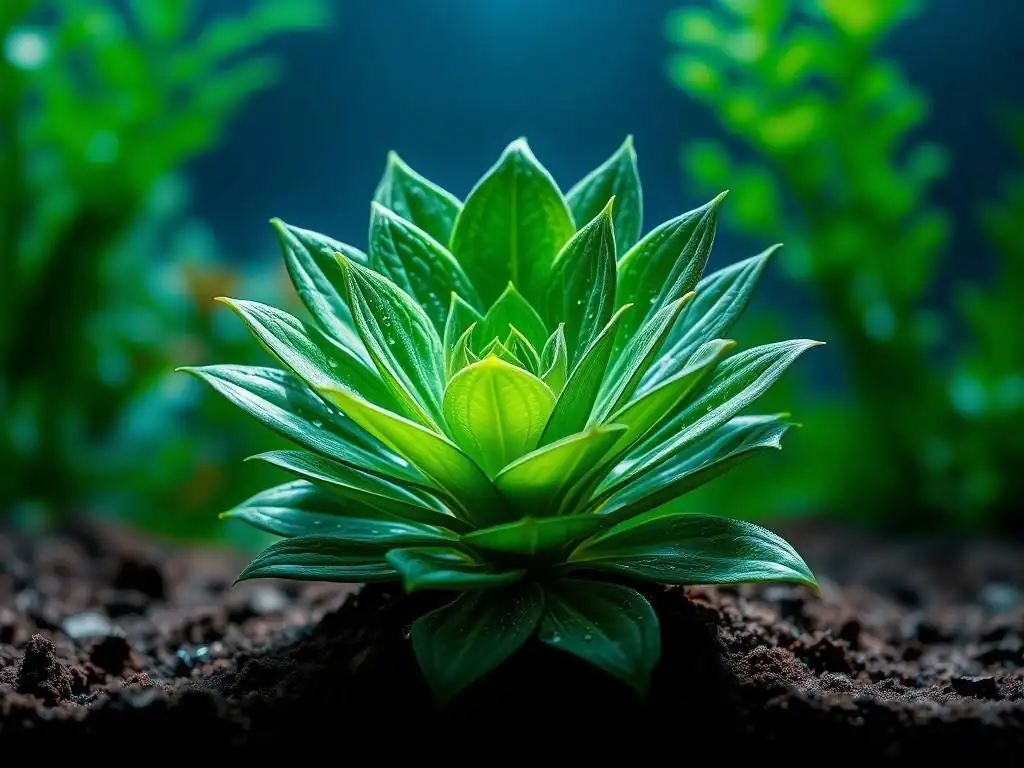
Begin your rosette plant revive guide by thoroughly inspecting your Echinodorus. Examine each leaf for signs of discoloration, holes, tears, or any soft, mushy spots, which often indicate rot or severe decay. Pay attention to whether new growth is affected differently from older leaves; for instance, healthy Echinodorus leaves should be firm and a vibrant green, while brown or translucent areas are clear indicators of distress.
Next, gently remove the plant from the substrate to inspect its root system. Healthy Echinodorus roots are typically white or light brown and firm to the touch, often forming a dense network. If you find roots that are black, slimy, mushy, or disintegrating, this is a strong sign of root rot, often caused by compacted substrate, lack of oxygen, or excessive organic waste near the roots.
Checking Water Parameters: pH, Ammonia, Nitrite, Nitrate
Accurate water parameter testing is paramount for diagnosing Echinodorus problems. Use a reliable liquid test kit to measure pH, ammonia, nitrite, and nitrate levels. For most Echinodorus species, an ideal pH range is between 6.5 and 7.5, ammonia and nitrite should be at 0 parts per million (ppm), and nitrates should ideally be below 20 ppm. Deviations from these ranges can severely stress your plant.
High levels of ammonia or nitrite are toxic to both fish and plants, inhibiting nutrient uptake and leading to general decline. Elevated nitrates, while a plant nutrient, can indicate overfeeding or insufficient water changes, often contributing to algae outbreaks that further stress the Echinodorus. Similarly, a pH outside the optimal range can limit the plant's ability to absorb essential nutrients from the water or substrate.
Step 2: Correcting Water Chemistry Imbalances for Echinodorus
Performing Partial Water Changes to Improve Water Quality
One of the most immediate and effective steps in any rosette plant revive guide is performing significant partial water changes. For a struggling Echinodorus, a 30-50% water change every 2-3 days for a week can rapidly dilute toxins, reduce excess nutrients, and replenish vital trace elements. This process essentially "resets" the water quality, providing a cleaner environment for the plant to recover.
Ensure that the new water is thoroughly dechlorinated and temperature-matched to the aquarium water to avoid shocking the plant and any inhabitants. Regular water changes are not just for emergencies; they are a fundamental aspect of ongoing aquarium maintenance that prevents the buildup of inhibitors and maintains a healthy ecosystem for your Echinodorus.
Adjusting pH Levels for Optimal Echinodorus Growth
If your water parameter tests reveal a pH significantly outside the optimal 6.5-7.5 range for Echinodorus, gradual adjustment is necessary. For higher pH (alkaline water), methods such as CO2 injection, using peat moss in a filter, or adding driftwood can help lower it. Conversely, if your pH is too low (acidic), buffering agents or crushed coral can be cautiously employed to raise it.
It is crucial to implement pH changes very slowly, ideally no more than 0.2 units per day, to prevent stress to both your Echinodorus and any fish in the aquarium. Rapid pH swings can be more damaging than a stable, slightly suboptimal pH. Consistency and gradual adjustments are key to fostering a stable environment for your rosette plant.
Monitoring and Maintaining Proper Nutrient Levels (e.g., Iron, Potassium)
Echinodorus are notably demanding of certain nutrients, particularly iron and potassium. For robust growth, maintaining iron levels around 0.05-0.1 ppm in the water column is often recommended, while potassium can be dosed to achieve concentrations of 10-20 ppm. These levels should be monitored, either through specific test kits or by closely observing the plant for deficiency symptoms.
If specific deficiencies are identified, such as yellowing new leaves indicating a lack of iron, targeted dosing of those nutrients is more effective than a general approach. However, a balanced approach combining liquid fertilizers with root tabs is often best, as Echinodorus absorbs nutrients both through its leaves and extensively through its roots embedded in the substrate.
Step 3: Optimizing Lighting for Echinodorus Recovery
Increasing Light Intensity or Duration
If your Echinodorus is exhibiting signs of light deficiency, such as pale, elongated leaves or stunted growth, adjusting your lighting setup is a critical step in its revival. You can increase light intensity by raising the fixture (if too close and causing burning, though unlikely for deficiency), cleaning the light cover, or, if necessary, upgrading to a more powerful LED fixture designed for planted tanks. Additionally, gradually increase the photoperiod from a shorter duration (e.g., 6 hours) to a more optimal 8-9 hours per day.
However, any increase in light must be gradual to prevent triggering an algae bloom. For example, if your tank is 18 inches deep, a 20-watt LED fixture might be sufficient for moderate light-loving Echinodorus species, but a deeper tank (24+ inches) would likely require a 30-40+ watt fixture to achieve adequate PAR levels at the substrate where the roots are.
Choosing the Right Light Spectrum for Echinodorus Photosynthesis
The quality of light, specifically its spectrum, is as important as its intensity and duration for the health of your Echinodorus. Plants primarily utilize red and blue wavelengths of light for photosynthesis. Lights with a Kelvin rating between 6500K and 7500K are generally considered ideal for planted aquariums, as they provide a balanced spectrum that promotes strong plant growth and vibrant coloration.
While full-spectrum white light is often sufficient, some specialized plant lights emphasize specific wavelengths to enhance chlorophyll production and overall plant vitality. Ensuring your light source provides the necessary spectral components will significantly improve your rosette plant's ability to photosynthesize efficiently, leading to a quicker recovery and more robust growth.
Step 4: Addressing Nutrient Deficiencies in Echinodorus
Implementing a Liquid Fertilizer Regimen
Liquid fertilizers play a crucial role in delivering readily available nutrients to your Echinodorus, particularly for those nutrients absorbed through the leaves. A comprehensive liquid fertilizer typically provides a balance of macronutrients (nitrogen, phosphorus, potassium) and essential trace elements like iron, manganese, and zinc. This provides a quick boost to struggling plants.
When implementing a liquid fertilizer regimen, it's often advisable to start with half the recommended dose on the product label and observe your plant's response over a week or two. A common dosing schedule might involve adding 5ml per 10 gallons of water two to three times a week, ensuring consistent nutrient availability without causing imbalances or fueling algae.
Considering Root Tabs for Enhanced Nutrient Uptake
Given that Echinodorus species are heavy root feeders, supplementing the substrate with root tabs is an indispensable part of any effective rosette plant revive guide. Root tabs are slow-release capsules or pellets that deliver concentrated nutrients directly to the plant's root system, where they are most efficiently absorbed. This is particularly vital for nutrients like iron and potassium, which are less readily available from the water column alone.
Insert root tabs deeply into the substrate, approximately 2-3 inches from the base of the plant, ensuring they are fully buried to prevent nutrient leaching into the water column. Depending on the product, these tabs typically release nutrients over 3-6 months and should be replaced accordingly to maintain a consistent nutrient supply for your Echinodorus.
Dosing Specific Nutrients Based on Deficiency Symptoms
Once specific nutrient deficiencies are identified through observation (e.g., yellowing new leaves for iron, pinholes on old leaves for potassium), targeted dosing can accelerate your Echinodorus's recovery. For instance, if iron deficiency is suspected, a chelated iron supplement can be dosed to achieve levels of 0.1-0.2 ppm in the water. Similarly, potassium sulfate can be added if potassium deficiency is evident.
However, exercise caution with targeted dosing. Overdosing a single nutrient can sometimes inhibit the uptake of other essential elements or, more commonly, contribute to algae growth. It's always best to dose conservatively and monitor the plant's response closely, making small adjustments as needed to avoid creating new imbalances.
Step 5: Controlling Algae Growth on Echinodorus
Manually Removing Algae from Echinodorus Leaves
The first line of defense against algae on your Echinodorus is manual removal. Gently rub or wipe off any visible algae from the leaves using a soft cloth, a dedicated algae scraper, or even a soft toothbrush. For more persistent types like black beard algae, you might need to carefully trim off severely affected leaves if they are not vital to the plant's overall health.
This immediate physical removal allows light to reach the plant's surface again, enabling it to resume efficient photosynthesis. While manual removal doesn't address the underlying cause of the algae, it provides immediate relief to your rosette plant and buys you time to implement long-term solutions.
Introducing Algae-Eating Fish or Invertebrates
Introducing certain algae-eating species can be an effective biological control method for algae on your Echinodorus. Otocinclus catfish ( Otocinclus affinis) are excellent for consuming soft green algae films, typically thriving in groups of 3-5 in tanks 10 gallons or larger. Amano shrimp ( Caridina multidentata) are highly effective at controlling various algae types, including hair algae, and can be kept at a density of 1-2 per 5 gallons. Nerite snails ( Neritina natalensis) are also great for consuming algae from plant leaves and hard surfaces.
Before introducing any new inhabitants, ensure your tank size and water parameters are suitable for their long-term well-being. Overstocking can lead to new problems, and some "algae eaters" (like common plecos) can actually damage Echinodorus leaves.
Reducing Light Intensity or Duration to Limit Algae Growth
Excessive light is a primary driver of algae growth in aquariums. If your Echinodorus is covered in algae, consider reducing your light intensity, if your fixture allows, or shortening your photoperiod. Gradually decrease the light duration by 1-2 hours, aiming for a consistent 7-8 hour photoperiod, especially during the rosette plant revive guide phase.
This reduction starves the algae of the energy it needs to proliferate, while still providing enough light for your Echinodorus to recover, especially if other factors like CO2 and nutrients are balanced. Monitor the situation closely, as a drastic reduction can also stress your plants.
Using Algaecides (Use with Caution)
Algaecides should always be considered a last resort in a planted aquarium. While they can quickly clear algae, many can stress or harm sensitive fish, invertebrates (like shrimp and snails), and even beneficial bacteria. They also do not address the root cause of the algae problem, meaning the algae will likely return once the algaecide wears off.
If you choose to use an algaecide, select one specifically labeled as safe for planted tanks and follow the dosing instructions precisely. Products containing glutaraldehyde, often marketed as liquid carbon supplements, can sometimes help control certain algae types (like black beard algae) when used cautiously and with proper aeration. Always ensure good water circulation after dosing.
Step 6: Protecting Echinodorus from Fish Damage
Selecting Compatible Fish Species
To prevent fish from grazing on your Echinodorus, the most effective strategy is to select fish species known to be plant-safe. Avoid common plant-eaters such as Silver Dollars ( Metynnis argenteus), many larger cichlids, or goldfish ( Carassius auratus), which are notorious for nipping or consuming soft-leaved plants. Even some "algae eaters" like the common pleco can cause significant damage by rasping holes in broad leaves.
Instead, opt for peaceful community fish that are unlikely to bother your plants. Species like most tetras (e.g., Neon Tetras, Cardinal Tetras), rasboras, guppies, and corydoras catfish are generally excellent choices for planted aquariums and will not harm your rosette plant.
Providing Adequate Hiding Places for Echinodorus
While not directly protecting the Echinodorus from being eaten, ensuring your fish are well-fed and have plenty of other distractions can sometimes reduce their inclination to graze on plants. Providing a varied diet, including blanched vegetables for herbivorous fish or high-quality flake/pellet food, can satisfy their nutritional needs and divert their attention from your valuable plants.
If you have fish that occasionally nip, ensure they have ample hiding places and space to reduce stress, which can sometimes lead to destructive behaviors. A thriving, balanced ecosystem with plenty of cover can make fish less likely to pick at your Echinodorus.
Step 7: Pruning and Replanting Echinodorus
Removing Dead or Damaged Leaves
Pruning is an essential step in the rosette plant revive guide process, as it directs the plant's energy towards new, healthy growth rather than sustaining decaying tissue. Use sharp aquascaping scissors to carefully trim off any yellow, brown, mushy, or severely algae-covered leaves at their base, close to the crown. This not only improves the plant's aesthetic but also reduces the amount of decaying organic matter in the tank, which can contribute to water quality issues.
Regular removal of dying leaves also prevents them from blocking light to other parts of the plant and encourages the Echinodorus to put energy into producing new, vibrant foliage. This practice is crucial for the long-term health and visual appeal of your sword plant.
Propagating Echinodorus Through Division [If Applicable]
Many Echinodorus species naturally propagate by producing plantlets on long flower stalks or from their rhizomes. Once these plantlets have developed a few leaves (typically 3-4) and a strong root system (roots over an inch long), they can be gently separated from the parent plant using sharp scissors or by hand. This division allows you to create new, healthy Echinodorus individuals from a struggling or overcrowded parent.
Carefully replant these new plantlets into the substrate, ensuring the crown (the point where the leaves emerge from the roots) is positioned just above the substrate line to prevent rot. This method of propagation can be a great way to salvage a struggling Echinodorus by creating robust offspring.
Replanting Echinodorus Plantlets in Optimal Locations
When replanting Echinodorus plantlets or relocating a recovered parent plant, choose its new home carefully to ensure optimal conditions for future growth. Consider factors such as light availability—ensure the plant will receive adequate light without being overshadowed by taller plants or decor. Also, account for water flow, as moderate flow helps deliver nutrients and CO2 to the plant.
Proper planting depth is crucial for Echinodorus. The entire root system should be buried in the substrate, but the crown of the plant must remain exposed above the substrate. Burying the crown can lead to rot and inhibit new leaf development. Give the plant enough space to grow to its mature size without crowding, as some Echinodorus species can become quite large, up to 12-20 inches across.
Long-Term Echinodorus Care and Maintenance
Maintaining Optimal Water Parameters for Healthy Echinodorus
Consistent water parameters are the cornerstone of long-term Echinodorus health. Regularly test your aquarium water, ideally weekly, for pH, ammonia, nitrite, and nitrate levels. Aim to keep ammonia and nitrite at 0 ppm, nitrates below 20 ppm, and pH within the 6.5-7.5 range. Stability is more critical than achieving precise numbers, as drastic fluctuations can stress your rosette plant.
Perform routine partial water changes, typically 25-30% weekly, to replenish trace elements, remove accumulated waste products, and maintain overall water quality. This proactive approach prevents the buildup of inhibitors and ensures a consistently healthy environment for your Echinodorus to thrive.
Regular Fertilization Schedule for Echinodorus Growth
To ensure your Echinodorus continues to flourish after revival, establish a consistent fertilization schedule. Continue with a balanced liquid fertilizer regimen, adjusting the frequency or dosage based on the plant's growth rate and appearance. For instance, if growth is exceptionally robust, you might slightly reduce the dose.
Equally important for these heavy root feeders is the routine replenishment of root tabs. Depending on the product, root tabs typically need to be replaced every 3-6 months. A consistent fertilization schedule, addressing both water column and substrate nutrient needs, prevents deficiencies from reoccurring and supports continuous, vibrant growth for your rosette plant.
Routine Pruning and Cleaning of Echinodorus
Ongoing maintenance for your Echinodorus involves regular pruning and cleaning. Promptly remove any yellowing, browning, or decaying leaves by trimming them at the base with sharp scissors. This practice not only keeps the plant looking aesthetically pleasing but also encourages new growth and prevents the accumulation of organic detritus that can foul the water.
Gently wipe off any nascent algae growth from the leaves before it becomes a significant problem. This proactive cleaning, combined with addressing the underlying causes of algae, ensures that your Echinodorus leaves remain clear for efficient photosynthesis, contributing to its long-term health.
Monitoring for Signs of Disease or Deficiency in Echinodorus
Vigilant monitoring is key to maintaining a thriving Echinodorus display. Make it a habit to briefly inspect your rosette plant daily for any subtle changes in leaf color, texture, or growth pattern. Early detection of symptoms like new yellowing, holes, or stunted growth allows for immediate intervention before issues escalate into major problems.
If new symptoms appear, refer back to the troubleshooting sections of this guide to identify the potential cause (e.g., nutrient deficiency, light issue, CO2 imbalance). Promptly addressing these signs will help you maintain a healthy and robust Echinodorus, preventing the need for another major rosette plant revive guide in the future.
Troubleshooting Common Echinodorus Issues
Dealing with Yellowing Leaves on Echinodorus
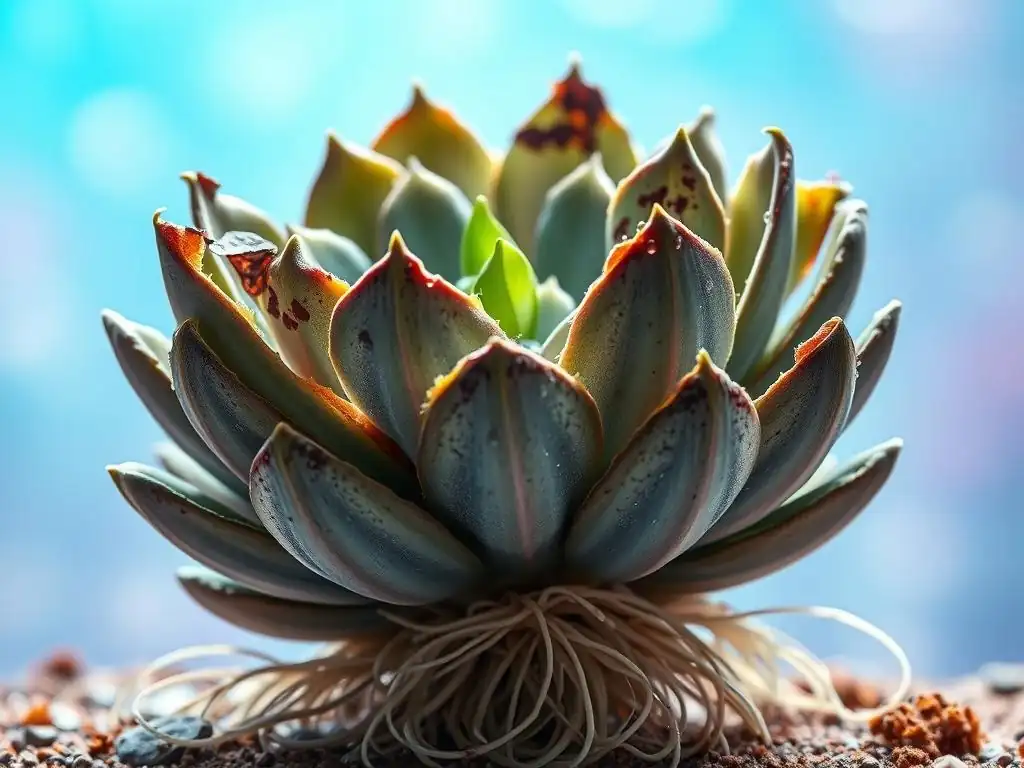
Yellowing leaves on Echinodorus are a common sign of distress, often indicating a nutrient deficiency. If new leaves are yellow with dark veins (interveinal chlorosis), it typically points to an iron deficiency. If older leaves are yellowing, developing pinholes, or becoming translucent, it's more likely a potassium deficiency. General overall paling can suggest a lack of nitrogen or broader nutrient starvation.
To address this, first ensure adequate lighting and CO2. Then, focus on fertilization: dose a comprehensive liquid fertilizer and ensure fresh root tabs are in place. If a specific deficiency is suspected, consider targeted dosing of iron or potassium, but always with caution to avoid overdosing.
Addressing Slow Growth in Echinodorus
Slow or stunted growth in Echinodorus is a clear indicator that the plant is not receiving all the resources it needs for optimal photosynthesis and development. The primary culprits are usually insufficient light intensity or duration, low CO2 levels, or a lack of essential macronutrients (nitrogen, phosphorus, potassium) in the water column or substrate.
To stimulate growth, first verify your light parameters and consider increasing CO2 injection if not already in use. Ensure a rich substrate with fresh root tabs, and maintain a consistent liquid fertilization regimen. Checking water parameters for stability and cleanliness is also crucial, as poor water quality can inhibit growth.
Preventing Root Rot in Echinodorus
Root rot in Echinodorus is characterized by black, mushy, or disintegrating roots and often occurs due to poor substrate conditions. Common causes include compacted substrate that limits oxygen flow to the roots, excessive buildup of organic waste around the root system, or improper planting where the crown is buried.
To prevent root rot, use a suitable substrate like aqua soil or a mix of coarse sand and gravel that allows for good water circulation within the substrate. Ensure the plant's crown (where leaves emerge) is always above the substrate line. Regularly clean the substrate around the plant to prevent detritus buildup, and consider substrate aerators if compaction is a persistent issue.
Managing Algae Overgrowth on Echinodorus
Algae overgrowth on Echinodorus leaves is almost always a symptom of an imbalance in the aquarium, not the primary problem itself. The most common causes are excessive light intensity or duration, an imbalance of nutrients (e.g., high nitrates with low phosphates), or insufficient CO2 levels, especially in tanks with high lighting.
To manage algae, first manually remove as much as possible from the leaves. Then, address the underlying cause: reduce light intensity or shorten the photoperiod (e.g., to 7-8 hours). Ensure CO2 levels are stable and adequate (20-30 ppm). Perform partial water changes to reduce excess nutrients and consider introducing algae-eating invertebrates or fish. Algaecides should be a last resort and used with extreme caution.
Achieving a Thriving Echinodorus Display in Your Aquarium
Selecting the Right Echinodorus Species for Your Aquarium
Echinodorus encompasses a diverse range of species, varying significantly in size, leaf shape, and color, making proper selection crucial for a thriving display. For smaller aquariums (e.g., 10-20 gallons), species like Echinodorus parviflorus (Tropica Sword) or Echinodorus tenellus (Dwarf Chain Sword) are excellent choices, remaining compact. For larger tanks (50+ gallons), species such as Echinodorus bleheri (Amazon Sword) or Echinodorus uruguayensis can grow quite large, reaching heights of 18-24 inches and serving as impressive focal points.
Consider the mature size and specific light requirements of each species. Some Echinodorus are better suited as background plants due to their height, while others can be used in the mid-ground. Researching the specific needs of your chosen rosette plant species will ensure it flourishes in your aquarium's conditions.
Creating an Ideal Environment for Echinodorus Growth
Creating an ideal environment is fundamental to the long-term success of your Echinodorus. This involves providing a nutrient-rich substrate, as these plants are heavy root feeders and will benefit immensely from aqua soil or nutrient-rich gravel. Maintain stable water parameters, typically a pH between 6.5-7.5 and a general hardness (GH) of 3-8 dGH, to ensure optimal nutrient absorption.
Furthermore, provide moderate to high lighting (20-40 PAR at the substrate) for 8-10 hours daily, coupled with consistent CO2 supplementation (20-30 ppm) during the light cycle. A regular fertilization schedule, incorporating both liquid fertilizers and root tabs, will complete the ideal environment, promoting robust and vibrant growth for your rosette plant.
Combining Echinodorus with Other Aquatic Plants
Echinodorus species make excellent focal points in an aquascape due to their striking rosette form and varying leaf textures. When combining them with other aquatic plants, consider their complementary growth habits and light requirements. For instance, you can pair a large Echinodorus in the background with smaller foreground plants like Cryptocoryne parva or Glossostigma elatinoides to create depth and contrast.
Ensure that companion plants do not overshadow your Echinodorus or compete excessively for light and nutrients. Mid-ground plants like Anubias barteri or Bucephalandra species, which have similar care requirements and often prefer moderate light, can complement the Echinodorus beautifully. A well-planned aquascape that considers light distribution and plant mature size will result in a harmonious and thriving display featuring your rosette plant.
Frequently Asked Questions
How do I know if my rosette plant is struggling in my aquarium?
Look for signs like discolored leaves, stunted growth, or leaves that are melting or decaying. These are often the first indicators of a problem.
What are the most common causes of rosette plant decline in aquariums?
The most frequent culprits include insufficient lighting, lack of essential nutrients, and poor water quality. Addressing these issues is crucial for revival.
How often should I fertilize my rosette plant in my aquarium?
Generally, a liquid fertilizer formulated for aquarium plants should be added weekly or bi-weekly, following the instructions on the product label. Adjust based on plant response.
What kind of lighting is best for reviving a struggling rosette plant?
Rosette plants typically require moderate to high lighting. Ensure your aquarium light is appropriate for plant growth and consider supplementing if necessary.
Can I propagate a rosette plant to create new plants from a struggling one?
Yes, propagation is possible. You can often separate offsets or plantlets that grow from the mother plant. This can help ensure the survival of the species if the original plant fails.
Final Reflection: Cultivating Resilience, Within and Without
The journey of reviving a struggling rosette plant, as detailed in this guide, mirrors a more profound truth: the power of nurturing and attentive care can breathe life back into even the most seemingly lost causes. Just as we've explored the specific steps to coax a rosette plant back to health, the underlying principles of observation, patience, and targeted action hold resonance far beyond the garden.
This process of revival, of understanding the plant's needs and responding accordingly, has deeply influenced my perspective on resilience itself. It's a reminder that even in the face of adversity, with the right approach, growth and renewal are always possible. The best time to plant a tree was 20 years ago. The second best time is now.
This ancient proverb resonates with the spirit of this guide, emphasizing that it's never too late to begin the process of healing and restoration, whether it's for a plant or for ourselves.
Now, I invite you to consider the lessons learned from this guide. Just as you can bring a struggling rosette plant back to life, consider where in your own life you might apply these principles of attentive care and targeted action. What needs nurturing? What requires a fresh perspective? Embrace the opportunity to cultivate resilience, both within yourself and in the world around you, and watch as new life blossoms.
Ignite Your Rosette's Growth: Take Action Now!
Thank you for diving into the world of rosette revival! We hope you've gleaned valuable insights to breathe new life into your plant. Now, let's turn that knowledge into action.
Here's how you can start:
- Immediately assess your rosette's soil and drainage. Is it soggy? Compacted? This is the most crucial step!
- Consider sharing your rosette's "before" photo and your revival plan on a plant care forum to get personalized advice.
- Explore different lighting conditions for your rosette over the next week, noting which encourages the most vibrant color.
What specific step will you take today to kickstart your rosette's recovery?