
Solving Leggy Stem Plants: Why They Stretch and How to Fix It

Welcome to Aquarium Mastery!
Ever wondered why your beautiful stem plants are reaching for the light like they're trying to escape the tank? Leggy stem plants can be a frustrating sight, but don't despair! We're diving deep into the root cause (pun intended!) and offering practical solutions to help you achieve lush, vibrant growth. Explore this article to unlock the secrets to a thriving planted aquarium and learn how to banish those unsightly gaps forever. Ready to transform your underwater garden? Let's get started!
- Understanding Leggy Stem Plants in Freshwater Aquariums
- The Primary Causes of Leggy Growth in Aquatic Stem Plants
- Practical Solutions for Fixing Leggy Stem Plants
- Preventing Leggy Growth in the Future: Long-Term Strategies
- Case Studies: Examples of Successfully Treating Leggy Stem Plants
- Conclusion: Maintaining Healthy, Vibrant Stem Plants in Your Aquarium
- Frequently Asked Questions
- Final Reflection: Embracing the Light and Growth
- Revitalize Your Aquarium Plants Now!
Understanding Leggy Stem Plants in Freshwater Aquariums
What Defines a Leggy Stem Plant? Recognizing the Signs
A leggy stem plant in a freshwater aquarium is characterized by elongated internodes – the spaces between leaf nodes – resulting in a sparse, stretched appearance rather than a dense, bushy one. This growth pattern often manifests as thin, weak stems with leaves that are either small and widely spaced or, in severe cases, entirely absent on the lower portions of the stem, with foliage concentrated only at the very top.
Common indicators include stems that appear to be reaching intensely upwards, pale or dull coloration, and a noticeable lack of lateral branching, which contributes to an overall spindly look.
This phenomenon is essentially a plant's desperate attempt to optimize its access to vital resources, primarily light. For instance, a healthy Rotala rotundifolia might typically exhibit internodes of 0.5 to 1 centimeter, with lush, tightly packed leaves. In contrast, a leggy Rotala could display internodes stretching to 2-3 centimeters, making the stem appear bare and gangly. Similarly, Ludwigia repens, known for its vibrant red or orange hues, might become pale green and develop significantly longer spaces between its normally dense leaves when suffering from leggy growth.
Why Leggy Growth Matters: Impact on Aquarium Health and Aesthetics
Leggy growth significantly detracts from the aesthetic appeal of an aquascape, transforming what should be a vibrant, lush underwater garden into a sparse and unkempt display. Instead of creating natural-looking thickets, leggy stem plants introduce an uneven, untidy appearance that can overshadow smaller foreground plants and break the visual harmony of the tank. The lack of dense foliage also reduces the visual impact of color and texture that healthy stem plants are meant to provide, diminishing the overall beauty of the aquarium.
Beyond aesthetics, leggy growth is a strong indicator of underlying environmental stress, directly impacting the plant's health and the aquarium's ecosystem. Weakened, stretched plants are less efficient at photosynthesis, making them more susceptible to algae colonization as they struggle to outcompete algae for available nutrients. Over time, severely leggy plants may melt or completely die off, leading to decaying organic matter that can foul the water, contribute to ammonia spikes, and necessitate increased maintenance. This compromised plant health can destabilize the delicate balance of the freshwater aquarium, highlighting the need for effective leggy stem plant solutions.
The Primary Causes of Leggy Growth in Aquatic Stem Plants
Insufficient Lighting: The Number One Culprit for Stretched Stems
How Light Intensity Affects Stem Plant Development
Light is the cornerstone of photosynthesis, the process by which plants convert light energy into chemical energy for growth. When aquatic stem plants receive insufficient light intensity, they initiate an etiolation response – a survival mechanism where they prioritize vertical growth over lateral development and dense foliage. This "reaching" behavior aims to elevate the plant's leaves closer to the light source, maximizing its exposure to what little light is available. The result is a plant that invests its energy into stem elongation rather than robust leaf production or branching, leading directly to leggy growth.
The intensity of light, often measured in PAR (Photosynthetically Active Radiation), directly correlates with a plant's ability to photosynthesize efficiently. For instance, a high-light demanding plant like Rotala macrandra might require 60-100+ PAR to thrive and exhibit compact, vibrant growth. If such a plant is only receiving 20-30 PAR, it will inevitably stretch and become leggy, producing fewer and smaller leaves with longer internodes. This lack of adequate light also reduces chlorophyll production, causing leaves to appear paler and further weakening the plant's overall structure and vigor.
Identifying Lighting Deficiencies in Your Aquarium
Identifying lighting deficiencies in your aquarium involves observing specific plant behaviors and growth patterns. The most obvious sign is the plants growing exceptionally tall and thin, with noticeable gaps between leaves, particularly on the lower and middle sections of the stem. You might also observe plants bending or leaning significantly towards the light source, indicating they are actively seeking more intense illumination. Lower leaves may begin to melt, yellow, or drop off prematurely, as the plant sacrifices older, less efficient foliage to conserve energy for new growth closer to the light.
Another key indicator is the general lack of vibrant coloration, especially in species known for red or pink hues, such as Ludwigia varieties, which often appear dull green under insufficient light. Comparing your plant's growth to healthy reference images of the same species can also be very telling.
For example, if your Hygrophila polysperma is typically a dense, bushy plant but is instead showing stems that are twice as long between leaf sets, it strongly suggests a lighting issue. Using a PAR meter, if available, can provide precise data; a PAR reading below 20-30 µmol/m²/s at the substrate level is often insufficient for most stem plants, leading to leggy stem plant solutions becoming necessary.
Nutrient Imbalances: How Deficiencies Lead to Leggy Growth
Lack of Essential Nutrients: Nitrogen, Phosphorus, Potassium, and Trace Elements
Beyond light, a balanced supply of macro and micronutrients is critical for healthy, compact plant growth. When essential nutrients like Nitrogen (N), Phosphorus (P), and Potassium (K) – the primary macronutrients – are deficient, plants struggle to build new cells, produce chlorophyll, and maintain structural integrity.
For example, a lack of nitrogen can cause overall yellowing and stunted growth, but it can also force plants to stretch in an attempt to increase surface area for nutrient absorption, even if the primary issue isn't light. Without sufficient potassium, plants may exhibit weak stems prone to bending, and older leaves might develop holes or yellow edges, contributing to a leggy appearance as the plant prioritizes survival over dense growth.
Trace elements, such as Iron (Fe), Magnesium (Mg), and Manganese (Mn), are equally vital for various enzymatic processes and chlorophyll synthesis. An iron deficiency, for instance, leads to chlorosis (yellowing between veins) in new growth, which can make a plant appear weak and leggy as it struggles to photosynthesize. When plants are starved of these building blocks, they cannot develop robust stems or dense foliage, leading to the characteristic stretched and sparse growth. Addressing these deficiencies is a key part of effective leggy stem plant solutions.
Carbon Dioxide Deficiency: Limiting Growth and Contributing to Stretching
Carbon dioxide (CO2) is arguably the most critical nutrient for aquatic plants, serving as the primary carbon source for photosynthesis. In its absence or scarcity, plants cannot efficiently convert light energy into biomass, regardless of how intense the lighting is.
This limitation severely restricts growth rates and can directly contribute to leggy growth, as plants struggle to produce the necessary carbohydrates for dense cell structure. Instead of robust, compact growth, plants may exhibit stunted development, slowed metabolism, and a tendency to stretch thinly as a desperate, albeit often futile, attempt to maximize surface area for CO2 absorption from the water column.
The symptoms of CO2 deficiency often include a complete halt in growth, leaves becoming brittle or translucent, and an overall unhealthy appearance. While not always a direct stretching, the lack of sufficient CO2 prevents the plant from filling out and becoming bushy, making any existing growth appear sparse and elongated relative to its potential. For instance, if your Ludwigia inclinata var. 'Cuba' is growing extremely slowly and appears thin despite adequate light and other nutrients, a CO2 deficiency (e.g., below the optimal 20-30 ppm) is a highly probable cause, necessitating CO2 supplementation as a crucial leggy stem plant solution.
Poor Water Circulation: Inhibiting Nutrient Uptake
How Water Flow Affects Nutrient Distribution
Effective water circulation is paramount for distributing essential nutrients, including CO2 and dissolved fertilizers, evenly throughout the entire aquarium. Without adequate flow, nutrients can become localized, creating "dead spots" where water remains stagnant. In these areas, plants quickly deplete the surrounding micro-layer of nutrients and CO2, leading to localized deficiencies even if the overall tank water has sufficient levels. This forces plants in these stagnant zones to stretch and become leggy as they struggle to access the vital resources needed for healthy, compact growth.
The mechanism is simple: plant leaves absorb nutrients directly from the water column. If the water around a plant is not constantly replenished with nutrient-rich water, the plant effectively starves. For example, a dense cluster of Hygrophila corymbosa could create a stagnant pocket within its foliage, leading to the inner stems becoming leggy and pale due to nutrient starvation, while the outer stems exposed to better flow thrive. This highlights how crucial consistent water movement is for ensuring all parts of every plant receive their necessary sustenance.
Identifying Dead Spots in Your Aquarium
Identifying dead spots, or areas of poor water circulation, in your aquarium is crucial for addressing nutrient distribution issues that lead to leggy growth. One common sign is the accumulation of detritus, uneaten food, or decaying plant matter in specific corners, behind large driftwood, or within dense plant groupings. These pockets of debris indicate areas where water flow is insufficient to carry away waste, and by extension, where nutrients are not being adequately delivered to plants.
Another method is to observe the movement of fine particles or bubbles in the water. Gently release a small amount of fish food flakes or a few fine air bubbles into the water and watch how they travel. If they settle quickly or remain motionless in certain areas, those are likely dead spots.
Plants in these zones will often show signs of stunted or leggy growth, yellowing, or even melting, while plants in areas with good flow appear healthy and robust. Common areas for dead spots include the very bottom corners of the tank, directly beneath large hardscape elements, or far from the filter output, making them prime targets for leggy stem plant issues.
Incompatible Substrate: Hindering Root Development and Nutrient Absorption
Substrate Composition and Its Impact on Stem Plant Health
While many stem plants primarily absorb nutrients from the water column through their leaves, a healthy root system is crucial for stability and can significantly contribute to nutrient uptake, especially in nutrient-rich substrates. An incompatible or inert substrate can hinder robust root development, indirectly contributing to leggy growth. For instance, coarse, large-grained gravel may not provide sufficient anchoring for delicate stem plant roots, leading to instability and stress. Conversely, very fine sand can compact over time, suffocating roots by restricting oxygen and nutrient exchange within the substrate.
Furthermore, an inert substrate, such as plain gravel with no nutrient-holding capacity, offers no direct nutritional support for plants that may benefit from root uptake. While liquid fertilizers can compensate for this in the water column, a plant struggling to establish strong roots will be less vigorous overall, making it more susceptible to stress and encouraging it to stretch upwards in search of resources it can't adequately access from below. This foundational weakness can make plants more prone to becoming leggy, even if other parameters seem adequate, emphasizing the importance of substrate as a leggy stem plant solution.
Choosing the Right Substrate for Rooting Stem Plants
Choosing the right substrate is a foundational step in preventing and resolving leggy stem plant issues, particularly for species that benefit from nutrient absorption through their roots. Nutrient-rich aquasoils, such as ADA Aqua Soil, Fluval Stratum, or Tropica Aquarium Soil, are highly recommended. These specialized substrates are designed to provide a slow, consistent release of essential macro and micronutrients directly to the plant roots, promoting robust growth and strong anchoring. Their porous structure also allows for excellent water penetration and aeration, preventing root suffocation.
For tanks where aquasoil is not preferred, a layer of nutrient-rich plant substrate (e.g., Seachem Flourite, Eco-Complete) capped with a finer inert sand or gravel can also be effective. Regardless of the type, aim for a substrate depth of at least 2-4 inches (5-10 cm) to allow ample space for root development and stability. This adequate depth, combined with a nutrient-holding capacity, ensures that stem plants can establish strong root systems, contributing to overall plant vigor and reducing the likelihood of them becoming leggy due to substrate-related deficiencies.
Practical Solutions for Fixing Leggy Stem Plants
Optimizing Lighting for Healthy Stem Growth
Choosing the Right Light Spectrum and Intensity
Optimizing your aquarium's lighting is often the most impactful leggy stem plant solution. Plants primarily utilize light in the blue (400-500 nm) and red (600-700 nm) spectrums for photosynthesis. A full-spectrum LED light, typically rated between 6500K and 8000K, provides the necessary wavelengths for robust plant growth and vibrant coloration. However, intensity, measured in PAR (Photosynthetically Active Radiation), is equally crucial. For most demanding stem plants, target a PAR range of 50-80 µmol/m²/s at the substrate level. Lower light plants might thrive at 20-40 PAR, while very high-light plants could benefit from 80-100+ PAR.
To achieve optimal PAR, consider the wattage or lumen output of your fixture relative to your tank's depth and dimensions. For a standard 20-gallon long tank (12 inches deep), a 20-30 watt LED light might be sufficient, whereas a 75-gallon tank (20 inches deep) could require a 50-100 watt fixture or more, depending on the plant species. Many modern LED lights offer dimming capabilities or adjustable height, allowing you to fine-tune the intensity. Regularly assessing your plant's response and making gradual adjustments will help achieve the perfect balance, promoting compact, bushy growth and reversing leggy tendencies.
Adjusting Photoperiod for Optimal Plant Development
Beyond intensity and spectrum, the duration of light exposure, known as the photoperiod, plays a critical role in plant health and can influence leggy growth. An optimal photoperiod for most planted aquariums ranges from 6 to 8 hours per day.
Providing too long a photoperiod (e.g., 10-12 hours) can paradoxically stress plants and often triggers algae outbreaks, as plants hit a saturation point for photosynthesis and the excess light fuels undesirable algal growth. Conversely, a photoperiod that is too short (e.g., 4-5 hours) will starve plants of the necessary light duration for sustained, healthy development, which can contribute to weakened, leggy stems as they struggle to accumulate enough energy.
Using a reliable timer for your aquarium lights is essential to ensure a consistent photoperiod, which minimizes stress on plants and helps regulate their metabolic cycles. If your plants are currently very leggy due to suspected light starvation, you might gradually increase the photoperiod by 30 minutes each week until you reach the 6-8 hour range. This gradual adjustment helps plants adapt without shock and allows you to observe their response, ensuring you find the ideal balance that promotes dense, healthy growth and effectively addresses leggy stem plant issues.
Re-evaluating Your Fertilization Strategy
Testing Your Water Parameters: Identifying Nutrient Deficiencies
A crucial step in addressing leggy growth related to nutrient deficiencies is to regularly test your aquarium's water parameters. Key parameters to monitor include nitrates (NO3), phosphates (PO4), and potassium (K). For a thriving planted tank, target ranges are typically 10-20 ppm for nitrates, 0.5-1.5 ppm for phosphates, and 10-20 ppm for potassium. Using reliable liquid test kits provides accurate readings, allowing you to identify specific nutrient shortfalls. For example, if your nitrate levels consistently read below 5 ppm, it strongly indicates a nitrogen deficiency, which can manifest as yellowing and weak, leggy stems.
Similarly, low or undetectable phosphate levels can lead to stunted growth and dark green leaves, while potassium deficiency often results in holes in older leaves and overall plant weakness. Beyond macronutrients, observe your plants for signs of micronutrient deficiencies, such as interveinal yellowing in new growth (iron deficiency). Regular testing, perhaps weekly or bi-weekly depending on your dosing schedule, empowers you to tailor your fertilization strategy precisely, ensuring your plants receive the specific nutrients they need to grow strong, compact, and free from leggy tendencies.
Selecting the Right Fertilizers: Liquid vs. Root Tabs
Once you've identified potential nutrient deficiencies through water testing, selecting the appropriate fertilizers is the next step in providing leggy stem plant solutions. Liquid fertilizers are ideal for plants that primarily absorb nutrients from the water column through their leaves, which includes many popular stem plant species. These typically come as comprehensive "all-in-one" solutions containing macro (N, P, K) and micro (Fe, Mg, Mn, etc.) nutrients, such as Seachem Flourish or Aquarium Co-Op Easy Green. They are usually dosed weekly, or even daily in high-tech setups, based on tank volume and plant density.
For stem plants that are heavy root feeders or are planted in inert substrates, root tabs are an indispensable addition. These slow-release capsules are inserted directly into the substrate near the base of the plants, providing a concentrated dose of nutrients to the root zone over several months. Examples include Seachem Flourish Tabs or API Root Tabs. Combining liquid fertilizers for water column uptake with root tabs for substrate nutrition ensures a holistic approach to plant fertilization, promoting robust root development and dense foliage, thereby preventing and reversing leggy growth.
Improving Water Circulation for Better Nutrient Distribution
Adding Powerheads or Circulation Pumps
To combat leggy growth caused by poor water circulation and localized nutrient deficiencies, consider adding powerheads or dedicated circulation pumps to your aquarium. These devices are designed to create gentle, widespread water movement, ensuring that CO2, liquid fertilizers, and other essential nutrients are evenly distributed throughout the entire tank, reaching every plant surface. For larger tanks (50+ gallons) or those with dense planting, a single small powerhead, like a Hydor Koralia Nano, strategically placed can significantly improve flow in previously stagnant areas.
When positioning powerheads, aim to create a gentle, rolling current rather than a strong, direct blast that could stress fish or uproot plants. Often, placing them opposite the filter output or in a corner where flow is typically weakest can be highly effective. The goal is to eliminate dead spots where nutrients might become depleted, ensuring that all stem plants receive a consistent supply of resources. This improved circulation fosters healthier, more compact growth, directly addressing a common cause of leggy stem plant issues.
Ensuring Proper Filter Placement
Optimizing the placement of your existing filtration system is another effective way to improve overall water circulation and nutrient distribution, thereby preventing leggy growth. If you use a hang-on-back (HOB) filter, ensure its output is positioned to maximize water movement across the longest dimension of the tank. For canister filters, utilizing a spray bar attachment can significantly enhance distribution; position the spray bar along the back wall, slightly above the water line, to create a gentle, even flow that spans the entire tank length.
Avoid directing strong filter outputs directly at the substrate or into dense plant groupings, as this can create localized turbulence without improving overall circulation, or even uproot delicate plants. Instead, aim for a broad, diffused flow that gently sweeps across the aquascape. Regular cleaning of filter media and impellers also ensures that your filter operates at its optimal flow rate, maintaining consistent water movement and preventing the formation of stagnant zones where leggy stem plant problems often arise.
Pruning and Replanting: The Correct Technique
How to Properly Trim Leggy Stems
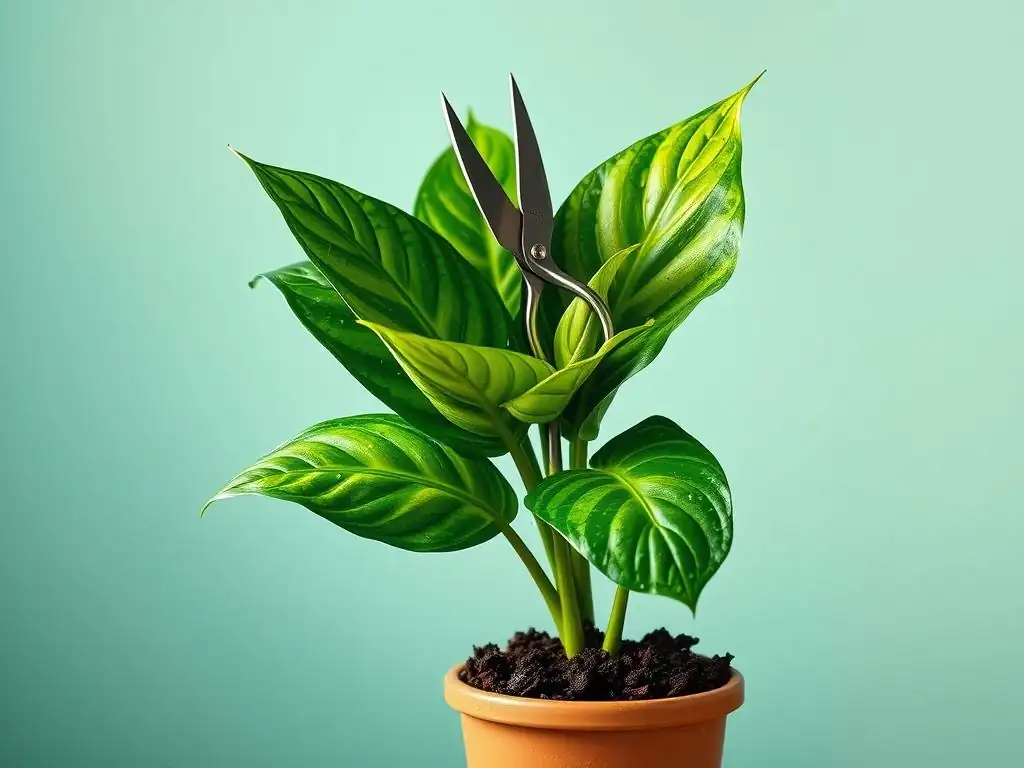
Pruning is an essential technique for not only removing existing leggy growth but also for encouraging bushier, more compact development in stem plants. To properly trim a leggy stem, identify a healthy section of the plant – typically the top 50-70% – that exhibits good leaf density and color. Using sharp aquascaping scissors, make a clean cut just above a node (the point where leaves emerge from the stem). This cut stimulates the plant to produce new growth from the node below the cut, often resulting in two or more new shoots emerging, leading to a much bushier plant.
The leggy, lower portion of the stem that remains in the substrate can either be left to potentially sprout new growth (though this is less common and often results in weaker shoots) or carefully removed entirely. For species like Rotala rotundifolia or Hygrophila polysperma, consistent pruning every 2-3 weeks, once new growth appears, can transform a sparse, single stem into a dense, vibrant bush. This proactive trimming is a highly effective leggy stem plant solution for improving both plant health and aquascape aesthetics.
Replanting Healthy Cuttings for Bushier Growth
After properly trimming your leggy stem plants, the healthy, un-leggy top sections can be repurposed to create new, bushier plants. This process, known as replanting cuttings, is a fundamental technique for propagating stem plants and filling out your aquascape. Take the healthy top sections you've cut, ensuring each cutting is at least 3-4 inches (7-10 cm) long and has several nodes. Carefully remove the lower 1-2 sets of leaves from the cutting to expose the nodes, as these are the points from which new roots will emerge.
Using aquascaping tweezers, gently insert the prepared cutting into the substrate, pushing it deep enough so that the exposed nodes are buried. Ensure the cutting is firmly anchored to prevent it from floating away. Over time, these cuttings will develop their own root systems and grow into new, healthy plants, often exhibiting more compact growth if the underlying environmental issues (light, nutrients, CO2) have been addressed. This method allows you to transform existing leggy growth into a vibrant, dense display, making it an invaluable leggy stem plant solution.
Adjusting Carbon Dioxide Levels
Implementing a CO2 Injection System
For aquariums with moderate to high lighting and a desire for lush plant growth, implementing a CO2 injection system is often the most effective leggy stem plant solution, especially if CO2 deficiency is suspected. A complete pressurized CO2 system typically includes a CO2 cylinder, a regulator with a solenoid valve (for automated on/off control), a bubble counter (to monitor CO2 flow rate), a diffuser (to dissolve CO2 into fine bubbles), and a check valve (to prevent water backflow). The goal is to achieve consistent CO2 levels of 20-30 ppm during the photoperiod.
The benefits of a CO2 injection system are profound: it dramatically boosts the rate of photosynthesis, leading to significantly faster, denser, and more robust plant growth. This direct supply of carbon dioxide allows plants to utilize available light and nutrients more efficiently, preventing them from stretching and instead encouraging compact, lateral growth. While an initial investment, a CO2 system is a game-changer for aquascapers aiming for professional-level plant health and density, effectively eliminating CO2-induced leggy growth.
Monitoring and Maintaining Stable CO2 Levels
Once a CO2 injection system is implemented, consistent monitoring and maintenance are crucial to ensure stable CO2 levels, which are vital for preventing leggy growth and promoting overall plant health. Fluctuating CO2 can stress plants and encourage algae outbreaks. The most common tool for monitoring CO2 is a drop checker, which uses a pH-sensitive indicator solution to show CO2 levels; aim for a lime green color, indicating approximately 30 ppm.
Use a timer to automate the CO2 solenoid, turning it on one hour before the lights come on and off one hour before the lights go off. This ensures CO2 is available when plants begin photosynthesizing and is not wasted overnight.
Regularly check the bubble counter to ensure a consistent bubble rate (e.g., 2-3 bubbles per second for a 50-gallon tank, adjusted based on drop checker readings). Periodically checking the regulator and ensuring the CO2 cylinder has sufficient gas (a 5lb cylinder typically lasts 3-6 months for a moderately planted 50-gallon tank) will maintain optimal and stable CO2 levels, providing a lasting leggy stem plant solution.
Preventing Leggy Growth in the Future: Long-Term Strategies
Regular Monitoring of Plant Health and Growth
Proactive and regular monitoring of your aquarium plants is a cornerstone of preventing leggy growth in the long term. Make it a daily habit to observe your stem plants closely for any early signs of stretching, pale coloration, or slowed growth. Catching these subtle indicators early allows for swift intervention, such as adjusting lighting intensity or fertilizer dosing, before the problem becomes severe and widespread. Keep a mental or physical log of how different plant species are performing, noting their typical growth patterns and how they respond to changes in your setup.
Understanding the specific needs and typical growth habits of each plant species in your tank is also vital. What might be considered normal, albeit fast, growth for a species like Hydrocotyle leucocephala could be a clear sign of stress and stretching for a more demanding plant like Rotala 'Green'. By becoming intimately familiar with your plants' healthy appearance and growth rates, you empower yourself to identify deviations quickly, making timely adjustments that ensure your plants remain dense, vibrant, and free from leggy tendencies.
Consistent Water Changes and Testing
Consistent water changes and routine water parameter testing are foundational long-term strategies for preventing leggy growth and maintaining a healthy planted aquarium. Regular water changes, typically 25-30% weekly, serve multiple critical functions. They replenish essential trace elements that plants consume, dilute accumulated organic waste products that can inhibit plant growth, and help maintain stable water chemistry. This replenishment and waste removal directly contribute to a more stable and nutrient-rich environment for your stem plants.
Complementing water changes with routine water parameter testing (e.g., pH, GH, KH, nitrates, phosphates, and potassium) allows you to track nutrient consumption and identify potential deficiencies or excesses before they manifest as leggy growth or other plant health issues. For instance, if your nitrate levels are consistently at zero before your weekly dose, it indicates your plants are consuming all available nitrogen, and you might need to increase your dosing to prevent future leggy growth. This proactive approach ensures your plants always have access to the necessary building blocks for compact, healthy development, providing robust leggy stem plant solutions.
Proactive Fertilization Based on Plant Needs
A proactive fertilization strategy, tailored to your aquarium's specific plant needs, is crucial for preventing future leggy growth. Rather than reacting to visible deficiencies, establish a consistent dosing schedule for both liquid fertilizers and root tabs. For instance, a common approach for moderately planted tanks involves weekly dosing of a comprehensive all-in-one liquid fertilizer, such as Seachem Flourish or Aquarium Co-Op Easy Green, at the manufacturer's recommended dosage, adjusted based on observed plant biomass and growth rate. For heavy root feeders, replenish root tabs every 2-3 months.
Advanced hobbyists often employ methods like the "Estimative Index" (EI) or "PPS-Pro" dosing, which aim to provide a slight surplus of all necessary nutrients to prevent any deficiencies from occurring. For example, the EI method involves dosing macronutrients (Nitrates to ~20ppm, Phosphates to ~2ppm, Potassium to ~20ppm) and micronutrients weekly, followed by a large water change to reset the water column. This ensures plants always have access to the nutrients they need for dense, compact growth, significantly reducing the likelihood of leggy stem plant issues.
Choosing the Right Stem Plants for Your Aquarium Conditions
Selecting Species Based on Lighting and Nutrient Requirements
A fundamental long-term strategy for preventing leggy growth is to carefully choose stem plant species that are compatible with your aquarium's existing environmental conditions, particularly lighting intensity and nutrient availability. Attempting to grow high-light, CO2-dependent plants in a low-tech, low-light setup is a common cause of chronic leggy growth and frustration. Before purchasing any new plant, thoroughly research its specific requirements.
For example, if you have a low-tech tank with moderate lighting (20-40 PAR) and no CO2 injection, opt for hardy, less demanding stem plants such as Hygrophila polysperma, Bacopa monnieri, Anacharis (Egeria densa), or Cryptocoryne wendtii (though not strictly a stem plant, it's a good low-light option). These species are more forgiving and less prone to stretching under less intense conditions. Conversely, if you have invested in high lighting and a CO2 system, you can confidently grow more demanding species like Rotala macrandra, Ludwigia inclinata var.
'Cuba', or Myriophyllum mattogrossense, which will thrive and exhibit their full, compact potential under such conditions. This proactive approach ensures a successful and beautiful aquascape, free from the challenge of leggy stem plant solutions.
Case Studies: Examples of Successfully Treating Leggy Stem Plants
Case Study 1: Rotala rotundifolia and Lighting Correction
Scenario: An aquarist with a 30-gallon freshwater tank noticed their Rotala rotundifolia was exhibiting severe leggy growth. The stems were thin, internodes were stretched to approximately 3 centimeters (compared to a healthy 0.5-1 cm), and lower leaves were dropping off, leaving bare stems. The plant's vibrant green/red coloration was also dull. The existing lighting was a standard hood fluorescent light, later measured to provide only about 15 PAR at the substrate level. This low PAR was clearly starving the plants of light.
Solution & Outcome: Recognizing the lighting deficiency, the aquarist upgraded their lighting to a full-spectrum LED fixture designed for planted tanks, which delivered a consistent 40-45 PAR at the substrate. They also set the photoperiod to a consistent 7 hours per day using a timer. Within just 4 weeks, new growth emerging from the tops of the Rotala stems became noticeably denser, with much shorter internodes and a return of vibrant coloration.
The aquarist then pruned the leggy lower sections, replanted the healthy, compact tops, and continued with the optimized lighting. After 8 weeks, the tank boasted a lush, dense bush of Rotala rotundifolia, showcasing a successful leggy stem plant solution through targeted light correction.
Case Study 2: Ludwigia repens and Nutrient Optimization
Scenario: In a 55-gallon community tank with moderate lighting and no CO2 injection, a hobbyist observed their Ludwigia repens developing thin, spindly stems with unusually small, sparse leaves that lacked the typical rich red coloration. Despite the moderate light, the plants appeared weak and leggy. Water tests revealed consistently low nitrate levels (below 5 ppm) and undetectable phosphates, indicating significant nutrient deficiencies.
Solution & Outcome: The hobbyist implemented a comprehensive fertilization strategy. They started dosing a complete liquid fertilizer weekly, aiming for target levels of 10-15 ppm nitrates and 0.5-1 ppm phosphates, as well as essential trace elements. Additionally, they inserted root tabs near the base of the Ludwigia stems every two months to provide localized nutrient support.
Within 3 weeks, new growth on the Ludwigia repens was visibly thicker, leaves were larger, and the characteristic red coloration began to intensify significantly. The plants stopped stretching and started to fill out, demonstrating that addressing specific nutrient deficiencies through targeted fertilization effectively resolved the leggy growth and restored the plant's health and aesthetic appeal. This case underscored the importance of nutrient balance as a key leggy stem plant solution.
Conclusion: Maintaining Healthy, Vibrant Stem Plants in Your Aquarium
Leggy stem plants are a clear signal from your aquarium that something is amiss, most commonly related to insufficient lighting, nutrient imbalances, inadequate CO2, poor water circulation, or an incompatible substrate. Understanding these primary causes is the first crucial step in effectively addressing and preventing this undesirable growth pattern. By recognizing the signs early, such as elongated internodes and sparse foliage, aquarists can take proactive measures before the problem compromises the entire aquascape.
Achieving and maintaining healthy, vibrant stem plants in your aquarium is an entirely attainable goal with consistent care and a keen eye for detail. By optimizing lighting conditions, meticulously balancing nutrient levels through proper fertilization, ensuring robust water circulation, and providing adequate CO2, you can transform spindly, stretched plants into lush, compact specimens. The rewards are immense: a thriving, aesthetically pleasing aquascape that not only enhances your home but also provides a stable and beneficial environment for your aquatic inhabitants. Embracing these leggy stem plant solutions ensures a beautiful and flourishing underwater garden for years to come.
Frequently Asked Questions
Why are my aquarium stem plants getting leggy?
Leggy stem plants are usually caused by insufficient light. The plants stretch towards the light source, resulting in long internodes (the space between leaves) and a sparse, unattractive appearance. Other possible causes include nutrient deficiencies and poor water quality.
How can I tell if my stem plants are suffering from legginess?
You'll notice unusually long spaces between leaves on the stem, and the lower leaves may yellow or fall off. The plant might also appear thin and weak overall, with the top growth being more concentrated.
What type of lighting is best to prevent leggy stem plants?
The best lighting depends on the specific plant species, but generally, full-spectrum LED lighting is recommended. Ensure the light intensity and duration are appropriate for the plants you are keeping. Consider the PAR (Photosynthetically Active Radiation) value of your lighting system.
Besides lighting, what else can I do to fix leggy stem plants?
Ensure your aquarium water parameters are optimal by performing regular water changes. Also, supplement with fertilizers designed for aquarium plants, especially if you suspect nutrient deficiencies. Pruning the leggy stems can also encourage bushier growth.
Can I save a stem plant that is already very leggy?
Yes, you can often save a leggy stem plant by pruning it back drastically. Replant the healthy top portions of the stem. Also, address the underlying cause of the legginess (usually insufficient light) to prevent it from happening again.
Final Reflection: Embracing the Light and Growth
The journey through understanding and implementing leggy stem plant solutions is more than just a horticultural exercise; it's a reflection of our own need for optimal conditions to thrive. The principles of providing adequate light, proper pruning, and balanced nutrients, so vital for our plants, resonate deeply with our own pursuit of well-being and growth in a world often lacking in metaphorical sunlight.
This exploration of leggy stem plants has underscored the profound connection between environment and vitality. Just as plants reach for light, we too are constantly seeking the conditions that foster our best selves. The best time to plant a tree was 20 years ago. The second best time is now.
This ancient proverb reminds us that it's never too late to adjust our environment, to prune away what hinders us, and to nourish ourselves with the resources we need to flourish.
Now, consider your own life. Are there areas where you're stretching, reaching, perhaps becoming "leggy" in your pursuits? Take a moment to assess the "light" you're receiving, the "nutrients" you're consuming, and the "pruning" you might need. Just as we've learned to nurture our plants back to health, let us also cultivate the conditions for our own vibrant and fulfilling growth. Let's embrace the light, prune away the excess, and nourish our potential, allowing ourselves to truly blossom.
Revitalize Your Aquarium Plants Now!
Thanks for diving into the world of aquarium plants with us! We hope you've found valuable insights on rescuing your leggy stem plants and understanding their stretching behavior. Now, let's put that knowledge into action!
- Take Immediate Action: Replant the healthy tops of your stem plants to create a fuller, more vibrant display. This is the most effective way to combat legginess and encourage new growth.
- Fine-tune your aquarium lighting. Experiment with different intensities and durations to find the sweet spot for your plants.
- Share your "plant rescue" story! Post before-and-after photos of your revitalized plants on social media and tag #AquariumMastery – inspire others to green up their aquariums.
What adjustments will you make to your aquarium setup this week to give your plants the perfect environment?