
Bacopa Caroliniana Secrets: Easy Growth & Lemon Scent in Your Aquarium

Welcome to Aquarium Mastery!
Ever wondered how to cultivate lush, vibrant aquatic plants that practically thrive in your aquarium? Today, we're diving deep into the world of a truly remarkable species: Bacopa caroliniana. Unlock the secrets to easy Bacopa caroliniana aquarium care and discover how to enjoy its unique lemon scent and stunning growth. Ready to transform your tank? Let's explore!
- Bacopa Caroliniana: Easy Aquarium Plant with Lemon Scent
- Understanding Bacopa Caroliniana
- Bacopa Caroliniana Care Guide
- Tips for Lush Growth and Vibrant Color
- Troubleshooting Common Issues
- Tank Mate Compatibility
- The Lemon Scent
- Comparing Bacopa Species
-
Frequently Asked Questions
- What are the ideal water parameters for Bacopa caroliniana in an aquarium?
- How much light does Bacopa caroliniana need for optimal growth?
- What nutrients are important for Bacopa caroliniana?
- How do I propagate Bacopa caroliniana in my aquarium?
- What are some common problems associated with Bacopa caroliniana and how can I solve them?
- Final Reflection: Cultivating Clarity and Calm
- Unleash Your Aquarium's Potential!
Bacopa Caroliniana: Easy Aquarium Plant with Lemon Scent
Understanding Bacopa Caroliniana
Identifying Features and Natural Habitat
Bacopa caroliniana, often referred to as Lemon Bacopa or Giant Bacopa, is a popular aquatic plant recognized for its sturdy stems and thick, succulent leaves. Its leaves are typically oval to spatulate in shape, growing oppositely along the stem. Under optimal lighting conditions, the tips and margins of the leaves, particularly on the upper portions of the plant, can develop striking reddish or bronze hues, adding a vibrant splash of color to any freshwater aquarium. This distinctive coloration is a key identifier, setting it apart from other green stem plants.
Naturally, Bacopa caroliniana thrives in the slow-moving waters and marshy areas of the southeastern United States, extending from Maryland down to Florida and west to Texas. It is commonly found submerged or emergent along the banks of streams, ponds, and ditches, demonstrating its remarkable adaptability to various aquatic and semi-aquatic environments. This resilience in its natural habitat translates directly to its ease of Bacopa caroliniana aquarium care, making it a favored choice for both novice and experienced aquarists looking for a robust and visually appealing plant.
Benefits in a Freshwater Aquarium
Incorporating Bacopa caroliniana into a freshwater aquarium offers numerous advantages beyond its aesthetic appeal. Like many aquatic plants, it actively participates in the aquarium's ecosystem by performing photosynthesis, which releases vital oxygen into the water column. This increased oxygenation is crucial for the health and well-being of fish and beneficial bacteria, contributing to a more stable and thriving aquatic environment.
Furthermore, Bacopa caroliniana is an excellent nutrient absorber, efficiently consuming nitrates and other waste products produced by fish and decaying matter. This natural filtration process helps to reduce the build-up of undesirable compounds, thereby minimizing the likelihood of algae outbreaks and maintaining superior water quality. Its dense growth provides ample hiding spots and shelter for shy fish, fry, and invertebrates, creating a more secure and natural habitat within the aquarium and making Bacopa caroliniana aquarium care a beneficial addition to any planted tank setup.
Bacopa Caroliniana Care Guide
Ideal Water Parameters
Temperature and pH
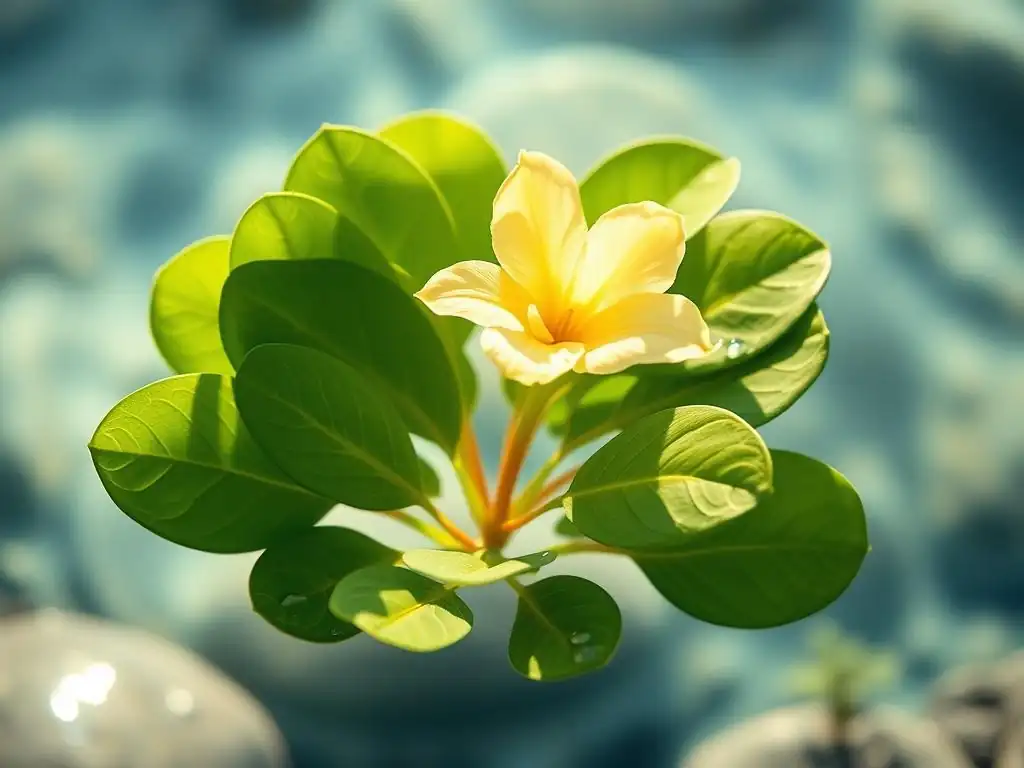
Maintaining stable water parameters is fundamental for successful Bacopa caroliniana aquarium care. This versatile plant thrives in a broad temperature range, ideally between 68°F and 82°F (20°C to 28°C). While it can tolerate slight fluctuations, consistent temperatures within this range promote steady and healthy growth. Extreme cold or heat can stress the plant, leading to stunted growth or leaf melt, so using a reliable aquarium heater to maintain stability is recommended.
Regarding pH levels, Bacopa caroliniana is quite adaptable, preferring a range of 6.0 to 7.5. This slightly acidic to neutral pH range is common in many community aquariums, making it compatible with a wide variety of freshwater fish species. Although it can tolerate slightly harder water, soft to moderately hard water is generally preferred. Regular testing of your aquarium water will help ensure these parameters remain within the optimal range for your Bacopa caroliniana and other aquatic inhabitants.
Lighting Requirements for Color
Lighting is a critical factor influencing both the growth rate and the vibrant coloration of Bacopa caroliniana. This plant performs best under moderate to high light conditions, typically ranging from 20 to 40 PAR (Photosynthetically Active Radiation) at the substrate level. Insufficient lighting will result in leggy growth, pale green leaves, and a lack of the characteristic reddish or bronze tips. For optimal color development, particularly the desirable warm hues, providing brighter illumination is essential.
When exposed to higher light intensities, the upper leaves and growing tips of Bacopa caroliniana synthesize anthocyanins, pigments responsible for the striking red and bronze coloration. For example, a tank with a PAR value closer to 40-50 can significantly enhance these colors, turning a simple green plant into a visual highlight. Aim for 8-10 hours of light per day, using full-spectrum LED lights designed for planted aquariums to maximize both growth and the plant's aesthetic appeal in your Bacopa caroliniana aquarium care regimen.
CO2 Supplementation Needs
While Bacopa caroliniana is often described as a low-tech plant that can grow without supplemental CO2, providing carbon dioxide can significantly enhance its growth rate and overall vigor. In tanks without CO2 injection, the plant will still grow, albeit at a slower pace, and may not achieve its full potential in terms of lushness and vibrant coloration. The availability of dissolved CO2 directly impacts the efficiency of photosynthesis, allowing the plant to absorb nutrients more effectively.
For aquarists aiming for truly lush and rapid growth, especially in a high-light setup, a modest CO2 injection system delivering around 15-25 ppm can make a remarkable difference. This increased CO2 availability will lead to noticeably faster growth, larger leaves, and more intense color development, particularly the reddish tips. Even a liquid carbon supplement can provide some benefits, contributing to a more robust Bacopa caroliniana aquarium care experience and helping the plant outcompete algae for nutrients.
Planting and Placement
Substrate Choice for Root Health
The choice of substrate plays a significant role in the long-term health and stability of Bacopa caroliniana. While this plant is primarily a stem plant that absorbs nutrients from the water column, it also benefits greatly from a nutrient-rich substrate. A specialized planted tank substrate, such as fluorite or aquasoil, provides essential macro and micronutrients directly to the roots, promoting strong root development and robust growth. These substrates often have a high cation exchange capacity, allowing them to hold onto nutrients and release them as needed.
If using an inert substrate like sand or gravel, it is highly recommended to supplement with root tabs. These slow-release fertilizer capsules are inserted directly into the substrate near the plant's roots, providing a localized source of nutrients. Even in a nutrient-rich substrate, Bacopa caroliniana will anchor itself firmly, and a substrate depth of at least 2-3 inches (5-7.5 cm) is ideal to allow the roots to spread and establish properly, contributing to comprehensive Bacopa caroliniana aquarium care.
Planting Techniques
Proper planting techniques are crucial to ensure Bacopa caroliniana establishes itself successfully and thrives in your aquarium. When you first acquire the plant, gently separate the individual stems if they are bundled. Carefully remove any rock wool or ties from the base, as these can restrict growth and lead to rot. Using aquascaping tweezers, plant each stem individually into the substrate, burying the bottom 1-2 inches (2.5-5 cm) of the stem firmly. Ensure that at least two nodes (the points where leaves emerge) are buried to encourage root development.
When planting multiple stems, space them out adequately, typically about 1-2 inches (2.5-5 cm) apart. This spacing allows for proper light penetration to the lower leaves and promotes better water circulation around each stem, reducing the risk of rot and encouraging bushier growth. Overcrowding can lead to shading and competition for light and nutrients, hindering the plant's overall health and making effective Bacopa caroliniana aquarium care more challenging.
Propagation Methods
Trimming and Replanting
Bacopa caroliniana is remarkably easy to propagate through trimming and replanting, making it simple to expand your aquatic garden or share with other hobbyists. When the stems reach the water surface or become overly dense, it's an ideal time for trimming. Using sharp aquascaping scissors, cut the stem just below a node, ideally leaving at least 3-4 inches (7.5-10 cm) of the original plant in the substrate to encourage new growth from the trimmed base.
The trimmed top sections, typically 4-6 inches (10-15 cm) long, can then be replanted directly into the substrate. Ensure that the lowest leaves are removed from the bottom 1-2 inches of the cutting to prevent decay once buried. These cuttings will quickly develop new roots from the buried nodes, establishing themselves as new plants within a few weeks. This method not only propagates the plant but also encourages the original plant to branch out, resulting in a bushier and more attractive specimen, a key aspect of Bacopa caroliniana aquarium care.
Stem Cuttings
Propagating Bacopa caroliniana via stem cuttings is a straightforward and highly effective method to multiply your plants. Once you have healthy, mature stems, simply use a clean, sharp pair of scissors to cut sections that are at least 4-6 inches (10-15 cm) long. Each cutting should have several nodes, as these are the points from which new roots and leaves will emerge. For optimal success, choose cuttings from the upper, healthier portions of the plant.
Before planting, carefully remove the leaves from the bottom 1-2 inches (2.5-5 cm) of each cutting. This prevents buried leaves from rotting and facilitates easier insertion into the substrate. Plant each prepared cutting firmly into the substrate, ensuring at least two nodes are buried. Within 1-2 weeks, you should observe the development of new roots from the buried nodes, and new leaf growth will soon follow. This reliable propagation method allows aquarists to quickly fill their tanks or replace older, leggy growth with fresh, vibrant stems, simplifying Bacopa caroliniana aquarium care and maintenance.
Tips for Lush Growth and Vibrant Color
Fertilization Strategies
Liquid Fertilizers
For optimal growth and the vibrant coloration of Bacopa caroliniana, a comprehensive fertilization strategy is essential, particularly for plants grown in inert substrates or high-light setups. Liquid fertilizers provide readily available macro-nutrients such as Nitrogen (N), Phosphorus (P), and Potassium (K), which are crucial for overall plant health and growth.
Nitrogen, for instance, is vital for leaf development, while potassium supports strong stems and disease resistance. Many aquarists find that dosing a comprehensive liquid fertilizer containing these elements, along with essential micronutrients like Iron (Fe) and Magnesium (Mg), on a regular basis (e.g., 2-3 times a week or with weekly water changes) significantly boosts plant vigor.
Iron, in particular, is critical for the development of the characteristic reddish or bronze tips on Bacopa caroliniana. A deficiency can lead to chlorosis, where new leaves appear pale or yellow. Products specifically formulated for planted aquariums, such as Seachem Flourish or API Leaf Zone, offer a balanced blend of these nutrients. Following the manufacturer's recommended dosage, adjusted based on your tank's nutrient demands and plant mass, will ensure your Bacopa caroliniana receives the sustenance it needs for lush, vibrant growth, enhancing your overall Bacopa caroliniana aquarium care.
Root Tabs
While Bacopa caroliniana can absorb nutrients from the water column, its roots also play a significant role in nutrient uptake, especially in established plants. Root tabs are an excellent supplemental fertilization method, particularly beneficial for tanks with inert substrates like sand or gravel that lack inherent nutrients. These small, encapsulated fertilizers are designed to be inserted directly into the substrate near the plant's root zone, providing a slow and steady release of essential nutrients over several weeks or months.
Root tabs typically contain a rich blend of macro and micronutrients, including iron, manganese, and potassium, which are vital for strong root development and sustained growth. For a healthy Bacopa caroliniana, place a root tab approximately 2-3 inches (5-7.5 cm) away from the base of the plant, burying it deep enough so it doesn't dissolve into the water column too quickly. Replace them every 3-6 months, depending on the product's instructions. This targeted nutrient delivery supports robust root systems, leading to healthier, more resilient plants and complementing your liquid fertilization regimen for comprehensive Bacopa caroliniana aquarium care.
Pruning and Maintenance
Regular Trimming
Regular trimming is a fundamental aspect of Bacopa caroliniana aquarium care that promotes bushier growth and prevents the plant from becoming leggy or overgrown. When the stems reach the water surface or begin to shade lower plants, it's time to prune. Using sharp aquascaping scissors, cut the stem just above a node. This encourages the plant to branch out from the cut point, leading to a denser, more attractive appearance rather than just a single tall stem.
Aim to trim Bacopa caroliniana every 2-4 weeks, depending on its growth rate in your specific setup. Consistent trimming not only maintains the desired shape and height but also ensures that light can penetrate to the lower portions of the plant, preventing the bottom leaves from dying off due to lack of light. The trimmed tops can be replanted to propagate new plants, effectively recycling the growth and maintaining a vibrant, healthy aquascape.
Removing Dead Leaves
Part of effective Bacopa caroliniana aquarium care involves routinely inspecting and removing any dead or decaying leaves. While Bacopa caroliniana is hardy, older leaves, especially those at the bottom of the stem that receive less light, may eventually yellow or turn brown and begin to decay. Decaying plant matter can contribute to excess organic waste in the aquarium, potentially leading to ammonia spikes or fueling undesirable algae growth.
Using tweezers or your fingers, gently pluck off any discolored or decaying leaves. This not only improves the aesthetic appeal of your plant but also directs the plant's energy towards producing healthy new growth rather than maintaining dying foliage. Regular removal of dead leaves also helps to maintain good water quality and prevent the accumulation of detritus in your substrate, contributing to a cleaner and healthier overall aquarium environment.
Troubleshooting Common Issues
Identifying Nutrient Deficiencies
Yellowing Leaves
Yellowing leaves in Bacopa caroliniana are a common indicator of nutrient deficiencies, particularly nitrogen or iron. If the older leaves at the bottom of the stem turn uniformly yellow, it often points to a nitrogen deficiency. Nitrogen is a mobile nutrient, meaning the plant will transfer it from older growth to new growth when supplies are low. The solution typically involves increasing nitrogen input through a comprehensive liquid fertilizer or by ensuring sufficient fish waste in the tank.
Conversely, if the new or younger leaves at the top of the plant exhibit yellowing, often between the veins (interveinal chlorosis), it's a strong sign of iron deficiency. Iron is crucial for chlorophyll production and the vibrant red hues of Bacopa caroliniana. To address this, supplement with an iron-rich liquid fertilizer specifically formulated for aquatic plants. Regular monitoring of your plant's appearance and consistent Bacopa caroliniana aquarium care through balanced fertilization will help prevent these issues.
Stunted Growth
Stunted growth in Bacopa caroliniana can be a frustrating issue for aquarists and often points to a combination of environmental factors. One primary cause is insufficient lighting; if the plant isn't receiving adequate light intensity (PAR), it will struggle to photosynthesize efficiently, leading to slow and weak growth. Similarly, a lack of essential macronutrients (Nitrogen, Phosphorus, Potassium) or micronutrients (Iron, Magnesium) can severely limit the plant's ability to develop, resulting in smaller leaves and short internodes.
Another significant factor contributing to stunted growth is insufficient CO2. Even though Bacopa caroliniana can survive without supplemental CO2, its growth will be significantly slower. If all other parameters seem correct, consider adding CO2 injection or a liquid carbon source to boost its metabolism. Additionally, incorrect water parameters outside its preferred temperature and pH range, or even sudden fluctuations, can stress the plant and impede its growth. A comprehensive approach to Bacopa caroliniana aquarium care, addressing light, nutrients, CO2, and stable water parameters, is key to overcoming stunted growth.
Algae Control
Spot Treatment with Liquid Carbon
While Bacopa caroliniana can help prevent algae by outcompeting it for nutrients, the plant itself can sometimes fall victim to spot algae, especially if there's an imbalance in light, nutrients, or CO2. Green spot algae or black beard algae can sometimes colonize the leaves. For targeted treatment, liquid carbon products containing glutaraldehyde can be highly effective. These products, when dosed directly onto the affected areas, act as an algaecide.
To perform a spot treatment, turn off your filter and powerheads to stop water circulation. Using a syringe or pipette, carefully squirt a small, precise amount of the liquid carbon solution directly onto the algae-covered leaves of your Bacopa caroliniana. Allow it to sit for 10-15 minutes before turning your filter back on. Be cautious with dosage, as overdosing can harm sensitive fish or invertebrates. Regular, small doses of liquid carbon as part of your routine Bacopa caroliniana aquarium care can also help prevent algae in the long run by providing a carbon source for the plants.
Tank Mate Compatibility
Compatible Species
Choosing appropriate tank mates is crucial for the long-term success of your Bacopa caroliniana and the overall harmony of your aquarium. This plant thrives in peaceful community setups. Ideal companions include small to medium-sized, non-herbivorous fish that won't nibble on its leaves or uproot its stems. Good examples include various species of Tetras (e.g., Neon Tetras, Cardinal Tetras, Rummy-nose Tetras), Rasboras (e.g., Harlequin Rasboras, Chili Rasboras), Guppies, Platies, and peaceful bottom dwellers like Corydoras catfish.
Invertebrates such as Amano shrimp, Cherry shrimp, and various snail species (e.g., Nerite snails, Mystery snails) are also excellent tank mates. They contribute to algae control and detritus consumption without harming the plant. These species complement Bacopa caroliniana aquarium care by keeping the tank clean and ensuring the plant remains undisturbed, allowing it to flourish and maintain its aesthetic appeal.
Avoiding Plant Eaters
To ensure the longevity and beauty of your Bacopa caroliniana, it is essential to avoid introducing fish species known for their herbivorous tendencies or those that are prone to uprooting plants. Large, boisterous fish or those that specifically target aquatic vegetation can quickly decimate your planted aquascape. Common culprits include many species of Cichlids (e.g., Oscar fish, Jack Dempseys), which can be quite destructive, and larger Plecos (e.g., Common Pleco) that may graze on plant leaves once algae sources are depleted.
While some fish like Silver Dollars are beautiful, they are notorious plant eaters and will quickly devour soft-leaved plants like Bacopa caroliniana. Similarly, certain species of goldfish, particularly common and comet varieties, are known to uproot and consume plants. By researching the dietary habits and behaviors of potential tank mates before introducing them, you can prevent significant damage to your Bacopa caroliniana and maintain a thriving planted aquarium, simplifying your Bacopa caroliniana aquarium care efforts.
The Lemon Scent
Source of the Fragrance
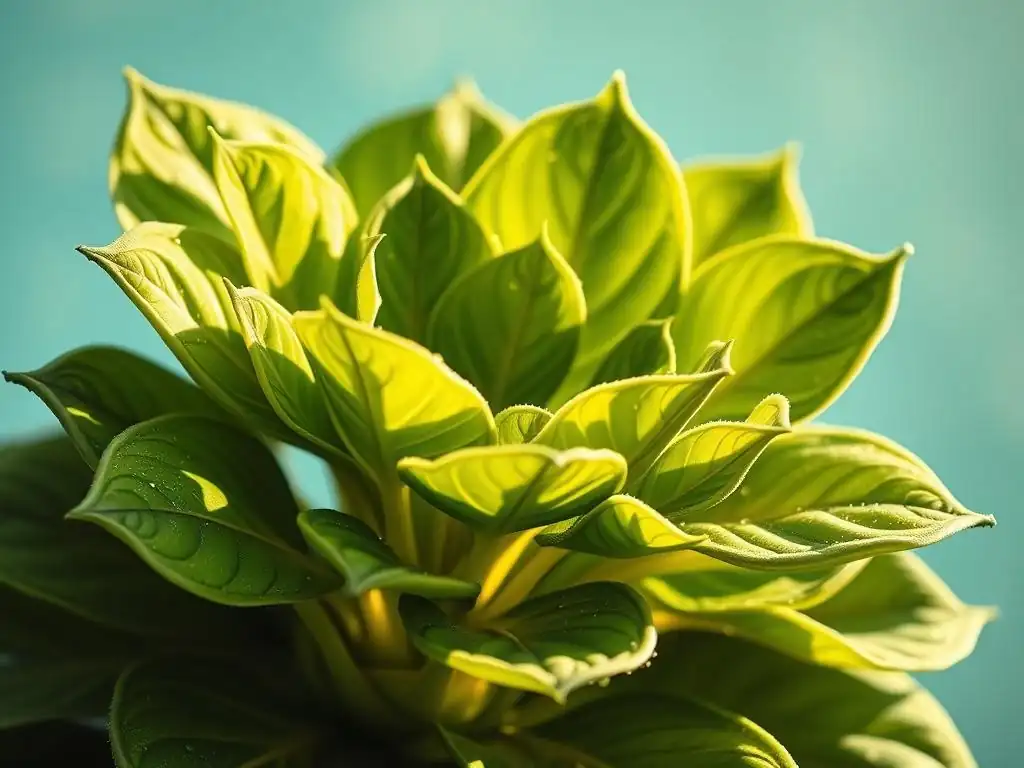
One of the unique and often surprising features of Bacopa caroliniana is the subtle, pleasant lemon-like scent it emits, particularly when its leaves are bruised or crushed. This distinctive fragrance is attributed to the presence of specific volatile organic compounds, primarily monoterpenes like limonene, which are also found in citrus fruit rinds. These compounds are naturally produced by the plant as part of its metabolic processes and can serve various ecological functions, such as deterring herbivores or attracting pollinators in its emergent form.
While the scent is not always noticeable in a submerged aquarium, it becomes much more apparent during tank maintenance, when leaves are trimmed, or when the plant is handled. A gentle swirl of the water around the plant or even lightly rubbing a leaf between your fingers can release the delightful aroma. This characteristic adds an interesting sensory dimension to Bacopa caroliniana aquarium care, making it more than just a visual addition to your aquatic landscape.
Enhancing the Aromatic Experience
While the lemon scent of Bacopa caroliniana is subtle in a submerged aquarium, there are a few ways to enhance the aromatic experience, primarily by interacting directly with the plant. The fragrance is most potent when the plant's cells are disrupted, releasing the volatile compounds. This means that during your regular pruning sessions, as you trim the stems and remove cuttings, you'll likely notice the refreshing lemon aroma.
Additionally, gently agitating the water around a dense patch of Bacopa caroliniana during water changes or maintenance can sometimes release a faint scent into the air above the tank. Some aquarists report a more noticeable fragrance in tanks with less surface agitation, as the compounds might accumulate more readily. While not an overpowering room freshener, appreciating this unique trait adds another layer of enjoyment to the rewarding practice of Bacopa caroliniana aquarium care.
Comparing Bacopa Species
Bacopa Monnieri vs. Bacopa Caroliniana
While both Bacopa monnieri and Bacopa caroliniana belong to the same genus and are popular in the aquarium hobby, they exhibit distinct differences in appearance and care requirements. Bacopa monnieri, often known as Moneywort or Water Hyssop, typically has smaller, rounder, and lighter green leaves compared to B. caroliniana. Its growth habit is generally more compact and creeping, often forming a dense carpet if conditions are right, whereas B. caroliniana grows taller and more upright with larger, more oval leaves.
In terms of Bacopa caroliniana aquarium care versus Bacopa monnieri care, B. monnieri is generally considered even hardier and more forgiving, tolerating a wider range of water parameters and lower light conditions without significant issues. While B. caroliniana can develop beautiful reddish tips under high light, B. monnieri typically remains green. Both are excellent choices for beginners, but B. caroliniana offers more potential for vibrant coloration and a stronger stem presence, while B. monnieri excels as a foreground or midground carpeting plant.
Bacopa Australis
Bacopa australis is another popular species within the Bacopa genus, often chosen for its distinct characteristics compared to Bacopa caroliniana. While B. caroliniana features thicker, more oval leaves that can turn reddish, Bacopa australis typically presents with smaller, thinner, and brighter green leaves. Its growth habit is more sprawling and creeping, often sending out runners along the substrate, making it an excellent choice for a midground or foreground plant that can create a lush, dense bush.
In terms of care, Bacopa australis is generally considered quite easy to grow, similar to Bacopa caroliniana, but it often grows faster and can tolerate lower light conditions than B. caroliniana while still maintaining healthy growth. It doesn't typically develop the reddish hues seen in B. caroliniana but compensates with its vibrant green color and ability to form dense patches. For aquarists looking for a fast-growing, bright green plant that can fill out spaces quickly, Bacopa australis is an excellent alternative or complement to the more upright and colorful Bacopa caroliniana in their Bacopa caroliniana aquarium care considerations.
Frequently Asked Questions
What are the ideal water parameters for Bacopa caroliniana in an aquarium?
Bacopa caroliniana thrives best in slightly acidic to neutral water (pH 6.0-7.5). The ideal water temperature is between 68-82°F (20-28°C). Moderate water hardness is generally preferred.
How much light does Bacopa caroliniana need for optimal growth?
This plant requires moderate to high lighting to grow well. Insufficient light can lead to leggy growth and poor color. Provide at least 8-10 hours of light per day.
What nutrients are important for Bacopa caroliniana?
Bacopa caroliniana benefits from regular fertilization with liquid fertilizers containing macronutrients and micronutrients. Iron is particularly important for vibrant coloration. CO2 supplementation can further enhance growth, but is not strictly necessary.
How do I propagate Bacopa caroliniana in my aquarium?
Propagation is easy through stem cuttings. Simply cut a healthy stem and plant it directly into the substrate. The cutting will develop roots and grow into a new plant.
What are some common problems associated with Bacopa caroliniana and how can I solve them?
Common issues include slow growth or yellowing leaves, often caused by nutrient deficiencies or inadequate lighting. Adjust fertilization and lighting accordingly. Algae growth on the leaves may indicate excess nutrients or poor water circulation.
Final Reflection: Cultivating Clarity and Calm
The journey into understanding Bacopa caroliniana aquarium care reveals more than just techniques for cultivating a lush, lemon-scented underwater landscape. It highlights the profound connection between our environments, both internal and external, and the delicate balance required for thriving. The principles of attentive care, patience, and understanding the specific needs of a living organism resonate far beyond the confines of a glass tank.
The subtle, yet persistent, influence of the natural world on our well-being is undeniable. From the calming effect of watching fish swim to the simple joy of nurturing a plant, these interactions enrich our lives in ways we often overlook. Look deep into nature, and then you will understand everything better.
- Albert Einstein. This quote reminds us that by understanding the needs of even the smallest ecosystem, we gain a deeper understanding of ourselves and our place within the larger world.
Now, consider how you can apply the lessons learned from nurturing Bacopa caroliniana to other areas of your life. Can you cultivate a more balanced and thriving environment within yourself, your relationships, or your community? Embrace the patience and attentiveness required for successful aquarium keeping, and watch as clarity and calm blossom in unexpected ways.
Unleash Your Aquarium's Potential!
Thank you for diving into the world of Bacopa caroliniana! Now that you've discovered its secrets to easy growth and refreshing lemon scent, it's time to bring that knowledge to life in your own aquarium. Ready to take the next step?
Here are some actions you can take right now:
- Boldly introduce Bacopa caroliniana into your aquarium and meticulously track its growth and the changes it brings to your aquatic environment. Observe how its presence affects the ecosystem and share your findings!
- Experiment with different lighting and CO2 levels to optimize Bacopa caroliniana's growth, noting any distinct variations in its color and aroma.
- Share this article with fellow aquarium enthusiasts and spark a conversation about their experiences with low-maintenance, aromatic plants like Bacopa caroliniana.
What unique ways will you incorporate Bacopa caroliniana into your aquascape to create a truly captivating underwater world?