
Upgrading Your Aquarium Light: A StepbyStep Plant Growth Boost

Welcome to Aquarium Mastery!
Ready to unlock the secret to vibrant, thriving aquatic plants? Dive into our comprehensive guide on the best aquarium lights for plants and discover how a simple upgrade can transform your underwater world. Curious about achieving lush growth and breathtaking beauty? Let's illuminate the path to Aquarium Mastery together!
- Why Upgrade Your Aquarium Lighting for Plant Growth?
- Choosing the Best Aquarium Light for Plants: A Detailed Guide
- Step-by-Step Guide: Replacing Your Aquarium Light
- Optimizing Your New Aquarium Light for Plant Success
- Troubleshooting Common Issues After Upgrading Your Aquarium Light
- Maintaining Your Aquarium Lighting System for Long-Term Plant Health
- Beyond Lighting: Complementary Factors for Lush Plant Growth
- Conclusion: Achieving a Thriving Planted Aquarium with the Right Light
-
Frequently Asked Questions
- How does upgrading my aquarium light specifically benefit plant growth?
- What type of aquarium light is generally considered the best for plant growth in planted tanks?
- What factors should I consider when selecting an aquarium light for plant growth?
- Can I use any light to grow plants in my aquarium?
- How do I know if my current aquarium light is insufficient for my plants?
- Final Reflection: Illuminating Growth and Discovery
- Ignite Your Aquarium's Potential: Start Growing!
Why Upgrade Your Aquarium Lighting for Plant Growth?
The Importance of Light Spectrum for Aquatic Plants
The spectrum of light, not just its intensity, is paramount for the healthy growth of aquatic plants. Photosynthesis relies on specific wavelengths, primarily blue light (ranging from approximately 400-500 nanometers) and red light (around 600-700 nanometers).
Blue light is crucial for chlorophyll A and B production, which are vital for plant metabolic processes and compact growth, while red light drives photosynthesis and encourages robust stem and leaf development, as well as flowering in some species. An optimal full-spectrum light provides a balanced blend of these wavelengths, often including green light (500-600 nm) which, despite being largely reflected by chlorophyll, contributes to overall light absorption and a more natural visual aesthetic within the aquarium.
An imbalanced light spectrum can lead to various plant health issues and even encourage undesirable algae growth. For instance, a light source deficient in red wavelengths might result in stunted growth and a lack of vibrant coloration, particularly in red-pigmented plants like Rotala macrandra.
Conversely, an excessive amount of red light without sufficient blue light or other essential nutrients can sometimes favor the proliferation of certain types of algae, such as hair algae, by providing an abundance of energy that plants cannot fully utilize. Ensuring a broad, balanced spectrum is a critical factor in selecting the best aquarium light for plants.
Recognizing Signs You Need Better Aquarium Lighting
Observing your aquatic plants closely will reveal clear indicators that your current lighting system may be inadequate. Common signs of insufficient light include slow or stunted growth, plants exhibiting leggy stems (stretching excessively towards the light source), and lower leaves yellowing or melting away. For instance, a healthy Anubias barteri should produce new leaves regularly; if growth halts or leaves become pale, light might be a limiting factor. Red-pigmented plants, such as Alternanthera reineckii, will lose their vibrant coloration and turn a dull green under suboptimal lighting conditions.
Beyond individual plant health, a general lack of vibrancy across your planted tank, or the persistent presence of certain algae types, can also signal a need for better aquarium lighting. If your plants are not "pearling" (releasing tiny oxygen bubbles during photosynthesis) during the light cycle, it often indicates low photosynthetic activity, even if CO2 levels are adequate. Furthermore, the inability to successfully grow more demanding plant species, such as carpeting plants like Hemianthus callitrichoides 'Cuba', despite proper fertilization, strongly suggests that your current light fixture is not providing the necessary intensity or spectrum.
Understanding PAR (Photosynthetically Active Radiation) and Plant Needs
PAR, or Photosynthetically Active Radiation, is the portion of the light spectrum (specifically 400-700 nanometers) that plants use for photosynthesis. It is a far more accurate metric for assessing light suitability for planted tanks than lumens or watts, as it directly measures the light energy available for plant growth. For instance, low-light plants like Java Fern ( Microsorum pteropus) or Anubias species typically require PAR values of 15-30 µmol/m²/s (micromoles per square meter per second) at the substrate level.
Medium-light plants, such as most Cryptocoryne species or Amazon Swords ( Echinodorus amazonicus), thrive in 30-50 PAR. High-light, demanding plants like many Rotala species or carpeting plants may need 50-100+ PAR at the substrate.
It is crucial to understand that PAR values decrease significantly with tank depth due to water absorption and surface agitation. A light fixture that measures 100 PAR at 6 inches from the surface might only deliver 40-50 PAR at a depth of 18 inches in a typical aquarium.
Therefore, when choosing the best aquarium light for plants, especially for deeper tanks (over 18 inches), it's essential to select a fixture designed to penetrate the water column effectively and provide adequate PAR at the substrate level, where the roots and lower portions of your plants reside. Failing to account for this depth-related PAR drop can lead to insufficient light for bottom-dwelling plants.
Choosing the Best Aquarium Light for Plants: A Detailed Guide
LED Aquarium Lights: Efficiency and Spectrum Control
LED (Light Emitting Diode) aquarium lights have become the gold standard for planted tanks due to their exceptional energy efficiency and unparalleled spectrum control. Compared to traditional fluorescent lighting, LEDs can consume up to 70% less power while delivering superior light output, significantly reducing electricity bills.
Their average lifespan often exceeds 50,000 hours, which translates to several years of continuous use without needing bulb replacements, offering long-term cost savings. The primary advantage lies in the ability to precisely control individual color channels (red, green, blue, and white), allowing aquarists to fine-tune the spectrum to optimize for plant growth, enhance fish coloration, or create specific aesthetic effects.
Many modern LED fixtures, often considered the best aquarium light for plants, come with advanced features such as dimming capabilities, programmable 24-hour light cycles with sunrise and sunset simulations, and even cloud cover effects. These features provide a stable and natural light environment, reducing stress on aquarium inhabitants and promoting consistent plant growth. For example, a high-quality 30-watt LED fixture can often achieve comparable or even superior PAR output to a 60-watt T5 HO (High Output) fluorescent fixture for a similarly sized tank, demonstrating their efficiency and performance.
Fluorescent Aquarium Lights: T5 vs. T8 for Plant Growth (If Applicable)
Fluorescent lighting, specifically T5 HO (High Output) and T8 (standard output) bulbs, were once the go-to choice for planted aquariums before the widespread adoption of LEDs. T5 HO lights, being more compact and powerful than T8s, offered good PAR for medium to high light demand planted tanks. A typical 24-inch T5 HO bulb can produce approximately 2,000-3,000 lumens, while a T8 of the same length might only yield 1,000-1,500 lumens. They are generally less expensive upfront than comparable LED setups, making them an option for budget-conscious aquarists.
However, fluorescent lights come with several drawbacks compared to LEDs. They have a shorter lifespan, typically requiring bulb replacements every 6 to 12 months, as their intensity and spectrum degrade over time.
They also generate more heat, which can contribute to higher tank temperatures, and offer limited spectrum control, usually relying on specialized "plant growth" bulbs that have a fixed spectrum. While still viable for certain setups, their higher running costs and maintenance, coupled with their less precise light delivery, make them a less optimal choice for those seeking the best aquarium light for plants in terms of long-term performance and flexibility.
Considering Light Intensity and Tank Depth
The relationship between light intensity and tank depth is a critical factor when selecting an aquarium light for plants. Water absorbs light, meaning that the further the light has to travel through the water column, the less intensity (PAR) will reach the plants at the bottom. A light fixture that provides excellent PAR for a 12-inch deep tank may be entirely insufficient for a 24-inch deep tank, even if it's considered a best aquarium light for plants for shallower setups.
For instance, to achieve 40-50 PAR at the substrate in a 12-inch deep tank for medium-light plants, a light might need to produce 60-80 PAR at the surface. For a 24-inch deep tank, to achieve the same 40-50 PAR at the bottom, the surface PAR might need to be 100-120+.
Therefore, it is imperative to choose a light fixture whose output matches the specific depth of your aquarium and the light requirements of your chosen plant species. Over-lighting a shallow tank can quickly lead to severe algae outbreaks, as the excess light energy, coupled with potentially insufficient CO2 or nutrients, creates ideal conditions for algae proliferation. Conversely, under-lighting a deep tank will result in stunted, pale plants that struggle to photosynthesize effectively, regardless of other parameters. Always check the manufacturer's PAR data at various depths or consult community reviews for real-world performance.
Fluval Plant 3.0 Review for Planted Tanks
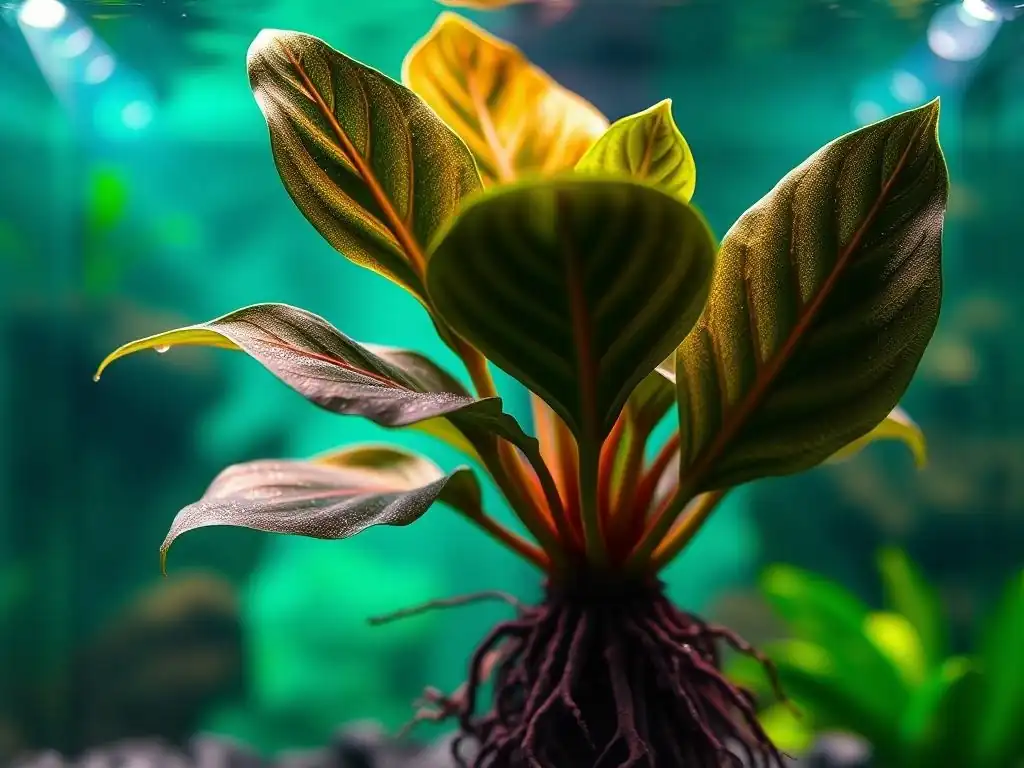
The Fluval Plant 3.0 LED light is a highly regarded option frequently cited as a strong contender for the best aquarium light for plants in its price segment. It features a full spectrum of red, green, blue, and white LEDs, delivering a high Color Rendering Index (CRI) that not only promotes robust plant growth but also enhances the natural colors of fish and tank decor.
Its standout feature is the control via the FluvalSmart App, which allows for fully customizable 24-hour light cycles, independent color channel adjustments, and even dynamic weather effects like cloud cover and lightning. For example, a 36-48 inch Fluval Plant 3.0 can typically provide PAR values ranging from 60-100+ at a 12-inch depth, making it suitable for a wide range of demanding plants.
Beyond its impressive spectral control, the Fluval Plant 3.0 is praised for its user-friendliness and solid build quality. The wide beam spread ensures even light distribution across the entire tank, minimizing shaded areas that could hinder plant growth. Its energy efficiency is notable, contributing to lower operating costs, and its rated lifespan of 50,000 hours ensures years of reliable performance. The ability to simulate natural light patterns, including gradual sunrise and sunset, reduces stress on aquarium inhabitants and provides a more aesthetically pleasing viewing experience, solidifying its reputation as a top choice for planted tank enthusiasts.
Chihiros WRGB II Review for Planted Tanks
The Chihiros WRGB II series has quickly become a favorite among dedicated planted tank hobbyists, often considered by many to be the best aquarium light for plants for achieving professional-level results. It combines White, Red, Green, and Blue LEDs in a powerful array to deliver a truly full and vibrant spectrum that is exceptional for both vigorous plant growth and stunning color rendition.
This light excels at bringing out the natural, vivid hues of red and green plants, making your aquascape pop. For instance, a Chihiros WRGB II designed for a 24-inch tank can effortlessly achieve PAR values of 80-120 µmol/m²/s at 18 inches deep, providing ample light for even the most demanding carpeting plants like Hemianthus callitrichoides 'Cuba' and intense red stem plants.
Control of the Chihiros WRGB II is managed through the intuitive My Chihiros app, which offers extensive customization options. Users can fine-tune the intensity of each color channel, set detailed 24-hour schedules with gradual sunrise and sunset effects, and even create custom light profiles. The fixture boasts a sleek, fan-less design, ensuring silent operation, and its robust construction speaks to its durability. Its high PAR output and precise spectral control make it an ideal choice for high-tech planted tanks utilizing CO2 injection, allowing plants to reach their full genetic potential in terms of growth rate and coloration.
Step-by-Step Guide: Replacing Your Aquarium Light
Step 1: Unplug and Prepare Your Aquarium
Safety is the absolute priority when working with electricity and water. Before attempting any light fixture replacement, ensure that the existing light fixture and all other electrical equipment connected to or near your aquarium, such as heaters, filters, and air pumps, are completely unplugged from their power outlets. This crucial step eliminates any risk of electrical shock. Always ensure your hands are thoroughly dry before touching any electrical components or plugs.
Once all power sources are disconnected, take a moment to prepare your workspace. Clear the area around your aquarium to provide ample room for maneuvering the old and new fixtures. Have a clean, dry towel or a bucket nearby to catch any potential drips or spills from the old fixture, especially if it's a hood-style light that might have collected condensation. This preparation not only ensures your safety but also makes the entire replacement process much smoother and more efficient.
Step 2: Removing the Old Aquarium Light Fixture
With the power safely off, carefully proceed to unclip or unmount your old aquarium light fixture. Depending on its design, this might involve unclipping it from the tank rim, lifting it off a stand, or unscrewing it from a canopy. If your old light is a hood that covers the entire top of the tank, gently lift it and set it aside in a safe, dry place. Be mindful of any wires, clips, or support brackets that might be attached, ensuring they are disconnected without damaging them or the tank.
Once the old fixture is removed, take a moment to inspect it for any signs of wear, condensation, or water damage. If it contains fluorescent bulbs, be aware that these may require special recycling due to their mercury content; check with your local waste management guidelines. Dispose of the old fixture responsibly. This step also gives you an opportunity to clean the tank rim or canopy area before installing the new, often more efficient, best aquarium light for plants.
Step 3: Installing the New Aquarium Light
Now, unbox your new aquarium light fixture and carefully follow the manufacturer's specific installation instructions. Most modern LED fixtures offer various installation methods: some sit directly on the tank rim using adjustable legs, others are designed to hang above the tank from a suspension kit, and some can be mounted directly into an existing canopy. Ensure that the fixture is level and securely positioned to prevent any accidental slips or falls into the water. Proper positioning is vital for even light distribution across your planted aquascape.
Once the fixture is physically in place, carefully route the power cord. Ensure it is not kinked, pinched, or lying in a position where it could be easily damaged or become a tripping hazard. If your light has an external power supply or controller, position it in a dry, accessible location. Double-check that the light is centered over your aquarium to guarantee that all your plants receive optimal light exposure, maximizing the benefits of your new best aquarium light for plants.
Step 4: Setting the Timer and Light Schedule for Optimal Plant Growth
With your new light securely installed, the next crucial step is to connect it to a reliable timer and set an appropriate light schedule. For most planted aquariums, especially after upgrading to a more powerful light, an initial photoperiod of 6-8 hours is ideal. Avoid immediately running the light for 10-12 hours, as this can shock your plants and, more importantly, trigger severe algae blooms due to the sudden increase in light intensity. A digital timer offers precision and reliability for consistent on/off times.
If your new light fixture, such as the Fluval Plant 3.0 or Chihiros WRGB II, features programmable capabilities via a smartphone app, utilize these advanced functions. Set a gradual sunrise and sunset effect to mimic natural light cycles, which reduces stress on your fish and plants. Begin with a moderate light intensity, perhaps 50-70% of the maximum output, and plan to gradually increase it over several weeks as your plants acclimate. This measured approach is key to harnessing the full potential of the best aquarium light for plants without inviting algae.
Optimizing Your New Aquarium Light for Plant Success
Acclimation Period: Gradually Increase Light Intensity
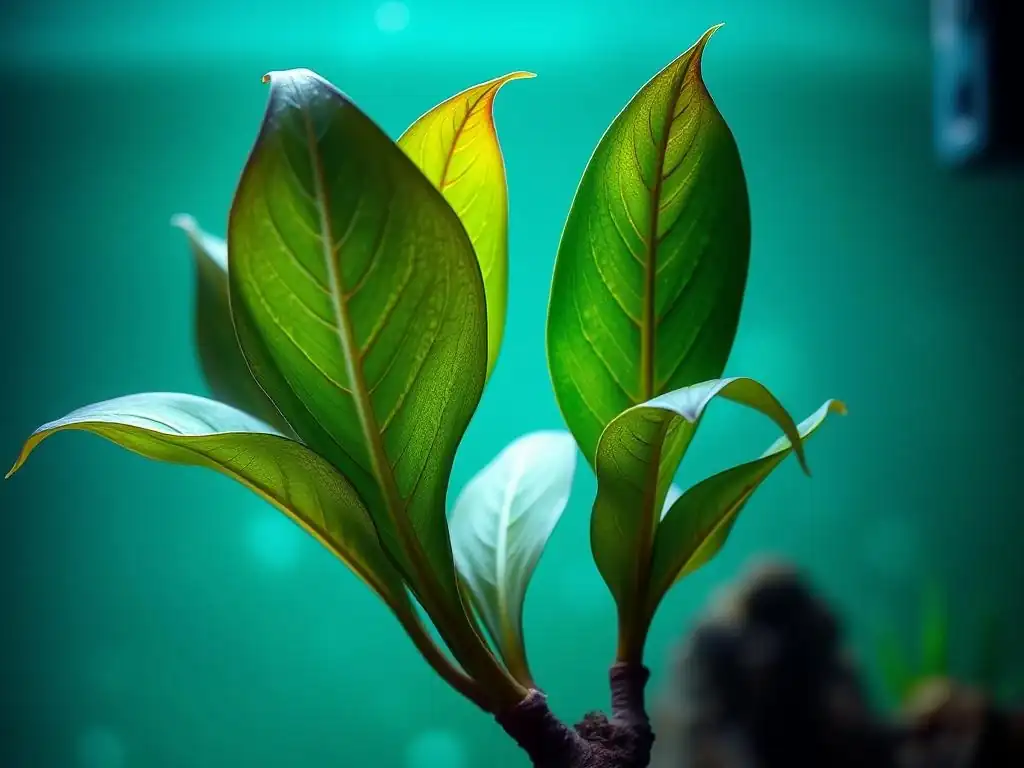
When you introduce a new, more powerful light, your aquatic plants, much like fish, need an acclimation period to adjust to the increased light intensity. A sudden jump from low to high light can cause "light shock," leading to plant melt (leaves turning translucent and decaying) and, more commonly, a significant surge in algae growth. To prevent this, start with a lower intensity, typically around 40-50% of the maximum output, and a shorter photoperiod, perhaps 5-6 hours, for the first one to two weeks. This gentle introduction allows plants to adapt their photosynthetic machinery.
Over the subsequent 2-4 weeks, gradually increase the light intensity by 5-10% each week and extend the photoperiod by 30-60 minutes until you reach your desired 7-8 hour schedule and optimal intensity for your plant species. During this phase, closely observe your plants for signs of healthy growth (new leaves, vibrant color, pearling) and, crucially, for any signs of algae. If algae begins to proliferate, it's an indication that the light intensity or duration is too high for your current setup, and you should reduce it slightly before attempting further increases.
Monitoring Plant Growth and Adjusting Light Levels
Consistent monitoring of your plant growth is essential to fine-tune your new lighting setup and achieve a thriving planted aquarium. Look for signs of robust new growth, such as new leaves emerging, stems elongating healthily, and vibrant coloration. For example, a healthy Ludwigia repens will display rich red hues under sufficient light, while a stressed plant might appear dull green or show stunted growth. Pearling (the release of oxygen bubbles from leaves) during the light cycle is another excellent indicator of active photosynthesis and good plant health.
Conversely, pay attention to signs of stress or imbalance. If plants appear leggy and are stretching excessively towards the light, it might indicate insufficient intensity at the substrate level. If leaves are turning pale, melting, or if algae is consistently growing on plant leaves, it often suggests too much light, an imbalanced spectrum, or a lack of accompanying CO2 and nutrients. Use these observations to make small, iterative adjustments to your light intensity or duration. This continuous feedback loop is critical for unlocking the full potential of the best aquarium light for plants and maintaining a balanced ecosystem.
The Role of CO2 and Fertilizers in Conjunction with Lighting
Upgrading to a more powerful light significantly increases the photosynthetic capacity of your plants, but light is only one of the three fundamental pillars for lush plant growth. Carbon dioxide (CO2) and a comprehensive range of macro and micro-nutrients are equally, if not more, vital. Without adequate CO2, even the best aquarium light for plants will lead to algae issues rather than vigorous plant growth, as plants cannot efficiently utilize the abundant light energy. For high-light planted tanks (e.g., 60+ PAR at the substrate), maintaining CO2 levels between 25-35 ppm is crucial for optimal photosynthesis.
Increased light intensity directly translates to a higher demand for both CO2 and essential nutrients. Plants will grow faster and consume nutrients at an accelerated rate. Therefore, a robust fertilization strategy, including regular dosing of liquid macro-nutrients (nitrogen, phosphorus, potassium) and micro-nutrients (iron, manganese, boron, etc. ), becomes indispensable. For heavy root feeders, root tabs should also be regularly replenished. Failing to provide sufficient CO2 and fertilizers will result in nutrient deficiencies (e.g., yellowing leaves, stunted growth) and likely an explosion of algae, as the light energy becomes available for opportunistic algae to exploit.
Troubleshooting Common Issues After Upgrading Your Aquarium Light
Algae Blooms: Identifying the Cause and Finding Solutions
Algae blooms are the most frequent and frustrating issue aquarists encounter after upgrading their aquarium lighting. They almost always signal an imbalance in the tank, typically too much light, insufficient CO2, or nutrient imbalances. Different types of algae can point to specific causes: green spot algae often indicates too much light or low phosphates; brown diatoms are common in new tanks or with very low light; and hair algae can proliferate with excess nutrients or excessive light duration. A sudden increase in light intensity without corresponding increases in CO2 and nutrients is a prime trigger.
To combat algae blooms, a multi-pronged approach is necessary. First, reduce your light intensity or duration; for example, if you're running your light for 8 hours, try reducing it to 6 hours for a week. Second, ensure your CO2 levels are optimal (25-35 ppm for high-light tanks). Third, perform larger and more frequent water changes (e.g., 50% twice a week) to reduce excess nutrients. Finally, introduce fast-growing plants, which will outcompete algae for available nutrients, and consider adding algae-eating inhabitants like Amano shrimp or Otocinclus catfish.
Plant Melt: Understanding and Preventing Plant Damage
Plant melt, characterized by leaves turning translucent, mushy, or completely disintegrating, can be an alarming sight after a light upgrade. This phenomenon occurs when plants are suddenly subjected to drastically different environmental conditions, including a significant increase in light intensity or a change in spectrum. New plants, particularly those transitioned from emersed (above water) to submersed (underwater) growth forms, are highly susceptible to melting as they adapt to their new aquatic environment. Certain plant species, like Cryptocorynes, are notoriously prone to melt in response to sudden changes.
To prevent plant melt, the most effective strategy is gradual acclimation to the new light, as detailed earlier. Start with lower intensity and shorter photoperiods, slowly increasing them over several weeks. Maintain stable water parameters (temperature, pH, GH, KH), and ensure consistent CO2 and nutrient dosing. If melt does occur, promptly remove any decaying leaves to prevent them from fouling the water and contributing to ammonia spikes. Often, plants will melt back significantly before eventually regrowing stronger and more adapted to the new conditions, especially when provided with the best aquarium light for plants and adequate support.
Nutrient Deficiencies: Recognizing and Addressing Plant Health Issues
With the increased light intensity from a powerful new fixture, plants will grow at an accelerated rate, which consequently increases their demand for essential macro and micro-nutrients. If these nutrients are not supplied in sufficient quantities, plants will exhibit specific deficiency symptoms. For example, yellowing or dying older leaves often indicate a nitrogen deficiency. Stunted growth with unusually dark green leaves can point to a lack of phosphorus. Holes in leaves, particularly older ones, are a classic symptom of potassium deficiency. Yellowing of new growth or interveinal chlorosis (yellowing between green veins) typically signals an iron or magnesium deficiency.
To address nutrient deficiencies, a robust and consistent fertilization strategy is paramount. This usually involves regular dosing of a comprehensive liquid fertilizer that provides both macro-nutrients (NPK) and micro-nutrients (trace elements like iron, manganese, boron, zinc). For heavy root feeders, supplementing with root tabs inserted into the substrate is also crucial.
Periodically testing your water parameters can help identify which nutrients are being depleted fastest. Adjust your dosing regimen based on your plants' visual cues and growth rates. A tank with high light and dense plant mass, such as a large Rotala bush, might require daily iron dosing to maintain vibrant red coloration, even with the best aquarium light for plants.
Maintaining Your Aquarium Lighting System for Long-Term Plant Health
Cleaning Your Aquarium Light Fixture Regularly
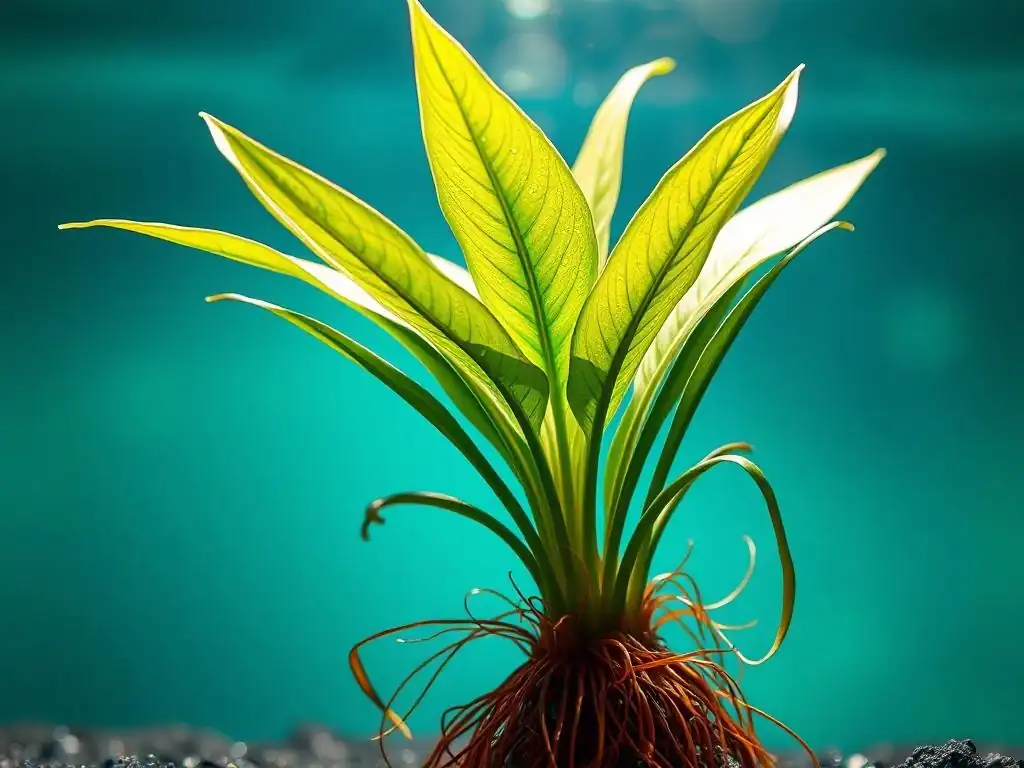
Over time, dust, airborne particles, and mineral deposits from evaporating water can accumulate on the surface of your aquarium light fixture. This build-up creates a barrier that can significantly reduce the amount of light penetrating into your aquarium, thereby lowering the effective PAR reaching your plants. A dirty light fixture can diminish PAR output by 10-20% or even more, directly impacting plant growth and potentially leading to issues such as leggy plants or algae if the light intensity drops below what is necessary for healthy photosynthesis.
To ensure consistent light output and efficiency, it is crucial to clean your aquarium light fixture regularly, ideally weekly or bi-weekly. Always unplug the fixture from the power source before cleaning. Use a soft, damp cloth to gently wipe down the exterior, paying particular attention to the lens or cover over the LEDs or bulbs. For stubborn hard water spots, a solution of distilled white vinegar diluted with water can be used, ensuring no liquid seeps into the electrical components. Regular cleaning safeguards your investment and ensures your best aquarium light for plants continues to perform optimally.
Replacing Bulbs (if applicable) for Consistent Light Output
If your aquarium lighting system utilizes fluorescent bulbs (T5 or T8), regular replacement is a non-negotiable part of maintenance for long-term plant health. Unlike LEDs, fluorescent bulbs degrade over time, losing significant intensity and shifting their spectrum, even if they still appear to be working. This degradation can lead to reduced PAR and an altered spectral balance, both of which negatively impact plant growth. It is generally recommended to replace fluorescent bulbs every 6 to 12 months, depending on usage hours, to ensure consistent and optimal light output for your planted tank.
Failing to replace aging fluorescent bulbs can result in stunted plant growth, loss of vibrant coloration, and an increased susceptibility to algae as the light spectrum becomes less favorable for higher plants. Mark the date of replacement on the bulb or fixture itself to keep track. For the most precise monitoring, a PAR meter can be used to measure when the light output has significantly dropped, signaling the need for a fresh bulb. While LEDs boast much longer lifespans, understanding bulb degradation is crucial for those still utilizing fluorescent technology as their best aquarium light for plants.
Tips for extending the lifespan of your LED Light Fixture
While LED light fixtures are renowned for their long operational lifespans, often rated at 50,000 hours or more, proper care can further extend their life and maintain their performance. The primary enemy of LEDs is heat; excessive heat can accelerate the degradation of the diodes, shortening their lifespan and potentially causing color shifts. Therefore, ensuring adequate ventilation around your fixture is paramount. Avoid enclosing LED fixtures in tight canopies without proper airflow, and ensure any built-in cooling fans (if present) are free of dust and debris.
Another effective tip for extending the lifespan of your LED light is to utilize its dimming capabilities. Running LEDs at 70-80% of their maximum intensity, rather than at 100% constantly, can significantly reduce the heat generated by the diodes, thereby prolonging their operational life. For many planted tanks, 70-80% of a high-quality LED's output is still more than sufficient to provide the necessary PAR for even demanding plants. This approach not only extends the life of your best aquarium light for plants but also offers a buffer against potential algae issues that can arise from excessive light.
Beyond Lighting: Complementary Factors for Lush Plant Growth
Substrate Selection: Providing Essential Nutrients
While lighting is a primary driver of plant growth, the substrate forms the foundation for many aquatic plants, particularly heavy root feeders like Echinodorus (Amazon Swords), Cryptocoryne species, and various stem plants. A nutrient-rich substrate is designed to provide essential macro and micronutrients directly to the plant roots, offering a long-term nutrient supply. Products like aquasoil (e.g., ADA Aqua Soil Amazonia, CaribSea Eco-Complete) are specifically engineered to slowly release nutrients over 1-2 years, fostering robust root development and overall plant health.
Conversely, inert substrates such as sand or gravel, while aesthetically pleasing, offer little to no nutritional value to plants. If using an inert substrate, it is crucial to supplement it with nutrient-rich base layers (e.g., laterite, peat moss) or regularly insert root tabs (solid fertilizer capsules) around the base of root-feeding plants. Without this foundational nutrition, even with the best aquarium light for plants, plants in inert substrates will often exhibit stunted growth, pale leaves, and signs of nutrient deficiencies, as they cannot access the necessary elements for vigorous growth.
CO2 Injection: Boosting Plant Growth Potential
Carbon dioxide (CO2) is arguably the single most critical nutrient for high-tech planted aquariums and is a non-negotiable component for achieving lush, vibrant growth, especially under high light. Plants utilize CO2 during photosynthesis to convert light energy into sugars for growth. Injecting CO2 into the aquarium significantly boosts photosynthetic rates, allowing plants to grow faster, fuller, and more healthily. For planted tanks with moderate to high light levels (e.g., 30+ PAR), maintaining CO2 concentrations between 25-35 ppm is generally recommended for optimal plant health and to outcompete algae.
Without adequate CO2, even the most powerful and best aquarium light for plants will often lead to frustrating algae blooms and slow, stunted plant growth. The excess light energy, unable to be fully utilized by plants due to CO2 limitation, becomes available for opportunistic algae to exploit. For example, a tank with 70 PAR at the substrate but no CO2 injection will struggle to grow demanding plants like Rotala macrandra or carpeting species, while the same tank with a consistent 30 ppm CO2 level would see explosive, healthy growth and vibrant coloration.
Fertilization Strategies: Macro and Micro Nutrients
Even with an excellent substrate and CO2 injection, liquid fertilizers are indispensable for providing the macro-nutrients (Nitrogen, Phosphorus, Potassium - NPK) and micro-nutrients (trace elements like Iron, Manganese, Boron, Zinc) that plants absorb from the water column. The specific fertilization strategy will depend on various factors including the density of your plant mass, the intensity of your lighting, and the bioload of your tank. High-light, high-CO2 tanks with dense planting typically require daily or every-other-day dosing of a comprehensive all-in-one liquid fertilizer or separate macro and micro-nutrient solutions.
Understanding the symptoms of common nutrient deficiencies is key to adjusting your dosing regimen effectively. For instance, yellowing of older leaves might indicate a nitrogen deficiency, while new leaves turning pale or yellow with green veins could suggest an iron deficiency. Consistent and balanced fertilization ensures that all necessary elements are available for plants to thrive. When combined with the best aquarium light for plants and proper CO2 levels, a well-executed fertilization strategy completes the trifecta, leading to a truly stunning and flourishing planted aquarium.
Conclusion: Achieving a Thriving Planted Aquarium with the Right Light
Upgrading your aquarium light is a pivotal step towards cultivating a truly thriving planted aquarium, unlocking vibrant growth and rich coloration that was previously unattainable. Choosing the best aquarium light for plants involves a careful consideration of light spectrum, intensity (PAR), and how these factors interact with your tank's depth and your chosen plant species. Modern LED fixtures, with their energy efficiency, longevity, and unparalleled control over spectrum and light cycles, stand out as the superior choice for serious aquarists.
However, the journey to a lush aquascape extends beyond just lighting. The success of your new light is inextricably linked to other critical factors: a nutrient-rich substrate, consistent and adequate CO2 injection, and a comprehensive fertilization strategy that supplies all essential macro and micro-nutrients. These elements work in concert, creating a balanced ecosystem where plants can flourish. By following a step-by-step approach to upgrading, acclimating, and maintaining your lighting system, while simultaneously addressing the needs for CO2 and nutrients, you will confidently overcome common challenges and achieve the beautiful, vibrant planted aquarium you envision.
Frequently Asked Questions
How does upgrading my aquarium light specifically benefit plant growth?
A better aquarium light provides the necessary spectrum and intensity for photosynthesis. This leads to healthier and faster plant growth, improving the overall aquarium ecosystem.
What type of aquarium light is generally considered the best for plant growth in planted tanks?
While preferences vary, LED lighting is often considered the best due to its energy efficiency, long lifespan, and ability to emit specific light spectrums needed for plant growth.
What factors should I consider when selecting an aquarium light for plant growth?
Consider the tank size and depth, the specific light requirements of your plants, and the light's PAR (Photosynthetic Active Radiation) value. Higher PAR generally means more light available for photosynthesis.
Can I use any light to grow plants in my aquarium?
No, not all lights are suitable. Incandescent bulbs lack the necessary spectrum, and some LEDs may not provide adequate intensity or the correct wavelengths for optimal plant photosynthesis.
How do I know if my current aquarium light is insufficient for my plants?
Signs of insufficient light include slow growth, yellowing leaves, and algae blooms. Also, your plants might be stretching toward the light source, indicating a lack of intensity.
Final Reflection: Illuminating Growth and Discovery
The journey of cultivating a thriving planted aquarium, as we've explored, is intrinsically linked to the power of light. Understanding and optimizing your aquarium lighting is not merely about aesthetics; it's about unlocking the full potential of your aquatic ecosystem. The right light transforms a simple tank into a vibrant, self-sustaining world, teeming with life and beauty, and the principles we've discussed are more relevant than ever as aquascaping gains popularity and technology advances.
This pursuit of the "best aquarium light for plants" is more than just a search for a product; it's a quest for understanding the delicate balance of nature and our role in fostering it. The joy of witnessing plants flourish under carefully chosen light is a deeply rewarding experience, connecting us to the natural world in a profound way. The best time to plant a tree was 20 years ago. The second best time is now.
This ancient proverb resonates deeply with the patience and dedication required for successful planted aquariums, reminding us that even small actions can yield significant results over time.
As you embark on your own journey to find the perfect illumination for your aquatic plants, remember that knowledge is your most powerful tool. Experiment, observe, and adapt your approach based on the unique needs of your ecosystem. Let the principles we've discussed guide you, but don't be afraid to forge your own path and discover the magic that unfolds when light, water, and life converge in perfect harmony. Embrace the challenge, and watch as your aquarium transforms into a breathtaking testament to the power of informed cultivation.
Ignite Your Aquarium's Potential: Start Growing!
Thanks for diving into the world of aquarium lighting and plant growth! We hope you’ve gained a clear understanding of how to optimize your setup for thriving aquatic plants. Now it’s time to put that knowledge into action!
Here are some steps you can take to supercharge your aquarium’s ecosystem:
- Implement your newfound lighting expertise: Begin by assessing your current lighting system and calculating the PAR required for your specific plants. Replace or upgrade your lighting following our step-by-step guide to see dramatic results.
- Delve Deeper: Explore complementary upgrades such as CO2 injection systems or specialized fertilizers. These adjustments will enhance plant growth and the overall health of your aquarium environment.
- Share your newfound success! Document your aquarium's transformation with before-and-after photos and share your experiences within the aquarium community. Inspire fellow enthusiasts with your journey.
Ready to transform your tank from drab to fab? Which plant variety are you most excited to illuminate and grow?