Saltwater Aquarium Cycling: Essential Steps for a Stable Marine Ecosystem
🌊 Master the saltwater aquarium cycling process with our expert tips to establish a stable marine ecosystem. Proper cycling is crucial for…
Read article
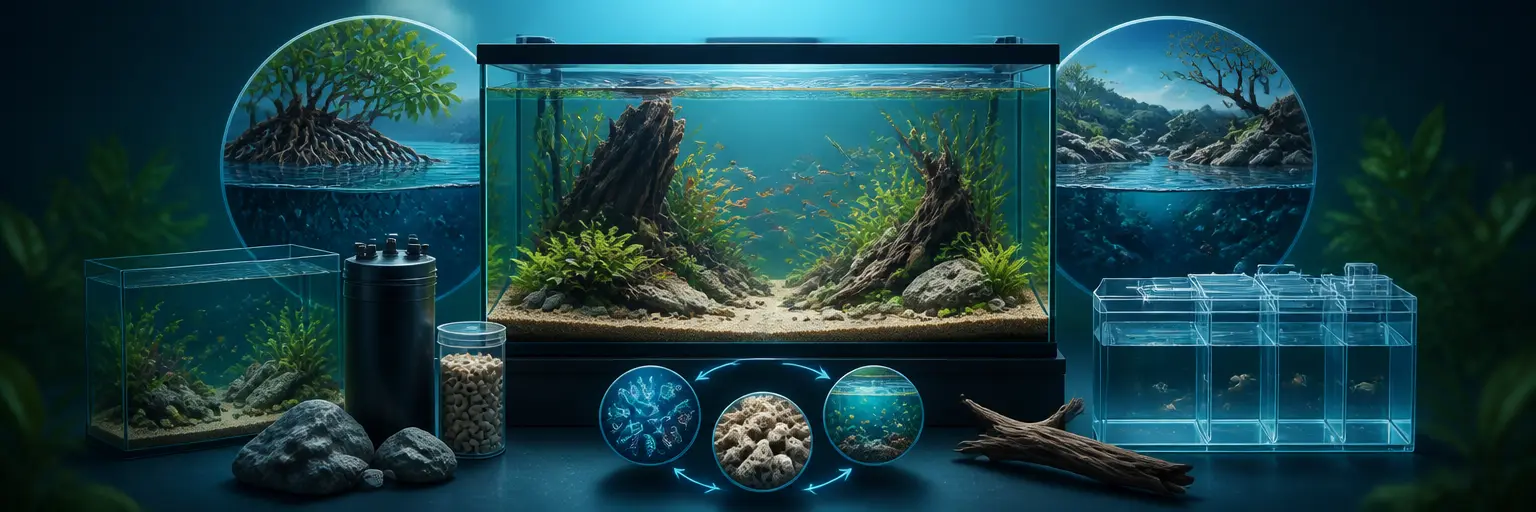
Build a thriving aquarium from day one with expert guidance on tank selection, aquarium cycling, biotope design, and quarantine setup 🐠🌿. Discover how to choose the right aquarium size and equipment, establish beneficial bacteria, recreate natural habitats, and safely acclimate new fish. Whether you’re planning a freshwater or saltwater tank, these practical aquarium setup essentials help create a stable, healthy environment while preventing common problems. 🧪✨
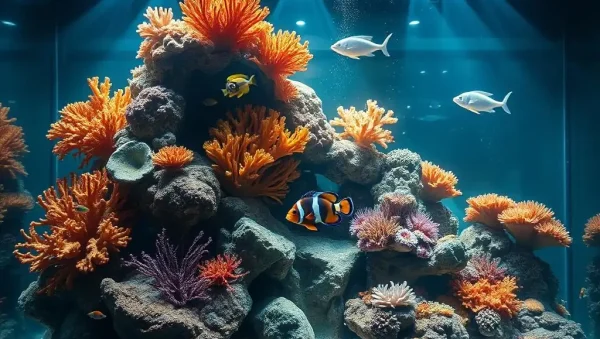
🌊 Master the saltwater aquarium cycling process with our expert tips to establish a stable marine ecosystem. Proper cycling is crucial for…
Read article
🌊 Considering a DIY aquarium kit setup? Discover whether these all-in-one solutions are a smart investment or a costly mistake, with expert…
Read article
🐠 Ensure a safe introduction for your new aquarium fish with our comprehensive "New aquarium fish quarantine" protocol. Follow our step-by-step checklist…
Read article
🌊 Understanding the aquarium nitrogen cycle is essential for maintaining a healthy, stable environment. This guide on AquariumMastery.com explains how proper nitrogen…
Read article
🌟 Fishless cycling aquarium beginners can safely prepare their tanks without harming fish. This humane and effective method ensures a healthy environment…
Read article
🌟 Ensure your new fish's health by understanding "New fish quarantine symptoms." AquariumMastery.com offers expert tips on spotting early signs of illness…
Read article
🌟 Rushing your aquarium setup can lead to serious fast aquarium cycling dangers, risking fish health and water stability. Proper, gradual cycling…
Read article
🌟 Struggling with aquarium cycling problems solutions? Discover expert tips to troubleshoot common issues, restore balance, and ensure a healthy environment for…
Read article
🐠 Avoid costly errors with our expert tips on quarantine tank setup mistakes. Learn how proper setup and maintenance prevent disease and…
Read article
🌟 Discover the key to safe and successful used aquarium purchases with our comprehensive Used Aquarium Buying Checklist. Ensure your investment is…
Read article
🌟 Discover the minimalistic QT tank essentials for fish, designed to ensure effective quarantine without complexity. Perfect for aquarists seeking a simple,…
Read article
🌿 Discover the art of Amazon biotope aquarium setup, creating a vibrant rainforest river ecosystem in your tank. AquariumMastery.com offers expert guidance…
Read articleBuild a healthier, more stable aquarium with expert guidance on tank selection, aquarium cycling, biotope design, and quarantine procedures. This essential subcategory from Aquarium Mastery helps beginners and experienced aquarists plan freshwater and saltwater systems with confidence. Discover how to choose the right aquarium size, filtration system, substrate, lighting, plants, décor, and equipment while avoiding common setup mistakes. Whether you are creating a planted community tank, a species-specific aquarium, a reef system, or a natural biotope, you will find practical information for establishing a safe and thriving aquatic environment.
Selecting the correct aquarium is the foundation of successful fishkeeping. Learn how tank volume, dimensions, water surface area, material, stand strength, and placement affect fish health and long-term maintenance. Our guides cover nano aquariums, beginner tanks, large freshwater aquariums, saltwater tanks, breeding setups, and species-specific enclosures.
Find practical advice about aquarium filters, heaters, air pumps, thermometers, lighting, lids, water conditioners, test kits, and automatic equipment. You will also learn how to match filtration capacity and heating requirements to your livestock, helping create stable water parameters and a dependable aquarium setup.
A properly cycled aquarium contains beneficial bacteria that convert toxic ammonia into nitrite and then into less harmful nitrate. Explore reliable methods for fishless cycling, seeded media cycling, ammonia dosing, and monitoring the nitrogen cycle with accurate aquarium water tests.
Understand how to recognize ammonia spikes, nitrite buildup, stalled cycles, and unsafe conditions before adding fish. Step-by-step cycling guidance can help you establish biological filtration, reduce fish stress, and prevent new tank syndrome in freshwater and marine aquariums.
Create a natural-looking aquarium inspired by a specific habitat, region, or ecosystem. Biotope aquarium guides explain how to combine appropriate fish, aquatic plants, hardscape, substrate, water chemistry, and lighting to recreate environments such as the Amazon River, African Rift Lakes, Southeast Asian streams, blackwater habitats, coastal systems, or coral reefs.
Learn why stocking compatibility, natural behavior, water parameters, and habitat accuracy matter when planning a biotope. These resources help you design attractive aquascapes while supporting the needs of the species that live in them, whether you prefer planted tanks, rocky cichlid aquariums, blackwater setups, or saltwater reef environments.
Successful aquarium setup depends on stable water chemistry. Discover how to test and manage pH, ammonia, nitrite, nitrate, temperature, general hardness, carbonate hardness, salinity, and alkalinity. Clear explanations make it easier to prepare tap water, remineralized water, reverse osmosis water, or marine saltwater.
Learn how to condition water, acclimate livestock, establish a maintenance schedule, and make gradual adjustments safely. Consistent water parameters are usually more important than chasing a perfect number, and our guidance emphasizes stable conditions suited to your chosen fish, plants, invertebrates, and corals.
A quarantine aquarium is one of the most effective ways to protect an established tank. Learn how to set up a simple hospital tank or quarantine system with a separate filter, heater, hiding places, cover, test supplies, and easy-to-clean equipment. Quarantine guidance covers freshwater fish, marine fish, invertebrates, plants, and other additions.
Discover how long to quarantine new livestock, monitor for parasites and disease, observe appetite and behavior, and introduce healthy animals safely. You will also find information about drip acclimation, temperature matching, medication precautions, and preventing cross-contamination between tanks.
A medium-sized aquarium, often around 20 to 30 gallons, is usually a good starting point because it offers more stable water conditions than a very small nano tank. The best size also depends on the fish species, available space, equipment, and maintenance commitment.
Most aquariums take approximately two to six weeks to complete the nitrogen cycle, although timing varies based on temperature, pH, beneficial bacteria, filtration, and the cycling method. Test ammonia, nitrite, and nitrate regularly, and add fish only when ammonia and nitrite consistently measure zero.
Begin with the aquarium, stand, substrate, hardscape, equipment, and treated water. After checking that the heater and filter operate correctly, add plants if desired, begin cycling, and allow the biological filter to mature before introducing livestock.
Quarantining new fish is strongly recommended because healthy-looking animals can carry parasites or infectious diseases. A separate quarantine tank protects established livestock and gives you time to observe behavior, feeding, waste, and symptoms before introduction.
During cycling and initial setup, test ammonia, nitrite, nitrate, pH, and temperature. Depending on the aquarium type, also monitor general hardness, carbonate hardness, salinity, phosphate, calcium, magnesium, or alkalinity. Testing helps identify problems early and maintain stable conditions for fish, plants, corals, and invertebrates.