Spark a Lifelong Passion: The Best (and Safest) Aquarium Starter Kits for Kids
🌟 Discover the perfect Kids aquarium starter kit to ignite your child's passion for aquatic life while ensuring safety and easy maintenance.…
Read article
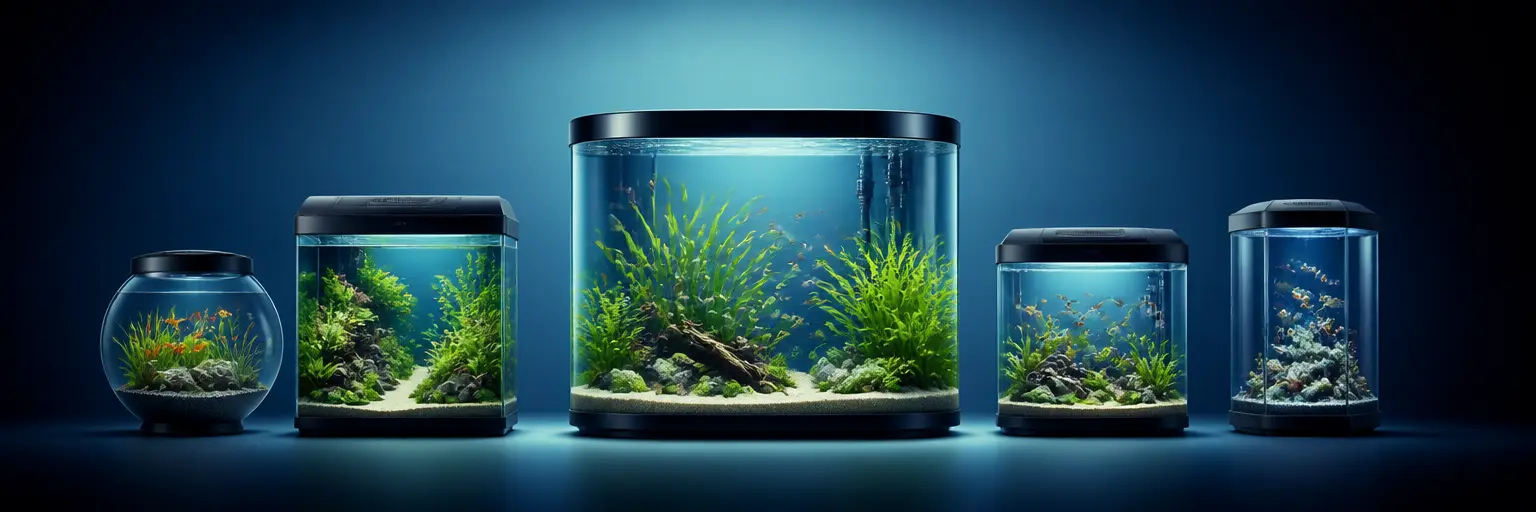
🐠 Build a thriving underwater world with confidence using our expert guide to aquarium starter kits and all-in-one systems. Compare tank sizes, filtration, lighting, heating, and essential accessories to find the best aquarium setup for freshwater or saltwater fish. Whether you’re a beginner choosing your first tank or an experienced aquarist seeking a convenient upgrade, discover smart buying advice, practical comparisons, and reliable tips for cycling, maintenance, and long-term aquatic success. 🌿
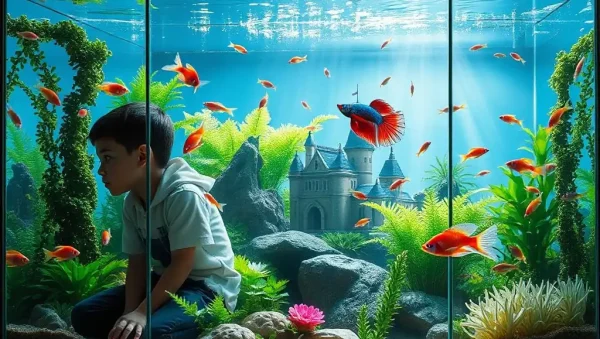
🌟 Discover the perfect Kids aquarium starter kit to ignite your child's passion for aquatic life while ensuring safety and easy maintenance.…
Read article
🌟 Discover the perfect 5-gallon shrimp tank starter kit to kickstart your aquatic adventure. AquariumMastery.com offers expert advice on selecting, setting up,…
Read article
🌟 Discover how easy aquarium starter kits are revolutionizing hobbyist experiences, paving the way for smarter, more integrated all-in-one systems that simplify…
Read article
🌊 Dive into AquariumMastery.com's First Aquarium Setup Guide, your comprehensive resource for transforming a box into a stunning aquatic habitat. Learn step-by-step…
Read article
🌊 Considering a DIY saltwater aquarium setup guide? Discover whether a starter kit or a DIY approach best suits your needs with…
Read article
🌊 Explore the benefits and challenges of AllInOne aquarium setups, highlighting common issues like Allinone aquarium setup problems, and learn how to…
Read article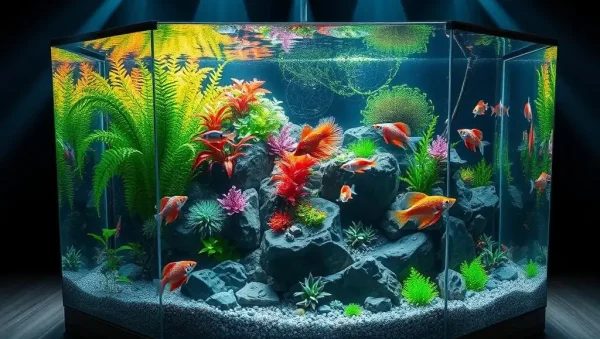
🌟 Discover the best beginner aquarium starter kits of 2024 at AquariumMastery.com, your ultimate guide to effortless fishkeeping. Explore expert tips on…
Read article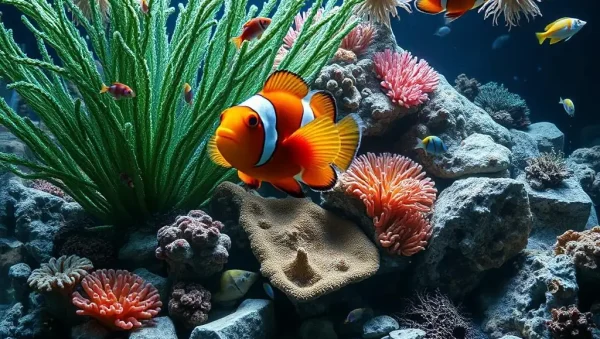
🌊 Avoid the top new aquarium starter kit mistakes that can sabotage your aquatic paradise. Learn essential tips for choosing the right…
Read article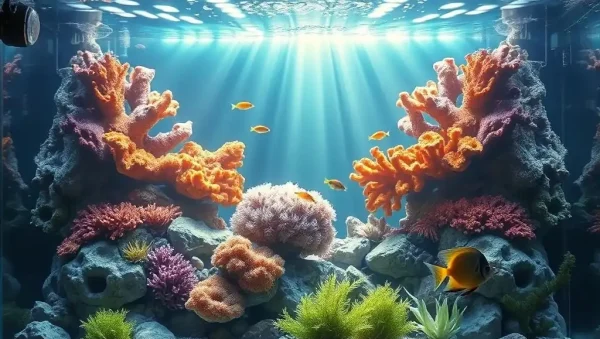
🌟 Ensure your aquarium starter kit longevity with expert tips on water chemistry, proper maintenance, and selecting the right fish and plants.…
Read article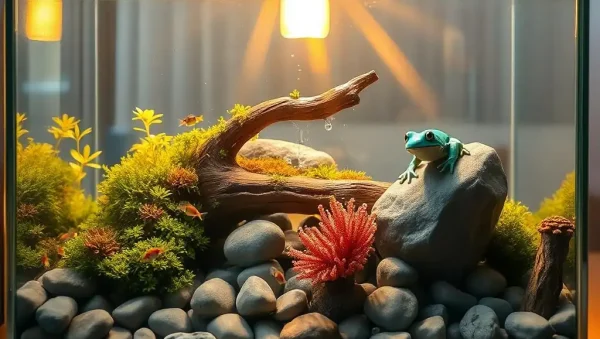
🌟 Discover the ultimate guide to compact nano aquarium systems, perfect for small spaces. This in-depth review explores setup, maintenance, and best…
Read article
🌟 Struggling with All in One Filter Problems? Discover quick, effective troubleshooting tips to resolve common issues with your aquarium's filtration system,…
Read article
🌟 Discover the best all-in-one aquarium systems of the year with AquariumMastery.com, your ultimate resource for setting up, maintaining, and troubleshooting freshwater…
Read articleChoosing the right aquarium starter kit or all-in-one aquarium system is one of the easiest ways to begin a successful freshwater or saltwater setup. At Aquarium Mastery, this subcategory provides detailed comparisons, buying advice, and practical setup guidance for beginners and experienced aquarists searching for the best aquarium starter kits. Explore tank sizes, built-in filtration, lighting, heating, cabinet options, equipment quality, maintenance requirements, and total ownership costs before you buy.
A quality aquarium starter kit combines essential equipment such as an aquarium tank, filter, LED light, heater, lid, thermometer, and sometimes water treatment products or décor. Our guides explain what each component does and help you identify the difference between a complete aquarium kit and a basic package that requires several additional purchases. Expect clear recommendations for beginner aquariums, nano tanks, community fish tanks, planted aquariums, and family-friendly setups.
We also consider practical factors including available space, aquarium weight, noise levels, energy consumption, ease of cleaning, and long-term reliability. Whether you want a small desktop aquarium or a larger home fish tank, our comparisons help you select a system that supports healthy fish, stable water parameters, and an enjoyable maintenance routine.
All-in-one aquariums are designed with integrated filtration, lighting, and other equipment built into the tank or rear compartments. This streamlined design can create a neat appearance while reducing equipment clutter. Our all-in-one aquarium comparisons evaluate filtration capacity, water flow, media access, LED performance, heater compatibility, aquarium dimensions, and suitability for freshwater or marine use.
Readers can expect side-by-side buying information for popular aquarium brands and system styles. We highlight both strengths and limitations, including whether a system is suitable for live plants, shrimp, tropical fish, reef livestock, or beginner aquascaping. Understanding upgrade options is especially important, so our reviews explain when an integrated system can grow with your experience and when a separate-filter aquarium may offer better flexibility.
Freshwater aquarium starter kits are popular because they are generally affordable, accessible, and easier to maintain than many saltwater systems. This section covers kits for tropical community fish, bettas, goldfish, shrimp, nano fish, and planted aquariums. Learn how tank size, filtration, water temperature, and lighting affect stocking choices and aquarium stability.
For planted tank enthusiasts, our guides focus on aquarium LED lighting, nutrient support, substrate selection, fertilizer compatibility, and filtration that will not disturb delicate plants or small shrimp. We also explain why a larger aquarium can sometimes be easier for beginners than a very small tank, particularly when maintaining consistent water chemistry.
Saltwater all-in-one aquariums can simplify marine aquarium setup by incorporating filtration chambers, return pumps, lighting, and equipment spaces into a single design. Our content helps readers compare marine starter kits for fish-only systems, nano reef tanks, soft coral aquariums, and beginner-friendly saltwater setups.
Expect guidance on essential reef equipment, including protein skimmers, circulation pumps, reef-capable LED lights, auto top-off systems, biological filtration, and testing supplies. We also cover the importance of cycling a saltwater aquarium, mixing marine salt correctly, monitoring salinity, and planning a quarantine tank before adding fish or invertebrates.
The best aquarium kit is not always the cheapest option. Our comparisons examine the complete value of each system, including tank volume, construction quality, stand availability, filtration performance, light output, heater reliability, warranty coverage, replacement parts, and the cost of upgrades. These details help shoppers compare a 5-gallon, 10-gallon, 20-gallon, 29-gallon, 40-gallon, or larger aquarium with confidence.
We also explain the hidden costs of aquarium ownership, such as substrate, water conditioner, test kits, fish food, maintenance tools, replacement filter media, décor, plants, and livestock. By planning a realistic budget, you can avoid unsuitable impulse purchases and build a healthy, sustainable aquarium setup from the beginning.
Every new aquarium requires a biological cycle before it is safely stocked. Our starter kit guides explain how beneficial bacteria process ammonia and nitrite, why nitrate must be monitored, and how to perform a fishless cycle. You will also find advice on using aquarium water test kits, dechlorinator, beneficial bacteria products, and partial water changes.
Proper setup is essential regardless of whether you choose a freshwater aquarium kit or an all-in-one reef system. Readers can learn how to rinse substrate, position equipment, establish water flow, set the heater, install lighting, test water parameters, and introduce fish gradually. Responsible cycling and quarantine practices reduce stress, disease risks, and avoidable aquarium losses.
Aquarium Mastery organizes product information to make research faster and more practical. Our buying guides identify the most important specifications, explain technical terminology, and compare systems according to aquarium type, experience level, budget, and intended livestock. This makes it easier to choose a beginner fish tank kit, planted aquarium package, nano reef system, or expandable all-in-one aquarium.
Before purchasing, consider the tank’s location, electrical access, floor strength, maintenance space, livestock requirements, and future upgrade plans. Our recommendations focus on real-world usability, not just attractive design or a long list of included accessories, so you can select equipment that supports reliable filtration, stable water quality, and long-term aquarium success.
Most aquarium starter kits include a tank, lid, LED light, filtration system, and sometimes a heater, thermometer, water conditioner, or starter food. Always check the product list carefully because some kits do not include a heater, stand, substrate, décor, or water testing equipment. A complete aquarium setup usually requires several additional supplies.
Yes, all-in-one aquariums can be excellent for beginners because many essential components are integrated into one compact system. They reduce equipment clutter and simplify installation. However, check whether the filter, lighting, and pump can support your intended fish, plants, or corals, and confirm that replacement parts are readily available.
A tank between 20 and 30 gallons is often a practical beginner choice because it offers more stable water parameters than a very small aquarium while remaining manageable for routine maintenance. The ideal size depends on your space, budget, experience, and planned livestock. Always research the adult size and needs of fish before stocking.
No. Even a well-equipped kit may not include substrate, décor, water conditioner, a water test kit, fish food, a heater, or a suitable stand. You must also cycle the aquarium before adding fish. Creating a complete checklist before purchase helps prevent unsafe stocking and unexpected expenses.
Some all-in-one systems are specifically designed for marine or reef aquariums, while others are intended only for freshwater use. For a reef tank, verify that the aquarium has appropriate circulation, filtration space, and reef-capable lighting. You may also need a protein skimmer, auto top-off unit, saltwater test kits, and additional flow equipment.