Aquarium Biosecurity 101: Building an Impenetrable Fortress Against Pathogens
🐠 Protect your aquatic paradise with expert tips on preventing fish diseases in aquariums. Learn essential biosecurity measures to keep your tanks…
Read article
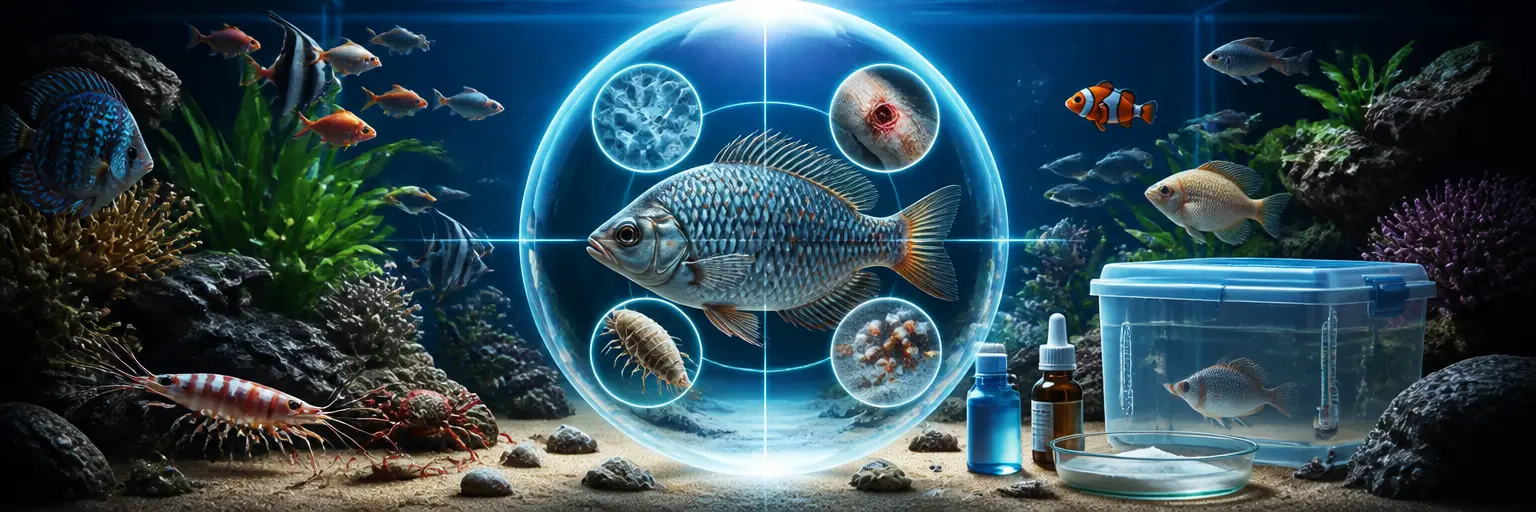
🐟 Keep your aquatic pets thriving with expert guidance on fish and invertebrate disease diagnosis, treatment, and prevention. Learn to recognize symptoms, identify common freshwater and saltwater illnesses, choose safe medications and dips, and follow effective quarantine protocols. From early detection of parasites and bacterial infections to preventative care, water-quality management, and recovery tips, Aquarium Mastery helps you protect healthy fish, shrimp, snails, and other aquarium inhabitants with confidence. 💧🦐
🐠 Protect your aquatic paradise with expert tips on preventing fish diseases in aquariums. Learn essential biosecurity measures to keep your tanks…
Read article
🌟 Discover the truth behind fish disease treatment myths and learn effective, evidence-based methods to keep your aquatic pets healthy. AquariumMastery.com debunks…
Read article
🌊 Discover how "Cloudy water causes fish sick" and other common aquarium issues. AquariumMastery.com offers expert advice on diagnosing water problems, preventing…
Read article
🌟 Proper fish nutrition is essential for disease prevention, ensuring vibrant, healthy aquatic life. AquariumMastery.com offers expert guidance on maintaining optimal water…
Read article
🌊 Ensure a smooth New fish acclimation process to prevent shock and disease. Proper gradual adjustment promotes healthier, happier tank mates, safeguarding…
Read article
🐟 Ensure a healthy aquarium by following our proactive checklist for preventing freshwater fish diseases. AquariumMastery.com offers expert guidance on water quality,…
Read article
🛡️ Preventing tank disease spread is crucial for a healthy aquarium. Discover clever strategies to break contamination chains, safeguard your aquatic life,…
Read article
😊 Master the art of shrimp snail disease treatment with expert tips on delicate care and effective strategies to ensure your aquatic…
Read article
🌊 Ensure vibrant, healthy marine life with our comprehensive Saltwater Fish Disease Prevention checklist, covering essential tips on water quality, quarantine procedures,…
Read article
🌟 Discover essential insights on freshwater fish disease diagnosis, identifying common and cryptic conditions that threaten your aquarium's health. AquariumMastery.com offers expert…
Read article
🌟 Fish anxiety causes disease, compromising aquatic health. Understanding stress factors in aquariums is essential for preventing illnesses, ensuring vibrant, healthy fish,…
Read article
🌟 Achieving a pristine water aquarium is essential for your fish's health and longevity. Pristine water aquarium maintenance ensures a disease-free environment,…
Read articleWelcome to Aquarium Mastery’s comprehensive guide to fish and invertebrate disease diagnosis, treatment, and prevention. This subcategory helps freshwater and saltwater aquarists recognize unusual behavior, identify common aquarium diseases, understand symptoms, select appropriate medications, and establish effective quarantine protocols. Explore practical guidance for diagnosing bacterial, fungal, parasitic, viral, and environmental health problems while protecting fish, shrimp, snails, corals, and other aquatic life.
Successful treatment begins with identifying the underlying cause of a health problem. Learn how to evaluate fish disease symptoms such as white spots, fin erosion, ulcers, bloating, flashing, rapid breathing, clamped fins, loss of appetite, abnormal swimming, color changes, and lethargy. You will also discover how water quality issues, stress, aggression, poor nutrition, and overcrowding can mimic infectious disease.
Our diagnostic guidance explains how to combine visual observations with water testing and species-specific knowledge. Expect clear information about ammonia poisoning, nitrite toxicity, nitrate stress, pH instability, temperature problems, salinity changes, and oxygen deficiencies so you can distinguish environmental illness from contagious aquarium disease.
Find practical information about treating common freshwater and marine fish diseases, including ich, velvet, fin rot, bacterial infections, fungal infections, internal parasites, flukes, worms, and infected wounds. Articles explain when to consider antibiotics, antiparasitic medications, antifungal treatments, medicated food, salt therapy, freshwater dips, and other aquarium treatments.
Readers can expect responsible medication guidance focused on correct diagnosis, dosage instructions, treatment duration, compatibility, and safety. Learn why removing activated carbon, increasing aeration, following product labels, and monitoring water parameters may be essential during treatment. Special attention is given to protecting sensitive species, biological filtration, corals, shrimp, snails, and other invertebrates.
Invertebrates often require specialized care because shrimp, snails, crabs, corals, and other reef organisms can react poorly to medications designed for fish. This section covers common signs of invertebrate disease and stress, including failed molts, shell damage, tissue recession, unusual inactivity, discoloration, lesions, rapid decline, and unexplained mortality.
Learn how water hardness, calcium, magnesium, iodine, salinity, temperature, copper exposure, and poor acclimation influence invertebrate health. Guidance emphasizes safer treatment strategies, careful observation, species compatibility, and the importance of avoiding copper-based medications in aquariums containing sensitive shrimp, snails, and reef invertebrates.
Many aquarium health problems are caused or intensified by unstable water conditions. Explore how to test and correct ammonia, nitrite, nitrate, pH, alkalinity, hardness, salinity, phosphate, temperature, and dissolved oxygen. These fundamentals are essential for preventing stress-related disease in community tanks, planted aquariums, reef systems, breeding tanks, and species-specific habitats.
Expect troubleshooting advice for cloudy water, algae blooms, poor circulation, inadequate filtration, overfeeding, sudden parameter changes, and tank cycling problems. By improving the aquatic environment first, aquarists can support natural immunity, improve treatment outcomes, and reduce recurring infections.
Prevention is one of the most effective ways to protect an established aquarium. Learn how to set up a fish quarantine tank, choose suitable filtration and hiding places, acclimate new arrivals, observe behavior, and monitor symptoms before introducing animals to a display aquarium. Quarantine guidance applies to freshwater fish, marine fish, shrimp, snails, corals, live rock, plants, and other additions.
This section also explains preventive practices such as purchasing healthy livestock, avoiding shared equipment contamination, disinfecting nets, maintaining stable water parameters, providing nutritious food, reducing aggression, and managing stocking levels. A consistent quarantine and biosecurity routine can help prevent parasites, bacterial infections, and outbreaks from spreading.
Different aquatic animals display illness in different ways and may require different treatment approaches. Explore health considerations for tropical freshwater fish, goldfish, bettas, cichlids, livebearers, tetras, marine reef fish, shrimp, snails, corals, and other invertebrates. Species profiles can help you recognize normal behavior, natural coloration, molting patterns, and warning signs.
Readers will find practical advice for matching treatment plans to an animal’s biology, size, habitat, diet, and sensitivity. Understanding species requirements makes it easier to identify problems early and choose safe, effective, and humane aquarium disease management methods.
Begin by observing the fish carefully and testing the aquarium water for ammonia, nitrite, nitrate, pH, temperature, and salinity when applicable. Check for symptoms such as spots, sores, fin damage, rapid breathing, unusual swimming, or loss of appetite. Correcting poor water quality should come before medication because environmental stress can cause or worsen many health problems.
Whenever possible, move a sick fish to a properly prepared quarantine or hospital tank. This makes observation and treatment easier, prevents medication from affecting plants or invertebrates, and reduces the risk of spreading contagious disease. Use separate equipment and maintain stable water quality with strong aeration and appropriate filtration.
Yes. Some medications, particularly copper-based treatments and certain broad-spectrum products, can be highly toxic to shrimp, snails, corals, and other invertebrates. Always read the product label, research species compatibility, and treat fish separately when necessary. Never assume a medication is reef-safe or invertebrate-safe without verified instructions.
A properly prepared freshwater dip may temporarily remove or weaken some external parasites and can provide relief for certain marine fish conditions. However, it is not a universal cure and can cause additional stress if temperature, pH, duration, or handling is incorrect. Use freshwater dips only when appropriate for the species and suspected condition.
Prevent outbreaks by quarantining new fish and invertebrates, testing water regularly, maintaining stable parameters, avoiding overstocking, providing a varied diet, reducing aggression, and cleaning equipment responsibly. Good husbandry, careful acclimation, routine observation, and early intervention are the foundation of long-term aquarium fish health and disease prevention.