
Advanced Acan Care: Pushing the Boundaries of Husbandry

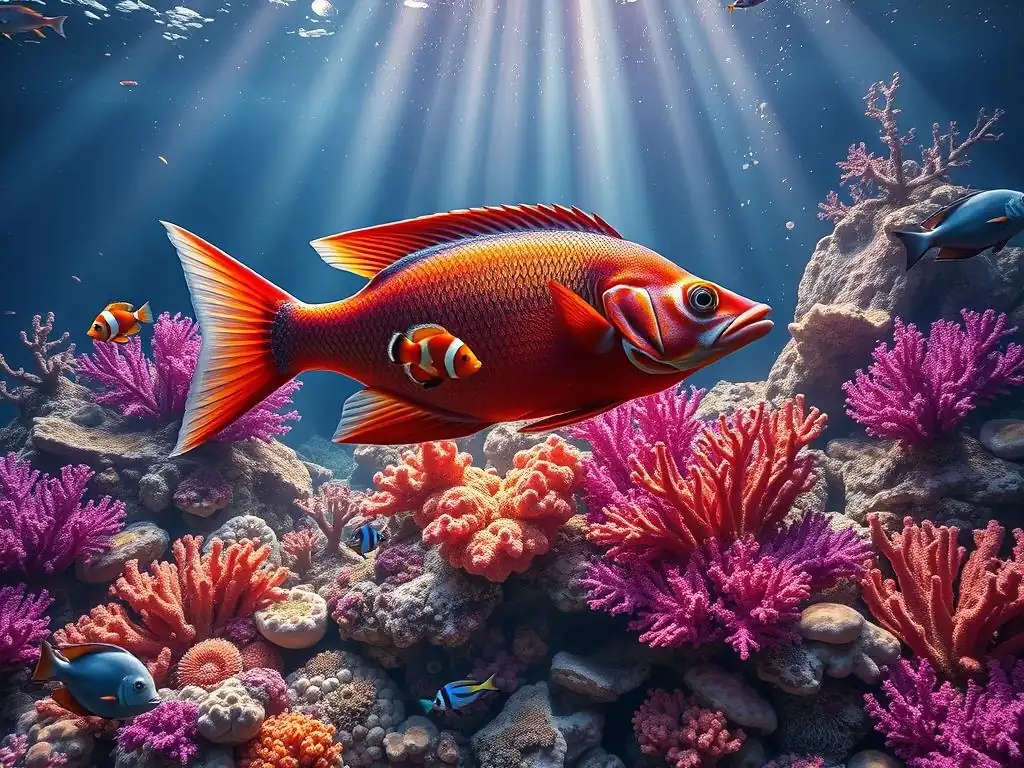
Welcome to Aquarium Mastery!
Dive into the fascinating world of advanced reef keeping. Ever wondered if you're truly ready to tackle the unique challenges of keeping an Acanthurus triostegus healthy and thriving? Our in-depth guide, "Advanced Acan Care: Pushing the Boundaries of Husbandry," explores the crucial factors you need to consider, and what sets the care for this coral apart from other LPS, SPS, and soft corals. Ready to elevate your aquarium skills and truly master Acan care? Let's begin!
- Understanding Acan Lords: Beyond Basic Care for Acanthastrea Corals
- Addressing Algae Control Challenges in Acan Tanks
- Advanced Water Chemistry for Optimal Acan Growth and Coloration
- Optimizing Lighting and Flow for Vibrant Acan Colonies
- Advanced Feeding Strategies for Acanthastrea Corals: Beyond the Basics
- Fragging Acanthastrea: Advanced Techniques for Propagation
- Troubleshooting Common Acan Health Problems: Advanced Strategies
- Advanced Acan Quarantine Procedures: Preventing Disease Introduction
- The Future of Acan Care: Emerging Trends and Technologies
- Specific Acan Species Profile: Advanced Care Considerations for Acanthastrea lordhowensis
- Conclusion: Mastering the Art of Advanced Acan Care
-
Frequently Asked Questions
- How difficult is it to care for Acanthurus triostegus (Convict Tangs) compared to other tang species?
- What are the most significant Acanthurus triostegus care challenges related to their diet?
- What specific water parameters are crucial for successfully keeping Acanthurus triostegus?
- Are Convict Tangs prone to any particular diseases in captivity, and how can these be prevented?
- What is the minimum tank size recommended for keeping Acanthurus triostegus, and why is it important?
- Final Reflection: Navigating the Reef's Delicate Balance
- Unleash Your Acan Expertise!
Understanding Acan Lords: Beyond Basic Care for Acanthastrea Corals
Identifying Acanthastrea: Distinguishing Acan Lords from Other LPS Corals
Acanthastrea, commonly known as Acan Lords, are highly sought-after large polyp stony (LPS) corals, primarily represented by species like Acanthastrea lordhowensis and Acanthastrea echinata. Their distinct appearance sets them apart from other LPS corals, such as Favia or Favites, with which they are often confused. Key identifying features include fleshy polyps, often exhibiting multiple mouths per corallite, and a vibrant, intricate array of colors. Unlike Favia or Favites, which typically share walls between their corallites, Acans possess distinct, individual corallites, even when densely packed within a colony, giving them a unique texture.
Specific morphological differences further aid identification. Acanthastrea lordhowensis polyps typically range from 1 to 3 cm in diameter, presenting a smoother, more rounded appearance when fully inflated. In contrast, Acanthastrea echinata can boast larger polyps, up to 5-6 cm, and often exhibit more pronounced, spiny skeletal structures, which are visible at the base of the tissue. Understanding these nuances is crucial for accurate species identification and tailoring specific care requirements, as minor differences can impact their preferred flow or feeding strategies.
The Allure of Acans: Why Experienced Reef Keepers are Drawn to Acanthastrea
The undeniable appeal of Acans to experienced reef keepers lies in their extraordinary color morphs and the challenge of coaxing out their most vibrant hues. From dazzling "rainbow" patterns featuring every color of the spectrum to deep, iridescent blues, reds, and greens, Acanthastrea corals offer unparalleled aesthetic diversity. This visual splendor, combined with their relatively manageable size, allows advanced hobbyists to curate diverse and visually stunning collections even in medium-sized reef tanks.
Beyond their beauty, Acans present a rewarding challenge for seasoned aquarists. Achieving their peak coloration and robust growth requires precise and consistent husbandry, pushing the boundaries of water chemistry management and environmental control. The collectibility factor also plays a significant role; rare and "ultra-grade" morphs, particularly of Acanthastrea lordhowensis, can command premium prices, with some individual polyps fetching upwards of $200-$300, making them a prized possession for dedicated enthusiasts.
Addressing Algae Control Challenges in Acan Tanks
Preventing and Managing Algae Growth Near Acans
Algae proliferation, particularly nuisance forms like turf algae, hair algae, or cyanobacteria, poses a significant threat to Acanthastrea corals. These aggressive algae can rapidly smother the slow-growing Acan polyps, leading to tissue irritation, recession, and ultimately, coral death if left unchecked. Proactive prevention is paramount: maintaining ultra-low nutrient levels, ideally nitrates below 5 ppm and phosphates below 0.03 ppm, is crucial. This is best achieved through consistent, regular water changes, typically 10-15% weekly, and efficient nutrient export mechanisms like robust protein skimming or a healthy refugium.
When algae does appear, manual removal is often the most direct management strategy. Gentle siphoning of detritus near the coral base and light brushing with a soft toothbrush can remove soft algae without damaging the delicate coral tissue. Introducing a reef-safe clean-up crew, such as Trochus or Turbo snails, can provide continuous grazing pressure. For specific issues like bubble algae, a single Emerald Crab ( Mithraculus sculptus) can effectively target the algae without disturbing the Acan colony, provided the crab is well-fed and known to be coral-safe.
Minimizing Stress on Acans From Algae Control Methods
While effective algae control is essential, the methods employed must minimize stress on the Acanthastrea corals themselves. Chemical algaecides, commonly available for freshwater or general marine use, are generally not recommended for reef tanks containing sensitive LPS corals like Acans, as they can cause severe shock, tissue damage, or even mortality. Instead, focus on biological and physical approaches that are less invasive.
When performing manual removal, extreme care must be taken to avoid direct contact with the Acan's fleshy polyps. If an Acan becomes heavily encrusted or slimed by algae, a gentle coral dip in a diluted iodine-based solution (e.g., Seachem Reef Dip at 10ml per gallon for 5-10 minutes) can help remove irritants and reduce bacterial load, followed by a brief rinse in temperature-matched RODI water before returning the coral to the display tank. Ensuring that any biological cleanup crew additions are truly reef-safe and won't inadvertently disturb or dislodge the Acans is also vital for minimizing stress.
Advanced Water Chemistry for Optimal Acan Growth and Coloration
Maintaining Alkalinity Stability for Acanthastrea Health
Alkalinity stability is arguably the most critical water parameter for the long-term health and growth of Acanthastrea corals. As stony corals, Acans utilize carbonates to build their skeletal structure, and consistent alkalinity levels are essential for this process. The ideal range for Acans is typically 7.5-8.5 dKH. Fluctuations exceeding 0.5 dKH within a 24-hour period can induce significant stress, leading to tissue recession, slowed growth, and dull coloration.
For tanks with moderate to high coral biomass, daily alkalinity consumption can be substantial, often ranging from 0.5 to 1.0 dKH per day in a heavily stocked 100-gallon Acan tank. To counteract this, advanced hobbyists rely on automated dosing systems or precise two-part manual dosing. Regular testing, at least every other day, is crucial to monitor consumption rates and adjust dosing volumes accordingly, ensuring the unwavering stability that Acanthastrea corals demand.
The Role of Trace Elements in Enhancing Acan Color Pigmentation
Beyond the major parameters of alkalinity, calcium, and magnesium, specific trace elements play a vital role in enhancing the vibrant color pigmentation and overall vitality of Acanthastrea corals. Elements such as iodine, potassium, and strontium are consumed by corals and, while often present in high-quality salt mixes and replenished through regular water changes, may require supplemental dosing in advanced Acan systems.
Iodine, typically maintained at 0.04-0.06 ppm, is believed to contribute to the intensity of red and pink pigments in corals. Potassium, ideally kept between 380-420 ppm, is associated with the enhancement of blue and purple hues. Strontium (8-10 ppm) is known to aid in skeletal formation. While the exact mechanisms are complex, ensuring these elements are available in appropriate concentrations can significantly improve Acan coloration. However, caution is advised, as overdosing trace elements can be detrimental; precise testing and conservative dosing are paramount.
Advanced Testing and Adjustment of Water Parameters for Acans
For truly optimal Acanthastrea care, hobbyists often move beyond basic titration test kits to more advanced water analysis methods. Inductively Coupled Plasma - Optical Emission Spectrometry (ICP-OES) testing provides a comprehensive and highly accurate snapshot of over 30 elements in the aquarium water, including all major, minor, and trace elements critical for coral health. This allows for the precise identification of deficiencies or excesses that might not be detectable with standard home test kits.
Based on ICP results, targeted adjustments can be made to optimize the water chemistry for Acans. For instance, if an ICP test reveals calcium at 380 ppm (below the ideal 400-450 ppm range), adjustments through calcium chloride dosing should be gradual, raising the level by no more than 10-15% over 24 hours to avoid shocking the corals. This meticulous approach, informed by detailed data, ensures that Acanthastrea corals receive the precise environment they need to thrive and display their most spectacular colors.
Optimizing Lighting and Flow for Vibrant Acan Colonies
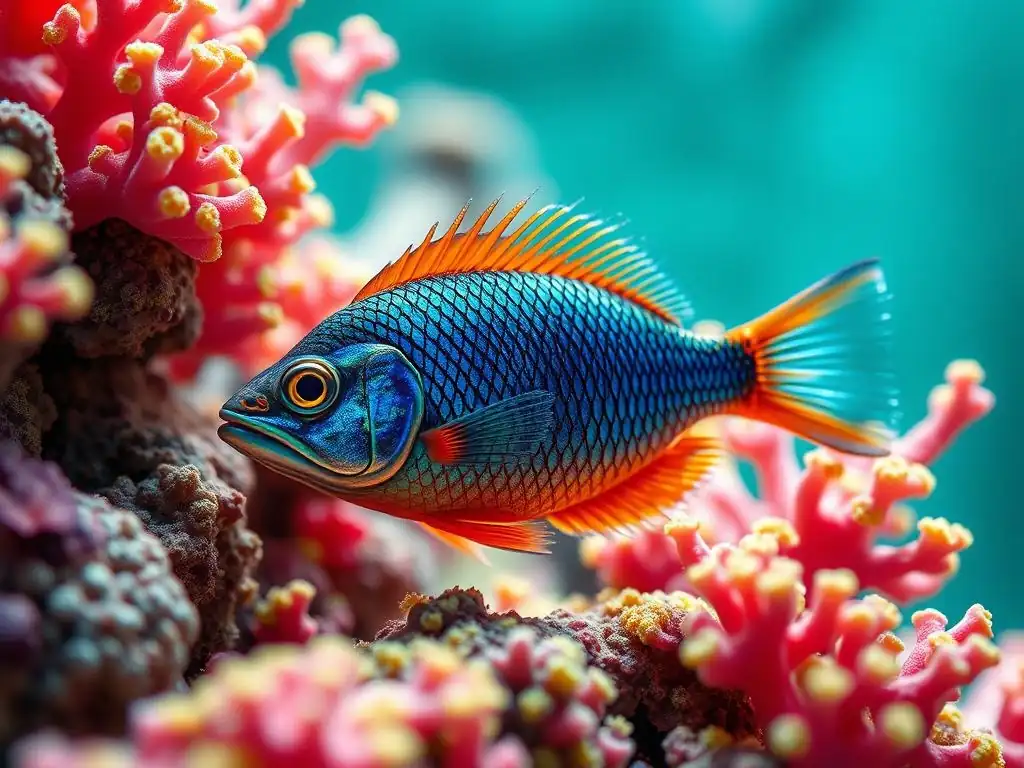
Understanding PAR Requirements for Different Acanthastrea Species
Lighting is a critical factor in the health and coloration of Acanthastrea corals, as they rely on their symbiotic zooxanthellae for a significant portion of their energy. Acans are generally considered moderate light corals, but specific PAR (Photosynthetically Active Radiation) requirements can vary slightly between species. Acanthastrea lordhowensis typically thrives in PAR levels ranging from 75 to 150 PAR. Acanthastrea echinata, with its larger polyps, can often tolerate slightly higher PAR, up to 200 PAR, but generally performs best within similar moderate ranges.
Placing Acans too high in the tank or under excessively intense lighting (e.g., consistently above 250 PAR) can lead to bleaching, where the coral expels its zooxanthellae, resulting in a loss of color and severe stress. Conversely, insufficient light (below 50 PAR) can cause dull coloration, poor polyp extension, and stunted growth. Using a PAR meter to measure light intensity at various depths and locations in the tank is an invaluable tool for ensuring optimal placement and preventing light-related stress for Acanthastrea colonies.
Fine-Tuning Water Flow to Prevent Detritus Buildup and Promote Nutrient Uptake
Water flow for Acanthastrea corals requires careful fine-tuning. Acans prefer moderate, indirect flow that gently sways their polyps without causing them to retract or show signs of stress. Excessive or direct laminar flow can damage their delicate tissue, leading to stripping or an inability to fully extend. The ideal flow pattern ensures that detritus and waste particles are swept away from the coral's surface, preventing accumulation that can lead to tissue necrosis.
Strategic placement of powerheads is crucial. Aiming powerheads at the glass or rockwork to create diffuse, turbulent flow patterns, rather than direct blasts, is highly effective. This ensures that fresh, nutrient-rich water is consistently delivered to the coral polyps, facilitating nutrient uptake and waste removal. For a typical 60-gallon reef tank housing Acanthastrea colonies, two powerheads each producing 800-1200 GPH, positioned on opposite sides of the tank and aimed to create opposing gyres, can often provide the necessary moderate and indirect flow.
Selecting the Right Light Spectrum for Maximizing Acan Coloration
While PAR dictates the intensity of light, the spectrum of light is paramount for maximizing the vibrant coloration of Acanthastrea corals. A balanced spectrum with a strong emphasis on blue wavelengths (450-470nm) and a touch of violet (400-420nm) is highly effective at exciting the fluorescent proteins within Acans, making their reds, oranges, and greens truly pop. Many advanced hobbyists lean towards a "blue-heavy" spectrum, often mimicking 18,000K to 20,000K daylight.
White light (typically 6500K-10000K) is still essential for overall coral health and growth, but it is often proportionally reduced in intensity compared to blue channels for aesthetic purposes. For instance, running blue LED channels at 80% intensity and white LED channels at 20% can yield stunning results for Acanthastrea coloration. Modern LED fixtures with independent channel control allow for precise customization of the light spectrum throughout the day, enabling hobbyists to fine-tune the visual appeal and biological needs of their Acan colonies.
Advanced Feeding Strategies for Acanthastrea Corals: Beyond the Basics
Target Feeding Acans: Techniques for Delivering Nutrients Directly
While Acanthastrea corals host symbiotic zooxanthellae for energy production, supplemental feeding is crucial for accelerating growth, enhancing coloration, and promoting overall vitality. Target feeding is the most effective method for delivering nutrients directly to the coral polyps, ensuring minimal waste and nutrient export challenges. This technique involves using a pipette or turkey baster to deliver small, meaty food particles directly onto the extended polyps, typically after the main tank lights have dimmed or turned off, when Acan polyps are most receptive and fully extended.
Suitable foods for target feeding include finely chopped mysis shrimp, enriched brine shrimp, copepods, and specialized powdered coral foods like Reef Roids or Benereef. A single Acanthastrea lordhowensis polyp, for example, can readily consume 2-3 mysis shrimp in an evening. Feeding 2-3 times per week is a common practice for established Acan colonies, significantly boosting their growth rates compared to relying solely on photosynthesis.
Supplementing with Amino Acids and Coral Foods for Enhanced Growth
Beyond particulate foods, supplementing the water column with dissolved amino acids and comprehensive liquid coral foods can provide vital building blocks for Acanthastrea tissue growth and repair. Amino acids are the fundamental components of proteins and can be absorbed directly by coral tissue, promoting faster growth and improved color saturation. Dosing liquid amino acid solutions (e.g., Brightwell Aquatics Aminovite or Fauna Marin Ultra Amin) a few times per week is a popular strategy among advanced Acan keepers.
Specialized coral foods, which are often a blend of proteins, lipids, and carbohydrates, offer a holistic nutritional profile. Products like Polyp Lab Reef Roids or Rod's Food are excellent choices for broadcast feeding or target feeding. For a 50-gallon tank with several Acan colonies, a quarter teaspoon of powdered coral food mixed with tank water, broadcast fed, or 5ml of a liquid amino acid solution dosed daily, can dramatically enhance growth and vibrancy.
Avoiding Overfeeding: Maintaining Water Quality While Feeding Acans
While supplemental feeding is highly beneficial for Acanthastrea corals, overfeeding can rapidly degrade water quality, leading to nutrient spikes (nitrate and phosphate) and contributing to nuisance algae outbreaks. It is crucial to feed small amounts, ensuring that all food is consumed by the corals within 30-60 minutes. If uneaten food remains, reduce the quantity for subsequent feedings.
Effective nutrient export mechanisms are paramount in a fed Acan tank. A robust protein skimmer, ideally rated for 1.5 to 2 times the actual tank volume, is essential for removing dissolved organic compounds before they break down into nitrates and phosphates. Additionally, maintaining a healthy refugium with macroalgae, or employing carbon dosing methods, can further assist in maintaining ultra-low nutrient levels, ensuring that the benefits of feeding Acans are not negated by poor water quality.
Fragging Acanthastrea: Advanced Techniques for Propagation
Selecting Healthy Acan Colonies for Fragging
Successful propagation of Acanthastrea corals begins with the careful selection of a healthy, mature donor colony. Only colonies that exhibit full polyp extension, vibrant coloration, and no signs of stress, disease, or tissue recession should be considered for fragging. Attempting to frag a stressed or newly acquired Acan can lead to high rates of mortality for both the frag and the mother colony.
Ideal donor colonies are those that have grown into a desirable shape or display unique and sought-after color morphs. The colony should have a sufficient number of healthy polyps, typically at least 5-10, to ensure that the resulting frag has enough tissue and resources to recover and begin growing independently. Inspect the colony thoroughly for any signs of pests or disease before initiating the fragging process.
Minimizing Stress During the Fragging Process
Minimizing stress is paramount during the Acanthastrea fragging process to ensure high success rates. Use sharp, sterilized tools, such as bone cutters or a Dremel with a diamond blade, to make clean, precise cuts through the skeletal structure. Jagged or rough cuts can cause more tissue damage and increase the risk of infection. It is critical to work quickly and keep the coral submerged in tank water or a separate container of temperature-matched tank water as much as possible to minimize air exposure, which can be highly stressful for LPS corals.
After the fragging cuts are made, a brief 5-10 minute dip in an iodine-based coral dip solution (e.g., Lugol's solution at 5 drops per gallon) can help cleanse the cut surfaces and prevent bacterial infections. Handle the coral gently throughout the process, avoiding direct contact with the soft tissue.
Ensuring Successful Acan Frag Attachment and Recovery
Once fragged, secure attachment is vital for the Acanthastrea frag's recovery and long-term success. Use cyanoacrylate gel (super glue gel) or reef-safe epoxy to firmly attach the frag to a frag plug or a small piece of live rock. Ensure the frag is stable and won't be dislodged by water flow or curious tank inhabitants.
Place newly fragged Acans in an area of the tank with lower light (e.g., 50-75 PAR) and gentle, indirect water flow for the first 1-2 weeks. This reduced stress environment allows the frag to allocate energy towards healing rather than photosynthesis or fighting strong currents. Monitor the frags daily for signs of infection, tissue recession, or failure to extend polyps. Healthy frags should show signs of polyp extension within a few hours to a day, with full healing and re-attachment typically occurring within 2-4 weeks.
Troubleshooting Common Acan Health Problems: Advanced Strategies
Recognizing and Treating Acan Bacterial Infections
Bacterial infections in Acanthastrea corals can manifest rapidly, often appearing as white patches, tissue sloughing, or a cloudy slime covering the affected areas. These infections can quickly progress to rapid tissue necrosis (RTN) or slow tissue necrosis (STN), leading to significant coral loss if not addressed promptly. Early detection is key to successful treatment.
Treatment typically involves removing the affected Acan from the main display tank and dipping it in an antibiotic solution. Common broad-spectrum antibiotics used in the hobby include Furan-2 or Ciprofloxacin (e.g., 500mg per 10 gallons of tank water for a 30-minute dip). This process should be repeated daily for 3-5 days in a separate container of fresh tank water.
Simultaneously, ensuring pristine water quality and stable parameters in the main tank is crucial to support the coral's immune system and prevent further outbreaks. In severe cases, fragging off healthy tissue from the infected area may be necessary to save a portion of the colony.
Addressing Acan Tissue Recession: Identifying Potential Causes
Tissue recession, where the Acanthastrea coral's fleshy tissue pulls back from its skeleton, is a common and concerning issue that can have multiple underlying causes. Identifying the specific trigger is crucial for effective intervention. Potential culprits include:
- Parameter Swings: Sudden and significant fluctuations in alkalinity, calcium, salinity, or temperature. Even a rapid drop or spike of 0.5 dKH in alkalinity can induce stress.
- Lighting or Flow Issues: Too much or too little light, or incorrect water flow (too strong, too weak, or direct laminar flow) can cause the coral to retract and recede.
- Pests: The presence of specific Acan-eating nudibranchs or predatory snails can cause localized tissue loss.
- Competition: Physical contact with aggressive neighboring corals or stinging invertebrates.
- Nutrient Deficiency/Excess: Prolonged periods of ultra-low nutrients without supplemental feeding, or conversely, chronically high nitrates/phosphates.
A systematic approach to troubleshooting is required. Begin by meticulously testing all water parameters and assessing lighting and flow patterns. If, for instance, alkalinity has dropped by 1 dKH overnight, a slow, gradual adjustment is needed. A thorough visual inspection for pests, especially at night when they are most active, is also recommended.
Dealing with Acan Pests: Effective Control Methods
Several pests specifically target Acanthastrea corals, and early detection and aggressive treatment are essential to prevent significant damage. The most notorious include Acan-eating nudibranchs ( Phestilla melanobrachia) and Pyramid snails.
- Acan-eating Nudibranchs: These small, highly camouflaged sea slugs blend seamlessly with Acan tissue and can decimate a colony rapidly. They often lay distinctive spiral egg masses on the coral's skeleton. Control involves manual removal using tweezers, often requiring daily inspection. Dipping the affected coral in a pest-specific dip solution (e.g., CoralRx or Revive) can help dislodge them, but repeat dips every 3-5 days for several weeks are necessary to break their life cycle, as dips do not affect eggs.
- Pyramid Snails: These tiny, cone-shaped snails are parasitic and feed on coral tissue, often congregating at the base of the coral or in crevices. They are notoriously difficult to spot. Manual removal is the primary method of control. The most effective preventative measure against both nudibranchs and pyramid snails is a rigorous quarantine procedure for all new Acanthastrea corals.
Advanced Acan Quarantine Procedures: Preventing Disease Introduction
Setting Up a Dedicated Quarantine System for New Acans
A dedicated quarantine tank (QT) is an indispensable tool for any advanced reef keeper, particularly when acquiring new Acanthastrea corals. This separate system prevents the introduction of pests, parasites, and diseases into the main display tank. A simple 10-20 gallon aquarium equipped with a heater to maintain stable temperatures (76-78°F), a small powerhead for circulation, and a basic filter (such as a sponge filter or a hang-on-back filter with media) is sufficient.
The QT should be cycled before use, and water for the QT should either be drawn from the established main display tank to ensure consistent parameters or mixed fresh saltwater meticulously matched to the main tank's salinity (1.025-1.026) and alkalinity (8.0-8.5 dKH). This minimizes stress on the new Acan during its initial acclimatization period.
Recognizing Early Signs of Disease in Quarantined Acans
Vigilant daily observation is critical during the Acanthastrea quarantine period. Recognizing early signs of stress or disease can prevent a minor issue from escalating into a major problem. Key indicators to look for include:
- Failure to extend polyps: A new Acan that remains retracted for more than 24-48 hours after being placed in the QT is likely stressed or ill.
- Tissue recession or discoloration: Any tissue pulling away from the skeleton, or unexplained bleaching (pale color) or browning (darker color), warrants immediate investigation.
- Presence of pests: Closely inspect the coral, especially at night, for tiny snails, nudibranchs, flatworms, or other suspicious organisms.
- Excessive sliming or necrotic patches: These are strong indicators of bacterial infections or severe irritation.
Any deviation from healthy polyp extension and coloration should trigger a closer inspection and potential intervention, such as dipping or targeted treatment.
Implementing Effective Quarantine Protocols
An effective Acanthastrea quarantine protocol typically spans 4-6 weeks, allowing ample time for pests to emerge and diseases to manifest.
- Initial Dip: Upon arrival, every new Acan should receive an immediate dip in a coral pest dip solution (e.g., CoralRx, Revive, or a diluted Bayer Complete Insect Killer solution, following specific reef-safe guidelines) for 10-15 minutes to dislodge external pests. Rinse thoroughly with tank water before placing in the QT.
- Observation Period: For the duration of the quarantine, observe the coral daily for any signs of pests or disease. If pests are found, repeat the appropriate dips at recommended intervals (e.g., every 3-5 days for nudibranchs) until no further pests are observed for at least two weeks.
- Prophylactic Treatments: Some advanced hobbyists opt for prophylactic treatments during QT, even if no symptoms are visible. This might include a short course of broad-spectrum antibiotics (e.g., 3-day treatment with Ciprofloxacin) to address potential bacterial infections, or specific treatments for flatworms if these are known issues in the hobbyist's area. Only after a clean bill of health should the Acan be introduced to the main display tank.
The Future of Acan Care: Emerging Trends and Technologies
Exploring New Lighting Technologies for Acan Growth
The evolution of lighting technology continues to revolutionize Acanthastrea care, offering increasingly precise control over spectrum and intensity. Hybrid lighting fixtures, which combine the broad, even spectrum of T5 fluorescent bulbs with the customizable intensity and color channels of LEDs, are gaining popularity. These systems often provide an ideal balance, promoting robust Acan growth while allowing for stunning coloration.
Furthermore, Wi-Fi controlled LED fixtures are becoming standard, offering unprecedented scheduling capabilities. Hobbyists can program intricate light cycles, mimicking natural dawn-to-dusk transitions, lunar cycles, and even cloud effects. This granular control over intensity and spectrum enables fine-tuning to optimize Acan growth and enhance specific color pigments. For instance, fixtures like the Ecotech Radion G6 or Kessil AP9X provide advanced control, allowing users to dial in the perfect light recipe for their Acanthastrea colonies.
Investigating Advanced Water Chemistry Management Systems
The future of Acanthastrea care also lies in increasingly sophisticated water chemistry management systems. Automated ICP (Inductively Coupled Plasma) dosing systems are on the horizon, integrating regular ICP water testing with automated dosing pumps. This technology promises real-time, dynamic adjustments of trace elements and major parameters based on actual coral consumption rates, eliminating manual calculations and ensuring unparalleled stability.
Additionally, advancements in biological filtration, such as highly efficient biopellet reactors and refined carbon dosing protocols, are contributing to the creation of ultra-low nutrient systems. These systems are particularly beneficial for enhancing Acan coloration by minimizing competition from nuisance algae and promoting optimal coral health. A properly sized biopellet reactor, for example, can effectively reduce nitrates from 20 ppm to undetectable levels within a few weeks, creating an ideal environment for vibrant Acanthastrea.
Understanding the Latest Research on Acan Nutrition and Health
Ongoing scientific research is continually deepening our understanding of Acanthastrea nutrition and health, paving the way for more targeted care strategies. Studies are exploring the specific fatty acid and vitamin requirements of these corals, which could lead to the development of highly specialized coral foods tailored to Acanthastrea species. This research also delves into the complex microbial communities (microbiome) associated with corals and their role in disease resistance and nutrient cycling.
For instance, recent findings suggest that certain beneficial bacterial strains can significantly enhance a coral's resilience against pathogenic infections, potentially leading to new probiotic supplements designed to bolster Acanthastrea health. As this research progresses, advanced hobbyists will gain access to more precise nutritional supplements and preventative care strategies, pushing the boundaries of what is possible in Acanthastrea husbandry and ensuring the long-term vitality of these cherished marine invertebrates.
Specific Acan Species Profile: Advanced Care Considerations for Acanthastrea lordhowensis
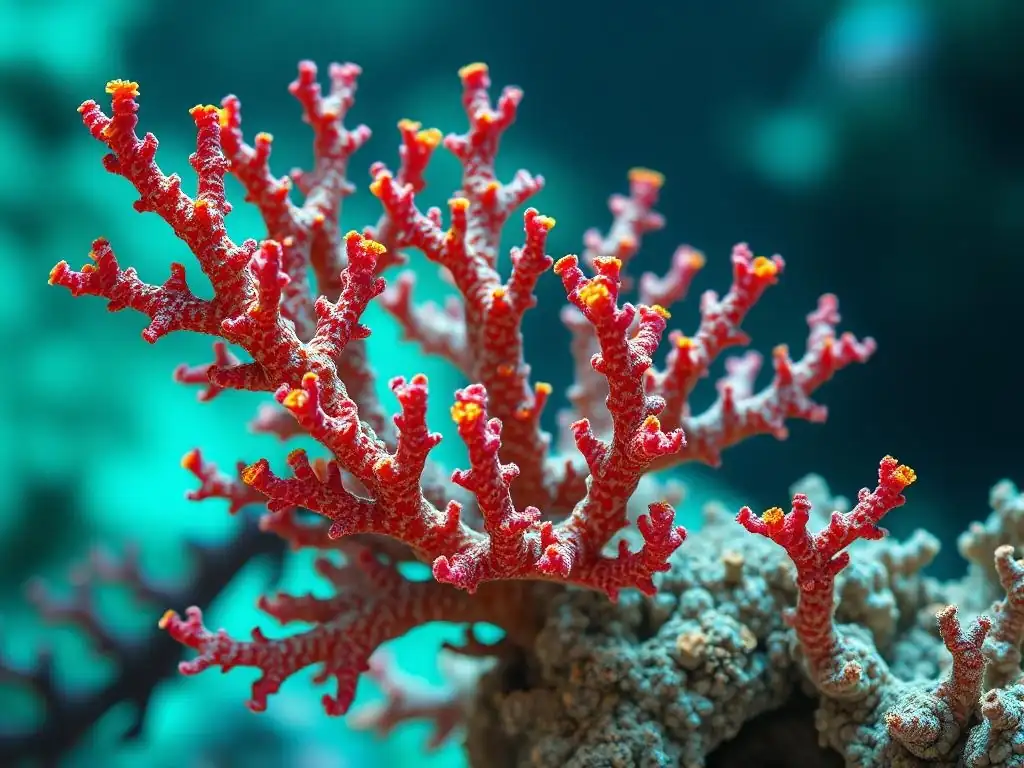
Acanthastrea lordhowensis, often simply referred to as Acan Lords, stands out as one of the most popular and visually striking large polyp stony (LPS) corals in the marine aquarium hobby. Native to the waters surrounding Lord Howe Island, Australia, and other regions across the Indo-Pacific, this species is celebrated for its incredible diversity of colors, including vivid reds, oranges, greens, blues, and purples, frequently arranged in intricate "rainbow" or "watermelon" patterns.
Their polyps are typically smaller than other Acan species, ranging from 1 to 3 cm in diameter, presenting a smooth, fleshy appearance when fully extended due to their tightly packed, distinct corallites.
Advanced care for Acanthastrea lordhowensis hinges on maintaining exceptional water stability and precise nutrient management. They thrive in moderate lighting conditions, ideally within a PAR range of 75-150, and prefer gentle, indirect water flow that allows their polyps to fully extend without being stressed. Crucially, maintaining alkalinity between 7.8-8.2 dKH and calcium at 420-440 ppm, with minimal daily fluctuations (ideally less than 0.2 dKH), is paramount for both their skeletal integrity and the intensity of their coloration.
Supplemental target feeding of small, meaty foods like finely chopped mysis shrimp or specialized coral pellets 2-3 times per week significantly boosts their growth rate and enhances their already brilliant hues. High-grade frags of specific color morphs, such as the coveted "Rainbow Acan," can command prices upwards of $150-$300 per polyp in the collector's market.
Acanthastrea echinata, commonly known as Spiny Acans or Echinata Acans, represents another captivating species within the Acanthastrea genus, offering a distinct aesthetic and slightly different care considerations compared to A. lordhowensis. Found across various Indo-Pacific locations, this species is characterized by larger, more robust polyps, often 3-6 cm in diameter, and a more irregular, often spiny, skeletal structure that gives them their characteristic "echinata" (spiny) name. While perhaps less varied in intricate patterns than their lordhowensis counterparts, their coloration can be equally striking, frequently featuring deep reds, greens, and purples.
Advanced husbandry for Acanthastrea echinata involves accommodating their larger size and more pronounced skeletal features. They generally prefer similar moderate lighting (80-200 PAR) but can tolerate a slightly broader range of water flow, provided it remains indirect and prevents detritus from accumulating within their larger corallites. Due to their greater tissue mass, A. echinata colonies often benefit from more frequent or larger feedings compared to A. lordhowensis.
Feeding 3-4 times per week with larger pieces of mysis shrimp or even finely chopped silversides can significantly promote robust growth and vibrant coloration. It is particularly important to monitor for tissue recession around their spiny edges, as this can indicate inadequate flow, nutrient deficiencies, or irritation from pests or aggressive neighbors. Ensuring a stable magnesium level of 1350-1400 ppm can also contribute to the overall resilience and skeletal health of these impressive colonies.
Conclusion: Mastering the Art of Advanced Acan Care
Mastering advanced Acanthastrea care elevates the hobbyist's skill beyond basic aquarium maintenance, demanding a nuanced understanding of precise water chemistry, targeted nutrient delivery, and meticulous environmental optimization. By consistently controlling parameters such as alkalinity, calcium, and essential trace elements, fine-tuning lighting and water flow to specific PAR requirements, and implementing strategic feeding regimes, dedicated hobbyists can unlock the full genetic potential of these magnificent LPS corals. The integration of advanced techniques, from rigorous quarantine protocols to proactive pest management and careful fragging, ensures the long-term health, vibrant coloration, and sustainable propagation of Acanthastrea colonies.
As the marine aquarium hobby continues to evolve, leveraging emerging technologies and staying abreast of the latest scientific research will undoubtedly continue to push the boundaries of Acanthastrea husbandry. This commitment to advanced practices not only yields breathtaking aesthetic results but also contributes significantly to the conservation and deeper understanding of these cherished marine invertebrates.
Frequently Asked Questions
How difficult is it to care for Acanthurus triostegus (Convict Tangs) compared to other tang species?
Convict Tangs are considered more challenging than many common tangs due to their specific dietary needs and sensitivity to water quality. Experience with reef aquariums is highly recommended.
The primary challenge is providing a consistent and varied diet rich in algae and plant matter. They require frequent feedings throughout the day to mimic their natural grazing behavior, which can be difficult to maintain.
What specific water parameters are crucial for successfully keeping Acanthurus triostegus?
Maintaining stable and pristine water quality is paramount. Key parameters include low nitrate levels, stable salinity, and consistent temperature. Regular water changes are essential.
Are Convict Tangs prone to any particular diseases in captivity, and how can these be prevented?
Yes, they are susceptible to ich (marine white spot disease) and other parasitic infections due to stress from poor water quality. Prevention involves quarantine, optimal water parameters, and a stress-free environment.
What is the minimum tank size recommended for keeping Acanthurus triostegus, and why is it important?
A large tank, ideally at least 125 gallons, is necessary to provide adequate swimming space. Insufficient space can lead to stress, aggression, and compromised health.
The intricacies of Acanthurus triostegus care, as we've explored, are not merely academic exercises; they represent a crucial understanding of the delicate balance within our reef ecosystems. The challenges inherent in maintaining these fish in captivity serve as a stark reminder of the responsibilities we bear as aquarists and the profound impact our choices have on the natural world. Ignoring these complexities risks not only the well-being of individual specimens but also contributes to the broader pressures facing wild reef populations.
This journey into advanced Acan care has undoubtedly deepened our appreciation for the subtle nuances of marine life. It's a constant reminder that successful reef keeping isn't just about aesthetics, but about striving to replicate, as closely as possible, the natural environment and meeting the specific needs of each inhabitant. As we strive to push the boundaries of husbandry, we must always remember the ethical considerations that underpin our passion. The ultimate goal of farming fish is to produce food for human consumption, but the ultimate goal of keeping fish in an aquarium is to learn about them and to share that knowledge with others.
- Martin Moe, Jr.
So, let us not simply be keepers of fish, but rather stewards of the reef. Consider the knowledge you've gained, the challenges you've identified, and the potential for innovation that lies ahead. How can you refine your own practices, share your insights with fellow aquarists, and contribute to a more sustainable future for our oceans? Embrace the challenge, and let your passion for Acanthurus triostegus care be a catalyst for positive change, ensuring that these magnificent creatures thrive, both in our tanks and in their natural habitat.
Unleash Your Acan Expertise!
Thank you for diving deep into the world of advanced Acan care! We hope you’ve discovered new insights to elevate your reef keeping. Ready to take your Acan game to the next level?
Here’s how you can make it happen:
- Experiment with targeted amino acid dosing to observe its impact on Acan coloration and growth – document your findings for comparison!
- Share your most stunning Acan photos and successful husbandry techniques on reef forums or social media, inspiring other hobbyists.
- Consider propagating your Acans responsibly to share frags with fellow reefers and contribute to the hobby's sustainability.
What unique lighting spectrum have you found to produce the most vibrant colors in your Acans?