
Common SPS Ailments & Afflictions: A Visual Guide for Quick Identification

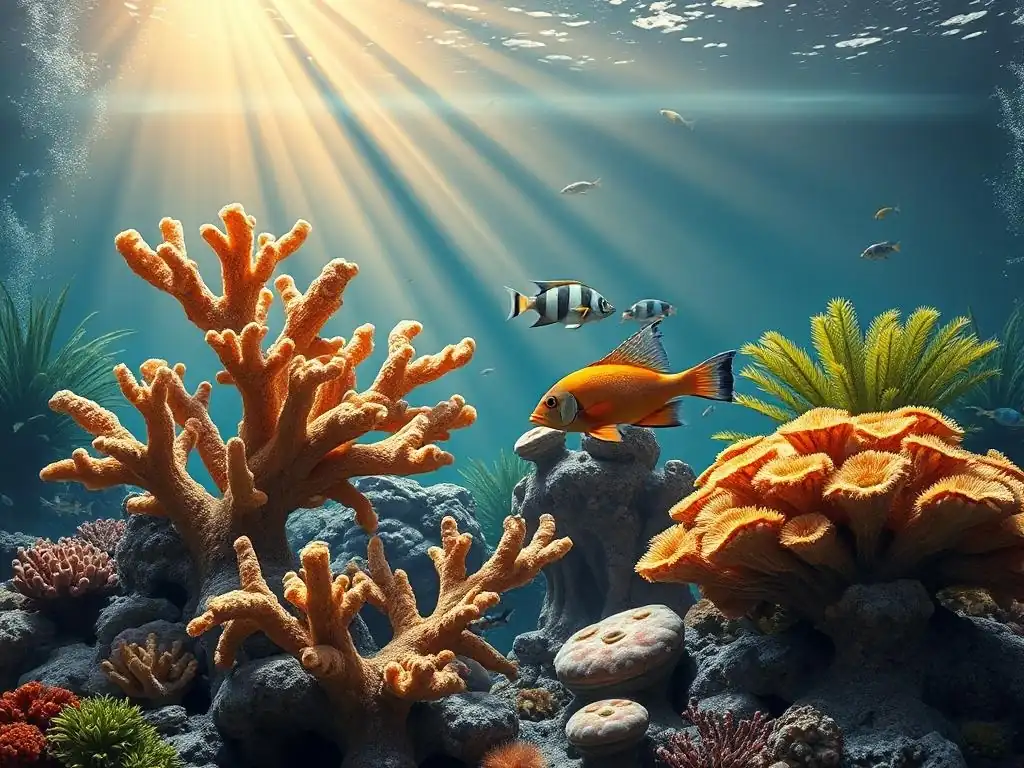
Welcome to Aquarium Mastery!
Ever wondered if that slight discoloration on your prized SPS coral is a sign of something more sinister? Dive into our comprehensive guide, " Common SPS Ailments & Afflictions: A Visual Guide for Quick Identification," and unlock the secrets to early detection and effective SPS coral disease treatment. Learn how to keep your reef thriving and identify potential threats before they become a major problem. Are you ready to master the art of coral health? Let's get started!
- Introduction to SPS Coral Health and Disease
- Identifying Common SPS Coral Diseases: A Visual Guide
- SPS Coral Disease Treatment Options and Preventative Measures
- Advanced SPS Coral Care for Disease Resistance
- Conclusion: Proactive SPS Coral Care for a Thriving Reef Aquarium
-
Frequently Asked Questions
- What are the most common signs of SPS coral disease?
- How important is early identification in treating SPS coral diseases?
- What water parameters are essential for maintaining healthy SPS corals and preventing disease?
- Can I use the same treatment for all types of SPS coral diseases?
- Where can I find more in-depth information about specific SPS coral diseases and their treatments?
- Final Reflection: Protecting the Reef's Jewels
- Ignite Your SPS Savvy: Start Thriving Today!
Introduction to SPS Coral Health and Disease
Why Early Detection is Crucial for SPS Coral Survival
The health of Small Polyp Stony (SPS) corals in a reef aquarium is incredibly delicate, making swift action paramount when signs of distress appear. Unlike some more resilient coral types, SPS corals, such as Acropora and Montipora, are highly susceptible to rapid declines if issues like disease, pests, or unfavorable water parameters are not addressed immediately. For instance, aggressive conditions like Rapid Tissue Necrosis (RTN) can decimate an entire Acropora colony, valued at hundreds or even thousands of dollars, within a mere 24 to 48 hours.
Prompt recognition of symptoms is the first line of defense in effective SPS coral disease treatment. Early detection allows for the isolation of affected corals, the initiation of targeted treatments, and the adjustment of environmental factors before an ailment spreads to other inhabitants or escalates beyond recovery. This proactive approach significantly increases the chances of saving the affected coral and protecting the overall health and stability of the entire reef ecosystem within the aquarium.
Understanding the Delicate Nature of SPS Corals in Reef Aquariums
SPS corals thrive within a remarkably narrow range of environmental conditions, making them particularly sensitive to even minor fluctuations. Their rapid calcification rates, essential for building their intricate stony skeletons, demand precise and stable water chemistry, including consistent levels of alkalinity, calcium, and magnesium. For example, maintaining alkalinity between 7-9 dKH, calcium at 400-450 ppm, and magnesium at 1250-1350 ppm is critical for their long-term health.
Beyond water chemistry, SPS corals rely heavily on photosynthetic algae called zooxanthellae, which live within their tissues, for the majority of their energy. This symbiotic relationship makes them highly vulnerable to changes in light intensity and spectrum, as well as temperature. A sustained temperature increase of just 2-3°F above the optimal 76-78°F range can stress these corals, leading to the expulsion of their zooxanthellae, a phenomenon known as bleaching, which severely compromises their vitality and makes them more susceptible to various diseases.
Identifying Common SPS Coral Diseases: A Visual Guide
Recognizing Tissue Necrosis in SPS Corals
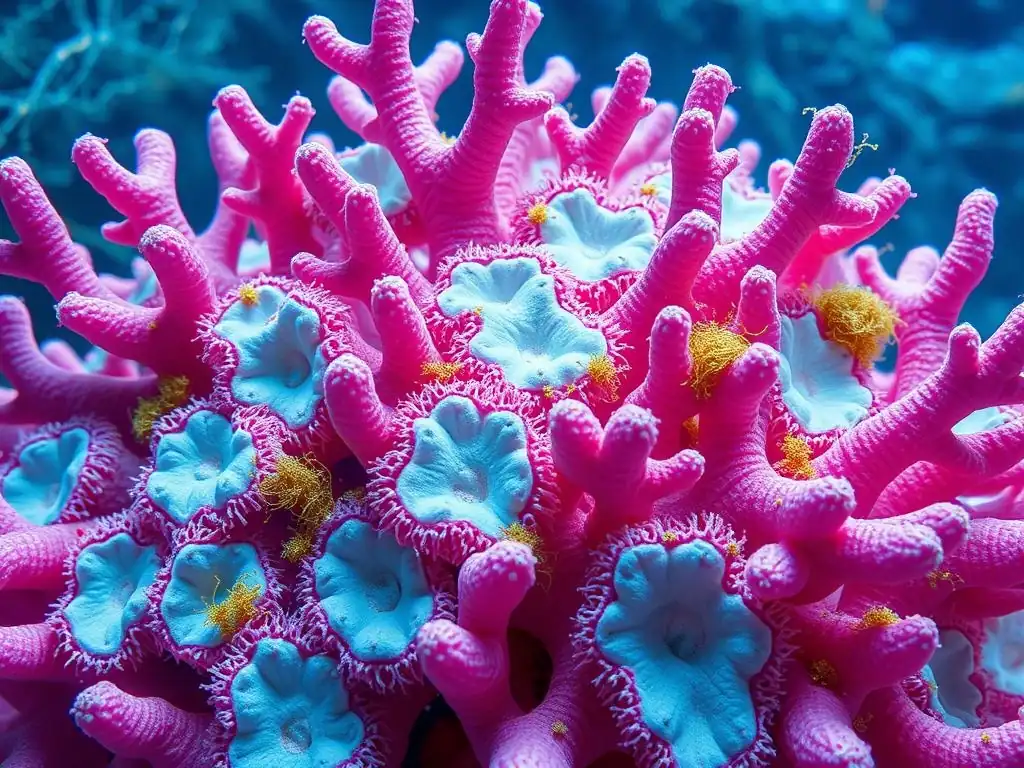
Tissue necrosis, or the dying off of coral tissue, is one of the most devastating conditions affecting SPS corals. It typically manifests as a stark white skeleton where healthy tissue once existed, often accompanied by a receding line between the living and dead areas. This condition can be caused by various factors, including bacterial infections, extreme environmental stress, or physical damage, and requires immediate attention as part of an SPS coral disease treatment strategy.
The speed and pattern of tissue loss can help differentiate between different forms of necrosis. Observing the progression carefully, noting whether the tissue loss is occurring rapidly or slowly, and identifying the starting point on the coral, such as the base or the tips, provides crucial clues for diagnosis and subsequent intervention.
Symptoms of Rapid Tissue Necrosis (RTN) in Acropora
Rapid Tissue Necrosis (RTN) is a particularly aggressive form of tissue loss that can decimate an Acropora colony with alarming speed. The primary symptom is the rapid sloughing off of coral tissue, often leaving behind a stark white skeleton that appears almost overnight. This process typically begins at the base of the coral or, less commonly, at the tips, and progresses upwards or inwards at a rate of several centimeters per hour.
Unlike other forms of tissue recession, RTN shows no clear signs of a bacterial mat or visible pests; the tissue simply detaches and disintegrates, often appearing as a thin, stringy slime as it peels away. A healthy Acropora colony can be reduced to a bare skeleton in less than 24 hours, making immediate intervention, such as fragging healthy tissue or isolation, critical for any effective SPS coral disease treatment.
Identifying Slow Tissue Necrosis (STN) in Montipora
Slow Tissue Necrosis (STN) presents a more gradual, yet equally destructive, form of tissue recession, commonly observed in Montipora species but also affecting other SPS corals. With STN, the coral tissue recedes slowly, typically from the base upwards, exposing the underlying white skeleton over a period of days or even weeks. The receding line is often well-defined, and unlike RTN, the tissue loss may progress only a few millimeters per day.
Visual indicators include a gradual paling or darkening of the tissue at the edge of the recession, sometimes accompanied by a thin, slimy film or discolored areas. While less dramatic than RTN, STN still signifies significant stress or infection and requires prompt attention to halt its progression. Identifying STN early allows for a more considered approach to SPS coral disease treatment, focusing on identifying underlying stressors and potentially applying targeted dips or water parameter adjustments.
Visual Indicators of Tissue Loss and Recession
When observing SPS corals for tissue loss, several visual cues can help confirm necrosis. The most obvious indicator is the presence of an exposed, bone-white skeleton where vibrant coral tissue should be. This stark contrast between the white skeleton and the healthy, colorful tissue is unmistakable. Often, a distinct line or band separates the living tissue from the dead, which can sometimes appear inflamed or discolored.
In some cases, especially with STN, there might be a thin, transparent, or slightly opaque film covering the exposed skeleton, or a cloudy, stringy mucus emanating from the dying tissue. This mucus is often a sign of bacterial activity. Furthermore, observing the base of the coral for signs of browning or tissue peeling away from the frag plug or rockwork can be an early warning sign of impending necrosis, indicating the need for immediate investigation and potential SPS coral disease treatment.
Spotting Coral Bleaching in SPS Corals
Coral bleaching is a stress response where corals expel their symbiotic zooxanthellae algae, leading to a loss of color and a pale or stark white appearance. While often visually similar to necrosis in its ultimate white outcome, bleaching primarily involves the loss of coloration rather than the physical degradation of tissue, making it a distinct ailment requiring different SPS coral disease treatment approaches.
Identifying bleaching early is crucial, as prolonged bleaching can lead to coral death due to starvation. It's important to distinguish true bleaching from natural color changes or lighter coloration due to high light, which some SPS corals exhibit. A bleached coral will appear almost translucent or ghostly white, lacking the subtle hues and pigments of a healthy specimen.
Causes of SPS Coral Bleaching: Light, Temperature, and Water Chemistry
SPS coral bleaching is primarily triggered by environmental stressors that disrupt the delicate symbiosis between the coral host and its zooxanthellae. The most common culprits are sudden or prolonged changes in water temperature; for example, a sustained increase of just 2-3°F above the optimal range (e.g., 76-78°F) can induce severe stress and bleaching. Similarly, significant drops in temperature can also be detrimental.
Light intensity and spectrum are equally critical factors. Excessive Photosynthetically Active Radiation (PAR) or a sudden shift to much higher intensity lighting can overwhelm the zooxanthellae, leading to their expulsion. Conversely, insufficient light can also cause corals to lose color as they try to conserve energy. Drastic fluctuations in water chemistry, such as sudden drops in alkalinity or pH, or the presence of pollutants, can also contribute to bleaching, necessitating careful monitoring and stable parameters as part of any SPS coral disease treatment plan.
Differentiating Bleaching from Natural Color Changes
Distinguishing between true coral bleaching and natural color changes is vital for accurate diagnosis. Healthy SPS corals can exhibit a wide range of colors that may shift based on lighting conditions, water parameters, and even nutrient levels. For instance, an Acropora millepora might display vibrant green under one lighting scheme but shift to a deeper blue or purple under another, or a Montipora digitata might deepen its orange hue with higher trace element availability. These are natural physiological responses where the coral tissue remains intact and healthy, simply adjusting its pigment production.
In contrast, a bleached coral will appear pale, translucent, or stark white due to the loss of its zooxanthellae. The coral's tissue will often look thinner, and the underlying skeleton will be clearly visible. There's an absence of the vibrant, rich pigmentation characteristic of healthy corals, regardless of the light spectrum. If a coral that was once brightly colored suddenly turns uniformly white or very pale, it is likely experiencing bleaching, signaling the need for immediate investigation and potential SPS coral disease treatment.
Recovery Signs in Bleached SPS Corals
If the stressors causing bleaching are identified and rectified promptly, SPS corals can recover, though the process is often slow and requires consistent, stable conditions. The first signs of recovery typically involve a gradual return of color, as the coral begins to re-acquire or regenerate its zooxanthellae population. This might start as a faint tint of its original color returning to the tips or shaded areas, slowly spreading across the colony.
Full recovery can take weeks to several months, depending on the severity and duration of the bleaching event. For example, a moderately bleached Seriatopora hystrix might show initial signs of color return within 2-3 weeks, but full vibrancy and growth may not resume for 2-3 months. During this period, maintaining pristine water quality, stable parameters, and appropriate lighting and flow is paramount to support the coral's recovery and prevent relapse, forming a critical part of the SPS coral disease treatment and rehabilitation process.
Addressing Brown Jelly Disease in SPS Corals
Brown Jelly Disease is a highly virulent and rapidly spreading affliction that can devastate SPS corals, particularly when they are stressed or have suffered tissue damage. It is characterized by the appearance of a slimy, amorphous, brown-colored mass that engulfs and consumes coral tissue. This "jelly" is a consortium of protozoa and bacteria that thrive on compromised coral tissue, making it an urgent concern for any aquarist.
Once identified, immediate and aggressive intervention is necessary to prevent its spread throughout the tank. This disease can progress incredibly quickly, often leading to the complete loss of an infected colony within hours if left unchecked, underscoring the need for swift SPS coral disease treatment.
Identifying the Characteristic Brown Jelly Mass
The most distinctive symptom of Brown Jelly Disease is the presence of a thick, viscous, brown-colored mass on the coral's surface. This "jelly" is typically a mix of necrotic coral tissue, protozoa (like Uronema or Heliozoans), and opportunistic bacteria. It often appears as a blob or film, ranging from a few millimeters to several centimeters in diameter, and can be seen actively consuming the coral tissue, leaving behind a bare skeleton.
The jelly may appear as a cloudy, opaque layer, sometimes with visible strands or bubbles, and it often has a distinct brown or greenish-brown hue. It commonly starts in areas of existing tissue damage, such as a recent fragging site, a sting from another coral, or a spot where the coral has been bumped. Its unmistakable appearance makes it relatively easy to identify, prompting the need for immediate SPS coral disease treatment.
Understanding the Rapid Spread of Brown Jelly Disease
Brown Jelly Disease is notorious for its rapid and aggressive progression. Once established on a coral, the parasitic protozoa and bacteria within the jelly mass can consume healthy coral tissue at an alarming rate. A small patch can expand to cover a significant portion of a colony within hours, often leading to complete tissue loss in less than 24 hours for smaller colonies.
Furthermore, the "jelly" is highly contagious. If pieces of the brown jelly mass detach and float through the water column, they can settle on healthy corals elsewhere in the aquarium, quickly initiating new infection sites. This rapid spread necessitates immediate isolation of the affected coral and careful removal of the jelly to prevent a widespread outbreak that could endanger the entire reef.
Isolation Protocols for Infected SPS Corals
Upon identifying Brown Jelly Disease, immediate isolation of the infected SPS coral is paramount to prevent its rapid spread to other healthy colonies. Carefully remove the affected coral from the main display tank, minimizing agitation to avoid dislodging any of the brown jelly into the water column. Place the coral into a separate quarantine or hospital tank, if available, with stable parameters.
Once isolated, the visible brown jelly should be siphoned off gently using a turkey baster or a small siphon tube, ensuring the removed material is disposed of safely and not reintroduced into the aquarium. In some cases, if the infection is localized, the affected area can be carefully cut away (fragged) with sterile tools, ensuring that only healthy tissue remains on the main colony or the isolated fragment. A targeted SPS coral disease treatment, such as a freshwater dip or an iodine bath, can then be applied to the isolated coral to combat remaining pathogens.
Recognizing Acropora White Syndrome
Acropora White Syndrome (AWS) is a collective term for a group of diseases that cause rapid tissue loss in Acropora corals, leading to a stark white appearance of the skeleton. While visually similar to severe bleaching or RTN, AWS typically presents as a distinct band of white, dead tissue that progressively moves across the coral, leaving a trail of bare skeleton behind. This syndrome is a significant threat to Acropora species and requires swift action.
Understanding the unique visual characteristics of AWS, its aggressive nature, and potential contributing factors is crucial for effective SPS coral disease treatment. Unlike uniform bleaching, AWS often features a sharp delineation between healthy, colorful tissue and the rapidly expanding white, necrotic zone.
Visual Differences Between White Syndrome and Bleaching
While both Acropora White Syndrome (AWS) and coral bleaching result in a white appearance, their progression and underlying mechanisms are distinct. Bleaching typically causes a uniform paling or whitening of the entire coral colony as it expels its zooxanthellae, with the tissue remaining largely intact, though translucent. The coral gradually loses its color over days to weeks, and can potentially recover if stressors are removed.
In contrast, AWS is characterized by a rapid, progressive band of tissue loss that moves across the coral, often at a rate of 1-2 cm per day. This creates a sharply defined line between healthy, pigmented tissue and the stark white, exposed skeleton. The tissue is not simply pale; it is actively dying and sloughing off, indicating a bacterial infection or specific pathogen rather than just a stress response. This aggressive tissue degradation sets it apart from bleaching, demanding a more urgent and targeted SPS coral disease treatment.
The Aggressive Nature of Acropora White Syndrome
Acropora White Syndrome is known for its highly aggressive and often fatal progression, particularly impacting Acropora species. Once it takes hold, the tissue loss can be incredibly rapid, stripping an entire Acropora colony down to its skeleton within 48 to 72 hours. This speed makes it one of the most feared diseases in the reef aquarium hobby, as it can quickly spread through a collection of high-value corals.
The rapid spread within a single colony, combined with its potential to affect neighboring Acropora corals, highlights the urgency of intervention. Unlike slower tissue recession issues, AWS leaves little time for observation, demanding immediate isolation and aggressive SPS coral disease treatment to salvage any healthy portions of the affected coral or prevent its spread to other susceptible colonies in the display tank.
Potential Causes and Contributing Factors
The exact causes of Acropora White Syndrome are complex and often debated, but it is widely believed to be primarily driven by opportunistic bacterial infections, particularly species within the Vibrio genus. These bacteria proliferate rapidly when corals are stressed, turning a minor issue into a deadly disease. Stressors that predispose Acropora corals to AWS include significant fluctuations in water parameters (e.g., pH, alkalinity, salinity), elevated water temperatures (even slight increases above optimal), or poor water quality.
Physical damage, such as a recent fragging, a bump, or a sting from another coral, can also create entry points for these bacterial pathogens. Additionally, inadequate water flow, which can lead to detritus accumulation and localized low oxygen zones around the coral, can contribute to the onset and progression of AWS. Addressing these underlying stressors is a critical component of any effective SPS coral disease treatment and prevention strategy.
Identifying SPS Coral Pests and Parasites
Beyond diseases caused by environmental stressors or bacterial infections, SPS corals are also vulnerable to a range of specific pests and parasites that feed on their tissue or compete for resources. These organisms, though often tiny, can cause significant damage and even lead to the death of a coral colony if left unchecked. Visual identification of these pests and their tell-tale signs is crucial for targeted SPS coral disease treatment.
Common culprits include various types of flatworms, copepods, and nudibranchs, each with distinct appearances and preferred host corals. Regular, close inspection of SPS colonies, especially new additions, is essential for early detection and eradication, preventing widespread infestations in the reef aquarium.
Red Bugs: Recognizing and Managing These Tiny Copepods
Red Bugs ( Tegastes copepods) are a notorious pest of Acropora corals. These tiny, reddish-orange copepods are typically less than 1 mm in size, making them difficult to spot without close inspection, often using a magnifying glass. They primarily inhabit the branches and polyps of Acropora species, particularly in areas of high flow, where they feed on the coral's mucus and tissue.
Infested corals may show signs of reduced polyp extension, faded coloration, and poor growth, though often the only obvious symptom is the presence of the bugs themselves. A severe infestation can stress the coral to the point of tissue loss. Effective SPS coral disease treatment for Red Bugs typically involves specific chemical dips, such as those containing interceptor or related compounds, which are administered in a quarantine tank to avoid harming other tank inhabitants.
Acropora Eating Flatworms (AEFW): Visual Identification and Control
Acropora Eating Flatworms (AEFW), scientifically known as Amakusaplana acroporae, are one of the most destructive pests to Acropora corals. These flatworms are masters of camouflage, usually light brown and oval-shaped, growing up to 1-2 cm long, making them blend seamlessly with the Acropora branches they inhabit. They feed directly on the coral tissue, leaving behind characteristic bite marks or stripped white skeleton as they consume the coral.
A key visual indicator of AEFW presence, besides the worms themselves, are their distinctive egg spirals. These small (0.5-1 mm in diameter), brownish-red, gelatinous egg masses are typically laid in the coral's axils or shaded areas. Infested corals will show signs of tissue recession, loss of color, and poor polyp extension. Effective SPS coral disease treatment for AEFW involves targeted chemical dips (e.g., with specific anti-parasitic medications) and manual removal, often requiring multiple treatments due to the resilience of their egg masses.
Nudibranchs: Detecting and Removing These Coral Predators
Several species of nudibranchs are obligate coral predators, meaning they feed exclusively on specific coral types, including some SPS. These soft-bodied mollusks are often highly specialized and masterfully camouflaged, making them incredibly difficult to detect as they mimic the color and texture of their host coral. For example, Montipora-eating nudibranchs are typically small (under 1 cm) and brown, blending perfectly with the Montipora they prey upon.
Signs of nudibranch infestation include localized tissue loss, often appearing as distinct bite marks or patches of stripped skeleton, and poor polyp extension on affected areas. Some nudibranchs lay visible egg masses on the coral, which can be an easier detection method than spotting the adult pest itself. Manual removal, often with tweezers, combined with repeated coral dips using specific treatments (e.g., iodine-based or pest control solutions), is critical for effective SPS coral disease treatment and eradication. Regular inspection of new corals before introduction to the display tank is a vital preventative measure.
SPS Coral Disease Treatment Options and Preventative Measures
Immediate Actions for Addressing SPS Coral Ailments
When an SPS coral shows signs of distress or disease, immediate action is crucial to maximize the chances of recovery and prevent the spread of the ailment. The first step is always to assess the situation calmly and systematically. This often involves isolating the affected coral, performing thorough water parameter tests, and evaluating environmental factors such as light and flow.
Acting swiftly based on preliminary observations can significantly impact the outcome, turning a potential disaster into a manageable situation. Rapid response is the cornerstone of successful SPS coral disease treatment, as many conditions, especially aggressive ones like RTN or Brown Jelly Disease, can progress from minor distress to irreversible damage within hours.
Water Parameter Adjustments for Coral Health
Maintaining stable and optimal water parameters is the foundation of SPS coral health and a critical first step in addressing any ailment. When a coral shows signs of distress, immediately test key parameters such as alkalinity (dKH), calcium (ppm), magnesium (ppm), salinity (SG), pH, and temperature. Deviations from ideal ranges are significant stressors that weaken corals and make them susceptible to disease.
For example, if alkalinity has dropped below the ideal 7-9 dKH, a controlled, slow increase using a buffering solution over several hours or days can help stabilize it without shocking the coral further. Similarly, if salinity is off, a gradual adjustment over 24-48 hours is necessary. Addressing these fundamental parameters can often alleviate stress and allow the coral's natural defenses to kick in, sometimes being the only SPS coral disease treatment needed for minor issues.
Improving Water Flow and Circulation
Adequate and turbulent water flow is essential for SPS coral health and plays a vital role in preventing and treating diseases. Poor flow can lead to "dead spots" where detritus and waste accumulate around the coral's base, fostering bacterial growth and potentially leading to tissue necrosis. Insufficient flow also hinders nutrient uptake and gas exchange, further stressing the coral.
If a coral is showing signs of distress, assess the current flow patterns around it. Consider adding or repositioning powerheads to ensure strong, turbulent flow that reaches all parts of the coral colony. For instance, increasing the flow from 10-15 times the tank volume per hour to 20-30 times can significantly improve waste removal and oxygenation, reducing the likelihood of bacterial infections. This improved circulation can also help dislodge pests or prevent the settling of contagious disease agents, forming a crucial part of preventative SPS coral disease treatment.
Quarantine Procedures for Sick SPS Corals
Implementing a quarantine procedure for sick SPS corals is one of the most effective immediate actions to prevent the spread of disease within a reef aquarium. A dedicated hospital tank, even a small 10-20 gallon setup, allows for the isolated observation and targeted SPS coral disease treatment of the affected specimen without risking the health of the entire display tank. This isolation minimizes the potential for contagious pathogens or pests to spread to healthy corals.
When moving a sick coral to quarantine, handle it gently to avoid further stress or the dislodging of disease agents. The quarantine tank should be set up with stable water parameters mirroring the main tank, appropriate lighting, and good flow. This controlled environment allows for the application of dips, medications, or other treatments that might be harmful to the main display tank's inhabitants or beneficial bacteria, ensuring a focused and effective approach to SPS coral disease treatment.
Effective SPS Coral Disease Treatment Strategies
Once an SPS coral ailment has been identified, specific treatment strategies can be employed to combat the issue. These range from external coral dips to more systemic approaches involving antibiotics or other medications. The choice of SPS coral disease treatment depends heavily on the specific disease or pest identified, as well as the severity of the infection.
It is crucial to follow dosage instructions precisely and to administer treatments in a controlled environment, such as a quarantine tank, to minimize potential harm to the main aquarium ecosystem. Careful observation during and after treatment is essential to assess effectiveness and determine if further steps are needed.
Coral Dips and Treatments for Specific Ailments
Coral dips are a common and effective method for SPS coral disease treatment, particularly for external parasites and bacterial infections. These dips involve briefly immersing the affected coral in a solution designed to kill pests or pathogens. Various commercially available dips exist, formulated with ingredients like iodine compounds, natural plant extracts (e.g., for pest control), or broad-spectrum anti-parasitic agents.
For instance, an iodine-based dip (e.g., 5-10 ml per gallon of tank water) for 10-15 minutes can be effective against minor tissue infections and some external bacterial issues. For pests like Red Bugs or AEFW, stronger, targeted pest control solutions (e.g., specific fipronil-based products for Red Bugs, or flatworm-specific remedies for AEFW) are used, typically for 5-10 minutes. It's crucial to follow manufacturer instructions precisely and to use water from the main tank for the dip, then rinse the coral thoroughly before returning it to the system or quarantine.
Antibiotic Treatments for Bacterial Infections
For severe bacterial infections like Acropora White Syndrome or advanced cases of tissue necrosis where other methods have failed, antibiotic treatments may be considered as a targeted SPS coral disease treatment. These treatments are typically administered in a separate quarantine or hospital tank to avoid disrupting the beneficial bacterial colonies in the main display tank's biological filter. Common antibiotics used in the hobby include Ciprofloxacin or Amoxicillin, though their use requires careful consideration and precise dosing.
For example, a common dosage for Ciprofloxacin might be 5-10 mg per liter of quarantine tank water, with daily water changes and re-dosing for several days. It's important to note that antibiotics are a last resort due to their broad-spectrum effects and potential to foster antibiotic-resistant strains. They should only be used when a bacterial infection is strongly suspected and less aggressive SPS coral disease treatment options have proven ineffective.
Iodine Treatments for Tissue Damage and Infections
Iodine is a valuable tool in the arsenal of SPS coral disease treatment due to its antiseptic and disinfectant properties, making it useful for minor tissue damage and preventing secondary infections. It's commonly used as a preventative dip for new corals before introduction to the main tank, or as a treatment for corals that have suffered physical damage, such as during fragging or accidental bumps.
A typical iodine dip involves submerging the coral in a solution of tank water mixed with a coral-safe iodine supplement (e.g., a few drops per cup of water, or as per product instructions) for about 10-15 minutes. This can help cleanse the tissue and reduce the risk of opportunistic bacterial or fungal infections setting in. While not a cure for advanced diseases like RTN or White Syndrome, iodine can be an effective supportive SPS coral disease treatment for minor ailments and post-fragging care, promoting healthier tissue recovery.
Preventative Measures for Maintaining SPS Coral Health
Prevention is always better than cure, especially when it comes to the delicate nature of SPS corals. A robust preventative strategy significantly reduces the likelihood of disease outbreaks and promotes thriving, resilient colonies. This involves a combination of consistent husbandry practices, careful acclimation protocols, and maintaining optimal environmental conditions.
By proactively addressing potential stressors and implementing routine checks, aquarists can build a more stable and disease-resistant reef environment, minimizing the need for reactive SPS coral disease treatment. This long-term approach ensures the vitality and longevity of your prized SPS collection.
Regular Water Testing and Maintenance
Consistent and accurate water parameter testing is the cornerstone of preventative SPS coral health. Regular monitoring of alkalinity, calcium, magnesium, salinity, temperature, and pH allows aquarists to detect deviations early and make gradual adjustments before they stress corals. Daily or weekly testing of alkalinity, calcium, and magnesium, for instance, helps maintain the stable ionic balance critical for SPS calcification.
Complementing testing with routine water changes (e.g., 10-20% bi-weekly) helps replenish essential trace elements and remove accumulated pollutants. This diligent maintenance regime prevents the build-up of nitrates and phosphates, which can fuel nuisance algae and stress corals, thereby reducing the susceptibility to diseases that would require SPS coral disease treatment.
Proper Acclimation Procedures for New SPS Corals
Improper acclimation is a major source of stress for new SPS corals and can significantly increase their vulnerability to disease. When introducing new corals, it is crucial to acclimate them slowly and carefully to the parameters of the display tank. This process involves matching temperature, salinity, and pH gradually.
Drip acclimation for salinity, where tank water is slowly dripped into the coral's transport bag over 30-60 minutes, is highly recommended to prevent osmotic shock. Following this, floating the bag in the sump or display tank for 15-20 minutes ensures temperature equalization. Thorough inspection and prophylactic dips in an iodine or pest-control solution before introducing new corals to the main system can also prevent the introduction of pests or pathogens, thereby avoiding future needs for SPS coral disease treatment.
Maintaining Optimal Lighting and Flow
Consistent and appropriate lighting and water flow are fundamental preventative measures for SPS coral health. SPS corals require specific PAR (Photosynthetically Active Radiation) levels and a balanced light spectrum for optimal photosynthesis and growth. Sudden changes in light intensity or duration can cause bleaching and stress. Gradually increasing light intensity for new corals or after a bulb change (e.g., 5-10% intensity increase weekly over a month) allows corals to adapt.
Similarly, robust and turbulent water flow is essential for nutrient delivery, waste removal, and gas exchange. Aim for high flow rates, often 20-40 times the tank volume per hour, ensuring there are no "dead spots" where detritus can accumulate. Proper flow also helps to keep coral polyps clean and active, reducing the risk of bacterial infections and improving overall resilience, thereby minimizing the chances of requiring reactive SPS coral disease treatment.
Advanced SPS Coral Care for Disease Resistance
Optimizing Water Chemistry for SPS Coral Growth
Beyond basic stability, truly optimizing water chemistry for SPS corals involves maintaining precise levels of key elements that support their rapid growth and vibrant coloration. This advanced approach moves beyond just "acceptable" ranges to "ideal" ranges, fostering a robust environment that naturally enhances disease resistance. Consistent monitoring and precise dosing are critical for this level of care.
Understanding the interplay between these elements and their impact on coral physiology is key to preventing stress-induced ailments. A well-balanced chemical environment acts as a buffer against minor fluctuations and strengthens the coral's natural defenses against pathogens, reducing the need for aggressive SPS coral disease treatment.
Maintaining Alkalinity, Calcium, and Magnesium Levels
The "big three" elements—alkalinity, calcium, and magnesium—are the building blocks of SPS coral skeletons and must be maintained within tight, stable ranges for optimal health and disease resistance. Alkalinity, ideally 7-9 dKH, is crucial for calcification and pH stability. Calcium, typically 400-450 ppm, is directly incorporated into the coral's aragonite skeleton. Magnesium, at 1250-1350 ppm, helps maintain the solubility of calcium and alkalinity in saltwater, preventing precipitation.
Fluctuations of more than 0.5 dKH per day, or rapid swings in calcium and magnesium, can severely stress SPS corals, making them vulnerable to tissue loss and disease. Advanced aquarists often employ automated dosing systems or calcium reactors to maintain these parameters with minimal daily variation, ensuring a consistent chemical environment that supports robust growth and minimizes the need for SPS coral disease treatment.
The Importance of Trace Elements for Coral Health
While the "big three" elements are fundamental, trace elements, present in much smaller quantities (parts per billion or parts per million), are equally vital for the long-term health, coloration, and disease resistance of SPS corals. Elements such as strontium, boron, potassium, iodine, and iron play critical roles in various metabolic processes, enzyme functions, and the production of colorful pigments within the coral tissue and zooxanthellae.
For instance, potassium is linked to blue and purple coloration in Acropora, while iron can enhance the vibrancy of green pigments. Regular, careful dosing of a balanced trace element supplement, often in conjunction with water changes, can support these vital functions. While over-dosing can be detrimental, ensuring these essential micronutrients are available at appropriate levels contributes significantly to overall coral vitality, making them more resilient to stressors and less prone to requiring reactive SPS coral disease treatment.
Selecting the Right Lighting for SPS Coral Species
Lighting is one of the most critical factors influencing SPS coral health, growth, and coloration. Providing the right intensity and spectrum is not just about aesthetics; it directly impacts the coral's ability to photosynthesize and thrive. Incorrect lighting can lead to stress, bleaching, and increased susceptibility to diseases, necessitating careful selection and adjustment.
Understanding the specific needs of different SPS species and how to measure and adjust light output is a hallmark of advanced SPS coral care. This proactive approach ensures that corals receive the energy they need, bolstering their resilience and reducing the likelihood of light-induced ailments that would require SPS coral disease treatment.
Understanding PAR and Light Spectrum Requirements
Photosynthetically Active Radiation (PAR) is the measure of light intensity that is usable by corals for photosynthesis, typically measured in micromoles per square meter per second (µmol/m²/s). Most SPS corals thrive in high PAR environments, generally ranging from 250-450 µmol/m²/s at the coral's location, with some species tolerating up to 500-700 µmol/m²/s in the upper reaches of the tank. Knowing the PAR levels throughout your tank, often measured with a dedicated PAR meter, is crucial for optimal placement of different SPS species.
Beyond intensity, the light spectrum is equally important. SPS corals generally prefer a blue-rich spectrum (400-470 nm), which penetrates water efficiently and is highly utilized by zooxanthellae. While white light is necessary for human viewing, a balanced spectrum with a strong blue component promotes healthy growth and vibrant coloration, reducing stress that could otherwise lead to the need for SPS coral disease treatment.
Adjusting Lighting to Prevent Bleaching and Stress
Properly adjusting lighting is crucial for preventing stress and bleaching in SPS corals. When introducing new corals or upgrading lighting systems, a gradual acclimation period is essential. New lighting should be introduced at a reduced intensity, typically 50-60% of the target PAR, and then slowly ramped up by 5-10% weekly over a period of 4-6 weeks. This allows the coral's zooxanthellae to adapt to the new light levels without being shocked.
Observing coral response is key: if corals are paling or showing signs of recession, the light intensity may be too high, and a reduction in duration or intensity is warranted. Conversely, if corals appear dark or are stretching, they may require more light. Proper photoperiods, typically 10-12 hours per day with a gradual ramp-up and ramp-down, also help mimic natural conditions and reduce stress, thereby minimizing the chances of light-induced issues that require SPS coral disease treatment.
Maintaining Proper Water Flow for SPS Coral Health
Water flow is a dynamic and often underestimated factor in SPS coral health, playing a multifaceted role beyond simply moving water around. Proper flow ensures nutrient delivery, waste removal, gas exchange, and even helps prevent the settling of detritus and nuisance algae. It is as crucial as lighting and water chemistry for maintaining robust, disease-resistant SPS colonies.
Achieving optimal flow patterns requires careful planning and placement of powerheads, aiming for turbulent and random flow rather than laminar or unidirectional currents. This advanced approach to flow management is a key preventative measure, significantly reducing the likelihood of conditions that would necessitate SPS coral disease treatment.
The Role of Flow in Nutrient Uptake and Waste Removal
High and turbulent water flow is indispensable for SPS coral health, as it directly facilitates nutrient uptake and waste removal. SPS corals are suspension feeders, relying on water movement to bring them suspended food particles and dissolved organic matter. Turbulent flow ensures that these essential nutrients are consistently delivered to the coral's polyps, supporting their metabolic demands and growth.
Equally important, strong flow prevents the accumulation of waste products, such as mucus and metabolic byproducts, around the coral's surface. These waste materials can become breeding grounds for opportunistic bacteria and contribute to localized low-oxygen zones, predisposing corals to tissue necrosis and other ailments. High flow also aids in efficient gas exchange, ensuring adequate oxygen levels and removal of carbon dioxide, all of which contribute to a healthy, resilient coral less likely to require SPS coral disease treatment.
Preventing Dead Spots and Cyanobacteria Growth
One of the primary goals of maintaining proper water flow is to eliminate "dead spots" within the aquarium. These are areas where water movement is minimal, allowing detritus, uneaten food, and other organic matter to settle and accumulate. Such accumulations create anaerobic or low-oxygen environments that are ideal breeding grounds for nuisance algae, particularly cyanobacteria (red slime algae), and pathogenic bacteria.
Cyanobacteria outbreaks are often a direct indicator of insufficient flow and high organic waste. By strategically placing powerheads and creating turbulent, varied flow patterns, aquarists can ensure that detritus remains suspended until it can be removed by filtration or skimmed out. This proactive approach not only keeps the tank visually clean but, more importantly, prevents the environmental degradation that stresses SPS corals and makes them susceptible to infections, thus minimizing the need for reactive SPS coral disease treatment.
Conclusion: Proactive SPS Coral Care for a Thriving Reef Aquarium
The Importance of Continuous Monitoring and Observation
The journey of maintaining a thriving SPS coral reef is one of continuous learning, adaptation, and, most importantly, diligent observation. The delicate nature of SPS corals means that even subtle changes in their appearance, polyp extension, or coloration can be early indicators of underlying stress, pest infestations, or the onset of disease. Regular, close-up inspection of each coral colony, ideally daily, allows aquarists to catch issues in their nascent stages.
This vigilance is the most powerful tool in preventing widespread ailments and ensuring the long-term health of your reef. By understanding the typical appearance and behavior of healthy SPS corals and recognizing the earliest signs of distress, aquarists can initiate timely interventions and targeted SPS coral disease treatment, often preventing minor issues from escalating into irreversible damage or tank-wide outbreaks.
Building a Sustainable and Healthy SPS Coral Reef Environment
Building a sustainable and healthy SPS coral reef environment is a testament to consistent husbandry, a deep understanding of coral biology, and a commitment to meticulous care. It transcends simply keeping corals alive; it involves creating an ecosystem where SPS corals can not only survive but truly thrive, exhibiting robust growth, vibrant coloration, and high resilience to stressors. This is achieved through unwavering attention to stable water parameters, optimal lighting, dynamic flow, and a proactive approach to pest and disease management.
By integrating all aspects of advanced SPS coral care—from precise water chemistry and trace element dosing to effective acclimation and quarantine protocols—aquarists can significantly reduce the incidence of diseases and the need for reactive SPS coral disease treatment. A healthy coral, grown in an optimized environment, is inherently more capable of resisting pathogens and recovering from minor challenges, leading to a truly flourishing and beautiful reef aquarium.
Resources for Further Learning About SPS Coral Care and Disease Treatment
The complex and ever-evolving field of SPS coral care and disease treatment offers a vast amount of information for dedicated aquarists. To continue expanding your knowledge and refining your husbandry techniques, it is highly recommended to seek out further resources. These can include detailed scientific articles on coral physiology, comprehensive online forums where experienced aquarists share insights and troubleshooting tips, and specialized books dedicated to advanced reefkeeping.
Engaging with the broader aquarist community, attending local club meetings, and participating in online discussions can also provide invaluable practical advice and real-world case studies for identifying and addressing SPS coral ailments. Continuous education is key to staying ahead of potential challenges and ensuring the long-term vitality of your SPS coral collection.
Frequently Asked Questions
What are the most common signs of SPS coral disease?
Early signs often include tissue loss or unusual discoloration. You might also observe rapid tissue necrosis (RTN), where coral tissue visibly deteriorates and falls off the skeleton.
How important is early identification in treating SPS coral diseases?
Early detection is critical for successful treatment. The sooner you identify a problem, the faster you can implement appropriate treatment strategies and prevent the disease from spreading to other corals.
What water parameters are essential for maintaining healthy SPS corals and preventing disease?
Maintaining stable and optimal water parameters is crucial. This includes proper alkalinity, calcium, magnesium levels, and consistent temperature and salinity for overall coral health and resilience.
Can I use the same treatment for all types of SPS coral diseases?
No, different diseases require different treatment approaches. Identifying the specific disease is essential for choosing the correct medication or intervention, such as coral dips or fragging.
Where can I find more in-depth information about specific SPS coral diseases and their treatments?
AquariumMastery.com provides detailed guides on various SPS diseases. Consult our species profiles, troubleshooting guides, and articles on SPS coral disease treatment for comprehensive information.
Final Reflection: Protecting the Reef's Jewels
The intricate beauty and vital ecological role of SPS corals are undeniable, yet as we've seen, they are increasingly vulnerable. Understanding and addressing the common ailments that plague these reef-building organisms is no longer a niche interest, but a critical imperative for the health of our oceans. The visual guide presented here serves as a crucial first step, empowering aquarists and researchers alike to quickly identify and respond to threats, ultimately contributing to more effective SPS coral disease treatment.
The fight to preserve these delicate ecosystems is far from over. My hope is that this guide sparks a deeper appreciation for the fragility of coral reefs and inspires a more proactive approach to their conservation. The challenges are significant, but the potential rewards – vibrant, thriving reefs for generations to come – are immeasurable. We won't have a society if we destroy the environment.
- Margaret Mead. This quote resonates deeply as we consider the interconnectedness of our world and the profound impact of our actions on the delicate balance of marine life.
Now, armed with this knowledge, I urge you to reflect on your own role in protecting these underwater wonders. Whether you're a seasoned aquarist, a budding marine biologist, or simply someone who cares about the future of our planet, consider how you can contribute to the ongoing effort to safeguard SPS corals. Let this guide be a catalyst for action, inspiring you to learn more, advocate for change, and ultimately, become a steward of the reef.
Ignite Your SPS Savvy: Start Thriving Today!
Thank you for exploring the world of SPS corals with us! We hope this visual guide has equipped you with the knowledge to identify and address common ailments effectively. Now, let's turn knowledge into action and create a thriving reef!
Here's how to keep the momentum going:
- Immediately re-examine your SPS corals using the guide to identify any early warning signs and address them swiftly.
- Dive deeper: Research specific treatments for the ailments you identified and implement them carefully.
- Share this guide with fellow reef keepers on your favorite forums or social media groups – let's build a community of healthy reefs together!
What's the first step you'll take to safeguard your SPS corals based on what you've learned?