
Mushroom Coral Magic: A Comprehensive Guide to Discosoma, Rhodactis & Ricordea

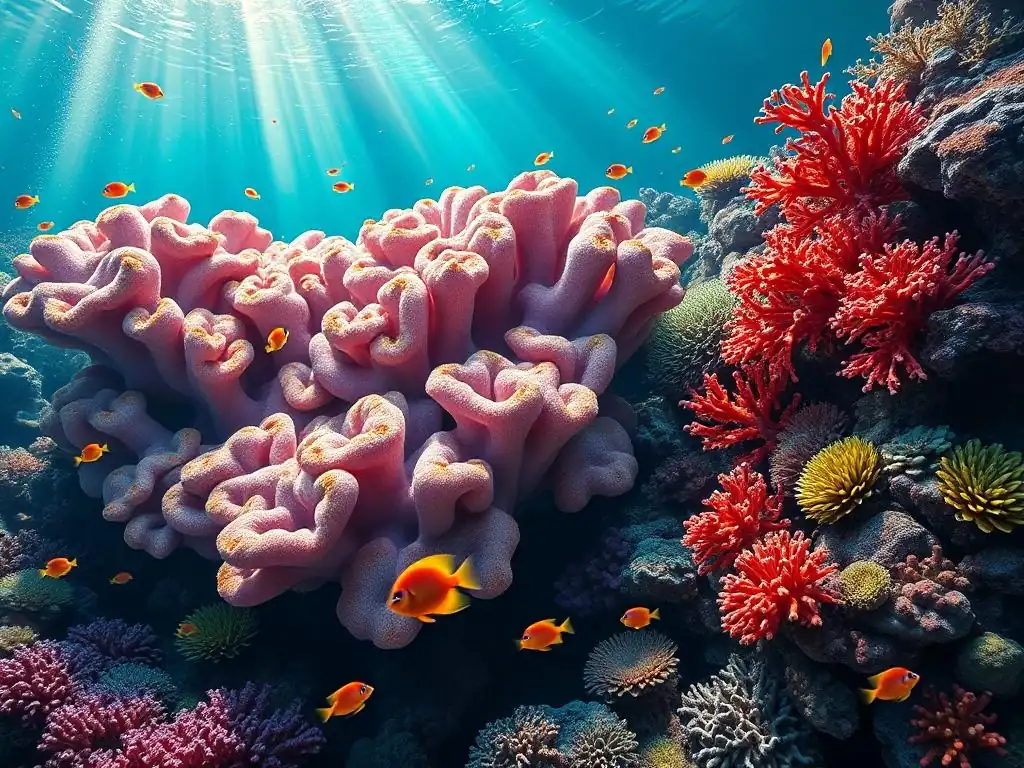
Welcome to Aquarium Mastery!
Ready to unlock the secrets to thriving coral reefs in your own home? Mushroom corals – Discosoma, Rhodactis, and Ricordea – are captivating additions to any saltwater aquarium. But mastering their care can feel like a mystery. This Discosoma coral care guide dives deep into everything you need to know, from ideal water parameters to fragging techniques. Curious to learn how to make these colorful corals flourish? Dive in and discover the magic!
- Introduction to Mushroom Corals: Discosoma, Rhodactis, and Ricordea
- Discosoma Coral Care Guide: The Basics
- Rhodactis Coral Care: Maximizing Growth and Color
- Ricordea Coral Care: A Complete Overview
- Mushroom Coral Placement in Your Reef Tank
- Feeding Mushroom Corals: A Nutritional Guide
- Common Problems and Solutions in Mushroom Coral Care
- Mushroom Coral Propagation: Fragging Techniques
- Choosing the Right Mushroom Coral for Your Aquarium
- Enhancing Mushroom Coral Coloration
- Conclusion: Mastering Mushroom Coral Care
-
Frequently Asked Questions
- What are the main types of mushroom corals covered in this guide?
- What are the ideal water parameters for Discosoma coral care?
- How much lighting do Discosoma corals require?
- What should I feed my Discosoma corals?
- What are some common problems encountered in Discosoma coral care, and how can I address them?
- Final Reflection: Unveiling the Underwater Garden
- Unleash the Vibrant Reef Keeper Within!
Introduction to Mushroom Corals: Discosoma, Rhodactis, and Ricordea
Understanding the Appeal of Mushroom Corals in Reef Aquariums
Mushroom corals, encompassing genera like Discosoma, Rhodactis, and Ricordea, are among the most popular choices for both novice and experienced reef aquarists. Their appeal stems from their relative ease of care, making them an excellent entry point into keeping soft corals. Unlike some more demanding SPS or LPS corals, mushrooms are generally forgiving of minor fluctuations in water parameters and can thrive in a variety of tank environments, making them a staple for mixed reef tanks. Their diverse range of colors, patterns, and textures, from smooth blues to bubbly, multi-colored oranges, adds significant aesthetic value.
Furthermore, mushroom corals often exhibit impressive resilience and can propagate readily under optimal conditions, allowing aquarists to grow their colonies and even share frags. This natural propagation contributes to a dynamic and evolving reef landscape, providing a rewarding experience for hobbyists. Their ability to adapt to different lighting and flow regimes, coupled with their vibrant appearance, solidifies their position as a versatile and visually striking addition to any reef aquarium setup.
Quick Overview: Discosoma vs. Rhodactis vs. Ricordea
Discosoma mushrooms are often characterized by their smooth or slightly textured oral disc and generally uniform coloration, though iridescent varieties are common. They tend to be one of the more robust and faster-growing types of mushroom corals, frequently reproducing by budding or splitting. Their straightforward Discosoma coral care guide makes them ideal for beginners, as they are less sensitive to light and flow variations.
Rhodactis corals, in contrast, typically feature a more textured surface, often with small bumps, warts, or even elongated tentacles, giving them a more rugged or fuzzy appearance. They exhibit a wider array of patterns and colors compared to Discosoma, including striking stripes, spots, and intricate marbling. While still relatively hardy, some Rhodactis species can be more particular about their placement and water quality than their Discosoma counterparts, requiring a slightly more nuanced approach to their care.
Ricordea mushrooms are arguably the most visually distinct, known for their highly textured, often bubbly or granular oral disc, which gives them a unique, almost cauliflower-like appearance. They are renowned for their incredibly vibrant and often multi-colored pigmentation, with individual polyps displaying several different hues. Ricordea tend to be slower growing and can be more demanding regarding stable water parameters and specific lighting, positioning them as a slightly more advanced mushroom coral to keep, particularly the highly sought-after Florida and Yuma varieties.
Discosoma Coral Care Guide: The Basics
What are Discosoma Corals? A Detailed Profile
Discosoma corals are a genus of mushroom anemones, belonging to the order Corallimorpharia, which are often mistaken for anemones due to their soft, fleshy bodies and lack of a calcified skeleton. They are characterized by their circular or oval disc-like shape, which can range in size from a small button of about 1 inch (2.5 cm) up to a plate-sized specimen of 6 inches (15 cm) or more in diameter.
Their surface can be smooth, slightly bumpy, or even feature small, radiating tentacles, depending on the specific species and strain. These corals are widely distributed across tropical reef environments, found in the Indo-Pacific, Atlantic, and Caribbean waters, typically inhabiting shaded or lower-light areas of the reef.
Their resilience and adaptability make them a cornerstone of many reef tanks, serving as an excellent choice for a beginner's Discosoma coral care guide. Discosoma corals come in an astonishing array of colors, from basic browns and greens to brilliant blues, reds, oranges, and purples, often exhibiting an iridescent sheen that makes them glow under actinic lighting. They primarily derive nutrition from their symbiotic zooxanthellae, but can also absorb dissolved organic matter and capture small particulate food from the water column.
Ideal Water Parameters for Discosoma Coral Health
Maintaining stable and appropriate water parameters is paramount for the long-term health and vibrancy of Discosoma corals. Salinity should be kept within a range of 1.024 to 1.026 specific gravity, ideally with minimal fluctuations. Temperature stability is also crucial, with an optimal range of 75-79°F (24-26°C).
While Discosoma are forgiving, sudden temperature swings can stress them. Alkalinity (dKH) should be maintained between 8-12 dKH, calcium (Ca) between 400-450 ppm, and magnesium (Mg) between 1250-1350 ppm. Although they are soft corals and do not build a stony skeleton, these parameters are vital for overall cellular function and the health of their zooxanthellae.
Beyond the major parameters, keeping nutrient levels low is beneficial, though Discosoma can tolerate slightly higher nutrient levels than some SPS corals. Nitrates should ideally be below 10 ppm, and phosphates below 0.03 ppm. Regular water changes, typically 10-20% bi-weekly, using high-quality saltwater, are often sufficient to replenish trace elements and export waste, contributing significantly to a successful Discosoma coral care guide. Consistent monitoring with reliable test kits ensures these parameters remain within the optimal range, preventing stress and promoting robust growth.
Lighting Requirements for Thriving Discosoma Mushrooms
Discosoma corals are generally considered low to moderate light corals, making them suitable for a wide range of reef tank setups, including those with less intense lighting systems. They typically thrive under PAR (Photosynthetically Active Radiation) levels ranging from 50 to 150. Placing them in areas of the tank with excessive light, such as directly under high-output LEDs or metal halides, can cause them to shrink, bleach, or exhibit a faded appearance. Conversely, insufficient light can lead to a loss of vibrant coloration and slow or stunted growth, as their symbiotic algae struggle to photosynthesize effectively.
When introducing new Discosoma corals or upgrading lighting, it is crucial to acclimate them gradually. Start them in a lower-light area of the tank, perhaps on the sandbed or shaded by rockwork, and slowly move them to their desired position over several days or weeks. This gradual acclimation prevents light shock and allows the zooxanthellae to adjust. For a comprehensive Discosoma coral care guide, remember that their color often dictates light preference; brighter, more iridescent varieties may tolerate slightly higher PAR than their duller counterparts, but moderation is always key.
Flow Requirements for Discosoma Coral
Water flow is another critical environmental factor for Discosoma coral health, and they generally prefer low to moderate, indirect flow. High or turbulent flow can be detrimental, causing the corals to remain constantly contracted, detach from their substrate, or even become physically damaged. Strong, direct currents can also prevent them from fully extending their oral disc, which inhibits their ability to capture food particles and expel waste efficiently. The ideal flow allows the coral to gently sway and undulate, facilitating gas exchange and nutrient delivery without causing stress.
Placement within the tank should consider existing powerheads and return pumps to ensure the Discosoma are not in a direct blast zone. Areas with calmer, more laminar flow are typically best. If the coral appears shrunken or continually deflated, it may be experiencing too much flow, and relocation to a more sheltered spot is advisable. Proper flow also helps to keep detritus from settling on the coral's surface, which can lead to irritation and tissue necrosis. Adhering to these flow recommendations is a vital component of any effective Discosoma coral care guide.
Rhodactis Coral Care: Maximizing Growth and Color
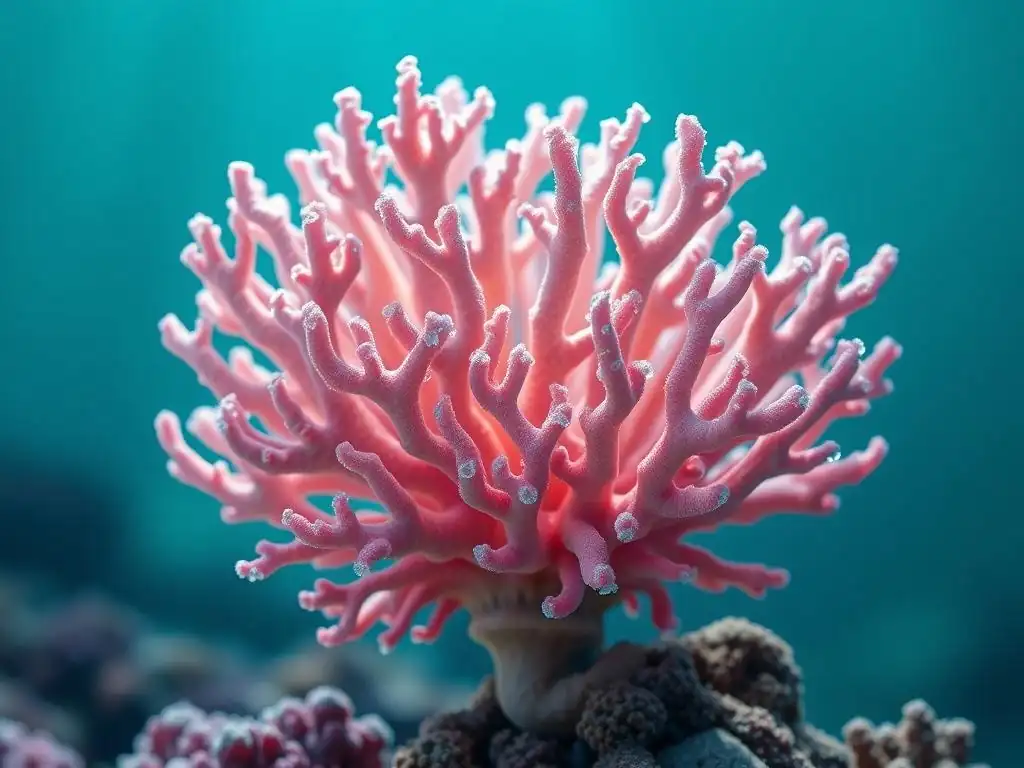
Rhodactis Coral Identification: Differentiating Species
Rhodactis corals are diverse, with species exhibiting a wide range of textures, from smooth to heavily textured with various papillae, bumps, or short tentacles. Differentiating them from Discosoma often comes down to this surface texture; Rhodactis typically have a more complex or "warty" appearance. Common species include Rhodactis indosinensis (often called "hairy mushrooms" due to their fine, hair-like extensions), Rhodactis inchoata (known for its bubble-like texture), and Rhodactis rhodostoma (which can have a more convoluted or folded appearance). Their oral discs can also be larger than many Discosoma species, sometimes reaching 8 inches (20 cm) or more in diameter.
Coloration in Rhodactis is incredibly varied, ranging from deep greens and browns to vibrant blues, reds, purples, and even multi-colored "jawbreaker" patterns. Some exhibit iridescent qualities, while others have distinct contrasting patterns on their disc and oral tentacles. Identifying specific species can be challenging due to the high variability within the genus and common mislabeling in the hobby.
However, observing the specific texture, the presence and nature of any papillae or tentacles, and the overall color pattern are key indicators for differentiation. This detailed understanding is crucial for optimizing Rhodactis coral care, as some species may have slightly different preferences.
Optimal Lighting for Rhodactis Mushroom Corals
Like Discosoma, Rhodactis corals are generally considered low to moderate light inhabitants, though some vibrant strains may appreciate slightly higher PAR. A good target PAR range for most Rhodactis species is between 75 and 175. Too much light can cause them to bleach, leading to a loss of color, or shrink significantly, potentially detaching from their substrate. Signs of excessive light include a pale or washed-out appearance, shriveling, or a constant state of contraction. Conversely, insufficient light will result in dull coloration and slow growth, as their symbiotic zooxanthellae struggle to produce enough energy.
Placement is key to providing optimal lighting. Rhodactis generally thrive on the sandbed or lower to mid-rockwork, often in areas that receive indirect or diffused light. If housed in a tank with high-intensity lighting for other corals, ensure they are shaded by rock overhangs or placed in less illuminated zones. Acclimation is vital when introducing new Rhodactis or changing lighting; gradually moving them from a shaded area to their desired spot over a week or two can prevent light shock and ensure their long-term health and vivid coloration.
Water Flow and Placement for Rhodactis Corals in Reef Tanks
Rhodactis corals prefer gentle to moderate water flow, similar to Discosoma. Strong, direct flow can cause them significant stress, leading to constant contraction, failure to fully extend, and potential detachment from their frag plug or rockwork. The ideal flow allows the coral's body to gently undulate without being violently buffeted. This type of flow helps to prevent detritus accumulation on their textured surfaces, facilitates gas exchange, and brings microscopic food particles within their reach.
When considering placement, avoid areas directly in front of powerheads or return nozzles. Instead, choose locations where the water circulation is more diffuse, perhaps behind a rock or in a corner of the tank where the flow is calmer. If a Rhodactis coral appears deflated or consistently shrunken, it's often a sign of excessive flow, and relocating it to a more sheltered spot can quickly resolve the issue. Proper placement with appropriate water flow is a critical aspect of successful Rhodactis coral care, promoting extension, vibrant color, and healthy growth.
Rhodactis Coral Feeding: What and How Often
While Rhodactis corals primarily rely on photosynthesis from their zooxanthellae for energy, supplemental feeding can significantly enhance their growth, coloration, and overall vitality. They are carnivorous and will readily consume small zooplankton, phytoplankton, and other particulate matter from the water column. Many aquarists observe improved health and faster propagation when feeding is incorporated into their routine.
Target feeding small, meaty foods such as finely chopped mysis shrimp, brine shrimp, or specialized coral foods designed for soft corals can be highly beneficial. Feeding can be done once or twice a week, or even bi-weekly, depending on the coral's appearance and the overall nutrient levels in the tank. Disperse the food near the coral, allowing it to capture the particles with its oral disc.
Some Rhodactis species, especially those with more pronounced tentacles or texture, are more efficient feeders. Observe your corals' response to feeding; a good sign is their expansion and "munching" motion when food is present.
Ricordea Coral Care: A Complete Overview
Ricordea Coral Varieties: Florida Ricordea vs. Yuma Ricordea
Ricordea corals are highly prized for their unique texture and dazzling array of colors, with two primary varieties dominating the hobby: Florida Ricordea ( Ricordea florida) and Yuma Ricordea ( Ricordea yuma). Florida Ricordea are typically found in the Caribbean and Atlantic, characterized by their distinct, bubble-like vesicles that cover the entire oral disc. They often exhibit incredible multi-coloration, with different hues on their vesicles, mouth, and base, making each polyp a miniature work of art. Their size can range from 1 to 3 inches (2.5-7.5 cm) in diameter.
Yuma Ricordea ( Ricordea yuma) originate from the Indo-Pacific and generally have more elongated, finger-like, or granular vesicles that are less uniform in shape than Florida Ricordea. While also brilliantly colored, Yumas often display a slightly different palette and pattern, sometimes appearing more iridescent or having a more metallic sheen. They can also grow larger, occasionally reaching 4-5 inches (10-12.5 cm). Both varieties are highly sought after, but Yumas are sometimes considered slightly more sensitive to water quality and light, requiring a more precise approach to their care to maintain their vibrant appearance.
Maintaining Ideal Water Quality for Ricordea Corals
Ricordea corals, particularly the highly prized Yuma varieties, are more sensitive to fluctuations in water parameters than their Discosoma and Rhodactis cousins. Stability is absolutely critical for their long-term health and vibrant coloration. Salinity should be meticulously maintained at 1.025-1.026 specific gravity, with minimal daily swings. Temperature should be consistently kept between 76-78°F (24.5-25.5°C). While they are soft corals, maintaining stable alkalinity (8-10 dKH), calcium (400-440 ppm), and magnesium (1280-1350 ppm) is still important for their overall physiological processes and the health of their symbiotic zooxanthellae.
Perhaps most critically, Ricordea thrive in ultra-low nutrient systems. Nitrates should be kept as close to 0 ppm as possible, ideally below 2 ppm, and phosphates should be undetectable or below 0.02 ppm. Higher nutrient levels can lead to tissue recession, browning, or a general decline in health. Regular small water changes (e.g., 10% weekly) with high-quality RO/DI water and premium salt mix are highly recommended to ensure pristine water conditions and replenish essential trace elements, which are vital for a successful Ricordea coral care strategy.
Proper Lighting and Placement for Ricordea Health
Ricordea corals generally prefer moderate lighting, with PAR levels typically ranging from 75 to 150. While they can tolerate lower light, too little light can lead to dull coloration and slow growth. Conversely, excessive light, especially sudden exposure to high PAR, can cause them to bleach, shrink, or even melt. Signs of too much light include a pale, washed-out appearance, constant shrinking, or the polyps appearing "tight" and not fully extended.
Placement in the tank should be carefully considered. Ricordea often do best on the sandbed or on lower to mid-rockwork, in areas that receive diffused or indirect light. If your tank has very strong lighting, consider placing them under an overhang or in a shaded crevice. Acclimation is paramount; when introducing new Ricordea or changing tank lighting, always start them in a very low-light area and gradually move them to their desired spot over several weeks. This slow process allows their zooxanthellae to adjust, preventing stress and preserving their brilliant colors.
Ricordea Coral Feeding Strategies
While Ricordea corals primarily derive energy from their symbiotic zooxanthellae through photosynthesis, supplemental feeding is highly beneficial and can significantly boost their growth, health, and color vibrancy. They are micro-carnivores, capable of capturing small food particles from the water column. Unlike some other corals, their unique bubbly texture allows them to effectively trap and ingest food.
Target feeding once or twice a week is recommended. Offer very fine particulate foods such as copepods, rotifers, enriched brine shrimp nauplii, or specialized coral foods designed for filter feeders. Turn off powerheads during feeding to prevent the food from being immediately swept away. Gently squirt the food near the Ricordea polyp, allowing it to settle on its oral disc. Observe their feeding response; a healthy Ricordea will typically expand and show a feeding reaction within minutes. Consistent, appropriate feeding can lead to faster propagation and more intense coloration, making it a valuable part of comprehensive Ricordea coral care.
Mushroom Coral Placement in Your Reef Tank
Choosing the Right Location for Discosoma Corals
When considering Discosoma coral placement, their tolerance for a range of conditions makes them quite versatile. They generally prefer low to moderate light and gentle, indirect water flow. A good starting point is on the sandbed or attached to small pieces of live rock in the lower to mid-sections of your aquarium. Avoid placing them directly under high-intensity lighting or in areas with strong, turbulent flow, as this can cause them to shrink, detach, or bleach.
Consider their potential for propagation. Discosoma mushrooms can reproduce rapidly by budding or splitting, and if left unchecked, they can quickly spread over rockwork and even onto the sandbed. If you wish to contain their growth, place them on an isolated rock or a dedicated "mushroom island" on the sand, away from other corals they might irritate or shade out. This strategic placement is a key aspect of a long-term Discosoma coral care guide, preventing them from overrunning your reef.
Best Placement Practices for Rhodactis Mushrooms
Rhodactis corals, with their more textured surfaces, also prefer low to moderate light and gentle water flow. Similar to Discosoma, they are best placed on the sandbed or on the lower to mid-rockwork. However, some Rhodactis species can be slightly more sensitive to direct light or excessive flow, so observing their initial reaction to placement is crucial. If a Rhodactis appears shrunken, pale, or consistently deflated, it likely needs to be moved to a shadier or calmer area.
Due to their often larger size and potential for aggressive growth and chemical allelopathy (releasing toxins to inhibit other corals), it's wise to provide Rhodactis with ample space. Keep them away from sensitive SPS or LPS corals, as they can sting or chemically irritate neighbors. Placing them on a dedicated piece of rock or in a designated "soft coral zone" can prevent unwanted interactions and ensure all corals in your tank thrive.
Ricordea Coral Placement for Optimal Growth and Coloration
Ricordea corals, especially the vibrant Florida and Yuma varieties, thrive in stable conditions with moderate lighting and very gentle water flow. They are best placed on the sandbed or securely attached to small, stable pieces of rock in the lower to mid-levels of the aquarium. Avoid high flow areas, which can cause them to detach or remain closed. Direct, intense lighting should also be avoided, as Ricordea are prone to bleaching if exposed to too much PAR too quickly.
Given their slower growth rate and higher value, securing Ricordea to a stable substrate is particularly important to prevent them from being dislodged or lost. They are generally peaceful but should still be given adequate space to fully extend and prevent potential competition with other corals. Proper placement ensures they receive the optimal balance of light and flow, which is fundamental to maintaining their stunning coloration and promoting healthy growth in a comprehensive Ricordea coral care setup.
Feeding Mushroom Corals: A Nutritional Guide
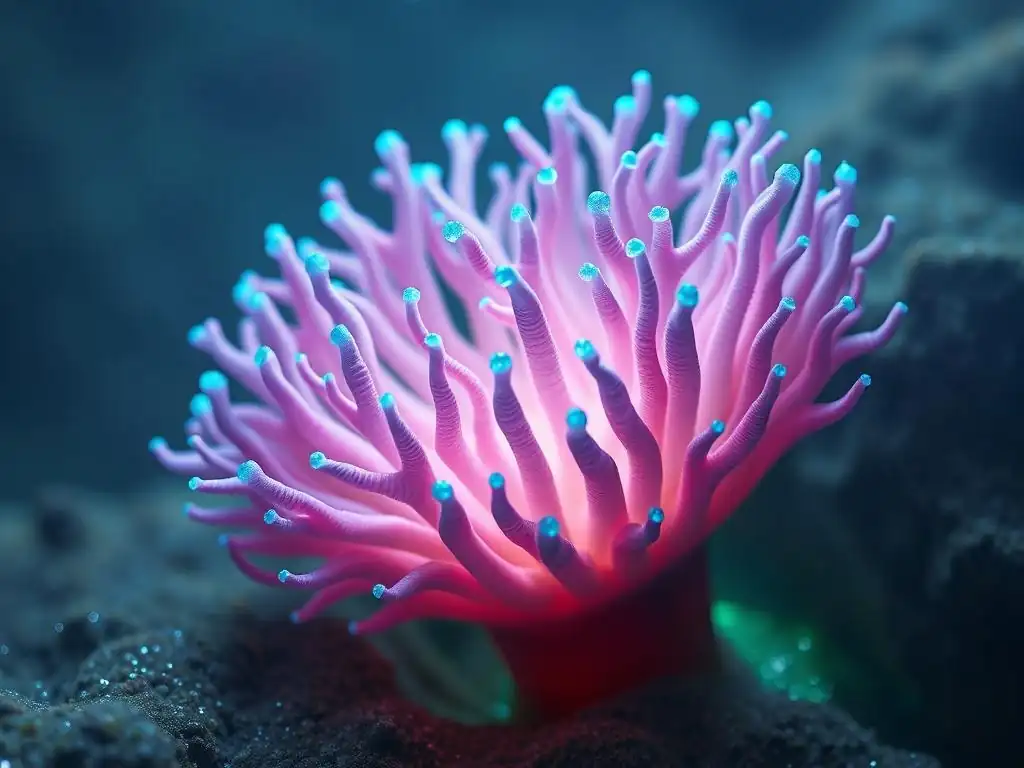
Understanding the Dietary Needs of Discosoma
While Discosoma corals are primarily photosynthetic, deriving the majority of their energy from their symbiotic zooxanthellae, they are also facultative filter feeders. This means they can supplement their diet by capturing small particulate matter from the water column. In a well-established reef tank with a healthy population of copepods and other micro-fauna, Discosoma may not require direct target feeding. However, providing supplemental nutrition can significantly enhance their growth rate, improve coloration, and promote more frequent propagation.
They respond well to very fine-sized foods. Options include liquid phytoplankton, finely crushed flake food, powdered coral foods designed for filter feeders, or very finely chopped mysis shrimp or brine shrimp. Feeding once or twice a week is usually sufficient. Disperse the food in the water column near the Discosoma, or gently squirt a small amount directly onto their oral disc. Observe their reaction; a healthy Discosoma will typically expand and show a slight "munching" motion as it ingests the food, a clear sign that this aspect of the Discosoma coral care guide is being well-received.
Feeding Techniques for Rhodactis Corals
Rhodactis corals are also primarily photosynthetic but benefit greatly from supplemental feeding, often showing more aggressive feeding responses than Discosoma due to their more textured surfaces or prominent tentacles. Their diet consists of small zooplankton, phytoplankton, and other suspended organic particles. Providing a consistent feeding regimen can lead to faster growth, more vibrant colors, and increased propagation.
Target feeding is the most effective method for Rhodactis. Use a pipette or turkey baster to deliver small amounts of food directly to the coral. Suitable foods include finely chopped mysis shrimp, enriched brine shrimp, copepods, rotifers, or specialized powdered coral foods.
Feeding should occur once or twice a week, ideally when the tank lights are dim or off, as many planktonic organisms are more active at night. Turn off powerheads briefly during feeding to prevent the food from being immediately dispersed. Observe the coral's response; the tentacles or surface papillae will often extend and move to capture the food, indicating successful ingestion and good Rhodactis coral care.
Supplementing Ricordea Coral Diets
Ricordea corals, particularly the highly valued Florida and Yuma varieties, are enthusiastic feeders and benefit significantly from regular supplemental feeding. While their zooxanthellae provide primary nutrition, direct feeding contributes to their unique coloration and robust health. They are micro-carnivores, efficiently capturing very small food particles with their distinctive bubbly or granular oral discs.
Target feeding Ricordea is highly recommended. Use a pipette or similar device to gently deliver minute amounts of food directly onto the coral's disc. Ideal foods include copepods, rotifers, enriched brine shrimp nauplii, and high-quality liquid or powdered coral foods specifically formulated for filter feeders.
Feeding two to three times a week can yield impressive results in terms of growth and color intensity. Ensure powerheads are temporarily off during feeding to allow the food to settle on the coral. A healthy Ricordea will expand its vesicles and actively "pull in" the food, showcasing its efficient feeding mechanism and validating your Ricordea coral care efforts.
Common Problems and Solutions in Mushroom Coral Care
Identifying and Treating Discosoma Coral Issues
Despite their hardiness, Discosoma corals can encounter issues, often linked to environmental stress. One common problem is shrinking or bleaching. Shrinking, where the coral appears much smaller than usual, is often a sign of excessive light or flow. Solution: Move the coral to a shadier, calmer area of the tank. Bleaching, a loss of color, indicates severe stress, usually from too much light or poor water quality. Solution: Gradually move to lower light, check parameters (especially nitrates/phosphates), and perform a water change.
Another issue can be tissue recession or "melting," where the coral's flesh appears to disintegrate. This is often caused by severe parameter swings, high nutrient levels, or bacterial infections. Solution: Immediately check all water parameters for stability, perform a large water change (20-30%), and ensure low nitrates/phosphates. If a bacterial infection is suspected, increasing flow around the affected coral and maintaining pristine water quality can help. Isolation in a quarantine tank might be necessary in severe cases, but prevention through stable Discosoma coral care is always best.
Addressing Rhodactis Coral Health Problems
Rhodactis corals can face similar problems to Discosoma, but some species might be slightly more prone to certain issues. Shrinking or shriveling is a common response to stress, often from too much light, excessive flow, or sudden changes in water chemistry. Solution: Relocate the coral to a lower-light, calmer area, and ensure water parameters (salinity, temperature, alkalinity) are stable and within optimal ranges.
Browning or loss of vibrant color can indicate insufficient light or high nutrient levels. Solution: Gradually increase light exposure within their preferred PAR range (75-175) or enhance nutrient export through water changes and proper filtration. Unlike Discosoma, Rhodactis can sometimes be more susceptible to bacterial infections, which might manifest as a slimy coating or tissue necrosis. Solution: Maintain excellent water quality, consider activated carbon, and ensure good flow around the affected coral. In some severe cases, a dip in an antiseptic solution designed for corals might be considered, but always research carefully before attempting.
Troubleshooting Ricordea Coral Ailments
Ricordea corals, being generally more sensitive, can present specific challenges. Bleaching, where the vibrant colors fade to a pale or translucent state, is a significant concern, often caused by too much light or sudden changes in lighting intensity. Solution: Immediately move the Ricordea to a shaded area or the bottom of the tank and slowly acclimate it back to appropriate lighting over several weeks.
Shrinking or failure to inflate fully is another common ailment, frequently linked to unstable water parameters, particularly elevated nitrates or phosphates. Solution: Rigorously test and stabilize all water parameters, aiming for ultra-low nutrient levels. Perform small, frequent water changes. "Melting" or tissue necrosis can occur due to severe stress from poor water quality, bacterial infections, or aggression from neighboring corals. Solution: Isolate the affected Ricordea if possible, ensure pristine water conditions, and verify no other corals are irritating it. Understanding these specific issues is crucial for effective Ricordea coral care and ensuring their longevity.
Mushroom Coral Propagation: Fragging Techniques
Fragging Discosoma Corals: A Step-by-Step Guide
Fragging Discosoma corals is relatively straightforward and one of the easiest soft corals to propagate, making it a popular activity for aquarists looking to expand their collection or trade with others. The most common method involves simply cutting the mushroom.
- Preparation: Gather your tools: a sharp, clean razor blade or scalpel, a cutting board or flat surface (non-porous), and a container of tank water. Wear gloves to protect your hands and the coral.
- Cutting: Gently remove the Discosoma from its substrate. Place it on the cutting surface. Make a clean cut through the oral disc, ensuring each piece has a portion of the central mouth or at least a significant part of the disc. You can cut a single mushroom into two or more pieces, depending on its size.
- Healing & Attachment: Place the cut pieces in a low-flow, shaded area of your tank or a dedicated frag tank. Many aquarists place them in a small container with rubble or sand, weighted down with a small piece of mesh, to allow them to reattach naturally. This process can take a few days to several weeks. Once attached, they can be moved to their permanent location. This simple technique is a core part of any advanced Discosoma coral care guide for propagation.
Propagating Rhodactis Mushrooms Safely
Propagating Rhodactis mushrooms is similar to Discosoma, often involving direct cutting, though some species may be slightly more delicate.
- Tools & Environment: As with Discosoma, use a very sharp, sterile razor blade or scalpel. Prepare a clean, non-porous cutting surface and a container of tank water. Maintain strict cleanliness to prevent infection.
- The Cut: Carefully remove the Rhodactis from its attachment point. Place it on your cutting surface and make a decisive cut through the oral disc. Ensure each frag has a decent portion of the original tissue and, ideally, a part of the mouth or central disc for faster recovery. For larger specimens, you might achieve multiple frags.
- Post-Cut Care: Immediately after cutting, place the frags in a low-flow, shaded area of your tank or a dedicated frag tank. Many hobbyists use a "frag box" or a small container with rubble or sand, sometimes covered with mesh, to encourage reattachment. Rhodactis frags may take a few days to a few weeks to fully heal and securely attach to a new frag plug or piece of rubble. Patience and stable water conditions are key to successful propagation.
How to Frag Ricordea Corals for Successful Growth
Fragging Ricordea corals, while possible, requires more care and precision than Discosoma or Rhodactis due to their typically slower growth and higher value. The process is similar, involving cutting the oral disc.
- Preparation is Key: Ensure your razor blade or scalpel is exceptionally sharp and sterile. Have a clean cutting surface and a container of tank water ready. Work quickly and carefully to minimize stress to the coral.
- The Cut: Gently detach the Ricordea from its substrate. Place it on the cutting surface. Make a swift, clean cut through the oral disc, aiming to create two or more viable pieces, each with a portion of the mouth or central disc if possible. Some aquarists prefer to cut from the edge inward, creating wedge-shaped frags.
- Reattachment and Healing: After cutting, place the Ricordea frags in a low-flow, shaded area of your tank or a frag tank. They are often placed in a small container with a few pieces of rubble or a frag plug, sometimes covered with a plastic mesh to prevent them from floating away. Ricordea can take longer to reattach compared to other mushrooms, sometimes several weeks. During this period, maintain pristine water quality and avoid any direct strong flow. Successful propagation is a hallmark of advanced Ricordea coral care.
Choosing the Right Mushroom Coral for Your Aquarium
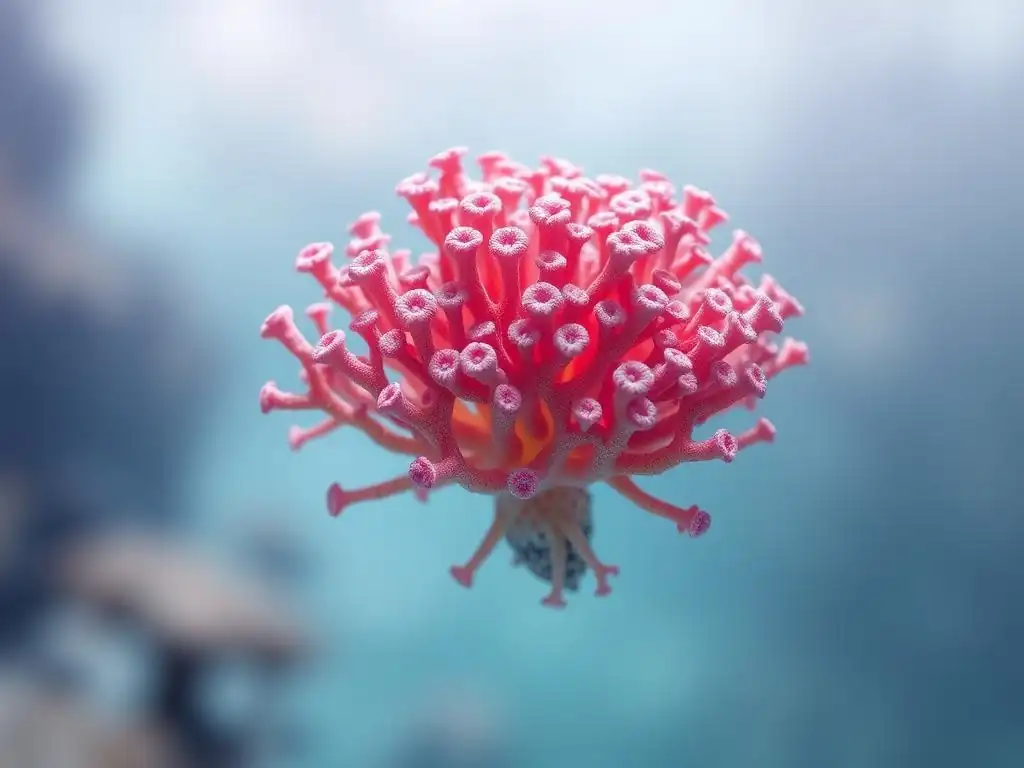
Selecting Healthy Discosoma Corals
When selecting Discosoma corals for your aquarium, prioritize health over immediate color. A healthy Discosoma should be fully inflated and extended, showing no signs of shrinking, tearing, or bleaching. Its color should be vibrant and consistent for its specific type, without any pale or translucent patches. Observe its response to light; it should look comfortable and not be overly shrunken or stressed.
Avoid Discosoma that are shriveled, have torn edges, or show any signs of tissue recession or a white, slimy film. These are indicators of poor health or recent stress. Ask the vendor about their acclimation process and the conditions the coral was kept in. A reputable vendor will have healthy, well-cared-for specimens. Choosing a healthy Discosoma from the start significantly contributes to an easy and rewarding Discosoma coral care guide experience.
Identifying Quality Rhodactis Mushroom Corals
Identifying quality Rhodactis mushrooms involves assessing their overall health and confirming their desired characteristics. Look for polyps that are fully expanded, with their textures (warts, bumps, tentacles) clearly visible and distinct. Their coloration should be rich and saturated, not dull or faded. Avoid any Rhodactis that are shrunken, have holes, or show signs of tissue decay or browning.
Pay close attention to the surface. Healthy Rhodactis should not have any visible pests, algae growth on their tissue, or signs of irritation. Inquire about the specific species or strain if possible, as some Rhodactis can be more sensitive than others. A well-acclimated, vibrant Rhodactis that readily expands in the store's tank is a good indicator of a healthy specimen that will thrive with proper Rhodactis coral care in your home aquarium.
Finding Vibrant Ricordea Corals for Your Reef
Finding vibrant Ricordea corals requires careful inspection due to their higher price point and sensitivity. A high-quality Ricordea should be fully inflated, with its characteristic bubbly or granular texture clearly defined and plump. Its colors should be intense and multi-hued, with no signs of fading, browning, or bleaching. Ensure the oral disc is intact and free from tears or damage.
Avoid Ricordea that appear shrunken, limp, or have any signs of tissue recession, white patches, or unusual discoloration. Also, be wary of polyps that are covered in algae or appear to have pest infestations. Ask the vendor about the specific variety (Florida vs. Yuma) and their husbandry practices. A healthy, robust Ricordea from a reputable source will adapt better to your tank and reward your diligent Ricordea coral care with stunning beauty.
Enhancing Mushroom Coral Coloration
Lighting Strategies for Vibrant Mushroom Coral Colors
Lighting plays a pivotal role in enhancing the coloration of mushroom corals. While Discosoma, Rhodactis, and Ricordea are generally considered low to moderate light corals, optimizing the spectrum and intensity within their preferred PAR range can significantly boost their pigments. Blue and actinic spectrums (420-470nm) are particularly effective at making fluorescent pigments pop, often revealing hidden iridescence in Discosoma and intensifying the blues and purples in Rhodactis and Ricordea.
Experiment with placement: sometimes a slightly higher, but still moderate, PAR level (e.g., 100-150 PAR) can encourage brighter colors, provided the coral is slowly acclimated to prevent bleaching. Conversely, if corals appear dull or brown, they might need more light or a different spectrum. Using LED fixtures with adjustable channels allows fine-tuning of the light recipe to bring out the best in your mushrooms, a key strategy in any advanced Discosoma coral care guide focused on aesthetics.
Water Chemistry's Role in Mushroom Coral Pigmentation
Pristine and stable water chemistry is fundamental for vibrant mushroom coral coloration. High levels of nitrates and phosphates, even within tolerable ranges for the coral's survival, can lead to browning or a dulling of colors, as these nutrients can promote the overgrowth of zooxanthellae, masking the coral's natural pigments. Maintaining ultra-low nutrient levels (nitrates below 5 ppm, phosphates below 0.03 ppm) is crucial for optimal color expression.
Beyond basic parameters, the presence of various trace elements, such as iodine, potassium, and iron, can also influence coral pigmentation. While these are typically replenished through regular water changes with a high-quality salt mix, some aquarists opt for targeted dosing. However, caution is advised with trace element dosing, as overdosing can be detrimental. Consistent monitoring of parameters and a focus on nutrient export through effective filtration and water changes are the safest and most effective ways to support vivid coloration.
Additives and Supplements to Boost Mushroom Coral Color
While a balanced diet and optimal water parameters are the primary drivers of mushroom coral coloration, certain additives and supplements can sometimes provide an additional boost. Products containing trace elements like iodine, potassium, and iron are often marketed for color enhancement. Iodine, for instance, is believed by some to play a role in blue and purple pigments, while potassium can influence red and pink hues. However, scientific evidence directly linking specific trace elements to mushroom coral coloration is often anecdotal.
Amino acid supplements can also be beneficial. Corals use amino acids as building blocks for proteins, including the fluorescent proteins responsible for their vibrant colors. Dosing liquid amino acids, especially after a water change or in a low-nutrient system, can provide these essential compounds, potentially leading to improved color and growth. Always follow manufacturer instructions carefully and start with lower doses, observing your corals' response. Overdosing can lead to adverse effects, including nuisance algae growth or coral stress.
Conclusion: Mastering Mushroom Coral Care
The Joy of Keeping Discosoma, Rhodactis, and Ricordea Corals
Mastering the care of Discosoma, Rhodactis, and Ricordea corals brings immense joy and visual splendor to any reef aquarium. Their diverse textures, from the smooth elegance of Discosoma to the warty charm of Rhodactis and the bubbly allure of Ricordea, combined with an astonishing palette of colors, make them captivating inhabitants. Their relatively forgiving nature, especially Discosoma, makes them accessible to beginners, while the nuances of Ricordea care offer a rewarding challenge for more experienced aquarists. Witnessing their daily expansion, observing their feeding responses, and seeing their colonies propagate fills the hobbyist with a unique sense of accomplishment.
Beyond their beauty, these mushroom corals contribute to the ecological balance and visual diversity of a mixed reef tank. Their ability to thrive in various conditions and their generally peaceful demeanor (with proper spacing) allow them to integrate seamlessly into diverse coral landscapes. The satisfaction derived from maintaining a thriving mushroom coral collection, filled with vibrant hues and interesting forms, truly embodies the magic of the reef aquarium hobby.
Further Resources for Mushroom Coral Enthusiasts
For those looking to delve deeper into the fascinating world of mushroom corals and refine their Discosoma coral care guide techniques, a wealth of resources is available. Online forums and dedicated reef keeping communities provide platforms for sharing experiences, asking questions, and learning from fellow aquarists. Websites like AquariumMastery.com offer detailed species profiles, maintenance schedules, and troubleshooting guides, providing a complete resource for aquarists of all levels.
Books specifically dedicated to soft coral husbandry or comprehensive reef aquarium guides often contain valuable insights into the biology, care, and propagation of Discosoma, Rhodactis, and Ricordea. Attending local aquarium club meetings or frag swaps can also be highly beneficial, offering opportunities to see different strains in person, discuss care techniques with experienced hobbyists, and acquire new specimens. Continuous learning and observation are key to long-term success and truly mastering the art of mushroom coral care.
Frequently Asked Questions
What are the main types of mushroom corals covered in this guide?
This guide primarily focuses on Discosoma, Rhodactis, and Ricordea corals. These are all types of mushroom corals commonly kept in reef aquariums.
What are the ideal water parameters for Discosoma coral care?
Discosoma corals generally thrive in stable reef aquarium conditions. Maintain a temperature between 72-78°F, a salinity of 1.024-1.026, and stable alkalinity. Regular water changes are also crucial.
How much lighting do Discosoma corals require?
Discosoma corals are relatively adaptable but generally prefer low to moderate lighting. Too much light can cause bleaching, so careful acclimation is important.
What should I feed my Discosoma corals?
While Discosoma corals can get nutrients from photosynthesis, supplementing with small meaty foods like mysis shrimp or coral-specific foods can enhance their growth and coloration.
What are some common problems encountered in Discosoma coral care, and how can I address them?
Common issues include bleaching (due to excessive light or unstable water parameters), and pest infestations. Address these issues by adjusting lighting, stabilizing water parameters, and implementing appropriate pest control methods.
Final Reflection: Unveiling the Underwater Garden
The journey through the vibrant world of mushroom corals, from the resilient Discosoma to the captivating Ricordea, reveals more than just reef-keeping techniques; it illuminates the delicate balance of our marine ecosystems. Understanding the nuances of Discosoma coral care is not merely about maintaining a beautiful aquarium, but about fostering a deeper appreciation for the interconnectedness of life beneath the waves. This knowledge, shared and applied, contributes to responsible reef-keeping practices and a greater awareness of the challenges facing our oceans.
The allure of these corals, with their diverse colors and textures, has undeniably shaped the modern reef aquarium hobby. My own fascination with these creatures began with a single, unassuming Discosoma, and it has since blossomed into a profound respect for the intricate beauty of the coral kingdom. In the end, we will conserve only what we love; we will love only what we understand; and we will understand only what we are taught.
- Baba Dioum. This quote resonates deeply, highlighting the crucial role education plays in protecting these fragile ecosystems.
As you close this guide, I invite you to reflect on your own role in preserving the magic of our reefs. Consider how you can apply this knowledge, not just within the confines of your aquarium, but also in your daily life. Let the vibrant colors and resilient nature of mushroom corals inspire you to become an advocate for ocean conservation, ensuring that future generations can marvel at the underwater garden we strive to protect.
Unleash the Vibrant Reef Keeper Within!
Thank you for diving into the mesmerizing world of mushroom corals! We hope this guide has illuminated the beauty and unique care requirements of Discosoma, Rhodactis, and Ricordea. Now, let's bring that knowledge to life.
Here are a few ways you can further explore the captivating realm of mushroom corals:
- Take the Plunge: Start with a hardy Discosoma mushroom – its resilience makes it the perfect beginner-friendly coral to introduce to your reef tank.
- Share the Glow: Post a photo of your favorite mushroom coral (real or dreamed of!) on social media with #AquariumMasteryMushrooms and inspire other reef enthusiasts.
- Delve Deeper: Research the specific lighting and flow preferences of Ricordea mushrooms; experimenting with placement could unlock even more vibrant colors.
What unique color morph of mushroom coral are you most excited to add to your aquarium? Share your dream coral in the comments below!