
Aquarium Mastery: Setting Up the Perfect Euphyllia Habitat

Welcome to Aquarium Mastery!
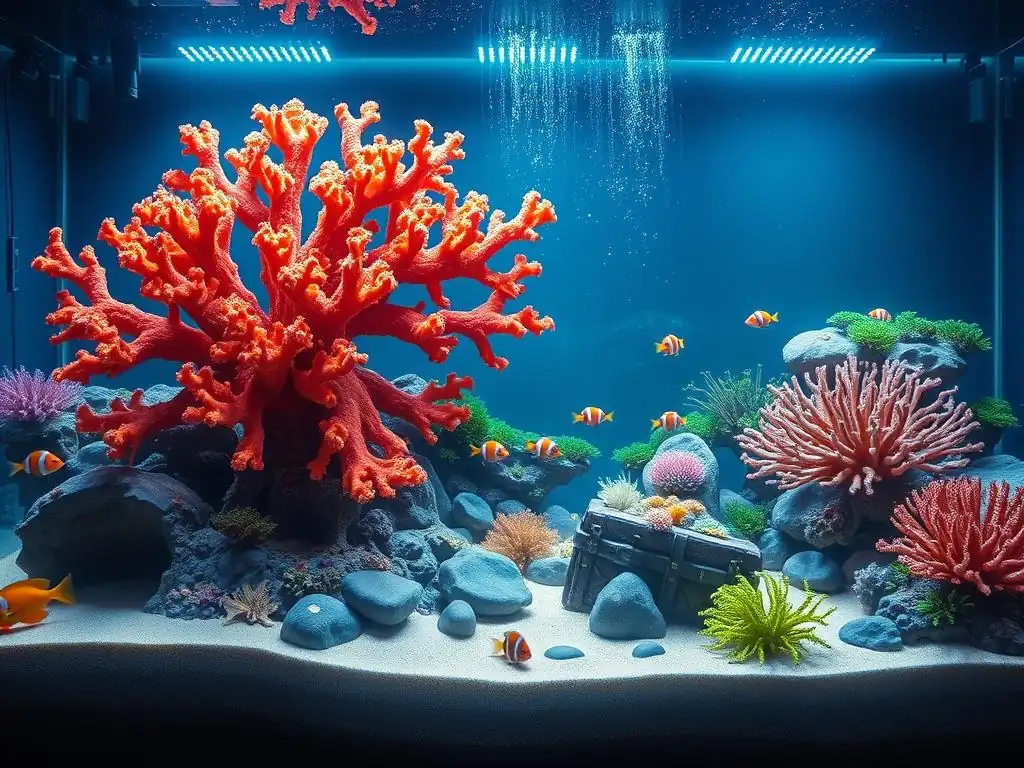
Are you ready to unlock the secrets to a thriving and vibrant reef tank featuring the mesmerizing elegance of Euphyllia corals? Dive into our comprehensive Euphyllia coral care guide and discover everything you need to know about creating the perfect habitat for these stunning LPS corals. Curious how to ensure their vibrant colors and flourishing growth? Let's explore the essential elements for success!
- Euphyllia Coral Care: A Comprehensive Guide to a Thriving Reef
- Understanding Euphyllia Corals: Species and Characteristics
- Essential Water Parameters for Optimal Euphyllia Growth
- Setting Up Your Aquarium: A Step-by-Step Guide
- Feeding Euphyllia Corals: Supplementing Nutrition
- Maintaining a Healthy Habitat: Preventing and Treating Problems
- Troubleshooting Common Issues
- Advanced Care: Fragging and Propagation
- Conclusion: Creating a Stunning Reef Aquarium
- Frequently Asked Questions
- Final Reflection: Cultivating Underwater Harmony
- Ignite Your Reef Tank Dreams!
Euphyllia Coral Care: A Comprehensive Guide to a Thriving Reef
Understanding Euphyllia Corals: Species and Characteristics
Hammer, Torch, and Frogspawn: Identifying Popular Euphyllia Species
Euphyllia corals are among the most popular large polyp stony (LPS) corals in the reef aquarium hobby, prized for their vibrant colors and mesmerizing movement. Among them, the Hammer coral ( Euphyllia ancora) stands out with its distinctive hammer-shaped or T-shaped polyp tips. These polyps can display a wide array of colors, from iridescent greens and deep browns to striking purples and metallic blues, often with contrasting tips, making them a captivating addition to any reef tank. Their unique structure and gentle sway in the current contribute significantly to the visual dynamism of a mature reef.
Another highly sought-after species is the Torch coral ( Euphyllia glabrescens), characterized by its long, elegant tentacles that often extend several inches, ending in bright, contrasting tips. These tips can range from fluorescent green and golden yellow to pristine white and deep purple, creating a stunning visual effect as they flow with the water.
Torch corals are known for their more aggressive nature compared to other Euphyllia species, possessing potent sweeper tentacles that can extend significantly at night, necessitating careful placement to prevent stinging neighboring corals. The Frogspawn coral ( Euphyllia divisa), closely related to the Hammer, features multiple rounded, bubbly lobes at the end of its tentacles, resembling a cluster of frog eggs.
While sharing similar care requirements with Hammers, their unique polyp structure offers a different aesthetic, often available in similar vibrant color morphs. Less common but equally beautiful species like Euphyllia cristata (Grape coral) and Euphyllia paradivisa (Branching Frogspawn) also exist, offering further diversity for the dedicated aquarist following this Euphyllia coral care guide.
Benefits and Considerations of Adding Euphyllia to Your Reef Tank
Adding Euphyllia corals to a reef tank offers numerous benefits, primarily their exceptional aesthetic appeal and dynamic movement. Their large, flowing polyps create a natural, living centerpiece, enhancing the visual depth and activity of the aquarium. Compared to some small polyp stony (SPS) corals, Euphyllia species are generally considered more forgiving in terms of water parameter stability, making them an excellent choice for intermediate aquarists looking to expand beyond soft corals.
They also contribute to the overall biodiversity and natural balance of the reef ecosystem, providing habitat and visual interest. Their relatively fast growth rate under optimal conditions allows aquarists to witness significant development over time, adding to the rewarding experience of reef keeping.
However, there are important considerations when integrating Euphyllia into a mixed reef environment. Their sweeper tentacles, particularly those of Torch corals, can extend significantly, sometimes reaching 6-8 inches or more, and are capable of stinging and damaging other corals within their reach. This necessitates ample spacing between Euphyllia colonies and other coral species to prevent chemical warfare and physical aggression.
Furthermore, while more tolerant than SPS corals, Euphyllia still require stable water parameters, including consistent alkalinity, calcium, and magnesium levels, to thrive. Fluctuations in these parameters can lead to stress, tissue recession, or even polyp bail-out. Understanding these specific needs is crucial for a successful Euphyllia coral care guide approach, ensuring the long-term health and vibrancy of these magnificent corals.
Essential Water Parameters for Optimal Euphyllia Growth
Maintaining Stable Water Chemistry for Euphyllia
Alkalinity, Calcium, and Magnesium Levels
Maintaining stable water chemistry is paramount for the health and growth of Euphyllia corals. Alkalinity, measured in dKH (degrees of carbonate hardness), is arguably the most critical parameter, as it represents the water's buffering capacity and provides the carbonates necessary for corals to build their calcium carbonate skeletons. The ideal range for Euphyllia is typically between 8.0 and 11.0 dKH. Fluctuations, especially rapid drops or spikes, can cause significant stress, leading to retracted polyps, tissue recession, or even the dreaded "brown jelly disease." Actively growing Euphyllia colonies will consume alkalinity daily, necessitating regular testing and supplementation to maintain consistency.
Calcium is another fundamental building block for coral skeletal growth, working in conjunction with alkalinity. The optimal calcium level for Euphyllia corals generally falls between 400-450 ppm (parts per million). While essential, maintaining calcium within this range is less about the exact number and more about its stability and balance with alkalinity and magnesium. Magnesium plays a crucial role in preventing calcium from precipitating out of the water, ensuring its bioavailability for coral calcification.
The recommended magnesium level is 1300-1400 ppm. If magnesium levels are too low, calcium and alkalinity can become unstable and difficult to maintain, leading to issues with coral growth and health. Regular testing, ideally weekly, using reliable test kits is essential for monitoring these parameters and making small, gradual adjustments as needed to follow a robust Euphyllia coral care guide.
The Importance of Stable Salinity
Salinity, or the salt content of the aquarium water, is a fundamental parameter that directly impacts the osmotic balance of marine organisms, including Euphyllia corals. Maintaining a stable salinity level is crucial, with the ideal range typically between 1.024 and 1.026 specific gravity (SG), or 34-35 parts per thousand (PPT).
Even small, rapid fluctuations in salinity, caused by excessive evaporation without proper top-off or large, unmeasured water changes, can induce osmotic stress in corals. This stress can manifest as polyp retraction, reduced extension, or in severe cases, tissue recession or even polyp bail-out, where the coral detaches from its skeleton.
To ensure stability, it is imperative to use an auto top-off (ATO) system with RODI (Reverse Osmosis De-Ionized) water to compensate for daily evaporation, which leaves salt behind and increases salinity. Manual top-offs should be done slowly and carefully. When performing water changes, the new saltwater should be mixed to the exact same salinity as the display tank.
Using a calibrated refractometer is highly recommended for accurate salinity measurements, as inexpensive hydrometers can be notoriously inaccurate. Consistent monitoring and meticulous maintenance of salinity are cornerstone practices in any effective Euphyllia coral care guide, preventing unnecessary stress and promoting robust coral health.
Lighting Requirements: PAR, Spectrum, and Placement
Selecting Appropriate LED Lighting
Lighting is a critical factor for Euphyllia corals, as they rely heavily on their symbiotic zooxanthellae algae for nutrition through photosynthesis. The intensity of light is measured in PAR (Photosynthetically Active Radiation), and Euphyllia generally thrive in moderate PAR levels, typically ranging from 75 to 150 PAR. While they are resilient, too much light can lead to bleaching (loss of zooxanthellae), and too little light can result in slow growth and fading colors. Modern LED lighting systems offer excellent control over both intensity and spectrum, allowing aquarists to dial in the perfect conditions.
Regarding spectrum, a broad spectrum LED fixture with a strong emphasis on blue and violet wavelengths (actinic light) is highly beneficial. This spectrum penetrates water effectively and is efficiently utilized by zooxanthellae. Many successful reef tanks utilize a color temperature in the range of 10,000K to 20,000K, often with a bias towards the bluer end for aesthetic appeal and coral coloration.
When selecting an LED fixture, look for models with dimming capabilities and programmable schedules to simulate natural light cycles and allow for gradual acclimation. A well-chosen lighting system is a cornerstone of an effective Euphyllia coral care guide, providing the energy necessary for vibrant growth.
Acclimating New Euphyllia to Light
Acclimating new Euphyllia corals to your aquarium's lighting system is a crucial step that often dictates their initial success and long-term health. Even if your tank's PAR levels are within the recommended range, a new coral coming from a different lighting environment (e.g., a coral farm with lower light) can experience significant stress if immediately exposed to high intensity.
Signs of light stress include bleaching (turning pale or white), retraction of polyps, or a general "unhappy" appearance. To mitigate this, it's best to start new Euphyllia colonies in a lower-light area of the tank, perhaps on the sandbed or a shaded ledge.
Over a period of several weeks, gradually move the coral higher up the rockwork or increase the light intensity incrementally, if your lighting system allows for dimming schedules. For instance, you might increase light intensity by 5-10% weekly, observing the coral's response. If the coral shows signs of stress, reduce the intensity or move it back to a shadier spot for a few days before attempting to increase light again.
This slow and patient acclimation process allows the coral's zooxanthellae to adjust to the new light environment, preventing shock and ensuring a smoother transition. This careful management of lighting is a fundamental component of a comprehensive Euphyllia coral care guide.
Water Flow and Placement: Optimizing Conditions
Sensitivity to Direct Flow
Euphyllia corals, despite their large, flowing polyps, are surprisingly sensitive to strong, direct, and laminar (uni-directional) water flow. While adequate flow is essential for delivering nutrients and removing waste, an excessive or constant direct current can cause physical damage to their delicate tissue. When exposed to such flow, Euphyllia polyps may appear constantly retracted, unable to fully extend, or may even be violently blown around, leading to tears in their tissue or detachment from their skeleton. This persistent stress can lead to tissue recession, increased susceptibility to disease, and overall poor health.
Observing your Euphyllia's polyp extension and movement is key. If the polyps are constantly "balled up" or look like they are struggling against the current, it's a clear indication that the flow is too strong or too direct for that specific placement. The ideal flow for Euphyllia allows their polyps to gently sway and undulate, mimicking their natural environment on the reef, without being violently thrashed. Understanding this sensitivity is a crucial element of any effective Euphyllia coral care guide, ensuring the coral's physical well-being.
Creating a Moderate, Indirect Flow Environment
To optimize conditions for Euphyllia corals, the goal is to create a moderate, turbulent, or indirect water flow environment. This type of flow helps to prevent detritus from settling on the coral's tissue, delivers essential nutrients, and facilitates gas exchange, all without causing physical damage. Rather than pointing powerheads directly at the corals, aim them at the rockwork or opposite tank walls. This strategy allows the water to bounce and scatter, creating a chaotic, multi-directional flow pattern that gently washes over the corals.
Utilizing multiple powerheads on different sides of the tank, or employing wavemakers with oscillating or random flow modes, can effectively achieve this desired turbulent flow. For example, two powerheads rated for a 50-gallon tank might be placed on opposing sides of a 40-gallon breeder, pointed towards the glass, to create a gentle cross-current.
Placement within the tank also matters; Euphyllia often thrive in mid to lower sections where flow tends to be less intense than at the very top. Achieving the right balance of flow is a nuanced aspect of a complete Euphyllia coral care guide, crucial for promoting full polyp extension and robust health.
Setting Up Your Aquarium: A Step-by-Step Guide
Tank Size and Compatibility: Choosing Suitable Tank Mates
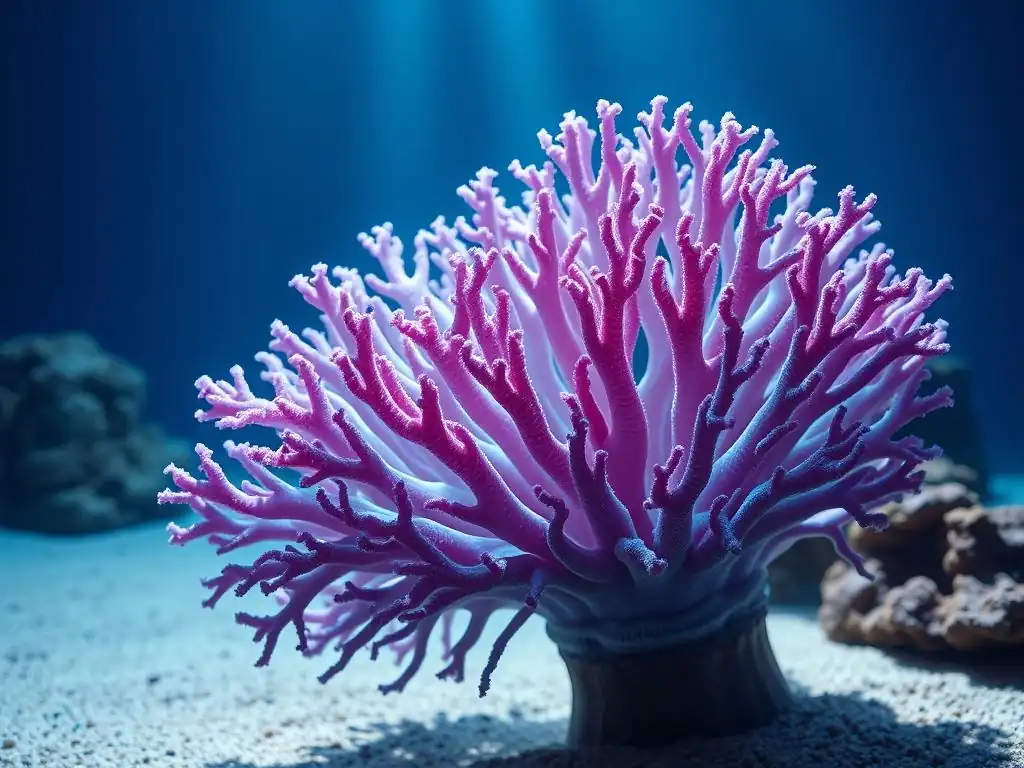
When considering Euphyllia corals, tank size is a critical initial factor. While a single small frag might temporarily survive in a 20-gallon long aquarium, a minimum tank size of 40 gallons, and preferably 60 gallons or more, is recommended for long-term success with multiple colonies or a mixed reef. Larger tanks offer greater stability in water parameters, which is paramount for LPS corals.
They also provide the necessary space to accommodate the Euphyllia's growth and, more importantly, the reach of their sweeper tentacles, which can extend significantly, especially at night. This ample space helps prevent aggression towards other corals and tank inhabitants.
Choosing suitable tank mates is equally important in a Euphyllia coral care guide. Aggressive fish species that are known to nip at coral polyps, such as certain large angelfish, puffers, or triggerfish, should be avoided entirely. Instead, opt for peaceful reef-safe fish like clownfish, gobies, blennies, or smaller tangs (e.g., Yellow Tangs or Kole Tangs).
For invertebrates, most clean-up crew members like snails (e.g., Trochus, Turbo, Nassarius), hermit crabs, and shrimp (e.g., Peppermint, Skunk Cleaner) are compatible. However, caution should be exercised with certain crabs (e.g., Emerald Crabs if not well-fed) or starfish that might bother corals. Within the coral community, ensure significant separation between Euphyllia and other LPS corals, as well as SPS corals, to prevent chemical warfare or physical stinging from sweeper tentacles, which can be fatal to neighboring inhabitants.
Equipment Checklist for a Healthy Euphyllia Reef
Protein Skimmers and Filtration
A robust filtration system is non-negotiable for a healthy Euphyllia reef, and a protein skimmer is arguably the most vital piece of equipment for nutrient export. Protein skimmers effectively remove organic waste compounds from the water column before they can break down into nitrates and phosphates, which can fuel nuisance algae growth and stress corals.
When selecting a skimmer, choose one rated for your tank's volume or slightly larger, and ensure it's a reputable brand known for efficiency. A skimmer that consistently produces dark, thick skimmate is indicative of effective nutrient removal, a key component of any comprehensive Euphyllia coral care guide.
Beyond the protein skimmer, mechanical and biological filtration are essential. Live rock, typically recommended at 1 to 1.5 pounds per gallon, provides vast surface area for beneficial nitrifying bacteria, forming the backbone of your biological filtration. Mechanical filtration, such as filter socks or filter floss, should be used to remove particulate matter from the water column.
These should be cleaned or replaced frequently (e.g., every few days) to prevent them from becoming nitrate factories themselves. Chemical filtration, including activated carbon for water clarity and removal of toxins, and granular ferric oxide (GFO) for phosphate control, should also be employed as needed to maintain pristine water quality.
Powerheads and Wave Makers
Powerheads and wave makers are indispensable for creating the necessary water movement in a Euphyllia reef aquarium. Unlike traditional filters that provide limited circulation, these devices are specifically designed to generate strong, consistent, or oscillating flow patterns throughout the tank. For Euphyllia, the goal is to achieve moderate, turbulent, and indirect flow that gently washes over the polyps without directly blasting them. Brands like EcoTech Marine VorTech, Tunze, or Jebao offer highly adjustable models that allow aquarists to fine-tune flow patterns, often with random or pulse modes that mimic natural reef conditions.
The strategic placement of powerheads is critical. Instead of pointing them directly at the corals, aim them towards the rockwork, the surface, or opposite tank walls. This creates a chaotic, multi-directional flow that prevents dead spots where detritus can accumulate, while also ensuring that all parts of the tank receive adequate circulation.
For instance, in a 75-gallon tank, two 1500-2000 GPH (gallons per hour) powerheads on opposing sides, set to a random or gyre mode, can provide optimal flow for Euphyllia. This careful management of water movement is a fundamental pillar of effective Euphyllia coral care guide practices, promoting healthy polyp extension and overall coral vigor.
Aquascaping for Euphyllia: Promoting Growth and Health
Rock Placement and Minimizing Aggression
Effective aquascaping is crucial for the long-term health and growth of Euphyllia corals, particularly in minimizing aggression from their potent sweeper tentacles. When arranging live rock, ensure ample space between locations where Euphyllia colonies will be placed and other corals, especially other LPS or SPS species. Torch corals, for example, can extend their sweeper tentacles by 6-8 inches or more at night, capable of delivering a powerful sting to any coral within reach. Planning for this nocturnal expansion is vital to prevent chemical warfare and physical damage to neighboring inhabitants.
Create distinct "zones" within your aquascape, dedicating specific areas for different coral types. Utilize varying rock heights and shelves to provide diverse light and flow zones, allowing you to place Euphyllia in areas with appropriate conditions. Additionally, ensure that your rockwork promotes excellent water circulation throughout the tank, preventing dead spots where detritus can accumulate and potentially irritate corals. An open, airy aquascape with plenty of swim-throughs for fish also aids in overall tank health. A thoughtful aquascape is not just about aesthetics; it's a practical application of a robust Euphyllia coral care guide, directly impacting coral well-being.
Providing Adequate Space for Expansion
One common mistake in reef keeping is underestimating the future size of coral colonies. Euphyllia corals, particularly branching varieties like Torch and Branching Frogspawn, can grow significantly over time. A small frag purchased today might expand into a colony 6-10 inches across within a year or two under optimal conditions. Therefore, when aquascaping, it's essential to provide adequate vertical and horizontal space for their natural expansion. This foresight prevents overcrowding issues that can lead to competition for light, flow, and territory.
Beyond the physical footprint of the coral's base, consider the maximum reach of its fully extended polyps and sweeper tentacles. For instance, a Torch coral placed too close to the glass or another rock structure might repeatedly sting it, leading to tissue damage for the coral itself.
Planning for the "bubble" of space each Euphyllia colony will occupy ensures they have room to thrive without causing harm to themselves or their neighbors. This proactive approach to spatial planning is a critical, yet often overlooked, aspect of a comprehensive Euphyllia coral care guide, leading to a more harmonious and stunning reef aquarium.
Feeding Euphyllia Corals: Supplementing Nutrition
Understanding Euphyllia's Nutritional Needs
Euphyllia corals are mixotrophs, meaning they derive nutrition from multiple sources. Their primary source of energy comes from the symbiotic zooxanthellae algae residing within their tissues, which perform photosynthesis and provide sugars to the coral. This is why proper lighting is so crucial. However, Euphyllia also possess nematocysts (stinging cells) and can actively capture and consume particulate matter from the water column, making them carnivorous filter feeders. They have large polyps that can ingest surprisingly large food particles.
While photosynthesis can sustain them, supplemental feeding significantly boosts their growth rates, enhances their coloration, and improves their overall vitality. Providing a varied diet ensures they receive all the necessary proteins, amino acids, and fatty acids that may not be fully supplied by their zooxanthellae, especially during periods of rapid growth, recovery from stress, or when light levels are slightly lower. Understanding this dual nutritional strategy is key to a complete Euphyllia coral care guide, promoting robust health and vibrant appearance.
Target Feeding: Techniques and Best Practices
Target feeding is the most effective method for ensuring your Euphyllia corals receive adequate supplemental nutrition. This technique involves delivering food directly to the coral's polyps, minimizing waste and preventing excess nutrients from polluting the entire tank. To begin, turn off powerheads and the protein skimmer for 15-30 minutes during feeding time to prevent food from being immediately dispersed.
Use a coral feeder, turkey baster, or pipette to gently squirt small amounts of food directly onto the extended polyps. Euphyllia typically extend their feeding tentacles more readily at night or when the aquarium lights are dimmed, making these periods ideal for feeding.
Observe the coral's response; healthy Euphyllia polyps will often "grab" the food and retract slightly to ingest it. If the food particles are too large, the coral may not be able to ingest them, so ensure the particle size is appropriate for the coral's mouth. Avoid overfeeding, as uneaten food can decompose and lead to elevated nutrient levels (nitrates and phosphates), which can trigger nuisance algae blooms and stress corals.
A feeding frequency of 1-3 times per week is a common starting point, which can be adjusted based on the coral's growth rate and the tank's nutrient parameters. This precise feeding approach is a cornerstone of an advanced Euphyllia coral care guide.
Selecting Appropriate Food
Frozen, Liquid, and Powdered Food Options
A diverse diet is beneficial for Euphyllia corals, incorporating various food types to meet their complex nutritional needs. Frozen foods are highly popular and effective, providing substantial protein and lipid content. Excellent options include finely chopped mysis shrimp, brine shrimp (enriched), rotifers, or krill. Before feeding, it's crucial to thaw frozen foods in a small amount of tank water and rinse them to remove excess phosphates from the packing solution. These larger food items are readily accepted by Euphyllia's robust polyps.
In addition to frozen options, liquid and powdered coral-specific foods offer a broader range of particle sizes and nutrient profiles. Products like Reef-Roids, Polyp-Lab Reef-Roids, or Brightwell Aquatics Reef Blizzard are formulated with a blend of marine proteins, amino acids, and vitamins suitable for LPS corals. Powdered foods can be mixed with tank water to create a slurry and then target-fed or broadcast-fed (with caution) to provide nutrition for smaller polyps and other tank inhabitants.
Liquid foods often contain phytoplankton, zooplankton, and other suspended nutrients that can be absorbed directly by the coral tissue. Combining these food types ensures a comprehensive approach to Euphyllia coral care guide nutrition.
Feeding Schedule and Frequency
The optimal feeding schedule and frequency for Euphyllia corals depend on several factors, including the maturity of your aquarium, the overall nutrient levels, and the coral's individual growth rate. As a general guideline, feeding Euphyllia 1 to 3 times per week is a good starting point for most tanks. This frequency allows for consistent supplemental nutrition without overwhelming the tank's filtration capacity. For younger, smaller frags or corals recovering from stress, slightly more frequent feeding might encourage faster recovery and growth.
However, it is crucial to monitor your tank's nitrate and phosphate levels closely when increasing feeding frequency or quantity. If these parameters begin to rise consistently, it indicates that the tank's nutrient export mechanisms (skimming, water changes, biological filtration) are unable to keep up with the nutrient input. In such cases, reduce the feeding frequency or amount to prevent nuisance algae outbreaks and maintain a healthy environment for your corals.
Observe your Euphyllia's polyp extension and color; a healthy, well-fed coral will show robust extension and vibrant coloration. Adjusting your feeding regimen based on these observations and regular water parameter testing is a key aspect of a responsive Euphyllia coral care guide.
Maintaining a Healthy Habitat: Preventing and Treating Problems
Identifying Common Diseases
Brown Jelly Disease and Tissue Recession
Brown Jelly Disease (BJD) is one of the most feared and devastating diseases for Euphyllia corals. It is characterized by the rapid deterioration of coral tissue, which turns into a slimy, brown, jelly-like substance. BJD is typically caused by a bacterial infection, often triggered by stress, physical injury, or poor water quality.
It is highly contagious and can spread quickly to other corals if not addressed immediately. Early detection is critical; if you notice any signs of brown jelly, the affected coral should be isolated or removed from the main display tank immediately, and the affected tissue can sometimes be siphoned off or treated with a coral dip (e.g., iodine-based) in a separate container.
Tissue recession, while less dramatic than BJD, is another common issue where the coral's tissue slowly pulls away from its skeleton, often starting from the base. This can be a symptom of various underlying problems, including fluctuating water parameters (especially alkalinity), insufficient or excessive light, inadequate or overly direct flow, nutrient deficiencies, or aggression from neighboring corals or fish. Identifying the root cause is paramount for successful treatment. Consistent monitoring of water parameters, ensuring stable environmental conditions, and proper aquascaping to prevent aggression are key preventative measures in any comprehensive Euphyllia coral care guide.
Preventing Algae Overgrowth
Algae overgrowth, whether it's nuisance hair algae, unsightly cyanobacteria, or diatoms, is a common problem in reef aquariums and can directly impact the health of Euphyllia corals by smothering their polyps or competing for resources. The primary cause of excessive algae growth is elevated nutrient levels, specifically nitrates and phosphates. While some level of nutrients is necessary, consistently high levels (e.g., nitrates above 10-20 ppm, phosphates above 0.03 ppm) will inevitably lead to algae blooms. Therefore, prevention hinges on effective nutrient control.
Implementing robust nutrient export methods is crucial. This includes running an appropriately sized protein skimmer, performing regular water changes (e.g., 10-20% bi-weekly or monthly), and utilizing chemical filtration media like GFO (granular ferric oxide) for phosphate removal or carbon dosing for overall nutrient reduction. Controlling feeding amounts and avoiding overfeeding fish and corals also significantly reduces nutrient input. Introducing a diverse clean-up crew, including herbivorous snails (e.g., Trochus, Turbo, Nassarius) and hermit crabs, can help graze on developing algae. Adhering to these preventative measures is a fundamental aspect of a proactive Euphyllia coral care guide.
Pest Control: Nudibranchs, Flatworms, and Other Pests
Euphyllia corals, like many other corals, can be susceptible to specific pests that feed on their tissue or irritate them. One of the most notorious are Euphyllia Nudibranchs ( Phestilla melanobrachia), small, cryptic sea slugs that specifically prey on Euphyllia corals. They are often difficult to spot due to their excellent camouflage, mimicking the coral's color. Signs of their presence include tissue damage, retracted polyps, or visible eggs on the coral skeleton. Prevention through rigorous quarantine of all new corals and prophylactic coral dips (e.g., iodine or pest-specific dips) before introduction to the display tank is the best defense.
Another common pest is the Red Planaria flatworm ( Convolutriloba retrogemma), which, while not directly feeding on Euphyllia, can multiply rapidly and irritate corals by covering their polyps, competing for light, and releasing toxins when disturbed. High populations can also indicate excess nutrients. Manual siphoning, specialized flatworm-specific dips, or biological control (e.g., certain wrasse species like the Six-Line Wrasse or Melanurus Wrasse) can help manage their numbers. Regularly inspecting your Euphyllia colonies for any unusual growths, discoloration, or retracted polyps is crucial for early detection and intervention, ensuring the long-term success of your Euphyllia coral care guide efforts.
Regular Maintenance: Water Changes and Parameter Monitoring
Importance of Regular Water Testing
Regular and consistent water parameter testing is the bedrock of successful reef keeping and a non-negotiable aspect of any Euphyllia coral care guide. By testing key parameters such as alkalinity, calcium, magnesium, salinity, nitrate, and phosphate at least weekly, aquarists can monitor the stability of their system and identify any deviations before they become critical issues. Consistency in testing is often more important than achieving absolute "perfect" numbers; minor fluctuations are less detrimental than rapid, significant swings.
Invest in reliable and accurate test kits from reputable brands such as Salifert, Hanna Instruments (for checkers), or Red Sea. Keeping a detailed log of your test results allows you to track trends over time, providing valuable insight into your tank's consumption rates and overall health. For example, consistently dropping alkalinity might indicate a need for increased dosing or more frequent water changes. This data-driven approach empowers aquarists to proactively manage their tank's chemistry, preventing stress and promoting optimal conditions for Euphyllia growth and vibrancy.
Adjusting Parameters Based on Test Results
Once water parameters are tested and deviations are identified, making small, gradual adjustments is key to restoring balance without shocking your Euphyllia corals. For instance, if alkalinity is consistently low (e.g., below 7.5 dKH), a daily or every-other-day dose of a two-part alkalinity supplement can be used to slowly bring it back into the optimal range of 8.0-11.0 dKH. Similarly, calcium (400-450 ppm) and magnesium (1300-1400 ppm) levels should be adjusted slowly, typically over several days or a week, to avoid sudden shifts. Rapid adjustments can be more detrimental than the slightly off-kilter parameters themselves.
Water changes play a vital role in maintaining overall water quality, replenishing trace elements that are consumed by corals and other inhabitants, and exporting accumulated nutrients. Performing regular water changes, typically 10-20% bi-weekly or monthly, helps to dilute nitrates and phosphates, introduce fresh minor and trace elements, and stabilize parameters. Always ensure the new saltwater is mixed to the exact same salinity and temperature as your display tank. This proactive and responsive approach to parameter management, guided by test results, is a fundamental pillar of any effective Euphyllia coral care guide.
Troubleshooting Common Issues
Polyp Bail-Out: Causes and Solutions
Polyp bail-out, also known as "bailing," is an alarming and severe stress response in Euphyllia corals where the polyps detach themselves from their skeleton. This is often a last-ditch effort by the coral to survive extreme stress, and while a detached polyp can sometimes be saved if it reattaches to a new substrate, the original colony is typically lost. The primary causes of polyp bail-out are rapid and significant changes in water parameters, particularly salinity, temperature, or alkalinity. Other triggers can include severe and prolonged aggression from tank mates, drastic lighting changes, or severe infections.
Upon observing polyp bail-out, immediate action is required. The first step is to thoroughly test all major water parameters: salinity, alkalinity, calcium, magnesium, temperature, nitrate, and phosphate. Compare these to your tank's normal stable ranges and make any necessary adjustments very slowly and carefully. If aggression is suspected, identify and remove the offending fish or coral.
Ensure stable conditions are maintained moving forward, with consistent top-off and gradual water changes. While recovery is not guaranteed, addressing the underlying cause and providing a stable environment offers the best chance for any surviving polyps. This understanding of stress responses is a critical part of a comprehensive Euphyllia coral care guide.
Bleaching: Identifying and Addressing Light Stress
Bleaching in Euphyllia corals is characterized by the coral turning pale, white, or losing its vibrant coloration. This occurs when the symbiotic zooxanthellae algae, which reside within the coral's tissue and provide most of its color and energy through photosynthesis, are expelled by the coral. While bleaching can be caused by various stressors, including high temperatures, sudden swings in water parameters, or bacterial infections, it is most commonly associated with light stress – either too much or too little PAR. Too much light can overwhelm the zooxanthellae, leading to their expulsion, while too little light starves them.
To address bleaching, first confirm the PAR levels at the coral's location. If the light is too intense (e.g., above 150-200 PAR), reduce the light intensity of your fixture or move the coral to a shadier, lower-light area of the tank. If the coral appears to be "reaching" or stretching for light, it may be too little, and it should be moved to a brighter spot or light intensity increased.
Also, check your tank's temperature, ensuring it is stable within the 76-78°F range. Gradual acclimation of new corals to your tank's lighting is a key preventative measure. Prompt identification and correction of the underlying cause are vital for the coral's recovery, making careful light management a core tenet of a successful Euphyllia coral care guide.
Slow Growth: Optimizing Conditions
Slow growth in Euphyllia corals, while not immediately life-threatening, indicates that conditions are not optimal for their thriving. A healthy Euphyllia should show consistent polyp extension and a noticeable increase in skeleton size over months. If growth stagnates, it's time for a thorough review of all environmental factors. Begin by re-testing all critical water parameters: alkalinity (8.0-11.0 dKH), calcium (400-450 ppm), magnesium (1300-1400 ppm), nitrate (ideally below 10 ppm), and phosphate (ideally below 0.03 ppm). Inconsistent or out-of-range parameters are common culprits.
Next, assess your lighting and flow. Ensure PAR levels are within the recommended 75-150 range and that flow is moderate and indirect. Too much or too little of either can inhibit growth. Consider your feeding regimen; while primarily photosynthetic, supplemental feeding significantly boosts growth.
If you're not target feeding, start doing so 1-3 times a week with appropriate foods like mysis shrimp or coral-specific powders. Finally, check for subtle aggression from neighboring corals or fish, or the presence of pests that might be irritating the coral. Optimizing all these elements in a holistic approach is key to unlocking the full growth potential of your Euphyllia, completing the comprehensive Euphyllia coral care guide.
Advanced Care: Fragging and Propagation
Basics of Euphyllia Fragging
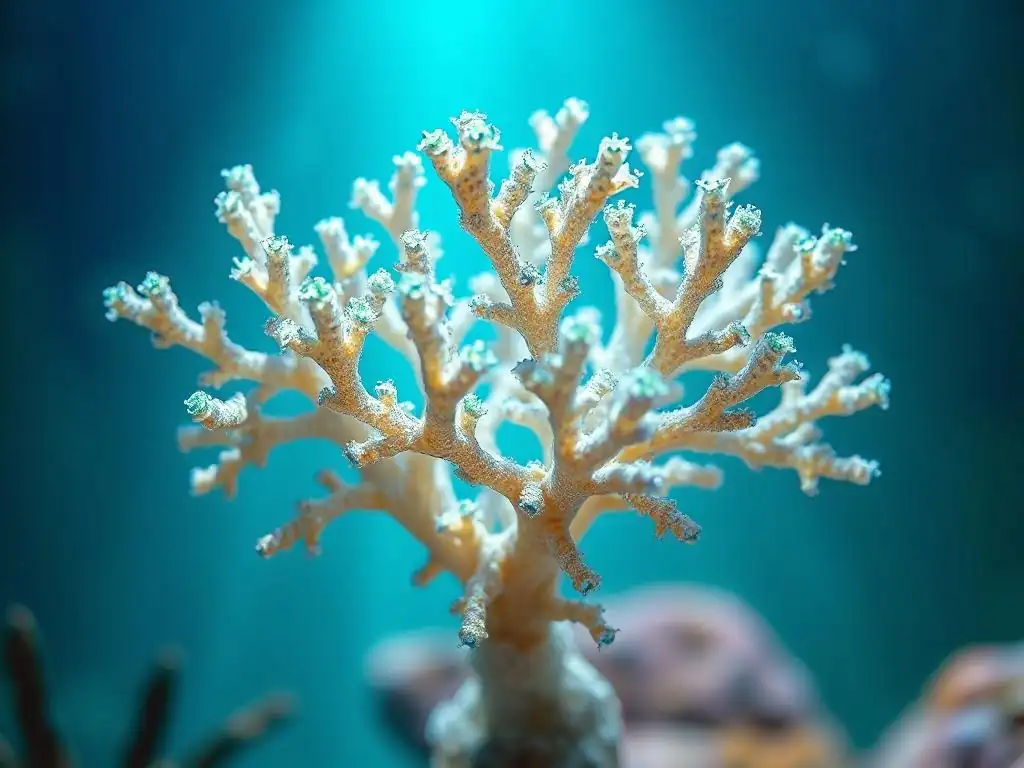
Fragging, or propagating, Euphyllia corals is a rewarding aspect of advanced reef keeping, allowing aquarists to create new colonies from existing ones, share with others, or even potentially generate income. Euphyllia species are relatively straightforward to frag compared to many other LPS or SPS corals. The process involves carefully cutting a piece of the coral's skeleton that includes a healthy polyp or polyps.
Specialized coral cutters, designed for stony corals, are often sufficient for branching varieties like Torch and Branching Frogspawn, where cuts can be made at natural branching points. For walling varieties like Hammer or Frogspawn, a Dremel tool with a diamond-coated blade may be necessary to cut through the solid skeleton.
When fragging, it is crucial to wear appropriate personal protective equipment, including eye protection and gloves, as coral tissue can release irritants. Perform fragging outside the main display tank in a separate container filled with tank water to minimize stress to the main colony and prevent the release of mucus or bone dust into your system. Identify a healthy section of the coral with well-extended polyps.
After the cut, the frag can then be attached to a frag plug or small piece of live rock using cyanoacrylate gel glue (super glue) or epoxy. A clean cut and minimal handling are key to the frag's survival and subsequent growth.
Maintaining Water Quality During Fragging
Maintaining optimal water quality is paramount during and immediately after the fragging process to ensure the health of both the mother colony and the new frags. When a Euphyllia coral is cut, it releases mucus, which is a stress response and contains organic compounds that can foul the tank water if fragging is done directly in the display. This mucus can also attract unwanted bacteria. Therefore, it is highly recommended to perform all fragging procedures in a separate container filled with water from the display tank. This isolates the stress and potential water quality issues from your main system.
After fragging, both the mother colony and the new frags should be dipped in an antiseptic coral dip solution (e.g., an iodine-based dip or a commercial coral dip like CoralRx). This helps to cleanse the cut areas, reduce the risk of bacterial infection, and remove any lingering pests. The dip should be done in a separate container following the product's instructions.
Once dipped, the frags should be placed in an area of the tank with stable, moderate flow and light, allowing them to recover without additional stress. Monitoring water parameters closely in the days following fragging is also beneficial, as the corals may be more sensitive during their recovery phase, reinforcing the importance of a meticulous Euphyllia coral care guide.
Growing Out Frags
Once a Euphyllia frag has been successfully cut and dipped, the next step is to provide it with optimal conditions for growth and attachment. New frags are typically placed on a frag rack or directly on the sand bed in an area of the display tank that receives stable, moderate water flow and appropriate light intensity.
Avoid areas with overly strong, direct flow or very high light levels, as new frags are more sensitive than established colonies. The goal is to encourage the frag to encrust onto its new plug or rock, which provides stability and a foundation for future growth.
Consistent water parameters, within the optimal ranges for alkalinity, calcium, and magnesium, are crucial for promoting calcification and growth in frags. Supplemental feeding, as outlined in the Euphyllia coral care guide, is also highly beneficial. Target feeding the frags 2-3 times per week with finely chopped frozen foods or coral-specific powders will provide the necessary nutrients for rapid development.
Observe the frags daily for signs of polyp extension, color retention, and any signs of stress or infection. With patience and diligent care, these small frags will gradually grow into stunning, vibrant colonies, adding to the beauty and diversity of your reef aquarium.
Conclusion: Creating a Stunning Reef Aquarium
Euphyllia corals, with their captivating movement, vibrant colors, and unique polyp structures, are undoubtedly one of the most rewarding groups of LPS corals for any reef aquarist. Achieving a stunning and thriving Euphyllia habitat is a testament to diligent care and a deep understanding of their specific needs.
As detailed in this comprehensive Euphyllia coral care guide, success hinges on maintaining exceptionally stable water parameters, including precise alkalinity, calcium, and magnesium levels, alongside consistent salinity and temperature. Providing the correct balance of moderate lighting and turbulent, indirect water flow is equally critical, ensuring their photosynthetic health while preventing physical stress.
Beyond the core environmental parameters, proper nutrition through supplemental target feeding, vigilant pest control, and a well-designed aquascape that prevents aggression are all integral components of their long-term health. The journey of cultivating Euphyllia requires patience, keen observation, and a commitment to regular maintenance. By adhering to these principles and continuously learning from your system, you can create a truly spectacular reef aquarium, showcasing the breathtaking beauty and dynamic life of these magnificent corals.
Frequently Asked Questions
How difficult is it to care for Euphyllia corals?
Euphyllia corals are generally considered moderately difficult to care for. They require stable water parameters and appropriate lighting, making them unsuitable for complete beginners.
What type of lighting is best for Euphyllia corals?
Euphyllia corals thrive under moderate lighting. LED fixtures or T5 bulbs are commonly used, with intensity adjusted based on the specific species and tank depth. Overly intense lighting can bleach the coral.
What are the ideal water parameters for Euphyllia corals?
Maintaining stable water parameters is crucial. Ideal parameters include a temperature of 72-78°F, pH of 8.1-8.4, and alkalinity of 8-11 dKH. Regular water testing and adjustments are necessary.
What kind of water flow do Euphyllia corals need?
Euphyllia corals prefer moderate and turbulent water flow. This helps to remove waste and deliver nutrients. Direct, strong currents can damage the coral's delicate tissues.
What should I feed my Euphyllia coral?
While Euphyllia corals can obtain nutrients through photosynthesis, supplemental feeding can promote growth and coloration. Offer small pieces of meaty foods like mysis shrimp or brine shrimp a few times a week.
Final Reflection: Cultivating Underwater Harmony
The journey of creating a thriving Euphyllia habitat, as we've explored, is more than just assembling a tank; it's about fostering a delicate ecosystem. The principles of responsible reef keeping, detailed throughout this guide, resonate profoundly in a world increasingly aware of the fragility of our natural environments. Understanding the specific needs of these captivating corals is a microcosm of the broader responsibility we have to protect the biodiversity of our oceans.
This endeavor, this pursuit of aquarium mastery, has deeply influenced the way we perceive the interconnectedness of life. The dedication required to maintain a healthy Euphyllia environment mirrors the commitment needed to address larger environmental challenges. It's a reminder that even small actions, when informed and intentional, can have a significant impact. In the end, we will conserve only what we love; we will love only what we understand; and we will understand only what we are taught.
- Baba Dioum. This quote encapsulates the essence of responsible reef keeping: understanding leads to appreciation, and appreciation fuels conservation.
Now, as you embark on your own Euphyllia adventure, remember that patience, observation, and continuous learning are your greatest allies. Let the knowledge gained from this guide empower you to create not just an aquarium, but a vibrant, thriving ecosystem that reflects the beauty and resilience of the natural world. Take the lessons learned here and apply them to your own life, fostering a deeper appreciation for the delicate balance of our planet and inspiring others to do the same.
Ignite Your Reef Tank Dreams!
Thank you for diving into the world of Euphyllia care! We hope this guide has empowered you with the knowledge to create a thriving environment for these stunning corals. Now, it's time to turn that knowledge into action!
Here are a few ways to continue your journey:
- Start planning your Euphyllia haven today! Research the specific flow and lighting needs of your chosen varieties and begin designing the perfect placement in your tank.
- Join the Aquarium Mastery community forum to share your plans, ask questions, and connect with fellow reef enthusiasts.
- Share this article with a friend who's also fascinated by corals! Help them unlock the secrets to Euphyllia success.
What's the first Euphyllia species you're planning to add to your reef, and what's one unique feature that drew you to it?