
Can You Keep Different Mushroom Coral Species Together?

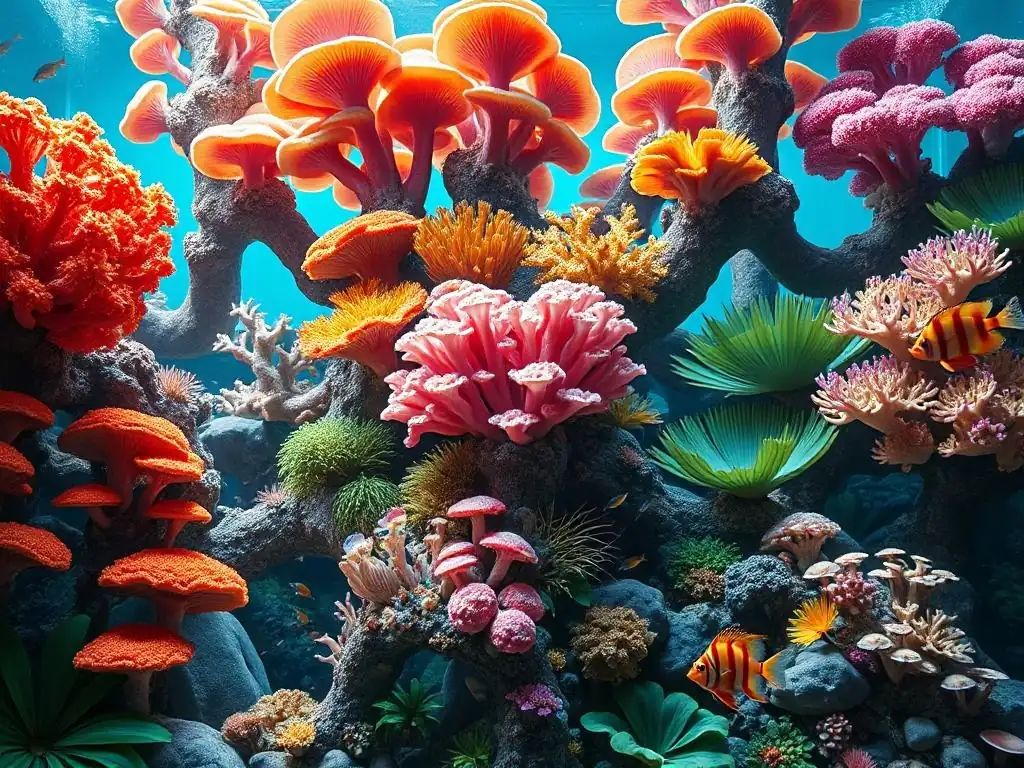
Welcome to Aquarium Mastery!
Dive into the fascinating world of saltwater aquariums! Are you captivated by the vibrant colors and unique textures of corals? Specifically, are you wondering about the delicate balance of life within your reef tank? Our latest article, " Can You Keep Different Mushroom Coral Species Together?", explores the intricacies of saltwater coral compatibility. Discover the secrets to creating a thriving reef environment and avoid costly mistakes. Read on to unlock the key to a harmonious underwater paradise and begin your journey to Aquarium Mastery!
- Mushroom Coral Compatibility in Reef Tanks: A Guide to Successful Coexistence
- Understanding Mushroom Coral Species and Their Needs
- Saltwater Coral Compatibility: Mushroom Corals and Tank Mates
- Creating a Thriving Reef Environment for Multiple Mushroom Coral Species
- Troubleshooting Compatibility Issues: Recognizing and Addressing Problems
- Advanced Techniques for Maintaining a Diverse Mushroom Coral Reef
- Maximizing Saltwater Coral Compatibility for a Stunning Reef Aquarium
-
Frequently Asked Questions
- Can you mix different color variations of the same mushroom coral species in a saltwater aquarium?
- What factors affect the compatibility of different mushroom coral species?
- How much space should I provide between different mushroom coral species in my aquarium?
- Are some mushroom coral species more aggressive than others?
- What should I do if my mushroom corals start showing signs of incompatibility or aggression?
- Final Reflection: Navigating the Delicate Balance of Reef Life
- Cultivate Your Coral Canvas!
Mushroom Coral Compatibility in Reef Tanks: A Guide to Successful Coexistence
Understanding Mushroom Coral Species and Their Needs
Identifying Common Mushroom Coral Species: Ricordea, Rhodactis, and Discosoma
Mushroom corals, belonging primarily to the genera Ricordea, Rhodactis, and Discosoma, are among the most popular and accessible soft corals for reef aquarists. Their vibrant colors, unique textures, and relatively easy care requirements make them a staple in many mixed reef tanks. Understanding the distinct characteristics of each genus is fundamental to ensuring successful coexistence within a saltwater coral compatibility guide.
Ricordea species, such as Ricordea florida and Ricordea yuma, are renowned for their intensely fluorescent colors and unique bumpy or vesicular surfaces. Ricordea florida typically exhibits smaller, more uniform vesicles and comes in a breathtaking array of blues, greens, oranges, and purples, often reaching 1-3 inches in diameter. Ricordea yuma, on the other hand, tends to be larger with more pronounced, irregular vesicles and often displays contrasting colors between its oral disc and periphery.
Rhodactis mushrooms, including species like Rhodactis indosinensis (hairy mushrooms) and Rhodactis inchoata, are characterized by their often shaggy or warty appearance, with tentacles or papillae covering their surface. They can grow significantly larger than Discosoma or Ricordea, sometimes reaching 4-6 inches across, and come in various shades of green, brown, and red.
Discosoma mushrooms are the classic "mushroom" shape, generally smooth or with small bubbly textures, exemplified by species like Discosoma cardinalis (deep red) or Discosoma nummiforme (blue/green). They are often the most prolific and can range from 1-4 inches in diameter.
Environmental Requirements: Light, Flow, and Water Chemistry for Mushroom Corals
Mushroom corals generally thrive under low to moderate lighting conditions, making them excellent choices for lower sections of a reef tank or systems with less intense illumination. Excessive light can cause these corals to bleach, losing their vibrant colors as their symbiotic zooxanthellae (algae) are expelled. An optimal PAR (Photosynthetically Active Radiation) range for most mushroom corals is typically between 50 and 150, which is significantly lower than the 250-500+ PAR required by many SPS corals. Observing how the coral inflates and maintains color is key; a healthy mushroom coral will be fully extended and show vibrant pigmentation.
Beyond lighting, stable water chemistry and gentle, indirect flow are paramount for mushroom coral health. They prefer low to moderate water movement that allows their polyps to gently sway without being blasted directly, which can cause them to detach from the substrate or remain retracted. Regarding water parameters, maintaining consistency is more critical than hitting exact figures. Ideal ranges include a specific gravity of 1.024-1.026, a temperature of 76-80°F (24-27°C), alkalinity between 7-11 dKH (with 8-9 dKH being a common target), calcium at 400-450 ppm, and magnesium at 1250-1350 ppm. While they are tolerant of slightly elevated nutrients, keeping nitrates below 10 ppm and phosphates below 0.03 ppm is generally recommended to prevent nuisance algae growth, a crucial aspect of a comprehensive saltwater coral compatibility guide.
Allelopathy: Chemical Interactions Between Mushroom Corals
Allelopathy is a significant factor in saltwater coral compatibility guide discussions, referring to the chemical warfare corals wage against each other. Mushroom corals, like many soft corals, release various chemical compounds, including terpenes and phenols, into the water column. These chemicals serve as a defense mechanism, inhibiting the growth or even damaging competing corals by suppressing their metabolic processes or causing tissue necrosis. While generally considered less aggressive than some LPS corals, the cumulative effect of these exudates in a closed system can be substantial, especially when housing multiple mushroom species or a high density of soft corals.
The impact of allelopathic chemicals can range from subtle growth inhibition to outright tissue recession or bleaching in sensitive corals. Even different species within the mushroom coral family can exhibit mild negative reactions to each other's chemical output if placed too closely or if water quality is not meticulously maintained. To mitigate these effects, consistent and robust filtration is essential. Regular use of high-quality activated carbon (e.g., 1 tablespoon per 20 gallons, changed weekly) effectively adsorbs these dissolved organic compounds. Furthermore, consistent water changes, typically 10-20% bi-weekly, are crucial for diluting chemical concentrations and replenishing trace elements, thereby fostering a more harmonious saltwater coral compatibility.
Saltwater Coral Compatibility: Mushroom Corals and Tank Mates
Mushroom Coral Aggression: Stinging and Chemical Interactions
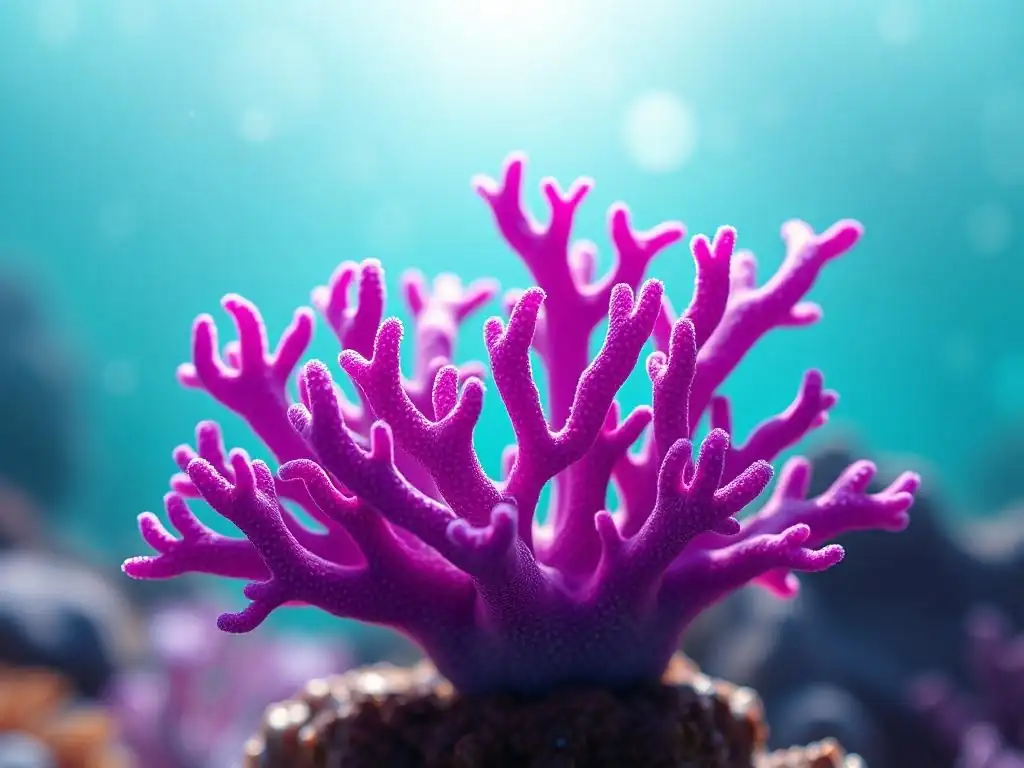
While mushroom corals are often lauded for their peaceful nature compared to their stony counterparts, they are not entirely devoid of aggressive tendencies. Their primary mode of aggression is chemical warfare, as discussed, where they release allelopathic compounds. However, some larger Rhodactis species, particularly those with longer tentacles or a more robust physical presence, possess nematocysts (stinging cells) that, while generally mild, can irritate or even cause recession in adjacent corals if direct physical contact occurs. This physical interaction is less common than chemical aggression but remains a consideration when planning saltwater coral compatibility.
The chemical interactions pose a more pervasive threat, especially in smaller or densely stocked aquariums. A reef tank heavily populated with various mushroom species, particularly without adequate water changes or chemical filtration, can accumulate a "soup" of allelopathic toxins. This elevated concentration of chemicals can lead to widespread coral stress, manifesting as reduced inflation, loss of color, or even tissue necrosis, affecting not only other coral types but potentially even the mushroom corals themselves. This highlights the critical need for a well-planned saltwater coral compatibility guide that emphasizes robust filtration and sufficient spacing to dilute or remove these harmful compounds.
Space Requirements: Preventing Overcrowding and Competition
Mushroom corals are known for their ability to spread and reproduce, often quite rapidly, which directly impacts saltwater coral compatibility. They can reproduce through budding, where new polyps emerge from the base or disc of the parent, or through fragmentation, where pieces detach and form new colonies. A single small frag, especially of a prolific Discosoma species, can expand to cover a significant rock surface, potentially doubling its diameter within 6-12 months under optimal conditions. This rapid expansion means that initially ample space can quickly become overcrowded.
Overcrowding leads to direct physical contact, increasing the likelihood of stinging or chemical irritation between corals. To prevent this, it is crucial to plan for the mature size of your mushroom corals and provide generous spacing. A general guideline is to leave at least 3-6 inches of clear space around each mushroom colony, especially between different species or genera, to allow for growth and minimize chemical exchange. Careful observation of growth rates and expansion patterns is essential, as some species will spread more aggressively than others. Proactive measures, such as fragging overgrown colonies or relocating them, are often necessary to maintain optimal saltwater coral compatibility in the long term.
Compatible Coral Species: Ideal Tank Mates for Mushroom Corals
Soft Coral Compatibility: Zoanthids, Leathers, and Mushroom Corals
When considering saltwater coral compatibility for mushroom corals, other soft corals often make excellent tank mates due to their similar environmental preferences. Zoanthids ( Zoanthus, Palythoa) and Leather Corals ( Sarcophyton, Sinularia) typically thrive under low to moderate lighting and gentle flow, mirroring the needs of mushroom corals. This shared preference simplifies tank setup and maintenance, allowing for a diverse and visually appealing soft coral display.
Despite their general compatibility, direct physical contact between different soft coral species should still be avoided. Some leather corals, particularly larger Sarcophyton species, can release terpenes that may irritate nearby corals if water flow is insufficient to dissipate them. Similarly, aggressive-growing zoanthids can sometimes outcompete slower-growing mushrooms for light and space if not managed. For instance, a large Sarcophyton colony placed directly above smaller mushrooms could eventually shade them out, leading to reduced growth or even recession. Therefore, strategic placement and adequate spacing, typically 2-4 inches, even among soft corals, are vital for maintaining harmony and ensuring healthy saltwater coral compatibility.
LPS Coral Compatibility: Placement and Aggression Considerations
Integrating LPS (Large Polyp Stony) corals with mushroom corals can be more challenging due to differences in aggression and environmental needs. LPS corals such as Euphyllia (e.g., Hammer, Frogspawn), Acanthastrea, and Blastomussa possess powerful stinging tentacles that extend, often at night, to capture food or defend their territory. A Euphyllia ancora (Hammer Coral), for example, can extend sweepers up to 6 inches or more, easily stinging any mushroom coral within its reach. Furthermore, many LPS corals are more sensitive to the allelopathic chemicals released by soft corals, potentially leading to stress or tissue damage.
For successful saltwater coral compatibility between LPS and mushroom corals, significant separation is crucial. Providing at least 8-12 inches of space between these coral types is often recommended, depending on the LPS species' sweeper tentacle length. Robust water quality management, including diligent protein skimming and regular use of activated carbon, is essential to mitigate the effects of chemical warfare. Close observation for any signs of irritation or recession in either coral is paramount. If issues arise, relocating one of the corals or increasing chemical filtration may be necessary to maintain a balanced reef environment.
SPS Coral Compatibility: Maintaining Stable Water Parameters
SPS (Small Polyp Stony) corals, including Acropora, Montipora, and Stylophora, represent the greatest challenge for saltwater coral compatibility when housed with mushroom corals. SPS corals demand very high light (often 250-500+ PAR), strong, turbulent flow, and extremely stable water parameters, particularly regarding alkalinity, calcium, and magnesium. These requirements contrast sharply with the preferences of most mushroom corals, making it difficult to optimize conditions for both in a single tank.
Beyond the environmental differences, SPS corals are highly susceptible to the allelopathic chemicals released by soft corals. Even low concentrations of these compounds can cause polyp retraction, tissue necrosis, or significantly stunt the growth of SPS corals. For instance, an Acropora colony placed too close to a large Rhodactis mushroom might show signs of tissue loss on the side facing the mushroom. It is often advised to specialize a tank either for SPS corals or for soft/LPS corals to avoid these inherent conflicts. If a mixed reef is attempted, an oversized protein skimmer, daily activated carbon use (e.g., 2 tablespoons per 20 gallons, changed every 3-4 days), and very frequent water changes are non-negotiable to maintain the best possible saltwater coral compatibility.
Creating a Thriving Reef Environment for Multiple Mushroom Coral Species
Acclimation Techniques for New Mushroom Corals
Proper acclimation is a critical first step in ensuring the long-term health and saltwater coral compatibility of new mushroom corals introduced to your reef tank. Rapid changes in water parameters, particularly salinity and temperature, can induce severe stress or even death. A slow drip acclimation method is highly recommended: float the coral's bag in your sump or display tank for 15-20 minutes to equalize temperature, then slowly drip tank water into the bag over a period of 30-60 minutes until the water volume has quadrupled. This gradual introduction minimizes osmotic shock.
Following acclimation, it is advisable to perform a coral dip using a commercial coral dip product. This step helps to remove common pests such as nudibranchs, flatworms, or unwanted hitchhikers that could pose a threat to your existing corals. After dipping, gently place the mushroom coral in a low-flow, shaded area of your tank initially. This allows the coral to recover from shipping and acclimation stress. Over the next few days, you can gradually move the coral to its final desired location, observing its response to light and flow conditions. This careful approach significantly improves the chances of successful integration and saltwater coral compatibility.
Strategic Placement for Optimal Growth and Minimal Aggression
Strategic placement is paramount for fostering optimal growth and minimizing aggression, forming a cornerstone of any saltwater coral compatibility guide. When planning your aquascape, consider the mature size and potential for reproduction of each mushroom coral species. Fast-growing and more prolific species, such as Discosoma mushrooms, should be placed further away from slower-growing or more sensitive corals to prevent overgrowth and competition for space and light.
Utilize your rockwork to create distinct zones within the tank. Mushroom corals generally thrive on lower, flatter rock surfaces or even directly on the sand bed, where they receive lower light and gentler flow. Conversely, corals requiring higher light and stronger flow, such as SPS, should be elevated on higher rock structures. Crucially, ensure sufficient physical separation—typically 6-12 inches depending on the coral types and their potential for expansion—between different coral groups to prevent direct contact and reduce the concentration of allelopathic chemicals. This thoughtful approach to placement is key to maintaining long-term saltwater coral compatibility.
Maintaining Water Quality: Key to Coral Health and Compatibility
Water Parameter Monitoring and Adjustment for Mushroom Corals
Consistent water quality is the bedrock of a healthy reef aquarium and is especially critical for managing saltwater coral compatibility. Regular testing of key water parameters is non-negotiable. At a minimum, weekly testing for alkalinity, calcium, magnesium, salinity, temperature, nitrates, and phosphates is recommended. For mushroom corals, maintaining salinity at 1.025, temperature at 78°F (25.5°C), alkalinity between 8-9 dKH, calcium at 420-440 ppm, and magnesium at 1300-1350 ppm is ideal. Nitrates should ideally be kept below 10 ppm, and phosphates below 0.03 ppm, although some soft corals can tolerate slightly higher nutrient levels.
It is vital to prioritize stability over chasing "perfect" numbers. Rapid fluctuations in parameters, even within acceptable ranges, can cause significant stress to corals. Investing in reliable test kits (e.g., Salifert, Hanna Instruments) and maintaining a detailed log of your readings will help identify trends and potential issues before they become critical. Minor adjustments to dosing or water change schedules, based on these observations, can prevent major problems and ensure continuous saltwater coral compatibility.
Regular Water Changes for Reef Health
Regular water changes are one of the most effective and fundamental practices for maintaining excellent water quality and promoting saltwater coral compatibility. They serve multiple vital functions: diluting accumulated nitrates, phosphates, and, critically, allelopathic chemicals released by corals. Water changes also replenish essential trace elements that corals absorb for growth and metabolic processes. For a mixed reef tank, a routine of 10-20% water changes weekly or bi-weekly is generally recommended. For instance, a 50-gallon display tank would benefit from a 5-10 gallon water change every week.
When performing water changes, always use high-quality RO/DI (Reverse Osmosis/Deionized) water and a reputable marine salt mix. The new saltwater should be mixed and aerated for at least 24 hours prior to use, ensuring all salts are fully dissolved and the water is properly oxygenated. Crucially, match the temperature and salinity of the new water as closely as possible to your display tank's parameters to avoid shocking the corals. This proactive and consistent approach to water changes significantly enhances the overall health and saltwater coral compatibility within your reef.
Controlling Algae Growth to Prevent Coral Competition
Controlling nuisance algae growth is an often-overlooked but vital aspect of saltwater coral compatibility. Excessive algae, such as hair algae or bryopsis, directly competes with corals for light and space by growing over their tissues or shading them out. Algae can also release compounds that irritate corals or contribute to overall nutrient imbalances in the system, further stressing your coral inhabitants.
Effective algae control involves a multi-faceted approach. First, implement a robust clean-up crew tailored to your tank size, including various snails (e.g., Trochus, Nassarius) and hermit crabs, which graze on algae. Second, strictly manage nutrient input by avoiding overfeeding your fish and ensuring all food is consumed. Third, maintain efficient nutrient export mechanisms, such as a properly sized and maintained protein skimmer. Consider using phosphate-removing media (e.g., Granular Ferric Oxide or GFO) in a media reactor to keep phosphate levels consistently low. By maintaining nitrates below 10 ppm and phosphates below 0.03 ppm, you significantly inhibit algae growth, thereby preventing competition and promoting better saltwater coral compatibility for your corals.
Troubleshooting Compatibility Issues: Recognizing and Addressing Problems
Identifying Signs of Coral Stress and Aggression
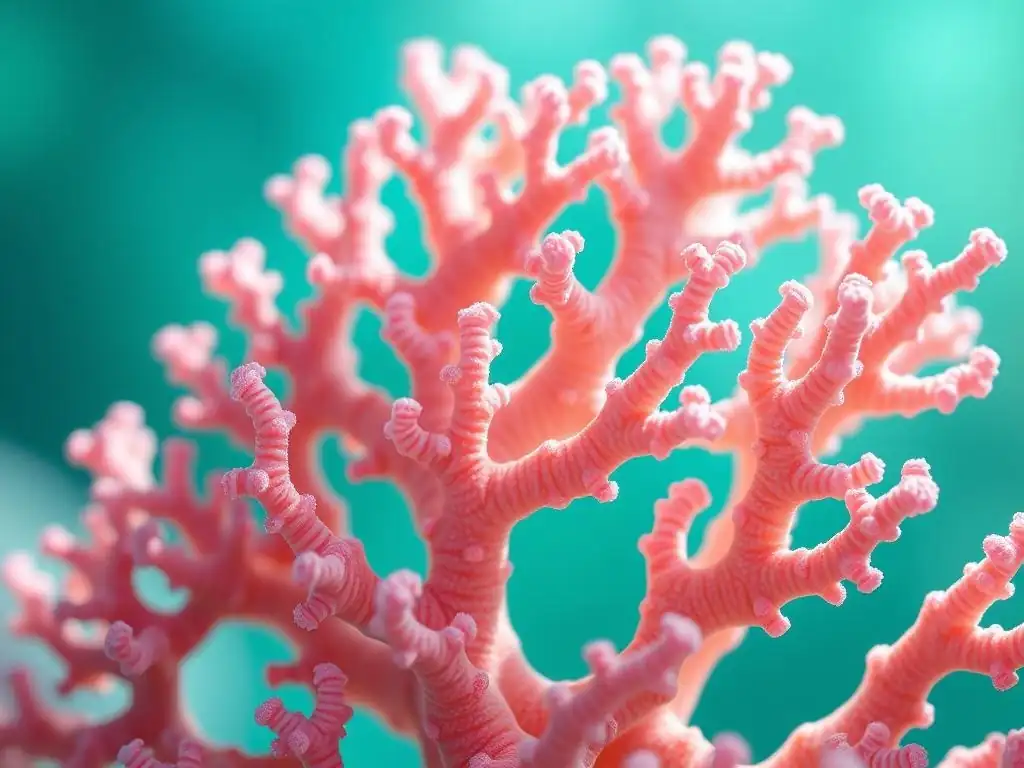
Recognizing signs of coral stress and aggression is crucial for prompt intervention and maintaining saltwater coral compatibility. In mushroom corals, common indicators of stress include reduced inflation or shrinking, loss of vibrant color (bleaching or fading), excessive mucus production, or detachment from their substrate. For other corals in the tank, signs might include polyp retraction, tissue recession (where the flesh pulls back from the skeleton), or a general "unhappy" appearance.
When one coral exhibits these signs, the first step is to observe its immediate neighbors. Look for direct physical contact, even if subtle, or consider if a larger, more aggressive coral is positioned upstream, potentially releasing a higher concentration of allelopathic chemicals. For example, if a normally vibrant Discosoma mushroom suddenly appears shrunken and pale on one side, check for contact with a nearby Rhodactis or a powerful LPS sweeper tentacle. Identifying the aggressor allows for targeted intervention, such as adjusting placement or enhancing chemical filtration, which are key steps in a practical saltwater coral compatibility guide.
Quarantine and Treatment Options for Unhealthy Corals
A dedicated quarantine tank (QT) is an invaluable tool for managing saltwater coral compatibility and addressing coral health issues. It allows you to isolate new corals for observation and pest removal before introducing them to your main display, preventing potential disease or pest outbreaks. More importantly, if an existing coral in your display tank shows signs of stress, infection, or damage from aggression, moving it to a QT provides a controlled environment for recovery and targeted treatment without risking the entire reef.
In the QT, you can administer specific medications, such as antibiotics for bacterial infections or anti-parasitics for external parasites, without affecting the sensitive biological filtration or other inhabitants of your main tank. For corals stressed by chemical aggression, the QT offers a pristine environment free from competing chemicals, allowing for recovery. For example, a mushroom coral that has detached due to stress can often reattach to a small piece of rubble in a low-flow QT within a few days to a few weeks. This controlled environment significantly increases the chances of recovery and helps maintain overall saltwater coral compatibility in your primary system.
Adjusting Tank Parameters to Promote Coral Harmony
When compatibility issues arise, a thorough review and potential adjustment of your tank parameters are often necessary to promote coral harmony. Begin by re-testing all critical water parameters—salinity, temperature, alkalinity, calcium, magnesium, nitrates, and phosphates—to ensure they are stable and within the optimal ranges. Even subtle shifts or inconsistencies can exacerbate stress and reduce a coral's resilience to aggression. For instance, an alkalinity swing of more than 0.5 dKH in a 24-hour period can significantly weaken corals, making them more susceptible to chemical irritation.
Beyond simply testing, consider enhancing your filtration to remove noxious compounds. Increase the frequency or amount of activated carbon used, perhaps replacing it every 3-4 days instead of weekly. Evaluate your protein skimmer's performance; an oversized or highly efficient skimmer can significantly reduce dissolved organic compounds. Additionally, increasing the frequency of water changes, perhaps from bi-weekly to weekly, can further dilute accumulated toxins and replenish essential trace elements. These adjustments to water quality are fundamental for alleviating coral stress and restoring saltwater coral compatibility within the reef.
Advanced Techniques for Maintaining a Diverse Mushroom Coral Reef
Fragging and Propagation for Expanding Your Coral Collection
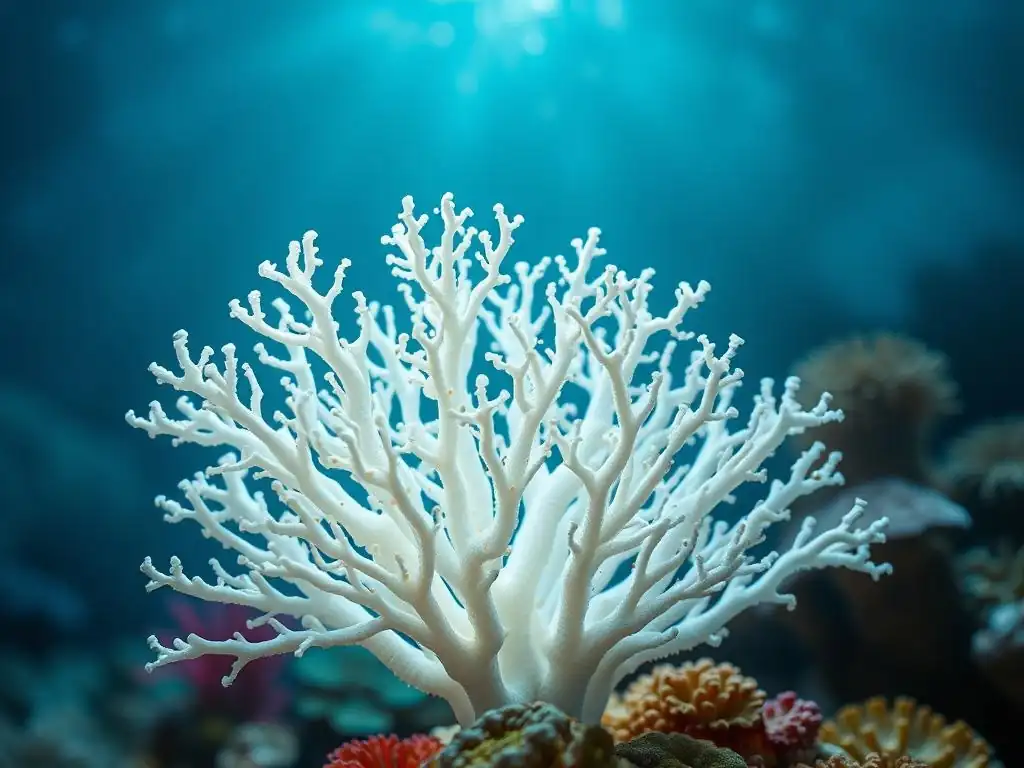
Fragging, or fragmenting, mushroom corals is an advanced technique that serves multiple purposes: it allows for controlled propagation to expand your collection, provides opportunities to share with other hobbyists, and helps manage overgrown colonies that might be encroaching on other corals. Most mushroom corals are relatively easy to frag. Discosoma and Rhodactis species often reproduce naturally by budding off new polyps from their base or by detaching small pieces of their cap. These can be collected and placed on frag plugs or small pieces of rubble.
For more controlled propagation, particularly with Ricordea species, you can gently cut the mushroom's foot or disc with a clean, sharp razor blade, ensuring each piece has a portion of the mouth. The cut fragments can then be attached to frag plugs or small rocks using super glue gel or by placing them in a low-flow area with rubble until they naturally attach. Success rates for fragging healthy mushroom corals are generally very high, often exceeding 80-90%. This practice not only expands your reef but also helps manage space, contributing to better saltwater coral compatibility in the long run.
Nutrient Management for Optimal Coloration and Growth in Mushroom Corals
While mushroom corals are largely photosynthetic and derive most of their energy from their symbiotic zooxanthellae, optimal coloration and robust growth are significantly influenced by balanced nutrient management. Unlike SPS corals that prefer ultra-low nutrient environments, mushroom corals often display better vibrancy and expansion with slightly detectable levels of nitrates (e.g., 2-5 ppm) and phosphates (e.g., 0.02-0.05 ppm). These slightly elevated levels support their zooxanthellae, which in turn provide more energy to the coral. However, caution is advised, as excessively high nutrient levels will inevitably lead to nuisance algae outbreaks.
Beyond ambient tank nutrients, mushroom corals can greatly benefit from occasional targeted feeding. They are capable of capturing and consuming small particulate foods, such as phytoplankton, zooplankton, or specialized liquid coral foods. Spot feeding a very fine particulate food (e.g., 0.5 ml per 10 gallons of tank water) once or twice a week can provide direct nutrients, enhancing their growth rate and intensifying their unique colors. This supplementary feeding, combined with judicious nutrient control, ensures that your mushroom corals receive all the necessary building blocks for flourishing, thereby contributing to the overall success of your saltwater coral compatibility guide strategy.
Case Study: Integrating Ricordea florida and Ricordea yuma
The integration of Ricordea florida and Ricordea yuma, two highly prized and visually stunning mushroom corals, serves as an excellent case study for applying saltwater coral compatibility guide principles. While both belong to the Ricordea genus, they are distinct species and can exhibit mild competitive behavior if placed in close proximity, primarily through chemical interactions and competition for light and space.
A successful integration in a 75-gallon display tank involved providing at least 3-4 inches of clear space between individual colonies of Ricordea florida and Ricordea yuma. The tank maintained robust water flow, ensuring gentle, indirect movement across the corals to dissipate any released chemicals.
Crucially, a consistent and robust chemical filtration regimen was employed: 1 cup of high-grade activated carbon was run in a dedicated media reactor, exchanged every 7-10 days, alongside a bi-weekly 15% water change schedule. Over a two-year period, this careful management allowed multiple colonies of both species to thrive side-by-side without any signs of aggression, recession, or loss of coloration, demonstrating that with proper planning and maintenance, even closely related, potentially competitive species can coexist harmoniously.
Maximizing Saltwater Coral Compatibility for a Stunning Reef Aquarium
Choosing the Right Equipment for a Healthy and Balanced Reef Tank
Selecting the appropriate equipment is foundational to creating a healthy and balanced reef tank capable of maximizing saltwater coral compatibility. For a mushroom coral-centric or mixed soft coral reef, core equipment includes:
- Lighting: LED fixtures with adjustable spectrum and intensity are ideal, allowing you to dial in the lower PAR levels (e.g., 50-150 PAR) that mushroom corals prefer. Brands like Ecotech Radion or AI Hydra offer precise control.
- Circulation: Wavemakers or powerheads that provide gentle, diffused, and indirect flow are essential. Avoid direct blasts of water, which can cause mushrooms to detach. Tunze and Vortech MP series pumps are popular choices.
- Filtration: An appropriately sized protein skimmer is crucial for nutrient export and removing dissolved organic compounds, including allelopathic chemicals. Supplement this with media reactors for activated carbon and potentially GFO (Granular Ferric Oxide) to ensure pristine water quality. Robust mechanical filtration, such as filter socks or pads, should also be part of the routine.
Beyond these core components, supplemental equipment can further enhance saltwater coral compatibility and overall tank stability. An ATO (Auto Top-Off) system maintains stable salinity by automatically replacing evaporated water. Heaters or chillers ensure stable temperatures. While less critical for mushroom-only tanks, dosing pumps can automate the precise replenishment of alkalinity, calcium, and magnesium in more heavily stocked mixed reefs, preventing parameter swings that could stress sensitive corals.
Long-Term Planning and Observation for Sustained Success
Long-term success in reef keeping, particularly when aiming for optimal saltwater coral compatibility, is fundamentally a marathon, not a sprint. It requires a proactive approach based on continuous observation and adaptability. Regularly monitoring the health, growth, and interactions of all your corals is paramount. Maintain detailed logs of your water parameters and any adjustments made to filtration, feeding, or equipment. This historical data can prove invaluable in diagnosing issues and understanding trends within your unique system.
Be prepared to adjust your initial placement, flow patterns, lighting intensity, or filtration methods as your corals grow and mature. What works perfectly for small frags may not be suitable for large, established colonies. For instance, a Rhodactis mushroom that initially seemed well-behaved might begin irritating a neighboring coral once it doubles in size and its chemical output increases. Being proactive in relocating, fragging, or even removing corals that consistently cause issues can prevent widespread stress and ensure the sustained harmony and stunning appearance of your reef aquarium.
Resources for Further Learning About Mushroom Coral Care
To truly master saltwater coral compatibility and mushroom coral care, continuous learning is key. The reef keeping community offers a wealth of knowledge and experience. Actively participating in online reef keeping forums and communities (e.g., Reef2Reef, forums dedicated to specific coral types) allows you to ask questions, share your experiences, and learn from seasoned aquarists who have navigated similar challenges. These platforms often provide practical, real-world saltwater coral compatibility guide insights that complement theoretical knowledge.
Supplementing online resources with reputable books and scientific articles can deepen your understanding of coral biology, water chemistry, and reef ecosystem dynamics. Classic texts like "The Reef Aquarium" series by J. Charles Delbeek and Julian Sprung offer comprehensive overviews of reef husbandry. Exploring scientific papers on coral allelopathy, nutrient uptake, or reproduction can provide a more nuanced perspective on the intricate processes governing coral health and interactions. This multi-faceted approach to learning will equip you with the knowledge needed to create and maintain a thriving, harmonious, and visually spectacular mushroom coral reef.
Frequently Asked Questions
Can you mix different color variations of the same mushroom coral species in a saltwater aquarium?
Yes, generally. Different color morphs of the same species are usually compatible and can often be kept together without aggression. However, observe them initially to ensure no signs of stress.
What factors affect the compatibility of different mushroom coral species?
Several factors play a role, including water parameters, flow, and available space. Maintaining stable and optimal conditions is crucial for overall coral health and reduces aggression.
How much space should I provide between different mushroom coral species in my aquarium?
Allow sufficient space for growth. Mushroom corals can spread, so providing a few inches between them helps prevent them from overgrowing each other and competing for resources.
Are some mushroom coral species more aggressive than others?
While mushroom corals are generally considered peaceful, some can be more territorial. Observe your corals closely for signs of stinging or shading that might indicate aggressive behavior.
What should I do if my mushroom corals start showing signs of incompatibility or aggression?
Increase water flow to disperse chemicals, physically separate the corals further apart, or consider relocating one of them to another area of the tank. Consistent water changes can also help maintain water quality and reduce stress.
The intricacies of reef ecosystems, as explored in this guide, highlight the profound impact of understanding saltwater coral compatibility in creating thriving aquariums. What begins as a simple question of aesthetics quickly evolves into a complex consideration of chemical warfare, territorial boundaries, and the overall health of a delicate, enclosed environment. This knowledge isn't just for hobbyists; it's a microcosm of the larger challenges we face in preserving our planet's biodiversity.
The ongoing fascination with reef keeping underscores our deep connection to the natural world and our desire to recreate its beauty within our own homes. My own journey into reef keeping has been a constant lesson in humility, patience, and the interconnectedness of all living things. In the end, we will conserve only what we love; we will love only what we understand; and we will understand only what we are taught.
- Baba Dioum. This quote perfectly encapsulates the responsibility we bear as custodians of these miniature ecosystems.
Now, armed with a deeper understanding of saltwater coral compatibility, I invite you to reflect on the choices you make, both within your aquarium and beyond. Consider the ripple effect of your actions and strive to cultivate a harmonious environment, not just for your corals, but for the world around you. Let this guide be a stepping stone towards a more conscious and compassionate approach to interacting with our planet's precious resources.
Cultivate Your Coral Canvas!
Thank you for diving into the fascinating world of mushroom corals! We hope you’ve gained valuable insights into successfully housing these unique creatures in your reef tank. Now it's time to take what you've learned and bring it to life.
Ready to create a thriving and diverse mushroom coral garden? Here are a few actionable steps you can take right now:
- Carefully observe your existing or future mushroom corals for signs of aggression before introducing new species. This preemptive step is key to harmony!
- Explore local reefing communities to trade frags of different mushroom corals, expanding your collection while sharing the beauty with others.
- Document your coral growth and interactions through photos and videos, creating a visual journal of your reefing journey.
What surprising color combination are you excited to try in your mushroom coral aquarium?