
Brown Jelly Disease in SPS: Understanding Causes, Symptoms, and Emergency Actions

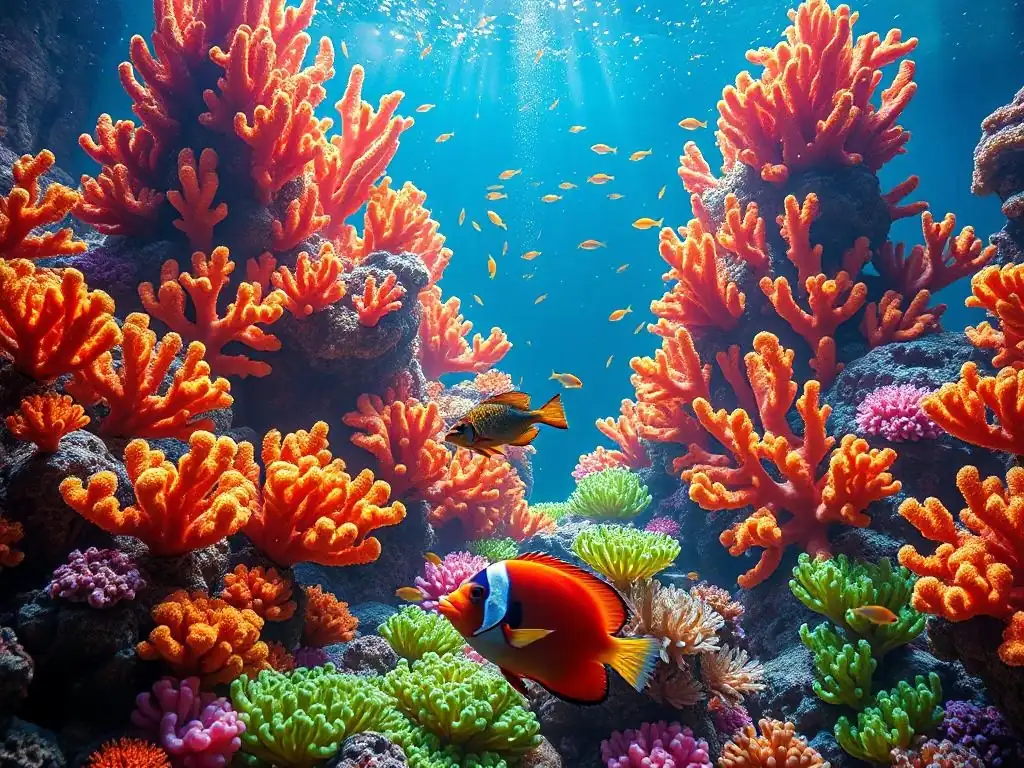
Welcome to Aquarium Mastery!
Ever stared into your SPS coral tank and felt a chill run down your spine? Brown Jelly Disease can be a nightmare for reef keepers, and understanding it is crucial for the health of your vibrant ecosystem. Dive into our guide on SPS Jelly Disease Treatment and learn how to spot the early warning signs, understand the root causes, and take immediate action to save your precious corals. Ready to become a coral health champion? Let's get started!
- What is Brown Jelly Disease in SPS Corals? A Comprehensive Overview
- Identifying Brown Jelly Disease: Recognizing the Symptoms in Your SPS
- Unpacking the Causes of Brown Jelly Disease in SPS Aquariums
- Emergency Treatment: A Step-by-Step Guide
- Preventing Brown Jelly Disease: Long-Term SPS Coral Health Strategies
- Treatment Methods: A Comparison
- Post-Treatment Care: Rehabilitating Your SPS Coral
- Advanced Strategies for Preventing Recurrence
- Troubleshooting Common Challenges
- Brown Jelly Disease: A Recap of Key Actions and Preventative Measures
-
Frequently Asked Questions
- How does Brown Jelly Disease specifically affect SPS corals?
- What are the common symptoms of Brown Jelly Disease in SPS corals?
- What are the likely causes of Brown Jelly Disease in SPS corals?
- What emergency actions should be taken when Brown Jelly Disease is detected?
- What preventative measures can be taken to minimize the risk of Brown Jelly Disease?
- Final Reflection: Preserving the Vibrant Reef
- Unleash Your Reef's Potential: Stop Brown Jelly Disease Now!
What is Brown Jelly Disease in SPS Corals? A Comprehensive Overview
Defining Brown Jelly Disease and its Impact on SPS Corals
Brown Jelly Disease (BJD) is a highly aggressive and rapidly progressing ailment that devastates corals, particularly Small Polyp Stony (SPS) varieties. It manifests as a slimy, gelatinous, brown-to-grey mass that typically begins at a point of injury or the base of the coral and quickly spreads. This "jelly" is primarily composed of necrotic coral tissue, symbiotic zooxanthellae, and the causative protozoans, making it a visible and alarming indicator of severe distress.
The impact of Brown Jelly Disease on SPS corals, such as Acropora, Montipora, and Seriatopora, is often catastrophic. Due to its rapid progression, an entire SPS colony can be consumed and perish within hours to a few days. This swift tissue necrosis leaves behind a stark white skeleton, signifying irreversible damage and complete colony loss if immediate and decisive SPS Jelly Disease Treatment is not applied.
Why SPS Corals Are Susceptible to Brown Jelly
SPS corals are inherently more delicate and demanding than many other coral types, requiring exceptionally stable water parameters and pristine conditions to thrive. Their high metabolic rates and complex calcification processes make them particularly vulnerable to even minor environmental fluctuations. Any deviation from their ideal parameters, such as sudden changes in temperature or alkalinity, can induce significant stress, compromising their immune system.
Common stressors for SPS corals include inadequate or fluctuating water flow, insufficient lighting, rapid shifts in salinity (e.g., a drop of 0.002 SG or more in a day), and physical damage from handling or aggression from tank mates. These stressors weaken the coral's natural defenses, making them prime targets for opportunistic pathogens. The ciliate protozoan Philaster, a common culprit behind Brown Jelly Disease, exploits these weakened states, leading to rapid infection and tissue degradation.
Identifying Brown Jelly Disease: Recognizing the Symptoms in Your SPS
Visual Cues: Recognizing the Characteristic Brown Jelly Appearance
The most defining symptom of Brown Jelly Disease is the unmistakable appearance of a viscous, brown, snot-like substance on the coral's tissue. This gelatinous mass can range in color from a light tan to a dark brown or even grey, often appearing translucent. It commonly starts at the base of the coral or around an injured area, gradually engulfing healthy tissue. Early detection is crucial, as the initial patch might be small and easily overlooked before it rapidly expands.
This "jelly" is a morbid mix of dead coral tissue, expelled zooxanthellae (the coral's symbiotic algae), and the protozoans actively consuming the coral. In some cases, a faint, unpleasant odor might be detectable from the affected area, though this is not always evident within the confines of an aquarium. Observing this distinct visual cue demands immediate action and targeted SPS Jelly Disease Treatment.
Rapid Tissue Necrosis: Understanding the Speed of Brown Jelly Progression
One of the most alarming characteristics of Brown Jelly Disease is its incredibly rapid progression, often leading to complete colony loss in a remarkably short timeframe. A healthy SPS coral, even a large Acropora colony measuring several inches across, can be entirely consumed by the disease within 24 to 48 hours. This swift tissue necrosis is a hallmark of BJD, distinguishing it from slower-acting coral ailments.
The tissue loss is stark and dramatic; as the brown jelly consumes the living polyps and flesh, it leaves behind a stark white, exposed skeleton. This rapid recession often moves across the coral's surface at a visible pace. The speed of this destruction underscores the urgency required for any effective SPS Jelly Disease Treatment.
Behavioral Changes in Affected SPS Colonies
Before the visible brown jelly appears, or in conjunction with its early stages, affected SPS colonies may exhibit subtle behavioral changes. These can include a noticeable reduction in polyp extension, where the coral's polyps appear retracted or less extended than usual. The coral might also display a dulling of its vibrant coloration, appearing pale or "bleached" in the affected areas, indicative of stress and the expulsion of zooxanthellae.
As the disease progresses, the coral will cease polyp extension entirely in the compromised areas. While not always definitive, some aquarists report observing fish or invertebrates avoiding the immediate vicinity of the diseased coral, or conversely, certain opportunistic scavengers might be seen picking at the affected tissue. These behavioral cues, when combined with visual signs, serve as critical indicators necessitating prompt SPS Jelly Disease Treatment.
Unpacking the Causes of Brown Jelly Disease in SPS Aquariums
Poor Water Quality as a Primary Trigger for Brown Jelly
Stable and pristine water quality is paramount for the health of SPS corals, and deviations are a leading trigger for Brown Jelly Disease. Fluctuations or consistently elevated levels of nitrates (e.g., above 10-20 ppm) and phosphates (e.g., above 0.03-0.05 ppm) can severely stress SPS corals, weakening their natural defenses. Similarly, unstable alkalinity, with daily swings greater than 0.5 dKH, can lead to significant physiological stress, making corals susceptible to opportunistic pathogens.
High organic loads, often evidenced by a low redox potential or a general cloudiness in the water, create an environment conducive to bacterial blooms and the proliferation of harmful protozoans. These conditions directly compromise coral health, increasing the likelihood of a Brown Jelly Disease outbreak. Maintaining consistent parameters within optimal ranges – for instance, alkalinity at 8.0-8.5 dKH, calcium at 400-450 ppm, and magnesium at 1250-1350 ppm – is fundamental to prevention.
Stress Factors Contributing to SPS Coral Disease
Beyond water chemistry, numerous other stress factors can contribute to SPS coral vulnerability and the onset of Brown Jelly Disease. Sudden changes in lighting intensity or spectrum, such as moving a coral to a significantly brighter or dimmer area without proper acclimation, can shock the coral. Inadequate or fluctuating water flow, leading to "dead spots" where detritus accumulates or insufficient nutrient delivery, also compromises coral health.
Physical damage, whether from accidental knocks, falling rocks, or aggressive tank mates (e.g., certain crabs or fish nipping at tissue), provides entry points for pathogens. Furthermore, temperature swings exceeding 2-3°F within a few hours, or prolonged periods of elevated temperatures (e.g., above 82°F), can severely weaken SPS corals' immune responses. Over-dosing supplements or introducing unquarantined corals can also introduce or exacerbate stress, paving the way for disease.
The Role of Bacteria and Protozoans in Brown Jelly Development
Brown Jelly Disease is primarily caused by a ciliate protozoan, most commonly identified as Philaster (formerly Miamiensis avidus). This microscopic organism is naturally present in marine environments but becomes pathogenic and aggressive when corals are stressed or compromised. The protozoan actively consumes the coral's tissue, leading to the characteristic rapid necrosis and the formation of the brown gelatinous mass.
While Philaster is the primary causative agent, secondary bacterial infections frequently accompany the protozoan attack. These bacteria capitalize on the weakened, necrotic coral tissue, often exacerbating the rate of tissue loss and making the disease more aggressive. A comprehensive SPS Jelly Disease Treatment often needs to address both the protozoan and potential bacterial components to be fully effective.
Emergency Treatment: A Step-by-Step Guide
Immediate Isolation: Quarantine Protocols for Affected SPS Corals
The moment Brown Jelly Disease is suspected, immediate isolation of the affected coral is the most critical first step to prevent its rapid spread to other healthy corals in the display tank. Carefully remove the diseased coral using clean tools, ensuring minimal contact with other corals during the transfer. Place the coral into a dedicated quarantine tank (QT) or a separate container filled with water from the main display tank.
This immediate quarantine is crucial because Brown Jelly Disease is highly contagious, with the protozoa capable of spreading through the water column. In the QT, maintain stable parameters mimicking the main tank to minimize further stress. This isolation allows for targeted SPS Jelly Disease Treatment without risking the entire reef system.
Fragging as a Salvage Technique: Cutting Away Diseased Tissue
Fragging, or cutting away diseased tissue, is a vital salvage technique for corals afflicted with Brown Jelly Disease, especially if the infection is localized. Using sterile, sharp bone cutters or a Dremel tool, carefully cut away all visibly affected tissue, ensuring to remove an additional 0.5 to 1 centimeter (approximately 0.2 to 0.4 inches) of apparently healthy tissue around the diseased margin. This margin ensures that all protozoan-infected tissue is removed.
The rationale behind fragging is to physically remove the bulk of the protozoa and necrotic tissue before they can consume the entire colony. After fragging, it is highly recommended to dip the newly cut, healthy frag in an antiseptic solution before placing it into the quarantine tank. This combined approach significantly improves the chances of saving at least a portion of the affected SPS colony.
Chemical Dips: Effective Solutions and Application
Chemical dips are a cornerstone of effective SPS Jelly Disease Treatment, targeting pathogens on the coral's surface.
Iodine Dips
Iodine-based dips, such as Lugol's solution or commercially available products like Seachem Reef Dip, are widely used for Brown Jelly Disease. These solutions act as broad-spectrum antiseptics, helping to sanitize the coral's surface and reduce bacterial load, which can indirectly aid in controlling the protozoan. To prepare, follow product instructions, typically adding a few drops per cup of tank water. Dip the affected coral for 5-10 minutes, carefully observing for any signs of adverse reaction, such as excessive sliming or tissue recession.
After the dip, gently rinse the coral in a separate container of clean tank water before transferring it to the quarantine tank. While iodine dips are generally effective for surface sanitation and can help in mild cases or as a preventative measure, they are often not a standalone cure for advanced Brown Jelly Disease, which necessitates a more aggressive SPS Jelly Disease Treatment.
Antibiotic Dips: When and How to Use Them
Broad-spectrum antibiotic dips, such as those containing Ciprofloxacin or Furan-2, are often employed when secondary bacterial infections are suspected, as these can accelerate tissue necrosis. These are typically administered as short-term dips in a separate container, not directly in the main display tank. Dosage varies by product and antibiotic type; for example, Ciprofloxacin might be used at 500mg per gallon for a 30-60 minute dip.
It is crucial to use antibiotics judiciously, as their overuse can lead to antibiotic resistance and potentially harm beneficial bacteria if introduced to the main system. Use them only when necessary and as part of a targeted SPS Jelly Disease Treatment plan, especially in severe cases where the coral is rapidly deteriorating. Always monitor the coral closely during the dip and rinse thoroughly with clean tank water afterward. Consulting an experienced aquarist or aquatic veterinarian for precise dosing and application is highly recommended.
Water Parameter Optimization During Treatment
Maintaining pristine and stable water quality in the treatment tank is absolutely critical for the coral's recovery during SPS Jelly Disease Treatment. Ensure that key parameters, including temperature (ideally 77-79°F or 25-26°C), salinity (1.025-1.026 specific gravity), and alkalinity (8.0-8.5 dKH), are consistently optimal and free from fluctuations. Daily testing of these parameters in the quarantine setup is highly recommended.
Perform small, frequent water changes (e.g., 10-20% daily) in the treatment container to remove dissolved organics, keep nutrient levels low, and ensure parameter stability. Adequate water flow within the treatment tank is also essential to prevent dead spots and aid in the coral's healing process. During treatment, avoid introducing any new stressors or non-essential supplements that could further compromise the coral's already weakened state. This holistic approach significantly enhances the chances of successful recovery.
Preventing Brown Jelly Disease: Long-Term SPS Coral Health Strategies
Maintaining Optimal Water Quality
Consistent maintenance of optimal water quality is the cornerstone of preventing Brown Jelly Disease in SPS corals. This involves diligent monitoring of key parameters such as alkalinity, calcium, magnesium, nitrates, and phosphates. The focus should be on stability, not just hitting target numbers; for instance, maintaining alkalinity within a tight range like 8.0-8.5 dKH with daily fluctuations of no more than 0.2 dKH significantly reduces stress on SPS corals.
Implement a robust nutrient export strategy to keep nitrates below 5 ppm and phosphates below 0.03 ppm. This includes regular partial water changes (e.g., 10% bi-weekly), efficient protein skimming, and potentially the use of macroalgae refugiums, biopellets, or granular ferric oxide (GFO). A clean, stable environment directly inhibits the proliferation of opportunistic pathogens like those causing Brown Jelly Disease.
Ensuring Proper Water Flow and Circulation
Proper water flow and circulation are absolutely critical for the long-term health of SPS corals and a key preventative measure against Brown Jelly Disease. SPS corals require strong, turbulent, and varied water movement to deliver essential nutrients, remove metabolic waste products, and prevent detritus from settling on their delicate tissues. Aim for flow rates that ensure polyps are gently swaying but not flattened or constantly pushed against the skeleton.
Identify and eliminate "dead spots" within the aquarium where water movement is minimal and detritus can accumulate. Such areas can become breeding grounds for bacteria and protozoans. Employ multiple powerheads or wavemakers to create chaotic, multidirectional flow patterns that mimic natural reef conditions, ensuring every part of the SPS colony receives adequate and intermittent water movement, thereby reducing stress and vulnerability.
Regular Observation and Early Detection
Consistent and detailed observation of all SPS corals is perhaps one of the most effective preventative measures against Brown Jelly Disease. Daily, close inspection allows aquarists to identify subtle changes in coral coloration, polyp extension, or tissue integrity before a full-blown outbreak occurs. Early signs, such as a small patch of discolored tissue, slight retraction of polyps, or a dulling appearance, can be easily missed but are crucial for timely intervention.
Maintaining a detailed log of coral health and water parameters can help identify trends or correlations that might indicate an underlying issue before it escalates. Prompt action upon the very first sign of distress, even if it's not immediately identified as Brown Jelly, is often the difference between successfully saving a coral and losing it to this aggressive disease. Early detection facilitates more effective SPS Jelly Disease Treatment.
Treatment Methods: A Comparison
Pros and Cons of Iodine Dips
Iodine dips offer several advantages as a component of SPS Jelly Disease Treatment. They are readily available, relatively inexpensive, and act as a general antiseptic, helping to sanitize the coral's surface and reduce bacterial loads. For mild cases of Brown Jelly Disease or as a prophylactic measure after fragging, iodine dips can be quite effective in preventing secondary infections and promoting healing. Many aquarists keep iodine solutions on hand for immediate use.
However, iodine dips also have limitations. They are not a direct cure for the protozoan itself, primarily addressing surface sanitation and secondary issues rather than the root cause. Overdosing or prolonged exposure can be harmful to corals, potentially causing further stress or tissue damage. For advanced or rapidly progressing cases of Brown Jelly Disease, iodine dips often prove insufficient as a standalone treatment and may require more aggressive interventions.
Analyzing the Effectiveness of Antibiotic Treatments
Antibiotic treatments, particularly broad-spectrum ones like Ciprofloxacin or Metronidazole, can be highly effective against the secondary bacterial infections that frequently accompany Brown Jelly Disease and accelerate tissue loss. When used as targeted dips, they can halt the bacterial component of the disease, providing a critical window for the coral to recover from the primary protozoan attack. They are often a crucial component of a multi-faceted SPS Jelly Disease Treatment plan for severe cases.
Despite their effectiveness against bacteria, antibiotics do not directly target the protozoan responsible for Brown Jelly Disease. Their use carries risks, including the potential for impacting beneficial bacteria if not applied strictly as a dip, and the long-term concern of fostering antibiotic resistance if used indiscriminately. Therefore, antibiotics should be reserved for severe cases where bacterial involvement is evident or highly suspected, and always used judiciously under careful observation.
Natural Remedies and Their Role in Recovery
"Natural remedies" in the context of Brown Jelly Disease primarily refer to strategies that strengthen the coral's intrinsic defenses and promote a healthy environment for self-healing. This includes meticulously ensuring optimal water quality, maintaining stable parameters, and providing robust water flow – all foundational elements for coral health and resilience. Some aquarists explore the use of increased alkalinity or specific probiotic additions, though scientific evidence directly linking these to a cure for active Brown Jelly outbreaks is limited.
It is important to emphasize that while creating an ideal environment is paramount for long-term coral health and preventing disease, these "natural remedies" are generally supportive measures rather than direct cures for an active, aggressive Brown Jelly outbreak. A thriving, stable system is less likely to succumb to disease and more likely to recover from minor ailments, but an active Brown Jelly infection typically requires immediate, more aggressive SPS Jelly Disease Treatment actions.
Post-Treatment Care: Rehabilitating Your SPS Coral
Monitoring Recovery and Stability of Water Parameters
After initial SPS Jelly Disease Treatment, continuous monitoring of the coral's recovery and meticulous maintenance of water parameters in the quarantine tank are critical. Daily observation for signs of improvement, such as the cessation of tissue loss, the return of polyp extension, and color improvement, is essential. Regularly test the water parameters (e.g., alkalinity, calcium, salinity, temperature) in the QT to ensure they remain stable and optimal for healing and regeneration.
During this crucial recovery phase, avoid any sudden changes or additional stressors. Consistent lighting, appropriate water flow, and careful attention to the coral's needs will allow it to allocate its energy towards tissue regeneration and overall rehabilitation. Patience is key, as full recovery can take several weeks or even months depending on the severity of the initial infection.
Gradual Acclimation Back to the Main Display Tank
Once the coral shows no signs of Brown Jelly Disease for at least 7-14 days, and exhibits robust recovery, begin the gradual acclimation process back to the main display tank. If the QT parameters differ slightly from the main tank, use a drip acclimation method to slowly equalize salinity and temperature, minimizing shock. Float the coral in a bag in the main tank for 30 minutes to an hour to further equalize temperature before release.
For lighting, consider placing the recovered coral in a lower-light area of the main tank initially, even if its final desired location is brighter. Gradually move it to its permanent spot over several days or weeks. This step-wise approach prevents light shock, reduces stress, and significantly lowers the risk of relapse after successful SPS Jelly Disease Treatment.
Supporting Coral Health with Proper Nutrition and Supplements
Once the coral is safely back in the main display tank and appears stable, supporting its long-term health with proper nutrition and supplements is vital for complete rehabilitation. While SPS corals primarily rely on photosynthesis from their zooxanthellae, targeted feeding of high-quality coral foods, such as amino acids, phytoplankton, or zooplankton, can significantly support tissue regeneration, calcification, and overall vitality, especially after a stressful event.
Ensure that all essential trace elements crucial for coral health, such as strontium, iodide, and potassium, are maintained at optimal levels. This can be achieved through regular partial water changes with a high-quality salt mix or via precise targeted dosing. These elements are integral to the coral's metabolic processes and calcification, aiding in its complete recovery and enhancing its resilience against future disease.
Advanced Strategies for Preventing Recurrence
Proactive Water Testing and Maintenance Schedules
To prevent the recurrence of Brown Jelly Disease, implementing a rigorous, proactive water testing and maintenance regimen is paramount. This means testing key parameters—alkalinity, calcium, magnesium, nitrates, phosphates, salinity, and temperature—at least weekly, or even more frequently for alkalinity in high-demand SPS systems. Utilize high-quality test kits or professional ICP-OES lab testing for precision.
Develop and adhere to a strict maintenance schedule that includes regular partial water changes (e.g., 10-15% bi-weekly), meticulous protein skimmer cleaning, timely filter sock replacement, and diligent detritus removal from the substrate and rockwork. Consistent, proactive maintenance is far more effective at preventing stress and disease outbreaks than reactive measures taken only after an issue arises.
Implementing a Robust Quarantine Protocol for New SPS Additions
A robust quarantine protocol for all new SPS coral additions is an absolute necessity and one of the most effective advanced strategies for preventing Brown Jelly Disease recurrence. All new corals should be quarantined for a minimum of 3-4 weeks, or ideally longer, in a dedicated quarantine tank (QT) before being introduced to the main display. This period allows any latent diseases, pests (such as Red Bugs or AEFW), or parasites to manifest.
During quarantine, observe corals closely for any signs of distress or disease, perform prophylactic dips (e.g., iodine or pest control dips as appropriate), and ensure they are feeding and healthy. A dedicated QT with stable parameters is a non-negotiable tool for preventing the introduction of pathogens that could trigger a Brown Jelly Disease outbreak, safeguarding your existing SPS colonies.
Understanding the Role of Biological Filtration
A mature and robust biological filtration system is the cornerstone of a healthy, stable reef tank and plays a critical role in preventing diseases like Brown Jelly. This system, primarily composed of beneficial bacteria residing on live rock, sand beds, and specialized bio-media (e.g., ceramic rings, biopellets), efficiently processes toxic ammonia and nitrites into less harmful nitrates. A fully cycled and stable nitrogen cycle significantly reduces overall stress on corals by preventing the buildup of harmful waste compounds.
Ensuring that your biological filtration is functioning optimally, without being overloaded by excessive bioload, directly contributes to maintaining stable water quality. A healthy, well-balanced microbial environment within the tank enhances the overall resilience of SPS corals, making them less susceptible to opportunistic infections and promoting a more robust environment capable of resisting diseases.
Troubleshooting Common Challenges
Addressing Secondary Infections and Complications
Even after successful initial SPS Jelly Disease Treatment, corals may develop secondary bacterial or fungal infections due to their compromised tissue. These can manifest as fuzzy growths, further discolored patches, or renewed, albeit slower, tissue recession. Such complications often require additional, targeted antibiotic or antifungal dips. For example, a coral that has stopped losing tissue after a Brown Jelly dip might then develop a white fuzzy growth, indicating a fungal or bacterial secondary infection that needs specific intervention.
Be prepared to re-treat with appropriate medications if these secondary issues arise. Maintaining excellent water quality, providing optimal flow, and ensuring a stable, low-stress environment in the recovery tank are paramount to preventing these complications and supporting the coral's natural healing processes. Vigilant observation is key to identifying these new challenges promptly.
Managing Algae Growth During the Recovery Period
Corals recovering from Brown Jelly Disease are severely weakened and highly susceptible to algae encroachment, particularly if placed in areas with lower flow or if nutrient levels are not perfectly controlled. Algae can quickly smother healing tissue, further stress the coral, and impede its recovery. Even a small patch of film algae on the skeleton near healing tissue can set back the recovery process.
Manually remove any algae growing on or near the recovering coral using a soft brush or siphon. Ensure nutrient control remains stringent in the recovery tank to deter algae growth. Adequate, non-turbulent flow around the recovering coral is also crucial to prevent detritus accumulation and inhibit algae. In a long-term recovery setup, carefully consider introducing small, reef-safe herbivores, like certain snails or hermit crabs, but only if they pose absolutely no threat to the delicate, recovering coral.
If Brown Jelly Disease recurs despite diligent treatment, or if corals fail to make a full recovery, it's crucial to re-evaluate all potential hidden stressors in the system. These can be subtle and easily overlooked. Examples include stray voltage from faulty equipment, intermittent pump malfunctions causing fluctuating water flow, or even aggression from seemingly peaceful tank mates that nip at corals when lights are out or during feeding.
Conduct a thorough review of all aspects of your system: feeding habits, supplement dosing accuracy, the overall bioload, and the age or condition of equipment. Sometimes, a seemingly minor or intermittent issue can be the underlying trigger for repeated stress and disease susceptibility. A systematic and comprehensive assessment of all system components and husbandry practices is essential for achieving long-term success in keeping SPS corals and preventing future outbreaks.
Brown Jelly Disease: A Recap of Key Actions and Preventative Measures
Brown Jelly Disease is an aggressive and rapidly fatal ailment for SPS corals, characterized by a distinct brown, gelatinous mass and swift tissue necrosis. Its onset is often triggered by environmental stressors, particularly poor water quality and physical damage, which allow opportunistic protozoans like Philaster to proliferate. Immediate and decisive action is paramount for any chance of successful SPS Jelly Disease Treatment.
Key emergency actions include immediate isolation of the affected coral, physical removal of diseased tissue through fragging, and targeted chemical dips (iodine for sanitation, antibiotics for secondary infections). Long-term prevention hinges on maintaining pristine and stable water parameters, ensuring robust and varied water flow, and implementing a strict quarantine protocol for all new coral additions. Consistent, proactive observation and maintenance are the most powerful tools in safeguarding your SPS colonies against this devastating disease.
Frequently Asked Questions
How does Brown Jelly Disease specifically affect SPS corals?
Brown Jelly Disease in SPS corals is a rapid tissue necrosis caused by bacterial infection. It quickly consumes the coral tissue, leaving behind a brown, jelly-like substance. This can lead to rapid coral death if left untreated.
What are the common symptoms of Brown Jelly Disease in SPS corals?
The most obvious symptom is the appearance of a brown, slimy substance on the coral. Other signs include tissue recession, a foul odor, and sometimes even a cloudy slime around the affected area.
What are the likely causes of Brown Jelly Disease in SPS corals?
While the exact cause is complex, factors such as poor water quality, physical damage to the coral, and stress from environmental changes are commonly implicated. Introducing new, potentially infected corals can also spread the bacterial infection.
What emergency actions should be taken when Brown Jelly Disease is detected?
Immediate action is crucial, including removing the affected coral to a quarantine tank, using a turkey baster to gently remove the jelly, and performing a iodine dip to help control the infection.
What preventative measures can be taken to minimize the risk of Brown Jelly Disease?
Maintaining stable water parameters, practicing proper quarantine procedures for new corals, and avoiding physical damage to the corals are essential. Regular water changes and careful monitoring of coral health are also crucial.
Final Reflection: Preserving the Vibrant Reef
The urgency surrounding SPS Jelly Disease Treatment is more critical than ever, as our coral reefs face unprecedented environmental pressures. The delicate balance of these underwater ecosystems is constantly threatened, and understanding the causes, symptoms, and emergency actions for diseases like Brown Jelly is no longer just a matter of hobbyist interest, but a crucial step in preserving these vital habitats for future generations. The knowledge shared in this article serves as a vital tool in the ongoing fight to protect these fragile ecosystems.
This issue has deeply impacted the reefing community, and continues to shape our understanding of coral health and resilience. Witnessing the rapid devastation caused by Brown Jelly Disease underscores the interconnectedness of our actions and the health of the marine environment. We are tied to the ocean. And when we go back to the sea, whether it is to sail or to watch it, we are going back from whence we came.
- John F. Kennedy. This quote reminds us of our inherent connection to the ocean and the responsibility we bear to protect its wonders.
Now, armed with this knowledge, consider the role you can play in safeguarding our coral reefs. Reflect on the small changes you can implement in your own practices, whether it's through responsible sourcing, careful husbandry, or advocating for sustainable practices. Let this understanding of SPS Jelly Disease Treatment inspire you to become a proactive steward of the ocean, contributing to the health and vitality of our planet's most precious ecosystems.
Unleash Your Reef's Potential: Stop Brown Jelly Disease Now!
Thank you for diving deep into understanding Brown Jelly Disease and its impact on your SPS corals. Now that you're equipped with the knowledge, it's time to take action and protect your vibrant reef ecosystem.
Here are some immediate steps you can take:
- Act immediately! Quarantine infected corals. This single action could save the entire reef.
- Explore deeper: Research advanced treatment methods like iodine dips and targeted antibiotic treatments.
- Share your insights! Join our community forum and discuss your experiences and successes in combating Brown Jelly Disease.
What specific quarantine protocol will you implement first to safeguard your reef from the spread of Brown Jelly Disease?