
Choosing Your First Acropora: "Easier" Species for the Aspiring Advanced SPS Keeper

Welcome to Aquarium Mastery!
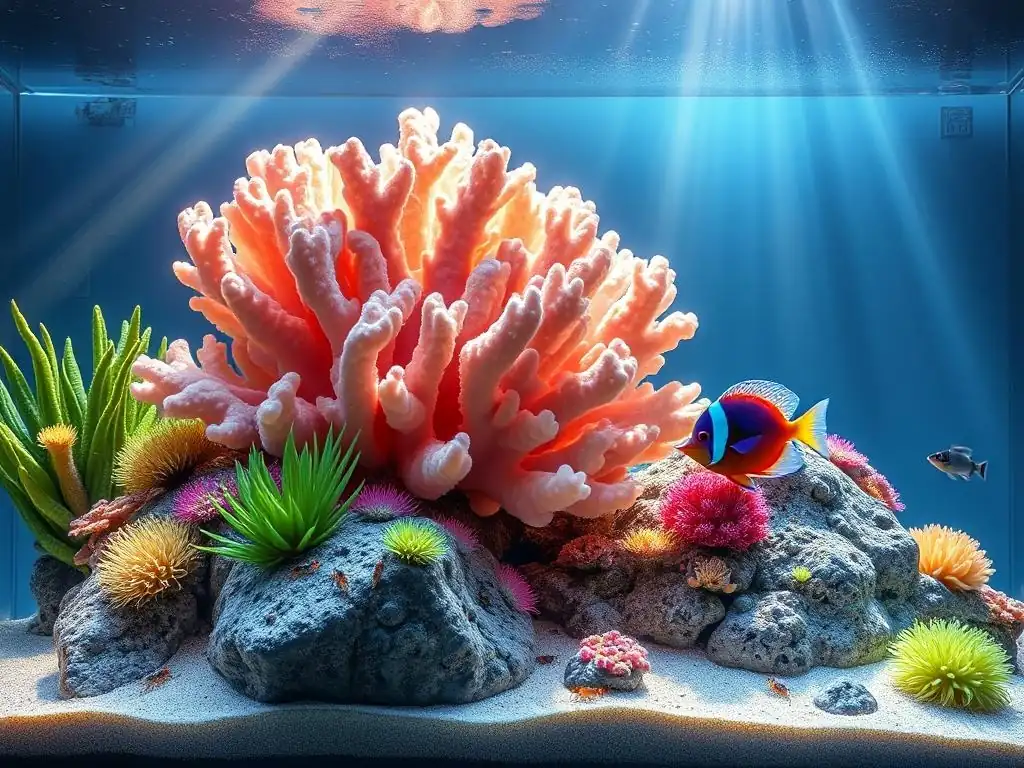
Ever dreamt of the vibrant colors and intricate structures of an Acropora coral reef right in your own home? It might seem daunting, but it's more achievable than you think! Are you ready to take the plunge into the world of Small Polyp Stony (SPS) corals? Our Easy Acropora Beginner Guide is here to demystify the process and show you which Acropora species are surprisingly accessible for even aspiring reef keepers. Curious which stunning Acropora can thrive in your tank? Keep reading to unlock the secrets!
- Introduction: Stepping into the World of Acropora with Confidence
- Easy Acropora Beginner Guide: Selecting Your First SPS Coral
-
Top Acropora Species for Beginners: A Comprehensive List
- Montipora capricornis: A Great Alternative to Acropora for Beginners
- Birdsnest Coral (Seriatopora hystrix): Another Beginner-Friendly SPS Coral
- Beginner-Friendly Acropora Species #1: Acropora tenuis
- Beginner-Friendly Acropora Species #2: Acropora millepora
- Beginner-Friendly Acropora Species #3: Acropora yongei (Smooth Skin Acro)
- Acropora Care Basics: Essential Tips for Beginners
- Common Acropora Problems for Beginners and How to Avoid Them
- Acclimation and Placement: Setting Your Acropora Up for Success
- Fragging Acropora: Propagating Your SPS Coral
- Conclusion: Enjoying the Beauty of Acropora
-
Frequently Asked Questions
- How difficult is it really to keep Acropora, even the "easier" species?
- What are the key water parameters I need to monitor for Acropora?
- Which Acropora species are considered the most beginner-friendly?
- What kind of lighting and flow do "easier" Acropora species require?
- Besides water parameters, what other factors contribute to Acropora success?
- Final Reflection: Embracing the Acropora Journey
- Ignite Your SPS Reef: Start Thriving Today!
Introduction: Stepping into the World of Acropora with Confidence
Why Start with "Easier" Acropora Species?
Embarking on the journey of keeping Acropora corals is a significant leap for any aquarist, moving from the relative simplicity of soft corals or LPS to the demanding world of Small Polyp Stony (SPS) corals. Acropora are renowned for their vibrant colors and intricate structures, but they also require highly stable and specific aquarium conditions.
Starting with "easier" species significantly reduces the steep learning curve and the potential for costly failures, allowing aspiring advanced keepers to build confidence and refine their husbandry skills without immediate overwhelming pressure. These more forgiving varieties still demand meticulous care, but they offer a buffer against minor fluctuations, providing a more successful entry point into this challenging yet rewarding facet of the hobby.
Choosing these foundational species allows aquarists to observe coral behavior, understand the nuances of their tank's specific parameters, and fine-tune their equipment and routines. It’s an invaluable practical education that theoretical knowledge alone cannot provide. By focusing on species known for their resilience, beginners can experience the joy of thriving SPS corals, which reinforces good practices and paves the way for successfully maintaining more sensitive and demanding Acropora varieties in the future. This approach forms the core philosophy of any effective easy acropora beginner guide, promoting sustainable growth in the hobby.
Setting Realistic Expectations for Acropora Care
Before acquiring your first Acropora, it is crucial to set realistic expectations regarding their care requirements. Unlike many other corals, Acropora are highly sensitive to changes in water chemistry, lighting, and flow. Even "easier" species are not truly effortless; they require consistent monitoring and maintenance. This includes daily checks of equipment and coral health, alongside regular testing of key water parameters, often multiple times a week for alkalinity. A dedicated commitment to stability is paramount, as sudden shifts, even minor ones, can quickly lead to stress, tissue loss, or bleaching.
Successful Acropora keeping demands not only advanced equipment, such as high-quality lighting and robust flow pumps, but also a significant investment of time and attention. Expect to spend more time on water testing, precise dosing, and observing your corals for any signs of distress. Patience is equally vital; Acropora growth can be slow initially as they acclimate, and vibrant coloration often takes months to develop fully under optimal conditions. Understanding these commitments upfront will prevent frustration and ensure a more rewarding experience as you delve deeper into SPS coral husbandry.
Easy Acropora Beginner Guide: Selecting Your First SPS Coral
Understanding Acropora Needs: A Foundation for Success
Acropora corals thrive in specific, highly stable conditions that mimic their natural shallow-water reef habitats. Their fundamental needs revolve around pristine water quality, consistent and optimal water chemistry, intense lighting, and strong, turbulent water flow. These corals host symbiotic zooxanthellae algae, which perform photosynthesis and provide the majority of the coral's energy. Therefore, adequate light, measured in Photosynthetically Active Radiation (PAR), is non-negotiable for their survival and vibrant coloration. Beyond light, Acropora are vigorous calcifiers, building their stony skeletons from calcium and carbonate ions extracted from the water.
Maintaining these conditions consistently requires a well-established and mature aquarium system. A tank that has been running stably for at least 6-12 months is generally recommended, allowing biological filtration to fully mature and parameters to stabilize. Furthermore, Acropora benefit from a diverse range of trace elements, which are consumed during growth and metabolic processes. Regular replenishment through high-quality salt mixes, water changes, or specialized dosing solutions is essential. A comprehensive understanding of these foundational requirements is the bedrock of any easy acropora beginner guide, ensuring you're prepared for the journey ahead.
Key Considerations Before Buying Your First Acropora
Before making your first Acropora purchase, a thorough assessment of your aquarium system and your commitment level is essential. First, confirm your tank's maturity; an unstable or new tank will almost certainly lead to failure. Ensure your filtration is robust, ideally including protein skimming and potentially a refugium or other nutrient export methods to keep nitrates below 5 ppm and phosphates below 0.03 ppm.
Second, evaluate your equipment: do you have lighting capable of delivering high PAR (e.g., 250-450 PAR) across the coral's placement area? Are your powerheads capable of generating strong, random, and turbulent flow throughout the tank, preventing dead spots?
Third, consider your ability to maintain precise water parameters. This often involves investing in reliable test kits for alkalinity, calcium, and magnesium, and a plan for daily or weekly dosing. Many successful Acropora keepers utilize automated dosing pumps or calcium reactors to maintain stability. Lastly, research the specific species you are considering. While this guide highlights "easier" options, each still has unique nuances in its ideal light, flow, and placement. Purchasing a frag from a reputable local fish store or fellow hobbyist, rather than a wild colony, can also improve success rates due to better acclimation to aquarium life.
Top Acropora Species for Beginners: A Comprehensive List
Montipora capricornis: A Great Alternative to Acropora for Beginners
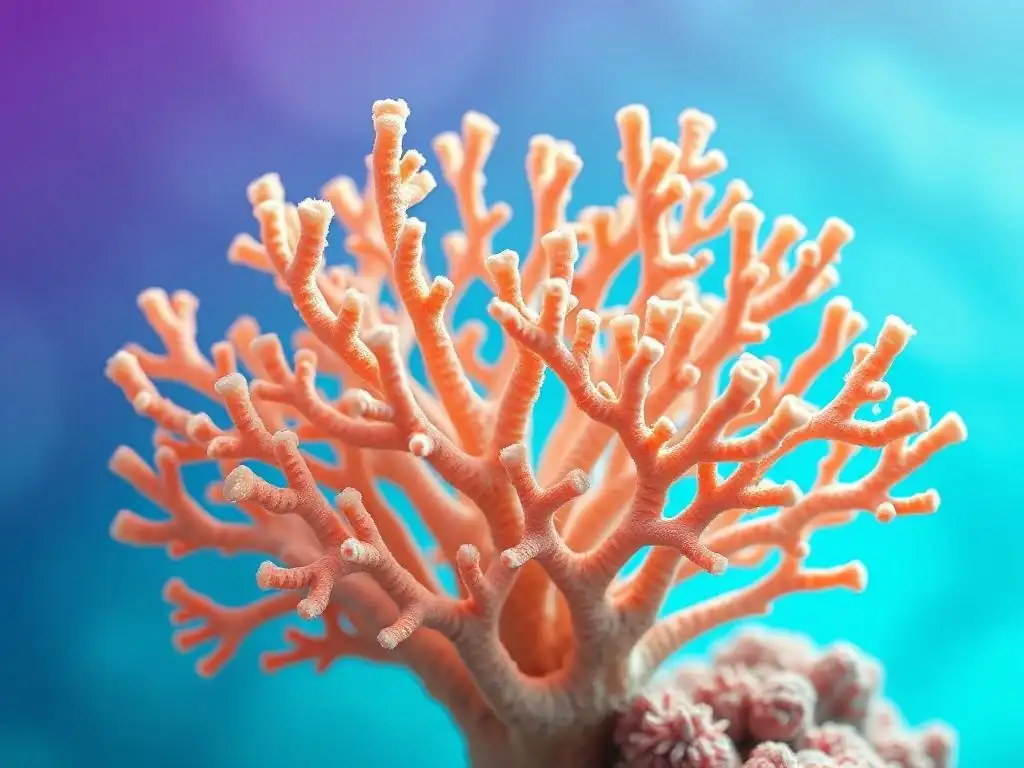
While not an Acropora species, Montipora capricornis is an excellent stepping stone for aquarists aspiring to keep SPS corals and often serves as an unofficial entry in an easy acropora beginner guide. Known for its distinctive plating, swirling growth patterns, and vibrant colors (ranging from green and orange to red and purple), Montipora capricornis offers a similar aesthetic challenge with significantly more forgiving care requirements than many true Acropora.
Its robust nature makes it an ideal candidate for those looking to gain experience with calcifying stony corals before committing to the more sensitive Acropora genus. It grows relatively quickly under good conditions, allowing keepers to observe significant progress.
The resilience of Montipora capricornis lies in its ability to tolerate a slightly wider range of nutrient levels and flow conditions compared to the most demanding Acropora. This makes it less prone to issues like Rapid Tissue Necrosis (RTN) or bleaching from minor environmental shifts. It still benefits from stable parameters, high-quality lighting, and strong flow, making it an excellent practice coral for honing the skills necessary for Acropora. Observing its health and growth provides valuable feedback on the overall stability and suitability of your reef system for SPS corals.
Care Tips for Montipora Capricornis
- Lighting: Moderate to high PAR (Photosynthetically Active Radiation) levels are ideal, typically ranging from 150 to 300 PAR. Place it in the mid-to-upper regions of the tank, adjusting based on light intensity.
- Flow: Requires moderate to strong, turbulent water flow. This helps prevent detritus accumulation on its plating surfaces and ensures adequate nutrient delivery, while avoiding direct, blasting laminar flow.
- Water Parameters: Stable parameters are crucial for calcification. Maintain Alkalinity between 7.5 and 8.5 dKH, Calcium between 400 and 450 ppm, and Magnesium between 1300 and 1400 ppm. Nitrates should be kept below 5 ppm and Phosphates below 0.03 ppm.
- Temperature: A stable temperature range of 76-78°F (24-25.5°C) is recommended.
Birdsnest Coral (Seriatopora hystrix): Another Beginner-Friendly SPS Coral
Seriatopora hystrix, commonly known as Birdsnest coral, is another highly recommended SPS species for beginners transitioning into advanced coral keeping. Its delicate, branching structure, resembling a bird's nest, and common vibrant pink, green, or purple coloration make it a visually appealing addition to any reef tank. Unlike many Acropora, Birdsnest corals are known for their relatively fast growth rate and hardiness, making them more forgiving of minor parameter fluctuations than their more demanding cousins. This resilience makes them a valuable inclusion in an easy acropora beginner guide, offering a good stepping stone.
The branching morphology of Seriatopora hystrix provides an excellent opportunity for aquarists to practice proper flow placement within their tank. While they prefer strong flow, their open structure allows for good water movement, which helps prevent detritus buildup, a common problem for denser SPS corals. Observing the health and growth of a Birdsnest coral can provide valuable insights into your tank's suitability for SPS, serving as a reliable indicator before introducing more sensitive Acropora species. Their prolific growth also makes them good candidates for fragging, allowing new keepers to gain propagation experience.
Care Tips for Birdsnest Coral (Seriatopora hystrix)
- Lighting: Benefits from moderate to high PAR, typically in the range of 200 to 350 PAR. Intense lighting promotes vibrant coloration, especially the characteristic pinks.
- Flow: Requires strong, turbulent, and random water flow to maintain clean branches and deliver nutrients. Avoid direct, constant laminar flow, which can cause tissue recession.
- Water Parameters: Maintain stable reef parameters: Alkalinity 7.5-8.5 dKH, Calcium 400-450 ppm, and Magnesium 1300-1400 ppm. Keep Nitrates below 5 ppm and Phosphates below 0.03 ppm for optimal health and growth.
- Placement: Best placed in the mid to upper sections of the aquarium where it receives adequate light and strong, indirect flow. Ensure space for its branching growth.
Beginner-Friendly Acropora Species #1: Acropora tenuis
Acropora tenuis is frequently cited as one of the most accessible Acropora species for aspiring advanced reef keepers, making it a cornerstone of any easy acropora beginner guide. This species exhibits a wide range of growth forms, from bushy and bottlebrush-like to more corymbose (table-like) structures, and comes in an astonishing array of colors including vibrant greens, blues, purples, and yellows.
Its relative hardiness within the Acropora genus stems from its generally robust growth rate and its ability to recover from minor stresses more readily than some of its more delicate relatives. This makes it an ideal first true Acropora for those who have mastered the basics of SPS care with corals like Montipora or Birdsnest.
The adaptability of Acropora tenuis to various lighting and flow conditions, provided they are within optimal SPS ranges, contributes to its beginner-friendly reputation. While it still demands pristine water parameters and strong, turbulent flow, it can often show good polyp extension and coloration even if conditions are not absolutely perfect, offering a small margin for error. Its relatively fast growth also allows aquarists to observe tangible progress, which can be highly motivating. Successful keeping of A. tenuis is a strong indicator that your system is ready for a broader range of SPS corals.
Identifying Acropora tenuis: Key Characteristics
Acropora tenuis is characterized by its typically arborescent (tree-like) or corymbose (bushy/table-like) growth form. Its branches are often dense, featuring prominent axial polyps at the tips and numerous radial polyps along the sides, giving the coral a distinctly "fuzzy" appearance when polyps are extended. The shape of the radial polyps can vary from tubular to appressed, contributing to its diverse morphology. This species is highly polymorphic, meaning its appearance can change significantly depending on environmental factors like light intensity, water flow, and nutrient levels.
One of the most striking features of A. tenuis is its incredible color diversity. You can find specimens in electric blues, neon greens, deep purples, and fiery oranges, often with contrasting polyp colors or iridescent sheens. For example, a blue A. tenuis might have green polyps, or a green colony might develop blue tips under intense blue-spectrum lighting. Its unique combination of robust growth and stunning coloration makes it a highly sought-after species, even among experienced aquarists, and a rewarding challenge for those following an easy acropora beginner guide.
Acropora tenuis Care Requirements: Lighting, Flow, and Water Chemistry
- Lighting: Requires high PAR, typically ranging from 300 to 450 PAR for optimal growth and coloration. A full-spectrum light with a strong blue component is highly beneficial.
- Flow: Demands strong, turbulent, and random water flow to ensure proper nutrient delivery, waste removal, and to prevent detritus buildup within its dense branching structure.
- Water Chemistry: Maintaining extremely stable parameters is critical. Target Alkalinity at 7.5-8.5 dKH, Calcium at 420-450 ppm, and Magnesium at 1300-1400 ppm. Nitrates should be kept below 5 ppm and Phosphates below 0.03 ppm.
- Temperature: A stable temperature of 76-78°F (24-25.5°C) is essential. Avoid sudden temperature swings.
Beginner-Friendly Acropora Species #2: Acropora millepora
Acropora millepora is another excellent choice for aquarists seeking an "easier" entry into the world of true Acropora. This species is highly prized for its unique fuzzy appearance, attributed to its large, prominent polyps that are often extended. Its growth form is typically corymbose, forming dense, bushy colonies or plating structures with blunt branches.
A. millepora is renowned for its vibrant color palette, frequently displaying striking reds, oranges, and greens, often with contrasting polyp colors, making it a standout in any reef display. Its robust polyps and relatively compact growth habit contribute to its reputation as a more forgiving Acropora.
What makes Acropora millepora particularly appealing to beginners is its comparative resilience to subtle shifts in water flow and its generally good polyp extension, which is a key indicator of coral health. While it still requires pristine water quality and stable parameters, its dense polyps can sometimes offer a slight buffer against minor environmental fluctuations. Its distinct appearance and often vivid coloration make it a rewarding coral to cultivate, allowing new SPS keepers to experience the beauty of thriving Acropora while continuing to refine their advanced reef-keeping skills.
Identifying Acropora millepora: Key Characteristics
Acropora millepora is easily identified by its distinctive, large, and usually extended radial polyps, which give the coral a characteristic "fuzzy" or "hairy" appearance. These polyps are often brightly colored, contrasting with the underlying skeletal tissue. The coral typically forms corymbose colonies, meaning it grows in a bushy, table-like, or encrusting fashion with relatively short, blunt, and often tapered branches. The axial polyps at the tips of the branches are usually prominent and tubular.
The coloration of A. millepora is one of its most celebrated features, ranging from intense oranges and reds to vibrant greens and yellows. It is common to see colonies with a base color, such as orange, but with contrasting green or blue polyps, creating a stunning visual effect. For example, a "Red Planet" A. millepora is famed for its deep red body and bright green polyps. Its unique polyp morphology and brilliant colors make it a highly desirable and recognizable species among SPS enthusiasts, and a great addition for those embarking on an easy acropora beginner guide.
Acropora millepora Care Requirements: Lighting, Flow, and Water Chemistry
- Lighting: Requires high PAR levels, generally between 250 and 400 PAR, to maintain its vibrant coloration and promote healthy growth. A strong, balanced spectrum is beneficial.
- Flow: Needs moderate to strong, turbulent water flow. While its prominent polyps can handle a range, good flow is essential to prevent detritus from settling on its fuzzy surface and to ensure nutrient delivery.
- Water Chemistry: Strict adherence to stable parameters is vital. Aim for Alkalinity 7.5-8.5 dKH, Calcium 420-450 ppm, and Magnesium 1300-1400 ppm. Keep Nitrates below 5 ppm and Phosphates below 0.03 ppm.
- Temperature: Maintain a stable temperature of 76-78°F (24-25.5°C).
Beginner-Friendly Acropora Species #3: Acropora yongei (Smooth Skin Acro)
Acropora yongei, often referred to as "Smooth Skin Acro," stands out as another suitable choice for beginners due to its unique morphology and relative hardiness within the Acropora genus. Unlike the fuzzy appearance of A. millepora or A. tenuis, A. yongei is characterized by its notably smoother tissue and less prominent polyps, which are often retracted or very small and flush with the coral's surface.
This species typically forms columnar or arborescent (tree-like) colonies and is celebrated for its often iridescent or metallic sheen, commonly found in shades of green, blue, or purple. Its distinct texture and coloration make it a captivating addition to any SPS dominant reef tank.
The "smooth skin" characteristic of Acropora yongei can sometimes offer a slight advantage in certain high-flow environments, as there are fewer prominent polyps to be physically damaged by intense water movement. While it still demands the high light, strong flow, and stable water parameters typical of Acropora, its overall resilience is often noted as being a bit more forgiving than some of the most delicate branching forms. Successfully cultivating A. yongei provides invaluable experience with maintaining the pristine conditions required for more advanced Acropora, making it a valuable subject for any easy acropora beginner guide.
Identifying Acropora yongei: Key Characteristics
Acropora yongei is primarily identified by its distinctively smooth, often glossy or iridescent tissue, which gives it the common name "Smooth Skin Acro." Unlike many other Acropora species, its radial polyps are typically very small and lie flush with the coenosteum (the skeletal surface), giving the coral a sleek appearance rather than a fuzzy one. The axial polyps at the branch tips are usually tubular and slightly more prominent. Its growth form can range from arborescent (branching like a tree) to columnar, forming thick, upright branches.
The coloration of Acropora yongei is often a key identifier, with specimens frequently displaying vibrant, almost metallic blues, greens, and purples. For instance, a "Blue Smooth Skin Acro" exhibits a characteristic deep, rich blue hue that can appear iridescent under proper lighting, highlighting its unique surface texture. The absence of large, extended polyps and the often striking, uniform coloration make A. yongei a visually distinct and highly desirable species, especially for those who appreciate a more streamlined aesthetic in their SPS collection.
Acropora yongei Care Requirements: Lighting, Flow, and Water Chemistry
- Lighting: Requires high PAR levels, typically ranging from 280 to 450 PAR, to achieve its best coloration and growth. Strong, consistent lighting with a balanced spectrum is crucial.
- Flow: Demands strong, turbulent, and random water flow. Despite its smooth skin, efficient flow is essential for nutrient delivery and waste removal, preventing dead spots.
- Water Chemistry: Extremely stable parameters are paramount for this species. Maintain Alkalinity 7.5-8.5 dKH, Calcium 420-450 ppm, and Magnesium 1300-1400 ppm. Nitrates must be kept below 5 ppm and Phosphates below 0.03 ppm.
- Temperature: A consistent temperature range of 76-78°F (24-25.5°C) is necessary to prevent stress.
Acropora Care Basics: Essential Tips for Beginners
Lighting for Acropora: Achieving Optimal PAR Levels
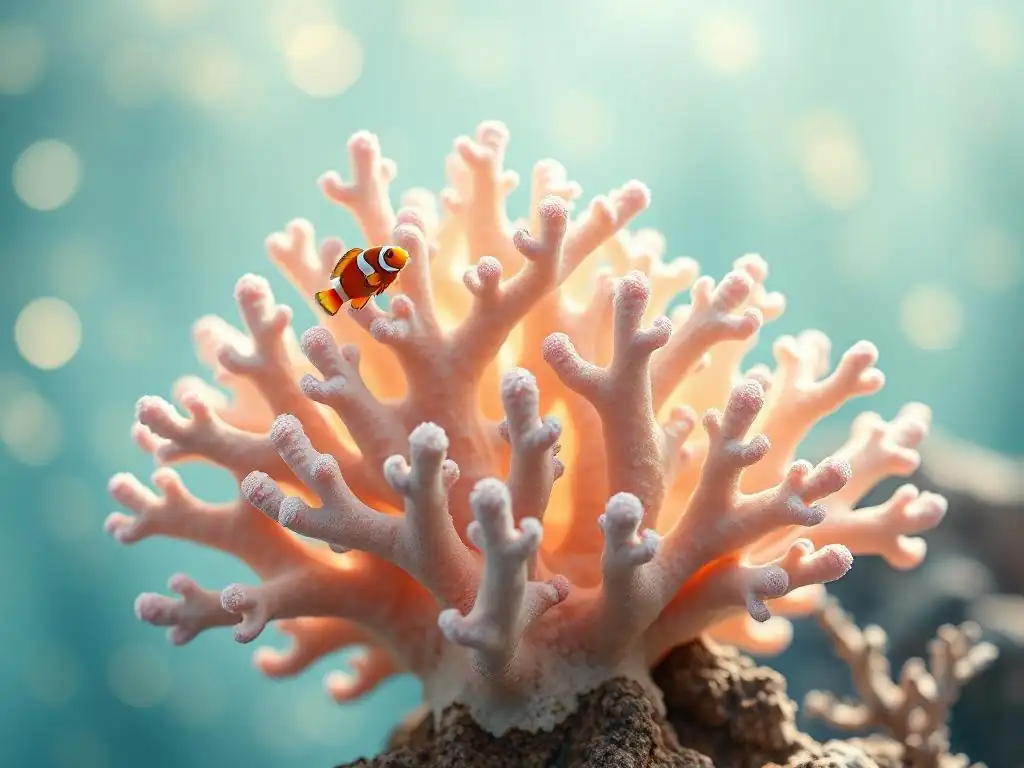
Lighting is arguably the most critical factor for Acropora health and coloration, as these corals rely heavily on photosynthesis performed by their symbiotic zooxanthellae. The intensity of light is measured in Photosynthetically Active Radiation (PAR), and Acropora generally thrive under high PAR levels, typically ranging from 250 to 450 PAR at the coral's location. Achieving these levels requires powerful lighting fixtures such as high-output LEDs, T5 fluorescents, or metal halides. It's crucial to select a full-spectrum light that includes strong blue wavelengths, which are particularly beneficial for SPS coloration and energy production.
Beyond intensity, the photoperiod—the duration of light exposure—is also important, usually set for 10-12 hours per day. However, it's not just about providing enough light; it's about providing the right amount and spectrum, gradually. Introducing a new Acropora to a high-PAR environment too quickly can cause light shock and bleaching. Therefore, new corals should be acclimated slowly, often by placing them lower in the tank or reducing light intensity for several weeks, gradually increasing it as the coral adapts. Regular monitoring of PAR levels, ideally with a PAR meter, ensures your corals are receiving optimal light without being over-stressed.
Water Flow for Acropora: The Importance of Turbulent Flow
Strong, turbulent water flow is another non-negotiable requirement for the health and vitality of Acropora corals. Unlike simple laminar (straight-line) flow, turbulent flow is chaotic and random, constantly changing direction.
This type of flow is crucial for several reasons: it delivers essential nutrients and trace elements directly to the coral polyps, removes waste products (like detritus and mucus) that can accumulate on the coral's surface, facilitates gas exchange (oxygen in, carbon dioxide out), and helps prevent nuisance algae from settling on the coral's skeleton. Inadequate or laminar flow can lead to "dead spots," where detritus accumulates, causing tissue recession and ultimately coral death.
To achieve optimal turbulent flow, multiple powerheads or wavemakers strategically placed throughout the aquarium are usually necessary. Aim for pumps that can generate strong, oscillating, or gyre-like flow patterns rather than a single, blasting stream. The goal is to see the coral's polyps gently swaying and dancing in the current, not being constantly blasted or flattened. For example, a 100-gallon tank might require 2-3 powerheads each rated for 2,000-4,000 GPH, positioned to create crisscrossing and rebounding currents. Proper flow is vital for an easy acropora beginner guide because it directly impacts nutrient uptake and waste removal.
Water Chemistry for Acropora: Maintaining Stable Parameters
Maintaining exceptionally stable water chemistry is the cornerstone of successful Acropora keeping. Fluctuations in key parameters are far more detrimental than slightly off-target but stable levels. Acropora are vigorous calcifiers, meaning they rapidly consume calcium, alkalinity, and magnesium to build their stony skeletons. Daily or at least every-other-day testing of alkalinity is often recommended for tanks with significant SPS coral populations, as it is the most rapidly consumed and sensitive parameter. Automated dosing systems or calcium reactors are highly recommended to maintain these parameters precisely.
Beyond the major elements, attention to nitrates and phosphates is also crucial. While some level of nutrients is necessary for coral health, high levels can inhibit calcification, reduce coloration, and promote nuisance algae growth. Target nitrates should be below 5 ppm, and phosphates below 0.03 ppm. Regular water changes with high-quality salt mix, effective protein skimming, and potentially a refugium or GFO (Granular Ferric Oxide) reactor are essential tools for nutrient control. Consistent temperature (76-78°F or 24-25.5°C) and salinity (1.025-1.026 specific gravity) are equally important for overall coral well-being.
Alkalinity: The Cornerstone of Acropora Health
Alkalinity, often measured in dKH (degrees of carbonate hardness), is arguably the most critical water parameter for Acropora corals. It represents the concentration of carbonate and bicarbonate ions, which are essential building blocks for the coral's calcium carbonate skeleton. Acropora are rapid calcifiers, meaning they consume alkalinity quickly, making its stability paramount. The ideal range for Acropora is generally between 7.5 and 8.5 dKH. Fluctuations, even by 0.5 dKH, can cause significant stress, leading to tissue recession, slowed growth, or even Rapid Tissue Necrosis (RTN).
Maintaining alkalinity stability often requires daily or every-other-day dosing of a two-part solution (calcium and alkalinity supplements) or the use of a calcium reactor. For instance, a medium-sized reef tank with a moderate SPS load might consume 0.5-1.0 dKH per day. Regular testing using a reliable test kit is non-negotiable to monitor consumption and adjust dosing accordingly. Precision and consistency are key; avoid chasing numbers by making large, sudden adjustments, as this can exacerbate instability and stress your corals.
Calcium and Magnesium: Essential Elements for Skeletal Growth
Calcium and magnesium are also vital elements for the skeletal growth of Acropora corals, working in conjunction with alkalinity. Calcium is the primary building block of the coral's aragonite skeleton, and its ideal concentration in reef tanks is typically between 400 and 450 ppm. Magnesium, while not directly incorporated into the skeleton in large amounts, plays a crucial role in maintaining calcium and alkalinity solubility and availability in the water. An optimal magnesium level is generally between 1300 and 1400 ppm; levels below this can make it difficult to maintain stable calcium and alkalinity.
These elements are consumed as the coral grows and calcifies. If levels drop too low, calcification can slow or stop, leading to stunted growth and weakened skeletons. Conversely, excessively high levels can also cause issues, such as precipitation of alkalinity. Like alkalinity, calcium and magnesium levels are typically maintained through regular dosing of supplements or a calcium reactor. Consistent monitoring with accurate test kits and precise, small adjustments are far more beneficial than infrequent, large corrections.
Nitrate and Phosphate: Keeping Nutrients in Check
While trace amounts of nitrate and phosphate are necessary for coral health, elevated levels are highly detrimental to Acropora. These nutrients, byproducts of fish waste, uneaten food, and decaying organic matter, can inhibit calcification, reduce vibrant coloration (leading to browning), and promote the growth of nuisance algae that can smother corals. For Acropora, target nitrate levels should be kept below 5 ppm, ideally closer to 1-2 ppm, and phosphate levels below 0.03 ppm, with many successful keepers aiming for undetectable levels (e.g., 0.00-0.01 ppm) using highly sensitive test kits.
Controlling nitrate and phosphate requires a multi-faceted approach. Effective protein skimming is essential for removing organic waste before it breaks down into nutrients. Regular water changes (e.g., 10-20% weekly or bi-weekly) replenish trace elements and dilute accumulated nutrients. Other methods include using a refugium with macroalgae like Chaetomorpha, which absorb nutrients, or chemical filtration media such as Granular Ferric Oxide (GFO) for phosphate removal. Careful feeding practices, avoiding overfeeding, and promptly removing any uneaten food are also critical to minimize nutrient input.
Common Acropora Problems for Beginners and How to Avoid Them
Rapid Tissue Necrosis (RTN): Understanding and Preventing Loss
Rapid Tissue Necrosis (RTN) is one of the most feared and devastating problems in SPS keeping, characterized by the extremely fast loss of coral tissue, often occurring within hours or overnight, leaving behind a stark white skeleton. It typically starts at the base or a localized spot and rapidly progresses across the entire colony. RTN is usually triggered by acute, severe stress, such as sudden, drastic shifts in water parameters (e.g., alkalinity crash, temperature spike), prolonged exposure to air, significant light shock, or severe bacterial infections. Once RTN begins, it is often irreversible for the affected colony.
Prevention is the best defense against RTN. This involves maintaining unwavering water parameter stability, ensuring gradual acclimation of new corals (especially to light), and avoiding any sudden, major changes to the aquarium environment. Quarantining new corals for several weeks before introduction can also help prevent the spread of potential pathogens. If RTN does occur, immediately fragging any visibly healthy tissue from the affected colony, far away from the necrotic area, might save a small piece. However, the prognosis for the original colony is typically very poor, underscoring the critical importance of proactive stability.
Slow Tissue Necrosis (STN): Identifying and Addressing the Issue
Slow Tissue Necrosis (STN) is a more gradual form of tissue loss compared to RTN, typically progressing over days or weeks rather than hours. It often starts from the base of the coral and slowly creeps upwards, leaving bare skeleton in its wake. Unlike the acute stress of RTN, STN is usually indicative of chronic, ongoing stress or suboptimal conditions. Common causes include consistently low or fluctuating alkalinity, insufficient water flow leading to detritus accumulation, nutrient deficiencies or excesses, prolonged pest infestations (e.g., Acropora Eating Flatworms), or chronic light issues (too little or too much).
Addressing STN requires careful observation and systematic troubleshooting to identify the underlying cause. Begin by meticulously testing all water parameters and ensuring they are stable and within optimal ranges. Evaluate water flow patterns to eliminate dead spots and ensure proper waste removal. Inspect the coral closely for signs of pests. If a specific stressor is identified, rectify it immediately. In some cases, dipping the coral in an antiseptic coral dip or fragging healthy tissue well above the receding line may help halt the progression, but long-term success depends on resolving the root cause of the chronic stress.
Acropora Bleaching: Causes and Prevention Strategies
Acropora bleaching occurs when the coral expels its symbiotic zooxanthellae algae, leading to a loss of color and a pale or stark white appearance. Since zooxanthellae provide the majority of the coral's energy through photosynthesis, prolonged bleaching can lead to starvation and ultimately coral death. The primary causes of bleaching are environmental stressors, most commonly sustained high temperatures (e.g., above 80°F or 26.7°C for extended periods), sudden or excessive light intensity (light shock), or severe fluctuations in water chemistry, particularly alkalinity.
Prevention strategies focus on maintaining highly stable and optimal conditions. Ensure your aquarium temperature is consistently within the ideal range of 76-78°F (24-25.5°C), using heaters and chillers as needed to prevent swings. When introducing new lighting or moving corals, acclimate them slowly to higher PAR levels over several weeks. Consistent water chemistry, especially alkalinity, calcium, and magnesium, is also crucial.
If bleaching begins, identifying and alleviating the stressor immediately offers the best chance of recovery. For instance, if temperature is high, gradually lower it. If light is too intense, move the coral to a lower-light area or reduce light intensity.
Pest Management: Dealing with Acropora-Eating Flatworms and Red Bugs
Acropora corals are susceptible to specific pests that can cause significant damage and even colony loss if not managed effectively. The two most notorious are Acropora Eating Flatworms (AEFW, Amakusaplana acroporae) and Red Bugs ( Tegastes acroporanus). AEFW are small, camouflaged flatworms that feed on Acropora tissue, leaving characteristic bite marks and often laying distinctive reddish-brown egg spirals on the coral's skeleton. Red Bugs are tiny, reddish copepods that irritate the coral, causing polyp retraction, loss of coloration, and overall decline, though they do not consume tissue directly.
The most effective strategy for pest management is stringent quarantine of all new corals. A dedicated quarantine tank allows you to observe new additions for several weeks (e.g., 4-6 weeks) and perform prophylactic dips using coral-specific products (e.g., Revive, Bayer Advanced Complete Insect Killer for lawns) that target these pests. During quarantine, inspect corals daily for pests or eggs. If an infestation is discovered in your main display, specific treatments like Interceptor for Red Bugs or targeted dips and manual removal for AEFW may be necessary. Regular visual inspections of your corals are crucial for early detection and intervention.
Acclimation and Placement: Setting Your Acropora Up for Success
Proper Acclimation Techniques for New Acropora
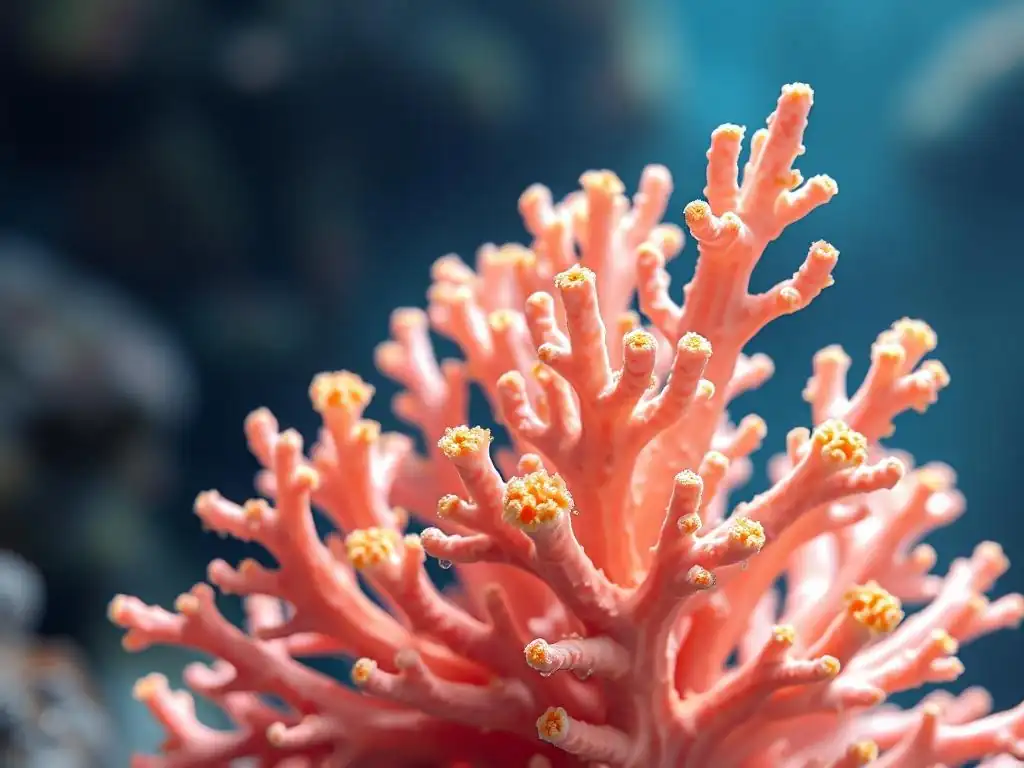
Proper acclimation is a critical step that significantly impacts the success of introducing new Acropora to your aquarium. The goal is to gradually equalize the water parameters (salinity and temperature) and light intensity between the coral's transport water and your display tank, minimizing shock. For salinity and temperature, a drip acclimation method is highly recommended, slowly dripping tank water into the coral's bag or container over 30-60 minutes until salinity matches. Avoid exposing the coral to air during transfer, as this can cause tissue damage.
Equally, if not more, important is light acclimation. Acropora are highly sensitive to sudden changes in light intensity. Even if your tank's PAR is within the ideal range, a new coral coming from a different lighting environment (e.g., a frag tank with lower PAR) can bleach if immediately placed under full intensity.
Start by placing the new Acropora in a lower-light area of your tank, or by reducing your main lights' intensity for a few weeks (e.g., 50-70% of target PAR), gradually increasing it over 2-4 weeks. This slow transition allows the coral's zooxanthellae to adjust to the new light spectrum and intensity, greatly improving its chances of thriving.
Choosing the Ideal Location in Your Aquarium
Selecting the ideal placement for your new Acropora within the aquarium is crucial for its long-term health and vibrant coloration. Acropora generally require high light and strong, turbulent water flow, so they are typically placed in the mid to upper regions of the tank, depending on your lighting intensity and spread. Before gluing or securing the coral, temporarily place it in a few potential spots and observe how the flow interacts with its polyps—they should be gently swaying, not constantly blasted or completely still. Ensure there are no "dead spots" where detritus can settle on the coral.
Consider the coral's potential for growth. Acropora can grow quite rapidly under optimal conditions, often adding 1-3 inches (2.5-7.5 cm) per year or even more for some species. Provide ample space around the coral to prevent it from growing into or shading neighboring corals. Also, be mindful of potential chemical warfare; while Acropora are generally not aggressive stingers, some LPS corals can release powerful toxins. Adequate spacing, typically 4-6 inches (10-15 cm) from other corals, is a good starting point. Proper placement minimizes stress and maximizes the coral's ability to thrive.
Fragging Acropora: Propagating Your SPS Coral
Basic Fragging Techniques for Acropora
Fragging Acropora, the process of breaking off a piece of a mother colony to create a new, genetically identical coral, is a common practice among SPS enthusiasts. It's done for various reasons: to propagate desirable corals, to save a piece of a dying colony, to manage growth and shape a colony, or to trade with other hobbyists. The basic technique involves using specialized tools like bone cutters, coral shears, or a Dremel with a diamond cutting wheel. Always ensure your tools are clean and sterilized to prevent the spread of diseases.
When fragging, identify a healthy branch or section of the colony. Make a clean, swift cut to minimize stress to both the mother colony and the frag. For example, a 1-2 inch (2.5-5 cm) piece with a few healthy growth tips is often ideal for a frag.
After cutting, rinse the frag and the mother colony with tank water to remove any loose tissue or debris. Some aquarists choose to dip the frag in a coral dip solution for 5-10 minutes before mounting to prevent infection. Finally, use coral-safe super glue gel to firmly attach the frag to a frag plug or a small piece of live rock, ensuring good contact for healing.
Healing and Growing Out Frags
After fragging, the newly cut pieces, or "frags," require a period of healing and stabilization before they begin robust growth. Place the fresh frags in an area of your aquarium with stable, optimal water parameters, moderate to strong turbulent flow, and appropriate lighting. Initially, a slightly lower light intensity than the mother colony might be beneficial to reduce stress, especially if the frag is small. The frag will typically begin to encrust onto its plug or base within a few weeks, indicating successful attachment and healing.
During this healing phase, closely monitor the frags for any signs of stress, such as tissue recession, browning, or bleaching. Maintain pristine water quality, particularly stable alkalinity, calcium, and magnesium, as these elements are crucial for calcification and tissue repair. While growth rates vary by species and tank conditions, a healthy Acropora frag can show visible growth within 1-3 months, gradually developing its vibrant coloration and branching structure. Patience and consistent care are key to successfully growing out Acropora frags into miniature colonies.
Conclusion: Enjoying the Beauty of Acropora
The Rewards of Successful Acropora Keeping
Successfully keeping Acropora corals is one of the most rewarding aspects of the marine aquarium hobby. While the initial investment in equipment, knowledge, and consistent care is significant, the visual payoff is unparalleled. Witnessing these magnificent corals thrive, color up, and grow into intricate, vibrant colonies transforms an aquarium into a dynamic, living piece of art. The delicate structures, the myriad of colors, and the constant activity of the polyps create an engaging and ever-changing underwater landscape that few other aquarium inhabitants can match.
Beyond the aesthetic appeal, the journey of mastering Acropora care cultivates a deeper understanding of marine biology, water chemistry, and the intricate balance of a reef ecosystem. Each successful growth spurt, each new pop of color, is a testament to the aquarist's dedication and skill. The challenges faced along the way, from battling pests to fine-tuning parameters, build invaluable experience and resilience. Ultimately, the immense satisfaction derived from maintaining a thriving Acropora reef far outweighs the initial difficulties, cementing its status as the pinnacle of reef aquarium keeping for many enthusiasts.
Continuing Your Learning Journey in SPS Coral Care
The world of SPS coral care is dynamic and constantly evolving, with new insights, techniques, and equipment emerging regularly. Even with a comprehensive easy acropora beginner guide like this one, your learning journey should be continuous. The hobby thrives on shared knowledge, so actively participating in online forums, local reef club meetings, and attending industry events can provide invaluable exposure to new ideas and troubleshooting tips from experienced aquarists. There's always more to learn about specific species, advanced dosing methods, pest identification, and nutrient management strategies.
Embrace observation as your most powerful tool; your corals will communicate their needs through their health, coloration, and polyp extension. Keep a detailed log of your water parameters, dosing regimens, and coral observations to identify trends and correlations. As you gain confidence with the "easier" Acropora species, you may find yourself drawn to more challenging and rare varieties, each offering a new set of husbandry nuances to master. The pursuit of a perfect Acropora reef is a lifelong passion, promising endless opportunities for growth, discovery, and the profound enjoyment of these extraordinary marine invertebrates.
Frequently Asked Questions
How difficult is it really to keep Acropora, even the "easier" species?
Acropora are generally considered difficult to keep because they require very stable and pristine water parameters. Even the "easier" species need consistent alkalinity, calcium, and magnesium levels.
What are the key water parameters I need to monitor for Acropora?
The most important parameters are alkalinity, calcium, and magnesium, which need to be kept within a narrow range. You also need to closely monitor nitrates and phosphates, as high levels can be detrimental.
Which Acropora species are considered the most beginner-friendly?
While no Acropora is truly "easy," species like Acropora yongei (commonly known as the Strawberry Shortcake Acropora) and some Montipora (which are related and often easier) are sometimes recommended as entry-level SPS corals.
What kind of lighting and flow do "easier" Acropora species require?
Most Acropora, even the "easier" ones, need strong lighting (e.g., metal halides or high-end LEDs) and high water flow to deliver nutrients and remove waste.
Besides water parameters, what other factors contribute to Acropora success?
Maintaining a stable temperature, preventing pests like Acropora Eating Flatworms (AEFW), and providing adequate trace elements are also crucial for Acropora survival.
Final Reflection: Embracing the Acropora Journey
The journey into keeping Acropora corals, once perceived as an exclusive domain of seasoned reefers, is now becoming increasingly accessible, and this article has aimed to demystify that process. The availability of "easier" Acropora species, coupled with improved husbandry techniques, is democratizing the advanced reefing hobby, allowing more enthusiasts to experience the vibrant beauty and intricate challenges these corals offer.
This exploration into beginner-friendly Acropora isn't just about coral; it's about fostering a deeper understanding and appreciation for the delicate balance of our marine ecosystems. My own experience with these corals has taught me patience, meticulousness, and a profound respect for the interconnectedness of life within a reef tank. In the end, we will conserve only what we love; we will love only what we understand; and we will understand only what we are taught.
- Baba Dioum. This quote resonates deeply, reminding us that knowledge and understanding are the cornerstones of responsible reef keeping and conservation.
As you embark on your own Acropora adventure, remember that success isn't solely measured by rapid growth or vibrant colors. It's about the dedication to learning, adapting, and providing the optimal environment for these magnificent creatures to thrive. Take the lessons learned here, apply them thoughtfully, and contribute to a community that values both the beauty and the responsibility of keeping Acropora. Your journey will not only enrich your own reefing experience but also contribute to the long-term health and sustainability of our precious coral reefs.
Ignite Your SPS Reef: Start Thriving Today!
Thanks for diving into the world of Acropora! We hope this guide gave you the confidence to take the plunge and add one of these iconic corals to your reef tank. Now, let's turn that knowledge into action.
Here are a few things you can do to kickstart your journey:
- Boldly select your first "easier" Acropora species from the recommendations in this article and get it acclimated to your tank. Remember to research the specific care requirements for your chosen species!
- Share this article with fellow reefers! Help others overcome their fear of Acropora and spread the SPS love.
- Experiment with trace element additions, like amino acids, to further boost the health of your first Acropora.
Which "easier" Acropora species are you most excited to try in your own reef tank, and what are you hoping to achieve with it? Share your thoughts in the comments below!