
Creating an Acan Garden: Design Tips for a Stunning Display

Welcome to Aquarium Mastery!
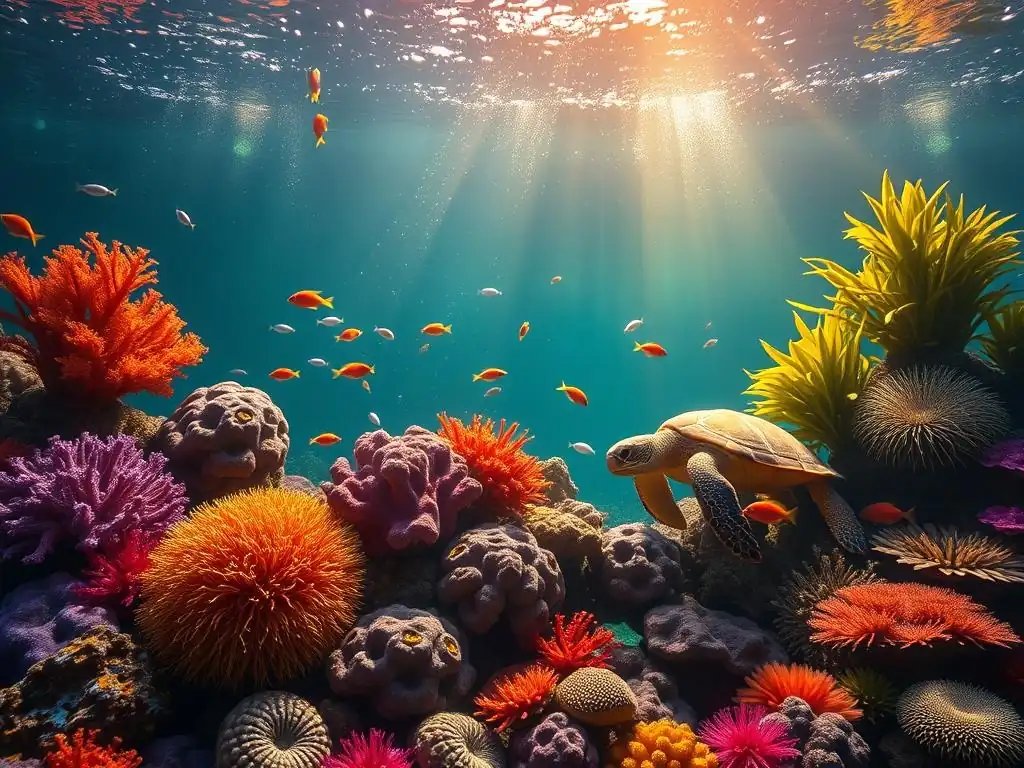
Ever dreamed of transforming your reef tank into a vibrant, mesmerizing underwater garden? Acan corals offer a breathtaking splash of color and texture, but designing the perfect Acan coral tank takes careful planning. Curious how to create a stunning display that showcases these beauties while ensuring their health and well-being? Dive in and discover expert tips and tricks to unlock the secrets of Acan coral tank design!
- Creating a Vibrant Reef: A Guide to LPS Coral Aquariums
- Introduction to LPS Coral Tank Design
- Essential Considerations for LPS Coral Health and Growth
- Designing Your LPS Coral Tank: A Step-by-Step Guide
- LPS Coral Placement Strategies for Visual Impact
- Feeding Your LPS Corals for Enhanced Growth and Color
- Maintaining a Healthy and Vibrant LPS Garden
- Advanced LPS Coral Tank Design Ideas
- Troubleshooting Common LPS Coral Problems
- Conclusion: Enjoying Your Thriving LPS Reef Aquarium
-
Frequently Asked Questions
- What makes Acan corals unique and desirable for reef aquariums?
- What are the key considerations when designing an Acan coral tank?
- How important is water chemistry for Acan coral health, and what parameters should I monitor?
- What kind of lighting is best suited for Acan corals in a reef tank?
- What are some common mistakes to avoid when setting up an Acan coral tank?
- Final Reflection: Cultivating Underwater Beauty
- Ignite Your Reef: Design Your Dream Acan Garden Today!
Creating a Vibrant Reef: A Guide to LPS Coral Aquariums
Introduction to LPS Coral Tank Design
What are LPS Corals and Why Choose Them?
Large Polyp Stony (LPS) corals are a diverse group of stony corals characterized by their fleshy polyps and visible skeletal structure. Unlike their Small Polyp Stony (SPS) counterparts, LPS corals typically have larger individual polyps that are often visible to the naked eye, giving them a more substantial and dynamic appearance. Popular examples include Euphyllia (Torch, Hammer, Frogspawn), Favia, Blastomussa, and Acanthastrea (Acans). Acan corals, specifically Acanthastrea lordhowensis and Acanthastrea echinata, are highly prized for their vibrant, often multi-colored patterns and relatively robust nature, making them an excellent choice for an "Acan garden" focused on stunning visual impact.
Choosing LPS corals for your reef aquarium offers a compelling blend of beauty and manageability. Many LPS species, including Acans, are known for their striking coloration, ranging from deep reds and blues to iridescent greens and purples, often with contrasting eyes or patterns that truly pop under reef lighting.
Their larger polyps create significant movement within the tank, adding a dynamic element that smaller polyps cannot. Furthermore, while still requiring stable parameters, many LPS corals are considered more forgiving than SPS corals, making them an appealing option for both novice and experienced aquarists looking to create a beautiful and thriving reef display.
The Growing Popularity of LPS-Dominated Reef Aquariums
The trend towards LPS-dominated reef aquariums has surged in recent years, driven by their aesthetic appeal, diverse forms, and generally less demanding care requirements compared to highly sensitive SPS corals. Aquarists are increasingly drawn to the lush, undulating landscapes that LPS corals create, offering a vibrant contrast to the more rigid structures of SPS-heavy tanks. This popularity is particularly evident in the rise of specialized "Acan gardens," where enthusiasts dedicate their aquariums to showcasing the incredible diversity and intense coloration of various Acan morphs.
The allure of an Acan garden lies in its ability to create a living mosaic of color and texture. With hundreds of available morphs, each with unique patterns and hues, an Acan coral tank design allows for endless creative possibilities. Enthusiasts often collect specific "designer" Acans, such as the "Rainbow Acan" or "Watermelon Acan," transforming their tanks into highly personalized living art pieces. This focus on specific LPS genera like Acans highlights a shift towards more species-specific or genus-specific displays, allowing for a deeper appreciation of their unique characteristics and the ability to optimize conditions for their specific needs.
Setting the Stage: Planning Your LPS Coral Tank
Successful LPS coral tank design begins long before water ever touches the glass. Meticulous planning is the cornerstone of a thriving and visually appealing LPS reef. This initial phase involves considering the overall aesthetic you wish to achieve, the specific LPS species you intend to keep – especially if aiming for a dedicated "Acan garden" – and the necessary equipment to support their health and growth. Rushing this stage can lead to costly mistakes and compromised coral health.
A key aspect of planning an Acan coral tank design is envisioning the final layout and growth patterns. Acans, while relatively slow-growing, will expand over time and require adequate space to prevent stinging other corals. Consider the mature size of your chosen Acan colonies and how they will interact with the rockscape and other inhabitants. Sketching out your desired aquascape, noting potential placement for different Acan morphs based on their color and form, can be incredibly beneficial. This foresight ensures that your "Acan garden" develops into a cohesive and breathtaking display, rather than a chaotic jumble of corals.
Essential Considerations for LPS Coral Health and Growth
Water Parameters Crucial for LPS Coral Care
Maintaining stable and appropriate water parameters is paramount for the health and vibrant coloration of all LPS corals, including the delicate Acan corals. Fluctuations can stress corals, leading to tissue recession, bleaching, or even death. Key parameters include salinity, temperature, alkalinity, calcium, and magnesium. For optimal Acan coral tank design, aim for a consistent salinity of 1.025-1.026 specific gravity, a stable temperature between 74-78°F (23-26°C), and an alkalinity of 8-10 dKH.
Calcium and magnesium are vital for skeletal growth in stony corals like Acans. Calcium levels should ideally be maintained between 400-450 ppm, while magnesium, which helps maintain calcium solubility, should be kept at 1250-1350 ppm. Regular testing, at least weekly, is essential to monitor these levels. Many aquarists employ automated dosing systems for two-part solutions or calcium reactors to ensure these parameters remain within the ideal range, especially in a densely stocked "Acan garden" where consumption rates can be significant.
Lighting Requirements for Optimal LPS Coral Growth
Lighting is a critical factor in any reef aquarium, and understanding the specific needs of LPS corals is crucial for their long-term health and vibrant appearance. Most LPS corals, including Acans, thrive under moderate light intensity. Too little light can lead to dull coloration and slow growth, while excessive light can cause bleaching, tissue damage, and stress. A Photosynthetically Active Radiation (PAR) range of 75-150 PAR is generally suitable for an Acan coral tank design, though individual species and specific Acan morphs may have slightly different preferences.
LED lighting systems are highly recommended for an "Acan garden" due to their controllability and efficiency. They allow aquarists to fine-tune spectrum and intensity, providing the optimal conditions for Acan coloration and growth. Programs that simulate dawn-to-dusk cycles with periods of peak intensity for 6-8 hours a day are beneficial. It's important to acclimate new Acans to your lighting gradually, starting them in lower light areas and slowly moving them to their permanent position over several weeks to prevent shock and ensure they adjust properly to their new environment.
Proper Flow and Placement in Your LPS Reef Tank
Achieving the correct water flow is vital for LPS coral health, aiding in nutrient delivery, waste removal, and preventing detritus buildup on their polyps. Unlike SPS corals that often prefer strong, turbulent flow, most LPS corals, including Acans, prefer moderate, indirect flow. Direct, high-velocity flow can damage their delicate tissue, causing recession or preventing their polyps from fully extending. The goal is to provide gentle, random, and oscillating water movement that mimics natural reef conditions.
Strategic placement is key in an Acan coral tank design, not only for flow but also to prevent aggressive interactions with other corals. Acans, like many LPS, possess sweeper tentacles that can extend at night to sting neighboring corals. Ensure adequate spacing, generally 3-6 inches depending on the mature size of the colony, between Acans and other coral species. Placing Acans on lower to mid-levels of the rockscape, away from direct high flow, allows their polyps to fully inflate and display their magnificent colors, contributing significantly to a successful and visually appealing "Acan garden."
Designing Your LPS Coral Tank: A Step-by-Step Guide
Step 1: Selecting the Right Aquarium Size and Equipment for LPS Corals
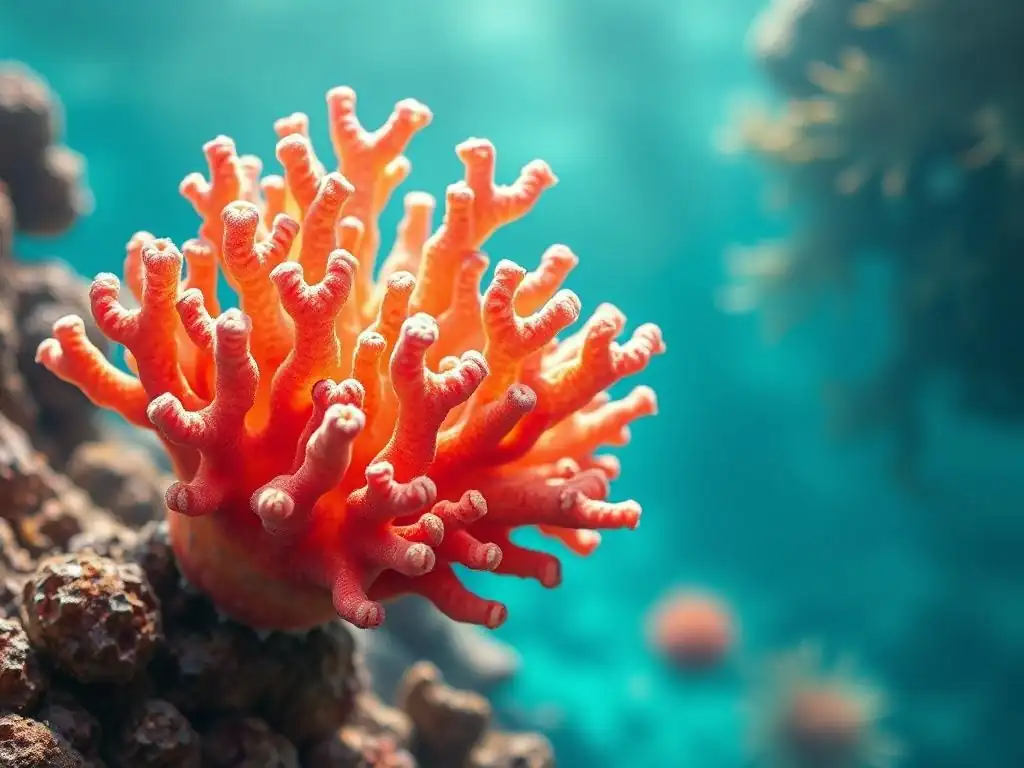
The foundation of any successful Acan coral tank design is selecting an appropriately sized aquarium and the right supporting equipment. While Acans can be kept in smaller nano tanks, a larger tank, generally 40 gallons or more, provides greater stability in water parameters and more space for an expansive "Acan garden." Larger volumes dilute waste products more effectively and offer more room for diverse rockscaping and future coral growth. Consider tank dimensions that allow for good depth and width, facilitating creative Acan placement.
Beyond the tank itself, essential equipment includes a robust filtration system, adequate lighting, and effective flow pumps. A sump with a protein skimmer is highly recommended for efficient nutrient export, crucial for maintaining pristine water quality for LPS corals. Choosing a skimmer rated for a tank size larger than your actual volume can provide an extra margin of safety. Reliable heaters with temperature controllers are also vital to maintain stable temperatures, and an auto top-off (ATO) system is invaluable for maintaining consistent salinity by replacing evaporated water daily.
Step 2: Choosing a Substrate and Rockscape for Optimal LPS Placement
The substrate and rockscape form the canvas for your Acan coral tank design, directly influencing both aesthetics and coral placement. For substrate, a fine sand bed of 1-2 inches is often preferred for LPS tanks, as it provides a natural look and can host beneficial microfauna. However, some aquarists opt for a bare bottom tank to simplify cleaning and nutrient control, which can be advantageous in a high-nutrient "Acan garden" where target feeding is frequent.
The rockscape is where the artistry of your Acan garden truly begins. Utilize live rock or dry rock to create shelves, ledges, and caves that provide varied placement options for your Acan colonies. Aim for an open, airy aquascape with plenty of negative space, which not only looks appealing but also promotes good water flow around corals. This strategic rock formation allows you to position different Acan morphs at various heights and angles, maximizing their visual impact and ensuring each colony receives appropriate light and flow without overshadowing or stinging its neighbors.
Step 3: Incorporating Other Inhabitants: Compatible Tank Mates for LPS Corals
While the focus of an "Acan garden" is undeniably the corals themselves, selecting compatible tank mates is crucial for the overall health and harmony of your LPS reef. The primary consideration is to avoid fish or invertebrates that are known to nip at or consume corals. For example, many large angelfish, butterflyfish, and some wrasses can be problematic. Instead, opt for reef-safe species that will complement your Acan coral tank design without posing a threat.
Excellent choices for an LPS-dominated tank include small, peaceful fish like clownfish (especially in an Euphyllia dominant tank), gobies, blennies, and small dottybacks. Invertebrates such as hermit crabs, snails, and cleaner shrimp are beneficial for consuming algae and detritus, contributing to a clean environment. Ensure that any added inhabitants do not compete excessively for food or space with your Acans. A well-researched selection of tank mates will enhance the biodiversity and visual appeal of your "Acan garden" without compromising the health of your prized corals.
LPS Coral Placement Strategies for Visual Impact
Creating Depth and Dimension in Your LPS Coral Display
Creating depth and dimension is paramount for an engaging Acan coral tank design. Simply placing corals on a flat surface can lead to a one-dimensional, uninspired look. Instead, utilize your rockscape to build varying elevations, ledges, and overhangs. Place larger Acan colonies towards the back or on higher shelves to create a backdrop, with smaller or more delicate Acans positioned in the foreground or on lower ledges. This tiered arrangement naturally draws the eye into the tank, giving the impression of a larger, more complex reef environment.
Consider the "rule of thirds" or other artistic principles when arranging your Acan garden. Avoid placing your most striking Acan morphs directly in the center; instead, offset them slightly to create more dynamic focal points. By strategically angling individual Acan colonies, you can also manipulate how light interacts with their polyps, highlighting their intricate patterns and vibrant colors. Utilizing negative space effectively further enhances depth, allowing each magnificent Acan colony to stand out as an individual masterpiece within the collective "Acan garden."
Color Combinations and Contrast for Eye-Catching LPS Displays
The true brilliance of an Acan garden lies in its potential for breathtaking color combinations and striking contrasts. When designing your Acan coral tank, think of it as painting with living pigments. Grouping Acans with complementary colors, such as blue and orange, or contrasting colors, like vibrant green next to deep red, can create stunning visual effects. However, also consider placing similar color palettes together to create gradients that transition smoothly across your aquascape, offering a more harmonious and natural flow.
Beyond hue, consider the variations in Acan patterns. Some Acans have distinct "eyes," while others feature intricate marbling or speckling. Juxtaposing a solid-colored Acan with a highly patterned one can create visual interest. For instance, a deep blue Acanthastrea lordhowensis placed near a "Watermelon Acan" with its green, red, and yellow hues provides a powerful contrast. Experiment with different arrangements outside the tank, if possible, to visualize the final "Acan garden" aesthetic before making permanent placements, ensuring your Acan coral tank design truly pops.
Utilizing Different LPS Species and Morphs for Variety
While an "Acan garden" primarily focuses on Acanthastrea species, incorporating a thoughtful selection of other compatible LPS corals can add tremendous variety and complexity to your reef display. This doesn't mean diluting the "Acan garden" theme, but rather enhancing it with complementary textures and forms. For example, a delicate Goniopora or a flowing Euphyllia placed near your Acans can offer a soft, undulating contrast to the more defined structures of the Acanthastrea colonies.
Within the Acan genus itself, there is immense variety to explore. Acanthastrea lordhowensis often presents with larger polyps and more defined patterns, while Acanthastrea echinata can have spikier textures and a more encrusting growth habit. By strategically placing different Acan morphs and species together, you can create a diverse tapestry of textures and colors within your "Acan garden." This variation not only makes your Acan coral tank design more visually dynamic but also showcases the incredible biodiversity within the LPS coral family.
Feeding Your LPS Corals for Enhanced Growth and Color
Target Feeding Techniques for LPS Corals
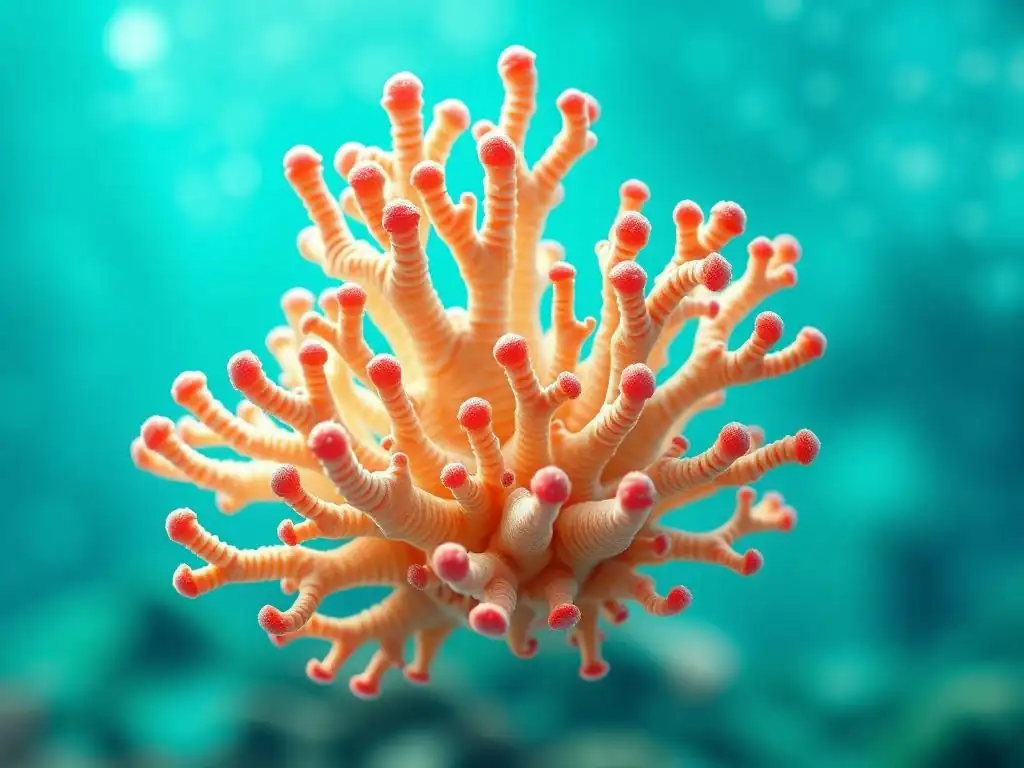
While LPS corals derive a significant portion of their energy from photosynthesis via symbiotic zooxanthellae, supplemental feeding is crucial for optimal growth, vibrant coloration, and overall health, particularly for a thriving "Acan garden." Target feeding is the most effective method, ensuring that food reaches the coral directly rather than dispersing into the water column and contributing to nutrient issues. This technique involves using a turkey baster or a specialized coral feeder to deliver food directly to the polyps when they are extended, typically after the lights have been dimmed or turned off for the night.
When target feeding Acans, observe their feeding response. Their polyps will often extend small feeding tentacles or open their mouths (visible as a small slit or opening) in anticipation of food. Gently squirt small amounts of food near the coral, allowing it to grasp the particles. Avoid overfeeding any single coral, as this can lead to regurgitation or unnecessary waste. Regular target feeding, perhaps 2-3 times per week, significantly boosts the growth rate and color intensity of your Acan colonies, contributing to a truly spectacular "Acan garden."
Selecting the Right Foods for LPS Coral Nutrition
The nutritional needs of LPS corals, including Acans, are best met by a varied diet of meaty foods. A diverse range of small planktonic foods mimics their natural diet in the wild. Excellent choices include frozen mysis shrimp, brine shrimp (enriched), rotifers, copepods, and specialized coral foods formulated for LPS. These foods provide essential proteins, fatty acids, and other nutrients vital for coral metabolism and skeletal development.
For an Acan garden, consider the size of the food particles relative to the Acan's polyp size. Smaller particles like rotifers or copepods are suitable for newly acquired or smaller colonies, while larger mysis shrimp can be consumed by mature Acans. Some aquarists also use liquid coral foods or amino acid supplements, which can be absorbed directly by the coral tissue. Always thaw frozen foods in a small amount of tank water before feeding and avoid introducing excess liquid from the thawing process, as it can contain undesirable phosphates.
Preventing Overfeeding and Maintaining Water Quality
While supplemental feeding is beneficial, overfeeding is a common pitfall that can rapidly degrade water quality and lead to serious problems in an LPS reef tank. Excess uneaten food breaks down, releasing nitrates and phosphates, which fuel nuisance algae growth and can stress corals. In an "Acan garden" where regular target feeding occurs, meticulous attention to water quality is even more critical.
To prevent overfeeding, feed small amounts at a time and observe if the coral consumes it fully before offering more. If you notice uneaten food lingering, reduce the quantity or frequency of future feedings. Ensuring robust filtration, including a well-tuned protein skimmer and regular carbon/GFO changes, is essential to export nutrients introduced by feeding. Performing consistent water changes also helps replenish trace elements and remove accumulated pollutants, maintaining the pristine conditions necessary for a vibrant and healthy Acan coral tank design.
Maintaining a Healthy and Vibrant LPS Garden
Regular Water Testing and Adjustments for LPS Health
Consistent and accurate water parameter testing is the backbone of a healthy "Acan garden." Regular monitoring allows aquarists to detect imbalances before they become problematic, enabling timely adjustments. Beyond the core parameters of salinity, temperature, alkalinity, calcium, and magnesium, it's also crucial to regularly test for nitrates and phosphates, as elevated levels can inhibit coral growth and coloration, and encourage nuisance algae. Aim to test key parameters at least once a week, and nitrates/phosphates every two weeks or more frequently if you notice issues.
Based on test results, adjustments should be made gradually to avoid shocking the corals. If alkalinity or calcium levels drop, dose a balanced two-part solution or use a calcium reactor to bring them back within the optimal range. For elevated nitrates or phosphates in your Acan coral tank design, consider increasing water changes, enhancing protein skimming, or utilizing GFO (Granular Ferric Oxide) or bio-pellets. Proactive monitoring and precise adjustments are key to maintaining the stable environment that allows your Acans to truly flourish.
Preventing and Treating Common LPS Coral Diseases
Despite best efforts, LPS corals, including Acans, can sometimes fall victim to diseases or ailments. Prevention is always better than cure, and it starts with proper quarantine of all new coral additions. A dedicated quarantine tank (QT) for at least 30 days allows you to observe new Acans for signs of disease, pests, or parasites before introducing them to your main "Acan garden," significantly reducing the risk of contamination. Dipping new corals in an appropriate coral dip solution can also help eliminate external parasites.
Common issues in Acans include tissue recession, often indicated by the shrinking of coral flesh away from the skeleton, which can be caused by poor water quality, stress, or bacterial infections. Brown Jelly Disease (BJD) is a rapid and often fatal bacterial infection that appears as a slimy brown coating on the coral. If BJD is observed, immediate action is required, often involving fragging affected parts, dipping, and sometimes antibiotic treatment in a separate container. Understanding these potential issues and having a plan for immediate intervention is crucial for safeguarding your prized Acan collection.
Briefly Mentioning LPS Coral Fragging
LPS coral fragging, the process of propagation by cutting a piece from a mother colony, is a common practice among reef aquarists. While some LPS corals like Euphyllia are relatively easy to frag due to their distinct skeletal structures, fragging Acans requires a bit more care. Acans are typically fragged by carefully cutting through the solid skeletal base, ensuring each frag has at least a few polyps and a piece of the original skeleton. This is often done with a Dremel tool or specialized coral cutters.
Fragging serves multiple purposes in an Acan coral tank design. It can be used to control the size and shape of a growing colony, prevent it from stinging neighboring corals, or to rescue healthy portions of a colony affected by disease. It also allows aquarists to share or trade their corals, further expanding the hobby. For a dedicated "Acan garden," fragging can be a strategic tool for shaping your display and even creating new colonies from your most desirable morphs, further enhancing your personal collection.
Advanced LPS Coral Tank Design Ideas
Incorporating Unique Rock Structures and Aquascaping Techniques
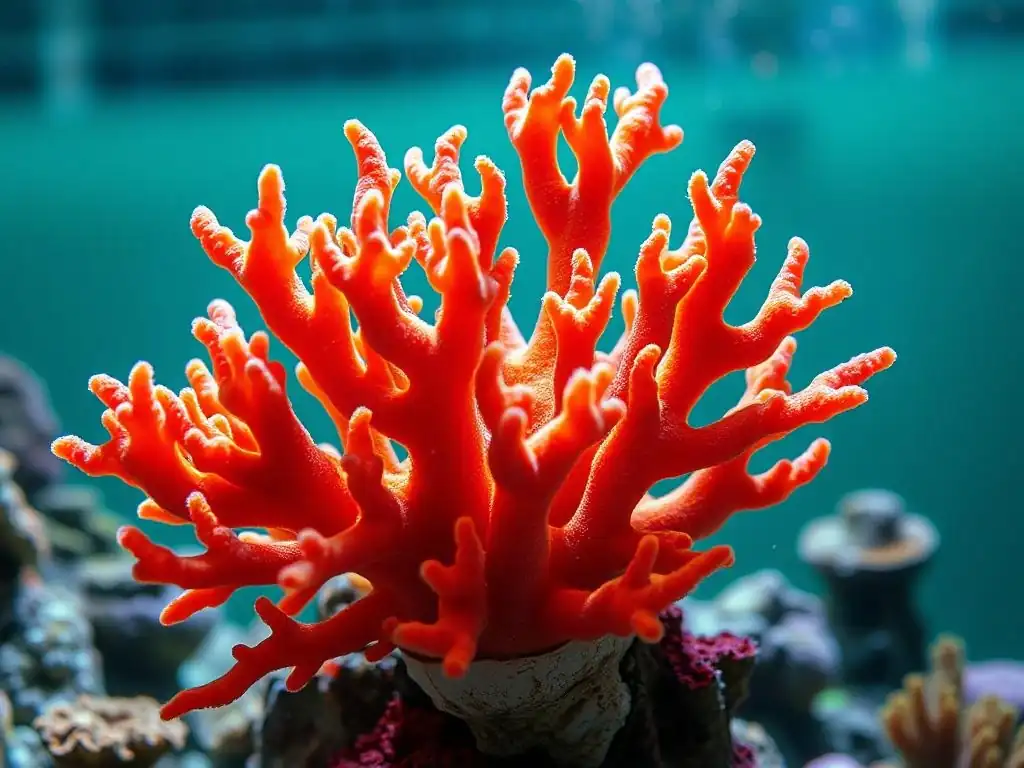
For the advanced aquarist, pushing the boundaries of traditional rockscaping can elevate an Acan coral tank design to an art form. Beyond simple shelves, consider creating gravity-defying arches, intricate caves, or "floating" islands using specialized reef-safe epoxies or glues. These unique structures not only provide novel placement opportunities for your Acans but also enhance water flow patterns and create dynamic visual interest from multiple angles. An open, minimalist aquascape, sometimes referred to as "bonsai" style, can also dramatically highlight individual, high-end Acan colonies.
Another advanced technique is to design the rockscape with specific Acan growth patterns in mind. For instance, creating a tiered amphitheater-like structure allows you to showcase dozens of different Acan morphs, each with its own designated spot, maximizing their individual beauty within the collective "Acan garden." Utilizing negative space strategically around these structures can also make the tank appear larger and more open, drawing the viewer's eye to the vibrant coral inhabitants rather than a dense wall of rock.
Utilizing LED Lighting Control for Enhanced Coloration and Growth
Modern LED lighting systems offer unparalleled control over spectrum and intensity, which can be leveraged by advanced aquarists to significantly enhance the coloration and growth of their Acan garden. Beyond basic white and blue, many high-end LEDs allow for independent control of various color channels (e.g., royal blue, deep red, UV, green). Experimenting with these channels can bring out specific pigments in Acans, making reds appear deeper, greens more electric, and blues more vibrant.
Advanced users can program intricate lighting schedules that mimic natural reef conditions throughout the day, including sunrise, peak intensity, sunset, and even moonlight phases. Some controllers allow for weather simulations, adding dynamic visual effects. Fine-tuning the blue spectrum, particularly in the actinic range, is often key to making fluorescent Acans "pop." Understanding the specific spectral needs of your Acan morphs and adjusting your LED program accordingly can unlock their full chromatic potential, transforming your Acan coral tank design into a truly mesmerizing display.
Automating Water Changes and Dosing for Consistent LPS Care
As an Acan garden matures and becomes more densely stocked, the demand for consistent water parameters and nutrient replenishment increases significantly. Manual water changes and daily dosing can become time-consuming and prone to human error. Advanced aquarists often turn to automation to ensure stability and reduce maintenance burden. Automated water change systems can perform small, frequent water changes (e.g., 1-2% daily) from dedicated reservoirs, which is often more beneficial for coral stability than large weekly changes.
Similarly, automated dosing pumps precisely deliver alkalinity, calcium, and magnesium solutions, maintaining stable levels without daily manual intervention. Some advanced systems can even link to aquarium controllers that monitor parameters and adjust dosing automatically. This level of automation significantly reduces parameter swings, providing the ideal, stable environment for Acans to thrive and grow. While an initial investment, these systems contribute immensely to the long-term health and success of a sophisticated Acan coral tank design.
Troubleshooting Common LPS Coral Problems
Identifying and Addressing LPS Coral Bleaching
LPS coral bleaching, a phenomenon where corals expel their symbiotic zooxanthellae, resulting in a loss of color and often leading to death, is a critical issue for any reef aquarist. In an Acan garden, bleaching typically manifests as the vibrant colors fading to pale white or translucent. The most common causes are sudden changes in water temperature (either too high or too low), excessive light intensity, or prolonged exposure to poor water quality (e.g., high nitrates, low alkalinity).
If you observe an Acan coral bleaching, immediate action is necessary. First, verify and stabilize all water parameters, paying close attention to temperature and alkalinity. If light is suspected, reduce the intensity or move the affected Acan to a shadier spot within the tank. Ensure proper flow around the coral, but avoid direct, harsh currents. Sometimes, a bleached Acan can recover if the stressors are removed quickly, regaining its zooxanthellae and color over several weeks. Consistent monitoring and preventive measures are the best defense against this devastating issue.
Dealing with Pests and Predators in Your LPS Tank
Pests and predators can pose a significant threat to an Acan garden, potentially causing tissue damage, growth inhibition, or even the complete loss of colonies. Common culprits include various types of flatworms (e.g., Montipora-eating nudibranchs, though they can affect Acans if food sources are scarce), predatory snails (e.g., sundial snails), and certain types of crabs. Early detection is key, often requiring careful observation of your Acans, especially at night when some pests are more active.
Implementing a strict quarantine protocol for all new Acan corals and live rock is the most effective preventative measure. This allows you to observe and treat for pests before they enter your main Acan coral tank design. If an infestation occurs, manual removal (e.g., siphoning flatworms), targeted chemical treatments (used with extreme caution and only if reef-safe for your other inhabitants), or introducing natural predators (e.g., certain wrasses for flatworms, though this comes with its own risks) may be necessary. Regular dips for new corals are also highly recommended.
Resolving Issues with Slow Growth or Poor Coloration
When an Acan garden exhibits slow growth or dull coloration, despite seemingly stable water parameters, it indicates an underlying issue that needs to be addressed. While Acans are not the fastest growers, consistent lack of growth or a noticeable decline in vibrancy suggests stress. Common culprits beyond obvious parameter swings include insufficient feeding, inadequate light spectrum or intensity, and chronic low-level nutrient deficiencies or excesses.
To troubleshoot, first re-evaluate your feeding regimen. Are you target feeding regularly with a varied, high-quality diet? Consider increasing frequency or trying different food types. Next, reassess your lighting: Is the PAR level appropriate for Acans, and is the spectrum optimized to bring out their colors? Sometimes, a slight adjustment in light intensity or duration can make a significant difference. Lastly, ensure all essential trace elements are present and balanced; while not directly measured, consistent water changes often replenish them. Addressing these factors systematically can help restore your Acans to their full, vibrant potential.
Conclusion: Enjoying Your Thriving LPS Reef Aquarium
The Rewards of a Well-Designed and Maintained LPS Garden
The journey of creating and nurturing an LPS reef aquarium, particularly a specialized Acan garden, is incredibly rewarding. The meticulous planning, dedicated care, and continuous learning culminate in a living masterpiece that brings immense satisfaction. Witnessing the vibrant colors of your Acan corals deepen, their polyps fully inflate, and new growth emerge is a testament to your efforts and a constant source of fascination. A well-designed Acan coral tank design is not just a collection of corals; it's a dynamic, evolving ecosystem that provides endless beauty and a tranquil escape.
Beyond the visual spectacle, a thriving Acan garden offers a unique connection to the marine world, fostering a deeper understanding of coral biology and reef ecology. The challenges overcome and the successes achieved build confidence and expertise in reef keeping. Ultimately, the reward lies in the joy of observing a miniature, flourishing slice of the ocean in your home, a vibrant testament to the incredible resilience and beauty of LPS corals, particularly the captivating Acans.
Further Resources for LPS Coral Care and Information
The world of LPS coral care is vast and continuously evolving, with new insights and techniques emerging regularly. To further enhance your knowledge and ensure the continued success of your Acan garden, seeking out additional resources is highly recommended. Online forums and communities dedicated to reef aquariums are invaluable for connecting with experienced aquarists, asking questions, and sharing your own experiences. Websites like AquariumMastery.com offer detailed articles and guides covering various aspects of freshwater and saltwater aquariums, including specific LPS coral profiles and troubleshooting tips.
Additionally, consider investing in reputable books on reef keeping and coral identification, which provide comprehensive information on water chemistry, coral biology, and advanced husbandry techniques. Attending local aquarium club meetings or national reef conventions can also provide opportunities to learn from experts, view stunning "Acan garden" displays, and connect with fellow enthusiasts. Continuous learning and engagement with the reefing community are key to mastering the art and science of maintaining a truly spectacular Acan coral tank design.
Frequently Asked Questions
What makes Acan corals unique and desirable for reef aquariums?
Acan corals, often called Acans, are prized for their vibrant colors and unique textures. They are also relatively easy to care for, making them a popular choice for reef tank enthusiasts.
What are the key considerations when designing an Acan coral tank?
When designing an Acan tank, focus on water flow, lighting, and placement. Acans thrive in moderate flow and prefer moderate lighting, and should be placed where they have room to grow.
How important is water chemistry for Acan coral health, and what parameters should I monitor?
Maintaining stable water chemistry is crucial for Acan health. Regularly monitor and maintain proper levels of alkalinity, calcium, and magnesium to ensure optimal growth and coloration.
What kind of lighting is best suited for Acan corals in a reef tank?
Acans generally prefer moderate lighting. LED fixtures with adjustable intensity are ideal, allowing you to fine-tune the lighting to match the specific needs of your corals and prevent bleaching.
What are some common mistakes to avoid when setting up an Acan coral tank?
Avoid sudden changes in water parameters, overcrowding the tank, and placing Acans too close together. Ensure proper spacing and stable conditions to prevent stress and promote healthy growth.
Final Reflection: Cultivating Underwater Beauty
The principles of thoughtful design and meticulous care are not just applicable to creating a stunning Acan coral tank; they resonate deeply with our appreciation for the natural world and our responsibility to preserve its delicate ecosystems. As we've explored the intricacies of Acan coral tank design, it becomes clear that even a small, controlled environment can reflect the beauty and complexity of the ocean.
This journey into the vibrant world of Acan corals has underscored the profound impact we can have, both positive and negative, on marine life. The dedication required to cultivate a thriving Acan garden mirrors the commitment needed to protect coral reefs globally. In the end, we will conserve only what we love; we will love only what we understand; and we will understand only what we are taught.
- Baba Dioum's words remind us that education and appreciation are the cornerstones of conservation.
Now, consider how you can translate the lessons learned in creating an Acan garden to other areas of your life. Embrace the same patience, attention to detail, and appreciation for beauty in your own endeavors. Let the vibrant colors and intricate patterns of these corals inspire you to cultivate beauty and harmony in your own world, and to become a steward of the natural wonders that surround us.
Ignite Your Reef: Design Your Dream Acan Garden Today!
Thanks for diving into the world of Acan coral gardens! We hope you've found inspiration and practical tips to create your own breathtaking display. Now, it's time to bring those ideas to life and share the beauty with others.
Here are a few ways to get started:
- Take the plunge and begin planning your Acan garden. Sketch out your design, source your corals, and start creating the underwater masterpiece you've envisioned!
- Share your Acan coral collection! Post a picture of your favorite Acan on social media using #AcanGardenDreams and inspire other reef enthusiasts.
- Experiment with unique lighting and flow techniques to enhance the colors of your Acans. What's the most unexpected trick you've discovered?
What are you waiting for? What’s the first Acan coral you plan to add to your garden, and why?