
From Mother Colony to Viable Frag: Maximizing Yield in SPS Coral Propagation

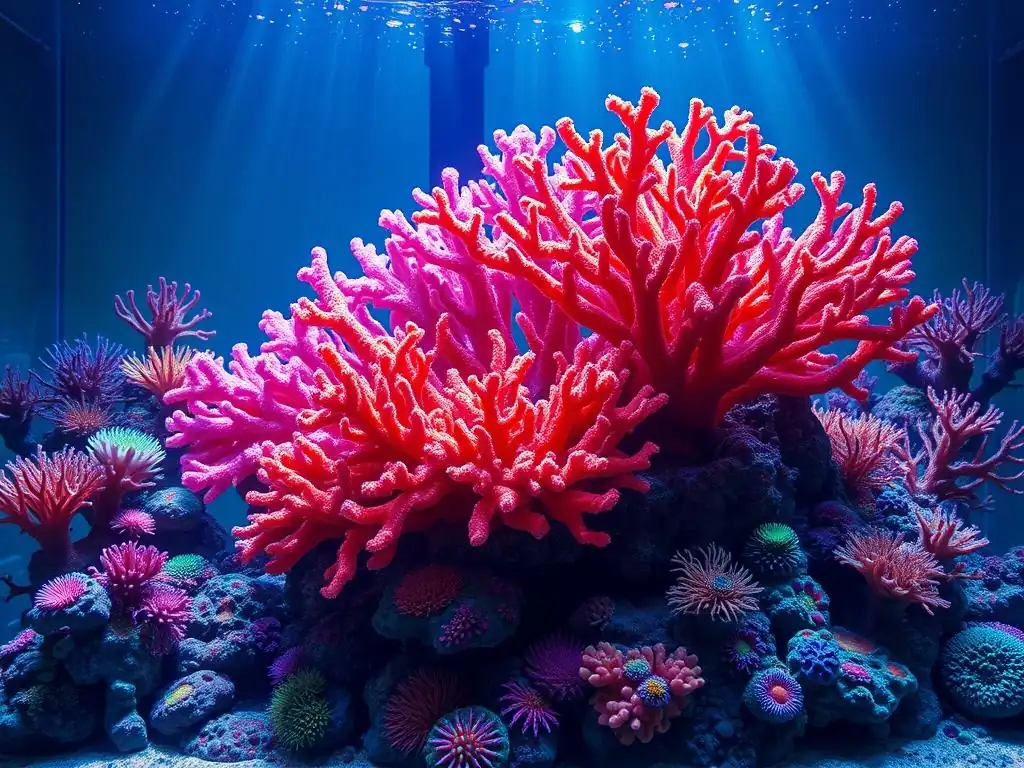
Welcome to Aquarium Mastery, where we dive deep into the captivating world of aquariums!
Ever wondered how to expand your vibrant reef with stunning new corals? Today, we're unlocking the secrets to maximizing your yield with our guide to SPS coral propagation techniques. Prepare to transform your mother colony into a thriving ecosystem of viable frags. Intrigued? Let's get started!
- Understanding SPS Coral Propagation: A Comprehensive Guide
- Preparing for SPS Coral Fragging: Essential Steps
- SPS Coral Fragging Techniques: A Step-by-Step Approach
- Post-Fragging Care: Ensuring SPS Coral Frag Survival and Growth
- Maximizing SPS Coral Frag Yield: Advanced Techniques
- Troubleshooting Common SPS Coral Fragging Problems
- Selling or Trading Your SPS Coral Frags: Best Practices
- Conclusion: Mastering SPS Coral Propagation for a Thriving Reef Aquarium
-
Frequently Asked Questions
- What are the key considerations when selecting a mother colony for SPS coral propagation?
- What tools are essential for successfully fragging SPS corals?
- What are the optimal water parameters for healing and growth of SPS coral frags?
- How long does it typically take for an SPS coral frag to become established and start growing noticeably?
- What are some common mistakes to avoid when propagating SPS corals?
- Final Reflection: Cultivating Resilience in Reefs
- Unleash Your Inner Reef Alchemist!
Understanding SPS Coral Propagation: A Comprehensive Guide
What are SPS Corals and Why Propagate Them?
Small Polyp Stony (SPS) corals are a diverse group of marine invertebrates characterized by their small polyps and the intricate calcium carbonate skeletons they build. These corals, including popular genera like Acropora, Montipora, and Seriatopora, are celebrated for their vibrant colors and various growth forms, such as branching, plating, and encrusting. Their rapid calcification rates and often delicate structures make them a challenging yet rewarding focus for advanced reef aquarists.
The primary motivation behind SPS coral propagation techniques is sustainability and the expansion of the hobby. By fragging, or breaking off pieces from a larger "mother colony" to grow new individuals, aquarists can reduce reliance on wild-caught specimens, contributing to the conservation of natural reefs. Furthermore, propagation allows hobbyists to share unique coral morphs, accelerate the aquascaping of their tanks, and even generate income from surplus frags.
The Benefits of Propagating SPS Corals in Your Reef Tank
Propagating SPS corals offers a multitude of advantages for the dedicated reef keeper. Environmentally, it promotes sustainability by reducing the demand for wild-harvested corals, which can place significant stress on natural coral ecosystems. From a financial perspective, growing your own frags is considerably more cost-effective than repeatedly purchasing new colonies, especially for highly sought-after or rare strains. For instance, a single purchase of a desirable Acropora colony can yield dozens of frags over time, each potentially valued at $20-$100 or more.
Beyond economics, SPS coral propagation enhances the biodiversity and aesthetic appeal of your reef tank. It allows for the rapid expansion of your aquascape, filling in empty spaces with vibrant, healthy corals much faster than waiting for single colonies to grow. Moreover, engaging in SPS coral propagation techniques fosters a stronger community among hobbyists, enabling the exchange of unique genetic strains and knowledge, thereby enriching the collective experience of reef keeping.
Ethical Considerations in Coral Fragging and Propagation
Ethical considerations are paramount in responsible SPS coral propagation. The primary concern is minimizing stress and potential harm to the mother colony during the fragging process. This involves using sterile, sharp tools to make clean cuts, limiting the time the coral spends out of water, and ensuring the mother colony is healthy and robust enough to recover from the procedure. Over-fragging a single colony can lead to stunted growth or even complete tissue necrosis.
Another critical ethical aspect is preventing the spread of pests and diseases. Every fragging session, whether for personal use or trading, carries a risk of transferring unwanted organisms like Acropora Eating Flatworms (AEFW) or Red Bugs. Implementing rigorous quarantine protocols for all new corals, and performing thorough coral dips for both mother colonies before fragging and new frags before introduction to a display or frag tank, are essential SPS coral propagation techniques that uphold the health of the broader reef keeping community.
Preparing for SPS Coral Fragging: Essential Steps
Selecting a Healthy Mother Colony for SPS Fragging
The success of SPS coral propagation techniques hinges significantly on the health and vigor of the chosen mother colony. An ideal candidate will exhibit vibrant coloration, full polyp extension, and active growth tips, indicating robust health. Crucially, the colony should be entirely free of any visible signs of pests, such as AEFW or Red Bugs, and show no tissue recession, bleaching, or other stress indicators. For example, a 6-inch diameter Acropora millepora colony that has been stable and growing in your tank for over six months would be a far better choice than a newly acquired or struggling specimen.
Consider the physical integrity and size of the mother colony. Larger, well-established colonies with multiple branches or extensive plating are generally more resilient and can provide several viable frags without compromising their own long-term health. Avoid fragging small or juvenile colonies, as this can stunt their development or even lead to their demise. It's also advisable to select a section of the coral that is growing vigorously and has a clear, accessible point for fragging, minimizing disruption to the rest of the colony.
Essential Equipment for SPS Coral Propagation: A Detailed Checklist
Successful SPS coral propagation techniques require a dedicated set of tools and supplies, emphasizing precision and sterility. Having all necessary equipment laid out and ready before beginning the fragging process will minimize stress on the corals and streamline the operation. A clean, well-lit workspace is also highly recommended to ensure visibility and prevent contamination.
The following checklist details the essential equipment:
Fragging Tools: Saws, Clippers, and Bone Cutters
- Bone Cutters: These are indispensable for fragging thicker, more robust branching SPS corals like Acropora. Their sharp, sturdy blades allow for clean, precise cuts through dense skeletal material. It's advisable to have a pair specifically for coral use to avoid cross-contamination.
- Coral Clippers: Ideal for smaller, more delicate branching corals such as Seriatopora or thinner Montipora branches. These provide a quick, clean snap, minimizing damage to fragile tissues.
- Dremel with Diamond Cutting Wheel: For precision cuts on encrusting or plating SPS corals like Montipora capricornis, a Dremel tool fitted with a diamond-coated cutting wheel is highly effective. It allows for smooth cuts through flat skeletal structures, creating clean frag edges.
- Utility Knife/Scalpel: While less common for SPS, a sharp blade can be useful for separating encrusting growth from rock or for very precise tissue work, though caution is advised due to the delicate nature of SPS polyps.
Adhesives and Mounting Plugs/Discs
- Cyanoacrylate Gel Glue (Reef-Safe): This is the most widely used adhesive for attaching SPS frags to plugs. The gel consistency provides a strong, quick bond, typically curing within seconds when exposed to water. Brands like Loctite Super Glue Gel Control or specific reef-safe glues are popular choices.
- Two-Part Epoxy: For larger frags or for permanently mounting frags directly onto rockwork, marine-safe two-part epoxy putty provides a very strong, long-lasting bond. It requires mixing and a longer curing time but offers superior structural support.
- Ceramic Frag Plugs/Discs: These inert, porous plugs provide a stable base for new frags to encrust upon. Available in various shapes and sizes, they are designed to fit into frag racks for easy organization and placement in the tank.
- Rubble Rock/Live Rock Chips: Small, clean pieces of live rock or dry rock rubble can also serve as natural mounting bases, allowing frags to blend more seamlessly into an aquascape.
Water Quality Monitoring and Maintenance
- Refractometer or Salinity Tester: Essential for ensuring the salinity of your fragging water and recovery tank matches your display tank, preventing osmotic shock. A precise reading of 1.025-1.026 specific gravity is crucial.
- Test Kits: Accurate test kits for alkalinity (dKH), calcium (ppm), and magnesium (ppm) are vital for maintaining stable water parameters critical for SPS calcification and health. Regular testing (e.g., daily or every other day) is recommended during frag recovery.
- Dedicated Fragging Container: A clean, inert plastic container (e.g., a small bucket or tupperware) filled with water from your display tank is necessary for holding corals during the fragging process and for post-fragging dips.
- Syringe/Pipette: Useful for precise application of coral dips or for spot feeding individual frags.
Setting Up a Dedicated Frag Tank or Propagation System
A dedicated frag tank or propagation system is a highly recommended component for serious SPS coral propagation techniques, offering numerous advantages over simply placing new frags directly into a display tank. This separate environment allows for precise control over water parameters, lighting, and flow, which are critical for the recovery and growth of newly cut frags. It also serves as an isolation unit, preventing potential pests or diseases from spreading to your main display. Common sizes range from 10 to 40-gallon breeder tanks, providing ample space without excessive volume.
Key components of an effective frag system include stable lighting, typically moderate PAR (Photosynthetically Active Radiation) levels between 150-250 PAR, which can be gradually increased as frags recover. Gentle, turbulent flow is essential to prevent detritus accumulation and promote gas exchange without stressing delicate polyps; wavemakers set to diffuse or oscillating patterns are ideal. Robust filtration, often involving a sump with a protein skimmer, refugium, and possibly a media reactor for carbon or GFO, ensures pristine water quality. Maintaining a consistent temperature, typically between 77-79°F (25-26°C), is also paramount for optimal healing and growth.
SPS Coral Fragging Techniques: A Step-by-Step Approach
Fragging Acropora: Specific Techniques and Considerations
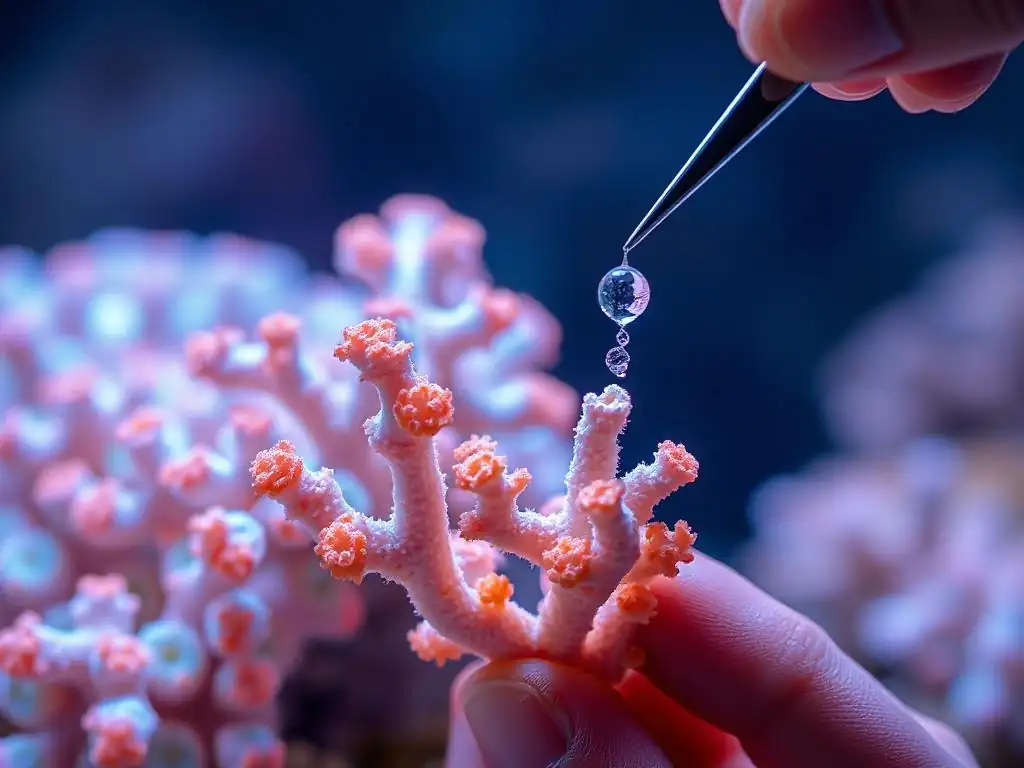
Acropora, arguably the most popular genus of SPS corals, come in various forms, but most are branching or plating. For branching Acropora, the most common SPS coral propagation technique involves using bone cutters or heavy-duty coral clippers to snip off a branch. Aim for a piece approximately 1-2 inches in length, ensuring it has several polyps and a healthy growth tip. It's often best to make the cut near a joint or a point where the branch naturally narrows, which can minimize damage to the mother colony and provide a cleaner frag.
After making the cut, observe the frag and the mother colony for any "bleeding" of tissue. Allowing a few seconds for this to subside before dipping and gluing can help prevent tissue from adhering to the glue.
For plating Acropora like Acropora hyacinthus, a Dremel with a diamond cutting wheel is often employed to carefully slice a disk-shaped piece from the edge of the plate. Regardless of the form, immediately following the cut, the frag should be placed in a coral dip solution (e.g., iodine-based or pest-specific dip) for 5-10 minutes to disinfect and remove any potential pests, then rinsed thoroughly with tank water before mounting.
Fragging Montipora: Achieving Optimal Growth and Coloration
Montipora corals are known for their encrusting, plating, or branching growth forms and are generally more forgiving to frag than Acropora. For branching Montipora species, similar to Acropora, sharp coral clippers can be used to snip off healthy branches, typically 1-2 inches long. These frags tend to heal quickly and encrust readily onto plugs.
Plating and encrusting Montipora (e.g., Montipora capricornis, Montipora undata) require a different SPS coral propagation technique. A Dremel with a diamond cutting wheel or sturdy bone cutters are used to cut out a section of the colony. Aim for a piece that is roughly 1-2 inches square, ensuring it has a good amount of live tissue and polyps.
The goal is to create a clean, viable edge that can begin to encrust. Montipora frags are generally quite resilient, but maintaining stable water parameters and providing moderate flow and light post-fragging will significantly aid in their recovery and help them achieve their vibrant coloration.
Fragging Seriatopora: Delicate Handling and Placement
Seriatopora, commonly known as Birdsnest corals, are characterized by their delicate, often thin branches. Due to their brittle nature, a precise and gentle SPS coral propagation technique is essential. Sharp coral clippers are the preferred tool, used to make a quick, clean snap of a branch. Frags of Seriatopora can be relatively small, often just 0.5 to 1 inch, as they tend to grow quickly once established.
Given their delicate structure, Seriatopora frags are particularly susceptible to tissue damage if handled roughly. After fragging, it's crucial to minimize contact with the frag and place it carefully onto its plug using cyanoacrylate gel glue. For initial placement in a frag tank, areas with lower, more diffused flow are beneficial to allow the polyps to extend fully and for the frag to begin the healing process without being battered by strong currents. Their rapid growth rate makes them excellent candidates for frequent fragging once a mother colony is well-established.
Minimizing Stress During the Fragging Process: Best Practices
Minimizing stress is paramount for successful SPS coral propagation techniques and ensuring the survival of both the mother colony and the new frags. The most critical practice is to keep the coral's exposure to air and the overall fragging time as short as possible, ideally under 10-15 minutes total. Working quickly and efficiently, with all tools and supplies pre-arranged, significantly reduces the duration of stress.
Another best practice involves using water from the display tank for all fragging-related steps, including the fragging container and any coral dips. This maintains consistent water chemistry and temperature, preventing osmotic shock. After fragging, return both the mother colony and the new frags to stable, optimal conditions immediately. Some aquarists also perform a small water change on the display tank after a large fragging session to help dilute any stress-induced chemicals released by the corals.
Post-Fragging Care: Ensuring SPS Coral Frag Survival and Growth
Water Chemistry Parameters for SPS Coral Frag Recovery
Maintaining pristine and stable water chemistry is the single most critical factor for the successful recovery and growth of newly fragged SPS corals. These corals are highly sensitive to fluctuations, and even minor shifts can lead to tissue recession or death. Salinity should be kept rigorously stable at 1.025-1.026 specific gravity, mimicking natural seawater conditions. Alkalinity is particularly crucial for SPS calcification; a stable range of 7.5-8.5 dKH is generally recommended, with daily deviations of no more than 0.2-0.5 dKH.
Calcium (400-450 ppm) and Magnesium (1300-1400 ppm) are the other foundational elements for skeletal growth. Regular testing, ideally daily or every other day, is essential to monitor these parameters. Precise dosing with a two-part solution, a calcium reactor, or kalkwasser is necessary to replenish consumed elements and maintain these narrow ranges. Fluctuations in these levels, especially alkalinity, are a common cause of stress and failure in SPS coral propagation techniques.
Lighting Requirements for Newly Fragged SPS Corals
Newly fragged SPS corals, having undergone significant stress and tissue trauma, often benefit from a slightly reduced light intensity during their initial recovery phase compared to a fully established mother colony. A Photosynthetically Active Radiation (PAR) range of 150-250 PAR is typically ideal for newly cut frags, allowing them to recover without being overwhelmed by excessive light energy. Placing them in an area of the frag tank or display tank with moderate light, rather than directly under the brightest spots, is a good strategy.
As the frags show signs of recovery – such as polyp extension, vibrant coloration returning, and visible encrusting – the light intensity can be gradually increased. This might involve moving them higher on a frag rack or slowly increasing the light fixture's output over several weeks. Observing the coral's response is key: bleaching or paling indicates too much light, while browning or poor color suggests insufficient light. Proper lighting is a vital component of successful SPS coral propagation techniques.
Flow and Circulation: Optimizing Conditions for Frag Growth
Optimal water flow and circulation are fundamental for the healing and growth of SPS coral frags. While strong, direct flow can be detrimental, too little flow can lead to detritus accumulation around the frag, inhibiting polyp extension and potentially causing tissue necrosis. The ideal flow for SPS frags is moderate, turbulent, and varied, ensuring that all sides of the frag receive adequate water movement.
This type of flow aids in nutrient delivery, waste removal, and gas exchange around the coral tissue. Aim for a flow rate that gently sways the polyps without causing them to retract completely or appear "blasted." Positioning frags on frag racks or elevated surfaces helps ensure unimpeded flow around their entire structure. For example, using oscillating powerheads or multiple smaller pumps can create the desired random, turbulent flow patterns critical for robust SPS coral propagation techniques.
Feeding SPS Coral Frags: Supplementation Strategies
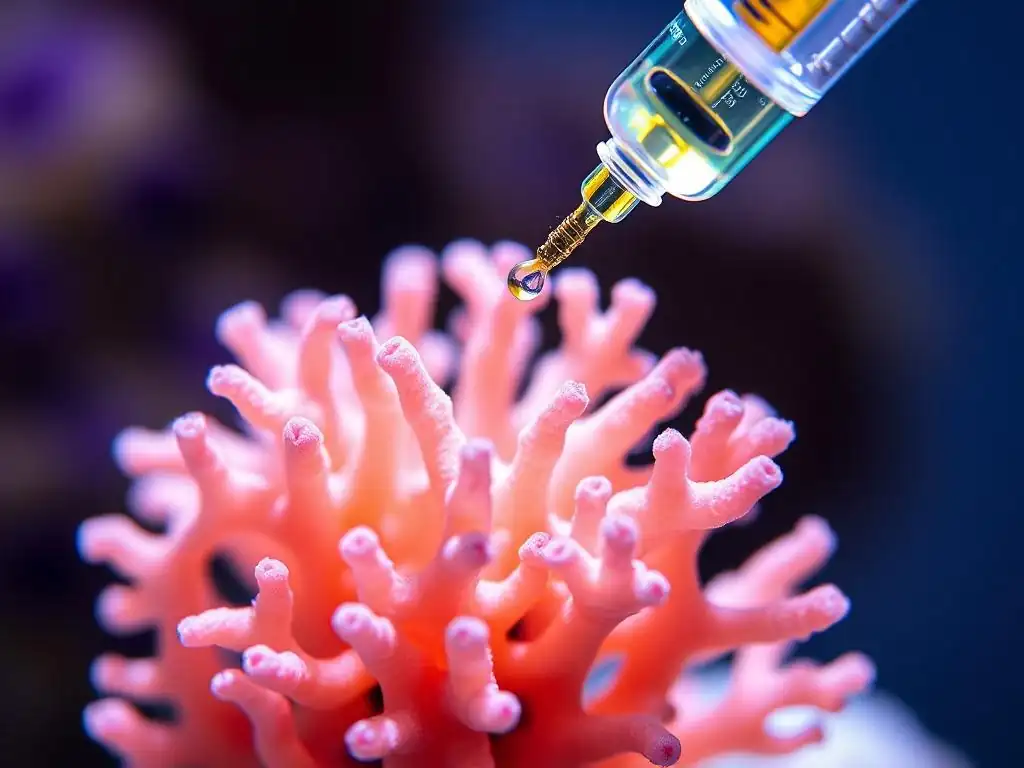
While SPS corals primarily derive energy from their symbiotic zooxanthellae through photosynthesis, targeted feeding can significantly accelerate their recovery and growth, especially for newly fragged specimens. Supplementation with fine particulate foods and amino acid solutions provides essential nutrients that may not be fully met by photosynthesis alone, particularly when the coral is expending energy on healing and skeletal repair.
Offer foods such as phytoplankton, zooplankton, or specialized coral foods like Reef-Roids or Polyp-Lab Reef-Roids. Liquid amino acid solutions (e.g., Fauna Marin Amin, Brightwell Aquatics Aminovite) are also highly beneficial, as they provide the building blocks for protein synthesis. Spot feeding individual frags a few times a week, ideally when the tank lights are dim or off and the main flow pumps are temporarily disabled, allows the frags to capture and consume the food effectively, boosting their energy reserves for growth and coloration.
Preventing and Treating Infections in SPS Coral Frags
Preventing infections is a critical aspect of successful SPS coral propagation techniques, as newly fragged corals are highly vulnerable to bacterial or fungal pathogens. The first line of defense is strict hygiene during the fragging process: all tools should be sterilized with isopropyl alcohol or a bleach solution before and after use. Immediately after fragging, a prophylactic coral dip is strongly recommended. Solutions containing potassium permanganate, iodine, or specialized broad-spectrum coral dips can help disinfect the frag and remove external parasites.
Daily observation of your SPS frags is essential to detect any early signs of infection, such as rapid tissue necrosis (RTN), slow tissue necrosis (STN), white patches, or unusual slime. If an infection is suspected, immediately isolate the affected frag to prevent spread. In some cases, a second dip or even re-fragging a healthy tip from the infected piece may be necessary to salvage the coral. Maintaining pristine water quality and stability also plays a vital role in boosting the frag's natural immune response.
Maximizing SPS Coral Frag Yield: Advanced Techniques
Implementing Coral Dipping Protocols for Pest Control
Effective coral dipping protocols are non-negotiable advanced SPS coral propagation techniques for preventing the introduction and spread of common coral pests. Despite careful inspection, microscopic pests like Acropora Eating Flatworms (AEFW), Red Bugs ( Tegastes acroporanus), and various nudibranchs can hitchhike on corals. A dedicated dip, such as those containing Bayer Complete Insect Killer (for Red Bugs and AEFW) or specific commercial coral cleaners like Revive Coral Cleaner or Coral RX, is crucial.
The dipping process typically involves placing the frag in a separate container with tank water and the appropriate dip solution for 5-15 minutes, gently agitating it to dislodge pests. After the dip, the frag must be thoroughly rinsed in clean tank water before being placed in the frag tank or display. Implementing a multi-stage dipping protocol for all new arrivals, and even for mother colonies before fragging, significantly reduces the risk of a pest outbreak, which can devastate an entire collection of SPS corals.
Using Coral Accelerators and Growth Supplements
To further maximize the yield and growth rate of SPS coral frags, many advanced aquarists incorporate coral accelerators and growth supplements into their regimen. These products often contain concentrated amino acids, vitamins, and trace elements that are vital for coral metabolism, protein synthesis, and calcification. For instance, consistent dosing of amino acid solutions has been anecdotally reported to increase SPS growth rates by 10-20% in some systems, alongside enhancing coloration.
Popular supplements include various brands of amino acid blends (e.g., Fauna Marin Amin, Brightwell Aquatics Aminovite), vitamin complexes, and specific trace element solutions like iodine, strontium, and potassium. When integrating these into your SPS coral propagation techniques, it's crucial to start with lower doses and observe the corals' response. Overdosing can be detrimental, so regular testing for major parameters (Calcium, Alkalinity, Magnesium) and careful adherence to manufacturer instructions are essential to avoid imbalances.
Optimizing Calcium, Alkalinity, and Magnesium Levels
Precise and unwavering optimization of calcium, alkalinity, and magnesium levels is arguably the most fundamental advanced technique for maximizing SPS coral frag yield and health. These elements are the primary building blocks for the coral's aragonite skeleton, and their consistent availability directly correlates with calcification rates. Target ranges are typically Calcium 400-450 ppm, Alkalinity 7.5-8.5 dKH, and Magnesium 1300-1400 ppm.
The key lies not just in hitting these numbers but in maintaining extreme stability. Even small daily swings in alkalinity (e.g., more than 0.5 dKH) can severely stress SPS frags, leading to tissue recession (STN/RTN) and stunted growth. Advanced SPS coral propagation techniques often employ automated dosing systems or calcium reactors to deliver these elements consistently throughout the day, minimizing fluctuations and providing a stable chemical environment that promotes rapid skeletal growth and vibrant coloration.
Strategic Placement of Frags for Optimal Growth
Strategic placement of SPS frags within the propagation system or display tank is an advanced technique that directly impacts their growth rate and coloration. Each frag requires an optimal balance of light and flow, which can vary slightly depending on the species and its specific needs. For instance, an Acropora frag might thrive in a PAR range of 250-350, while some Montipora species might prefer slightly less intense light.
Consider the long-term growth pattern of the frag when placing it. Ensure it has ample space to grow without shading or being shaded by other corals. Position frags on frag racks or elevated structures that allow for excellent all-around water flow and light penetration. Avoid placing frags in dead spots with poor circulation or areas with excessive direct flow that could cause tissue damage. Observing polyp extension and overall health after initial placement will guide adjustments to achieve the perfect micro-environment for each frag.
Troubleshooting Common SPS Coral Fragging Problems
Tissue Necrosis: Identifying and Addressing RTN/STN
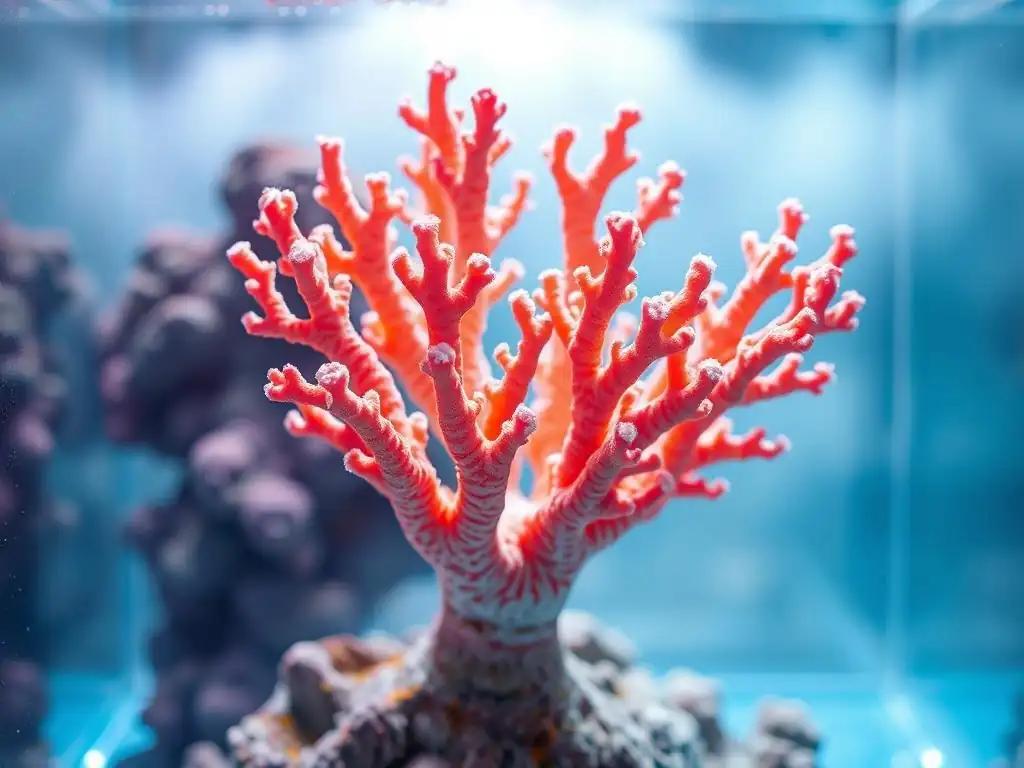
Rapid Tissue Necrosis (RTN) and Slow Tissue Necrosis (STN) are devastating conditions that can quickly turn a healthy SPS coral frag into a bare skeleton. RTN manifests as sudden, aggressive tissue loss, often occurring overnight, leaving behind stark white skeleton. STN is a more gradual process, where tissue recedes slowly, often starting from the base of the frag and progressing upwards over days or weeks.
The causes of tissue necrosis are varied but commonly include severe environmental stress (e.g., drastic temperature swings, alkalinity crashes, high nitrates), bacterial infections, or physical damage. To address this, immediate action is crucial. If the entire frag is affected, it's often lost. However, if there's a healthy tip remaining, carefully re-fragging the healthy section, dipping it, and isolating it in a pristine environment can sometimes save a piece. Maintaining impeccable and stable water parameters is the best preventative measure against these dreaded occurrences in SPS coral propagation techniques.
Algae Overgrowth: Preventing and Controlling Algae on Frags
Algae overgrowth on SPS frags is a common and frustrating problem, particularly on newly cut pieces with exposed skeletal areas or on frag plugs. High nutrient levels, specifically nitrates (above 10 ppm) and phosphates (above 0.05 ppm), are the primary drivers of nuisance algae. Algae can quickly smother delicate coral tissue, block light, and compete for resources, severely hindering frag recovery and growth.
Preventative measures are key in successful SPS coral propagation techniques. Implement robust nutrient export strategies in your frag system, such as efficient protein skimming, a thriving refugium, and regular, consistent water changes (e.g., 10-20% weekly). Introducing a diverse clean-up crew, including herbivorous snails (e.g., Trochus, Turbo snails) and hermit crabs, can help graze on developing algae. If algae appears, gently brush it off the frag plug and exposed skeleton with a soft toothbrush, being careful not to irritate the coral tissue.
Pest Infestations: Identifying and Treating Common Coral Pests
Despite diligent dipping protocols, pest infestations can occasionally emerge on SPS coral frags, posing a serious threat to their survival. The most notorious SPS pests include Acropora Eating Flatworms (AEFW, Amakusaplana acroporae), tiny, cryptic flatworms that devour Acropora tissue, and Red Bugs ( Tegastes acroporanus), small, reddish crustaceans that irritate Acropora polyps and inhibit polyp extension. Other potential pests include various nudibranchs or predatory snails.
Regular, close inspection of your SPS frags, ideally with a magnifying glass, is crucial for early detection. Look for bite marks, tissue recession, retracted polyps, or visible pest bodies. If pests are identified, immediately isolate the affected frag. Treatment typically involves a targeted coral dip with a specific medication (e.g., Interceptor for Red Bugs, or a dedicated AEFW dip). Multiple dip treatments over several weeks may be necessary to eradicate persistent pests, combined with meticulous siphoning of eggs.
Slow Growth or Lack of Coloration: Diagnostic Steps
Slow growth or a noticeable lack of vibrant coloration in SPS coral frags are common indicators of suboptimal conditions, preventing them from reaching their full potential. The first diagnostic step in addressing these issues is to comprehensively test all major water parameters: alkalinity, calcium, magnesium, salinity, temperature, nitrates, and phosphates. Ensure all are stable and within their optimal ranges (e.g., alkalinity 7.5-8.5 dKH, calcium 400-450 ppm). Even minor, chronic imbalances can hinder growth.
Next, evaluate lighting and water flow. Is the PAR level appropriate for the specific SPS species and its recovery stage? Too low PAR can lead to browning, while excessive PAR can cause paling or bleaching. Is the flow adequate and turbulent, ensuring proper nutrient delivery and waste removal? Sometimes, very low nutrient systems (ULNS) can lead to pale coloration, in which case a slight increase in feeding or a reduction in nutrient export might be beneficial. Consistent observation and systematic adjustments are key SPS coral propagation techniques for troubleshooting.
Selling or Trading Your SPS Coral Frags: Best Practices
Preparing Frags for Sale or Trade
Once your SPS coral frags have fully recovered and are actively growing, preparing them for sale or trade involves ensuring they are in peak condition and ready for transfer. Frags should be well-healed, meaning the cut surface has completely encrusted onto the frag plug or disc, typically a process that takes 2-4 weeks post-fragging. They should exhibit robust polyp extension, vibrant coloration, and clear signs of active growth tips.
Before packaging, it's a best practice to keep the frags in a clean, isolated holding tank for a few days. This allows for a final inspection to ensure no hidden pests are present and that the frags are acclimated to a stable environment. Labeling each frag clearly with its species and specific morph name is essential for buyers or trade partners, enhancing professionalism and trust in your SPS coral propagation techniques.
Pricing Your SPS Coral Frags
Pricing SPS coral frags is a nuanced process influenced by several factors: the rarity of the coral, its size, the vibrancy of its coloration, and current market demand. Common, fast-growing Montipora frags might retail for $15-$30, whereas highly sought-after, "designer" Acropora frags with unique color patterns can command prices ranging from $50 to $200+ for a small piece.
Researching current market prices is crucial. Check online forums, local fish store community pages, and major online coral retailers to understand prevailing rates. Consider your own investment in time, electricity, and supplements for your SPS coral propagation techniques. For your initial sales, pricing slightly below market value can help you build a reputation and attract buyers. As your reputation grows and your frags consistently demonstrate health and quality, you can adjust your pricing accordingly.
Shipping and Handling SPS Coral Frags Safely
Safe shipping and handling are paramount to ensuring your SPS coral frags arrive at their destination alive and healthy. Proper packaging is critical. Each frag should be placed in a sturdy plastic container (e.g., a deli cup) filled with tank water, sealed tightly, and then double-bagged to prevent any leaks. For larger frags, a thicker plastic bag inflated with air can provide cushioning.
The individual frag containers should then be placed inside an insulated shipping box (e.g., a Styrofoam cooler). Depending on the ambient temperature, include heat packs (for cold weather) or cold packs (for hot weather) to maintain a stable internal temperature, often targeting 70-75°F (21-24°C). Use plenty of packing peanuts, crumpled newspaper, or foam to prevent the containers from shifting during transit. Always ship via overnight or express services to minimize transit time, ideally scheduling shipments to avoid weekend delays.
Conclusion: Mastering SPS Coral Propagation for a Thriving Reef Aquarium
Frequently Asked Questions
What are the key considerations when selecting a mother colony for SPS coral propagation?
Choosing a healthy mother colony is crucial. Look for vibrant color, strong growth, and absence of disease or bleaching to ensure the frag inherits desirable traits.
What tools are essential for successfully fragging SPS corals?
Essential tools include a coral saw or bone cutters, fragging glue or epoxy, and a clean, stable surface to work on. Proper safety equipment like gloves and eye protection is also recommended.
What are the optimal water parameters for healing and growth of SPS coral frags?
Maintaining stable water parameters is vital. Keep alkalinity, calcium, and magnesium levels within the recommended range, along with proper temperature and salinity.
How long does it typically take for an SPS coral frag to become established and start growing noticeably?
Establishment time varies, but generally, expect to see noticeable growth within 2-4 weeks if water parameters are optimal and the frag is receiving adequate lighting and flow.
What are some common mistakes to avoid when propagating SPS corals?
Avoid stressing the coral during fragging, ensure proper water flow around the frag, and prevent algae growth on the newly cut surfaces.
Final Reflection: Cultivating Resilience in Reefs
The journey from a vibrant mother colony to a thriving frag, as explored in this article, mirrors a larger narrative of reef resilience in the face of global challenges. The meticulous SPS coral propagation techniques discussed are not merely about increasing coral numbers; they represent a proactive approach to preserving biodiversity and bolstering the health of our ocean ecosystems, a task more critical now than ever.
This exploration of coral propagation has profoundly underscored the interconnectedness of our actions and the delicate balance of marine life. Witnessing the growth of a tiny frag into a flourishing coral colony is a powerful reminder of the potential for restoration and the importance of individual contributions. As Sylvia Earle so eloquently stated, Even if you never have the chance to see or touch the ocean, the ocean touches you with every breath you take, every drop of water you drink, every bite you consume. Everyone, everywhere is inextricably connected to and utterly dependent upon the existence of the sea.
Now, consider how you can apply these principles of careful cultivation and nurturing to other aspects of your life. Just as patience and precision are vital in SPS coral propagation, so too are they essential in fostering growth and resilience in our communities and within ourselves. Let us all strive to be mindful stewards, nurturing the seeds of positive change and contributing to a future where both our reefs and our world can thrive.
Unleash Your Inner Reef Alchemist!
Thanks for exploring the art and science of SPS coral propagation with us! We hope you've gained some valuable insights into maximizing your fragging yields. Now, it's time to put that knowledge into action and watch your coral collection flourish.
- Boldly frag your most promising mother colony using the techniques discussed to increase your propagation success.
- Explore less common coral placement strategies in your display tank to observe and document growth rate variations.
- Share your own SPS fragging triumphs (and challenges!) in the Aquarium Mastery community forum.
What unique observation or "coral hack" will you implement this week to push the boundaries of your SPS propagation skills?