
Euphyllia Feeding Response: Are Your Corals Eating Enough?

Welcome to Aquarium Mastery!
Ever wondered if your prized Euphyllia is getting enough to eat? Unlocking the secrets to a vibrant and healthy Euphyllia starts with understanding its feeding response. Dive in to discover expert Euphyllia coral feeding tips and learn how to ensure these stunning corals thrive in your reef aquarium. Are you ready to witness the full potential of your LPS corals? Let's explore!
- Euphyllia Feeding Response: Ensuring Optimal Coral Health
- Understanding Euphyllia Coral Nutrition: A Foundation for Growth
- Interpreting the Euphyllia Feeding Response: Visual Cues
- Euphyllia Coral Feeding Strategies: Tailoring Your Approach
- Optimizing Euphyllia Coral Health: Beyond Nutritional Intake
- Resolving Euphyllia Feeding Challenges: Diagnosis and Solutions
- Enhancing Euphyllia Growth and Coloration Through Nutrition
- Euphyllia Coral Feeding: A Beginner's Guide
- Frequently Asked Questions
- Final Reflection: Nourishing the Reef Within
- Ignite Your Euphyllia's Growth!
Euphyllia Feeding Response: Ensuring Optimal Coral Health
Understanding Euphyllia Coral Nutrition: A Foundation for Growth
The Significance of Nutrition for Thriving Euphyllia Corals
For Euphyllia corals, robust nutrition is the cornerstone of vibrant health, vigorous growth, and resilience against disease. While these large polyp stony (LPS) corals host symbiotic zooxanthellae algae within their tissues, which provide a significant portion of their energy needs through photosynthesis (often estimated at 70-90%), external feeding is absolutely critical for optimal development. This supplementary nutrition supplies essential proteins, amino acids, fatty acids, and trace elements that zooxanthellae alone cannot fully provide.
These externally acquired nutrients are vital for calcification, the process by which Euphyllia build their aragonite skeletons. Adequate nutrition fuels rapid tissue growth, leading to larger, more extended polyps and faster colony expansion. For instance, a well-fed Hammer coral might exhibit a growth rate of 0.5 to 1 inch per month in ideal conditions, compared to negligible growth in a nutrient-deficient environment. Proper Euphyllia coral feeding tips directly translate to stronger skeletal structures and more resilient soft tissues.
Recognizing Signs of Nutrient Deficiency in Euphyllia
Identifying nutrient deficiency in Euphyllia corals often involves observing subtle, then progressively more obvious, visual cues. Early signs include reduced polyp extension, especially during the day or when lights are dim, and a general lack of "puffiness" or turgidity in the tentacles. The coral may appear somewhat deflated or retracted, even when water parameters are otherwise stable. Fading coloration, where the vibrant greens, golds, or purples become duller, can also indicate insufficient nutrition, as the coral may be struggling to produce necessary pigments.
As nutrient deficiency progresses, more severe symptoms can manifest. These include slow or stagnant growth, where the coral ceases to add new skeletal material or heads. In advanced stages, tissue recession can occur, where the soft tissue pulls away from the skeleton, exposing the white aragonite base. This can lead to increased susceptibility to bacterial infections or Brown Jelly Disease. For example, a healthy Torch coral might extend its tentacles 6-8 inches at night to forage, whereas a nutrient-deficient one might only extend 1-2 inches, clearly indicating a compromised Euphyllia coral feeding response.
Interpreting the Euphyllia Feeding Response: Visual Cues
Observing Tentacle Inflation and Feeding Behavior
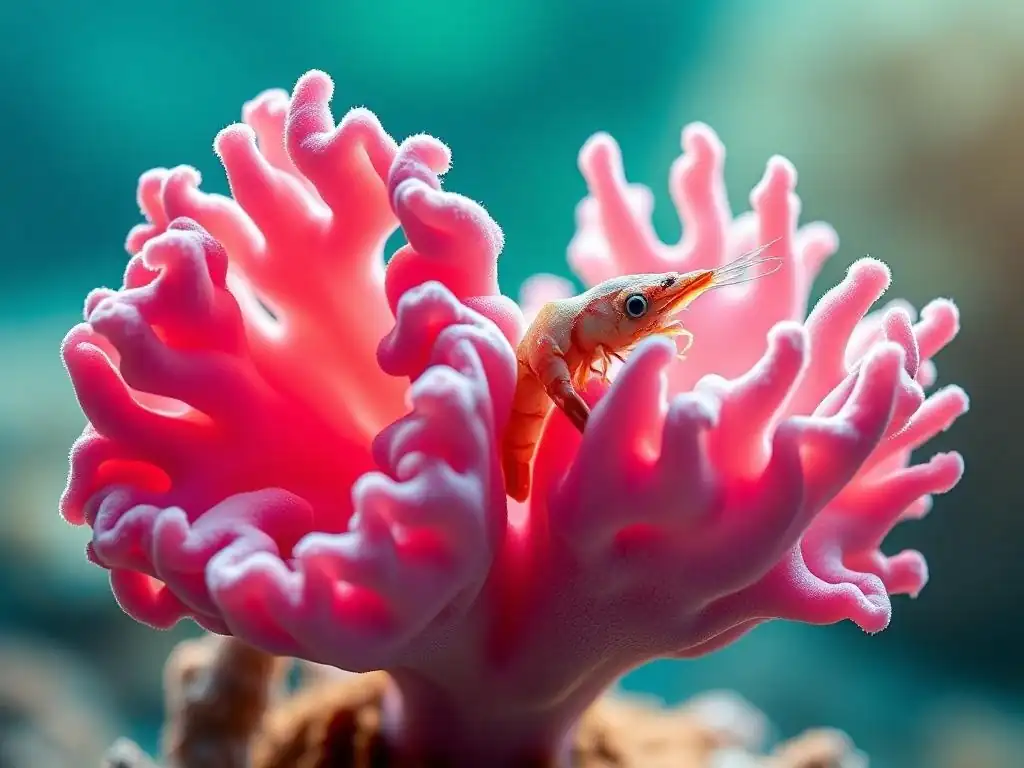
A healthy Euphyllia coral's feeding response is a fascinating display of its predatory nature. When food particles are introduced into the water column, or directly presented, the coral's tentacles will typically inflate, becoming turgid and sticky. This inflation makes them more effective at capturing prey. Following this, the tentacles will actively "reach" or sweep through the water, attempting to ensnare food. This active pursuit is a primary indicator of a strong feeding drive and good health.
Once a food particle is captured, the tentacles will rapidly contract and draw the prey towards the coral's oral disc, or mouth. The mouth, usually a small slit in the center of the polyp, will then open to engulf the food. This process can take anywhere from a few minutes for smaller particles to over an hour for larger pieces of food, as the coral slowly digests its meal. Observing this complete capture-and-ingestion sequence confirms that your Euphyllia coral feeding efforts are successful and the coral is actively consuming nutrients.
Species-Specific Feeding Responses: Torch, Hammer, and Frogspawn
While the general feeding mechanism is consistent across the Euphyllia genus, subtle differences in tentacle morphology can lead to variations in their feeding display. Torch corals (Euphyllia glabrescens) are renowned for their long, sweeping tentacles, which can extend significantly, making them highly efficient at capturing food from the water column. Their active, almost "dancing" movement when food is present is a clear sign of their predatory prowess.
Hammer corals (Euphyllia ancora and E. parancora) possess blunter, often T-shaped tentacles. While less "sweeping" than Torches, their tentacles are robust and equally capable of grasping and pulling in food. Frogspawn corals (Euphyllia divisa and E. paradivisa), with their distinctive bubble-like tips, may appear less overtly active in their tentacle movements, but their sticky tips are highly effective at capturing suspended particles or directly presented food. Regardless of the specific tentacle shape, the common thread in effective Euphyllia coral feeding tips is observing the tentacles actively engaging with and consuming the food.
Euphyllia Coral Feeding Strategies: Tailoring Your Approach
Selecting Appropriate Food: Size, Type, and Composition
The success of your Euphyllia coral feeding strategy begins with selecting the right food. Euphyllia are carnivorous LPS corals, meaning their diet should primarily consist of meaty foods. Excellent choices include frozen mysis shrimp, finely chopped pieces of clam, scallop, or fish flesh (e.g., silversides), and high-quality frozen plankton mixes. Specialized coral foods, available as pellets, liquids, or powders, are also formulated to meet their nutritional needs.
Particle size is crucial; Euphyllia have relatively large mouths for corals, capable of ingesting food particles ranging from 0.5mm to 5mm. For instance, a whole mysis shrimp (typically 1-2 cm long) is often ideal for a mature Euphyllia head. Focus on foods rich in proteins (e.g., 50-60% protein content), amino acids, and highly unsaturated fatty acids (HUFAs) to ensure comprehensive nutrition. Many aquarists find that mysis shrimp, due to their robust nutritional profile, are a staple in their Euphyllia coral feeding regimen.
Target Feeding: Precision and Delivery
Target feeding is the most efficient and recommended method for Euphyllia corals, ensuring that each polyp receives adequate nutrition with minimal waste. This involves using a pipette, turkey baster, or specialized coral feeder to deliver food directly to the coral's extended polyps. The ideal time for target feeding is often after the main tank lights have dimmed or turned off for the night, as this is when Euphyllia tentacles are typically most extended and actively foraging.
Before feeding, it's advisable to turn off powerheads and return pumps for 10-15 minutes to prevent food from being swept away by strong currents. Deliver small amounts of food gradually, allowing the coral to fully engulf each piece before offering another. For a medium-sized Euphyllia colony (e.g., 4-6 heads), offering 1-2 pieces of mysis shrimp per head every 2-3 days is a common and effective starting point. This precise approach maximizes nutrient uptake and minimizes the risk of water quality degradation, making it a cornerstone of effective Euphyllia coral feeding tips.
Broadcast Feeding: Supplementing Targeted Nutrition
While target feeding is paramount for Euphyllia, broadcast feeding can serve as a supplementary method to introduce a general nutrient baseline into the water column. This involves dispersing liquid or finely powdered coral foods, phytoplankton, or zooplankton throughout the tank. Euphyllia, like many corals, can absorb dissolved organic matter and capture very small suspended particles, though this is not their primary feeding mechanism.
Broadcast feeding is more beneficial for other filter-feeding invertebrates and for promoting a healthy microbial diversity within the aquarium. For Euphyllia, its role is secondary to direct feeding. If you choose to broadcast feed, do so sparingly and with caution to avoid overfeeding and subsequent water quality issues. A small amount of a high-quality liquid coral food, dosed once or twice a week, can complement a targeted Euphyllia coral feeding schedule, but should never replace it.
Optimizing Euphyllia Coral Health: Beyond Nutritional Intake
Maintaining Water Quality: Key Parameters for Coral Health
Beyond direct nutritional intake, maintaining pristine and stable water quality is paramount for Euphyllia coral health and their ability to metabolize nutrients effectively. Key parameters include Calcium (Ca) at 400-450 ppm, Alkalinity (dKH) between 8-12, and Magnesium (Mg) at 1300-1400 ppm, all crucial for skeletal growth. Additionally, nitrates (NO3) should be kept low (1-10 ppm) and phosphates (PO4) even lower (0.02-0.08 ppm), as high levels can inhibit calcification and stress corals.
Crucially, stability within these ranges is often more important than hitting exact numbers. Sudden swings, such as a drop in dKH from 10 to 7 in a short period, can severely stress corals, leading to retracted polyps, tissue loss, and a complete cessation of feeding. Regular testing – at least weekly for alkalinity, calcium, and magnesium, and bi-weekly for nitrates and phosphates – is essential to monitor these parameters and make necessary adjustments through dosing or water changes. Consistent water quality ensures the Euphyllia coral feeding efforts are not undermined by environmental stress.
Lighting and Water Flow: Supporting Coral Metabolism
Appropriate lighting and water flow are critical environmental factors that directly influence Euphyllia coral health and their metabolic processes. Euphyllia are moderate light corals, generally thriving in PAR (Photosynthetically Active Radiation) levels between 75 and 150 PAR. Too intense lighting can cause bleaching by stressing their symbiotic zooxanthellae, leading to a loss of coloration and reduced energy production. Conversely, insufficient light will hinder photosynthesis, weakening the coral and making it less receptive to external feeding.
Water flow should be moderate and indirect, gently swaying the coral's polyps without causing them to retract or "lash" violently. A flow rate that allows the polyps to fully extend and capture food particles is ideal. Too strong flow can physically damage the delicate tissues of Euphyllia and prevent their tentacles from extending to feed, while too little flow can lead to the accumulation of detritus on the coral, fostering bacterial growth and nutrient dead spots. Achieving the right balance in these physical parameters directly supports the coral's ability to thrive and effectively utilize its Euphyllia coral feeding.
Identifying and Managing Common Euphyllia Ailments
Despite diligent care, Euphyllia corals can sometimes fall victim to various ailments, often exacerbated by stress from poor water quality, inadequate flow, or nutritional deficiencies. Common issues include Brown Jelly Disease (BJD), a rapidly spreading bacterial infection characterized by a slimy, brown goo consuming the coral tissue, and Tissue Necrosis (RTN - Rapid Tissue Necrosis or STN - Slow Tissue Necrosis), where tissue simply recedes from the skeleton. Other concerns include bacterial infections causing white patches or general decline.
Early identification and swift action are crucial for managing these ailments. If BJD is suspected, immediate isolation of the affected coral is recommended, followed by a targeted treatment such as a freshwater dip or a coral dip containing iodine-based solutions (e.g., Lugol's solution). For tissue necrosis, fragging off healthy sections to save parts of the colony might be necessary. Addressing underlying stressors, such as improving water quality or optimizing Euphyllia coral feeding practices, is fundamental to preventing recurrence and promoting long-term health.
Resolving Euphyllia Feeding Challenges: Diagnosis and Solutions
Addressing Reduced or Absent Feeding Response
A reduced or absent feeding response in Euphyllia corals is a critical indicator that something is amiss in their environment or health. The first step is thorough diagnosis. Check all water parameters immediately for any sudden fluctuations or deviations from optimal ranges (e.g., an ammonia spike to 0.25 ppm, or a pH drop below 7.8). Other potential stressors include recent tank disturbances, introduction of new tank mates, or even subtle changes in lighting or flow.
Once potential stressors are identified, address them promptly. If water parameters are off, perform a small water change or adjust dosing. If the coral is new to the tank, allow more time for acclimation, perhaps up to two weeks before attempting a full feeding.
Try offering a different type of food or feeding at a different time of day (e.g., late night vs. early morning). If the coral consistently refuses food for over a week despite stable parameters, consider a short, gentle coral dip to reduce potential parasites or bacterial load, and re-evaluate the overall tank environment. Consistent application of proper Euphyllia coral feeding tips requires keen observation.
Managing Competition from Other Inhabitants
Competition from other aquarium inhabitants can significantly impede a Euphyllia coral's ability to feed and thrive. Aggressive fish species, such as some tangs or angelfish, may nip at the coral's tentacles, causing retraction and stress. Similarly, certain shrimp or hermit crabs might attempt to steal food directly from the coral's polyps, preventing it from getting adequate nutrition. Even other corals, particularly those with aggressive sweeping tentacles like some SPS or other LPS, can sting and irritate Euphyllia, making them less likely to extend and feed.
To manage this competition, observe your tank during feeding times to identify the culprits. For fish or invertebrates that are stealing food, try target feeding the Euphyllia when the other inhabitants are less active or distracted, perhaps by feeding them simultaneously in another area of the tank. If physical aggression from other corals is an issue, relocate the Euphyllia to a spot where it has sufficient clear space, typically 6-10 inches away from other corals. Ensuring the Euphyllia has its dedicated feeding opportunity is crucial for successful Euphyllia coral feeding.
Preventing Overfeeding and Water Quality Issues
While ensuring adequate Euphyllia coral feeding is vital, overfeeding can paradoxically lead to significant water quality issues that ultimately harm the coral. Excess uneaten food quickly breaks down, leading to elevated levels of nitrates and phosphates. These elevated nutrients can fuel nuisance algal blooms (e.g., hair algae, cyanobacteria) and bacterial outbreaks, which directly stress corals, inhibit their growth, and can even cause tissue necrosis. A consistent nitrate level above 15 ppm or phosphate above 0.1 ppm due to overfeeding indicates a problem.
To prevent overfeeding, adopt a "less is more" approach. Feed small amounts of food that the coral can consume within 10-15 minutes. Always turn off powerheads during target feeding to minimize food dispersal.
Promptly remove any uneaten food from the tank using a siphon or turkey baster. Supplement your feeding regimen with robust filtration, including a well-sized protein skimmer, regular water changes (e.g., 10-20% monthly), and potentially the use of carbon dosing or GFO (Granular Ferric Oxide) to export excess nutrients. These proactive measures ensure that your Euphyllia coral feeding efforts contribute to, rather than detract from, overall tank health.
Enhancing Euphyllia Growth and Coloration Through Nutrition
The Role of Micronutrients in Coral Physiology
Beyond the primary protein and lipid-rich foods, micronutrients play a subtle yet critical role in Euphyllia coral physiology, impacting both growth and the vibrancy of their coloration. Trace elements such as iodine, strontium, potassium, iron, and various vitamins are essential cofactors in numerous metabolic processes, including skeletal formation, enzyme function, and the production of chromoproteins responsible for the coral's stunning colors. While some of these are introduced through regular water changes, their concentrations can deplete over time, especially in heavily stocked or fast-growing reef tanks.
For example, strontium is directly incorporated into the coral's aragonite skeleton, contributing to robust growth. Iodine is believed to play a role in tissue health and potentially in the coral's stress response. Potassium is vital for cellular function and is often linked to enhanced blue and purple coloration in corals. A deficiency in these key micronutrients, even with sufficient bulk feeding, can limit growth by up to 15-20% and result in duller coloration. Therefore, understanding the role of these elements is a key aspect of advanced Euphyllia coral feeding tips.
Supplementing Essential Elements for Enhanced Health
To ensure Euphyllia corals receive a full spectrum of necessary nutrients, many aquarists opt for targeted supplementation of essential elements. This typically involves using liquid trace element mixes, amino acid solutions, or vitamin complexes specifically formulated for reef aquariums. These supplements can be dosed directly into the water column or used to "soak" frozen foods before feeding, allowing the coral to ingest them directly.
When supplementing, caution and accurate testing are paramount. Overdosing can be detrimental, leading to imbalances or even toxicity. Always follow manufacturer guidelines for dosage and consider starting with a lower dose, gradually increasing it while observing the coral's response and monitoring relevant water parameters. For instance, dosing a high-quality amino acid supplement at 5ml per 50 gallons of tank water weekly can significantly enhance polyp extension and color vibrancy within weeks, but individual coral responses may vary. Consistent observation and precise application are vital for successful Euphyllia coral feeding and supplementation.
Success Stories: Diverse Feeding Strategies for Different Euphyllia
Many aquarists have achieved remarkable success in enhancing Euphyllia growth and coloration through tailored feeding strategies. Consider the case of "ReefMaster Mike," who cultivated a sprawling Euphyllia Torch colony. His strategy involved target feeding frozen mysis shrimp three times a week, ensuring each head received 2-3 pieces. Additionally, he broadcast dosed a high-quality amino acid solution twice weekly. Within eight months, his Torch colony doubled in size, exhibiting vibrant green polyps and a strong feeding response, demonstrating the effectiveness of consistent Euphyllia coral feeding.
Another example is "Coralista Clara," who maintains a diverse Euphyllia garden featuring Hammers and Frogspawns. She rotates her target feeding schedule, offering finely chopped clam or scallop twice a week, and a specialized LPS pellet food once a week. She also ensured her nitrates remained consistently at 5 ppm, believing this low but present nutrient level supported her corals' metabolism. Her corals showed impressive budding rates, with new heads forming every 2-3 months, and exceptionally puffy polyps with intense coloration, underscoring the benefits of varied and consistent Euphyllia coral feeding tips.
Euphyllia Coral Feeding: A Beginner's Guide
Initiating Feeding: Gradual Introduction and Observation
For beginners venturing into Euphyllia coral care, initiating feeding should be a gradual process. After your new Euphyllia has acclimated to its new aquarium environment for at least one to two weeks and shows consistent polyp extension, you can begin offering food. Start with very small quantities of easily digestible options, such as finely chopped mysis shrimp or a high-quality liquid coral food designed for LPS corals.
Begin by feeding once or twice a week. The most important aspect at this stage is observation. Watch how the coral responds: do the tentacles inflate? Do they attempt to grasp the food? Does the mouth open to ingest it? If the coral readily consumes the food and continues to exhibit healthy polyp extension and coloration, you can gradually consider increasing the frequency or quantity. Avoid overwhelming a new coral with too much food, as this can lead to stress or water quality issues. This cautious approach is fundamental to mastering Euphyllia coral feeding tips.
Monitoring Coral Response and Adjusting Intake
Ongoing monitoring of your Euphyllia coral's response is crucial for long-term feeding success. A healthy Euphyllia will consistently extend its polyps, appear full and turgid, maintain vibrant coloration, and show visible signs of growth (e.g., new heads forming, increased skeletal mass). If you notice signs of stress, such as chronic polyp retraction, fading colors, or tissue recession, re-evaluate your feeding regimen alongside water parameters and environmental conditions.
Adjust your feeding intake based on these observations. If the coral is thriving and showing excellent growth, maintain your current schedule. If it appears underfed, you might increase the feeding frequency to three times a week or slightly increase the amount offered. Conversely, if you observe a rise in nitrates or phosphates in your water tests (e.g., nitrates consistently above 10 ppm), reduce feeding frequency or quantity to prevent water quality degradation. This adaptive approach ensures your Euphyllia coral feeding practices remain optimized for your specific tank.
Selecting Appropriate Food Products
For beginners, selecting appropriate food products for Euphyllia coral feeding can seem daunting with the vast array of options available. A great starting point is frozen mysis shrimp. They are widely available, relatively inexpensive, and highly accepted by most Euphyllia species due to their appropriate size and nutritional profile. Ensure you purchase high-quality, marine-sourced mysis shrimp from a reputable brand.
Another excellent option for beginners is a high-quality liquid coral food specifically formulated for LPS corals. These often contain a blend of phytoplankton, zooplankton, and amino acids, providing a broad spectrum of nutrients that are easy for the coral to absorb. When selecting any food product, always check the ingredient list for high protein content (typically over 40-50%) and essential fatty acids. Brands like Rod's Food, LRS Reef Frenzy, or specialized coral pellet foods from reputable manufacturers are often reliable choices to kickstart your Euphyllia coral feeding journey.
Frequently Asked Questions
What is Euphyllia coral and why is proper feeding important?
Euphyllia coral, like torch, hammer, and frogspawn corals, are a type of large polyp stony (LPS) coral. Proper feeding ensures their long-term health and vibrant colors within your reef aquarium. Insufficient feeding can lead to bleaching and eventual death.
How often should I feed my Euphyllia corals?
While Euphyllia corals can obtain some nutrients through photosynthesis, supplemental feeding is beneficial. Aim to feed them 2-3 times per week with appropriate food sources. Observe your corals' feeding response to adjust the frequency.
What types of food are best for Euphyllia corals?
Euphyllia corals prefer meaty foods. Good options include small pieces of mysis shrimp, brine shrimp, or specialized coral foods. Ensure the food is appropriately sized for their polyps to easily consume.
How can I tell if my Euphyllia coral is eating properly?
A healthy Euphyllia coral will exhibit a clear feeding response. This includes extended tentacles and the visible ingestion of food. Lack of feeding response or retracted polyps may indicate a problem.
What are some common mistakes to avoid when feeding Euphyllia corals?
Overfeeding can lead to water quality issues, so avoid adding too much food at once. Also, ensure adequate water flow to prevent uneaten food from decaying and polluting the tank. Target feeding is often the best approach.
Final Reflection: Nourishing the Reef Within
The insights shared throughout this article, focusing on optimizing Euphyllia coral feeding, resonate far beyond the confines of a saltwater aquarium. They speak to a deeper understanding of symbiotic relationships and the delicate balance required for thriving ecosystems, a principle equally applicable to our own lives and communities. The health and vibrancy of these corals, so dependent on our attentive care, serve as a microcosm of the larger world we inhabit.
This journey into the intricacies of Euphyllia feeding has underscored the importance of observation, adaptation, and a commitment to providing the right nourishment. It's a reminder that even the smallest actions, like carefully targeting a coral with food, can have a profound impact on its well-being. The sea, once it casts its spell, holds one in its net of wonder forever.
- Jacques Cousteau. This quote encapsulates the enduring fascination and responsibility we have towards these captivating creatures and the marine environment they call home.
Now, consider the lessons learned. How can you apply the principles of attentive care and targeted nourishment, not just to your Euphyllia corals, but to the relationships and endeavors that are vital to your own growth and happiness? Embrace the challenge of observation, adapt to changing needs, and commit to providing the essential elements that allow everything around you to flourish. The reef within you, and around you, deserves nothing less.
Ignite Your Euphyllia's Growth!
Thanks for diving into the world of Euphyllia feeding with us! We hope you now have a clearer understanding of how to keep your torch, hammer, or frogspawn corals thriving. Now, let's translate that knowledge into action!
- Immediately assess your Euphyllia corals for feeding response. Observe how they react after introducing food to your tank. A healthy polyp will actively grab and ingest the offering.
- Explore different food types! Experiment with various sizes and compositions to see what your Euphyllia prefers – from mysis shrimp to specialized coral foods. You might be surprised!
- Share your feeding success stories! Jump into our Aquarium Mastery community forum and post photos or videos of your well-fed Euphyllia. Help others learn and grow too.
What's the most surprising thing you've ever seen your Euphyllia eat?