
Euphyllia Water Parameters: The Exact Numbers for Thriving Colonies

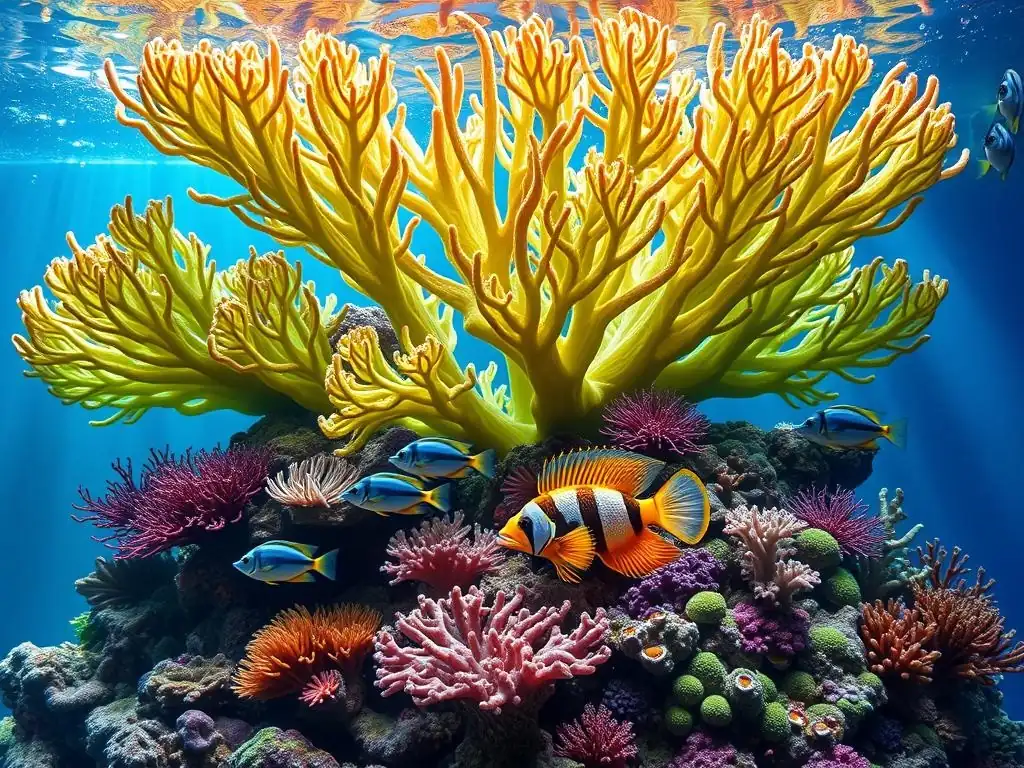
Welcome to Aquarium Mastery! Ever wondered how to unlock the secret to vibrant, flourishing Euphyllia colonies?
Dive in and explore everything you need to know about achieving Euphyllia optimal water parameters. This guide provides the exact numbers to create the perfect environment, ensuring your LPS corals not only survive, but thrive. Ready to transform your reef tank? Let's get started!
- Understanding the Importance of Optimal Water Parameters for Euphyllia Corals
-
Key Water Parameters for Euphyllia Success: A Detailed Guide
- Salinity: Maintaining the Ideal Salt Levels for Euphyllia
- Temperature: Keeping Euphyllia in Their Preferred Thermal Zone
- Alkalinity: Buffering Your Reef System for Euphyllia Health
- Calcium: Essential for Euphyllia Skeletal Growth
- Magnesium: Supporting Calcium Availability and Preventing Precipitation
- Nitrate and Phosphate: Balancing Nutrients for Euphyllia
- Trace Elements: The Unsung Heroes of Euphyllia Care
- Monitoring and Adjusting Water Parameters for Euphyllia
- Troubleshooting Common Water Parameter Issues Affecting Euphyllia
- Maintaining Stability: The Key to Long-Term Euphyllia Success
-
Frequently Asked Questions
- What are the most important water parameters for keeping Euphyllia corals healthy?
- What is the ideal alkalinity level for a Euphyllia tank, and why is it so important?
- What are the recommended calcium and magnesium levels for optimal Euphyllia growth?
- How often should I test my water parameters when keeping Euphyllia corals?
- What can happen if the water parameters in my Euphyllia tank are not within the optimal range?
- Final Reflection: Cultivating Oceanic Harmony
- Ignite Growth: Nurture Your Euphyllia to Flourishing Beauty!
Understanding the Importance of Optimal Water Parameters for Euphyllia Corals
Why Stable Water Chemistry is Crucial for Euphyllia Health
Stable water chemistry is the cornerstone of a thriving reef aquarium, particularly for delicate LPS corals like Euphyllia. These corals, native to the biodiverse Indo-Pacific reefs, have evolved in environments characterized by remarkably consistent water conditions.
Their biological processes, from calcification (the building of their stony skeletons) to the symbiotic relationship with zooxanthellae algae (which provide most of their energy through photosynthesis), depend entirely on this consistency. Even minor, rapid fluctuations in key parameters can induce severe stress, leading to a range of issues from polyp retraction and tissue necrosis to full-blown bleaching or susceptibility to virulent diseases like Brown Jelly Disease.
Furthermore, the vibrant coloration and robust growth that aquarists seek in their Euphyllia colonies are direct indicators of their health and the stability of their environment. When Euphyllia corals are subjected to unstable conditions, their symbiotic zooxanthellae can become stressed and expelled, leading to a loss of color (bleaching) and a significant reduction in their ability to produce energy. This disruption fundamentally undermines the coral's vitality, making maintaining Euphyllia optimal water parameters not just beneficial, but absolutely critical for their long-term survival and aesthetic appeal in a home aquarium.
The Impact of Inconsistent Parameters on Euphyllia Growth and Coloration
Inconsistent water parameters can severely impede the growth rates and dull the coloration of Euphyllia corals. Under ideal, stable conditions, a healthy Euphyllia colony, such as a Frogspawn or Hammer coral, can exhibit noticeable growth, sometimes extending new polyps or increasing its skeletal mass by 1-2 centimeters per month.
However, if alkalinity, calcium, or magnesium levels fluctuate wildly, this growth can slow to a near halt, or even reverse as the coral struggles to maintain its existing skeletal structure. For instance, a sudden drop in alkalinity from 8.5 dKH to 7.0 dKH over a 24-hour period can cause Euphyllia polyps to appear significantly "deflated" and retracted, as their immediate access to vital carbonate ions for calcification is severely compromised.
Beyond growth, the aesthetic vibrancy of Euphyllia corals is highly sensitive to their environment. The brilliant greens, purples, and blues often seen in healthy Euphyllia are dependent on stable water chemistry and the flourishing of their symbiotic algae. If phosphate levels spike above 0.1 ppm or nitrates exceed 20 ppm, Euphyllia corals can "brown out," losing their distinct coloration as the zooxanthellae proliferate excessively or become stressed.
Similarly, prolonged exposure to temperatures outside their optimal range, even by a few degrees (e.g., consistent 82°F or 74°F), can lead to a gradual fading of color, indicating the coral's struggle to adapt and maintain its health. Achieving Euphyllia optimal water parameters is therefore directly linked to both their physiological well-being and their visual splendor.
Key Water Parameters for Euphyllia Success: A Detailed Guide
Salinity: Maintaining the Ideal Salt Levels for Euphyllia
Recommended Salinity Range for Euphyllia (Specific Gravity)
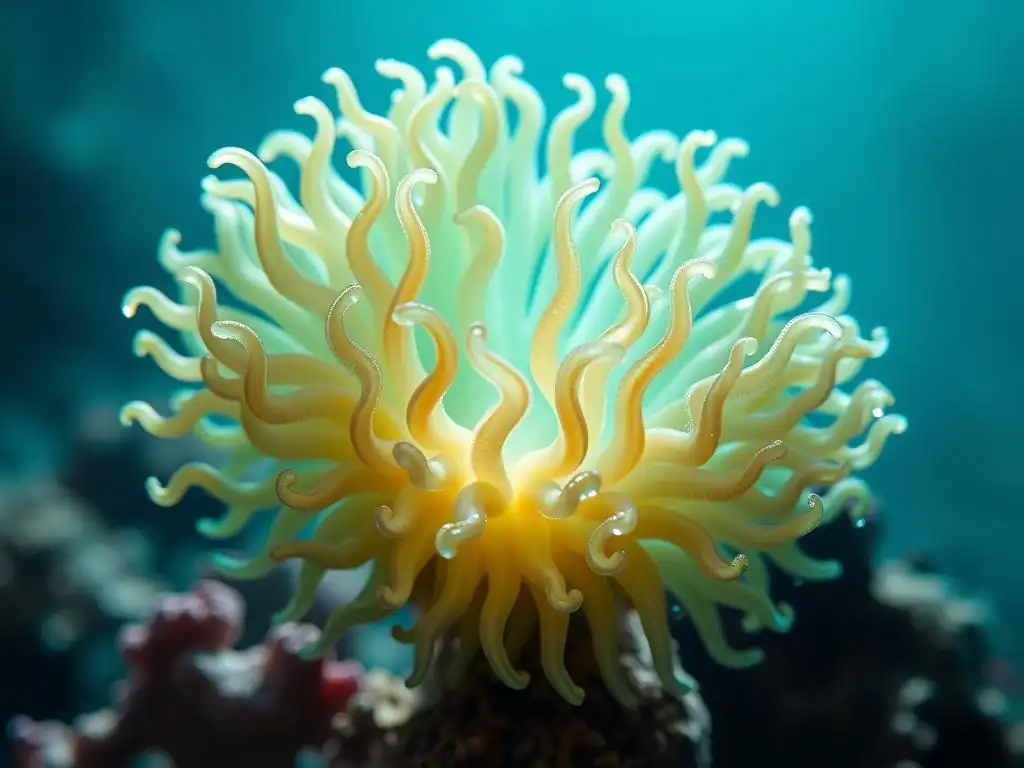
For Euphyllia corals to thrive, maintaining a stable salinity level that closely mimics their natural marine environment is paramount. The recommended salinity range for these LPS corals is a specific gravity (SG) of 1.024 to 1.026, which corresponds to a practical salinity unit (PSU) or parts per thousand (ppt) range of 34-35 ppt.
This narrow window ensures proper osmotic balance within the coral's cells, preventing both excessive water uptake (which can cause swelling and tissue damage) and excessive water loss (which can lead to shriveling and dehydration). Deviations from this range, especially rapid ones, can place significant stress on the coral, impacting its metabolic functions and overall vitality.
Maintaining salinity within this specific range is crucial for all reef inhabitants, but particularly for sessile invertebrates like Euphyllia that cannot move to escape unfavorable conditions. For example, if salinity drops below 1.022 SG for an extended period, Euphyllia polyps may appear bloated and unresponsive, as their internal fluid balance is disrupted. Conversely, a prolonged increase above 1.027 SG can lead to tissue recession and a "shriveled" appearance. Therefore, consistent monitoring and precise adjustments are vital components of achieving Euphyllia optimal water parameters.
How to Measure and Adjust Salinity in Your Reef Tank
Accurate measurement of salinity is fundamental to maintaining the ideal conditions for Euphyllia. The most reliable tools for this are a refractometer (specifically, a temperature-compensating saltwater refractometer) or a digital salinity meter. While hydrometers are available, their accuracy is often insufficient for sensitive reef environments. It is critical to regularly calibrate your refractometer using a 35 ppt (or 1.026 SG) calibration solution to ensure precise readings; relying on RODI water for calibration can introduce significant errors.
Adjusting salinity requires patience and a gradual approach. If your salinity is too high due to evaporation, slowly add RODI (Reverse Osmosis Deionized) water to the sump or display tank over several hours or days, aiming for a reduction of no more than 0.001 SG per day. For example, if your tank is at 1.027 SG, you might aim to lower it to 1.026 SG over 24 hours.
If salinity is too low, prepare new saltwater with the desired salinity (e.g., 1.025 SG) and perform a small water change, or slowly drip in a highly saline solution. Never make drastic adjustments, as rapid changes can induce osmotic shock in your Euphyllia, potentially causing irreversible damage.
Temperature: Keeping Euphyllia in Their Preferred Thermal Zone
Optimal Temperature Range for Euphyllia Growth
Temperature is a critical environmental factor that directly influences the metabolic rates of Euphyllia corals and their symbiotic zooxanthellae. The optimal temperature range for robust growth and health in Euphyllia is generally 76-78°F (24.4-25.6°C). Maintaining stability within this narrow band is more important than hitting a precise number within it. This range supports efficient photosynthesis by the zooxanthellae, maximizing energy production for the coral, and facilitates the calcification process necessary for skeletal development.
Slight deviations outside this range can slow down metabolic processes, leading to reduced growth and diminished vibrancy. For instance, if the temperature consistently drops below 74°F, Euphyllia corals may appear sluggish, retract their polyps more frequently, and exhibit slower growth rates. Conversely, prolonged exposure to temperatures above 79°F can increase the coral's metabolic demand while simultaneously stressing the zooxanthellae, potentially leading to the expulsion of these vital algae and subsequent bleaching.
The Effects of Temperature Fluctuations on Euphyllia
Sudden or significant temperature fluctuations are highly detrimental to Euphyllia corals. Even a rapid change of 3-4°F within a few hours can induce severe stress, leading to polyp retraction, loss of color, and increased susceptibility to disease. For example, a common scenario involves a heater malfunction or an uninsulated sump in a cold room, causing a tank's temperature to drop from 77°F to 72°F overnight. In such cases, Euphyllia polyps can appear tightly closed, deflated, and may begin to show signs of tissue recession within 24-48 hours.
Conversely, an overheating issue, perhaps from a prolonged power outage in summer or a faulty chiller, pushing temperatures above 82°F for several hours, can initiate a bleaching response. The coral expels its zooxanthellae, turning white, and if the stress continues, tissue necrosis will follow. Maintaining Euphyllia optimal water parameters includes ensuring temperature stability through reliable heaters, chillers if necessary, and consistent monitoring with an accurate thermometer. Automated reef controllers can provide invaluable assistance in maintaining this crucial stability.
Alkalinity: Buffering Your Reef System for Euphyllia Health
Ideal Alkalinity Levels for Euphyllia Corals (dKH, ppm, or meq/L)
Alkalinity, often measured in dKH (degrees of carbonate hardness), is a measure of the water's buffering capacity and its concentration of carbonate and bicarbonate ions, which are essential building blocks for the calcium carbonate skeletons of Euphyllia corals. The ideal alkalinity level for Euphyllia corals is generally 8.0-10.0 dKH. This range can also be expressed as 2.86-3.57 meq/L or approximately 143-179 ppm CaCO3 equivalent.
While staying within this range is important, the stability of the alkalinity level is even more critical than hitting a precise number within it. For example, maintaining a consistent 8.5 dKH is significantly better for Euphyllia health than fluctuating between 8.0 dKH and 10.0 dKH daily.
Sufficient alkalinity ensures that Euphyllia have a readily available supply of carbonate ions for calcification, which is the process by which they build their stony skeleton. It also helps to buffer the pH of the aquarium water, preventing drastic swings that can stress corals. If alkalinity drops below 7.0 dKH, Euphyllia growth can slow dramatically, and polyps may appear "deflated" or retracted, as their ability to form new skeletal material is severely hampered. Conversely, alkalinity levels consistently above 11.0 dKH can lead to issues with calcium precipitation and can also stress corals.
Maintaining Stable Alkalinity: Tips and Strategies
Maintaining stable alkalinity in a reef tank with growing Euphyllia requires consistent effort and often, daily supplementation. Corals actively consume alkalinity as they grow, and the rate of consumption can vary significantly based on the biomass of corals in the tank. A mature reef tank with a significant number of LPS corals might consume 0.5-1.0 dKH per day. The most common and effective methods for maintaining alkalinity are:
- Two-Part Dosing: This involves adding balanced solutions of calcium chloride and sodium bicarbonate/carbonate daily. Commercial two-part solutions are designed to maintain the ionic balance of the water.
- Kalkwasser (Limewater): A saturated solution of calcium hydroxide, kalkwasser adds calcium and alkalinity simultaneously and helps maintain a higher pH. It is typically dosed slowly overnight to minimize pH swings.
- Calcium Reactors: For larger, densely stocked reef tanks, a calcium reactor automatically dissolves calcium carbonate media using CO2, providing a continuous and stable supply of calcium and alkalinity.
Regular testing, ideally daily for tanks with high coral demand, is essential to monitor consumption and adjust dosing rates. Small, frequent doses are always preferable to large, infrequent ones to prevent rapid fluctuations and maintain the Euphyllia optimal water parameters.
Calcium: Essential for Euphyllia Skeletal Growth
Recommended Calcium Concentration for Euphyllia
Calcium is the primary building block for the aragonite skeletons of stony corals, including Euphyllia. Ensuring an adequate and stable supply of calcium is therefore fundamental to their growth and structural integrity. The recommended calcium concentration for Euphyllia corals is between 400-450 ppm. Within this range, Euphyllia can efficiently absorb calcium ions from the water to facilitate calcification, the process by which they deposit new skeletal material and grow.
It's crucial to understand that calcium works in tandem with alkalinity and magnesium. Even if calcium levels are within the optimal range, if alkalinity or magnesium are too low, the calcium may not be bioavailable to the coral or may precipitate out of the water. If calcium levels consistently drop below 380 ppm, Euphyllia growth can noticeably slow, potentially by 50% or more, as the necessary raw material for their skeleton is scarce. Conversely, excessively high calcium levels (e.g., above 500 ppm) can lead to issues with precipitation and can disrupt the delicate ionic balance of the water.
Calcium Supplementation Methods for Reef Aquariums
To maintain the recommended calcium levels for Euphyllia, especially in tanks with active coral growth, supplementation is often necessary. The methods for calcium supplementation are similar to those for alkalinity, as these two parameters are intrinsically linked in calcification:
- Two-Part Dosing: As mentioned previously, this method involves adding a calcium chloride solution alongside an alkalinity buffer. This is a popular and effective method for most hobbyists, allowing for precise control over both parameters.
- Kalkwasser (Limewater): Dosing kalkwasser provides both calcium and alkalinity simultaneously. It's a cost-effective method, particularly for tanks with moderate coral loads, and also helps to maintain a stable pH.
- Calcium Reactors: For high-demand systems, calcium reactors offer the most automated and stable solution. They slowly dissolve calcium carbonate media, continuously replenishing calcium, alkalinity, and trace elements, making them ideal for large Euphyllia colonies or densely packed reef tanks.
Regardless of the method chosen, consistent testing (at least 2-3 times per week for active tanks) is vital to monitor calcium consumption and adjust dosing rates to maintain Euphyllia optimal water parameters.
Magnesium: Supporting Calcium Availability and Preventing Precipitation
The Role of Magnesium in Euphyllia Health
Magnesium is often referred to as the "unsung hero" of reef tank chemistry, playing a critical but often misunderstood role in supporting the health and growth of Euphyllia corals. While not directly incorporated into the coral's skeleton in large quantities, magnesium is essential for maintaining the bioavailability of calcium and alkalinity in the water column. The optimal magnesium range for Euphyllia is generally 1250-1350 ppm.
Its primary function is to prevent calcium carbonate from precipitating out of solution prematurely. Without adequate magnesium, calcium and alkalinity ions can bind together and fall out of solution, becoming unavailable for coral uptake, even if test kits indicate high levels of both.
A low magnesium level (e.g., below 1200 ppm) can lead to chronically low and unstable alkalinity, even with consistent dosing, because the buffering capacity of the water is compromised. This directly impacts the ability of Euphyllia to calcify and thrive. Magnesium also plays a role in various enzymatic processes within the coral and its symbiotic algae, contributing to overall metabolic efficiency and stress resilience.
Maintaining Proper Magnesium Levels in Your Reef Tank
Magnesium is consumed by corals, albeit at a much slower rate than calcium and alkalinity. Therefore, supplementation is typically less frequent, often weekly or bi-weekly, depending on the tank's demand. The most common method for maintaining proper magnesium levels is through the addition of magnesium chloride and magnesium sulfate solutions. Many commercial magnesium supplements are available that provide a balanced blend of these salts.
When adjusting magnesium, it's crucial to do so slowly. Rapid increases can stress corals. Aim to raise magnesium levels by no more than 50-100 ppm per day. Regular testing, perhaps once a week or every two weeks, depending on the tank's stability, will help monitor consumption and guide supplementation. Ensuring stable magnesium within the optimal range is a foundational step in achieving consistent Euphyllia optimal water parameters, preventing frustrating "alkalinity crashes" and ensuring calcium remains usable for your corals.
Nitrate and Phosphate: Balancing Nutrients for Euphyllia
Acceptable Nitrate Levels for Euphyllia Corals
Nitrates and phosphates are key nutrients in a reef aquarium, and maintaining them within acceptable ranges is crucial for Euphyllia health and coloration. For Euphyllia corals, an acceptable nitrate level is generally 1-10 ppm. While ultra-low nutrient systems (ULNS) aiming for undetectable nitrates were once popular, it's now widely recognized that Euphyllia, like many LPS corals, actually benefit from a small, measurable amount of nitrate (e.g., 2-5 ppm). This provides essential nitrogen for their metabolic processes and supports the health of their zooxanthellae.
If nitrate levels consistently hover at 0 ppm, Euphyllia can sometimes appear pale or "starved," as they are deprived of a necessary nutrient source. Conversely, if nitrates climb above 20 ppm, it can lead to several problems. High nitrates can encourage the proliferation of nuisance algae, which can directly compete with or even overgrow Euphyllia. More critically, excessive nitrates can also lead to tissue necrosis in some LPS corals or cause them to "brown out" as their zooxanthellae population shifts to adapt to the high nutrient environment, sacrificing vibrant coloration.
Managing Phosphate Levels to Prevent Algae Growth and Promote Euphyllia Color
Phosphate is another crucial nutrient that requires careful management. For Euphyllia, the ideal phosphate level is very low, typically 0.03-0.07 ppm. Phosphate is a potent fuel for nuisance algae and can directly inhibit calcification in corals even at relatively low concentrations. High phosphate levels (e.g., above 0.1 ppm) are a common cause of dull coloration in Euphyllia, as they can cause zooxanthellae to over-proliferate, masking the coral's natural pigments.
Effective management of nitrates and phosphates involves a multi-pronged approach:
- Responsible Feeding: Avoid overfeeding fish and invertebrates, and ensure all food is consumed.
- Regular Water Changes: High-quality salt mixes replenish beneficial trace elements and dilute accumulated nutrients. A weekly 10-20% water change is an excellent baseline.
- Biological Filtration: A robust refugium with macroalgae (like Chaetomorpha) can effectively export nitrates and phosphates through nutrient uptake.
- Chemical Filtration: Granular Ferric Oxide (GFO) or other phosphate-removing media can be used in a reactor to actively bind phosphates from the water.
- Biopellets or Carbon Dosing: These methods promote bacterial growth that consumes nitrates and phosphates, converting them into biomass that can be skimmed out.
Maintaining these nutrients within their specified low ranges is a vital component of achieving Euphyllia optimal water parameters, ensuring both their health and their captivating coloration.
Trace Elements: The Unsung Heroes of Euphyllia Care
Important Trace Elements for Euphyllia
Beyond the major parameters like salinity, temperature, alkalinity, calcium, magnesium, nitrates, and phosphates, a host of trace elements play vital, albeit microscopic, roles in the health and vitality of Euphyllia corals. These elements are consumed by corals and other inhabitants and are essential for various biological processes, including enzyme function, coloration, and skeletal formation. Key trace elements important for Euphyllia include:
- Iodine: Believed to aid in coloration and act as an antioxidant, helping corals cope with oxidative stress.
- Strontium: Structurally similar to calcium, strontium is incorporated into the coral's aragonite skeleton during calcification, contributing to healthy growth.
- Boron: Acts as a pH buffer within the coral's calcification sites and is involved in various enzymatic processes.
- Potassium: Important for nerve function, osmotic regulation, and potentially for enhancing certain color pigments.
- Iron: While needed in tiny amounts, iron is crucial for the health of symbiotic zooxanthellae, supporting their photosynthetic efficiency.
While required in very small concentrations (often in parts per billion or ppb), deficiencies in these trace elements can lead to subtle but noticeable declines in Euphyllia health, such as duller coloration, slower growth, or reduced resilience to stress.
Supplementing Trace Elements: When and How
For many home aquariums with moderate coral loads, regular water changes using a high-quality, reputable salt mix are often sufficient to replenish most trace elements. Premium salt mixes are formulated to replicate natural seawater, providing a balanced spectrum of these vital components. However, in heavily stocked tanks, or those with significant growth, trace elements can become depleted more rapidly than water changes alone can replenish.
Supplementation should be approached with caution, as over-dosing trace elements can be more detrimental than under-dosing. Instead of blindly adding a broad-spectrum trace element mix, advanced hobbyists might consider ICP-OES (Inductively Coupled Plasma - Optical Emission Spectrometry) testing. This highly accurate laboratory analysis can identify specific deficiencies in your tank water, allowing for targeted supplementation.
If you choose to use commercial trace element solutions without ICP testing, follow the manufacturer's recommendations meticulously, starting with a lower dose and observing your corals for positive responses. The goal is to provide a balanced array of micronutrients to support Euphyllia optimal water parameters without introducing harmful excesses.
Monitoring and Adjusting Water Parameters for Euphyllia
Regular Water Testing: A Non-Negotiable for Euphyllia Keepers
Consistent and accurate water testing is the single most important practice for maintaining thriving Euphyllia corals. It is not merely a recommendation; it is a non-negotiable aspect of successful reef keeping. For new tanks, or those with a high coral biomass and rapid growth, daily testing of alkalinity is often necessary to establish and fine-tune dosing regimens. For established, stable tanks, testing alkalinity, calcium, and magnesium 2-3 times per week is generally sufficient, while nitrates and phosphates can be monitored weekly.
Regular testing allows aquarists to identify trends in parameter consumption or accumulation before they become critical issues. For example, noticing a consistent 0.5 dKH drop over two days indicates a need to increase alkalinity dosing, preventing a more severe drop that could stress Euphyllia. Proactive management based on consistent data is far more effective than reactive troubleshooting after corals show signs of distress. It provides the necessary insight to maintain Euphyllia optimal water parameters consistently.
Choosing the Right Test Kits and Equipment
The accuracy of your water tests directly impacts your ability to make informed decisions about supplementation. Investing in reliable test kits and equipment is therefore crucial. Recommended brands known for their accuracy and ease of use include:
- Salifert: Offers a comprehensive range of liquid test kits for alkalinity, calcium, magnesium, nitrate, and phosphate, known for their precision.
- Hanna Instruments: Their digital "Hanna Checkers" provide highly accurate readings for specific parameters like alkalinity, phosphate, and calcium, reducing human error in color interpretation.
- Red Sea: Offers a range of reef test kits, often bundled, that are user-friendly and provide good accuracy.
- Triton Lab: While primarily known for ICP-OES testing, they also offer high-quality liquid test kits.
Beyond chemical test kits, ensure you have a reliable, calibrated refractometer for salinity and an accurate thermometer for temperature. Regularly check the expiration dates on liquid reagents and store them properly to maintain their efficacy.
Step-by-Step Guide to Adjusting Water Parameters Safely
Adjusting water parameters should always be done gradually and methodically to avoid shocking your Euphyllia. Rapid changes can be more detrimental than slightly off but stable parameters.
Addressing Alkalinity Imbalances
- If Alkalinity is Low: Dose a balanced alkalinity buffer solution slowly over several hours or even days. Aim to increase alkalinity by no more than 0.5-1.0 dKH per 24 hours. For example, if your alkalinity is 7.0 dKH and you aim for 8.5 dKH, increase by 0.5 dKH on day one, then another 0.5 dKH on day two, and so on, testing frequently.
- If Alkalinity is High: Cease any alkalinity dosing. Perform small, frequent water changes (e.g., 10% daily for a few days) to dilute the water. Allow the corals to naturally consume alkalinity. Do not attempt to rapidly lower alkalinity by adding acids, as this can cause dangerous pH swings.
Correcting Calcium Deficiencies
- If Calcium is Low: Dose a calcium chloride solution or a balanced calcium supplement slowly. Aim for an increase of no more than 20-30 ppm per 24 hours. For instance, if your calcium is 350 ppm and you're targeting 420 ppm, spread the adjustment over 2-3 days.
- If Calcium is High: Stop all calcium supplementation. Perform small water changes and allow the corals to consume the excess calcium naturally. High calcium rarely causes immediate issues unless combined with very high alkalinity, leading to precipitation.
Managing Nitrate and Phosphate Spikes
- If Nitrates or Phosphates are High:
- Perform a larger water change (e.g., 20-30%) with fresh, high-quality saltwater.
- Reduce feeding amounts and frequency.
- Ensure proper detritus removal during tank maintenance.
- Consider implementing or increasing the use of chemical filtration media like GFO (for phosphates) or biopellets/carbon dosing (for both).
- Ensure your protein skimmer is working efficiently.
- If Nitrates or Phosphates are Too Low (ULNS): If your Euphyllia show signs of pale coloration or "starvation" in an ultra-low nutrient system (0 ppm nitrates/phosphates), consider slightly increasing feeding or, for advanced users, carefully dosing a very small amount of a balanced nitrate/phosphate supplement. This is less common but important for achieving Euphyllia optimal water parameters for growth and color.
Troubleshooting Common Water Parameter Issues Affecting Euphyllia
Identifying Symptoms of Poor Water Quality in Euphyllia
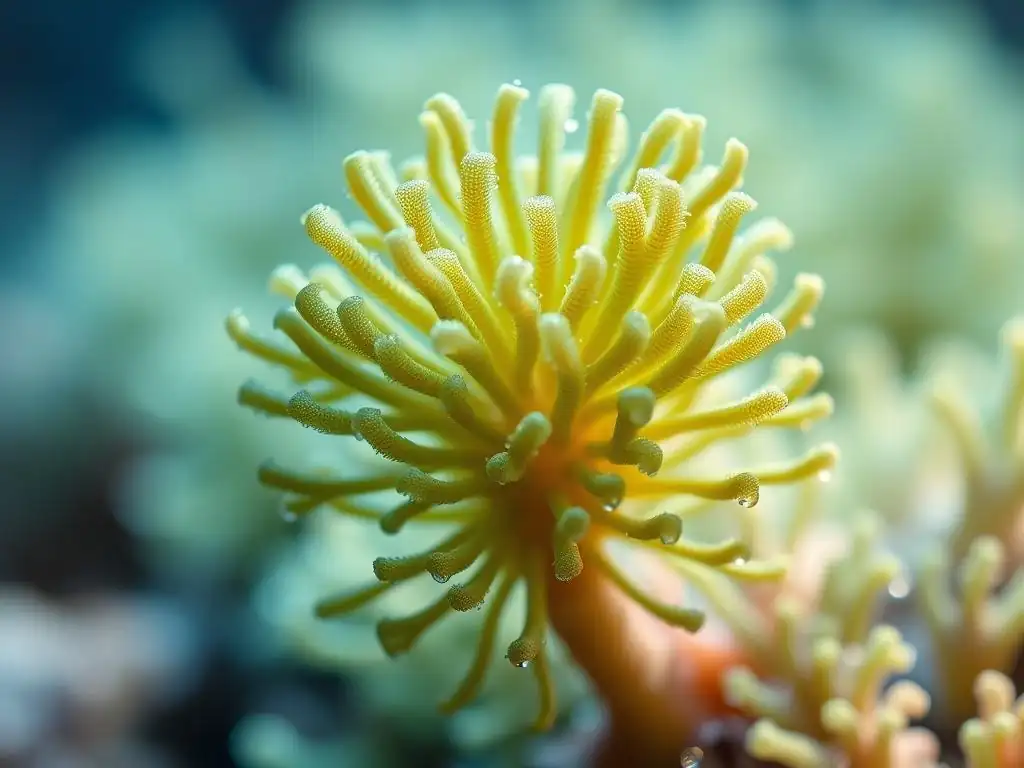
Euphyllia corals are excellent indicators of water quality. Observing their behavior and appearance can often provide early warnings of parameter issues. Common symptoms of poor water quality or parameter imbalances in Euphyllia include:
- Polyp Retraction: While some retraction is normal at night or during handling, persistent, day-time retraction, especially if polyps appear deflated or shriveled, often indicates stress. This can be due to rapid alkalinity drops, high nitrates/phosphates, or temperature swings.
- Browning: A loss of vibrant color, turning dull brown, often points to high nitrate or phosphate levels, which encourage an overpopulation of zooxanthellae that mask the coral's natural pigments.
- Bleaching: The coral turns stark white, indicating the expulsion of symbiotic zooxanthellae. This is a severe stress response, most commonly triggered by rapid temperature spikes (above 82°F), sudden salinity drops, or extreme light shock.
- Tissue Recession: The coral tissue pulls back from its skeleton, exposing the white skeleton. This is a serious sign of prolonged stress or disease (like Brown Jelly Disease), often linked to chronic parameter instability, low alkalinity/calcium, or high nutrients.
- "Deflated" Appearance: Polyps appear limp and lacking turgor, even when extended. This is a classic sign of low alkalinity or calcium, indicating the coral's struggle to maintain its internal pressure and skeletal structure.
- Stringy Mucus: Excessive mucus production can be a stress response to poor water quality, irritation, or the onset of bacterial infections.
Common Mistakes to Avoid When Maintaining Water Parameters
Maintaining Euphyllia optimal water parameters can be challenging, and certain common mistakes can undermine even the best intentions:
- Rapid Parameter Adjustments: The most common and damaging mistake. Attempting to correct a parameter deficiency (e.g., low alkalinity) too quickly can cause osmotic shock and severe stress to Euphyllia. Always adjust slowly, over hours or days.
- Inconsistent Testing: Skipping tests or only testing when problems arise prevents proactive management. Without regular data, it's impossible to understand consumption rates or identify subtle negative trends.
- Over-Dosing Supplements: More is not always better. Excessive dosing of calcium, alkalinity, or magnesium can lead to precipitation, ionic imbalance, and direct toxicity to corals. Always follow recommended dosing guidelines and adjust based on test results.
- Relying Solely on Water Changes for High-Demand Tanks: While essential, water changes alone cannot keep up with the daily consumption of calcium and alkalinity in tanks with significant coral biomass. Supplementation is often necessary.
- Ignoring Magnesium: Underestimating the critical role of magnesium in supporting calcium and alkalinity stability is a frequent oversight. Low magnesium can make it impossible to stabilize other parameters.
- Using Uncalibrated or Inaccurate Test Equipment: Relying on faulty test kits or an uncalibrated refractometer leads to incorrect readings and, consequently, inappropriate adjustments that can harm corals.
Maintaining Stability: The Key to Long-Term Euphyllia Success
The Importance of Gradual Changes in Water Parameters
The single most critical factor for the long-term success of Euphyllia corals is stability. While achieving Euphyllia optimal water parameters within their specific ranges is important, maintaining those parameters with minimal daily fluctuation is paramount. Corals are highly adaptable to consistent conditions, even if those conditions are slightly outside the absolute "ideal" (e.g., a stable 7.8 dKH might be tolerated better than swings between 8.0 and 10.0 dKH). However, rapid shifts in salinity, temperature, alkalinity, or any other major parameter induce severe osmotic and physiological stress, leading to retraction, tissue damage, or even death.
Think of it as a marathon, not a sprint. Any adjustments to your tank's chemistry should be made slowly, over hours or days, allowing the corals time to acclimate. For instance, if you need to increase alkalinity by 1.5 dKH, spread the dosing over three days, increasing by 0.5 dKH each day, rather than attempting it all at once. This gradual approach minimizes shock and allows your Euphyllia to thrive consistently.
Establishing a Consistent Water Change Routine
A consistent water change routine is a cornerstone of maintaining long-term Euphyllia optimal water parameters and overall reef health. Regular water changes with a high-quality salt mix serve multiple vital functions:
- Replenishing Trace Elements: They replenish beneficial trace elements that are consumed by corals and other inhabitants but are difficult to test for individually.
- Diluting Toxins and Nutrients: They help to dilute accumulated nitrates, phosphates, and other metabolic wastes that can build up in the system. A weekly or bi-weekly 10-20% water change is a common recommendation for many reef tanks.
- Stabilizing Major Parameters: They help to buffer and stabilize the major parameters like alkalinity, calcium, and magnesium, acting as a baseline replenishment for these elements.
Using RODI water for all top-offs and for mixing saltwater is also crucial to prevent the introduction of unwanted contaminants like phosphates, nitrates, or silicates from tap water. This foundational practice provides a buffer against minor fluctuations and contributes significantly to the sustained health of your Euphyllia colonies.
Using a Reef Controller for Automated Monitoring and Adjustments
For aquarists seeking the highest level of parameter stability and convenience, investing in a reef controller is an invaluable step. Modern reef controllers, such as those from Apex, Hydros, or GHL, offer sophisticated capabilities for automated monitoring and adjustments:
- Automated Dosing: Controllers can precisely manage the daily dosing of calcium, alkalinity, and magnesium solutions, ensuring consistent replenishment based on predefined schedules or even real-time consumption.
- Temperature Control: They can monitor tank temperature and automatically turn heaters or chillers on/off to maintain a precise set point, preventing dangerous fluctuations.
- pH Monitoring: Many controllers include pH probes that provide continuous readings, allowing for immediate alerts if pH strays outside acceptable limits.
- Alerts and Notifications: If any monitored parameter drifts out of the desired range, the controller can send alerts via email or text message, allowing for prompt intervention.
- Integration with Other Equipment: They can integrate with auto top-off systems, protein skimmers, and return pumps, creating a cohesive and stable automated environment.
While a significant investment, a reef controller provides unparalleled peace of mind and significantly reduces the daily manual effort required to maintain Euphyllia optimal water parameters, leading to more stable, healthier, and ultimately, more vibrant reef aquariums.
Frequently Asked Questions
What are the most important water parameters for keeping Euphyllia corals healthy?
The most critical parameters are alkalinity, calcium, and magnesium. Maintaining stable levels within the accepted ranges is crucial to avoid stressing your corals.
What is the ideal alkalinity level for a Euphyllia tank, and why is it so important?
The ideal alkalinity range is 8-11 dKH. Alkalinity is vital for coral skeleton growth and overall health.
What are the recommended calcium and magnesium levels for optimal Euphyllia growth?
Calcium should be maintained between 400-450 ppm, and magnesium should be between 1250-1350 ppm. These levels are essential for skeletal development and preventing imbalances.
How often should I test my water parameters when keeping Euphyllia corals?
Regular testing is essential; aim for at least once a week. More frequent testing is recommended when making adjustments to your tank.
What can happen if the water parameters in my Euphyllia tank are not within the optimal range?
Unstable or incorrect parameters can lead to coral bleaching, slowed growth, and susceptibility to diseases and infections. Maintaining stability is key to success.
Final Reflection: Cultivating Oceanic Harmony
The pursuit of Euphyllia optimal water parameters isn't merely about chasing numbers; it's about understanding and replicating the delicate balance of the ocean within our own homes. The meticulous attention to detail outlined in this article underscores the profound responsibility we undertake when caring for these magnificent creatures, highlighting that successful reef keeping is a testament to dedication and informed practice.
This journey into the specifics of water chemistry has undoubtedly shaped, and continues to shape, the reefing hobby. It's a reminder that our actions, however small, have a direct impact on the health and vitality of these living ecosystems. In the end, we will conserve only what we love; we will love only what we understand; and we will understand only what we are taught.
- Baba Dioum. This quote perfectly encapsulates the importance of knowledge and understanding in preserving the beauty and fragility of our oceans, starting with the corals we nurture.
Now, armed with this knowledge, I invite you to reflect on your own practices. Are you simply maintaining a tank, or are you actively cultivating an environment where Euphyllia can truly thrive? Consider the impact of your choices, and strive to create a slice of oceanic paradise, not just for your corals, but as a testament to your commitment to the health of our planet.
Ignite Growth: Nurture Your Euphyllia to Flourishing Beauty!
Thank you for exploring the secrets to Euphyllia success! Now that you're armed with the knowledge to create the perfect environment, it’s time to turn that expertise into vibrant coral growth. Let's translate these insights into actionable steps you can take immediately.
- Implement a Parameter Check Routine: Dedicate time each week to meticulously test and record your aquarium's calcium, alkalinity, and magnesium levels, making precise adjustments as needed, especially keeping an eye on those trace elements that make all the difference.
- Dive Deeper: Research advanced testing methods like ICP analysis to gain a more granular understanding of your water chemistry and pinpoint even the smallest imbalances.
- Share your Euphyllia journey! Connect with fellow reefers on forums or social media and document your progress, sharing your parameter data and observing trends to refine your approach.
Ready to commit to a consistent testing schedule and watch your Euphyllia thrive like never before?