
Gentle Giants & Tiny Jewels: A Visual Guide to Soft Coral Diversity

Welcome to Aquarium Mastery!
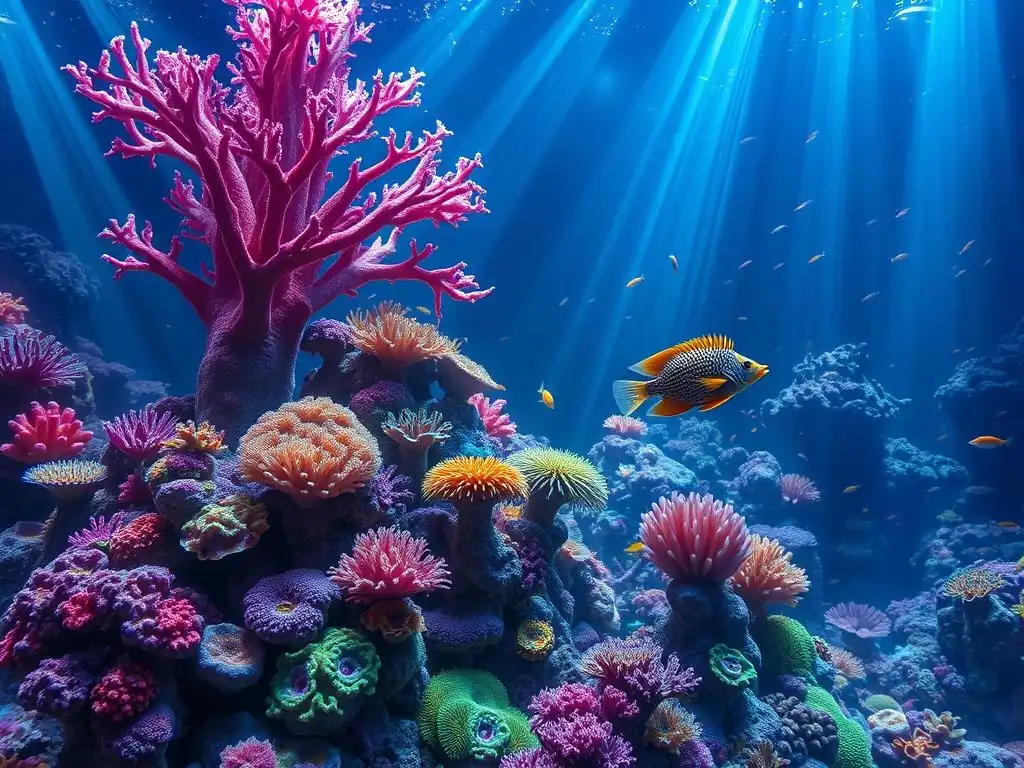
Ever wondered how to unlock the vibrant beauty of a thriving reef aquarium? Dive in and discover the secrets to successfully cultivating these fascinating organisms. This week, we're excited to present our comprehensive Soft Coral Care Guide, a treasure trove of information designed to help you nurture these gentle giants and tiny jewels. Ready to learn how to bring the mesmerizing sway of soft corals to your own underwater world? Let's get started!
- Soft Corals: A Guide to Beauty and Care
- Understanding Soft Corals
- Exploring Soft Coral Species
- Essential Soft Coral Care
- Troubleshooting Common Problems
- Soft Coral Propagation
-
Frequently Asked Questions
- What exactly are soft corals and how do they differ from hard corals?
- What are the most important water parameters to maintain for healthy soft coral growth?
- What type of lighting is best for soft corals, and how can I determine the right intensity?
- How often should I perform water changes in a soft coral aquarium, and what percentage of water should I change?
- What are some common signs of unhealthy soft corals, and what steps can I take to address them?
- Final Reflection: Appreciating the Delicate Dance of Soft Coral Life
- Dive Deeper: Unveil the Secrets of Soft Coral Beauty!
Soft Corals: A Guide to Beauty and Care
Understanding Soft Corals
Defining Soft Corals: Characteristics and Differences from Hard Corals
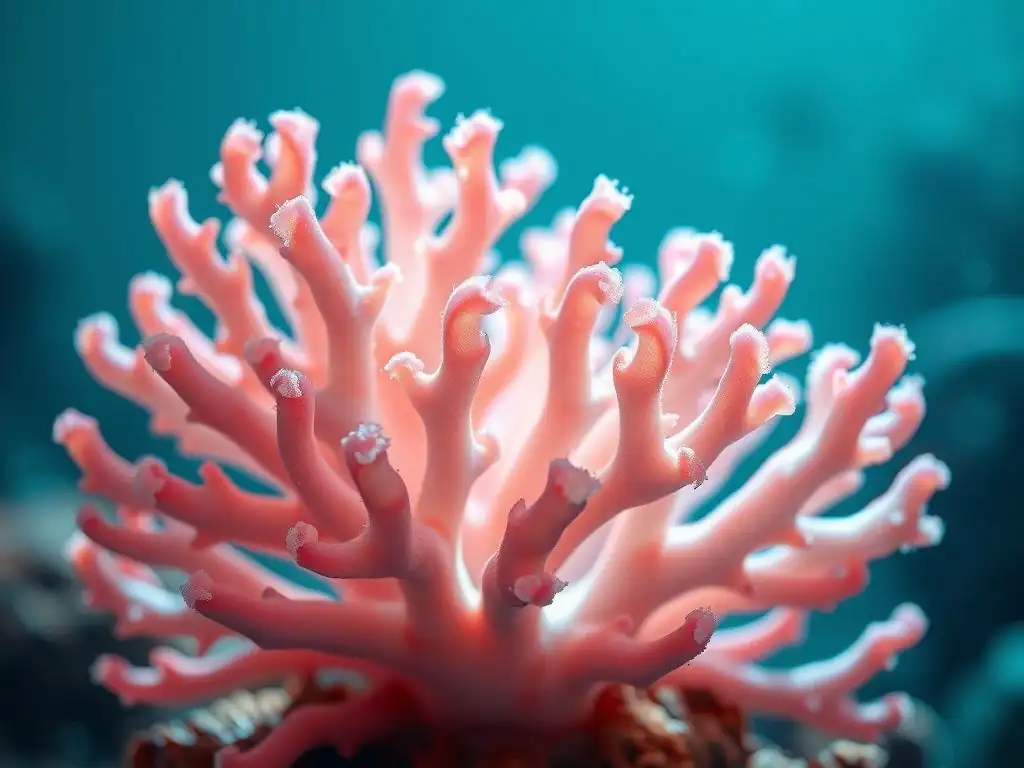
Soft corals, often referred to as ahermatypic corals, are distinguished by their lack of a rigid, calcium carbonate skeleton, unlike their stony counterparts (SPS and LPS corals). Instead of building a solid stony structure, soft corals are flexible and fleshy, deriving their support from microscopic skeletal elements called spicules, embedded within their tissue. These spicules provide a degree of rigidity but allow for graceful movement with water currents, a key visual appeal. Most soft corals, like hard corals, host symbiotic zooxanthellae algae within their tissues, which provide the majority of their energy through photosynthesis.
The fundamental difference lies in their growth habit and skeletal composition. Hard corals are reef-building organisms, secreting a calcified exoskeleton that forms the structural backbone of coral reefs, growing slowly but steadily. Soft corals, on the other hand, do not contribute to the reef's stony framework.
Their growth is often faster than many SPS corals, with some species, like certain Leather Corals, capable of doubling in size within 6 to 12 months under optimal conditions. They typically form colonies of polyps that are either solitary or loosely connected, creating diverse shapes from tree-like structures to mushroom-like discs, making them a vibrant addition to any soft coral care guide.
Benefits of Soft Corals in a Reef Aquarium
Soft corals are an excellent choice for aquarists ranging from beginners to advanced hobbyists, primarily due to their renowned hardiness and adaptability. They are generally more forgiving of fluctuating water parameters compared to the more sensitive SPS (Small Polyp Stony) and LPS (Large Polyp Stony) corals. This resilience makes them a fantastic entry point for those new to reef keeping, as they often thrive with moderate lighting (e.g., 50-150 PAR) and lower flow requirements than many hard corals, simplifying the initial setup and ongoing soft coral care.
Beyond their ease of maintenance, soft corals offer significant aesthetic and ecological benefits to a reef aquarium. Their vibrant colors, graceful swaying movements, and diverse forms add a dynamic and natural feel to the aquascape. Species like Xenia and pulsing Sinularia introduce constant motion, while large Leather Corals provide substantial biomass and visual anchors.
Furthermore, soft corals play a role in nutrient export by absorbing dissolved organic compounds from the water column and contribute to biological filtration, helping to maintain overall water quality. They also provide vital shelter and foraging grounds for small fish and invertebrates, enhancing the ecosystem's biodiversity.
Exploring Soft Coral Species
Leather Corals
Toadstool Leather Coral (Sarcophyton glaucum): Identification and Care
The Toadstool Leather Coral ( Sarcophyton glaucum) is instantly recognizable by its distinctive mushroom-like shape, featuring a sturdy stalk topped with a flat, often convoluted cap. This cap is typically covered in numerous small polyps that extend when the coral is happy, giving it a fuzzy or textured appearance. Common color variations include shades of tan, brown, and green, with some specimens exhibiting a vibrant green or yellow hue under actinic lighting.
Renowned for its resilience and ease of care, the Toadstool Leather is a staple in many soft coral dominant tanks, making it a popular subject in any comprehensive soft coral care guide. It generally thrives under moderate lighting conditions, typically requiring 50-150 PAR, and prefers moderate, indirect water flow to keep its surface clean and prevent detritus buildup.
Caring for Sarcophyton glaucum involves understanding its specific needs. Like many leather corals, it can periodically "shed" a waxy layer to remove detritus and algae, and during this process, it may retract its polyps for several days. It's crucial to maintain excellent water quality, though they are tolerant of slightly elevated nutrient levels.
Toadstool Leathers can release terpenes, natural toxins, into the water when stressed or growing rapidly, which can inhibit the growth of other corals. Regular use of activated carbon filtration (e.g., replacing carbon every 2-4 weeks) is highly recommended to neutralize these compounds. Under ideal conditions, a healthy Toadstool Leather can grow significantly, often reaching diameters of 12 inches or more within a year, making fragging a common practice for propagation.
Finger Leather Coral (Sinularia dura): Placement and Growth
The Finger Leather Coral ( Sinularia dura) presents a distinct tree-like or branching finger-like structure, setting it apart from its Toadstool relatives. Its coloration varies, encompassing creamy whites, light browns, and even vibrant greens, depending on the specific strain and lighting. This species is celebrated for its robust nature, making it another excellent choice for aquarists seeking a low-maintenance yet visually striking soft coral.
Sinularia dura typically requires moderate lighting, thriving in PAR levels between 75-200, and prefers moderate to strong, turbulent water flow. Adequate flow is essential to prevent detritus from settling between its "fingers," which can lead to tissue irritation and necrosis.
When considering placement for Sinularia dura, it's important to provide ample space, as this coral can grow quite large. Under optimal conditions, a Finger Leather can easily exceed 8-10 inches in height and spread within a year, with individual "fingers" sometimes adding an inch or more per month. Its rapid growth rate means it can quickly overshadow smaller, slower-growing corals if not strategically placed.
Like other leather corals, Sinularia dura benefits from stable water parameters and can show enhanced growth and coloration with occasional iodine dosing, typically a few drops per week for a 50-gallon system, though regular water changes often provide sufficient trace elements. A thorough soft coral care guide emphasizes the need for spatial planning to accommodate its mature size.
Mushroom Corals
Disc Anemone (Actinodiscus): Varieties and Lighting
Disc Anemones, primarily belonging to the Actinodiscus genus (though often broadly referring to Discosoma and Rhodactis as well), are popular for their simple yet captivating disc-like shape and their ability to adhere firmly to rockwork. They boast an astonishing array of colors and patterns, ranging from plain blues, greens, and browns to electric reds, oranges, and purples, often adorned with stripes, spots, or iridescent vesicles. Their ease of care makes them highly recommended for beginners embarking on their soft coral care journey.
Most varieties of Actinodiscus thrive under low to moderate lighting conditions, typically requiring PAR levels between 30-70. However, some highly prized "bounce mushrooms" or certain Ricordea species might appreciate slightly higher light, up to 100 PAR, to achieve their most vibrant coloration.
The diversity within Disc Anemones is vast, encompassing common Discosoma mushrooms, the often more textured Rhodactis varieties, and the highly sought-after Ricordea Yuma and Ricordea Florida mushrooms. While largely photosynthetic, relying on their zooxanthellae for energy, they also absorb dissolved organic matter from the water column.
The key to their success lies in stable water parameters rather than pinpoint precision; they are highly tolerant of slight fluctuations that might stress other coral types. Placement in areas with low to moderate, indirect flow is ideal, allowing them to fully extend their discs without being constantly buffeted, ensuring they remain a vibrant feature in your soft coral display.
Hairy Mushroom Coral (Rhodactis indosinensis): Feeding and Propagation
The Hairy Mushroom Coral ( Rhodactis indosinensis) stands out with its unique texture, characterized by numerous small, hair-like tentacles covering its entire disc, giving it a distinctive fuzzy or shaggy appearance. Common colorations include various shades of green, brown, and sometimes reddish-brown, often with contrasting oral discs.
This species is generally hardy and adaptable, tolerating a wide range of aquarium conditions, making it another excellent candidate for a soft coral care guide focusing on resilient species. It prefers low to moderate lighting, with PAR levels typically ranging from 40-80, and benefits from low to moderate, indirect water flow to prevent detritus from settling on its delicate tentacles.
While primarily photosynthetic, deriving much of its energy from symbiotic zooxanthellae, the Hairy Mushroom Coral is also an opportunistic feeder. It will readily consume small zooplankton, finely minced meaty foods like mysis shrimp, or specialized liquid coral foods if offered directly. Supplemental feeding can significantly accelerate its growth and enhance its vibrant coloration.
Propagation of Rhodactis indosinensis often occurs naturally through fission, where the mushroom splits into two or more new individuals. Manual propagation is also straightforward: gently detaching a mushroom from its substrate and placing it in a low-flow area on rubble or a frag plug will encourage it to reattach and grow into a new colony within a few weeks.
Zoanthids & Palythoas
Zoanthids (Zoanthus): Creating a Vibrant Colony
Zoanthids, belonging primarily to the Zoanthus genus, are perhaps one of the most popular and visually striking soft corals in the reef aquarium hobby. They are characterized by their small, colonial polyps that grow in dense mats, often displaying an astounding array of iridescent colors and intricate patterns. Varieties like "Rastas," "Utter Chaos," and "Blue Hornets" are highly sought after for their fluorescent pigments and unique designs.
Their popularity stems from their beauty combined with their relatively easy care, making them a staple in any soft coral care guide. Zoanthids generally prefer moderate lighting, typically thriving in PAR levels between 50-150, though some intensely colored or rare morphs may prefer slightly higher intensities, up to 200 PAR. They also benefit from moderate, indirect water flow that prevents detritus buildup without causing constant polyp retraction.
To cultivate a vibrant Zoanthid colony, stable water parameters are key, though they are quite tolerant of slightly elevated nutrient levels compared to SPS corals. They thrive in nutrient-rich water, absorbing dissolved organic matter, but can also benefit from supplemental spot feeding with finely crushed pellet food, zooplankton, or specialized coral foods, which can significantly enhance growth and color intensity.
Place them on live rock or frag plugs where they have room to spread and form extensive mats. Under optimal conditions, Zoanthid colonies can grow rapidly, often doubling their number of polyps within 3-6 months, creating a dynamic and colorful addition to your reef tank.
Palythoas (Palythoa): Handling and Placement
Palythoas, closely related to Zoanthids, share a similar colonial growth habit but typically feature larger individual polyps and often a more textured or bumpy appearance. While some Palythoa morphs exhibit vibrant colors, many are more muted in tone compared to their Zoanthid cousins.
A critical aspect of handling Palythoas is the potential presence of palytoxin, a potent neurotoxin that can be harmful if ingested or absorbed through open wounds, or even aerosolized. Therefore, it is paramount to handle all Palythoa species with extreme caution, always wearing gloves and eye protection, especially when fragging, cleaning, or handling them out of the water.
When placing Palythoas in the aquarium, consider their hardy nature but also their potential for chemical aggression. They are highly tolerant of a wide range of conditions, thriving in moderate lighting (e.g., 70-180 PAR) and moderate water flow. Due to the palytoxin, it is advisable to place them away from other sensitive corals to prevent potential chemical warfare, as they can release toxins into the water.
Ensure good ventilation when working with them outside the tank, and avoid direct contact with skin or eyes. Despite the precautions, their robust nature and often striking appearance make them a popular choice for reef aquarists, provided safe handling practices are strictly followed as outlined in any comprehensive soft coral care guide.
Gorgonian Corals
Sea Rods (Plexauridae): Water Flow and Placement
Sea Rods, primarily belonging to the Plexauridae family, are a diverse group of gorgonian corals characterized by their branching, often tree-like structures from which numerous polyps extend. They come in various colors, including purple, yellow, and brown, adding unique vertical interest to a reef tank. While some gorgonians are azooxanthellate (non-photosynthetic) and require constant, dedicated feeding, many Sea Rods are photosynthetic, relying on their symbiotic zooxanthellae for energy and thus requiring adequate lighting. For photosynthetic varieties, moderate to high lighting (e.g., 100-250 PAR, depending on the species) is generally recommended.
A crucial aspect of Sea Rod care, and a key element in any soft coral care guide for gorgonians, is water flow. They require strong, turbulent, and indirect water movement to keep their polyps extended and prevent detritus from settling on their branches. Stagnant areas can quickly lead to tissue necrosis and algae growth.
Placement should be in areas with excellent water circulation, but avoid direct, blasting flow from powerheads, which can damage their delicate polyps. Under ideal conditions, some species of Sea Rods can grow quite tall, occasionally reaching over a foot in height within a year, necessitating foresight in aquascaping to accommodate their mature size and maintain optimal flow around them.
Sea Fans (Gorgoniidae): Maintaining Health
Sea Fans, members of the Gorgoniidae family, are among the most visually stunning gorgonian corals, recognized by their distinctive fan-like or net-like structures. These delicate, often brightly colored corals add an elegant, architectural element to the reef aquarium. Similar to Sea Rods, some Sea Fans are photosynthetic, deriving energy from light, while others are azooxanthellate and depend entirely on filter feeding. For photosynthetic Sea Fans, moderate to high lighting (e.g., 100-250 PAR) is necessary, though light requirements can vary significantly by species.
Maintaining the health of Sea Fans hinges on two primary factors: exceptional water quality and robust, variable water flow. Their intricate fan structure can easily trap detritus, leading to tissue damage, so strong, turbulent water movement is essential to keep their delicate polyps clear and ensure efficient nutrient exchange and oxygenation.
Even photosynthetic Sea Fans benefit significantly from supplemental feeding of very fine zooplankton or phytoplankton, typically 2-3 times per week, as their polyps are adept at capturing small food particles from the water column. They are generally more sensitive than Leather or Mushroom corals and thrive best in mature, stable reef systems with meticulous soft coral care, where nutrient levels are consistently low, and trace elements are replenished regularly through water changes or targeted dosing.
Essential Soft Coral Care
Water Parameters
Alkalinity, Calcium, and Magnesium
While soft corals do not build massive stony skeletons like SPS and LPS corals, they still utilize alkalinity, calcium, and magnesium for the formation of their internal spicules and for general metabolic processes. Maintaining stable parameters is more critical than hitting exact numbers, as fluctuations can be highly stressful. For alkalinity, a target range of 7-11 dKH is generally acceptable, with many aquarists aiming for 8-9 dKH for consistency.
Calcium levels should ideally be maintained between 380-450 ppm, and magnesium between 1250-1350 ppm. These ranges support not only the soft corals but also other beneficial calcifying organisms in the reef tank, such as coralline algae.
Regular monitoring of these parameters, ideally weekly or bi-weekly using reliable test kits, is a key component of any soft coral care guide. In heavily stocked soft coral tanks, or those with a significant amount of coralline algae, supplemental dosing of these elements might become necessary. However, for many soft coral dominant systems, consistent weekly or bi-weekly water changes (e.g., 10-20% of tank volume) with a high-quality salt mix often provide sufficient replenishment of these vital elements, maintaining stability without the need for complex dosing regimens.
Nitrates and Phosphates
Soft corals are generally more tolerant of, and some even seem to thrive in, slightly higher nutrient levels compared to their hard coral counterparts. Unlike SPS corals that can bleach or suffer tissue necrosis in ultra-low nutrient systems, many soft corals prefer a detectable level of nitrates and phosphates.
A target range of 5-20 ppm for nitrates and 0.03-0.1 ppm for phosphates is often ideal for promoting robust growth and vibrant coloration in soft corals. Zero nitrates and phosphates, while often sought after for SPS tanks, can sometimes lead to starvation or "pale" appearance in soft corals, as they also absorb dissolved nutrients directly from the water column.
Despite their tolerance, excessive levels of nitrates (e.g., above 30 ppm) and phosphates (e.g., above 0.2 ppm) can still lead to issues, primarily the proliferation of nuisance algae, which can compete with and smother soft corals. Therefore, a balanced approach to nutrient management is crucial.
This involves employing effective filtration methods such as a protein skimmer, a refugium with macroalgae, or the judicious use of GFO (Granular Ferric Oxide) or carbon dosing to manage nutrient export without stripping the water entirely. Consistent water changes remain one of the most effective and straightforward methods for maintaining healthy nutrient levels within the desired range for a thriving soft coral system.
Lighting
PAR Levels and Spectral Requirements
PAR, or Photosynthetically Active Radiation, is the crucial measurement of light intensity that corals can utilize for photosynthesis. For soft corals, lighting requirements are generally less demanding than for SPS corals, making them more forgiving for aquarists. Most soft corals thrive in low to moderate PAR levels. For instance, many mushroom corals (e.g., Discosoma, Rhodactis) prefer lower light, typically in the 30-70 PAR range.
Leather corals ( Sarcophyton, Sinularia) and zoanthids ( Zoanthus) generally do well in moderate light, between 70-150 PAR. Some photosynthetic gorgonians or highly colored zoanthid morphs might appreciate slightly higher intensities, up to 250 PAR. Overexposure to light can lead to bleaching or retraction, indicating the need to adjust light intensity or placement.
Beyond intensity, the spectral quality of light is vital. Soft corals, like other photosynthetic corals, benefit significantly from a light spectrum rich in blue wavelengths (around 450-470nm), which promotes the efficient photosynthesis of their symbiotic zooxanthellae and enhances their natural fluorescence.
A balanced spectrum that includes a daylight component (e.g., 6,500K-10,000K) is also beneficial for overall growth and natural coloration. Modern LED fixtures allow for precise control over both intensity and spectrum, enabling aquarists to fine-tune their lighting to meet the specific needs of their soft coral collection, ensuring optimal health and visual appeal as part of a comprehensive soft coral care guide.
Lighting Acclimation
Introducing new corals to an aquarium, or significantly upgrading an existing lighting system, necessitates a careful acclimation process to prevent light shock or bleaching. Corals, especially those coming from different lighting environments, need time to adjust their zooxanthellae populations to the new light intensity and spectrum.
For new corals, it's advisable to place them in a lower light area of the tank initially, or to gradually increase light intensity over several weeks. If upgrading lights, start with a reduced photoperiod (e.g., 6-8 hours) or lower intensity (e.g., 50-60% of full power) and slowly ramp up over a period of 2-4 weeks.
Observing your corals' response is key during the acclimation phase. Signs of too much light include bleaching (loss of color), shrinking, retraction of polyps, or a general "unhappy" appearance. Conversely, signs of too little light might include browning out (loss of vibrant color), stretching towards the light, or persistent lack of polyp extension. Adjustments should be made gradually, typically in small increments of 5-10% intensity or 30-minute increases in photoperiod every few days. Patient and attentive lighting acclimation is a critical, yet often overlooked, aspect of successful soft coral care, ensuring your corals thrive long-term.
Flow and Placement
Understanding Flow Requirements
Water flow is a critical environmental factor for the health and vitality of soft corals, influencing nutrient delivery, waste removal, and oxygenation. While specific requirements vary by species, most soft corals generally prefer moderate to strong, indirect, and turbulent water flow. This type of flow ensures that detritus and organic matter do not settle on the coral's polyps, which can lead to tissue irritation, necrosis, or encourage nuisance algae growth. Laminar (direct, constant, unidirectional) flow should be avoided as it can stress corals, causing them to retract their polyps and potentially leading to tissue damage over time.
Different soft corals have distinct flow preferences. Delicate mushroom corals, for instance, generally prefer lower flow areas where they can fully extend without being constantly buffeted. In contrast, large leather corals ( Sarcophyton, Sinularia) and most gorgonian corals thrive in higher, more randomized flow regimes.
Utilizing multiple powerheads with wave-making capabilities or strategically placed pumps can help create the chaotic, turbulent flow patterns that mimic natural reef environments. Aim for a total tank turnover rate of at least 10-20 times the tank volume per hour to ensure adequate water movement throughout the aquascape, a fundamental element of any comprehensive soft coral care guide.
Strategic Placement
Strategic placement of soft corals within the aquarium is essential for their long-term health, growth, and to minimize potential conflicts with other inhabitants. When positioning corals, consider their specific light and flow requirements, their mature size, and their potential for chemical warfare.
For instance, mushroom corals should be placed in lower flow, lower light areas, often on the sandbed or lower rockwork, where they can spread without overwhelming other species. Leather corals, such as Toadstool or Finger Leathers, which can grow quite large (e.g., Sarcophyton glaucum can reach over 12 inches in diameter), require ample space to prevent them from overshadowing or chemically irritating smaller, more sensitive corals.
Furthermore, some soft corals, particularly certain Palythoa species, can release potent toxins (palytoxin) or other chemical compounds into the water. While protein skimming and activated carbon can help mitigate these, it's wise to provide sufficient space between potentially aggressive soft corals and other inhabitants. Avoid placing corals directly in the path of strong, direct powerhead output, as this can cause physical damage or chronic stress. Planning for future growth is paramount; a coral that looks small today might double or triple in size within a year, so ensure there's enough room for expansion without crowding or competition.
Feeding
Types of Food and Feeding Methods
While the majority of soft corals are photosynthetic, deriving a significant portion of their energy from symbiotic zooxanthellae, supplemental feeding can significantly boost their growth, enhance coloration, and improve overall vitality. Soft corals are generally micro-feeders, capable of capturing very small particulate matter from the water column. Suitable food types include liquid coral foods, phytoplankton, and small zooplankton such as rotifers, cyclop-eeze, or finely crushed mysis shrimp. Marine snow, a commercially available mix of organic and inorganic particles, can also be beneficial.
There are two primary methods for feeding soft corals: broadcast feeding and spot feeding. Broadcast feeding involves dispersing the food throughout the water column, allowing all filter-feeding organisms to benefit, and contributing to general nutrient enrichment. This is effective for widespread soft coral populations.
Spot feeding, on the other hand, involves using a pipette or turkey baster to direct food specifically to the polyps of individual corals. This method ensures that the targeted coral receives a concentrated dose of nutrients and is particularly effective for larger polyped soft corals or non-photosynthetic gorgonians. For photosynthetic soft corals, feeding 1-3 times per week is often sufficient, while non-photosynthetic species may require daily feeding to thrive.
Avoiding Overfeeding
While supplemental feeding can be beneficial for soft corals, overfeeding can quickly lead to a cascade of negative consequences for the entire reef aquarium. Excess uneaten food decays, directly contributing to elevated levels of nitrates and phosphates, which are primary culprits behind nuisance algae outbreaks. High nutrient levels can also stress corals, promote bacterial blooms, and degrade overall water quality, making maintaining a healthy soft coral system challenging.
To avoid overfeeding, start with small quantities of food and observe your corals' response. If you notice a significant spike in nutrient parameters after feeding, reduce the amount or frequency. A good protein skimmer is essential for removing dissolved organic compounds before they break down into nitrates and phosphates.
A robust clean-up crew (snails, hermit crabs) can also help consume uneaten food and detritus, but they are not a substitute for responsible feeding practices. By feeding judiciously and monitoring water parameters, you can provide your soft corals with the necessary nutrients without compromising the stability and cleanliness of your reef environment, a key aspect of any effective soft coral care guide.
Troubleshooting Common Problems
Identifying and Treating Diseases
Bacterial Infections: Symptoms and Treatment
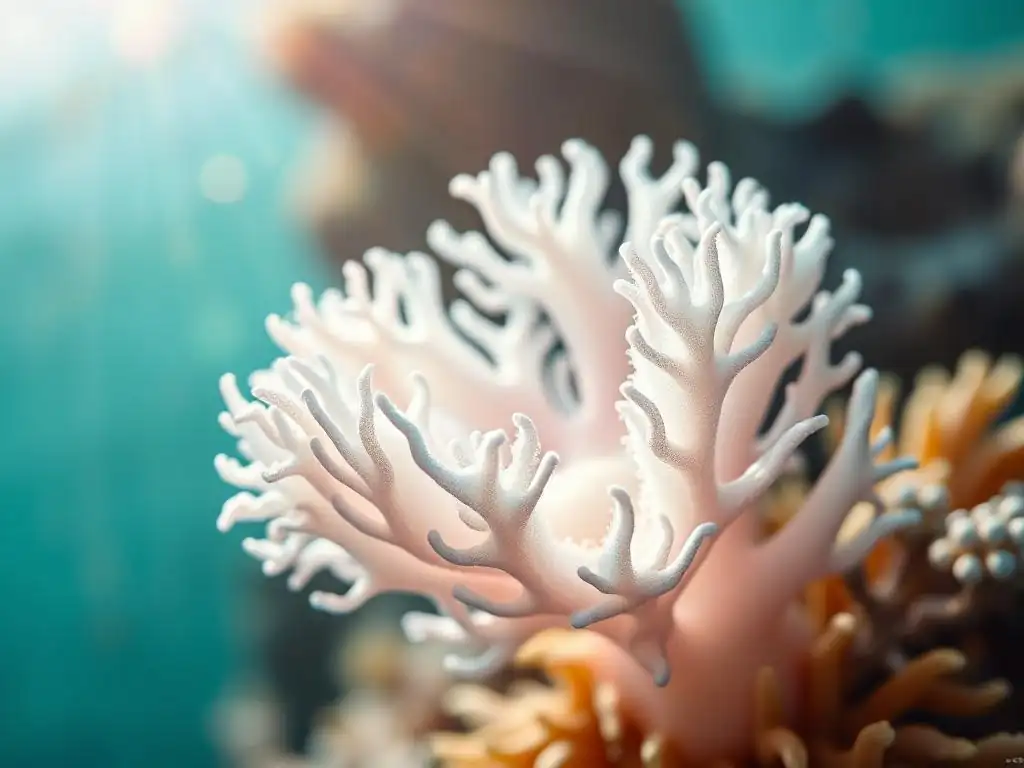
Bacterial infections in soft corals can manifest in various ways, often indicating underlying stress from poor water quality, inadequate flow, or physical injury. Common symptoms include rapid tissue necrosis, appearing as white, receding patches of tissue, sometimes accompanied by a slimy coating. The coral may also exhibit general malaise, such as prolonged polyp retraction, shrinking, or a dull appearance. These infections can spread quickly if left untreated, potentially affecting neighboring corals.
Treatment for bacterial infections typically involves addressing the root cause by improving water quality (e.g., performing a large water change, ensuring proper filtration), increasing water flow around the affected coral, and sometimes implementing targeted dips. An iodine dip (e.g., 10-15 minutes in a separate container of clean tank water with a few drops of a commercial iodine-based coral dip) can often help.
In severe, localized cases, fragging off the infected portion of the coral might be considered, ensuring the cutting tool is sterilized. For widespread infections, a quarantine tank with broad-spectrum antibiotic treatment might be necessary, though this is a rare measure for the generally robust soft corals.
Fungal Infections: Prevention and Control
Fungal infections are less common in soft corals compared to bacterial issues, but they can still occur, particularly in systems with poor water circulation or excessive detritus accumulation. Symptoms often appear as fuzzy white, gray, or sometimes brownish patches growing on the coral tissue, which can slowly spread and consume healthy tissue. These infections typically thrive in stagnant, nutrient-rich areas where opportunistic fungi can take hold.
Prevention is the most effective strategy against fungal infections. This involves maintaining impeccable water quality, ensuring robust and turbulent water flow throughout the aquarium to prevent detritus buildup, and adhering to a consistent maintenance schedule, including regular water changes and substrate siphoning. If a fungal infection is identified, improving tank hygiene and increasing flow around the affected coral are the first steps.
While commercial antifungal dips are available, they are generally considered a last resort due to their potential impact on beneficial bacteria. For localized infections, carefully fragging off the affected part of the coral can sometimes contain the spread, though this should be done with caution to avoid further stress to the coral.
Dealing with Pests and Predators
Nudibranchs: Identification and Removal
Nudibranchs are a common pest in reef aquariums, and some species specialize in preying on specific types of soft corals. These mollusks often mimic the color and texture of their preferred coral, making them incredibly difficult to spot. For instance, Phyllodesmium species are known to feed on Xenia and Leather corals, blending seamlessly with their host. Symptoms of nudibranch infestation include visible bite marks on the coral, persistent polyp retraction, shrinking, or, upon close inspection, the presence of the nudibranchs themselves, often active at night.
Removal methods vary. Manual removal with tweezers is effective if the nudibranchs are visible, but they often hide deep within the coral folds. Freshwater dips (briefly dipping the coral in RODI water for 30-60 seconds) can sometimes cause nudibranchs to detach, but this can also stress the coral.
Introducing natural predators, such as certain species of wrasses (e.g., Six-Line Wrasse, Yellow Coris Wrasse), can help control populations, though not all wrasses are entirely reef-safe or guaranteed to eat nudibranchs. The most crucial step for prevention, as highlighted in any good soft coral care guide, is thoroughly inspecting and quarantining all new corals before introducing them to the main display tank.
Coral Eating Fish: Prevention
Certain fish species, while beautiful, can pose a significant threat to soft corals by nipping at their polyps or consuming entire sections of the coral. Common culprits include some angelfish (especially larger species), certain butterflyfish, and triggerfish. Symptoms of coral-eating fish activity include visible bite marks, damaged or retracted polyps, or a general decline in the coral's health and size. The damage can range from occasional nipping to complete destruction of a soft coral colony over time.
Prevention is paramount when it comes to coral-eating fish. Thorough research into the dietary habits and reef-compatibility of any fish species before purchase is essential. Rely on reputable sources and aquarist experiences, not just the fish store's general advice. Once a fish is confirmed to be nipping at corals, the most reliable and often only solution is to remove the fish from the reef tank and rehome it. While some fish may only nip occasionally, others can quickly decimate a soft coral collection, making careful livestock selection a critical part of a successful soft coral care guide.
Addressing Algae Growth
Maintaining Cleanliness
Nuisance algae growth is a common problem in reef aquariums, often indicative of elevated nutrient levels (nitrates and phosphates) and can directly compete with soft corals for light and space, potentially smothering them. Maintaining impeccable cleanliness is fundamental to controlling algae. This involves a consistent schedule of routine maintenance tasks: performing weekly or bi-weekly water changes (e.g., 10-15% of tank volume) to dilute accumulated nutrients, siphoning detritus from the substrate, regularly cleaning filter socks or sponges, and emptying the protein skimmer cup.
Beyond manual cleaning, ensuring proper nutrient export mechanisms are in place is vital. A well-functioning protein skimmer efficiently removes dissolved organic compounds before they break down into nitrates and phosphates. A refugium with macroalgae (e.g., Chaetomorpha) can effectively absorb excess nutrients, while biopellets or carbon dosing can also be employed to further reduce nutrient levels. Overfeeding fish or corals is a common contributor to high nutrient levels, so feeding judiciously is also a critical aspect of maintaining a clean, algae-free environment conducive to soft coral health.
Algae Removal Techniques
Despite best efforts in maintaining cleanliness, nuisance algae can still appear. Various techniques are available for direct removal. For algae on the glass, magnetic cleaners or dedicated aquarium scrapers are effective for daily or weekly removal. Hair algae or slime algae on rockwork can often be manually scrubbed off using a toothbrush or stiff brush during water changes, followed by siphoning out the dislodged algae. For persistent or stubborn patches, temporary removal of the affected rock for scrubbing outside the tank in old tank water can be an option.
For widespread algae issues, addressing the underlying cause of elevated nutrients is crucial. This might involve increasing the frequency or volume of water changes, reducing fish feeding, or enhancing nutrient export by adding or upgrading a protein skimmer, implementing a refugium, or using chemical media like GFO (Granular Ferric Oxide) to absorb phosphates. Reducing the photoperiod (e.g., to 6-8 hours per day) can also help slow down algae growth, as algae often outcompetes corals for light when nutrients are abundant. A multi-faceted approach to algae control is often necessary for long-term success in soft coral care.
Soft Coral Propagation
Fragging Techniques
Cutting and Attaching Leather Corals
Propagating leather corals, such as Toadstool Leathers ( Sarcophyton glaucum) or Finger Leathers ( Sinularia dura), is a straightforward process that allows aquarists to share or expand their colonies. For Toadstool Leathers, a portion of the cap can be carefully cut off using a clean, sharp razor blade or surgical scalpel. For branching Finger Leathers, a "finger" or branch can be snipped off. Ensure the frag is a reasonable size, typically 1-2 inches, to maximize its chances of survival and growth.
Once cut, the frag needs to be attached to a frag plug or a small piece of live rock. Leather corals often secrete a protective slime when cut, which can make immediate gluing difficult. One effective method is to use a rubber band to gently secure the frag to a plug or rock for a few days until it begins to attach itself.
Another technique is to use a toothpick to pin the frag to a piece of foam or a hole in a frag plug. Place the newly fragged leather coral in a low to moderate flow area with moderate light. They typically heal and attach within 2-4 weeks, showing polyp extension as they recover.
Separating and Mounting Mushroom Corals
Mushroom corals, including Discosoma, Rhodactis, and Ricordea species, are among the easiest soft corals to propagate, often doing so naturally through budding or fission. For manual propagation, if a mushroom is attached to a small piece of rubble, you can simply break off that piece. If it's attached directly to a larger rock, gently detaching it with a blunt object can work, though care must be taken not to damage the foot. Some aquarists even use a razor blade to cut a mushroom into two or more pieces, ensuring each piece has a portion of the oral disc.
Mounting mushroom coral frags is relatively simple. Unlike many other corals, direct gluing is generally not recommended as it can damage their delicate tissue. Instead, place the detached mushroom in a small container filled with rubble or sand, or use a mesh bag to secure it loosely over a frag plug. The mushroom will eventually attach itself to a suitable substrate, usually within 1-2 weeks. Place the newly mounted mushroom in a low-flow, moderate-light area of the tank until it has firmly secured itself, after which it can be moved to its desired permanent location.
Fragmenting Zoanthid Colonies
Fragmenting Zoanthid colonies ( Zoanthus species) is a popular way to expand your collection or trade with other hobbyists, but it requires careful handling due to the potential presence of palytoxin. The most common method involves carefully cutting a small section of the rock or substrate to which the Zoanthid polyps are attached. Use bone cutters or a Dremel tool with a cutting wheel to isolate a piece of rock containing 5-10 polyps. If the Zoanthids are growing on a flat surface, a sharp razor blade can sometimes be used to carefully peel off a small mat of polyps.
Once fragmented, the small rock piece or polyp mat can be easily attached to a new frag plug or a piece of rubble using cyanoacrylate (super glue gel). Apply the glue to the plug, not directly to the coral tissue, and gently press the frag onto the plug. It is absolutely crucial to wear gloves and eye protection throughout this process to avoid contact with palytoxin.
After gluing, place the newly fragged zoanthids in a moderate flow area of the tank. They typically attach firmly within a few days and will soon begin to extend their polyps and grow, adding vibrant color to your soft coral care guide efforts.
Soft Coral Dominant Reef Aquarium
Selecting Compatible Species
Designing a soft coral dominant reef aquarium involves thoughtful selection of compatible species to ensure a harmonious and thriving ecosystem. The primary consideration is to choose soft corals with similar light, flow, and water parameter requirements.
For instance, species like Leather Corals ( Sarcophyton, Sinularia), Mushroom Corals ( Discosoma, Rhodactis), and Zoanthids ( Zoanthus) generally coexist well, as they often share preferences for moderate lighting and flow, and are relatively tolerant of nutrient levels. It's crucial to avoid mixing soft corals directly with overly aggressive hard corals (e.g., some LPS with long sweeping stingers) or fish species known to nip at corals, which can lead to stress or damage.
When planning, group corals by their specific needs. Place lower light-loving mushrooms on the sandbed or lower rockwork, while higher flow-tolerant leathers and photosynthetic gorgonians can be positioned higher up in the aquascape. Always consider the mature size of each coral; a small frag today could grow into a large colony that overshadows or chemically irritates its neighbors. By selecting species that thrive under similar conditions and providing adequate spacing, you can create a vibrant and stable soft coral community that minimizes competition and maximizes aesthetic appeal, a core principle of any successful soft coral care guide.
Aquascaping Tips
Effective aquascaping in a soft coral dominant reef aquarium goes beyond mere aesthetics; it's about creating diverse micro-environments that cater to the specific needs of various soft coral species while promoting overall tank health. Start by building a stable rock structure that allows for ample water circulation throughout. Avoid creating "dead spots" where detritus can accumulate, as this can lead to nuisance algae and coral stress.
Incorporate varied heights and depths, including shelves, ledges, and small caves, to provide different light and flow zones. This allows you to place low-light mushrooms on lower ledges and higher-light gorgonians on upper rockwork.
Crucially, plan for future growth. Soft corals can grow rapidly and attain significant sizes; for example, a Toadstool Leather can reach over 12 inches in diameter within a year. Provide sufficient open space around each coral to prevent overcrowding and direct contact, which can lead to chemical warfare or physical damage.
Utilize vertical space for branching leathers and gorgonians to create a "soft coral forest" effect, emphasizing natural flow and the graceful movement of polyps. A well-designed aquascape ensures good water flow, easy maintenance access, and provides the optimal conditions for each soft coral to thrive and display its full beauty, making your soft coral care guide efforts truly shine.
Frequently Asked Questions
What exactly are soft corals and how do they differ from hard corals?
Soft corals lack the hard, calcium carbonate skeleton of hard corals. Instead, they have internal proteinaceous skeletons called sclerites, making them more flexible and resembling plants.
What are the most important water parameters to maintain for healthy soft coral growth?
Maintaining stable water parameters is crucial. Key parameters include proper salinity, alkalinity, and calcium levels. Regular testing and adjustments are essential.
What type of lighting is best for soft corals, and how can I determine the right intensity?
Soft corals generally thrive under moderate lighting. LED lights are popular, but the specific intensity depends on the species. Observe your corals for signs of stress such as bleaching.
How often should I perform water changes in a soft coral aquarium, and what percentage of water should I change?
Regular water changes are essential for nutrient control. A common recommendation is a 10-20% water change every 1-2 weeks. This helps remove nitrates and replenish trace elements.
What are some common signs of unhealthy soft corals, and what steps can I take to address them?
Signs of unhealthy soft corals include tissue recession, excessive mucus production, and color loss. Address these issues by testing water parameters, adjusting lighting, and ensuring proper flow.
Okay, here's a final reflection you can use for your article, "Gentle Giants & Tiny Jewels: A Visual Guide to Soft Coral Diversity," optimized for the keyword "Soft coral care guide":
Final Reflection: Appreciating the Delicate Dance of Soft Coral Life
The vibrant tapestry of soft corals, as explored in this guide, is not just a spectacle of underwater beauty, but a fragile ecosystem demanding our immediate attention. Understanding their diversity and specific needs, as outlined in this "Soft coral care guide," is paramount, especially as our oceans face increasing environmental pressures. The future of these "Gentle Giants & Tiny Jewels" rests on our collective commitment to responsible reef keeping and conservation.
This journey through the world of soft corals has underscored their profound impact on the marine environment and, by extension, our own lives. The sheer resilience and adaptability of these organisms, coupled with their vulnerability to human activity, is a stark reminder of our interconnectedness with the natural world. In the end, we will conserve only what we love; we will love only what we understand; and we will understand only what we are taught.
- Baba Dioum. This quote encapsulates the very essence of why understanding and appreciating soft coral diversity is so crucial.
Now, armed with the knowledge from this "Soft coral care guide," I invite you to reflect on your role in preserving these underwater wonders. Consider the choices you make, both as an aquarist and as a global citizen. Let this guide be more than just a source of information; let it be a catalyst for action, inspiring you to champion the health and longevity of soft coral reefs for generations to come.
Dive Deeper: Unveil the Secrets of Soft Coral Beauty!
Thanks for exploring the mesmerizing world of soft corals with us! We hope this visual guide has ignited your passion for these incredible reef inhabitants. Now, let's turn that inspiration into action.
Here are a few ways to continue your journey:
- Embark on your own soft coral identification quest! Use the knowledge gained to identify different species in local aquariums or online resources.
- Share this article with fellow reef enthusiasts and spark a conversation about the importance of soft coral conservation.
- Consider researching sustainable aquaculture practices for soft corals and support responsible aquarium trade.
What fascinating soft coral fact surprised you the most, and how will you share that discovery with others?