
LPS Coral Diseases Uncovered: Prevention & Treatment for Euphyllia, Favia, Acans

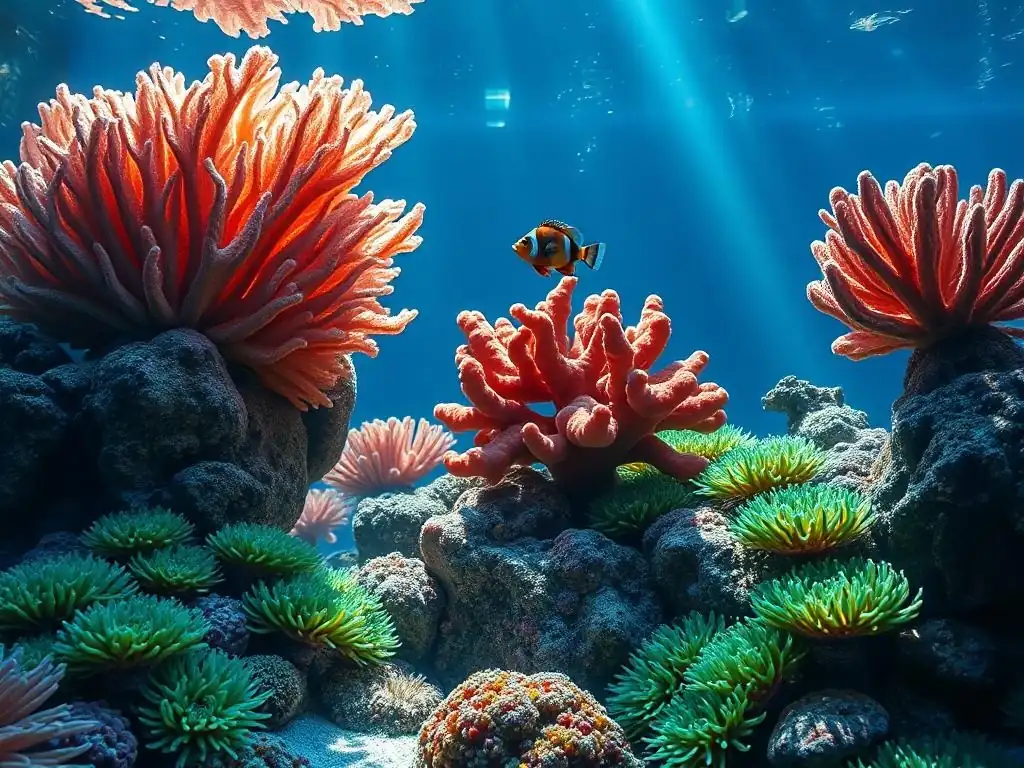
Welcome to Aquarium Mastery, fellow reef enthusiast!
Ever wondered why your vibrant LPS corals aren't looking their best? Are you seeing signs of decline in your Euphyllia, Favia, or Acans? Dive into our comprehensive guide to LPS coral disease treatment, where we unravel the mysteries behind common ailments and equip you with the knowledge to restore your corals to their former glory. Curious about prevention and early detection? Let's get started!
- LPS Coral Diseases: Prevention & Treatment for Euphyllia, Favia, Acans
- Understanding LPS Coral Diseases: A Comprehensive Guide
-
Common LPS Coral Diseases and Ailments
- Brown Jelly Disease (BJD) in LPS Corals: Identification and Treatment
- White Band Disease on LPS Corals: Causes and Management
- Rapid Tissue Necrosis (RTN) in LPS Corals: A Critical Threat
- Slow Tissue Necrosis (STN) Affecting LPS Corals
- Coral Bleaching in LPS Corals: Causes and Reversal
- Identifying and Treating LPS Coral Infections
- LPS Coral Disease Treatment: Effective Methods and Approaches
- Preventing LPS Coral Diseases: Proactive Measures
- LPS Coral Recovery: Post-Treatment Care and Monitoring
- Advanced Topics in LPS Coral Health
- Conclusion: Ensuring the Long-Term Health of Your LPS Corals
-
Frequently Asked Questions
- What are the most common diseases affecting LPS corals like Euphyllia and Acans?
- How can I prevent diseases in my LPS corals?
- What are the initial signs of LPS coral disease that I should look for?
- What immediate actions should I take if I suspect my LPS coral has a disease?
- What treatment options are available for LPS coral diseases like brown jelly disease?
- Final Reflection: Preserving the Vibrant Reef
- Dive Deeper: Nurture Your LPS Paradise!
LPS Coral Diseases: Prevention & Treatment for Euphyllia, Favia, Acans
Understanding LPS Coral Diseases: A Comprehensive Guide
What are LPS Corals? Defining Euphyllia, Favia, and Acans
LPS, or Large Polyp Stony, corals are a diverse and popular group of reef inhabitants known for their prominent, fleshy polyps and robust calcium carbonate skeletons. These corals are foundational to many home aquariums, providing vibrant color and dynamic movement. Among the most cherished LPS corals are Euphyllia species, which include the iconic Hammer, Frogspawn, and Torch corals, recognized for their flowing tentacles and often iridescent tips.
Favia corals, commonly known as brain corals, form massive or encrusting colonies with distinct, often colorful, corallites that resemble a brain's convolutions. Acanthastrea corals, or Acans, are another highly sought-after group, celebrated for their vibrant, often multi-colored patterns and relatively compact growth forms.
Despite their hardiness compared to some SPS corals, LPS corals are not immune to health issues and diseases. Their large, exposed polyps, while beautiful, can sometimes be more susceptible to physical damage or opportunistic pathogens. Understanding the specific characteristics of Euphyllia, Favia, and Acanthastrea is crucial for effective care, as their individual structures can influence how diseases manifest and how quickly they spread. For instance, the long, delicate tentacles of Euphyllia can be prone to injury, while the more compact structure of Favia or Acanthastrea might allow localized infections to spread differently across their tissue.
Recognizing Signs of Ill Health in Your LPS Corals
Early detection is paramount when it comes to addressing potential health issues in LPS corals. Vigilant observation of your corals' daily appearance and behavior can provide critical clues. One of the most common indicators of ill health is tissue recession, where the coral's fleshy polyps begin to pull back from its skeleton, exposing the white calcium carbonate beneath. This recession can appear as a gradual thinning of tissue or as distinct patches of exposed skeleton. Discoloration, such as unusual paling (bleaching), darkening, or the appearance of necrotic (dead) spots, also signals distress.
Beyond visual changes, alterations in polyp extension and overall inflation are strong indicators of stress or disease. Healthy LPS corals typically extend their polyps fully, especially when feeding or during specific light cycles. If polyps remain retracted for extended periods, appear shriveled, or show unusual mucus production, it's a clear sign that something is amiss. Lesions, open sores, or the presence of unusual growths or slimy patches on the coral's surface demand immediate attention, as these are often direct manifestations of bacterial or protozoan infections that require prompt LPS coral disease treatment.
Common LPS Coral Diseases and Ailments
Brown Jelly Disease (BJD) in LPS Corals: Identification and Treatment
Brown Jelly Disease (BJD) is one of the most devastating and rapidly progressing ailments affecting LPS corals, including Euphyllia, Favia, and Acanthastrea. It is characterized by the appearance of a slimy, brown, gelatinous mass that rapidly consumes coral tissue, often leaving bare skeleton in its wake.
This "jelly" is typically a consortium of protozoans and bacteria, such as Vibrio species, that opportunistically attack compromised or stressed coral tissue. The disease can spread alarmingly fast; an entire Euphyllia colony, for example, can be consumed within 24 to 48 hours if left untreated, making swift action absolutely critical for any chance of successful LPS coral disease treatment.
Effective treatment for BJD requires immediate and aggressive intervention. The first step is to isolate the affected coral from the main display tank to prevent the spread of the pathogens. Carefully siphon off as much of the brown jelly as possible using a small tube, ensuring not to dislodge it into the main tank water.
Following the removal of the jelly, a targeted dip is often necessary. Dips with Lugol's iodine solution (e.g., 10-15 drops per gallon of tank water for 5-10 minutes) or an antibiotic solution (like Ciprofloxacin) can be highly effective in killing the causative agents. In severe cases, or if the disease is localized, fragging the healthy sections of the coral well above the infected area can save parts of the colony, but this must be done with sterilized tools and extreme care to avoid spreading the infection.
White Band Disease on LPS Corals: Causes and Management
White Band Disease (WBD) is a progressive affliction, though typically slower than BJD, characterized by a distinct band of white, exposed skeleton that advances across the coral colony, indicating tissue loss. While historically more common in branching SPS corals, WBD can also affect LPS corals, particularly Favia and Acanthastrea species.
The disease is believed to be primarily bacterial in origin, often associated with Vibrio bacteria, and its progression can vary from a few millimeters to a centimeter per day, depending on the coral species and environmental conditions. The tissue loss is usually uniform, leaving a clearly defined line between healthy tissue and the exposed skeleton.
Managing White Band Disease involves a multi-pronged approach focused on halting its progression and supporting the coral's recovery. Immediate isolation of the affected coral in a quarantine tank is crucial to prevent potential spread to other corals in the main display. If the disease is localized and has not consumed a significant portion of the colony, fragging the healthy tissue well above the advancing white band can be a viable option to save a portion of the coral.
Additionally, antibiotic dips, such as those containing Ciprofloxacin, can be administered to target the bacterial pathogens. Ensuring optimal water parameters and stable environmental conditions in the quarantine tank can also help reduce stress on the coral, improving its chances of recovery and making the LPS coral disease treatment more effective.
Rapid Tissue Necrosis (RTN) in LPS Corals: A Critical Threat
Rapid Tissue Necrosis (RTN) is arguably the most feared and devastating disease in coral husbandry, capable of destroying an entire LPS coral colony, such as a large Euphyllia or Favia, in a matter of hours, often overnight. It manifests as an incredibly fast and complete loss of coral tissue, leaving behind a stark white skeleton.
Unlike other diseases that might show gradual recession or specific lesions, RTN is characterized by its explosive speed, often starting from the base or edges of the coral and quickly enveloping the entire structure. The exact cause is often debated, but severe environmental stress (e.g., sudden temperature swings, drastic parameter shifts, exposure to toxins) or highly virulent bacterial infections (e.g., specific Vibrio strains) are commonly implicated.
Given its critical threat level, immediate and drastic action is the only hope for an LPS coral affected by RTN. The coral must be removed from the main display tank immediately to prevent any potential spread of pathogens. If any healthy tissue remains, the most effective, albeit often last-resort, LPS coral disease treatment is fragging.
This involves carefully cutting the coral well above any visible signs of tissue loss, using sterilized tools, to salvage any unaffected portions. While some aquarists report limited success with broad-spectrum antibiotic dips (e.g., using Ciprofloxacin at 10-20 mg/gallon for a 30-minute dip), the success rate for stopping established RTN is notoriously low, perhaps around 10-20% for severe cases, emphasizing the difficulty in treating this aggressive condition.
Slow Tissue Necrosis (STN) Affecting LPS Corals
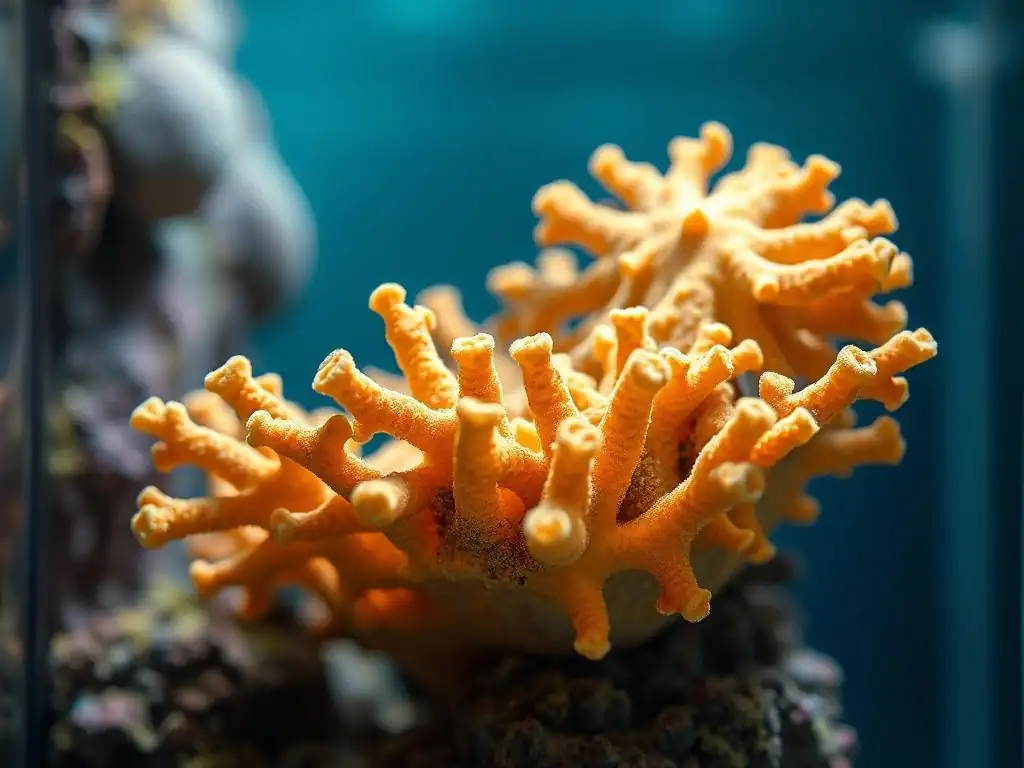
Slow Tissue Necrosis (STN) is a more gradual form of tissue loss compared to RTN, giving aquarists more time to intervene. It is characterized by the steady recession of coral tissue, often over days or weeks, progressively exposing the underlying skeleton. Unlike the sharp demarcation of White Band Disease, STN often presents as a more diffuse or patchy recession.
This ailment can affect various LPS corals, including Acans and Favia, and is frequently linked to chronic stressors such as persistently poor water quality (e.g., elevated nitrates or phosphates), inadequate or fluctuating water flow, insufficient lighting, or minor infections that the coral's immune system struggles to overcome. Pests, like nudibranchs or flatworms, can also cause localized tissue damage that mimics STN.
Addressing STN primarily involves identifying and rectifying the underlying stressors. Begin by thoroughly testing all water parameters, including alkalinity, calcium, magnesium, nitrates, and phosphates, and make gradual adjustments to bring them into optimal ranges. For instance, maintaining stable alkalinity between 8-12 dKH can significantly reduce stress.
Assess water flow patterns to ensure adequate, non-laminar flow around the coral, as detritus accumulation in dead spots can exacerbate tissue loss. If pests are suspected, targeted dip treatments (e.g., with commercial coral dips or a dilute hydrogen peroxide solution at 1 ml of 3% H2O2 per gallon for 3-5 minutes) can help eliminate them. In cases where bacterial infection is suspected, a short, targeted antibiotic dip might be considered as part of the LPS coral disease treatment, alongside environmental corrections.
Coral Bleaching in LPS Corals: Causes and Reversal
Coral bleaching in LPS corals, such as Euphyllia and Favia, occurs when the coral expels its symbiotic zooxanthellae algae, which provide the coral with most of its color and up to 90% of its energy through photosynthesis. Without these algae, the coral's white skeleton becomes visible through its translucent tissue, giving it a pale or stark white appearance.
The primary causes of bleaching are environmental stressors, with elevated water temperature being the most common culprit (e.g., sustained temperatures above 84°F or sudden swings of more than 3-4°F). Other triggers include excessively high light intensity (PAR levels significantly above 150-200 for LPS), drastic changes in salinity, prolonged exposure to air, or chemical stressors like high ammonia or copper.
Reversing coral bleaching requires immediate and careful mitigation of the stressors. If temperature is the issue, gradually lower it to the optimal range (typically 74-78°F) over several hours or days, avoiding rapid drops that can shock the coral further. If lighting is too intense, raise the light fixture, reduce its output, or move the coral to a shadier spot in the tank. Ensure all other water parameters are stable and within optimal ranges.
During recovery, which can take weeks to several months, the coral is highly vulnerable to secondary infections. Providing supplemental feeding with phytoplankton or other coral foods can provide the coral with essential nutrients to aid in its energy recovery, improving the chances of zooxanthellae re-uptake. Partial recovery is observed in approximately 60-70% of mild bleaching cases if stressors are removed promptly.
Identifying and Treating LPS Coral Infections
LPS corals, like all living organisms, are susceptible to various infections caused by bacteria, fungi, or protozoans. Identifying these infections can sometimes be challenging as their symptoms can overlap with those of environmental stress or pest infestations. However, common signs of infection often include localized tissue damage such as lesions, ulcers, or unusual growths that appear distinct from typical tissue recession.
Discoloration, particularly a darkening or necrosis of specific areas, or excessive production of mucus, can also indicate an infectious agent at play. For instance, a localized brown patch spreading slowly on a Favia colony could point to a bacterial infection, distinct from the rapid spread of BJD.
LPS coral disease treatment for infections often involves targeted approaches. For suspected bacterial infections, antibiotic dips are frequently employed. Ciprofloxacin, at concentrations of 10-20 mg per liter for a 30-60 minute dip, has shown efficacy against some coral pathogens like Vibrio species in controlled environments. For protozoan infections, iodine-based dips (e.g., Lugol's solution) can be effective due to their antiseptic properties.
Fungal infections are less common but might respond to specific anti-fungal treatments. It is crucial to administer these treatments in a separate quarantine or dip container to avoid impacting the beneficial bacteria in the main display tank. Regular monitoring of the coral's response to treatment and maintaining pristine water quality are vital for successful recovery.
LPS Coral Disease Treatment: Effective Methods and Approaches
Quarantine Procedures for Diseased LPS Corals
Implementing robust quarantine procedures is a cornerstone of effective LPS coral disease treatment and prevention. When an LPS coral, such as a Euphyllia or Acanthastrea, shows signs of disease, the immediate priority is to isolate it from the main display tank. This prevents the potential spread of pathogens to other healthy corals and fish, which could lead to a widespread outbreak.
A dedicated quarantine tank (QT) should be set up with its own filtration, heater, and lighting, mimicking the main tank's parameters as closely as possible to minimize additional stress on the ailing coral. A 10-gallon tank can serve as an effective quarantine unit for several small to medium LPS corals.
During the quarantine period, the coral should be closely monitored for any changes in its condition. Water parameters in the QT should be tested frequently, ideally daily or every other day, to ensure stability and cleanliness, as poor water quality can hinder recovery. Any treatments, such as dips or medication dosages, should be administered in this isolated environment.
A recommended quarantine period for new, healthy corals is often 4-6 weeks, but for diseased corals, the isolation continues until the coral shows clear signs of recovery, stability, and no recurrence of symptoms for at least two to three weeks. This diligent approach significantly improves the chances of successful LPS coral disease treatment without jeopardizing the entire aquarium ecosystem.
Chemical Treatments for LPS Coral Diseases: Iodine Dips, Acriflavine
Chemical dips are a common and effective method for direct LPS coral disease treatment, especially for external infections or pests. Iodine-based dips, such as Lugol's solution, are widely used for their antiseptic and anti-protozoan properties. To prepare an iodine dip, typically 5-10 drops of Lugol's iodine are added per gallon of tank water, ensuring the water temperature and salinity match the coral's environment.
The affected coral is then gently immersed in this solution for 5-15 minutes, with gentle agitation to help dislodge any parasites or pathogens. This method is particularly useful against Brown Jelly Disease, where protozoans are often involved.
Acriflavine is another powerful chemical agent used in LPS coral disease treatment, known for its broad-spectrum antiseptic, anti-bacterial, and anti-fungal properties. It is often employed for more persistent or systemic bacterial infections. A typical Acriflavine dip involves concentrations of 5-10 mg per liter for a 30-60 minute immersion.
It's important to note that Acriflavine can stain equipment and tank silicone yellow, so it should always be used in a dedicated dip container or quarantine tank. Both iodine and Acriflavine dips should be administered with caution, observing the coral closely for signs of stress, and the coral should be returned to clean, stable water immediately after the recommended dip duration.
Antibiotic Use in LPS Coral Disease Treatment: When and How
Antibiotics represent a potent option for LPS coral disease treatment, particularly when a bacterial infection is strongly suspected or confirmed, as in cases of severe Brown Jelly Disease, Rapid Tissue Necrosis, or White Band Disease. However, their use should be judicious and targeted, as broad-spectrum antibiotics can negatively impact the beneficial bacterial populations crucial for nitrogen cycling in the aquarium. Common antibiotics used in reef husbandry include Ciprofloxacin and Kanamycin, which are effective against a range of Gram-negative bacteria often implicated in coral diseases.
When using antibiotics, it is crucial to administer them in a separate quarantine or dip tank, never directly in the main display. For Ciprofloxacin, a common dosage for dips is 10-20 mg per gallon of water, with the coral immersed for 30-60 minutes. For systemic bacterial infections in a hospital tank, Ciprofloxacin can be dosed at 10 mg per gallon, with a water change after 24 hours.
Kanamycin can be used at similar concentrations. It's important to note that while antibiotics can be life-saving for corals, success rates vary, and they are often more effective when combined with optimal water parameters and supportive care. Studies have shown Ciprofloxacin's efficacy against Vibrio species, a common coral pathogen, at concentrations as low as 10 mg/L in laboratory settings, underscoring its potential in targeted LPS coral disease treatment.
Fragging as a Treatment Option for Localized LPS Coral Infections
Fragging, or propagation by fragmentation, is not only a method for growing new corals but also a vital LPS coral disease treatment option for localized infections. This technique is particularly effective for diseases like Brown Jelly Disease or Slow Tissue Necrosis where the infection is confined to a specific part of the coral colony, allowing healthy tissue to be salvaged.
The principle is to physically remove the diseased portion of the coral, preventing the spread of pathogens to the remaining healthy tissue. For instance, if a Euphyllia head is showing signs of BJD, the infected head can be carefully cut away from the healthy stalks.
The procedure requires precision and sterile tools. Use a sharp, clean scalpel, bone cutters, or a Dremel tool to make a clean cut well above the visible signs of infection, ensuring no diseased tissue remains on the fragged piece. For a Favia or Acanthastrea colony, this might involve cutting through the skeleton to isolate an unaffected section.
After fragging, the healthy piece should ideally be dipped in an antiseptic solution (e.g., iodine) to further sanitize the cut edge and then placed in a clean, stable quarantine tank to recover. Success rates for saving corals with localized BJD through early and correct fragging can exceed 70%, making it a highly effective physical LPS coral disease treatment.
Dip Treatments for LPS Coral: Purpose and Application
Dip treatments are a foundational method in LPS coral disease treatment, offering a rapid and targeted way to address external issues such as parasites, pests, or superficial infections. The primary purpose of a dip is to expose the coral to a concentrated solution of medication or an active agent for a short period, effectively eliminating unwanted organisms or pathogens without impacting the entire aquarium ecosystem. These dips can range from commercial coral dips designed to remove common pests like flatworms or nudibranchs to specific chemical solutions for bacterial or protozoan infections.
The application of a dip treatment requires careful execution. First, prepare a separate container with water from the coral's current tank, ensuring the temperature and salinity are identical. Add the chosen dip solution or medication according to the manufacturer's instructions or recommended dosages. For instance, some commercial dips might require 10-20 drops per liter.
Gently place the affected LPS coral into the dip solution, ensuring it is fully submerged. During the dip, which typically lasts from 3 to 15 minutes depending on the product and coral's tolerance, gently agitate the water or use a turkey baster to direct flow over the coral, helping to dislodge pests or expose all tissue to the solution. Observe the coral closely for any signs of extreme stress. After the recommended duration, remove the coral and place it back into its main tank or a dedicated quarantine tank with clean, stable water.
Preventing LPS Coral Diseases: Proactive Measures
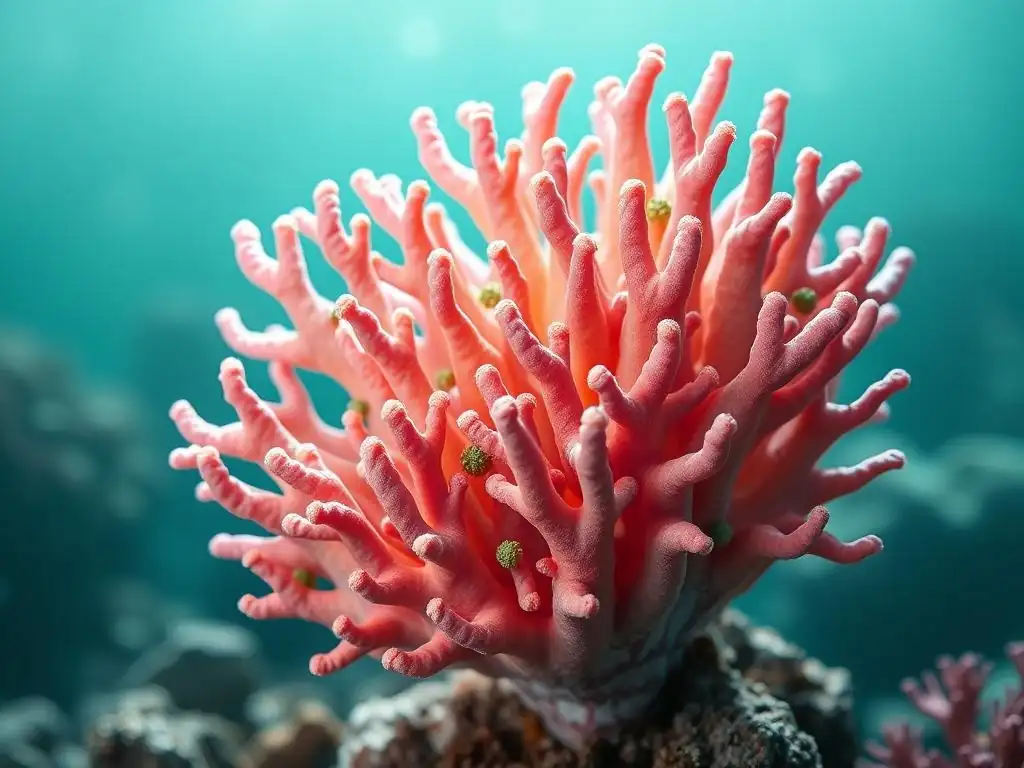
Maintaining Optimal Water Parameters for LPS Coral Health
Maintaining stable and optimal water parameters is the single most critical factor in preventing LPS coral diseases. Fluctuations or chronic deviations from ideal ranges stress corals, weakening their immune systems and making them highly susceptible to opportunistic pathogens. Regular testing and consistent adjustments are non-negotiable for the long-term health of Euphyllia, Favia, and Acanthastrea corals.
The Importance of Alkalinity, Calcium, and Magnesium
Alkalinity, calcium, and magnesium are the fundamental building blocks for coral skeletal growth and overall health. Alkalinity, typically measured in dKH (degrees of carbonate hardness), should be maintained between 8-12 dKH. This parameter represents the water's buffering capacity and its ability to provide carbonate ions essential for calcification. Fluctuations in alkalinity, even by 0.5 dKH daily, can induce significant stress.
Calcium levels should ideally be between 400-450 ppm, as it is the primary component of the coral's skeleton. Magnesium, at 1250-1350 ppm, plays a crucial role in preventing calcium precipitation and helps maintain alkalinity stability. Consistent levels within these ranges, achieved through regular dosing or automated systems, are paramount; for example, maintaining stability within 0.5 dKH, 10 ppm Ca, and 20 ppm Mg daily can significantly reduce stress-related diseases in LPS corals.
Controlling Nitrate and Phosphate Levels
While LPS corals can tolerate slightly higher nutrient levels than some SPS corals, controlling nitrates and phosphates is still vital for preventing disease and nuisance algae. Nitrates, ideally kept between 1-10 ppm, can inhibit calcification and stress corals if consistently elevated. Phosphates, even in tiny concentrations, are potent drivers of nuisance algae growth and can directly inhibit coral calcification and energy transfer; levels should be kept below 0.03 ppm.
Regular water changes (e.g., 10-20% bi-weekly), proper feeding practices to avoid overfeeding, and the use of nutrient export methods like protein skimming, refugiums, or granular ferric oxide (GFO) are essential. Studies suggest that coral growth rates can decrease by 20-30% when phosphates exceed 0.1 ppm, underscoring the importance of their control for preventing conditions that might require LPS coral disease treatment.
Proper Lighting for LPS Corals: Avoiding Stress
Lighting is a critical environmental factor for LPS corals, as they rely on their symbiotic zooxanthellae for a significant portion of their energy. Providing the correct intensity and spectrum is crucial to prevent stress, which can lead to bleaching or increased susceptibility to disease. LPS corals generally thrive under moderate lighting conditions, typically requiring PAR (Photosynthetically Active Radiation) levels ranging from 50 to 150. Too much intensity can lead to bleaching, where the coral expels its zooxanthellae, turning pale or white. Conversely, insufficient light can cause polyps to recede, colors to dull, and the coral to slowly starve.
The spectrum of light is also important, with full-spectrum lighting leaning towards the blue end being beneficial for LPS corals, mimicking natural reef conditions. When introducing new LPS corals or upgrading lighting, gradual acclimation is key. Start with lower intensity or shorter photoperiods and slowly increase them over several weeks to allow the coral to adapt.
Rapid PAR changes of more than 50 PAR in a short period can induce significant stress, potentially leading to bleaching or other stress-related ailments that could necessitate LPS coral disease treatment. Monitoring polyp extension and color can help gauge if lighting conditions are optimal; healthy LPS corals will exhibit full and vibrant polyp extension.
Adequate Water Flow and Circulation for LPS Corals
Adequate water flow and circulation are essential for the health and disease prevention of LPS corals. Proper flow serves multiple critical functions: it delivers food and dissolved nutrients to the coral polyps, removes waste products and detritus from the coral's surface, and prevents the accumulation of stagnant "dead spots" where pathogens or nuisance algae can proliferate. For LPS corals, a moderate, turbulent, and indirect flow is generally preferred over strong, laminar (uni-directional) flow, which can damage their fleshy polyps or cause them to retract excessively.
Aim for a flow rate equivalent to 10-20 times the tank volume per hour, achieved through strategically placed powerheads that create random, chaotic flow patterns without directly blasting the corals. Observe the coral's polyps: they should gently sway and expand fully, indicating sufficient but not excessive flow.
Insufficient flow can lead to tissue necrosis from detritus buildup, while overly strong, direct flow can cause physical damage, tissue recession, or even dislodge the coral from its frag plug or rockwork. Maintaining optimal water movement is a key proactive measure that significantly reduces the likelihood of conditions requiring LPS coral disease treatment by ensuring a clean and healthy microenvironment for the coral.
Avoiding Physical Damage to LPS Corals
Physical damage is a significant predisposing factor for LPS coral diseases. Even minor abrasions, cuts, or tissue tears can create entry points for opportunistic bacterial, fungal, or protozoan pathogens, turning a small injury into a full-blown infection requiring LPS coral disease treatment.
Common sources of physical damage include accidental bumps during tank maintenance, corals falling or being knocked over by tank inhabitants, aggression from incompatible fish or other corals, and improper handling during acclimation or placement. For instance, the delicate polyps of Euphyllia corals are particularly vulnerable to tearing if handled roughly or placed too close to aggressive tank mates.
To prevent physical damage, secure all corals firmly to the rockwork using coral glue or epoxy, especially heavier Favia or Acanthastrea colonies. Plan rockwork layouts carefully to ensure sufficient space between corals as they grow, preventing stinging or territorial aggression. Choose tank mates wisely, avoiding fish known to nip at corals (e.g., certain angelfish or butterflyfish).
When performing tank maintenance, exercise extreme caution around corals, using soft-bristled brushes for cleaning and avoiding sudden movements. Even minor abrasions can increase a coral's susceptibility to bacterial infections by 5-10 times, underscoring the importance of meticulous care in preventing damage that could lead to disease.
Selecting Healthy LPS Corals: Inspection Before Purchase
The journey to a healthy LPS coral aquarium begins with the careful selection of healthy specimens. Thorough inspection before purchase is a critical preventative measure against introducing diseases or pests into your established system, potentially avoiding the need for extensive LPS coral disease treatment down the line. When choosing an LPS coral, whether it's a Euphyllia, Favia, or Acanthastrea, spend several minutes observing it closely in the dealer's tank. Look for full polyp extension and vibrant, consistent coloration across the entire colony. Pale or dull coloration can indicate stress or early stages of bleaching.
Carefully examine the coral for any signs of tissue recession, bare skeleton, lesions, or unusual growths. Check for excessive mucus production, which can be a sign of stress or infection. Inspect the base and underside for any visible pests, such as nudibranchs, flatworms, or parasitic snails.
A reputable dealer will have healthy, well-cared-for corals and will be transparent about their husbandry practices. Furthermore, regardless of how healthy a coral appears at the store, always implement a strict quarantine procedure upon bringing it home. A study of coral imports showed that up to 15% of corals could carry pathogens or pests upon arrival, highlighting the importance of thorough inspection and a minimum 4-6 week quarantine period.
LPS Coral Recovery: Post-Treatment Care and Monitoring
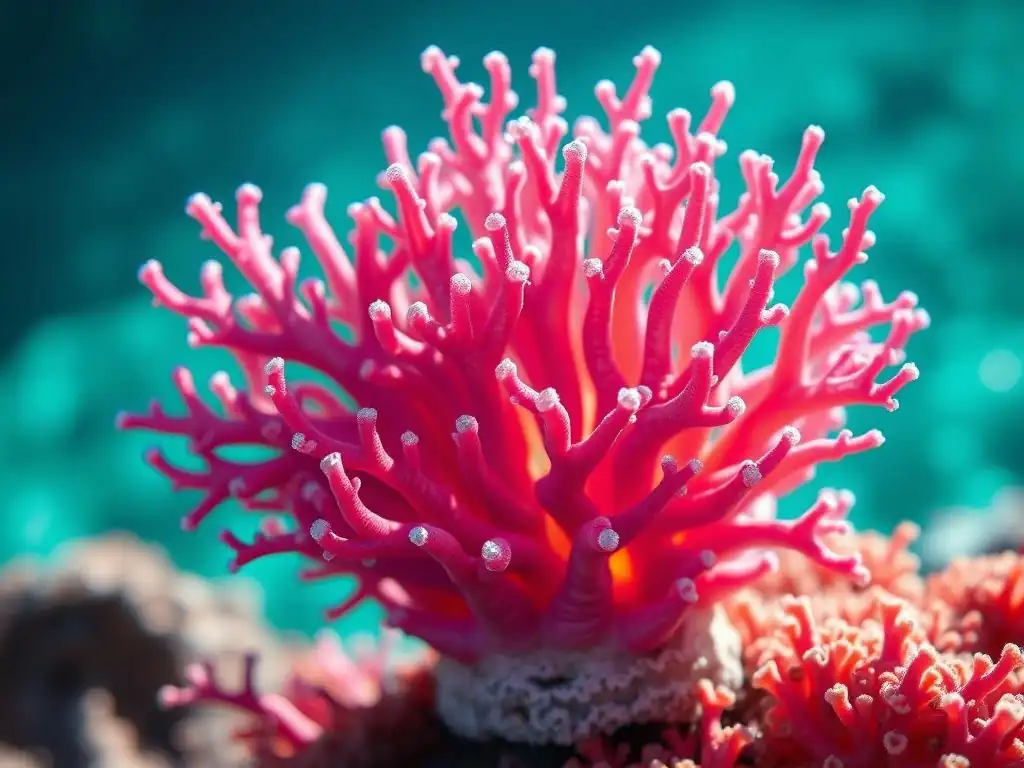
Monitoring Water Parameters After Treatment
Following any LPS coral disease treatment, whether it's a dip, antibiotic regimen, or fragging, the coral's environment plays a crucial role in its recovery. Continuous and meticulous monitoring of water parameters is paramount during this vulnerable period. The coral's immune system may be compromised, and it will be expending significant energy on healing and regenerating tissue. Therefore, maintaining pristine and stable water quality is essential to reduce any additional stressors.
Regularly test all key parameters, including alkalinity, calcium, magnesium, nitrates, and phosphates, ideally daily or every other day, to ensure they remain within optimal ranges. Even minor fluctuations can hinder the recovery process. For instance, maintaining alkalinity consistently between 8-10 dKH and calcium between 400-440 ppm supports calcification and tissue repair.
Perform small, frequent water changes with high-quality saltwater to replenish trace elements and remove any accumulated waste products. Any deviation from ideal parameters should be addressed gradually to avoid shocking the recovering coral. This diligent oversight significantly improves the chances of a full recovery for your Euphyllia, Favia, or Acanthastrea.
Feeding and Supplementation to Support Recovery
During the recovery phase after LPS coral disease treatment, providing adequate nutrition is vital to help the coral regain strength, regenerate lost tissue, and boost its immune system. While LPS corals derive much of their energy from photosynthesis, supplemental feeding can provide critical nutrients that are especially needed when the coral is stressed or healing. Many LPS corals, including Euphyllia and Favia, possess large polyps capable of capturing larger food particles.
Offer a diverse diet of high-quality coral foods, such as enriched frozen mysis shrimp, brine shrimp, finely chopped seafood, or specialized powdered coral foods. These foods provide essential proteins, fatty acids, and vitamins. Consider supplementing with amino acids, which are building blocks for coral tissue, and vitamins, which can support metabolic processes. Feed small amounts frequently, perhaps 2-3 times a week, rather than large, infrequent feedings, to prevent water quality degradation. Providing a diverse diet can improve coral recovery rates by 20-30% compared to unfed corals, as it provides the necessary energy for tissue repair and overall resilience.
Observing for Secondary Infections
A coral recovering from a primary disease or treatment is often in a weakened state, making it highly susceptible to secondary infections. Its immune system may be temporarily suppressed, and any remaining damaged tissue can serve as an easy entry point for opportunistic pathogens. Therefore, vigilant observation for new or recurring symptoms is crucial during the post-treatment phase.
Look for any signs of new lesions, unusual discoloration, excessive mucus production, or unexpected tissue recession that might indicate a new bacterial, fungal, or protozoan infection. For instance, a coral that has recovered from Brown Jelly Disease might suddenly develop a white patch indicative of a secondary bacterial infection.
If any signs of a secondary infection appear, prompt action is necessary. This might involve re-administering a targeted dip treatment or adjusting the quarantine tank's environment. Maintaining pristine water quality, stable parameters, and providing optimal nutrition are the best defenses against secondary infections, as these factors directly support the coral's natural immune response. The goal is to create an environment where the coral can dedicate its energy to healing without facing new threats.
Reintroducing Recovered LPS Corals to the Main Tank
The decision to reintroduce a recovered LPS coral to the main display tank should be made with caution and patience. Rushing this step can jeopardize the coral's recovery and potentially expose the main tank to lingering pathogens. Before reintroduction, the coral must show clear and consistent signs of full recovery. This includes full polyp extension, vibrant coloration, active feeding, and no signs of disease or recession for at least two to three weeks post-treatment. For instance, a Euphyllia that has fully inflated its polyps consistently for over two weeks and shows signs of new growth is likely ready.
Even after a seemingly complete recovery, it's advisable to acclimate the coral gradually to the main tank's conditions, especially if there are significant differences in lighting or flow. A slow acclimation process can prevent shock. Once reintroduced, continue to monitor the coral closely for several days or weeks, observing its interaction with other tank inhabitants and its overall health. A successful reintroduction often requires a stable coral for at least 2-3 weeks post-treatment, showing consistent polyp extension and growth, ensuring it is robust enough to thrive in the community environment.
Advanced Topics in LPS Coral Health
The Role of Probiotics in LPS Coral Disease Prevention
The concept of using probiotics, or beneficial microorganisms, in reef aquariums for LPS coral disease prevention is an emerging and promising field. Just like in human health, corals host a diverse community of bacteria, archaea, and fungi, collectively known as the coral microbiome. A healthy and balanced microbiome can act as a natural defense system, outcompeting pathogenic bacteria for resources and space, and even producing antimicrobial compounds that inhibit the growth of harmful microbes.
Aquarists can introduce probiotics through specialized products containing specific strains of beneficial bacteria or via certain dosing regimens. These probiotics aim to bolster the coral's natural defenses and enhance water quality by improving nutrient cycling. For example, some probiotic strains, like Pseudoalteromonas species, have shown in vitro ability to inhibit the growth of common coral pathogens such as Vibrio coralliilyticus, potentially reducing disease susceptibility by 15-25%. While research is ongoing, integrating probiotics into a comprehensive husbandry routine could offer an additional layer of protection against infections, potentially reducing the frequency and severity of LPS coral disease treatment.
Understanding Coral Immunity and Disease Resistance
Understanding coral immunity and disease resistance is crucial for advancing LPS coral disease prevention and treatment strategies. Like all complex organisms, corals possess an innate immune system, a sophisticated network of cellular and molecular defenses that allows them to recognize and respond to pathogens, environmental stressors, and foreign substances. This immune response involves various mechanisms, including mucus production, cellular encapsulation of pathogens, and the expression of immune-related genes. The robustness of a coral's immune system is influenced by a multitude of factors, including its genetics, nutritional status, and, significantly, its environmental conditions.
Corals under chronic stress, such as sustained elevated temperatures, nutrient pollution, or unstable water parameters, often exhibit a compromised immune response. Research indicates that corals exposed to chronic stress can show a significant downregulation of immune-related genes, making them up to twice as susceptible to opportunistic infections compared to healthy corals.
Furthermore, some coral species or even individual genotypes within a species demonstrate greater natural resistance to certain diseases, highlighting the role of genetic predisposition. By providing optimal and stable conditions, aquarists can support their LPS corals' natural immune capabilities, enhancing their resilience and reducing their vulnerability to diseases, thereby minimizing the need for intensive LPS coral disease treatment.
Emerging Research in Coral Microbiome and Disease
The coral microbiome, the complex community of microorganisms living on and within coral tissues and skeletons, is a frontier of emerging research with profound implications for understanding and managing LPS coral health and disease. Scientists are increasingly recognizing that a healthy coral is intrinsically linked to a diverse and stable microbiome, which plays a critical role in nutrient cycling, disease resistance, and overall coral physiology. Disruptions to this delicate microbial balance, often triggered by environmental stress (e.g., thermal anomalies, pollution), can lead to dysbiosis, where beneficial bacteria decline and opportunistic pathogens proliferate, making the coral vulnerable to disease.
Current research focuses on identifying specific beneficial microbial communities that confer disease resistance and understanding how to manipulate the microbiome to enhance coral health. For instance, studies have shown that certain bacterial communities can act as a "first line of defense," actively reducing pathogen colonization by over 40% in some coral species.
This research is paving the way for novel LPS coral disease treatment and prevention strategies, such as probiotic interventions, prebiotics (substances that promote the growth of beneficial microbes), and even bacteriophage therapy. As our understanding of the coral microbiome deepens, it promises to revolutionize how aquarists approach coral health, moving towards more holistic and biologically informed management practices.
Conclusion: Ensuring the Long-Term Health of Your LPS Corals
Ensuring the long-term health of your LPS corals, including the beloved Euphyllia, Favia, and Acanthastrea species, is a multifaceted endeavor that hinges on proactive prevention, vigilant observation, and the informed application of LPS coral disease treatment when necessary. While these beautiful corals can be susceptible to various ailments, a comprehensive understanding of their needs and potential threats empowers aquarists to maintain thriving reef environments. The cornerstone of prevention lies in consistently maintaining optimal and stable water parameters, including alkalinity, calcium, magnesium, and low nitrates and phosphates, as these directly influence coral immunity and resilience.
Beyond water chemistry, providing appropriate lighting and adequate, turbulent water flow are crucial for their physiological well-being. Avoiding physical damage and meticulously selecting healthy new corals, followed by strict quarantine procedures, are essential steps in preventing the introduction and spread of pathogens. When diseases do arise, early detection—through careful observation of polyp extension, coloration, and tissue integrity—is paramount for successful intervention.
Employing targeted LPS coral disease treatment methods like isolation, chemical dips, and, in severe cases, antibiotics or fragging, can halt progression and save affected colonies. Ultimately, a commitment to diligent husbandry, continuous learning, and a proactive approach to coral care will ensure the vibrant and enduring health of your LPS corals, enriching your aquarium for years to come.
Frequently Asked Questions
What are the most common diseases affecting LPS corals like Euphyllia and Acans?
The most common diseases include brown jelly disease, bleaching (often stress-related), and tissue necrosis. These can be caused by poor water quality or bacterial infections.
How can I prevent diseases in my LPS corals?
Prevention starts with maintaining stable and optimal water parameters, including salinity, temperature, and alkalinity. Regular water changes and avoiding sudden shifts are also crucial.
What are the initial signs of LPS coral disease that I should look for?
Early signs often include tissue recession, discoloration, or the appearance of a brown, jelly-like substance. Observe your corals daily for any changes.
What immediate actions should I take if I suspect my LPS coral has a disease?
First, isolate the affected coral if possible to prevent spreading. Then, test your water parameters and perform a partial water change to improve water quality.
What treatment options are available for LPS coral diseases like brown jelly disease?
Treatment can involve fragging away the infected tissue, using a coral dip (iodine-based), or in severe cases, antibiotics. Consult with a reef expert for the best approach.
Final Reflection: Preserving the Vibrant Reef
The intricate world of LPS corals, with their captivating colors and unique structures, faces a growing threat from diseases that can quickly decimate entire colonies. Understanding and addressing these diseases is not just about preserving individual corals; it's about safeguarding the health and biodiversity of our oceans. The knowledge presented in this article, from identification to effective treatment strategies, empowers reef aquarists and researchers alike to become active participants in conservation efforts.
The impact of LPS coral diseases extends far beyond the confines of a reef tank. It serves as a stark reminder of the fragility of marine ecosystems and the interconnectedness of all life within them. The challenges we face in combating these diseases mirror the larger struggles against climate change and pollution, highlighting the urgent need for responsible stewardship of our planet. In the end, we will conserve only what we love; we will love only what we understand; and we will understand only what we are taught.
- Baba Dioum's words resonate deeply, urging us to cultivate a deeper understanding and appreciation for the delicate balance of coral reef ecosystems.
As you reflect on the information shared in this article, consider the role you can play in protecting these vital ecosystems. Whether you're a seasoned reef keeper, a budding marine biologist, or simply someone who cares about the health of our planet, take action. Educate yourself further, support sustainable practices, and advocate for policies that protect our oceans. The future of LPS corals, and indeed the future of our reefs, depends on our collective commitment to understanding, preserving, and cherishing these underwater treasures.
Dive Deeper: Nurture Your LPS Paradise!
Thank you for exploring the world of LPS coral health! We hope this article has empowered you with valuable knowledge to safeguard your reef aquarium. Now, let's turn this awareness into action!
Here's how you can further protect and enhance your LPS corals:
- Prioritize Stability: Regularly test and adjust your aquarium water parameters to maintain optimal and consistent conditions for your LPS corals.
- Explore preventative measures by researching compatible tank mates and implementing gentle acclimation procedures for new arrivals to minimize stress and the spread of potential pathogens.
- Share your experiences! Join the Aquarium Mastery community forum to discuss your successes and challenges with LPS coral care and learn from fellow reef enthusiasts.
What specific preventative measure are you most excited to implement in your reef tank this week?