
Favia fragum (Golfball Coral): A Detailed Care Profile for Aquarists

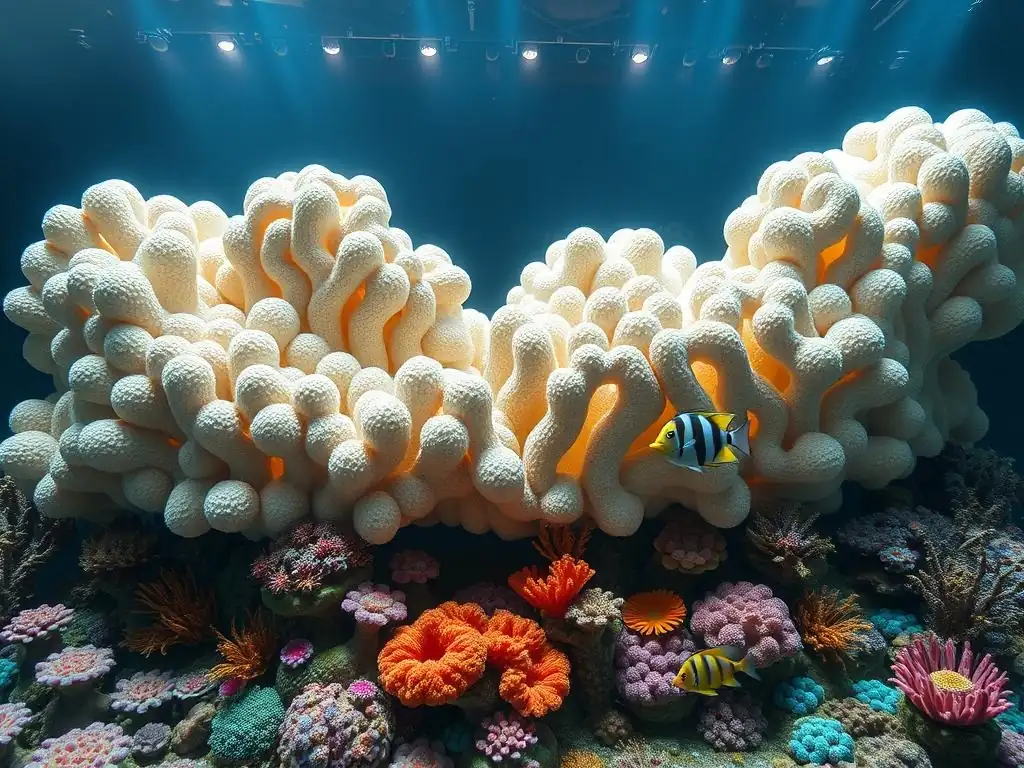
Welcome to Aquarium Mastery, where your aquatic dreams become reality!
Ever wondered if you could cultivate the vibrant beauty of a Golfball Coral in your very own reef tank? Our in-depth Favia coral care guide unveils the secrets to successfully keeping these captivating creatures thriving. Discover everything you need to know, from ideal water parameters to feeding strategies, and unlock the potential of your reef aquarium. Intrigued? Dive in and let's explore the fascinating world of Favia fragum together!
- Understanding Favia fragum: An Introduction to Golfball Coral
- Favia fragum Coral Care: Essential Guidelines for Aquarists
- Setting Up Your Aquarium for Favia fragum: A Step-by-Step Guide
- Favia fragum Propagation and Fragging: Expanding Your Coral Collection
- Common Problems and Solutions in Favia fragum Care
- Choosing the Right Tank Mates for Favia fragum: Compatibility Guide
- Favia fragum vs. Other Favia Species: Distinguishing Characteristics
- Purchasing Favia fragum: Selecting Healthy Specimens
- Favia fragum: Frequently Asked Questions (FAQ)
- Conclusion: Mastering Favia fragum Coral Care.
-
Frequently Asked Questions
- What is Favia fragum and why is it also called Golfball Coral?
- What are the essential water parameters for successful Favia fragum care?
- What kind of lighting and flow do Favia corals need in an aquarium?
- What should I feed my Favia fragum coral?
- What are some common problems encountered when caring for Favia corals?
- Final Reflection: The Enduring Beauty of Favia
- Ignite Your Reef Tank: Bring the Golfball Coral to Life!
Understanding Favia fragum: An Introduction to Golfball Coral
What is Favia fragum? Identifying the Golfball Coral
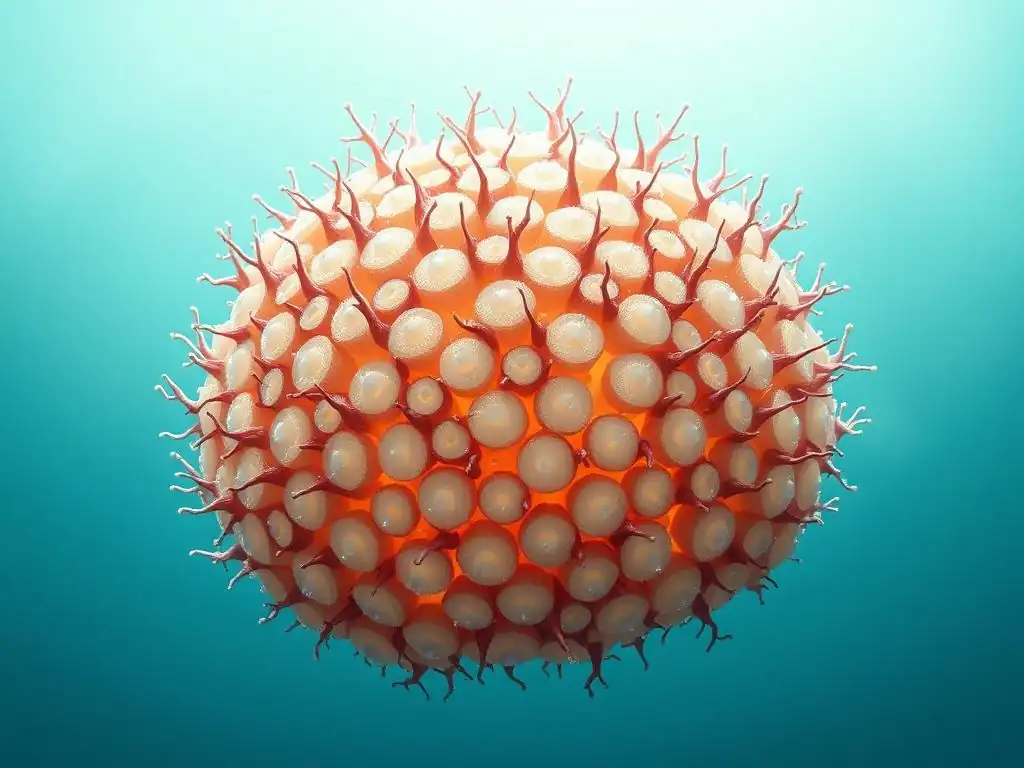
Favia fragum, commonly known as the Golfball Coral, is a captivating small polyp stony (LPS) coral that belongs to the Merulinidae family. It is distinguished by its distinct, spherical polyps, each appearing as a miniature "golfball" with clearly defined septa (skeletal ridges) that radiate from the central mouth. These polyps are typically small, often less than 1-2 centimeters in diameter, and grow together to form encrusting or submassive colonies.
The vibrant coloration of Favia fragum can range from earthy browns and greens to striking reds, oranges, and even purples, often with contrasting oral discs. Its unique morphology and relatively hardy nature make it a popular choice for reef aquarists looking to add diversity and color to their tanks. When considering a Favia coral care guide, understanding its basic identification is the first step.
Origin and Natural Habitat of Favia fragum
Favia fragum is native to the warm, clear waters of the Western Atlantic Ocean, including the Caribbean Sea, the Gulf of Mexico, and the coastlines of Florida and Bermuda. It thrives in a variety of reef environments, from shallow reef crests and lagoons to deeper, more protected reef slopes. This wide distribution highlights its adaptability to different light and flow conditions within its natural range.
In its natural habitat, Favia fragum is often found encrusting dead coral skeletons, rocky substrates, or even shells, typically at depths ranging from just a few feet down to about 60 feet (approximately 18 meters). Its ability to tolerate a range of conditions, from strong surge areas to more quiescent zones, contributes to its reputation as a resilient coral, making it a good candidate for a comprehensive Favia coral care guide.
Why Choose Favia fragum for Your Reef Tank? Benefits & Considerations
Choosing Favia fragum for a reef tank offers several compelling benefits, particularly for aquarists seeking a visually appealing and relatively forgiving LPS coral. Its striking golfball-like appearance and diverse color morphs provide significant aesthetic appeal, adding unique texture and vibrant hues to the aquascape. Furthermore, Favia fragum is generally considered hardy and adaptable, making it an excellent choice for both beginner and experienced reef keepers. Its tolerance for slight fluctuations in water parameters, compared to more sensitive SPS corals, makes it a resilient addition.
While Favia fragum is robust, there are considerations. It is a slow to moderately growing coral, meaning it won't rapidly fill a tank like some other species. Additionally, like many LPS corals, it possesses sweeper tentacles that can extend several inches at night to sting neighboring corals. Therefore, proper spacing, allowing at least 4-6 inches (approximately 10-15 cm) of clearance from other corals, is a crucial part of any effective Favia coral care guide to prevent chemical warfare and tissue damage.
Favia fragum Coral Care: Essential Guidelines for Aquarists
Water Parameters for Optimal Favia fragum Health
Ideal Temperature, Salinity, Alkalinity, and pH for Golfball Coral
Maintaining stable and appropriate water parameters is paramount for the health and vitality of Favia fragum. The ideal temperature range for Golfball Coral is between 76°F and 80°F (approximately 24.4°C - 26.7°C), with consistency being more important than hitting an exact number within this range. Salinity should be kept stable between 1.024 and 1.026 specific gravity (SG), or 33-35 parts per thousand (ppt). Fluctuations in salinity, even by 0.002 SG, can stress the coral.
Alkalinity (dKH) is crucial for coral skeletal growth, with an optimal range of 8-10 dKH. Values outside this range, particularly below 7 dKH or above 12 dKH, can inhibit calcification or even lead to tissue recession. The pH level should be maintained between 8.1 and 8.4, mirroring natural ocean conditions. Regular testing, at least weekly for these parameters, is a fundamental aspect of any successful Favia coral care guide, ensuring a stable environment for calcification and overall well-being.
Maintaining Water Quality: Ammonia, Nitrite, and Nitrate Levels
Pristine water quality is non-negotiable for Favia fragum and all reef inhabitants. Ammonia (NH3) and nitrite (NO2) must always be at undetectable levels (0 ppm). Even minute concentrations of these compounds are highly toxic to corals and can lead to rapid tissue necrosis and death. A well-cycled aquarium with a robust biological filtration system, supported by adequate live rock and sand, is essential to process these nitrogenous wastes.
While Favia fragum can tolerate slightly elevated nitrate (NO3) levels compared to some SPS corals, it's best to keep them below 10-20 ppm. Higher nitrate concentrations, especially above 25 ppm, can inhibit coral growth, diminish coloration, and encourage nuisance algae growth. Regular partial water changes (10-20% bi-weekly or monthly), along with effective protein skimming and potentially the use of nitrate-reducing media, are key strategies in a comprehensive Favia coral care guide to maintain low nutrient levels and overall water purity.
Lighting Requirements for Favia fragum: PAR and Spectrum
Choosing the Right Lighting for Favia Coral Growth
Favia fragum is a photosynthetic coral, relying on zooxanthellae algae within its tissues for a significant portion of its energy needs. It thrives under moderate lighting conditions. A Photosynthetically Active Radiation (PAR) level of approximately 75-150 PAR is generally considered ideal for optimal health and coloration. While it can adapt to slightly lower or higher PAR, sudden changes should be avoided.
When selecting lighting, LED fixtures are popular due to their customizable spectrum and intensity. T5 fluorescent bulbs and metal halide lamps are also viable options. For spectrum, a balanced mix of blue/actinic light, which enhances fluorescent proteins and coloration, and white light, which supports growth, is recommended. Many aquarists opt for a spectrum heavy in blues (e.g., 10,000K to 20,000K color temperature) to bring out the best in their Favia fragum and other LPS corals.
Acclimation to Lighting: Preventing Coral Bleaching
Proper lighting acclimation is crucial to prevent stress and potentially fatal bleaching in Favia fragum. When introducing a new coral to your tank, or upgrading your lighting system, it's vital to start with lower intensity and gradually increase it over several weeks. For instance, if using LEDs, begin with 30-50% of the target intensity and increase by 5-10% weekly, observing the coral's response.
Bleaching occurs when the coral expels its symbiotic zooxanthellae, often due to excessive light, temperature shock, or poor water quality. If Favia fragum appears pale, white, or translucent, it's a strong indicator of stress. Immediate corrective action, such as moving the coral to a shadier spot or reducing light intensity, is necessary. A well-executed acclimation protocol is a critical component of any Favia coral care guide to ensure long-term success.
Flow Requirements for Healthy Favia fragum
Importance of Moderate Water Flow for Favia fragum
Moderate, indirect water flow is essential for the health and vitality of Favia fragum. Adequate water movement ensures the delivery of essential nutrients, such as calcium, alkalinity, and trace elements, directly to the coral's polyps. It also aids in the removal of metabolic waste products, preventing their accumulation around the coral tissue, which can lead to stress or disease.
The flow should be turbulent and randomized rather than direct and laminar. A direct, strong stream of water can damage the coral's delicate polyps, leading to tissue recession or even detachment from the skeleton. Powerheads positioned to create broad, circulating currents, perhaps on opposing sides of the tank with alternating cycles, are ideal for providing the necessary gentle yet effective water movement for your Golfball Coral.
Preventing Detritus Buildup on Favia Coral
One of the primary benefits of proper water flow for Favia fragum is the prevention of detritus buildup. Detritus, which consists of uneaten food, fish waste, and decaying organic matter, can settle on the coral's surface if flow is insufficient. This accumulation can smother the polyps, block light, and create anaerobic pockets that foster bacterial infections, such as Brown Jelly Disease.
Consistent, randomized flow gently washes over the coral, keeping its surface clean and free from debris. This not only maintains the coral's aesthetic appeal but, more importantly, reduces the risk of disease and promotes overall coral health. Ensuring good detritus removal is an often-underestimated aspect of a comprehensive Favia coral care guide, contributing significantly to long-term success.
Feeding Favia fragum: Nutritional Needs and Strategies
What to Feed Your Golfball Coral: Diet Recommendations
While Favia fragum obtains a significant portion of its energy through photosynthesis via its symbiotic zooxanthellae, supplemental feeding is highly beneficial and encourages faster growth and vibrant coloration. These corals are carnivorous and will readily accept a variety of meaty foods. Excellent options include finely chopped mysis shrimp, brine shrimp, copepods, and various commercially prepared coral foods, such as coral pellets or frozen blends designed for LPS corals.
It's important to select food particles small enough for the polyps to ingest. The polyps of Favia fragum have visible mouths that open, especially at night or when food is introduced, indicating their readiness to feed. Providing a diverse diet ensures the coral receives a full spectrum of necessary amino acids, fatty acids, and other micronutrients that photosynthesis alone may not fully supply, thereby enhancing the overall Favia coral care strategy.
Target Feeding vs. Broadcast Feeding: Which Method is Best?
Both target feeding and broadcast feeding have their merits when nourishing Favia fragum, but target feeding is generally more effective for direct nutrient delivery. Target feeding involves using a pipette or turkey baster to deliver food directly to the individual polyps of the coral. This method minimizes the amount of uneaten food dissipating into the water column, thus reducing nutrient buildup in the tank and ensuring the coral receives its intended meal. It's particularly useful for ensuring shy or smaller colonies get adequate nutrition.
Broadcast feeding, where food is dispersed throughout the entire tank, can also be used, especially in heavily stocked reef tanks where other inhabitants will consume the food. However, for Favia fragum, target feeding allows for a more controlled and efficient delivery of nutrients, making it the preferred method for many aquarists. When implementing a Favia coral care guide, combining both methods might be beneficial: target feeding the Favia specifically while broadcast feeding the rest of the tank.
Frequency of Feeding for Favia fragum Growth
The frequency of feeding Favia fragum can vary based on the tank's overall nutrient levels, the coral's appearance, and the aquarist's goals. For optimal growth and health, feeding 1-3 times per week is a good general guideline. If the coral appears robust and is growing steadily, feeding twice a week is often sufficient. If growth seems slow or coloration is dull, increasing feeding to three times a week may be beneficial, provided water parameters remain stable.
It's crucial not to overfeed, as excess nutrients can lead to elevated nitrates and phosphates, which in turn can fuel nuisance algae growth and potentially harm the coral. Observe your Favia fragum after feeding; if food particles remain on the polyps for an extended period, you might be feeding too much or the particles are too large. Adjusting feeding frequency and quantity based on observation is a key adaptive practice in effective Favia coral care.
Setting Up Your Aquarium for Favia fragum: A Step-by-Step Guide
Tank Size Considerations for Favia fragum
While Favia fragum is a relatively small and slow-growing LPS coral, adequate tank size is still an important consideration for its long-term health and the overall stability of the reef system. For a single frag or small colony, a minimum tank size of 20-30 gallons (approximately 75-115 liters) can suffice, provided water parameters are diligently maintained. However, for a mixed reef environment with other corals and fish, a larger tank of 50 gallons (approximately 190 liters) or more is highly recommended.
Larger tanks offer greater stability in water parameters, buffering against sudden swings in temperature, salinity, or pH, which are detrimental to Favia fragum. They also provide more space for aquascaping, allowing for proper placement of the coral away from aggressive neighbors and accommodating its moderate growth over time. Planning for tank size is a foundational step in any detailed Favia coral care guide.
Substrate and Rockwork: Creating a Suitable Environment
The choice of substrate and arrangement of live rock are crucial for creating a stable and biologically active environment for Favia fragum. A sand bed, ranging from fine sugar-sized sand to coarser grain, can provide a natural aesthetic and serve as a home for beneficial microfauna, contributing to nutrient cycling. While Favia fragum can be placed directly on the sand bed if stable, it is often mounted on rockwork.
Live rock forms the backbone of biological filtration in a reef tank, providing vast surface area for beneficial nitrifying and denitrifying bacteria. When aquascaping, create varied zones with different light and flow intensities to allow for optimal placement of Favia fragum. Ensure the rockwork is stable and secure, preventing any accidental falls that could damage the coral. A well-designed aquascape enhances the coral's environment and simplifies future Favia coral care and maintenance.
Placement of Favia fragum within the Reef Tank
Strategic placement of Favia fragum within the reef tank is vital for its health and to prevent aggression with other corals. As it prefers moderate light and flow, a middle to lower section of the tank, away from direct, blasting powerhead output or intense lighting, is usually ideal. Observe the coral's polyp extension and coloration over a few days; if polyps are fully extended and vibrant, the placement is likely suitable.
Remember that Favia fragum possesses sweeper tentacles, which can extend several inches, particularly at night, to sting and defend its territory from encroaching corals. To avoid chemical warfare and tissue damage to neighboring corals, ensure there is at least 4-6 inches (approximately 10-15 cm) of clear space around your Golfball Coral. This foresight in placement is a key element of a proactive Favia coral care guide, preventing future compatibility issues.
Favia fragum Propagation and Fragging: Expanding Your Coral Collection
Fragging Favia fragum: A Detailed Guide
Propagating Favia fragum through fragging is a common practice among aquarists, allowing them to share or expand their coral collection. Due to its robust skeleton, fragging Favia fragum typically requires specialized tools such as bone cutters (for smaller, thinner sections) or a Dremel tool with a diamond-coated blade (for larger, denser colonies). Always wear appropriate personal protective equipment, including gloves and eye protection, as coral tissue can be irritating and the process can produce fine dust.
When fragging, aim for a clean cut through the skeleton, ensuring each frag retains a healthy portion of polyps and skeletal base. Minimize the coral's out-of-water time to reduce stress. After cutting, it's advisable to perform a brief dip in an iodine or antibiotic solution, diluted according to product instructions, to help prevent infection. Placing the freshly cut frag in an area of good flow and moderate light will aid in its recovery, a crucial step in the Favia coral care guide for successful propagation.
Attaching Favia frags to Plugs or Rocks
Once fragged, Favia fragum pieces need to be securely attached to a stable substrate, typically a frag plug or a small piece of live rock. The most common and effective method for attachment is using cyanoacrylate gel super glue. Ensure both the frag's base and the attachment point on the plug or rock are relatively dry for optimal adhesion. Apply a generous amount of glue to the frag's base, then firmly press it onto the plug or rock, holding it in place for 10-20 seconds until a strong bond forms.
Alternatively, epoxy putty can be used, either alone or in combination with super glue for added strength. Epoxy allows for more flexibility in positioning and can fill gaps, providing a larger surface area for attachment. After attachment, place the frag in an area of stable, moderate flow and light within the aquarium. A stable attachment is essential for the frag to settle, extend its polyps, and begin the healing process, making it a vital part of Favia coral care.
Post-Fragging Care: Ensuring Successful Recovery
The period immediately following fragging is critical for the successful recovery and growth of Favia fragum frags. Maintain pristine water quality with stable parameters, as outlined in the water parameters section, to minimize stress. Ensure adequate, but not excessive, water flow around the frag to prevent detritus accumulation and aid in tissue respiration. Avoid placing newly fragged corals in areas of very high light intensity initially; moderate light is preferred during the recovery phase.
Monitor the frags closely for any signs of tissue recession, discoloration, or bacterial infection. Healthy frags will typically begin to extend their polyps within a few hours to a day, and new tissue growth over the cut edge should be visible within a few weeks. If signs of stress or infection appear, consider a gentle dip in an antiseptic coral dip solution. Patience and consistent optimal Favia coral care are key to ensuring successful recovery and the establishment of new, healthy colonies.
Common Problems and Solutions in Favia fragum Care
Identifying and Treating Favia Coral Diseases
Brown Jelly Disease
Brown Jelly Disease is a highly aggressive and rapidly spreading bacterial infection that can devastate Favia fragum and other LPS corals. It manifests as a translucent to opaque brown, slimy mass that quickly overtakes coral tissue, causing rapid necrosis. The "jelly" itself is a collection of ciliates and bacteria feeding on the dying coral tissue.
Treatment requires immediate action. The affected coral should be removed from the main display tank to prevent the spread of the disease to other corals. Manually siphon off as much of the brown jelly as possible using a pipette.
A freshwater dip for 30-60 seconds (using RODI water matched to tank temperature and pH) or an iodine dip (e.g., Lugol's solution, diluted according to product instructions) can sometimes help. Severely affected areas of the coral skeleton can be cut away if the disease is localized. Unfortunately, Brown Jelly Disease often has a high mortality rate, even with prompt intervention, underscoring the importance of preventative Favia coral care.
Bleaching
Bleaching in Favia fragum is a stress response where the coral expels its symbiotic zooxanthellae, causing it to lose its vibrant coloration and appear pale or stark white. This phenomenon can be triggered by various factors, with excessive or insufficient light being common culprits. Other stressors include sudden temperature swings (too high or too low), prolonged poor water quality (e.g., high nitrates, low alkalinity), and chemical exposure.
To address bleaching, identify and rectify the underlying cause. If due to light, gradually reduce intensity or move the coral to a shadier location. If temperature is the issue, slowly adjust it back to the optimal range of 76-80°F. Ensure all water parameters (salinity, alkalinity, pH, ammonia, nitrite, nitrate) are stable and within recommended ranges. With prompt correction of the stressor and consistent optimal Favia coral care, Favia fragum can often recover its zooxanthellae and regain its color over several weeks.
Algae Overgrowth
Algae overgrowth on Favia fragum typically indicates elevated nutrient levels (nitrate and phosphate) in the aquarium, combined with sufficient light for algae proliferation. Various types of nuisance algae, such as hair algae, Bryopsis, or even film algae, can colonize the coral's skeleton and polyps, smothering the tissue and competing for light and nutrients. This not only detracts from the coral's appearance but can also lead to tissue recession and stress.
Managing algae overgrowth involves a multi-pronged approach. First, identify and reduce the source of excess nutrients through regular water changes, proper feeding habits (avoiding overfeeding), and efficient protein skimming. The use of phosphate-removing media (e.g., GFO) can also be highly effective. Introducing herbivorous snails (e.g., Trochus, Turbo, Nassarius) or reef-safe fish (e.g., tangs, blennies) can help control algae manually. Gently brushing the algae off the coral with a soft toothbrush can provide temporary relief, but addressing the root cause is essential for long-term Favia coral care.
Pests and Predators Affecting Favia fragum
Controlling Nudibranchs, Flatworms, and Other Coral Pests
While Favia fragum is generally less susceptible to some common coral pests than SPS corals, it is not entirely immune. Specific types of nudibranchs or flatworms that prey on LPS corals can occasionally infest Favia fragum. These pests are often cryptic and blend in with the coral, making early detection challenging. Signs of infestation include tissue recession, unusual polyp retraction, or visible pests on the coral, especially at night.
Prevention is key; always quarantine new corals for several weeks before introducing them to the main display tank. During quarantine, perform prophylactic dips using commercially available coral dips (e.g., CoralRx, Revive Coral Cleaner) according to product instructions. If an infestation is detected in the display tank, manual removal of visible pests with tweezers can be attempted. For severe infestations, carefully removing the affected coral for targeted dips or treatment in a separate container may be necessary. Consistent observation is a vital part of proactive Favia coral care.
Preventing Common Favia fragum Issues: Proactive Care Tips
Proactive Favia coral care is far more effective than reactive treatment for maintaining the long-term health of your Golfball Coral. The cornerstone of prevention is maintaining stable water parameters within the optimal ranges for temperature, salinity, alkalinity, and pH. Regular testing, ideally weekly, allows for early detection and minor adjustments before problems escalate. Consistency in these parameters minimizes stress, which is a primary trigger for disease and susceptibility to pests.
Beyond water quality, implementing a robust quarantine protocol for all new livestock, including fish, invertebrates, and especially other corals, is crucial. A quarantine tank (QT) allows you to observe new arrivals, perform prophylactic dips for pests, and treat any underlying issues before they can spread to your main display tank. Additionally, ensuring appropriate lighting and moderate, turbulent water flow, along with a balanced feeding regimen, will keep your Favia fragum robust and resilient, significantly reducing the likelihood of common issues.
Choosing the Right Tank Mates for Favia fragum: Compatibility Guide
Invertebrate Compatibility with Golfball Coral
Selecting appropriate invertebrate tank mates is crucial for a harmonious reef environment where Favia fragum can thrive. Most common reef-safe invertebrates, such as snails (e.g., Trochus, Turbo, Nassarius, Cerith) and hermit crabs (e.g., Blue Leg, Scarlet), are excellent choices as they help with detritus and algae control without bothering the coral. Peppermint shrimp can be beneficial for Aiptasia control and are generally reef-safe.
However, caution should be exercised with certain species. Some larger shrimp, like pistol shrimp or certain cleaner shrimp, might occasionally pick at coral polyps, though this is rare with Favia fragum. Urchins, while good for algae control, can sometimes knock over frags or damage corals if they wander too close. Always research specific invertebrate species before introduction to ensure they align with your Favia coral care guide and won't pose a threat to your Golfball Coral.
Fish Compatibility with Favia fragum
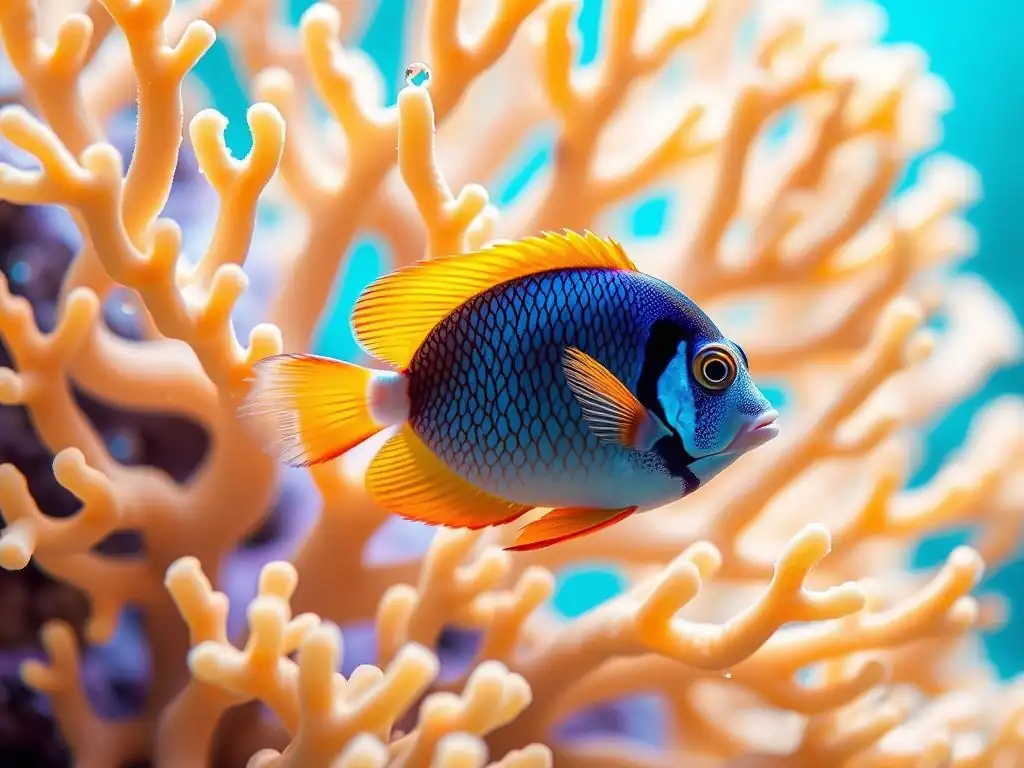
When choosing fish tank mates for Favia fragum, the primary concern is selecting species that are "reef-safe" and will not nip at or consume corals. Many popular reef fish are excellent companions. Examples include:
- Clownfish (Amphiprioninae species): Peaceful and won't bother corals.
- Gobies (e.g., Watchman, Diamond, Yellow Watchman): Generally excellent, often sifting sand or perching on rockwork.
- Blennies (e.g., Lawnmower, Starry): Good for algae control and typically ignore corals.
- Tang (e.g., Yellow, Kole, Purple): Excellent for algae control, but ensure adequate tank size for these larger fish.
- Damsels (e.g., Chromis): Generally peaceful in groups, but some can become aggressive.
Conversely, certain fish species are known coral nippers and should be avoided in a tank with Favia fragum. These include most Angelfish (especially larger species), Butterflyfish (many species are obligate corallivores), and certain Pufferfish or Triggerfish. Even seemingly "reef-safe" individuals can sometimes develop a taste for coral, so always introduce new fish cautiously and monitor their behavior. Proper fish selection is a critical aspect of a comprehensive Favia coral care guide.
Favia fragum vs. Other Favia Species: Distinguishing Characteristics
Comparing Favia fragum to Other Favia Corals
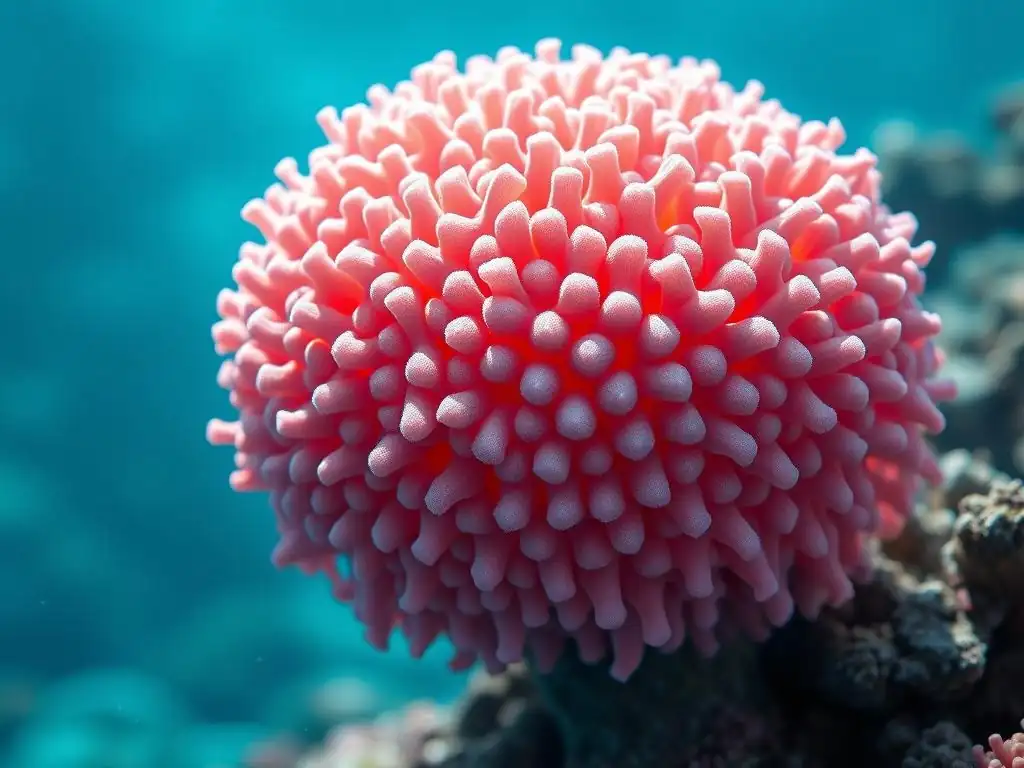
While Favia fragum shares the genus name Favia with many other corals, it possesses distinct characteristics that set it apart. The most notable difference lies in its polyp morphology and colony structure. Favia fragum is characterized by its small, individual, spherical polyps that are clearly separated, resembling numerous miniature golfballs tightly packed together. Each polyp typically has a diameter of less than 1-2 centimeters.
In contrast, many other Favia species, such as Favia speciosa or Favia pallida, exhibit larger, more convoluted polyps that often share a common wall, forming meandroid (brain-like) patterns or angular, irregular shapes rather than distinct spheres. Their polyps are typically larger, often exceeding 2-3 centimeters in diameter, and their septa may be less defined or more fused. This unique "golfball" appearance of Favia fragum is its most distinguishing feature, making it easily identifiable within the Favia genus and simplifying Favia coral care.
Identifying Favia Species: Key Differences
Accurately identifying different Favia species can be challenging, but focusing on key morphological differences beyond just polyp size is helpful. For Favia fragum, the polyps are almost perfectly circular and often protrude slightly from the colony surface, maintaining their individual integrity. The septa within each polyp are usually well-defined and radiate evenly from the central mouth. The coenosteum, the skeletal tissue connecting the polyps, is typically narrow or absent between the distinct polyps.
Other Favia species often display a more integrated colony structure. Their polyps might be more polygonal (hexagonal or pentagonal) due to compression, and the coenosteum can be more prominent, forming distinct grooves or ridges between the polyps. The septa might be more numerous, thicker, or less regularly arranged. While some Favia species also exhibit vibrant colors, the unique "golfball" texture and small, separate polyps are the definitive markers for Favia fragum, aiding in precise Favia coral care and classification.
Purchasing Favia fragum: Selecting Healthy Specimens
Where to Buy Favia fragum: Reputable Sources
When looking to add Favia fragum to your aquarium, sourcing from reputable vendors is paramount to ensure you acquire healthy, disease-free specimens. Local fish stores (LFS) that specialize in saltwater aquariums are often an excellent choice, as they allow you to physically inspect the coral before purchase. A good LFS will have well-maintained tanks, knowledgeable staff, and a clear understanding of Favia coral care.
Online coral vendors are another popular option, offering a wider selection and often competitive pricing. When choosing an online vendor, look for those with strong customer reviews, clear shipping policies (including live arrival guarantees), and detailed photos or videos of their livestock. Participating in local reef club frag swaps or online forums can also connect you with hobbyists selling or trading healthy, often aquacultured, Favia fragum frags, which are typically more robust than wild-caught specimens.
Inspecting Favia fragum Before Purchase: What to Look For
Thoroughly inspecting Favia fragum before purchase is a critical step in ensuring its long-term success in your aquarium. First, observe the coral's overall appearance. Healthy Favia fragum should exhibit vibrant, consistent coloration appropriate for its morph, without any pale or bleached areas. Its polyps should be fully extended and plump, reacting to water flow and light. Retracted or shrunken polyps can indicate stress, disease, or pest infestation.
Carefully examine the coral's base and skeleton for any signs of tissue recession, exposed skeleton, or unusual growths. Look for any visible pests, such as flatworms, nudibranchs, or filamentous algae growing on the coral tissue. Avoid specimens with brown jelly-like substances or fuzzy patches. A healthy Favia fragum should be firmly attached to its frag plug or rock, showing no signs of recent damage or infection. These visual cues are invaluable for informed Favia coral care.
Favia fragum: Frequently Asked Questions (FAQ)
What is the average growth rate of Favia fragum, and how can I encourage faster growth?
Favia fragum is generally considered a slow to moderate-growing LPS coral. Its growth rate can vary significantly depending on environmental conditions, but under optimal care, a healthy colony might grow a few centimeters in diameter per year. Individual polyps will slowly increase in size, and new polyps will bud from the edges of the colony, gradually expanding its footprint. Unlike some faster-growing SPS corals, Favia fragum won't rapidly fill a large section of your tank.
To encourage faster growth, the most effective strategies revolve around providing consistently optimal conditions outlined in this Favia coral care guide. This includes maintaining stable water parameters within ideal ranges (especially alkalinity, calcium, and magnesium), providing moderate and stable lighting (75-150 PAR), ensuring adequate, turbulent water flow to prevent detritus buildup, and consistent supplemental feeding with a varied diet of meaty foods 1-3 times per week. A stable, nutrient-rich environment without significant stressors is key to maximizing its growth potential.
Conclusion: Mastering Favia fragum Coral Care.
Frequently Asked Questions
What is Favia fragum and why is it also called Golfball Coral?
Favia fragum, commonly known as Golfball Coral, is a small, stony coral prized for its unique spherical shape and vibrant colors. The "Golfball" moniker comes from its resemblance to a golf ball due to its rounded form.
What are the essential water parameters for successful Favia fragum care?
Maintaining stable water parameters is crucial for Favia fragum. Aim for a temperature of 72-78°F, salinity of 1.024-1.026, alkalinity of 8-11 dKH, and calcium levels between 400-450 ppm. Regular water changes are also essential.
What kind of lighting and flow do Favia corals need in an aquarium?
Favia corals thrive under moderate lighting, typically provided by LEDs or T5 fluorescent lamps. They also benefit from moderate water flow, which helps to remove waste and deliver nutrients.
What should I feed my Favia fragum coral?
While Favia corals gain energy from photosynthesis, supplemental feeding can enhance their growth and coloration. Target feed them with small meaty foods like microplankton or coral-specific foods 1-2 times per week.
What are some common problems encountered when caring for Favia corals?
Common issues include bleaching due to poor water quality or high light intensity, and tissue recession often caused by parasites or bacterial infections. Regular observation and prompt action are key to addressing these problems.
Final Reflection: The Enduring Beauty of Favia
The intricate details of Favia fragum care, as explored in this guide, are not merely technical instructions; they represent a deeper appreciation for the delicate balance of our marine ecosystems. Understanding and respecting the needs of even the smallest coral, like the Golfball Coral, is crucial in a world facing unprecedented environmental challenges. This knowledge empowers aquarists to become active participants in conservation, fostering a sustainable relationship with the ocean's wonders.
The allure of Favia fragum extends beyond its aesthetic appeal; it's a living testament to the resilience and adaptability of life. Cultivating these corals in our home aquariums allows us to connect with the natural world in a profound way, fostering a sense of responsibility for its preservation. In the end, we will conserve only what we love; we will love only what we understand; and we will understand only what we are taught.
- Baba Dioum. This quote encapsulates the essence of responsible reef keeping: education, understanding, and ultimately, conservation through love.
As you embark on your journey with Favia fragum, or any coral for that matter, remember that you are more than just an aquarist; you are a steward of the reef. Let this guide serve as a foundation for continuous learning and mindful practice. Embrace the challenge, celebrate the successes, and always strive to deepen your understanding of these incredible organisms. The future of our reefs depends on the collective efforts of informed and passionate individuals like you.
Ignite Your Reef Tank: Bring the Golfball Coral to Life!
Thank you for diving into the fascinating world of Favia fragum! We hope this care profile has equipped you with the knowledge to successfully keep these captivating corals. Now, it's time to transform that knowledge into action and watch your reef flourish.
Here are a few steps to get you started:
- Boldly acquire a Favia fragum coral! Visit your local reef store or a reputable online vendor to find a healthy specimen and introduce this vibrant coral to your aquarium.
- Share your newfound Favia fragum expertise! Post photos of your Golfball Coral or tag us on social media, inspiring other reef enthusiasts.
- Delve deeper into reefkeeping! Explore advanced techniques like targeted feeding and water parameter optimization for even greater success.
What unique strategy will you implement to ensure your Favia fragum thrives in your reef tank?