
Fragging Euphyllia: A Practical Guide to Propagating Torch, Hammer & Frogspawn

Welcome to Aquarium Mastery!
Ever wondered how to expand your vibrant coral collection without breaking the bank? Dive into the fascinating world of Euphyllia propagation. This guide unravels the secrets of fragging Torch, Hammer, and Frogspawn corals, providing practical techniques to help you cultivate these stunning LPS corals. Get ready to master the art of coral propagation and unlock a new level of aquarium success!
- Understanding Euphyllia Corals for Successful Propagation
-
Frequently Asked Questions
- What is "fragging" in the context of coral propagation?
- Why would I want to frag my Torch coral (Euphyllia)?
- What tools are recommended for fragging Torch corals?
- What are the key considerations for ensuring successful Torch coral fragging?
- How long does it typically take for a Torch coral frag to heal and start growing?
- Final Reflection: Cultivating Growth and Sharing Beauty
- Unleash Your Inner Reef Builder!
Understanding Euphyllia Corals for Successful Propagation
What are Euphyllia Corals? An Introduction to Torch, Hammer, and Frogspawn
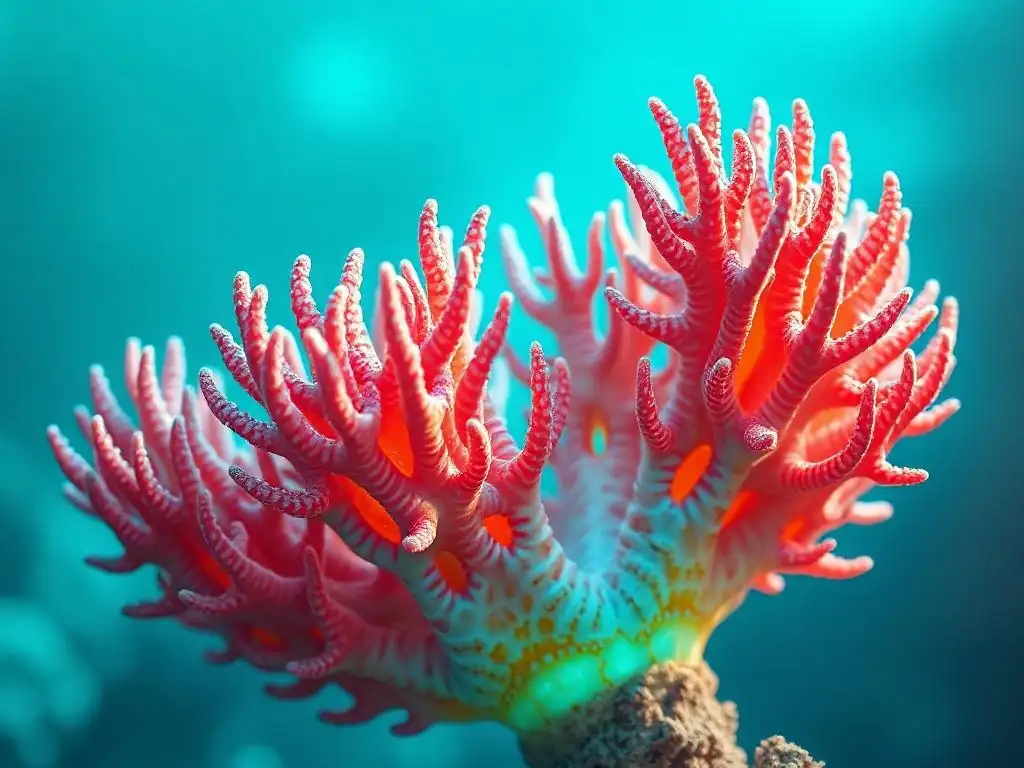
Euphyllia corals are a highly sought-after genus of large polyp stony (LPS) corals, celebrated for their vibrant colors, dynamic movement, and striking beauty in reef aquariums. These corals are primarily photosynthetic, relying on symbiotic zooxanthellae for the majority of their nutritional needs, though they can also capture small food particles from the water column.
Characterized by a solid calcium carbonate skeleton and fleshy polyps that extend significantly, Euphyllia species like Euphyllia glabrescens (Torch coral), Euphyllia ancora (Hammer coral), and Euphyllia divisa (Frogspawn coral) are distinguished by the unique shapes of their tentacle tips. For instance, the Torch coral, a popular subject for Torch coral propagation techniques, features long, flowing tentacles with single, rounded, often contrasting tips, creating a mesmerizing "torch-like" appearance.
Hammer corals, on the other hand, display tentacles that branch into distinctive T-shaped or anchor-shaped tips, providing a more angular, yet equally captivating, aesthetic. Frogspawn corals are easily identified by their multiple, rounded, "bubble-like" tips on each tentacle, resembling frog eggs, which gives them their common name.
Despite their distinct appearances, all Euphyllia species share similar care requirements, thriving in stable reef tank conditions with moderate lighting (typically 75-150 PAR) and gentle to moderate water flow that allows their polyps to extend fully without being constantly battered. Their relatively robust nature and appealing growth forms make them excellent candidates for hobbyist propagation.
Why Propagate Euphyllia? Benefits and Considerations
Propagating Euphyllia corals offers a multitude of benefits for both the individual aquarist and the broader reef-keeping community. Firstly, it provides a sustainable way to acquire new corals without relying solely on wild collection, which can be detrimental to natural reef ecosystems. By fragging existing colonies, hobbyists contribute to aquaculture efforts, reducing pressure on wild populations and promoting ethical practices. Furthermore, propagating corals, especially through effective Torch coral propagation techniques, allows aquarists to expand their own collections cost-effectively. A single healthy colony can yield multiple new frags, transforming a significant initial investment into a continuous source of new specimens.
Beyond sustainability and cost savings, propagation serves as a vital tool for reef tank management. Fragging can help control the size and shape of a growing Euphyllia colony, preventing it from overshadowing or stinging neighboring corals. It also provides an opportunity to prune unhealthy or damaged sections of a coral, promoting overall colony health and vigor.
Moreover, successful propagation gives aquarists a deeper understanding of coral biology and growth, fostering a more intimate connection with their aquatic environment. While the process requires precision and adherence to strict protocols, the rewards, from fostering a thriving, self-sustaining reef to sharing the beauty of these corals with others, are substantial.
Euphyllia Coral Growth Patterns and Fragging Potential
Euphyllia corals exhibit distinct growth patterns that are crucial to understand for successful propagation. Most Euphyllia species, including Torch, Hammer, and Frogspawn, grow in a branching fashion, forming a skeletal structure with multiple heads or "mouths" that can be individually separated. These branches extend outwards from a central base, often calcifying over time to create a dense, interconnected framework.
The natural segmentation of these branches, where each head essentially functions as a semi-independent unit, makes them particularly amenable to fragging. For instance, a mature Torch coral colony might consist of dozens of individual polyps, each with its own oral disc, extending from a shared skeletal structure, making it ideal for Torch coral propagation techniques.
The rate of growth for Euphyllia corals can vary significantly depending on tank conditions, including nutrient levels, lighting intensity, and stability of water parameters. Under optimal conditions, a healthy Euphyllia colony can add several new polyps or "heads" per year, with some reports indicating growth of 1-2 inches in skeletal extension annually in established tanks. This relatively robust growth rate ensures that a single mother colony can provide numerous frags over time without being unduly stressed.
Understanding these growth patterns allows aquarists to identify suitable points for separation, ensuring that both the mother colony and the new frag have the best chance of recovery and continued growth. The presence of distinct septa or skeletal divides between polyps often indicates an ideal cutting point, minimizing damage to the coral tissue.
Frequently Asked Questions
What is "fragging" in the context of coral propagation?
Fragging refers to the process of breaking a larger coral colony into smaller pieces, or frags, to create new, genetically identical coral colonies. It's a common method for coral propagation in the aquarium hobby.
Why would I want to frag my Torch coral (Euphyllia)?
Fragging allows you to multiply your Torch coral stock, share it with others, or even sell frags. It can also be a necessary step if a portion of the coral is damaged or experiencing tissue necrosis.
What tools are recommended for fragging Torch corals?
Essential tools include coral cutters or a bone saw, safety glasses, gloves, and a container of clean saltwater to rinse the fragged pieces. You may also need coral glue or putty.
What are the key considerations for ensuring successful Torch coral fragging?
Maintaining excellent water quality is crucial. Also, ensure the newly fragged pieces are securely attached to a frag plug or rock and placed in an area with appropriate lighting and water flow.
How long does it typically take for a Torch coral frag to heal and start growing?
The healing process can vary, but generally, you should see signs of healing and new growth within a few weeks to a month. Providing stable conditions is key to faster recovery.
Final Reflection: Cultivating Growth and Sharing Beauty
The journey of Torch coral propagation, as explored in this guide, transcends mere technical instruction; it speaks to a deeper connection with the ocean's delicate ecosystems and the responsibility we bear in preserving their beauty. The ability to successfully frag and propagate Euphyllia corals, like the Torch, Hammer, and Frogspawn, empowers aquarists to not only expand their own reef tanks but also contribute to the sustainability of these magnificent creatures in the face of environmental challenges.
This practice has profoundly influenced the reefing community, fostering a culture of sharing and collaboration. The act of fragging, of nurturing a small piece of coral into a thriving colony, mirrors our own capacity for growth and resilience. The best way to find yourself is to lose yourself in the service of others.
This sentiment, often attributed to Mahatma Gandhi, resonates deeply with the spirit of coral propagation, where the dedication to nurturing life ultimately enriches our own understanding and appreciation of the natural world.
As you embark on your own journey of Torch coral propagation, remember that you are not simply growing corals; you are cultivating life, fostering resilience, and contributing to a community dedicated to preserving the wonders of the ocean. Take the knowledge and techniques shared here, experiment, learn, and most importantly, share your successes with others. Let us all strive to be responsible stewards of these magnificent creatures, ensuring their beauty and vitality for generations to come.
Unleash Your Inner Reef Builder!
Thanks for diving into the world of Euphyllia propagation with us! We hope this guide has empowered you with the knowledge to expand your coral collection and share its beauty. Now, let's put that knowledge into action!
Here are a few ways you can continue your Euphyllia journey:
- Schedule Your First Fragging Session: Don't delay! Commit to a date and time to put your newfound knowledge to the test and start growing your own coral garden.
- Join the Aquarium Mastery Community: Share your fragging experiences, ask questions, and connect with fellow reef enthusiasts on our forums. Help others while learning!
- Research advanced coral care techniques: Start learning now, what are the best parameters for new frags?
What Euphyllia species are you most excited to propagate, and what's the first frag you plan to create? Share in the comments!