
Fragging Leather Corals: Techniques for Sarcophyton, Sinularia & More

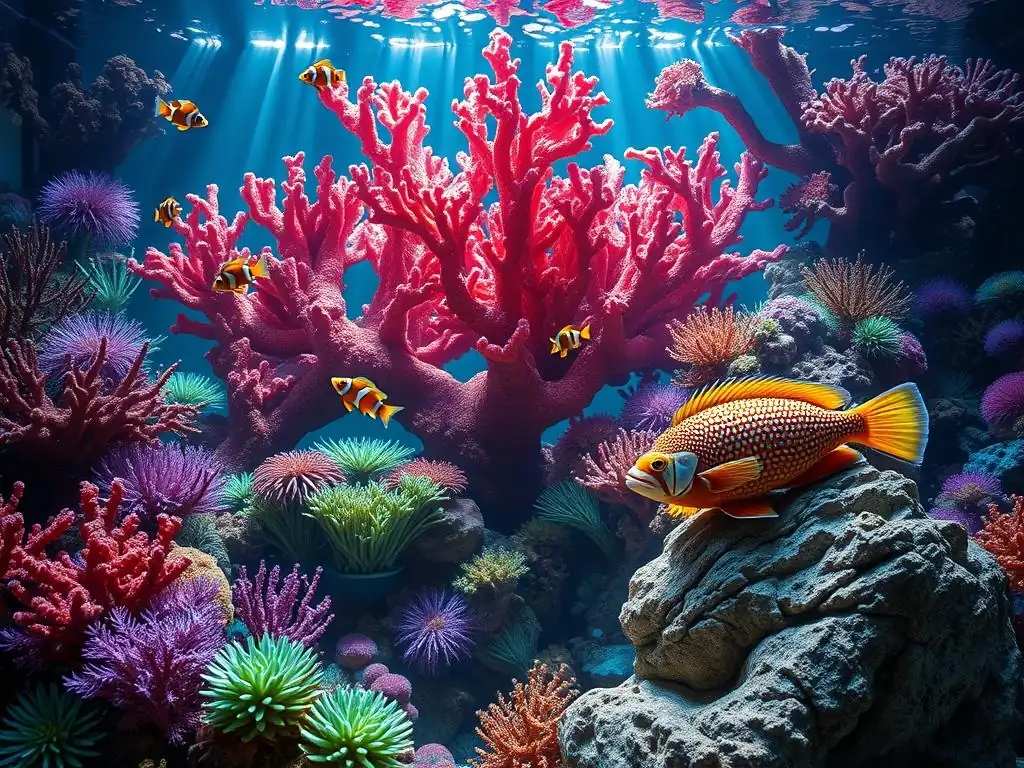
Welcome to Aquarium Mastery!
Ever wondered how to expand your reef with stunning Leather corals without breaking the bank? Dive into our latest article, "Fragging Leather Corals: Techniques for Sarcophyton, Sinularia & More," and unlock the secrets to successful leather coral propagation. From choosing the right tools to mastering the art of the cut, we'll guide you through practical techniques that will have you creating new corals in no time! Intrigued? Read on to discover the ins and outs of nurturing these fascinating soft corals!
- Understanding Leather Coral Propagation
- Leather Coral Propagation Techniques: A Step-by-Step Guide
- Mounting and Securing Leather Coral Frags
- Post-Fragging Care and Acclimation
- Troubleshooting Common Leather Coral Fragging Problems
- Advanced Leather Coral Propagation Techniques
- Leather Coral Propagation: Ethical Considerations
-
Frequently Asked Questions
- How often can I frag a leather coral?
- What tools are needed for successful leather coral propagation?
- What's the best way to attach a leather coral frag to a new base?
- What water parameters are most important for leather coral propagation success?
- How long does it take for a leather coral frag to fully heal and start growing?
- Final Reflection: Cultivating Reef Resilience
- Ignite Your Coral Growth: Frag Like a Pro!
Understanding Leather Coral Propagation
Why Propagate Leather Corals? Benefits and Considerations
Propagating leather corals offers a multitude of benefits for both the individual aquarist and the broader reef-keeping community. Foremost among these is the promotion of sustainable aquaculture, significantly reducing the demand for wild-collected specimens. A single healthy, mature Sarcophyton or Sinularia leather coral, for instance, can yield dozens of viable frags over its lifespan, providing an economical and environmentally friendly way to populate a new tank or share with fellow hobbyists. This practice directly contributes to minimizing the ecological footprint of the hobby and preserving natural reef ecosystems.
Beyond environmental advantages, propagating leather corals is also highly cost-effective. Acquiring tank-raised frags is typically more affordable than purchasing larger, wild-caught colonies, and hobbyists can even generate income by selling their excess frags. However, it's crucial to consider the potential stress on the mother colony, the risk of infection if proper sanitation isn't maintained, and the time commitment required for the frags to heal and grow. While leather corals are generally resilient, improper "leather coral propagation techniques" can lead to tissue damage or even loss of the parent colony or frags.
Leather Coral Anatomy: A Quick Review for Successful Fragging
Understanding the basic anatomy of leather corals is fundamental to successful propagation. Unlike stony corals, which possess a rigid calcium carbonate skeleton, leather corals are soft-bodied, deriving their support from a leathery, rubbery stalk and a capitulum (the polyp-bearing upper disc). This lack of a hard skeleton makes them considerably easier to cut and manipulate during fragging. Their tissues are relatively robust and possess remarkable regenerative capabilities.
This regenerative capacity is a key advantage for "leather coral propagation techniques." Most healthy leather coral species can regenerate a complete new individual from even a small piece of tissue, provided it contains enough viable cells. This means that precise cuts targeting specific growth tips, as is often necessary for SPS corals, are not required. Instead, the focus is on making clean cuts that minimize tissue damage, allowing the coral to heal efficiently and develop into a new, healthy colony.
Essential Tools and Equipment for Fragging Leather Corals
Successful leather coral propagation hinges on using the right tools, primarily focusing on sharpness and sterility to ensure clean cuts and minimize the risk of infection. The most crucial tool is a new, sterile, and extremely sharp cutting instrument such as a surgical scalpel (a #10 or #15 blade is ideal) or a single-edged razor blade. These tools create precise incisions, reducing the trauma to the coral tissue compared to duller instruments. A non-porous cutting surface, such as a dedicated plastic cutting board or a clean glass plate, is also essential to prevent contamination and provide a stable base.
In addition to cutting tools, several auxiliary items are indispensable. Nitrile or latex gloves should always be worn to protect both the aquarist's hands from coral toxins and the coral from skin oils and contaminants. A clean, separate container filled with water from the display tank is needed to hold the coral during the fragging process.
Super glue gel (cyanoacrylate-based, aquarium-safe) is the preferred adhesive for attaching frags to plugs or rubble. Finally, frag plugs or small pieces of inert live rock rubble are necessary substrates for mounting the new frags, providing a stable base for their attachment and growth.
Leather Coral Propagation Techniques: A Step-by-Step Guide
Preparing the Leather Coral for Fragging
Before initiating any "leather coral propagation techniques," it is paramount to ensure the health and stability of the mother colony. The coral should be well-established in the display tank for at least several weeks, showing full polyp extension and no signs of stress or disease. A healthy coral will recover much faster from the fragging process. Approximately 24 hours before fragging, some aquarists opt to reduce feeding for the coral, which can encourage polyp retraction and make the cutting surface clearer and easier to work with.
When ready, gently remove the leather coral from the display tank. If it's attached to live rock, carefully detach it without causing undue damage. Place the coral in a clean, separate container filled with water from the main aquarium. This minimizes thermal shock and stress. Before cutting, it's beneficial to gently rinse the coral with tank water using a turkey baster to remove any loose detritus, algae, or sediment that might interfere with the cutting process or introduce contaminants into the fresh wounds.
Choosing the Right Cutting Location on Your Leather Coral
The choice of cutting location on a leather coral largely depends on its species and overall morphology, but general principles apply to maximize frag viability and minimize harm to the parent colony. For most Sarcophyton (toadstool) and some Sinularia species with broad, disc-like capitula, the ideal cutting location is typically a section of the cap or outer margin. Avoid cutting too deeply into the main stalk if the goal is to preserve the mother colony's overall structure and health.
When performing "leather coral propagation techniques," aim for frag pieces that are robust enough to withstand the healing process. A minimum size of 1 to 2 inches (approximately 2.5 to 5 cm) for a frag is generally recommended, as smaller pieces have fewer energy reserves and a higher susceptibility to stress and infection. For branching Sinularia or finger leathers, selecting healthy, well-developed branches provides excellent fragging opportunities, ensuring each frag has sufficient tissue to regenerate effectively.
Fragging Sarcophyton Leather Corals: A Detailed Approach
Fragging Sarcophyton leather corals, commonly known as toadstool leathers, is one of the most widely practiced "leather coral propagation techniques." The most common method involves taking "pie slices" or wedge-shaped sections from the capitulum (the mushroom-like cap) of the coral. To do this, carefully lay the Sarcophyton on your sterile cutting surface. Using a sharp, sterile scalpel or razor blade, make clean, vertical cuts from the outer edge of the cap towards the center, creating segments. Ensure each segment is at least 1-2 inches wide at its widest point.
After making the cuts, the mother colony will typically retract its polyps and may excrete a protective slime coat, a natural healing response. The newly cut frags will also exhibit this behavior and might curl up. These frags can then be secured to frag plugs or small pieces of live rock.
One effective method is to use a small rubber band to gently hold the frag against the plug until it naturally attaches, which can take anywhere from 2 to 4 weeks. Alternatively, some aquarists use super glue gel, but due to their leathery texture, direct gluing can sometimes be challenging without a strong enough bond.
Fragging Sinularia Leather Corals: Specific Techniques and Tips
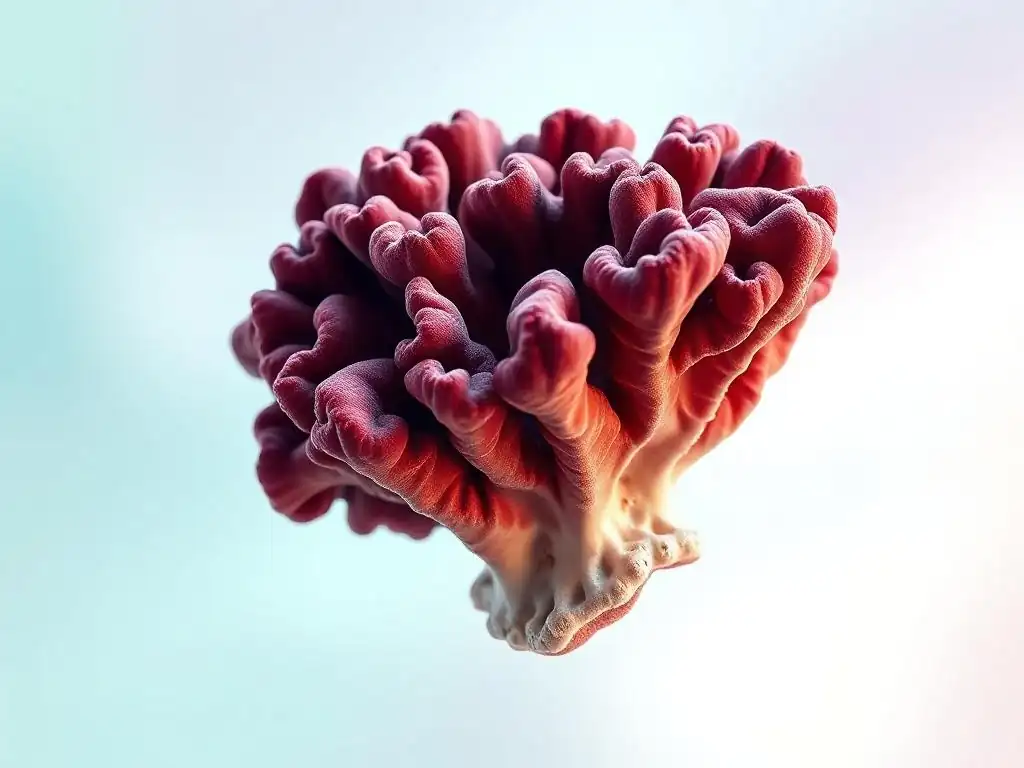
Sinularia leather corals, often referred to as finger leathers or cabbage leathers, exhibit a diverse range of growth forms, which influences the most effective "leather coral propagation techniques." For branching or finger-like Sinularia species, fragging is relatively straightforward: simply snip off a healthy branch or "finger" using a sharp, sterile pair of coral cutters or a scalpel. Ensure the cut is clean and the frag piece is at least 2-3 inches long to provide ample tissue for recovery and growth.
For encrusting or lobed Sinularia varieties, a similar approach to Sarcophyton can be used, where a section of the colony's edge is carefully cut away. Sinularia species are generally quite hardy and tend to heal relatively quickly after fragging, often showing signs of polyp extension and new tissue growth within a week or two. Due to their robust nature, they are excellent candidates for beginners learning "leather coral propagation techniques." Once cut, these frags can be secured to frag plugs using super glue gel or by gently rubber-banding them to a piece of live rock.
Fragging Toadstool and Finger Leather Corals
Toadstool leather corals, primarily Sarcophyton species, are typically propagated using the "pie slice" method as detailed previously. This involves carefully excising wedge-shaped sections from the mushroom-like cap. For larger, more elongated toadstools, it's also possible to take cuttings from the upper part of the stalk, provided the frag piece includes sufficient healthy tissue to regenerate both a new cap and a new base. The key is to make a clean, swift cut to minimize stress and promote rapid healing.
Finger leather corals, often Sinularia species with distinct digit-like projections, are among the easiest soft corals to frag. The most common "leather coral propagation techniques" for these involves simply snipping off individual "fingers" or branches using sharp, sterile scissors or a scalpel. Ensure each frag piece is a few inches long to ensure viability. These frags typically heal well and attach to frag plugs or rock rubble within 2-3 weeks, making them popular choices for those looking to quickly expand their coral collection or share with others.
Mounting and Securing Leather Coral Frags
Preparing Frag Plugs or Rocks for Mounting
Proper preparation of the substrate is a critical step in "leather coral propagation techniques" to ensure successful attachment and long-term health of the frags. Frag plugs, typically made of ceramic or aragonite, should be thoroughly cleaned and, if new, cured in saltwater for several days to a week. This curing process helps leach out any manufacturing residues that could potentially harm the delicate coral tissue. Small pieces of live rock rubble, if used, should also be clean and free of nuisance algae or undesirable organisms that could compete with or irritate the new frag.
For optimal adhesion, it's beneficial to lightly abrade or rough up the surface of the frag plug or rock where the leather coral frag will be attached. This creates a textured surface that allows the adhesive, typically super glue gel, to form a stronger bond with both the frag and the substrate. A clean, rough surface significantly increases the chances of the frag securely attaching, preventing it from being dislodged by water flow or tank inhabitants.
Safe Adhesives for Attaching Leather Coral Frags
When it comes to "leather coral propagation techniques," cyanoacrylate-based super glue gel is the most widely accepted and safest adhesive for attaching frags to plugs or rock. Unlike liquid super glue, the gel consistency provides a thicker, more manageable bond that sets quickly, even underwater. Brands like Loctite Super Glue Gel Control or various aquarium-specific coral glues are highly effective. It's crucial to use a product specifically labeled as safe for aquatic environments or one that is known to be inert once cured.
To apply, place a generous bead of the super glue gel onto the base of the leather coral frag or directly onto the prepared frag plug/rock surface. Then, firmly press the frag onto the substrate for 30 to 60 seconds, either holding it just above the water line or completely submerged.
Ensure good, firm contact between the frag and the adhesive. For larger or more challenging frags, or those with very smooth bases, a small rubber band can be used to gently secure the frag to the plug for several weeks until it naturally adheres, which can sometimes take 4-8 weeks for a truly secure bond.
Optimal Placement of Newly Fragged Leather Corals in the Aquarium
The initial placement of newly fragged leather corals within the aquarium significantly impacts their healing and long-term success. During the immediate post-fragging period, these vulnerable frags benefit most from an area with lower to moderate water flow. Excessive flow can dislodge them before they firmly attach to their substrate, cause physical abrasion, or prevent polyps from extending fully, hindering their ability to feed and photosynthesize. Gentle, indirect flow is ideal for delivering nutrients and preventing detritus buildup without causing stress.
Regarding lighting, newly fragged leather corals should initially be placed in an area receiving moderate light intensity. While leather corals are generally adaptable to various light levels, intense lighting immediately after fragging can be stressful, potentially leading to bleaching or tissue recession as the coral expends energy on healing rather than light acclimation. As the frag heals and shows signs of recovery (e.g., consistent polyp extension), it can be gradually moved to areas with higher flow and light intensity if desired, allowing it to fully acclimate to its optimal long-term position in the reef.
Post-Fragging Care and Acclimation
Water Parameter Stability: Key to Successful Healing
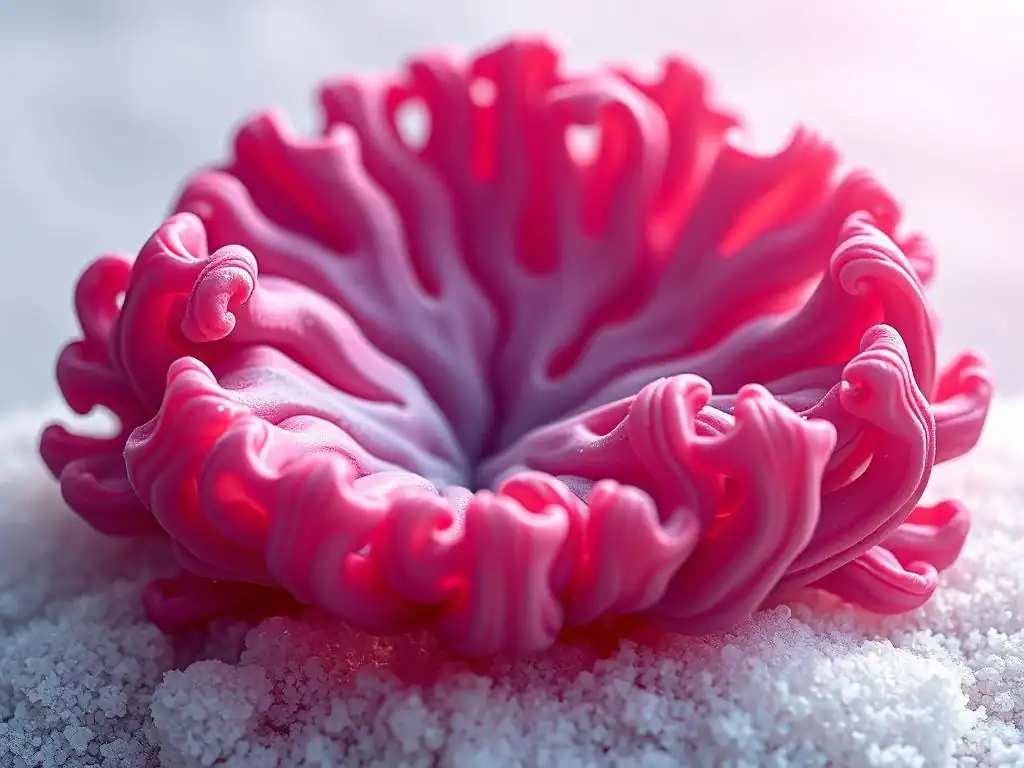
Maintaining pristine and stable water parameters is paramount for the successful healing and growth of newly fragged leather corals. Fluctuations in water chemistry can significantly impede the recovery process, leading to prolonged stress or even frag loss. Ideal parameters include salinity at 1.025-1.026, a stable temperature between 76-78°F (24.4-25.5°C), alkalinity within 8-12 dKH, calcium between 400-450 ppm, and magnesium at 1300-1400 ppm. Consistent parameters minimize the physiological burden on the healing coral, allowing it to dedicate energy to tissue regeneration.
Regular testing of these key parameters, at least weekly, is crucial to identify and correct any deviations promptly. Even minor shifts can prevent the frags from healing optimally. Performing small, consistent water changes (e.g., 10-15% weekly) helps replenish essential trace elements and reduce accumulated nitrates and phosphates, contributing to overall water quality. This proactive approach to water chemistry is a foundational element of effective "leather coral propagation techniques."
Lighting and Flow Considerations for Leather Coral Frags
After being fragged, leather corals are in a vulnerable state, and their initial exposure to lighting and water flow needs careful management. Begin by placing frags under moderate lighting, perhaps at 50-70% of the intensity the mother colony receives. Too much light immediately post-fragging can overwhelm the coral's zooxanthellae, leading to stress, bleaching, or prolonged polyp retraction. Gradually increase light intensity over several weeks as the frag shows signs of recovery, such as consistent polyp extension and healthy coloration.
Water flow is equally important. Newly fragged leather corals require gentle, indirect flow that prevents detritus from settling on the healing tissue and facilitates nutrient exchange, but without being so strong that it dislodges the frag or inhibits polyp extension. Strong, direct flow can physically damage the delicate healing tissue. As the frag heals and attaches more firmly, the flow can be gradually increased to mimic the conditions preferred by the adult colony, typically moderate to strong turbulent flow for optimal growth and health.
Feeding Leather Coral Frags: Supplementing Their Diet
While leather corals primarily derive their nutrition from the photosynthetic activities of their symbiotic zooxanthellae, supplementing their diet with external food sources can significantly accelerate their healing and growth post-fragging. This is especially true as the coral expends considerable energy on tissue regeneration. Although they are often considered non-photosynthetic, many leather corals are facultative feeders, actively capturing small particles from the water column.
Offering small particulate foods a few times a week can provide a beneficial boost. Suitable options include phytoplankton, zooplankton (such as rotifers or copepods), or specialized liquid or powdered coral foods. Target feeding using a pipette or turkey baster ensures the food reaches the frags directly, though broadcast feeding in a mixed reef can also be effective. Some aquarists have reported observing a 15-20% faster growth rate in Sarcophyton frags that received consistent supplemental feeding compared to those relying solely on photosynthesis, highlighting the value of this "leather coral propagation technique."
Monitoring Leather Coral Frag Health: Identifying Potential Issues
Diligent monitoring of newly fragged leather corals is essential for early identification and intervention of potential issues. Healthy frags will typically begin to extend their polyps within a few days to a week after fragging, indicating a successful healing process. Look for signs of robust tissue and vibrant coloration. A deflated appearance, prolonged polyp retraction, sloughing off of outer tissue layers (which can be a natural shedding process but should be monitored for duration and severity), or discoloration are all indicators of potential stress or infection.
Regularly inspect the frags, ideally daily for the first week, then every few days. Pay close attention to the cut edges for any signs of bacterial or fungal growth, such as white, fuzzy patches or brown jelly-like substances. Also, check the frag plug for any nuisance algae growth that could quickly outcompete or smother the small frag. Early detection of issues allows for prompt action, significantly increasing the chances of successful "leather coral propagation techniques."
Troubleshooting Common Leather Coral Fragging Problems
Infection Control: Preventing and Treating Bacterial or Fungal Issues
Infections are a significant concern following "leather coral propagation techniques," as the open wounds created during fragging provide entry points for opportunistic bacteria and fungi. Prevention is key: always use new, sterile cutting tools for each fragging session. After cutting, many aquarists advocate for an iodine dip as a prophylactic measure. A common practice involves dipping the frag for 10-15 minutes in a solution of 1 ml Lugol's iodine per gallon of tank water, ensuring complete coverage of the frag.
If signs of bacterial infection, such as rapid tissue necrosis or the dreaded "brown jelly disease," appear, immediate action is necessary. Remove the infected frag from the display tank to prevent spread. A stronger, but carefully timed, iodine dip (e.g., 2-3 times the prophylactic concentration for 5 minutes) can sometimes halt progression.
In severe cases, a freshwater dip (pH and temperature matched to the tank) for 30-60 seconds can shock and dislodge external pathogens, but this is a very stressful procedure. For persistent infections, antibiotics like Furan-2 can be used in a separate quarantine tank, though this is a last resort due to potential negative impacts on beneficial bacteria.
Addressing Coral Stress: Signs and Solutions
Stress in newly fragged leather corals can manifest in various ways, including prolonged polyp retraction, a "deflated" or shrunken appearance, unusual slime production, or even tissue recession. These signs indicate that the coral is struggling to cope with its new environment or the trauma of fragging. Common causes include unstable water parameters, inappropriate lighting or flow, or aggression from other tank inhabitants.
The first step in addressing coral stress is to meticulously check all water parameters to ensure they are within optimal ranges and stable. If parameters are stable, re-evaluate the frag's placement in the tank. Is the lighting too intense? Is the water flow too strong or too weak? Adjusting these factors can often alleviate stress. Ensure no fish or invertebrates are nipping at or irritating the frag. Sometimes, simply providing a stable, calm environment with minimal disturbance is the best solution, allowing the coral time to recover naturally.
Dealing with Slow Growth in Leather Coral Frags
While leather corals are generally known for their relatively fast growth rates, especially compared to some stony corals, newly fragged individuals may sometimes exhibit disappointingly slow growth. This can be attributed to several factors, including insufficient lighting, inadequate nutrient availability, persistent water parameter instability, or chronic low-level stress. Even though they are photosynthetic, they still require essential nutrients and trace elements to build new tissue.
To optimize growth rates for your leather coral frags, first, reassess their lighting. Are they receiving adequate intensity and spectrum for their species? Consider moving them to a slightly brighter area if current lighting is low. Secondly, ensure consistent water parameters and regular water changes to replenish trace elements like strontium and iodine, which are beneficial for coral health and growth. Supplementing their diet with targeted coral foods, as discussed previously, can also provide the necessary building blocks for accelerated growth. Under ideal conditions, a healthy leather coral frag can often double its size within 3-6 months.
Advanced Leather Coral Propagation Techniques
Using Razor Blades vs. Scalpels for Fragging
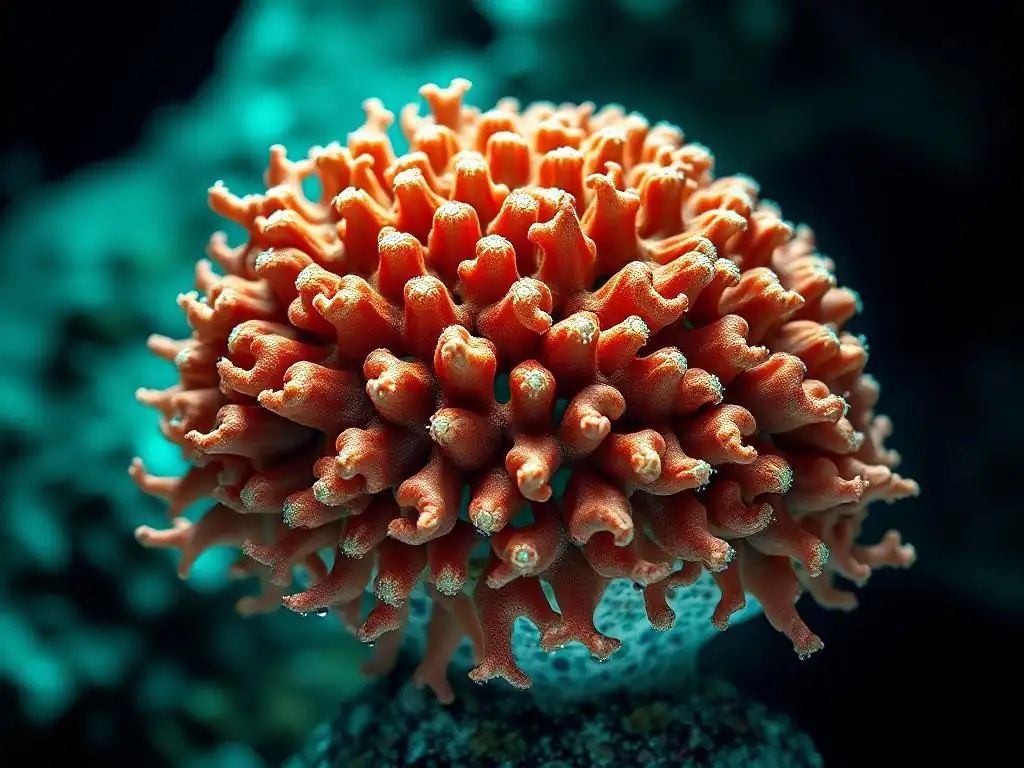
When performing "leather coral propagation techniques," the choice between a razor blade and a surgical scalpel often comes down to personal preference, the specific coral's texture, and the desired precision of the cut. Single-edged razor blades are highly favored for their extreme sharpness and disposability. Their thin profile allows for incredibly clean, swift cuts through the soft, leathery tissue of corals like Sarcophyton or Sinularia, minimizing tissue damage and reducing the risk of infection. Being disposable, they also eliminate the need for sterilization between uses, enhancing biosecurity.
Surgical scalpels, typically a #10 or #15 blade mounted on a handle, offer more control and leverage, particularly useful for larger, thicker leather coral stalks or when making more intricate cuts. While they also provide excellent sharpness, they require thorough sterilization (e.g., with rubbing alcohol or boiling water) between uses to prevent disease transmission. Ultimately, both tools are effective, but many experienced aquarists keep both on hand to suit different fragging scenarios, prioritizing the cleanest possible cut to ensure successful "leather coral propagation techniques."
Iodine Dips for Leather Coral Frags: Benefits and Risks
Iodine dips are a common "leather coral propagation technique" employed immediately after fragging to promote healing and prevent infections. The primary benefit of an iodine dip (typically using Lugol's solution or a similar povidone-iodine product) is its antiseptic property. It helps to sterilize the fresh wounds created during fragging, significantly reducing the chance of opportunistic bacterial or fungal infections that can quickly devastate a new frag. Additionally, an iodine dip can help dislodge external parasites or unwanted hitchhikers that may be present on the coral's surface.
However, it's crucial to understand the risks associated with iodine dips. Overdosing or prolonged exposure can be highly stressful and even toxic to the coral, potentially causing more harm than good. Always follow the manufacturer's specific dilution instructions, which typically range from 1 to 2 drops per cup of tank water for a dip duration of 5 to 10 minutes.
Observe the coral closely during the dip; if it shows extreme signs of distress, remove it immediately. After the dip, thoroughly rinse the frag in clean tank water before introducing it to the display aquarium to remove any residual iodine.
Enhancing Growth Rates with Targeted Feeding
While leather corals are primarily photosynthetic, augmenting their diet with targeted feeding can significantly enhance their growth rates, particularly for newly fragged specimens that are expending energy on healing and regeneration. Zooxanthellae provide the bulk of their energy, but external food sources supply essential fatty acids, proteins, and other nutrients not fully met by photosynthesis alone. This is an advanced aspect of "leather coral propagation techniques" that can yield noticeable results.
To implement targeted feeding, use a turkey baster or pipette to direct specialized coral foods or small zooplankton (like enriched brine shrimp, copepods, or rotifers) towards the polyps of the frags. Feeding 2-3 times per week can provide a substantial boost. For instance, studies and anecdotal evidence suggest that Sarcophyton frags consistently fed a blend of rotifers and copepods can exhibit a 20-30% increase in biomass growth compared to unfed counterparts over a period of several months. This strategic nutritional input helps accelerate the development of robust, healthy new colonies.
Leather Coral Propagation: Ethical Considerations
Sustainable Practices for Reef Keeping
Embracing "leather coral propagation techniques" is a cornerstone of sustainable reef keeping. By propagating corals at home or sourcing them from reputable aquaculture facilities, hobbyists directly contribute to reducing the demand for wild-collected specimens. This practice alleviates pressure on natural reef ecosystems, which are already facing numerous threats from climate change, pollution, and overfishing. Every aquacultured coral frag that thrives in a home aquarium means one less coral taken from the ocean.
Beyond individual tank practices, sustainable reef keeping also involves a broader commitment to conservation. Sharing self-propagated frags with other hobbyists not only builds community but also further reduces the overall demand for wild imports. Educating fellow aquarists about the benefits and methods of "leather coral propagation techniques" fosters a collective movement towards more ethical and environmentally responsible hobby practices, ensuring the long-term health of both our aquariums and the natural reefs.
Responsible Sourcing of Leather Corals
Responsible sourcing is a critical ethical consideration for any aquarist, especially when acquiring new corals. The primary guideline is to always prioritize aquacultured corals over wild-caught specimens whenever possible. Many reputable online vendors and local fish stores now offer a wide selection of tank-raised leather corals, which are often hardier, more accustomed to aquarium conditions, and free of pests or diseases commonly found on wild imports.
When purchasing corals, inquire about their origin. Ask vendors if the corals are aquacultured, maricultured, or wild-caught. A transparent and ethical supplier will be able to provide information about their sourcing practices. Supporting businesses that are committed to sustainable aquaculture and responsible collection methods (if wild-caught is unavoidable for certain species) helps drive the industry towards more environmentally friendly practices. By making informed choices, aquarists play a vital role in promoting the long-term sustainability of the reef-keeping hobby and the protection of global coral reefs.
Frequently Asked Questions
How often can I frag a leather coral?
Leather corals can typically be fragged every 6-12 months, depending on the coral's growth rate and overall health. Avoid fragging too frequently to allow the parent coral to fully recover.
What tools are needed for successful leather coral propagation?
Essential tools include a sharp blade (scalpel or razor), coral cutters, gloves, and a container with clean saltwater. Ensuring tools are sterile is crucial to prevent infections.
What's the best way to attach a leather coral frag to a new base?
Common methods include using coral glue or rubber bands. Secure the frag to a rock or plug and monitor for attachment before placing it in the main tank.
What water parameters are most important for leather coral propagation success?
Maintaining stable water parameters is critical. Ensure proper alkalinity, calcium, and magnesium levels, along with consistent temperature and salinity.
How long does it take for a leather coral frag to fully heal and start growing?
Healing time varies, but generally, it takes 2-4 weeks for the frag to fully heal and begin to show signs of growth. Providing optimal conditions speeds up the process.
Final Reflection: Cultivating Reef Resilience
The journey of leather coral propagation, as explored in this article, extends far beyond the simple act of fragging. It speaks to a deeper understanding of reef ecosystems and our responsibility to preserve their delicate balance. This knowledge, now more accessible than ever, empowers aquarists to actively participate in the conservation of these vital marine organisms.
The ability to propagate leather corals not only allows us to beautify our own aquariums but also contributes to the overall health and resilience of the hobby and potentially, the wild. This connection to something larger than ourselves, the ability to contribute to the preservation of these fascinating creatures, is a profoundly rewarding experience. In the end, we will conserve only what we love; we will love only what we understand; and we will understand only what we are taught.
- Baba Dioum
As you consider the techniques outlined here, remember that you are not just fragging corals; you are cultivating hope. You are nurturing a piece of the ocean, fostering its growth, and sharing its beauty with the world. Embrace the challenge, learn from your experiences, and contribute to the growing body of knowledge surrounding leather coral propagation. The future of our reefs, in many ways, rests in our hands.
Ignite Your Coral Growth: Frag Like a Pro!
Thanks for diving into the world of coral fragging! We hope you've unlocked the secrets to propagating your leather corals and are feeling confident in your newfound skills. Now, let's put that knowledge into action!
Here’s how you can take the next step:
- Boldly attempt your first frag on a fast-growing leather coral like a Sarcophyton to build your confidence. Remember to be precise with your cuts and patient during the healing process.
- Share your fragging journey with fellow reefers! Post photos and tips on aquarium forums or social media using #CoralFraggingMastery to inspire others.
- Instead of discarding the "scraps" from your cuts, experiment with mounting them in different locations in your tank. You might discover a new growth pattern or color variation!
What unique fragging setup are you most excited to try out in your own reef tank?