
Ideal Water Flow for Acans: Keeping Them Happy & Healthy

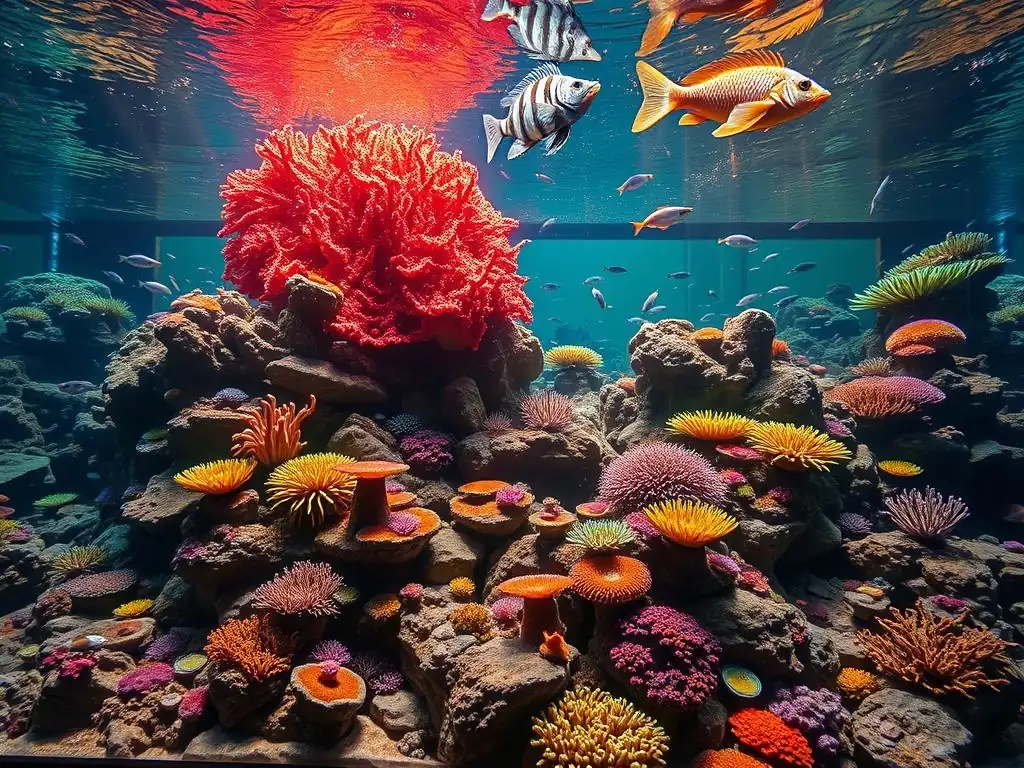
Welcome to Aquarium Mastery, where your underwater dreams come to life! Ever wondered if your Acan coral is truly thriving? Dive into our latest article, "Ideal Water Flow for Acans: Keeping Them Happy & Healthy", and discover the secrets to achieving the perfect Acana coral water flow. Unlock the key to vibrant colors and robust growth – your Acan will thank you! Ready to master the current?
- Ideal Water Flow for Acan Lords: Keeping Them Happy & Healthy
- Understanding Acan Lord Coral and Water Flow Dynamics
- Determining the Right Water Flow for Your Acan Lord Corals
- Factors Influencing Optimal Acan Lord Coral Water Flow
- Achieving Ideal Water Flow: Methods and Techniques
- Maintaining Consistent Water Flow for Long-Term Acan Lord Health
- Troubleshooting Common Water Flow Issues with Acan Lords
- Best Practices for Acan Lord Coral Water Flow Management
- Advanced Techniques for Acan Lord Coral Water Flow
- Conclusion: Mastering Water Flow for Thriving Acan Lord Corals
-
Frequently Asked Questions
- How crucial is water flow for Acan coral health?
- What type of water flow is generally recommended for Acan corals?
- How can I tell if the water flow is too strong for my Acan coral?
- What happens if the water flow is too weak around my Acan coral?
- How often should I adjust the water flow in my Acan coral tank?
- Final Reflection: The Gentle Current of Life
- Ignite Your Acan's Glow: Discover the Perfect Flow!
Ideal Water Flow for Acan Lords: Keeping Them Happy & Healthy
Understanding Acan Lord Coral and Water Flow Dynamics
What are Acan Lord Corals and Why is Water Flow Important?
Acan Lord Corals, scientifically known as Acanthastrea lordhowensis, are highly sought-after Large Polyp Stony (LPS) corals renowned for their vibrant colors and striking patterns. Originating primarily from the Indo-Pacific region, particularly around the Lord Howe Island, these corals are a popular choice for reef aquarists due to their relatively forgiving nature and captivating appearance. They typically thrive in depths ranging from 10 to 30 meters in their natural habitat, where they are often found in areas with moderate, indirect water movement.
The importance of precise water flow for Acan Lords cannot be overstated, as it is a critical factor influencing their overall health, growth, and coloration. Unlike some SPS corals that demand high, turbulent flow, Acan Lords prefer a more gentle, yet consistent, water movement. This specific Acan coral water flow ensures that essential nutrients, including planktonic food and dissolved organic matter, are delivered directly to their polyps, while simultaneously preventing the accumulation of waste products and detritus on their delicate tissues.
The Role of Water Flow in Acan Lord Coral Health
Water flow plays a multifaceted role in maintaining the robust health of Acan Lord corals. Firstly, it facilitates the crucial process of nutrient delivery and waste removal. Adequate water movement ensures that the water surrounding the coral is constantly refreshed, bringing in vital dissolved oxygen for respiration and sweeping away metabolic waste products like mucus and carbon dioxide. Without proper Acan coral water flow, these waste products can accumulate, creating a stagnant boundary layer around the coral that inhibits gas exchange and nutrient uptake, leading to stress and potential tissue degradation.
Secondly, consistent water flow is essential for preventing the settlement of detritus and nuisance algae on the coral's surface. Acan Lords, with their fleshy polyps and relatively flat growth forms, are particularly susceptible to detritus accumulation. If fine particulate matter, such as uneaten food or fish waste, settles on their tissue for extended periods, it can smother the polyps, leading to localized tissue necrosis or creating an environment conducive to bacterial infections.
For instance, a common issue observed in tanks with insufficient Acan coral water flow is the proliferation of brown diatom algae or cyanobacteria patches directly on the coral's surface, indicating a lack of proper circulation to keep the area clean. Studies suggest that detritus accumulation exceeding 0.5 mm in thickness can significantly impede coral health within 48 hours.
Determining the Right Water Flow for Your Acan Lord Corals
Identifying Signs of Insufficient Water Flow in Acan Lords
Recognizing the signs of inadequate Acan coral water flow is crucial for proactive coral care. One of the most common indicators is the visible accumulation of detritus, food particles, or even sand on the coral's polyps. If you observe a fine layer of debris settled on your Acan Lord, and it doesn't easily slough off, it's a strong sign that the flow in that specific area is too low. This can lead to localized tissue recession, where the coral tissue pulls away from its skeleton, often starting from the edges or base.
Another key symptom of insufficient flow is retracted or shriveled polyps, even during periods when they should be fully extended, such as at night or during feeding times. While occasional retraction is normal, persistent retraction across the entire colony, coupled with a dull coloration, suggests the coral is stressed. For example, an Acan placed in a sheltered spot behind a large rock formation might exhibit poor polyp extension and a noticeable build-up of brown detritus on its lower polyps, leading to a gradual loss of color and tissue over several weeks if the flow isn't improved.
Recognizing Symptoms of Excessive Water Flow in Acan Lords
Just as insufficient flow can be detrimental, excessive Acan coral water flow can also cause significant stress and harm. The most immediate sign of too much flow is when the Acan Lord's polyps appear overly retracted, shriveled, or are constantly "blown" back against the skeleton, unable to extend properly. Unlike gentle swaying, polyps under excessive flow will often appear rigidly held back or violently flailing, making it impossible for them to capture food or comfortably photosynthesize.
Prolonged exposure to excessive, direct, or laminar flow can lead to tissue damage, abrasion, and even bleaching. The constant pounding can cause the coral to expend too much energy fighting the current, leading to exhaustion and a diminished ability to perform vital functions. For instance, an Acan placed directly in the path of a powerful, unwavering powerhead might show its polyps tightly closed and its tissue appearing pale or even translucent due to stress-induced bleaching. This type of stress can lead to a 10-20% reduction in polyp extension and overall growth within a short period.
Observing Acan Lord Polyp Extension for Flow Assessment
The most reliable method for assessing optimal Acan coral water flow is through careful observation of your coral's polyp extension and overall behavior. Healthy Acan Lord polyps should appear plump and turgid, gently swaying in the current with a rhythmic, undulating motion. They should not be constantly blasted or completely still. When observing, pay attention to how the polyps respond to the water movement: a gentle, graceful sway indicates ideal conditions, allowing the coral to efficiently filter feed and perform gas exchange.
Conversely, if the polyps are either rigidly retracted for extended periods or violently thrashing in the current, it signals a problem with the Acan coral water flow. It's advisable to observe your Acan Lords at various times of the day, including during their active feeding hours (often after lights out or when food is introduced), to get a complete picture. For example, a well-situated Acan will display full polyp extension within minutes of food being dosed into the tank, demonstrating its comfort and ability to feed effectively in the prevailing flow conditions.
Factors Influencing Optimal Acan Lord Coral Water Flow
Tank Size and Shape Considerations for Acan Lord Flow
The size and shape of your aquarium significantly influence the overall water flow dynamics and, consequently, the optimal placement and intensity of Acan coral water flow devices. Larger tanks, such as those exceeding 100 gallons, typically require multiple powerheads or circulation pumps to ensure widespread and consistent water movement throughout the entire system. A single, powerful pump in a large tank often creates strong localized flow near the output, but leaves vast areas with insufficient circulation, leading to dead spots.
Similarly, the shape of the tank can create unique challenges. Tall or unusually shaped tanks (e.g., L-shaped or hexagonal) can naturally foster areas of stagnant water or unpredictable flow patterns. For instance, a standard 4-foot 75-gallon tank might need 2-3 strategically placed powerheads to achieve the recommended 10-20 times total tank volume turnover per hour in circulation, ensuring that the Acan Lords receive consistent, gentle flow without being directly blasted. Careful planning of equipment placement is essential to counteract these inherent flow challenges.
Impact of Other Tank Inhabitants on Acan Lord Flow Requirements
The presence and placement of other tank inhabitants, including other corals, live rock, and even fish, can significantly affect the localized Acan coral water flow. Densely packed rockwork or large, fast-growing coral colonies (especially SPS corals) can act as physical barriers, creating shadows or diverting water flow away from areas where Acan Lords are placed. This can lead to unexpected dead spots or areas of reduced flow that are detrimental to Acans.
Furthermore, active fish species can stir up detritus from the sandbed or rockwork, which then needs adequate water movement to be carried into filtration rather than settling on corals. For example, a large tang or rabbitfish, while grazing, can dislodge settled detritus. If the Acan coral water flow is insufficient in the area, this detritus will simply resettle on the Acans, necessitating more frequent manual cleaning or adjustments to flow. It's crucial to consider the entire biotope and how individual elements interact to influence the micro-environments within the tank.
Placement of Acan Lords within the Aquarium and Flow
The specific placement of Acan Lords within the aquarium is paramount to ensuring they receive the ideal water flow. Acans generally prefer areas of low to moderate, indirect, and turbulent flow. They should never be placed directly in the path of a strong, laminar (straight-line) current from a powerhead or return nozzle. Such direct impingement can cause severe tissue damage and stress over time, often leading to rapid recession.
Ideal placements often include the lower sections of the rockwork, on the sandbed, or nestled between rocks where the flow is naturally diffused and less intense. Consider how the water moves around the entire aquascape. For instance, placing an Acan on a flat, open area of the sandbed allows gentle, broad flow to wash over it, mimicking their natural reef habitat where they often reside in more sheltered crevices or under overhangs. Observing the gentle sway of the polyps after placement is the best indicator of correct Acan coral water flow.
Achieving Ideal Water Flow: Methods and Techniques
Using Powerheads to Create Adequate Flow for Acan Lords
Powerheads are indispensable tools for creating and directing water flow in a reef aquarium, and they are particularly effective for customizing Acan coral water flow. When selecting powerheads for an Acan-dominant tank, opt for models that offer broad, diffused flow rather than narrow, focused streams. Placement is key: instead of pointing them directly at your Acans, aim powerheads at the tank glass or against rockwork. This strategy allows the water to bounce off surfaces, creating an indirect, randomized flow pattern that is much more beneficial and less stressful for these sensitive LPS corals.
Many modern powerheads come with adjustable flow rates or wave-making capabilities, providing flexibility. For a small to medium-sized tank (e.g., 40-75 gallons), a couple of smaller, controllable powerheads (e.g., 200-500 GPH each) can be strategically positioned to create gentle, sweeping currents across the Acan colonies without causing undue stress. Regularly clean powerheads to maintain their efficiency, as even a slight build-up of detritus or algae on the impeller can reduce their output and alter the intended Acan coral water flow pattern.
Wave Makers: Simulating Natural Reef Conditions for Acan Lords
Wave makers, or oscillating pumps, are excellent for simulating the dynamic and turbulent water movement found in natural reef environments. Unlike constant, unidirectional flow from traditional powerheads, wave makers create alternating or pulsing currents, which are highly beneficial for Acan Lords. This varied Acan coral water flow helps prevent the coral from adapting to a single flow pattern, promotes better gas exchange, and effectively dislodges settled detritus from their polyps.
By setting up two opposing wave makers on a synchronized or alternating cycle, you can create a gentle, surging motion that washes over your Acan colonies from different directions. This mimics the ebb and flow of tides or ocean swells, providing a more natural and less stressful environment. For example, a pair of 750 GPH wave makers in a 60-gallon tank, set to pulse for 30 seconds on and 30 seconds off, can create a highly effective and dynamic Acan coral water flow, encouraging full polyp extension and overall coral vigor.
Return Pumps and Their Role in Acan Lord Coral Flow
While the primary function of a return pump is to circulate water through your filtration system (sump, refugium, reactors), it also contributes to the overall Acan coral water flow within the display tank. However, relying solely on the return pump for all your Acan Lord flow requirements is generally insufficient. Return pumps typically provide a more consistent, often laminar, flow from a single point, which can be too direct or create dead spots elsewhere in the tank.
For instance, a return pump might provide a total tank turnover of 5-10 times the tank volume per hour, which is good for general circulation and filtration. However, Acan Lords often benefit from a total circulation of 10-20 times the tank volume from additional circulation devices like powerheads or wave makers. The return pump serves as the baseline, ensuring water moves through the life support systems, but supplemental devices are almost always necessary to achieve the nuanced and varied Acan coral water flow that these corals truly thrive in.
Adjusting Water Flow for Different Acan Lord Color Variations
While the fundamental requirements for Acan coral water flow remain consistent across all Acanthastrea lordhowensis varieties (low to moderate, indirect, turbulent), some aquarists anecdotally report subtle differences in how various color morphs respond to flow. It's often suggested that very intensely colored or "ultra" morphs, such as those with vibrant reds, oranges, or multi-color patterns, might exhibit slightly better extension or coloration under very slightly varied flow conditions compared to more muted or common varieties.
However, these are subtle observations and not hard rules. The primary determinant of optimal Acan coral water flow for any color variation is always the coral's behavior: plump, extended polyps gently swaying. For example, an "Electric Rainbow Acan" might appear to "pop" more with a slightly more dynamic flow pattern created by a wave maker, whereas a deep "Blood Red Acan" might seem to prefer a consistently gentle, diffused current. Ultimately, continuous observation of your specific colony's response is the best guide, rather than relying on generalizations based on color alone.
Maintaining Consistent Water Flow for Long-Term Acan Lord Health
Regular Monitoring of Water Flow Patterns in Your Acan Lord Tank
Maintaining consistent and appropriate Acan coral water flow requires vigilant, regular monitoring. It's not a set-it-and-forget-it aspect of reef keeping. Daily visual inspections are crucial. Take a few minutes each day to observe your Acan Lord corals: are their polyps fully extended and gently swaying? Is there any detritus settling on their surface or around their base? Are powerheads still positioned correctly and operating at full capacity?
For example, during your daily feeding routine, quickly scan your Acans. If you notice a particular powerhead has shifted its angle due to a fish bumping it, or if it appears to be pushing less water than usual due to a partial clog, immediate adjustment or cleaning is necessary. Ignoring these subtle changes can lead to stressed corals and potential tissue loss over time. Consistent monitoring ensures that the Acan coral water flow remains optimal for long-term health.
Adjusting Flow as Acan Lord Colonies Grow
As your Acan Lord colonies mature and increase in size, their water flow requirements and the surrounding flow dynamics within the aquarium will naturally change. A small frag that thrived in a particular spot might begin to struggle as it grows into a larger colony, as its increased mass can start to obstruct flow or create new areas of reduced circulation around its own base.
It's essential to proactively adjust your flow devices as your Acans grow. For instance, if an Acan colony doubles in diameter from 2 inches to 4 inches, it can reduce localized flow directly behind it by 15-20%, necessitating a slight repositioning of an adjacent powerhead or an increase in its intensity. You might need to add a small, additional powerhead to provide supplemental Acan coral water flow to the new, larger surface area of the coral, ensuring that all polyps continue to receive adequate water movement and remain free of settled detritus.
Preventing Dead Spots and Detritus Build-up Around Acan Lords
Dead spots, areas of stagnant water with little to no flow, are detrimental to Acan Lord corals and are a primary cause of detritus accumulation and subsequent tissue loss. Preventing these areas is a critical aspect of effective Acan coral water flow management. This involves strategic placement of your powerheads and circulation pumps, ensuring that their output covers all areas of the tank without creating direct blasts on sensitive corals.
One effective technique is to use multiple, smaller powerheads rather than a single large one, positioning them to create overlapping and turbulent flow patterns. Regularly rotating the direction of some powerheads or using wave makers can also help by preventing detritus from settling in any one spot. For example, positioning a small, adjustable powerhead to gently sweep over the sandbed near your Acans for 15-30 minutes each day can effectively prevent detritus from building up around their bases, significantly reducing the risk of tissue recession.
Troubleshooting Common Water Flow Issues with Acan Lords
Addressing Algae Growth Due to Inadequate Flow near Acan Lords
One of the most immediate and visible signs of inadequate Acan coral water flow is the proliferation of nuisance algae, particularly brown diatom algae or cyanobacteria, directly on or around the coral. These algae thrive in low-flow, high-nutrient environments where detritus can settle and decompose. If you observe a fuzzy brown or reddish film forming on your Acan's skeleton or polyps, it's a strong indicator that the water movement in that specific area needs improvement.
To address this, first, manually siphon or gently brush off the existing algae from the coral. Then, evaluate your Acan coral water flow. You may need to reposition an existing powerhead to direct more indirect flow towards the affected area, or even add a small, low-flow powerhead specifically to create gentle circulation. While addressing the flow, also check your overall water parameters, as elevated nitrates or phosphates contribute to algae growth. For example, if your nitrates exceed 10 ppm and you have poor flow, you're almost guaranteed to see algae on your Acans.
Managing Sediment Accumulation on Acan Lord Coral Tissue
Sediment accumulation, whether it's fine sand, food particles, or general detritus, is a common issue for Acan Lords, especially if the Acan coral water flow is not optimized. Acans have fleshy polyps that can easily trap these particles, leading to irritation, tissue damage, and potential infection if not removed promptly. Prolonged sediment cover can also block light, inhibiting photosynthesis by their symbiotic zooxanthellae.
If you observe sediment on your Acans, the first step is to gently dislodge it using a turkey baster or a small, dedicated pump to create a localized burst of water. Following this, reassess your water flow strategy. Consider repositioning powerheads to create a more turbulent, sweeping flow over the Acan without directly blasting it.
For instance, angling a powerhead towards the glass or a rock nearby can create a diffused current that gently washes over the coral, keeping its surface clean. Studies indicate that sediment accumulation for more than 24-48 hours can lead to tissue necrosis in sensitive LPS corals like Acans, with a 5-10% increase in tissue loss risk.
Tissue recession, where the coral tissue pulls away from its skeleton, is a serious symptom of stress in Acan Lords, and poor water flow is a frequent culprit. This can stem from either insufficient flow (leading to detritus buildup and starvation) or excessive flow (leading to tissue abrasion and exhaustion). The recession often begins at the base or edges of the colony and can progress rapidly if the underlying issue is not identified and corrected.
When faced with Acan recession, systematically evaluate your Acan coral water flow. First, rule out other common stressors like unstable water parameters (e.g., alkalinity swings, low calcium), disease, or aggression from tank mates. Once these are eliminated, focus on flow.
If detritus is present, increase flow. If polyps are shriveled and blasted, reduce or redirect flow. For example, if an Acan starts receding from its frag plug, and all water parameters (dKH 8.5, Ca 420 ppm, Mg 1320 ppm) are stable, the first adjustment should be to the localized flow around that specific coral to see if the recession halts and tissue regeneration begins.
Best Practices for Acan Lord Coral Water Flow Management
Recommended Water Flow Rates for Acan Lord Species
For Acan Lord corals, the ideal water flow is consistently described as low to moderate, indirect, and turbulent. This translates to a gentle, swaying motion of the polyps rather than a forceful blast. While specific gallons per hour (GPH) rates vary greatly depending on tank size, aquascape, and equipment, a general guideline for overall tank circulation that benefits Acans is a total water turnover of 10 to 20 times the tank volume per hour from circulation pumps (excluding the return pump).
Crucially, this turnover should not be concentrated in one powerful stream but rather distributed broadly across the tank using multiple devices. For instance, in a 75-gallon reef tank, aiming for 750-1500 GPH of circulation from two or three strategically placed powerheads (e.g., two 500 GPH pumps aimed at opposite walls) would be a good starting point. The key is to observe the coral's response: if polyps are fully extended and gently undulating, the Acan coral water flow is likely optimal.
Combining Different Water Flow Devices for Optimal Coverage
Achieving ideal Acan coral water flow often necessitates a combination of different flow devices to create a diverse and beneficial water movement pattern throughout the aquarium. Relying on a single type of pump typically results in areas of high flow and stagnant dead spots. A well-designed flow strategy usually integrates the main return pump, multiple powerheads, and potentially specialized wave makers or gyre pumps.
For example, the return pump provides baseline circulation through the filtration system. Then, two or more powerheads can be positioned to create opposing or oscillating currents, breaking up laminar flow and reaching different sections of the tank. In a 120-gallon tank, one might use a 1500 GPH return pump, complemented by two 1000 GPH adjustable wave makers set on a random or pulsing mode, and a small 300 GPH powerhead specifically angled to provide gentle, diffused Acan coral water flow to a sheltered colony. This layered approach ensures comprehensive water movement, preventing detritus accumulation and promoting overall coral health.
Water Parameter Stability and Its Impact on Flow Effectiveness for Acan Lords
While water flow is a critical environmental factor, its effectiveness in promoting Acan Lord health is significantly enhanced by stable and optimal water parameters. Corals under stress from unstable alkalinity, calcium, magnesium, temperature, or salinity are far more susceptible to the negative impacts of less-than-ideal water flow. A coral that is physiologically stressed will have a reduced capacity to cope with minor flow fluctuations or to recover from any flow-related issues.
Maintaining stable parameters, such as alkalinity (dKH) between 8-10, calcium (Ca) at 400-450 ppm, and magnesium (Mg) at 1300-1350 ppm, provides the necessary building blocks for growth and resilience. For instance, if an Acan Lord is experiencing tissue recession due to slightly high flow, but its alkalinity is also fluctuating widely (e.g., from 7 dKH to 11 dKH), the coral's ability to heal and recover is severely compromised. By ensuring consistent water chemistry, you empower your Acans to fully benefit from optimized Acan coral water flow and thrive.
Advanced Techniques for Acan Lord Coral Water Flow
Using Flow Meters to Measure Water Movement Around Acan Lords
For the truly meticulous aquarist, using a flow meter can provide precise, quantitative data on water movement around Acan Lords. While visual observation is often sufficient, handheld flow meters can measure the actual velocity of water (e.g., in feet per second or centimeters per second) at specific points in the aquarium. This eliminates guesswork and allows for highly precise adjustments to Acan coral water flow.
For example, if an Acan is showing signs of stress, a flow meter can confirm whether the localized flow is too high (e.g., exceeding 1 foot per second) or too low (e.g., below 0.1 feet per second), allowing you to adjust your powerheads with confidence. While not strictly necessary for success, these devices offer an unparalleled level of control and understanding of your tank's hydrodynamics, ensuring your Acan Lords are in their ideal flow "sweet spot."
Utilizing Programmable Wave Makers for Dynamic Flow Patterns
Programmable wave makers represent a significant advancement in achieving dynamic and natural Acan coral water flow. Unlike older models that simply pulsed on and off, modern programmable units allow aquarists to create complex, varied flow patterns throughout the day and night. These patterns can mimic natural reef conditions, such as tidal surges, lagoonal currents, or even random chaotic flow.
By utilizing different modes, such as "nutrient export mode" (stronger, less frequent pulses) or "lagoon mode" (gentle, oscillating flow), you can prevent corals from becoming accustomed to a single flow pattern, which can sometimes lead to reduced polyp extension. For instance, setting a programmable wave maker to cycle through a gentle, broad flow for 18 hours and then a slightly more turbulent, pulsing flow for 6 hours can provide a varied Acan coral water flow that promotes overall vitality and prevents detritus from settling over long periods.
Implementing Gyre Pumps for Broad Water Movement in Acan Lord Tanks
Gyre pumps offer a unique approach to water movement, creating a broad, sheet-like flow rather than a concentrated jet. This makes them particularly effective for large aquariums where broad, consistent Acan coral water flow is desired without creating harsh, direct currents. A single gyre pump, or a pair in opposing directions, can generate significant water movement across the entire length of a tank, minimizing dead spots.
When positioned correctly, gyre pumps can provide the gentle, widespread flow that Acan Lords appreciate, washing over them without causing stress. For example, a gyre pump placed horizontally near the water surface in a 4-foot tank can create a powerful yet diffused flow that covers up to 80% of the tank's length, ensuring excellent overall circulation and preventing detritus buildup throughout the aquascape, benefiting all corals including Acan Lords.
Conclusion: Mastering Water Flow for Thriving Acan Lord Corals
Mastering the art of Acan coral water flow is fundamental to the long-term health and vibrancy of your Acanthastrea lordhowensis colonies. It's a delicate balance, requiring careful observation to find the "sweet spot" where polyps are gently swaying, fully extended, and free from detritus accumulation. Both insufficient and excessive flow can lead to significant stress, tissue recession, and ultimately, the demise of these beautiful LPS corals.
By understanding the critical role of water movement in nutrient delivery, waste removal, and detritus prevention, and by implementing best practices such as using multiple, strategically placed flow devices, regularly monitoring your corals, and making adjustments as colonies grow, you can create an environment where your Acan Lords not only survive but truly thrive. Remember, optimal Acan coral water flow is a dynamic process that requires ongoing attention, but the reward of healthy, colorful, and flourishing Acan Lords is well worth the effort.
Frequently Asked Questions
How crucial is water flow for Acan coral health?
Water flow is extremely crucial for Acans. It helps deliver nutrients and oxygen while removing waste. Insufficient flow can lead to tissue recession and death.
What type of water flow is generally recommended for Acan corals?
Acans prefer moderate, indirect water flow. Direct, strong currents can stress them. Aim for a gentle, turbulent flow that mimics their natural reef environment.
How can I tell if the water flow is too strong for my Acan coral?
Signs of excessive flow include tissue retraction, a deflated appearance, and the Acan not fully extending its polyps. Adjust your powerheads accordingly.
What happens if the water flow is too weak around my Acan coral?
Weak water flow can lead to algae buildup on the coral tissue, hindering nutrient uptake. It can also cause detritus to accumulate, leading to infections.
How often should I adjust the water flow in my Acan coral tank?
Monitor your Acan's health regularly. Adjust water flow as needed based on its appearance and behavior. Regular observation is key to maintaining optimal conditions.
Final Reflection: The Gentle Current of Life
The principles outlined in this article, focusing on achieving ideal water flow for Acan corals, are not merely technical guidelines; they represent a deeper understanding of symbiotic relationships and the delicate balance required for life to flourish. In a world increasingly aware of the fragility of our ecosystems, recognizing the importance of even seemingly small factors, like water movement, in maintaining healthy environments is more crucial than ever.
This exploration of Acan coral care has underscored how profoundly we can impact the lives of other creatures, even those seemingly distant from our daily concerns. My own journey into reef keeping has taught me the patience and observation skills necessary to appreciate the subtle nuances of a thriving ecosystem. In nature, nothing exists alone.
- Rachel Carson. This quote perfectly encapsulates the interconnectedness we must acknowledge when caring for any living organism, especially within the complex microcosm of a reef aquarium.
Now, I invite you to consider the lessons learned about Acan coral water flow and apply them to your own life. Just as these corals thrive with the right current, so too do we all benefit from finding the right rhythm and balance in our own environments. Seek out the gentle currents that nourish your growth, and cultivate the conditions that allow you to flourish, just as we strive to do for these beautiful creatures of the reef.
Ignite Your Acan's Glow: Discover the Perfect Flow!
Thanks for diving into the world of Acan water flow! We hope you've gained a clear understanding of how crucial it is for their health and vibrant colors. Now, let's put that knowledge into action.
Here are a few things you can do right now to ensure your Acans thrive:
- Assess your current flow! Take a close look at how the polyps are behaving. Are they gently swaying, or are they being blasted by the current?
- Share your Acan flow success (or struggles!) with fellow reefers on the Aquarium Mastery forum. Learn from each other's experiences.
- Experiment with different pump placements or wave maker settings. Small adjustments can make a big difference!
What specific adjustments will you make to your Acan's flow this week to see a noticeable improvement in its health and color?