
The Ideal Water Flow for Thriving Mushroom Corals

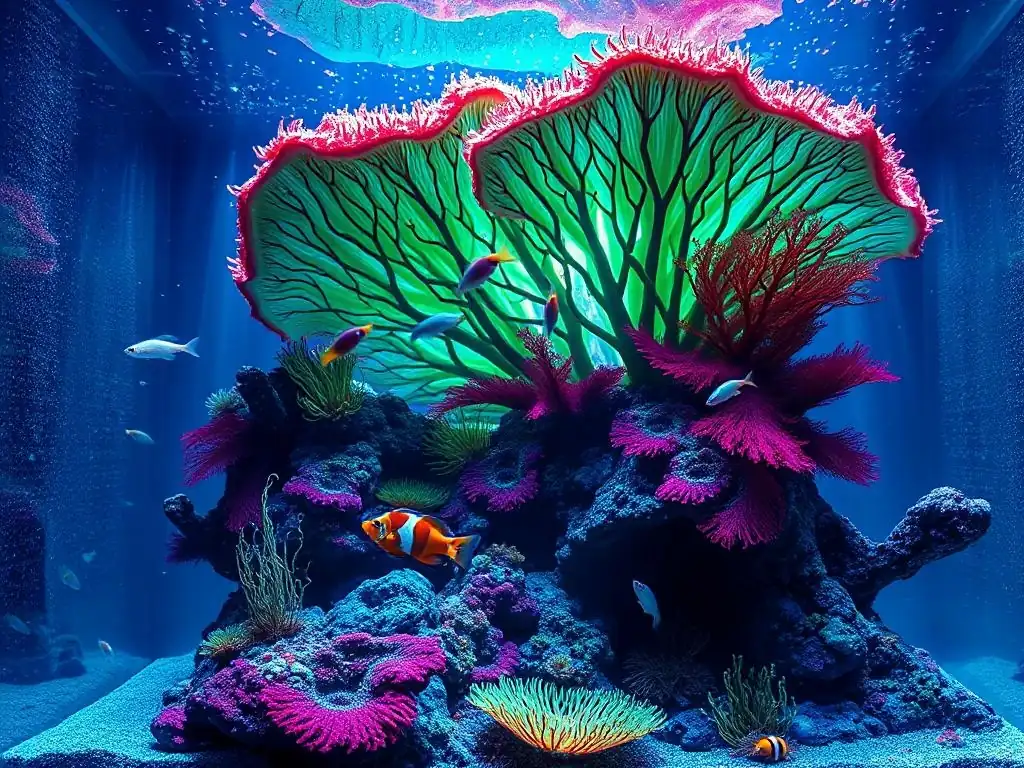
Welcome to Aquarium Mastery! Ever wondered if your mushroom corals are really getting what they need to thrive? Dive in and discover the secrets to achieving the ideal water flow for your mushroom corals. Unlocking the perfect flow could be the key to vibrant colors and healthy growth – let's explore how!
- Optimizing Water Flow for Mushroom Corals
- Understanding Water Flow Needs
- Achieving Optimal Water Flow
- Aquarium Setup for Ideal Water Flow
- Maintaining Consistent Water Flow
- Troubleshooting Flow Issues
- Species-Specific Water Flow Preferences
- Advanced Techniques
- Frequently Asked Questions
- Final Reflection: The Gentle Current of Life
- Cultivate Your Coral Oasis
Optimizing Water Flow for Mushroom Corals
Understanding Water Flow Needs
Importance of Water Flow for Mushroom Corals
Proper water flow is a cornerstone of a thriving reef aquarium, especially for sensitive soft corals like mushroom corals. For these sessile invertebrates, water movement serves as their primary means of nutrient delivery and waste removal. The gentle, consistent mushroom coral water flow ensures a constant supply of dissolved organic matter, microscopic plankton, and other essential nutrients that they absorb directly from the water column. This constant refreshment of the surrounding water is vital for their metabolic processes and overall health.
Beyond nutrient exchange, optimal mushroom coral water flow facilitates crucial gas exchange for the symbiotic zooxanthellae living within the coral's tissues. It ensures that oxygen, a byproduct of photosynthesis, is carried away, and fresh carbon dioxide is brought in for the algae's photosynthetic needs. Without adequate circulation, waste products like mucus and detritus can settle on the coral's surface, leading to tissue irritation, bacterial infections, and ultimately, tissue necrosis. A healthy mushroom coral water flow promotes a clean, robust, and vibrant appearance, allowing these beautiful corals to fully expand and exhibit their natural colors.
Negative Impacts of Insufficient Water Flow
Insufficient water flow is a common stressor for mushroom corals and can lead to a cascade of negative effects. One of the most immediate consequences is the accumulation of detritus and waste products directly on the coral's delicate tissue. This stagnant layer can smother the coral, impede gas exchange, and become a breeding ground for harmful bacteria and nuisance algae. Over time, this often manifests as tissue recession, discoloration, or even complete tissue death, particularly around the edges of the coral.
Furthermore, a lack of proper mushroom coral water flow severely hampers nutrient delivery. Corals in low-flow environments may suffer from nutrient starvation, leading to stunted growth, a deflated appearance, and dull coloration. The essential elements and food particles they rely on simply aren't brought to them in sufficient quantities. Such conditions also make them more susceptible to disease and pest infestations, as their immune systems may be compromised, and their natural defenses, such as mucus expulsion, are less effective without the current to carry the mucus away.
Recognizing Signs of Inadequate Water Flow
Observing your mushroom corals closely can provide clear indicators of inadequate water flow. One of the most common signs is a consistently deflated or shriveled appearance, where the coral does not fully expand to its typical size. Healthy mushroom corals should appear plump and fully inflated, gently swaying with the water current. If they remain tightly closed or significantly reduced in size for extended periods, it often points to a lack of proper mushroom coral water flow.
Another tell-tale sign is the visible accumulation of detritus, food particles, or brown slime on the coral's surface. In a well-circulated tank, these particles should be carried away. If they settle and remain on the mushroom, it indicates that the current is too weak to keep the coral clean. In severe cases, you might notice tissue recession or even patches of white, necrotic tissue where detritus has caused prolonged irritation. These visual cues are crucial for assessing the effectiveness of your mushroom coral water flow and making necessary adjustments.
Achieving Optimal Water Flow
Determining Appropriate Flow Rate
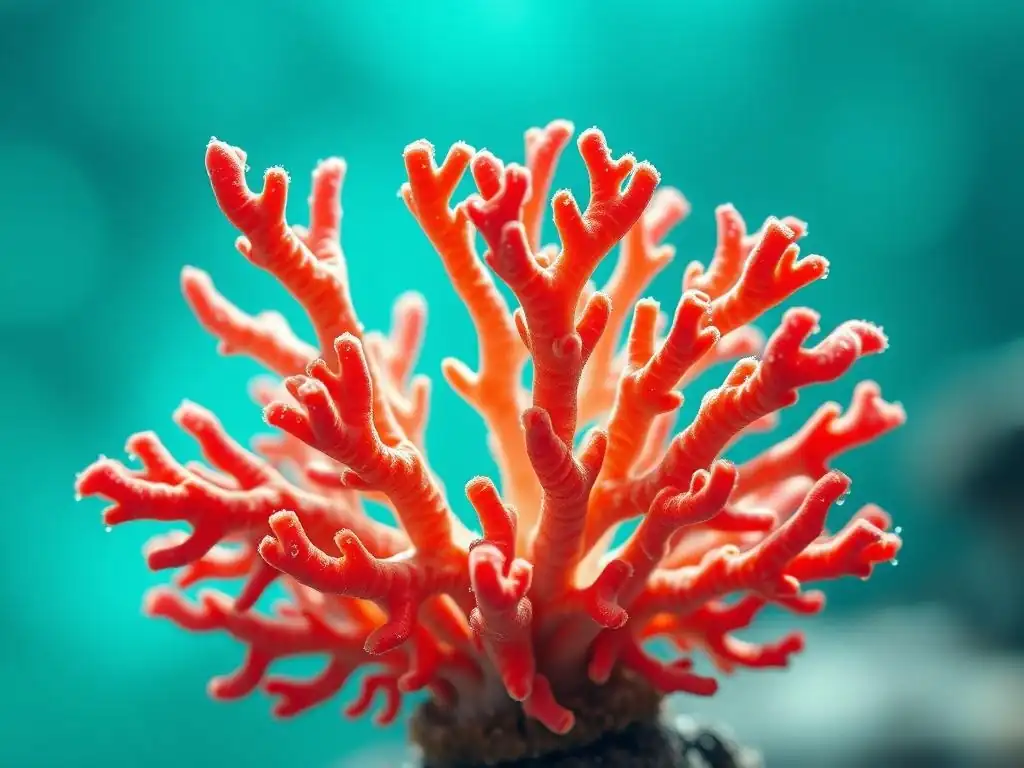
Determining the appropriate flow rate for mushroom corals is more about observation than a precise gallon-per-hour (GPH) number, as tank size, aquascape, and other inhabitants influence the actual flow experience. Generally, mushroom corals thrive in low to moderate, indirect water flow. The goal is to provide enough movement to keep detritus from settling on their surfaces and deliver nutrients without causing them to detach from the rockwork or constantly flap violently. A good starting point might be a total tank turnover of 5-10 times the tank volume per hour, then adjusting specific powerhead placement for mushroom zones.
For instance, in a 40-gallon breeder tank, a combined flow of 200-400 GPH from circulation pumps might be suitable, directed to create gentle, diffused movement rather than a strong, direct current. The ideal mushroom coral water flow will allow the coral's mantle to gently undulate or sway, but not be pushed against the substrate or rockwork. If the coral is constantly being buffeted or is frequently detaching, the flow is too strong. Conversely, if detritus builds up on its surface, the flow is insufficient.
Laminar vs. Turbulent Flow
Understanding the difference between laminar and turbulent flow is crucial for optimizing water movement in a reef tank, especially for mushroom corals. Laminar flow is a smooth, unidirectional current, often created by a single, powerful pump aimed directly at a specific area. While it might seem efficient, laminar flow can create "dead spots" or areas of very low flow behind obstacles or corals, where detritus can accumulate and nutrient exchange is poor. It's generally less desirable for most corals, including mushrooms.
Turbulent flow, on the other hand, is chaotic, multidirectional, and mimics the natural, random currents found on a reef. This type of flow ensures that water reaches all parts of the coral, preventing dead spots and promoting comprehensive nutrient delivery and waste removal. For mushroom coral water flow, turbulent flow is preferred, but it must be gentle. This is typically achieved by using multiple smaller powerheads, wavemakers, or gyre pumps set to low outputs, positioned to create intersecting currents that gently swirl water around the corals without directly blasting them.
Utilizing Wave Makers and Powerheads
Wave makers and powerheads are indispensable tools for creating the ideal mushroom coral water flow. For these soft corals, it's generally best to use wide-angle powerheads or oscillating wavemakers that produce a broad, diffused current rather than a narrow, high-velocity jet. Placing powerheads strategically, often pointed towards the back glass or rockwork, allows the flow to bounce off surfaces and dissipate, creating indirect, gentle turbulence that mushroom corals appreciate.
Consider using two smaller powerheads (e.g., two 200 GPH pumps for a 20-gallon tank) positioned on opposite sides of the tank, slightly angled, instead of one large 400 GPH pump. This setup provides more even distribution and creates a more natural, varied mushroom coral water flow. Many modern powerheads offer adjustable flow rates or random flow patterns, which are excellent for mimicking natural reef conditions and preventing constant, monotonous currents that can stress mushrooms. Utilizing these features allows for fine-tuning the environment to suit the specific needs of your mushroom corals.
Aquarium Setup for Ideal Water Flow
Coral Placement in Relation to Flow
Strategic placement of mushroom corals within the aquarium is paramount to ensuring they receive optimal water flow. Given their preference for low to moderate, indirect flow, mushroom corals should typically be placed in areas of the tank where the water movement is naturally calmer. This often means lower down in the aquascape, on the sand bed, or tucked into crevices and behind larger rock structures that can break up stronger currents.
Avoid positioning mushroom corals directly in the path of a powerhead's output or in areas where the main display pump's return creates a strong, consistent current. Instead, look for spots where the water gently swirls or eddies. For example, placing them on a flat rock at the bottom of the tank, slightly shaded by an overhang, can provide an excellent low-flow zone.
Ensuring adequate space around each mushroom also prevents them from being constantly buffeted by flow against other corals or the glass, which can lead to stress and detachment. Proper mushroom coral water flow is as much about location as it is about equipment.
Selecting Suitable Equipment
Choosing the right equipment is critical for establishing and maintaining the ideal mushroom coral water flow. Opt for powerheads or wavemakers that offer broad, diffused flow rather than narrow, powerful jets. Brands like EcoTech Marine Vortech MP10 or MP40 (on very low settings or "nutrient transport mode") or various models from Tunze or Jebao with wide-angle outputs are popular choices. DC (direct current) pumps are particularly beneficial as they allow for precise control over flow speed, enabling you to dial in the exact gentle mushroom coral water flow required.
For a tank up to 50 gallons dedicated primarily to soft corals, two adjustable DC powerheads, each capable of 300-500 GPH but run at 20-40% capacity, would be more effective than a single high-output pump. Look for pumps with magnetic mounts for easy repositioning and cleaning. Consider models with built-in controllers that offer various flow patterns, such as pulsing or random modes, which can simulate more natural reef conditions and prevent stagnant areas without overwhelming the mushrooms.
Optimizing Flow Patterns for Diverse Reef Tanks
In a mixed reef tank housing various coral types with differing flow requirements (e.g., SPS corals needing high flow, LPS corals needing moderate flow, and mushroom corals needing low flow), optimizing flow patterns becomes an art. The key is to create distinct flow zones within the same aquarium. This can be achieved through careful aquascaping and the strategic placement of multiple pumps.
Design your rockwork to create natural barriers, caves, and overhangs that naturally diffuse or redirect water currents. Position higher-flow pumps (e.g., 800-1000 GPH for an SPS zone) at the top or in open areas, directing their flow to avoid the mushroom zones. Then, use smaller, adjustable powerheads (e.g., 100-200 GPH) or redirect the flow from the main pumps to create gentler, indirect mushroom coral water flow in specific areas. Utilizing pumps with random flow or gyre modes can help create a dynamic environment where all inhabitants receive their preferred flow while preventing dead spots or areas of excessive turbulence.
Maintaining Consistent Water Flow
Equipment Maintenance
Consistent water flow, particularly the gentle mushroom coral water flow they prefer, relies heavily on diligent equipment maintenance. Powerheads and wavemakers are susceptible to buildup from calcium deposits, algae, and detritus, which can significantly reduce their efficiency and output over time. It is crucial to regularly clean these devices, typically every 1-3 months, depending on the tank's bioload and calcium levels.
To clean, simply remove the powerheads from the tank and soak them in a solution of vinegar and water (e.g., 1 part vinegar to 1 part water) for several hours or overnight. This effectively dissolves calcium and loosens organic matter. Afterward, use a small brush (like a toothbrush or pipe cleaner) to gently scrub the impeller, volute, and housing, ensuring all moving parts are free of debris. Reassemble and test before reintroducing to the tank. This routine prevents sudden drops in mushroom coral water flow and extends the lifespan of your equipment.
Monitoring Flow
Regular monitoring of your aquarium's water flow is an ongoing task that ensures the well-being of your mushroom corals. Beyond checking equipment, visually assess your corals daily for signs of stress related to flow. Are they fully expanded? Is there any detritus accumulating on their surfaces? Do they appear to be gently swaying, or are they constantly being pushed around, or conversely, completely still?
Observe the movement of small particles (like leftover food or detritus) in the water column to identify any stagnant areas or "dead spots" within the tank. Pay particular attention to the areas immediately surrounding your mushroom corals. If you notice detritus settling on the sand bed or rockwork in specific spots, it's an indication that the mushroom coral water flow in that area is insufficient. Consistent observation allows for early detection of issues, enabling timely adjustments to maintain optimal conditions.
Adjusting Flow as Corals Grow
The dynamic nature of a reef tank means that water flow is not a set-it-and-forget-it parameter; it requires ongoing adjustment as your corals grow and the aquascape evolves. As mushroom corals increase in size, their surface area exposed to the current changes, and they might require slightly different flow patterns to remain clean and healthy. Similarly, other corals in the tank, as they grow, can alter existing flow paths, creating new areas of high or low flow.
Be prepared to reposition powerheads, adjust their output settings, or even add/remove circulation pumps as your reef matures. For instance, a larger colony of SPS corals might start blocking flow to a mushroom colony, necessitating a small, additional powerhead to provide gentle mushroom coral water flow to that specific spot. Periodically reassessing the overall tank's flow dynamics and making minor tweaks is essential to ensure all inhabitants continue to thrive in their ideal conditions.
Troubleshooting Flow Issues
Addressing Dead Spots
Dead spots, areas of inadequate water circulation, are common issues in reef tanks and can be particularly detrimental to mushroom corals. They are often identified by the accumulation of detritus, uneaten food, or nuisance algae (like cyanobacteria) on the substrate or rockwork. To address dead spots, begin by visually mapping the flow patterns in your tank. Observe how water moves around your aquascape and identify where flow seems to diminish.
The most effective solution is often to reposition existing powerheads or add a small, targeted powerhead to create movement in the stagnant area. Aim the new or repositioned pump towards the dead spot, but ensure the flow is indirect and diffused, especially if mushroom corals are nearby. Sometimes, simply rotating a powerhead slightly or adjusting its angle by just a few degrees can redirect the flow and eliminate the dead spot, restoring optimal mushroom coral water flow throughout the tank.
Protecting Corals from Excessive Flow
While often discussed in the context of insufficient flow, excessive water flow can be equally, if not more, damaging to mushroom corals. Signs of excessive flow include mushroom corals constantly deflated, tightly curled, or even detaching from their substrate and rolling around the tank. They may also appear stressed, bleached, or develop tears in their tissue from constant buffeting.
To protect them, first, try reducing the output of nearby powerheads if they are adjustable. If not, redirect the flow away from the mushroom coral – perhaps aiming the powerhead towards the glass or rockwork to diffuse the current before it reaches the coral.
Alternatively, you can place the mushroom coral in a naturally calmer area of the tank, such as behind a larger piece of rockwork, in a crevice, or in a lower-flow zone on the sand bed. Sometimes, simply adding a flow diffuser or a piece of egg crate can help break up and soften the mushroom coral water flow in a specific area.
Preventing Algae Buildup
Algae buildup, particularly nuisance algae like diatoms or cyanobacteria, often correlates with inadequate water flow and detritus accumulation. When water is stagnant, detritus settles, decomposes, and releases nutrients that fuel opportunistic algae growth. Mushroom corals themselves can become targets for algae if they are covered in slime or detritus due to poor circulation.
To prevent algae buildup driven by flow issues, ensure your mushroom coral water flow is sufficient to keep detritus suspended and prevent it from settling on corals or substrate. Regularly clean powerheads to maintain their full output. Consider adding small, strategically placed powerheads in areas prone to detritus collection. Combine good flow with overall nutrient control (e.g., regular water changes, proper feeding, effective filtration) to create an environment where nuisance algae struggles to thrive, allowing your mushroom corals to remain clean and healthy.
Species-Specific Water Flow Preferences
Water Flow for Discosoma Mushroom Corals
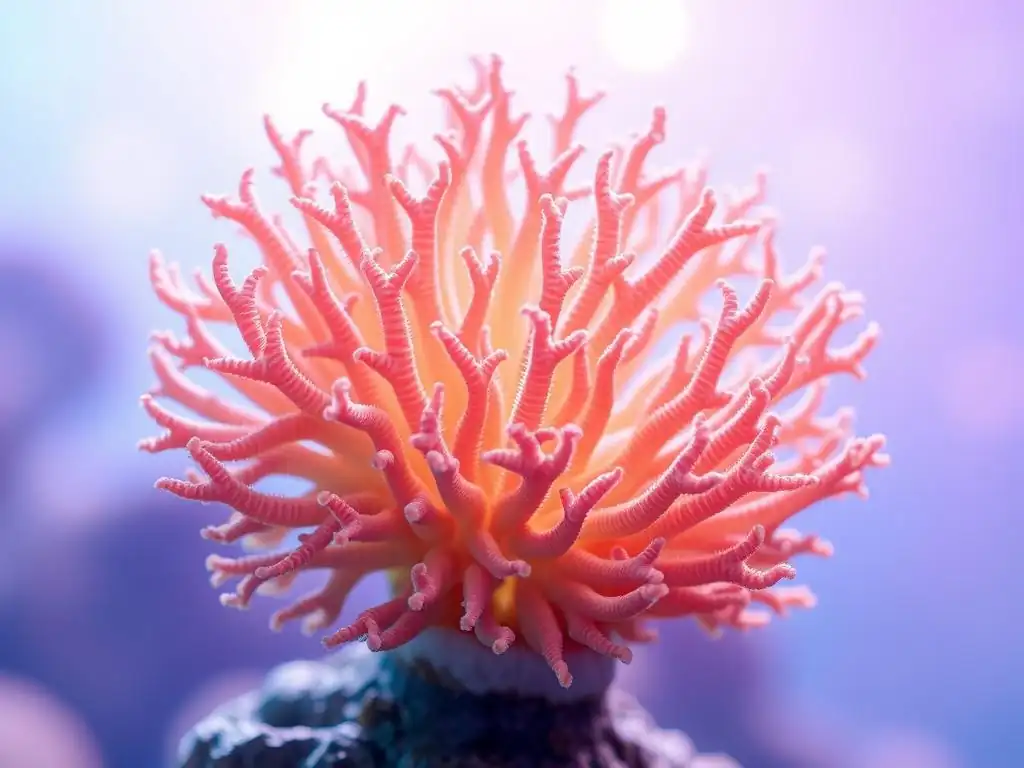
Discosoma mushroom corals, often recognized by their smooth, sometimes bumpy, and typically vibrant coloration (e.g., blue, red, green, or speckled varieties), are among the most tolerant of low water flow conditions. They naturally inhabit calmer, often shaded areas of the reef. For these species, the ideal mushroom coral water flow is very low to barely perceptible.
Too much flow can cause Discosoma mushrooms to curl up, remain deflated, or even detach from their substrate. They prefer a gentle, indirect current that is just enough to prevent detritus from settling on their surfaces and to facilitate nutrient exchange, without causing constant movement or stress. Aim for an area where the water gently swirls around them, allowing their mantle to fully expand and appear plump. They often thrive on the sand bed or on lower rockwork in quiet zones.
Water Flow for Rhodactis Mushroom Corals
Rhodactis mushroom corals, distinguished by their textured surfaces, often with "hairs" or prominent vesicles (like the popular "bounce mushrooms"), also prefer low to moderate water flow, similar to Discosoma. However, due to their more textured surface, they might benefit from slightly more gentle water movement to prevent detritus from getting trapped within their folds or "hairs."
The ideal mushroom coral water flow for Rhodactis should be indirect and provide a gentle, turbulent current that causes their tentacles or vesicles to sway softly. It should not be strong enough to flatten their texture or cause them to constantly retract. If detritus is visibly accumulating on their surface, the flow is likely insufficient. They thrive in areas that receive diffused flow, perhaps from a powerhead aimed at the glass, creating a gentle eddy around them.
Adapting Flow for Multiple Species
When housing multiple species of mushroom corals, or mushroom corals alongside other soft or LPS corals, adapting the flow becomes a strategic challenge. The key is to create micro-environments within the tank that cater to the varying flow preferences. For instance, place your Discosoma mushrooms in the absolute lowest flow areas, possibly behind larger rocks or on the sand bed where current naturally dissipates.
For Rhodactis species, slightly elevate them or place them in areas that receive a touch more diffused flow, perhaps from a powerhead angled to create a gentle, indirect current that just brushes over them. Use multiple, smaller, adjustable powerheads rather than one large one. This allows for precise control over flow intensity in different zones. Strategic aquascaping, creating natural barriers and channels, also helps in achieving distinct mushroom coral water flow zones, ensuring all your diverse corals can thrive.
Advanced Techniques
Utilizing Flow Accelerators
While not typically applied directly to mushroom corals due to their low-flow preference, flow accelerators can be valuable tools in a mixed reef tank to fine-tune overall water movement and indirectly benefit mushroom coral water flow. These devices are often specialized nozzles or attachments for powerheads that can increase the velocity of water flow, broaden its spread, or direct it more precisely.
For example, if you have a higher-flow zone for SPS corals, a flow accelerator on a powerhead might help to create a more effective, directed current there, which in turn can push water into lower-flow areas for mushrooms without directly blasting them. Or, an accelerator might be used to create a wider, more diffused flow from a pump aimed at the glass, allowing the indirect current to gently wash over mushroom colonies. They offer another layer of customization for achieving complex and varied flow patterns throughout the aquarium.
Implementing Reef Tank Controllers
Implementing a reef tank controller represents a significant leap in precision and automation for managing mushroom coral water flow. Advanced controllers like Neptune Systems Apex, GHL Profilux, or EcoTech Marine Mobius allow aquarists to program intricate flow patterns, including pulsing, random, or wave modes, and even integrate light cycles or feeding routines.
With a controller, you can set specific powerheads to run at different intensities during various times of the day, mimicking natural tidal currents or wave action. For mushroom corals, this means you can program very gentle, random flow during the day and even reduce it further at night. You can also create "feeding modes" that temporarily turn off or reduce flow, preventing food from being immediately swept away. This level of control ensures consistent, dynamic, and ideal mushroom coral water flow, minimizing stress and maximizing health.
Creating Natural Flow Zones
Creating natural flow zones within your aquarium is an advanced aquascaping technique that significantly contributes to the overall success of a diverse reef tank, including areas optimized for mushroom coral water flow. Instead of relying solely on equipment to dictate flow, design your live rock structure to naturally create varied current patterns.
Build overhangs, caves, and channels that naturally diffuse strong currents and create quieter eddies and calmer areas. For example, a large, porous rock structure can break up a strong powerhead output, creating a downstream area of reduced, turbulent flow perfect for mushroom corals. Using multiple smaller pieces of rock to form shelves and crevices also helps in directing and dissipating flow.
The goal is to mimic the complex and diverse flow environments found on natural reefs, where different organisms thrive in their preferred microhabitats. This thoughtful aquascaping ensures that every coral, from high-flow SPS to low-flow mushrooms, receives its optimal water movement.
Frequently Asked Questions
What is the ideal water flow for mushroom corals?
Mushroom corals generally prefer low to moderate water flow. Strong currents can stress them, causing them to retract and potentially detach from their substrate.
Why is proper water flow important for mushroom corals?
Good water flow helps to remove waste, deliver nutrients, and prevent the buildup of detritus on the coral's surface. This promotes healthy growth and vibrant color.
How can I tell if the water flow is too strong for my mushroom corals?
Signs of excessive flow include the coral constantly retracting, becoming pale, or even detaching from its rock. Monitor your corals closely for these indicators.
What type of water flow devices are best for mushroom corals?
Powerheads with adjustable flow rates or wave makers set to gentle patterns are ideal. Aim for random, indirect flow rather than a direct blast.
Can insufficient water flow harm mushroom corals?
Yes, stagnant water can lead to algae growth, detritus accumulation, and poor oxygenation, all of which can negatively impact mushroom coral health and even lead to tissue necrosis.
Final Reflection: The Gentle Current of Life
The intricacies of maintaining a thriving reef aquarium are often hidden in the details, and as we've explored, the ideal water flow for mushroom corals is far more than just a technical specification; it's a vital life force. Understanding and replicating the gentle, yet consistent, currents of their natural environment is paramount to their health, growth, and vibrant coloration. Neglecting this crucial aspect can lead to stagnation, disease, and ultimately, the loss of these captivating creatures.
This delicate balance between stagnation and overwhelming force has profoundly shaped my understanding of reefkeeping. It's a constant reminder that even the smallest adjustments can have a significant impact on the delicate ecosystem we strive to create. The sea, once it casts its spell, holds one in its net of wonder forever.
- Jacques Cousteau. This quote perfectly encapsulates the allure of reefkeeping and the responsibility we bear to understand and protect the life within our tanks. The health of our mushroom corals, and indeed the entire reef, depends on our dedication to replicating the natural rhythms of the ocean.
Now, as you consider the information presented, I encourage you to reflect on your own approach to reefkeeping. Are you truly providing the optimal environment for your mushroom corals to flourish? Take a moment to assess your water flow, observe your corals' behavior, and consider the subtle nuances that can make all the difference. Embrace the challenge of mastering the gentle current, and you'll be rewarded with a vibrant and thriving reef that reflects your dedication and understanding.
Cultivate Your Coral Oasis
Thanks for exploring the secrets to optimal mushroom coral growth! Now that you're armed with the knowledge of ideal water flow, it's time to transform your reef tank into a thriving underwater garden. Here’s how to put your newfound expertise into action:
- Prioritize precise water flow adjustment. Use your newfound understanding to fine-tune the flow around your mushroom corals, ensuring gentle yet consistent movement. Observe their reaction closely – are they expanding fully and displaying vibrant colors? This is your best indicator of success!
- Share your success (and struggles!) by posting photos and flow tips on Aquarium Mastery's forum. Help others learn and grow!
- Explore additional articles on AquariumMastery.com to dive deeper into coral care. Consider unusual coral pairing techniques to really test your skills!
What adjustments are you most excited to make to your tank's flow, and what results are you hoping to see first?