
Seriatopora Pests & Diseases: Keeping Your Birdsnest Colonies Healthy and Vigorous

Welcome to Aquarium Mastery!
Ever wondered how to keep your delicate Seriatopora colonies thriving and free from pesky invaders? Discover the secrets to identifying, treating, and preventing common Seriatopora pests and diseases in our comprehensive guide, " Seriatopora Pests & Diseases: Keeping Your Birdsnest Colonies Healthy and Vigorous." Dive in to unlock the knowledge you need to ensure your birdsnest corals flourish!
- Understanding Seriatopora Health: An Overview of Birdsnest Coral Care
- Common Seriatopora Pests and Their Impact
- Seriatopora Diseases: Identification and Treatment
- Seriatopora Pests Diseases Treatment: A Proactive Approach
- Preventing Seriatopora Pests and Diseases: Best Practices
- Seriatopora Recovery: Rehabilitation After Pest or Disease Outbreaks
-
Frequently Asked Questions
- How can I identify common pests affecting Seriatopora corals?
- What are the most prevalent diseases that impact Seriatopora corals?
- What are the initial steps I should take if I suspect my Seriatopora colony is infected?
- What are some effective treatment options for Seriatopora coral diseases?
- How can I prevent pests and diseases from affecting my Seriatopora corals in the first place?
- Final Reflection: Safeguarding the Delicate Beauty of Seriatopora
- Ignite Your Reef: Nurture a Thriving Seriatopora!
Understanding Seriatopora Health: An Overview of Birdsnest Coral Care
Identifying Healthy Seriatopora Coral: Key Indicators
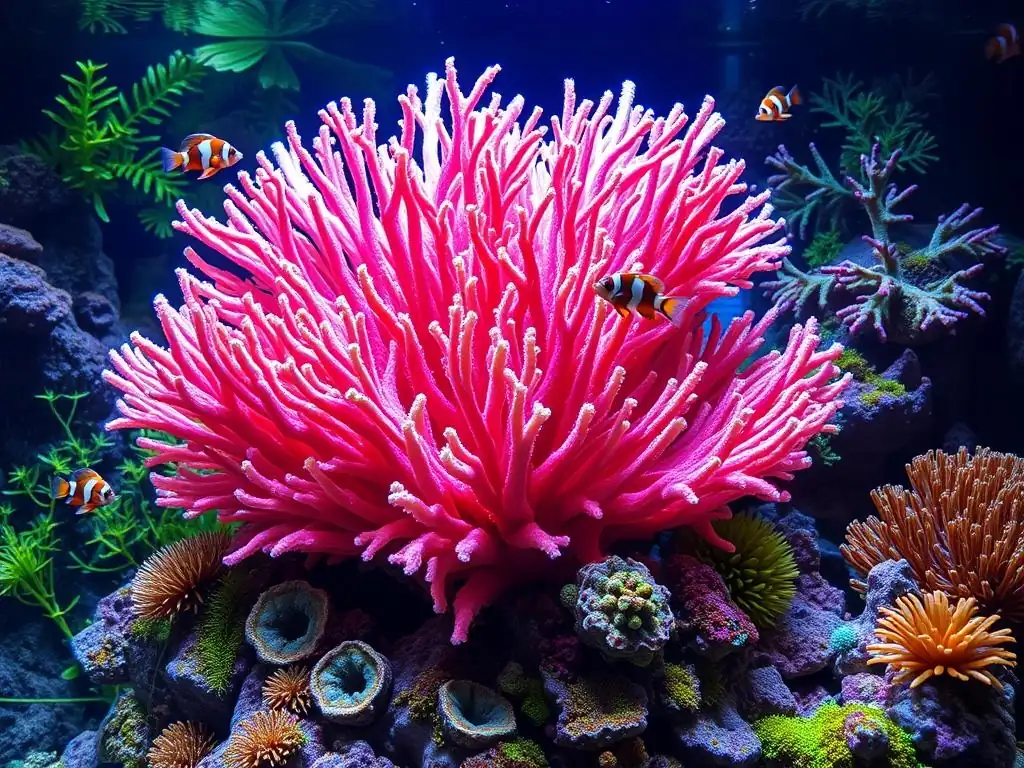
A healthy Seriatopora coral, often referred to as Birdsnest coral, exhibits several key visual indicators. Its coloration should be vibrant and consistent, typically ranging from brilliant pinks (as seen in Seriatopora hystrix) to striking greens and yellows ( Seriatopora caliendrum), depending on the species and lighting conditions. The coral's polyps should be fully extended, creating a "fuzzy" appearance, particularly during daylight hours or when the lights are dimmed, indicating active feeding and respiration. The skeletal structure should be clean, free of algae, and show distinct, actively growing tips, which are often lighter in color.
Beyond color and polyp extension, growth rate is a crucial indicator of Seriatopora health. Under optimal conditions, healthy Seriatopora can exhibit surprisingly rapid growth, sometimes adding 1-2 centimeters of new branch tip growth per month. This vigorous expansion signifies that the coral is efficiently calcifying and thriving. Conversely, a lack of polyp extension, dull or fading coloration, tissue recession, or stagnant growth are immediate red flags that suggest the coral is under stress, potentially signaling the onset of Seriatopora pests diseases treatment needs.
The Importance of Stable Water Parameters for Seriatopora Growth
Maintaining remarkably stable water parameters is paramount for the long-term health and vibrant growth of Seriatopora corals. Fluctuations in key parameters like alkalinity (dKH), calcium (Ca), and magnesium (Mg) are far more detrimental than slightly off but stable numbers. Ideal ranges for Seriatopora are typically 8.0-9.5 dKH for alkalinity, 400-450 ppm for calcium, and 1300-1400 ppm for magnesium. Consistent monitoring and precise dosing are essential to prevent swings that can stress the coral and make it susceptible to tissue necrosis or disease.
In addition to the primary calcification parameters, other water quality factors play a critical role. Salinity should be maintained consistently at 1.025-1.026 specific gravity, and temperature should remain stable between 76-78°F (24.5-25.5°C). Critically, nitrates should be kept below 10 ppm (ideally under 5 ppm) and phosphates below 0.03 ppm. Elevated nutrient levels can lead to nuisance algae growth that competes with and smothers Seriatopora, while also contributing to overall coral stress. Pristine water quality is the bedrock upon which resilient Seriatopora colonies are built, significantly reducing the likelihood of requiring extensive Seriatopora pests diseases treatment.
Common Seriatopora Pests and Their Impact
Red Bugs: Recognizing and Treating Tegastes acroporanus Infestations
Identifying Red Bugs on Seriatopora Colonies
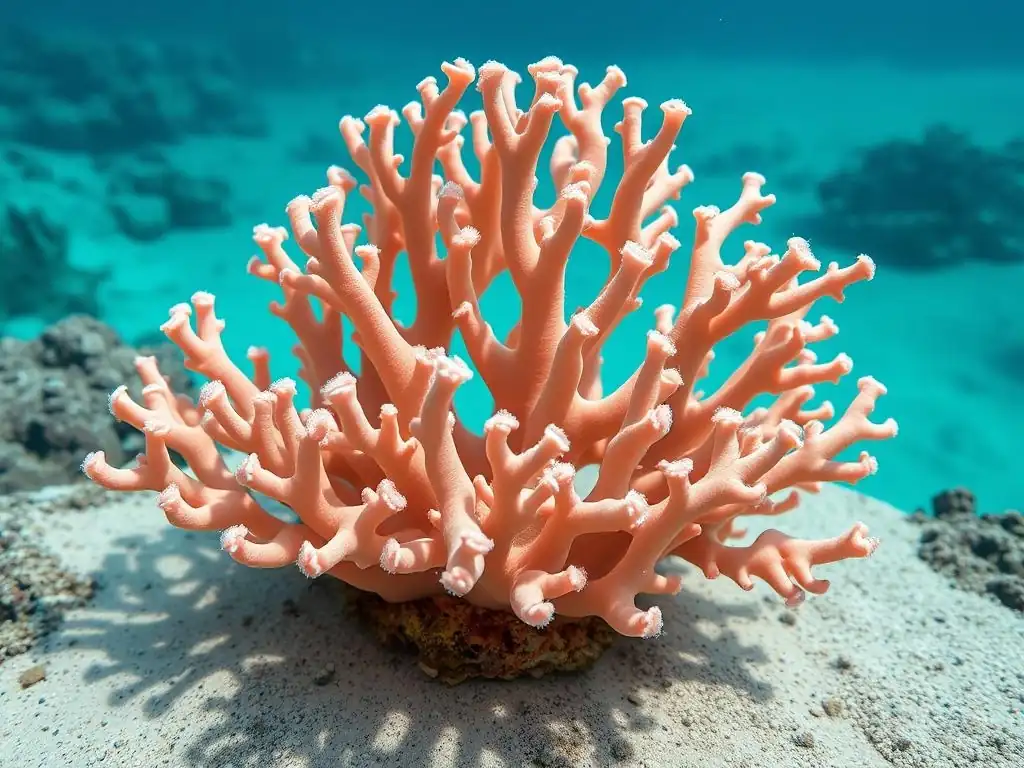
Red bugs, scientifically known as Tegastes acroporanus, are tiny (0.5-1mm), reddish-orange copepods that primarily infest Acropora corals but can occasionally affect Seriatopora, especially if other SPS corals are present. These microscopic crustaceans typically cluster in areas of low flow or recessed parts of the coral, often near the base or within the intricate branching structure. Their presence can lead to significant tissue recession, loss of the coral's vibrant color, and noticeably reduced polyp extension, giving the coral a "starved" or unhealthy appearance.
Spotting red bugs requires keen observation, often with the aid of a magnifying glass or a macro lens. They appear as small, mobile dots that are difficult to see with the naked eye until an infestation is severe. Infested Seriatopora colonies may exhibit a subtle "dusty" appearance due to the sheer number of pests. Early detection is paramount, as a rapid response can prevent widespread damage across the colony and the entire reef system, making subsequent Seriatopora pests diseases treatment more manageable and effective.
Effective Red Bug Treatment Options for SPS Corals
Chemical treatments are often the most effective method for eradicating red bug infestations. Interceptor (milbemycin oxime), an antiparasitic medication, is widely regarded as a highly effective solution, typically dosed at 0.25 mg per gallon of tank water. This treatment requires excellent aeration during application and robust carbon filtration afterward to remove the medication and any toxins released by dying pests. Another option, used with extreme caution due to its broader toxicity, is Bayer Complete Insect Killer (imidacloprid), applied in very low concentrations, such as 1-2 ml per 10 gallons of water.
While chemical treatments are potent, biological controls and coral dips can also play a role in Seriatopora pests diseases treatment. Certain wrasses, like the Six-Line Wrasse ( Pseudocheilinops hexataenia) or Melanurus Wrasse ( Halichoeres melanurus), may prey on red bugs, though their effectiveness is not always consistent.
For localized infestations, direct coral dips using commercial solutions like Revive or Coral RX can help dislodge some bugs, but these typically don't eradicate the eggs, necessitating multiple dips over several weeks to break the pest's life cycle. For severe infestations, removing the affected colony for isolation and repeated dipping is often the most reliable strategy.
Acropora Eating Flatworms (AEFW) and Seriatopora: A Potential Threat
Distinguishing AEFW Damage from Other Seriatopora Issues
Acropora Eating Flatworms (AEFW), Amakusaplana acroporae, are small (up to 2 cm), brown, oval-shaped flatworms that are masters of camouflage, blending seamlessly with coral tissue. While their primary target is Acropora, they can occasionally graze on Seriatopora, especially in tanks where Acropora are scarce or heavily infested. Damage appears as distinct crescent-shaped bite marks, localized tissue recession, and loss of color, often starting from the base and progressing upwards along the branches.
It is crucial to differentiate AEFW damage from other Seriatopora issues. Unlike Rapid Tissue Necrosis (RTN), which causes swift and widespread tissue loss, AEFW damage is typically localized and progresses more slowly. Unlike general browning due to nutrient issues, AEFW leave behind characteristic bare skeleton with visible bite marks. The definitive sign of an AEFW infestation is the presence of their eggs: small, clear, gelatinous clusters, often laid in protected areas of the coral skeleton. Thorough inspection for these eggs is a key step in identifying the need for Seriatopora pests diseases treatment.
AEFW Treatment Strategies: Dips and Interventions
Chemical dips are the primary and most effective method for treating AEFW infestations. Levamisole HCl, often found in fish dewormers (e.g., Flatworm Exit), is highly effective against the adult flatworms. It is typically dosed at 1 ml per 10 gallons of tank water. Because AEFW eggs are resistant to the dip, a multi-dose approach is usually required, often involving three doses spaced over six weeks (e.g., on days 1, 14, and 28 or 42) to ensure all newly hatched flatworms are eradicated before they can reproduce.
Beyond chemical intervention, manual removal and biological controls can supplement AEFW treatment strategies. For small infestations, physically removing AEFW with tweezers or siphoning them during water changes can help reduce their numbers. Some reef-safe wrasses, such as the Six-Line Wrasse or Yellow Coris Wrasse ( Halichoeres chrysus), may prey on AEFW, though their efficacy varies widely and cannot be relied upon as a sole solution. Maintaining strong, turbulent flow around Seriatopora colonies can also help dislodge flatworms and prevent them from settling and laying eggs, contributing to a proactive Seriatopora pests diseases treatment approach.
Nudibranchs: Identifying and Removing Coral-Eating Nudibranchs
Recognizing Nudibranch Damage on Seriatopora
Coral-eating nudibranchs, such as Phestilla spp. or those specializing in Montipora, can also pose a threat to Seriatopora. These small, often camouflaged marine slugs can be difficult to spot, blending in with the coral's texture and color. Their damage typically manifests as localized tissue loss, leaving patches of bare, white skeleton. They may also consume the coral's zooxanthellae, leading to pale or bleached areas where they have grazed. The damage is usually slow and progressive, unlike the rapid devastation seen with RTN.
The most conclusive way to identify a nudibranch infestation is to find the nudibranchs themselves, often on the undersides or less visible areas of the coral branches. They are typically small, ranging from a few millimeters to about a centimeter. Another tell-tale sign is the presence of their distinctive egg spirals, which are small, white, gelatinous coils usually laid on the coral skeleton near the feeding site. The specific pattern of tissue loss, combined with the presence of these pests or their eggs, confirms the need for targeted Seriatopora pests diseases treatment.
Safe Nudibranch Removal Techniques
Manual removal is often the most direct and effective method for dealing with coral-eating nudibranchs. Using fine-tipped tweezers or a soft brush, gently dislodge the nudibranchs from the coral. For more severe infestations, or when dealing with newly acquired corals, performing a coral dip is highly recommended. Commercial coral dips (e.g., Coral RX, Revive) are effective, or a short freshwater dip (5-10 seconds, with pH and temperature matched to the tank) can cause them to detach. Always ensure thorough rinsing with tank water after any dip.
Preventative measures and biological controls can also aid in managing nudibranch populations. Quarantining all new coral additions for at least 4-6 weeks in a separate tank is critical to prevent introducing these pests to the main display. During quarantine, new corals should be dipped and thoroughly inspected. While not a guaranteed solution, some wrasse species, such as the Yellow Coris Wrasse or Melanurus Wrasse, are known to prey on various nudibranchs, providing a potential layer of biological control and reducing the overall Seriatopora pests diseases treatment burden.
Other Potential Pests Affecting Seriatopora Health
While red bugs, AEFW, and specific nudibranchs are the most common and destructive pests for SPS corals like Seriatopora, other less common organisms can occasionally cause issues. These include certain parasitic snails, such as Sundial snails (which primarily prey on zoanthids but can sometimes bother SPS), or some species of Asterina starfish that, while generally benign, can graze on coral tissue if their primary food source (algae) is scarce. These pests are typically slower to inflict damage and cause more localized issues compared to major infestations.
General signs of these less common pests include localized tissue recession, unusual marks or scars on the coral skeleton, or the visible presence of the organisms themselves on or near the coral. For example, a small snail or starfish persistently sitting on a specific part of the coral, accompanied by tissue loss in that area, warrants investigation. Vigilance and regular, detailed observation of your Seriatopora colonies are key to detecting any unusual activity early, allowing for prompt intervention and minimizing the scope of any necessary Seriatopora pests diseases treatment.
Seriatopora Diseases: Identification and Treatment
Rapid Tissue Necrosis (RTN) in Seriatopora: Causes and Solutions
Recognizing the Signs of RTN in Birdsnest Coral
Rapid Tissue Necrosis (RTN) is a devastating and often fatal condition where Seriatopora coral tissue rapidly peels away from its skeleton, sometimes overnight. This alarming process typically begins at the base of the coral or from a point of previous damage, progressing swiftly upwards along the branches. The affected areas are left as stark white, bare skeleton, devoid of any living tissue. Unlike bleaching, where the tissue remains but is pale, RTN involves the complete and rapid loss of tissue.
RTN can be triggered by severe acute stress, such as sudden and drastic swings in water parameters (e.g., a large temperature spike, a significant drop in alkalinity), prolonged exposure to toxins (e.g., residual metals from equipment), or aggressive bacterial infections. Often, affected corals show no prior signs of stress, making the sudden onset of RTN particularly shocking. Its speed and complete tissue loss differentiate it clearly from Slow Tissue Necrosis (STN) or bleaching, demanding immediate and decisive Seriatopora pests diseases treatment.
Addressing RTN: Immediate Actions and Preventative Measures
When RTN is observed on a Seriatopora colony, immediate action is crucial, as the window for intervention is extremely narrow. Often, the only way to salvage the coral is to frag the healthy tip(s) well above the affected area. This means cutting 1-2 inches into what appears to be healthy tissue to ensure that no compromised or infected tissue remains. The frag should then be dipped in an antiseptic solution, such as a dilute Lugol's iodine solution, for 5-10 minutes to cleanse it before placing it in a separate, stable quarantine or frag system.
Preventative measures are the best defense against RTN. Maintaining pristine and exceptionally stable water parameters is paramount; avoid any large, sudden swings in temperature, salinity, alkalinity, or other key parameters. Ensure robust and turbulent water flow around all Seriatopora colonies to prevent detritus buildup and localized dead spots where anaerobic bacteria can proliferate. Addressing any underlying stressors, such as aggressive fish nipping or consistently poor water quality, is also vital. Consistent, high-quality maintenance significantly reduces the risk of this severe Seriatopora pests diseases treatment emergency.
Slow Tissue Necrosis (STN) and Seriatopora: Understanding the Slow Decline
Differentiating STN from RTN in Seriatopora
Slow Tissue Necrosis (STN) is similar to RTN in that it involves the loss of coral tissue from the skeleton, but its progression is significantly slower, unfolding over days or even weeks rather than hours. With STN, the tissue gradually recedes from the base or edges of the Seriatopora colony, leaving exposed skeleton in its wake. The affected tissue may appear translucent, discolored, or slightly slimy before it fully recedes, providing a more extended window for intervention compared to RTN.
The key difference between STN and RTN lies in their speed and underlying causes. STN typically indicates chronic stress or prolonged suboptimal conditions, such as consistently low alkalinity or calcium, persistently elevated nitrates or phosphates, insufficient or improper water flow, or chronic light stress. Unlike the shock-induced nature of RTN, STN is a slow, grinding battle against less-than-ideal environmental factors. Recognizing this distinction is vital for applying the correct Seriatopora pests diseases treatment.
Managing STN: Improving Water Quality and Coral Health
Managing STN in Seriatopora requires a comprehensive review and correction of all tank conditions. The first step is to meticulously test all water parameters, including alkalinity, calcium, magnesium, salinity, temperature, nitrates, and phosphates. Any deviations from ideal ranges should be corrected slowly and steadily; for example, if alkalinity is below 7 dKH, raise it by no more than 0.5 dKH per day to avoid further shocking the coral.
Beyond water chemistry, optimizing flow and lighting is critical. Ensure that the Seriatopora colony receives adequate, turbulent water flow to prevent detritus accumulation and promote efficient gas exchange and nutrient delivery. Review lighting PAR levels and spectrum; both too little and too much light can contribute to chronic stress. Implementing consistent, small water changes (e.g., 10% weekly) can help stabilize parameters, replenish trace elements, and reduce accumulated toxins, thereby supporting the coral's recovery and minimizing the need for more drastic Seriatopora pests diseases treatment.
Bleaching in Seriatopora: Identifying Stress Factors and Recovery Strategies
Recognizing Bleaching Signs in Birdsnest Coral
Bleaching in Seriatopora occurs when the coral expels its symbiotic zooxanthellae algae, which are responsible for the coral's vibrant coloration and provide the majority of its energy through photosynthesis. The coral loses its characteristic hue and turns pale white, translucent, or sometimes a very light pastel shade, revealing its underlying white skeleton. This is a stress response, not a disease or pest infestation, and indicates that the coral's environment is no longer favorable for the zooxanthellae.
Common triggers for Seriatopora bleaching include sudden and significant changes in lighting intensity or spectrum (e.g., upgrading to much stronger lights without proper acclimation), rapid temperature fluctuations (especially spikes above 80°F or 26.7°C, or prolonged high temperatures), significant swings in water chemistry (e.g., large alkalinity drops or salinity crashes), or extreme nutrient deficiencies (e.g., undetectable nitrates and phosphates that starve the zooxanthellae). Identifying the specific stressor is key to effective Seriatopora pests diseases treatment.
Addressing Bleaching: Adjusting Lighting and Water Parameters
Addressing bleaching in Seriatopora requires identifying and mitigating the underlying stress factor. If lighting is suspected, immediately reduce its intensity (e.g., lower the light fixture, dim LEDs, or shorten the photoperiod by 1-2 hours) and gradually re-acclimate the coral over several weeks. If temperature is the culprit, slowly bring it back to the ideal range of 76-78°F (24.5-25.5°C) using chillers or fans, avoiding rapid changes that could cause further shock.
Beyond lighting and temperature, ensure all water parameters are stable and within optimal ranges: dKH 8.0-9.5, Ca 400-450 ppm, Mg 1300-1400 ppm, nitrates below 10 ppm, and phosphates below 0.03 ppm. Consistent, small water changes (e.g., 10% weekly) can help stabilize parameters and remove any unknown stressors. Providing supplemental nutrition through liquid coral foods or amino acid solutions can support the coral's energy needs while it attempts to recover its zooxanthellae, aiding in the overall Seriatopora pests diseases treatment and recovery process.
Seriatopora Pests Diseases Treatment: A Proactive Approach
Quarantine Procedures for New Seriatopora Colonies: Preventing Introductions
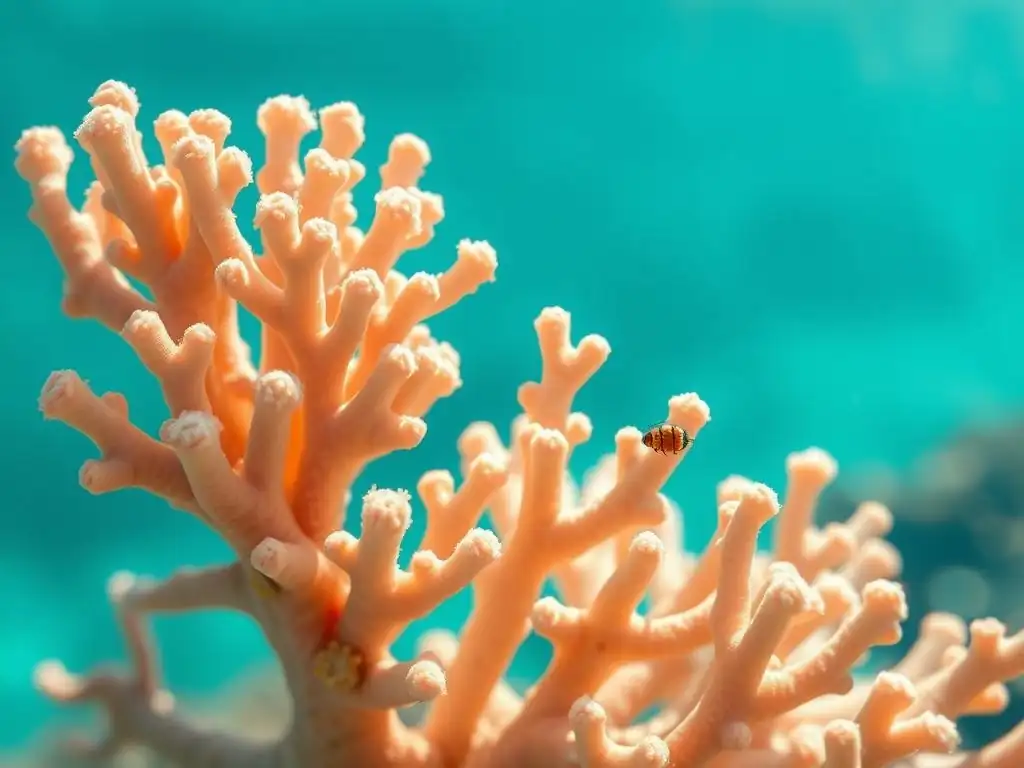
Implementing robust quarantine procedures for all new Seriatopora colonies is arguably the single most effective proactive measure to prevent the introduction of pests and diseases into your main display tank. All new corals should be housed in a separate, dedicated quarantine tank (QT) for a minimum of 4-6 weeks. This QT should have basic filtration, appropriate lighting, and adequate flow, mimicking the conditions of your main display to minimize stress on the new additions.
During the quarantine period, new Seriatopora colonies should be observed daily for any signs of pests (such as red bugs, AEFW, or nudibranchs) or disease. It is also highly recommended to perform prophylactic dips (e.g., a broad-spectrum coral dip like Coral RX or Revive, or an antiseptic dip like Lugol's iodine) upon arrival and potentially again before transferring the coral to the main tank. This diligent approach significantly reduces the risk of introducing unwanted organisms or pathogens, thereby preventing costly and time-consuming Seriatopora pests diseases treatment in your established reef.
Regular Inspection and Observation: Early Pest and Disease Detection
Regular, diligent inspection and observation of your Seriatopora colonies are crucial for early pest and disease detection. Dedicate at least 5-10 minutes each day to visually inspect your corals. Look for any subtle changes in color, polyp extension, tissue recession, or the presence of unusual spots, slime, or foreign organisms. Using a flashlight after the main lights are off can help reveal nocturnal pests that are otherwise hidden during the day.
Periodically, perform a more detailed, hands-on inspection. Gently move Seriatopora colonies to examine their undersides, crevices, and the areas where branches meet. A magnifying glass or a strong macro lens can be invaluable for spotting tiny pests like red bugs or AEFW eggs before they proliferate into a widespread infestation. Early detection allows for targeted and less invasive Seriatopora pests diseases treatment, often preventing a minor issue from escalating into a devastating outbreak that could affect your entire reef.
Maintaining Optimal Water Quality: The Foundation of Seriatopora Health
Water Chemistry Parameters for Thriving Seriatopora
Maintaining optimal and stable water chemistry parameters is the absolute foundation for thriving Seriatopora and the primary defense against pests and diseases. Critical parameters include: Salinity at 1.025-1.026 specific gravity, Temperature consistently between 76-78°F (24.5-25.5°C), Alkalinity at 8.0-9.5 dKH, Calcium at 400-450 ppm, and Magnesium at 1300-1400 ppm. Consistent and accurate monitoring using reliable test kits (e.g., Hanna checkers, Salifert, Red Sea) is non-negotiable to ensure these parameters remain within ideal ranges.
Furthermore, diligent nutrient control is vital. Nitrates should be kept below 10 ppm (ideally less than 5 ppm) and phosphates below 0.03 ppm. Elevated nutrient levels not only fuel nuisance algae growth that can smother and stress Seriatopora but also contribute to a less stable environment, making corals more susceptible to disease. Regular testing and effective nutrient export methods, such as a robust protein skimmer, refugium, GFO (granular ferric oxide), or biopellets, are essential for maintaining the pristine water quality that minimizes the need for Seriatopora pests diseases treatment.
The Role of Water Changes in Preventing Seriatopora Issues
Regular water changes are a cornerstone of effective aquarium maintenance and play a significant role in preventing Seriatopora issues. Consistent water changes, typically 10-20% weekly or bi-weekly, serve multiple crucial functions: they replenish essential trace elements consumed by corals and other inhabitants, and they dilute and remove accumulated nitrates, phosphates, and other metabolic waste products that can build up even with excellent filtration.
It is paramount to use high-quality RO/DI (Reverse Osmosis/Deionization) water and a reputable, balanced salt mix for all water changes. Impure tap water can introduce undesirable contaminants like phosphates, silicates, or heavy metals. Additionally, matching the temperature and salinity of the new water precisely to the existing tank water is critical to prevent osmotic shock, which can severely stress Seriatopora. Consistent, well-executed water changes are a simple yet powerful tool in maintaining a healthy reef and proactively preventing Seriatopora pests diseases treatment needs.
Proper Lighting and Flow: Essential for Seriatopora Growth and Resilience
Lighting Requirements for Seriatopora: PAR and Spectrum
Seriatopora, as a type of Small Polyp Stony (SPS) coral, requires moderate to high PAR (Photosynthetically Active Radiation) levels to thrive. Typically, PAR values ranging from 200-400 at the coral's placement are ideal. Insufficient PAR can lead to paling, slow growth, and reduced vigor, while excessively high PAR can cause bleaching or browning if the coral is not properly acclimated. A balanced light spectrum, rich in blue wavelengths (450-470nm) combined with white light, promotes both healthy growth and the vibrant coloration characteristic of Birdsnest corals.
Modern LED lights offer unparalleled control over spectrum and intensity, allowing for precise tuning to meet Seriatopora's needs. T5 fluorescent lights provide excellent light spread and have a long track record of success with SPS, while metal halide lights offer powerful penetration for deeper tanks. Regardless of the lighting type, proper acclimation is crucial. When introducing Seriatopora to new or upgraded lighting, gradually increase intensity over several weeks to prevent light shock and subsequent bleaching, thereby reducing potential Seriatopora pests diseases treatment requirements.
Flow Requirements for Seriatopora: Preventing Dead Spots
Seriatopora corals thrive in strong, turbulent, and indirect water flow. This vigorous water movement serves several vital functions: it ensures efficient delivery of essential nutrients and trace elements to the coral polyps, facilitates the removal of metabolic waste products, and prevents detritus from settling on the coral tissue, which can lead to localized tissue necrosis. Aim for random, oscillating flow patterns rather than direct, laminar flow, which can create "hot spots" of excessive flow.
The consequences of insufficient or improper flow are significant. Dead spots within the coral colony or around its base can accumulate detritus, fostering anaerobic bacteria that can lead to bacterial infections and tissue necrosis (both STN and RTN). Inadequate flow also hinders proper gas exchange and nutrient uptake, stressing the coral and making it more vulnerable to disease. Strategic placement of powerheads to create chaotic, multidirectional flow ensures all areas of the Seriatopora colony receive adequate water movement, thereby minimizing stress and reducing the likelihood of needing Seriatopora pests diseases treatment.
Preventing Seriatopora Pests and Diseases: Best Practices
Dip Solutions for Seriatopora: Choosing the Right Treatment
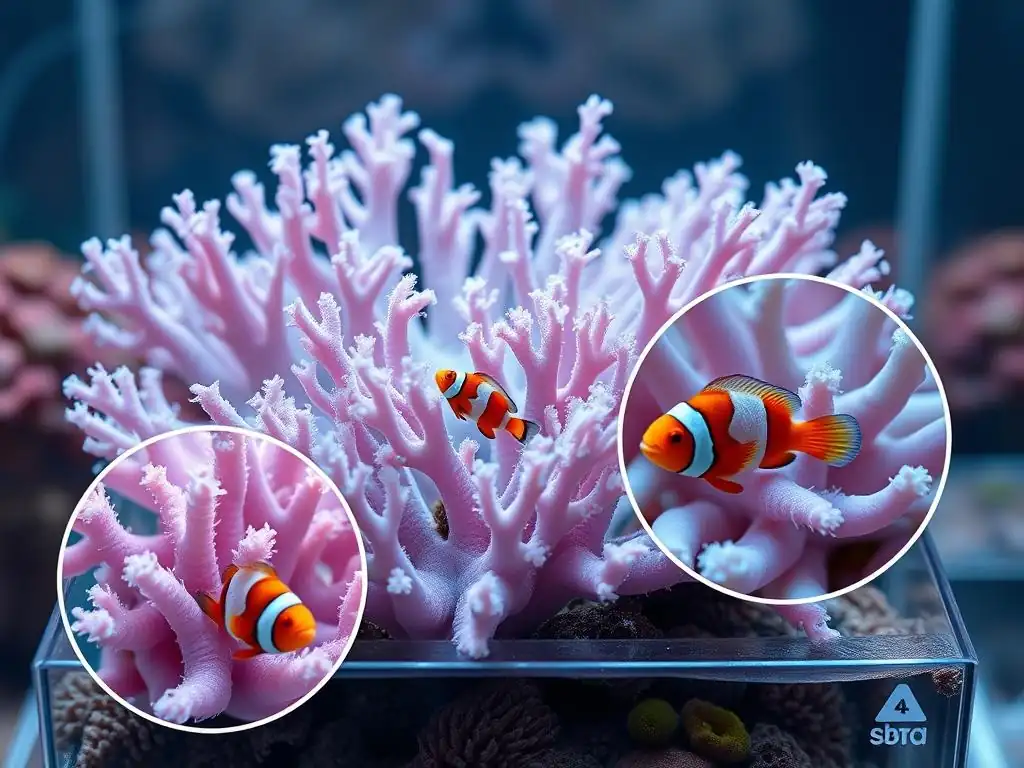
Coral dip solutions are an essential tool in preventing and treating Seriatopora pests and diseases. Common broad-spectrum dips include Coral Rx and Revive, which are effective at dislodging various pests like copepods, flatworms, and nudibranchs, and also serve as general coral cleansers. Lugol's Iodine solution acts as an antiseptic, valuable for treating damaged tissue or as a prophylactic dip for new corals. For specific pests, targeted treatments like Interceptor for red bugs or Flatworm Exit for AEFW are highly effective when used as directed.
When dipping Seriatopora, always use a separate container with tank water, never directly in the display tank. Follow the manufacturer's instructions precisely for dosage and duration, which typically range from 5-15 minutes. Gently agitate the coral or use a small powerhead in the dip container to help dislodge pests. Critically, always rinse the coral thoroughly with clean tank water before returning it to the display. Proper dipping technique is vital to ensure efficacy and minimize stress on the coral, making it a key component of Seriatopora pests diseases treatment.
Maintaining a Balanced Reef Ecosystem: Natural Pest Control
Maintaining a balanced and diverse reef ecosystem is a powerful, natural form of pest control that complements active Seriatopora pests diseases treatment strategies. A robust cleanup crew, consisting of various snails (e.g., Nassarius, Trochus, Turbo) and hermit crabs, helps to manage detritus and nuisance algae, preventing conditions that can stress corals or provide food for pests. Certain fish species, when chosen carefully, can also act as biological controls; for instance, some wrasses are known to prey on small flatworms or nudibranchs.
Beyond specific organisms, a healthy, mature reef system is inherently more resilient to pest and disease pressure. This involves avoiding overstocking fish and corals, which can lead to increased bioload and nutrient spikes. Overfeeding should also be avoided, as excess nutrients can fuel undesirable algae growth and create an imbalanced environment. A well-established, stable, and diverse reef system is better equipped to naturally resist and recover from minor pest or disease challenges, reducing the overall need for chemical Seriatopora pests diseases treatment.
Addressing Algae Growth: Preventing Competition with Seriatopora
Excessive algae growth, particularly nuisance forms like hair algae, dinoflagellates, or cyanobacteria, poses a significant threat to Seriatopora health. Algae can directly outcompete corals for light and space by growing over their tissue, effectively smothering them. Furthermore, some algae species can release allelopathic chemicals that directly inhibit coral growth or cause tissue irritation. High levels of nitrates and phosphates are the primary drivers of aggressive algae blooms, making nutrient control paramount.
Strategies for addressing and preventing algae growth include consistent manual removal (siphoning, brushing), increasing the population of herbivorous cleanup crew members (e.g., sea hares, emerald crabs, various snails), and critically, reducing the underlying nutrient sources. This involves careful feeding practices, robust protein skimming, and implementing nutrient export methods like GFO (granular ferric oxide), biopellets, or a dedicated refugium with macroalgae. Keeping algae in check is vital for Seriatopora's long-term health and resilience, preventing a major stressor that could otherwise lead to the need for Seriatopora pests diseases treatment.
Seriatopora Recovery: Rehabilitation After Pest or Disease Outbreaks
Monitoring Coral Health Post-Treatment: Signs of Recovery
After implementing Seriatopora pests diseases treatment for pests or diseases, meticulous monitoring of the coral's health is essential to gauge the success of the intervention. Key signs of recovery include a return to vibrant coloration, increased and consistent polyp extension (especially during the day), a halt to any tissue recession, and the visible development of new growth at the branch tips or along the base where tissue may have receded. The coral should appear "fuzzy" and robust.
Patience is crucial during this recovery phase, as full rehabilitation can take several weeks or even months depending on the severity of the initial issue. Continue to rigorously monitor all water parameters to ensure stability and optimal conditions. It is also beneficial to document observations with regular photographs to track subtle progress over time. Any new stressor or fluctuation can cause a relapse, so a stable and attentive environment is paramount for successful long-term recovery.
Adjusting Tank Conditions to Support Recovery
To actively support Seriatopora recovery post-treatment, specific adjustments to tank conditions may be beneficial. If the coral experienced bleaching, slowly re-acclimate it to its full lighting intensity over several weeks. For corals recovering from STN or RTN, ensure consistent and turbulent water flow around the colony to promote healing and prevent detritus accumulation. Consider target feeding the recovering coral with high-quality liquid coral foods or amino acid solutions; these provide essential energy and building blocks for tissue regeneration and overall vitality.
During the recovery period, it is vital to avoid introducing any new stressors to the system. Refrain from adding new fish or corals immediately, as this can introduce competition or new pathogens. Maintain a stable environment with consistent water changes and diligent parameter checks. In some cases, temporarily moving the recovering Seriatopora to a slightly lower flow or lower light area within the tank can reduce immediate stress, allowing the coral to allocate more energy towards healing and regaining its strength before returning to its optimal placement.
Fragging Damaged Seriatopora: Salvaging Healthy Sections
When a Seriatopora colony experiences significant damage from a severe disease outbreak (such as RTN) or an overwhelming pest infestation, fragging the healthy sections is often the most effective way to salvage genetic material and prevent complete loss. Use sterile bone cutters or a Dremel tool with a clean cutting wheel to make a clean cut well above the diseased or damaged area, ensuring that no compromised tissue remains on the frag. Aim to cut 1-2 inches into visibly healthy tissue to be safe.
Once the frag is separated, it's crucial to prepare it properly. Dip the frag in an antiseptic solution, such as a dilute Lugol's iodine solution, for 5-10 minutes to cleanse the cut area and prevent potential infection. Then, mount the frag securely onto a frag plug or a small piece of live rock using cyanoacrylate gel (super glue).
Place the frag in a stable, well-established frag tank or a lower-stress area of the main display with appropriate flow and lighting. This allows the frag to heal, encrust, and eventually grow into a new, healthy colony, representing a critical step in Seriatopora pests diseases treatment and the long-term success of your reef.
Frequently Asked Questions
How can I identify common pests affecting Seriatopora corals?
Look for signs of tissue recession, unusual growths, or visible organisms on the coral. Common pests include Acropora eating flatworms (AEFW), red bugs, and nudibranchs.
What are the most prevalent diseases that impact Seriatopora corals?
Rapid Tissue Necrosis (RTN) and Slow Tissue Necrosis (STN) are frequent issues. These diseases cause rapid or gradual tissue loss, often indicated by bleaching or sloughing of the coral.
What are the initial steps I should take if I suspect my Seriatopora colony is infected?
Quarantine the affected colony immediately! Then, carefully inspect the coral for pests and assess the extent of the damage to determine the appropriate treatment.
What are some effective treatment options for Seriatopora coral diseases?
Treatment options vary depending on the disease. Common methods include fragging away diseased sections, using coral dips (iodine or Bayer), and ensuring optimal water parameters to promote healing.
How can I prevent pests and diseases from affecting my Seriatopora corals in the first place?
Maintaining stable water parameters, practicing regular quarantine procedures for new additions, and performing routine visual inspections are crucial for preventing infestations and outbreaks.
Final Reflection: Safeguarding the Delicate Beauty of Seriatopora
The intricacies of maintaining a thriving reef aquarium are often hidden in the details, and as we've explored the specific challenges of Seriatopora pests and diseases, it becomes clear that vigilance and proactive care are paramount. The health of these delicate Birdsnest colonies is a direct reflection of our understanding and commitment to the delicate balance within our aquariums, a microcosm of the larger, more fragile ecosystems they represent.
This journey into the world of Seriatopora has underscored the ongoing responsibility we have as aquarists to be informed and attentive stewards. The subtle signs of stress or infestation, often overlooked, can quickly escalate into a crisis, highlighting the importance of continuous observation and preventative measures. The best cure is prevention.
This timeless adage rings especially true in the realm of reef keeping, where a proactive approach is essential for the long-term health and beauty of our aquatic ecosystems.
As you continue your journey in reef keeping, remember the lessons learned here. Take the time to truly observe your Seriatopora colonies, to understand their needs, and to respond swiftly to any signs of distress. By embracing a proactive and informed approach, you can not only safeguard the health of your Birdsnest corals but also contribute to the overall well-being of your reef aquarium, creating a vibrant and thriving ecosystem for years to come.
Ignite Your Reef: Nurture a Thriving Seriatopora!
Thank you for diving into the world of Seriatopora! We hope you've gained valuable insights into keeping your birdsnest corals healthy and vibrant. Now, let’s put that knowledge into action and take steps towards a flourishing reef!
- Act Now: Schedule a Proactive Coral Dip.: Protect your Seriatopora by proactively dipping it with a reliable coral dip solution. This can help prevent potential infestations before they start.
- Document and Share: Create a captivating time-lapse video of your Seriatopora’s growth and share it on social media using #AquariumMastery – Inspire others with your success!
- Deepen Your Knowledge: Research one specific Seriatopora disease or pest mentioned and share a preventative strategy in the comments below.
What unexpected success have you had with your Seriatopora, and how could others benefit from your experience?