
Managing Favia Aggression: Understanding Sweeper Tentacles

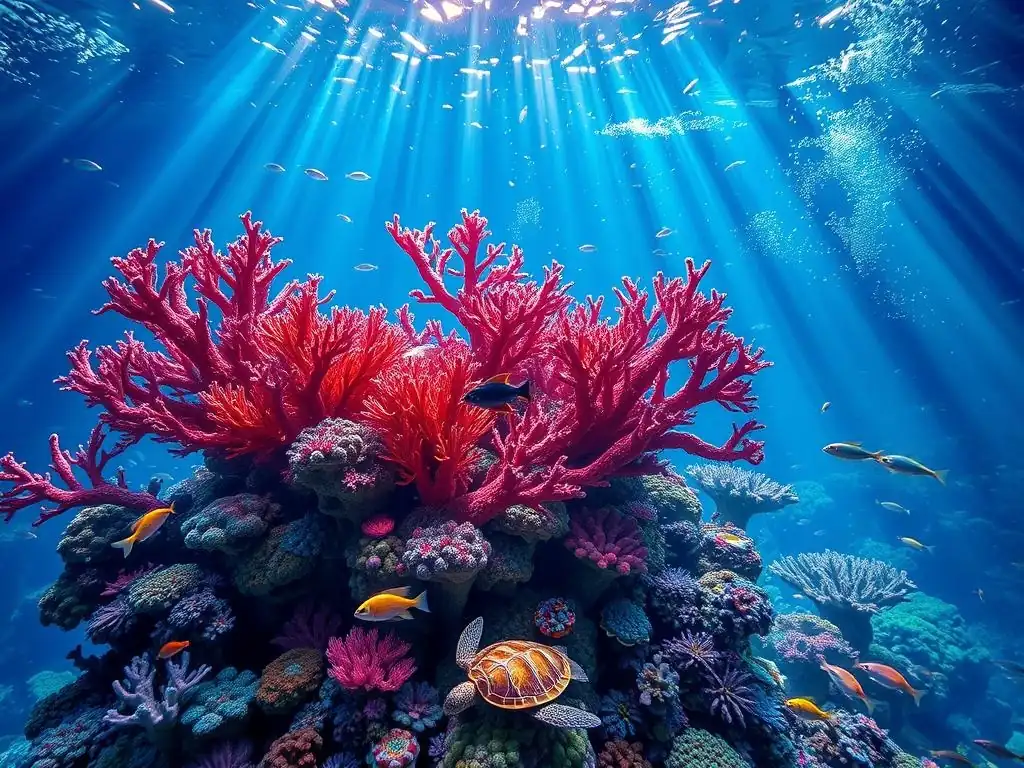
Welcome to Aquarium Mastery, where we dive deep into the fascinating world of aquariums!
Ever wondered if your beautiful Favia coral is secretly waging war in your reef tank? Uncover the secrets of Favia coral aggression treatment and learn how to manage those sneaky sweeper tentacles. Ready to keep the peace in your underwater paradise? Let's explore!
- Managing Coral Aggression: Understanding Sweeper Tentacles
- Understanding Coral Aggression in Reef Tanks
- The Threat of Sweeper Tentacles
- Recognizing Sweeper Tentacles: Early Signs
- Coral Aggression Treatment: Effective Strategies
- Preventing Coral Aggression: Long-Term Solutions
- Dealing with Damaged Corals: Recovery Techniques After Coral Attacks
- Coral Compatibility: Choosing Tank Mates Wisely
- Advanced Techniques for Managing Coral Aggression
- Case Studies: Successful Coral Aggression Management
- Minimizing Coral Stings: A Comprehensive Guide
-
Frequently Asked Questions
- How aggressive are Favia corals typically, and what factors contribute to their aggression?
- What are sweeper tentacles, and how do they relate to Favia coral aggression?
- What are some early warning signs that a Favia coral is exhibiting aggressive behavior towards its neighbors?
- What are the key steps involved in treating or mitigating Favia coral aggression in an aquarium?
- Besides physical separation, what other long-term strategies can I employ to prevent Favia coral aggression from becoming a problem?
- Final Reflection: Navigating the Complexities of Coral Harmony
- Ignite Your Reef: Master Favia Harmony Now!
Managing Coral Aggression: Understanding Sweeper Tentacles
Understanding Coral Aggression in Reef Tanks
Why is Coral Aggression Important?
Coral aggression is a critical aspect of reef tank husbandry that directly impacts the health, growth, and aesthetic appeal of a mixed-reef aquarium. Ignoring this fundamental biological behavior can lead to significant losses, especially for delicate or expensive coral species.
When corals engage in aggressive interactions, they expend valuable energy on defense and attack rather than on growth and calcification, leading to stunted development or even complete tissue necrosis. For instance, a single aggressive encounter with a Favia coral's sweeper tentacles can cause irreparable damage to a neighboring Acropora colony within hours, highlighting the urgent need for effective Favia coral aggression treatment and prevention.
Furthermore, unresolved coral aggression can destabilize the entire reef ecosystem. Dying coral tissue releases organic pollutants, potentially leading to elevated nitrates and phosphates, which in turn can fuel nuisance algae outbreaks. This cascading effect not only compromises water quality but also creates a stressful environment for all inhabitants, including fish and invertebrates. A proactive approach to managing aggression, therefore, is not just about protecting individual corals but about maintaining the overall stability and long-term success of the entire reef system.
Identifying Types of Coral Aggression
Coral aggression manifests in several forms, each requiring a different understanding and approach for effective management. The most common and visually apparent type is direct physical aggression, primarily through the deployment of specialized tentacles. These include sweeper tentacles, which are elongated, nematocyst-laden structures designed to sting and digest competing corals, and mesenterial filaments, which are digestive organs extruded from the coral's mouth or body wall to chemically digest adjacent tissue.
Beyond physical contact, corals also engage in chemical warfare, known as allelopathy. This involves the release of noxious chemicals into the water column to inhibit the growth or directly harm neighboring corals. Soft corals, in particular, are notorious for allelopathic aggression, but certain LPS (Large Polyp Stony) corals, like some Favia species, also employ this strategy in conjunction with their physical attacks. Recognizing the specific type of aggression is the first step in implementing appropriate coral aggression treatment strategies.
The Threat of Sweeper Tentacles
What are Sweeper Tentacles?
Sweeper tentacles are highly specialized, elongated polyps or extensions of a coral's regular feeding tentacles, specifically adapted for inter-coral warfare. Unlike the shorter, fatter feeding tentacles that capture planktonic food, sweeper tentacles are typically much thinner, often translucent, and can extend significantly further from the coral colony. They are densely packed with nematocysts – stinging cells containing venomous barbs – which are deployed upon contact with another organism. These tentacles are primarily used for defensive purposes, establishing a perimeter around the coral, but they are also used offensively to clear out competing corals for space and light.
Certain LPS corals are particularly well-known for their formidable sweeper tentacles. For example, Euphyllia species (e.g., Torch, Hammer, Frogspawn corals) can extend sweepers up to 6-8 inches, while Galaxea corals are known for very potent sweepers that can reach 4-6 inches. Favia corals, the focus of this discussion, also possess potent sweeper tentacles, though their extension range is often slightly less than Euphyllia, typically reaching 3-5 inches depending on the species and environmental conditions. These tentacles are often extended at night or when sensing a potential competitor nearby, making nighttime observation crucial for early detection.
How Sweeper Tentacles Damage Other Corals
When a sweeper tentacle makes contact with another coral, it discharges its nematocysts, injecting toxins directly into the victim's tissue. This venom causes immediate localized tissue necrosis, effectively "burning" the victim coral. The severity of the damage depends on the potency of the attacking coral's sting and the sensitivity of the victim coral. SPS (Small Polyp Stony) corals, like Acropora and Montipora, are often highly susceptible to stings from LPS corals, leading to rapid tissue recession (RTS) or bleaching at the point of contact.
The damage inflicted by sweeper tentacles can progress quickly if the aggressive coral is not addressed. Initial signs might be a small white patch or discolored area, but within hours to days, this can expand into significant tissue loss, exposing the coral's skeleton. In severe cases, particularly if the victim coral is already stressed, the entire colony can perish. Understanding this destructive mechanism is paramount for implementing effective Favia coral aggression treatment and preventing irreversible harm to your reef inhabitants.
Recognizing Sweeper Tentacles: Early Signs
Visual Cues of Sweeper Tentacle Deployment
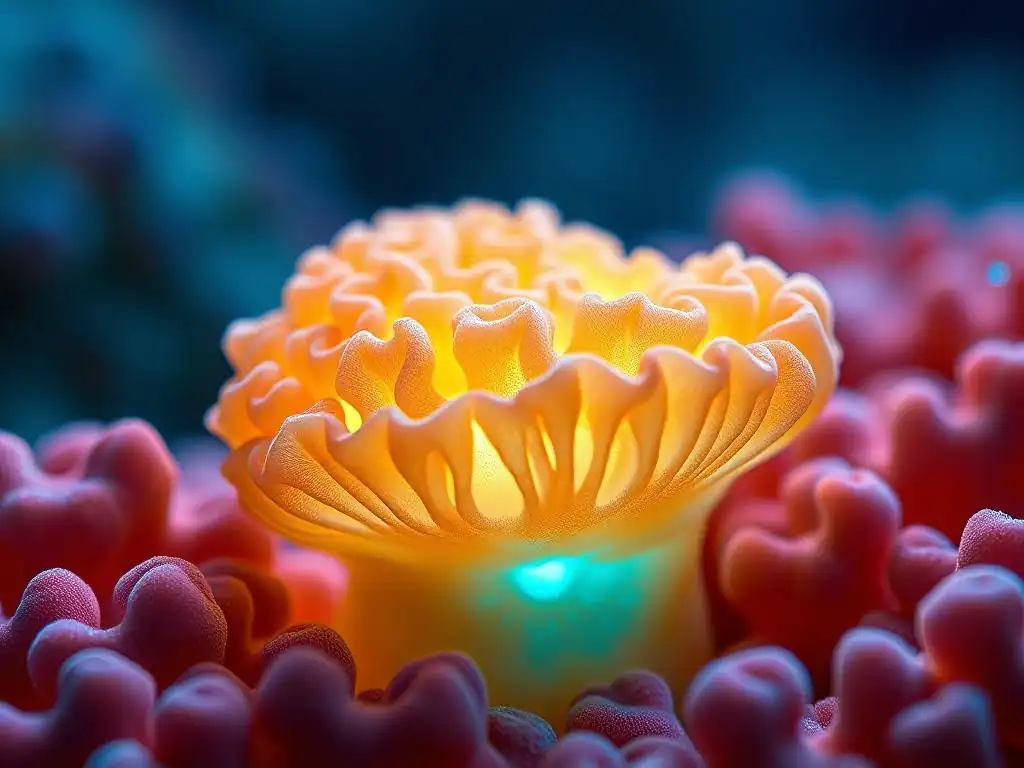
Identifying sweeper tentacles early is key to preventing widespread damage in a reef tank. The most common visual cue is the abnormal elongation of a coral's tentacles, particularly during the evening hours or shortly after the lights dim. While regular feeding tentacles are usually short and stout, sweeper tentacles will appear noticeably longer and thinner, often swaying in the current, probing their surroundings. For instance, a Favia coral, whose regular feeding tentacles are usually short and stubby, might extend thin, translucent sweepers that are several inches long, sometimes with a slightly swollen tip containing concentrated nematocysts.
Another indicator is the behavior of the coral itself. If a coral is extending these long tentacles aggressively towards a specific neighbor, it's a clear sign of competitive interaction. Observing this behavior, especially when new corals are introduced or when existing corals grow closer, allows aquarists to intervene before significant damage occurs. Regular, attentive observation, perhaps with a red flashlight after the main lights are off, can reveal these nocturnal extensions.
Identifying Affected Corals: Tissue Recession and Bleaching
The earliest signs of a coral having been stung by sweeper tentacles typically appear on the victim coral rather than the aggressor. Look for localized areas of tissue recession, where the coral tissue appears to have receded from its skeleton, leaving a stark white patch. This often starts as a small, circular lesion at the point of contact. For example, if a Favia has stung a nearby Montipora, you might see a dime-sized area of white skeleton on the Montipora where the tissue has died.
In some cases, the affected area might not immediately recede but instead show signs of bleaching, where the coral loses its coloration and appears pale or translucent due to the expulsion of zooxanthellae. This is often a precursor to full tissue necrosis. Over time, if the stings continue, the damaged area will expand, and secondary infections can set in, leading to further decline. Recognizing these visual cues promptly is crucial for initiating timely Favia coral aggression treatment and mitigating further harm.
Coral Aggression Treatment: Effective Strategies
Physical Separation: Creating Buffer Zones
The most direct and often most effective coral aggression treatment is physical separation. This involves moving the aggressive coral, the victim coral, or both, to create a sufficient buffer zone between them.
The ideal distance depends heavily on the species involved and the potency of their sting, as well as the water flow in the tank which can influence tentacle reach. For highly aggressive LPS corals like Favia or Euphyllia, a minimum separation of 6 to 12 inches is often recommended, especially if the corals are positioned in an area of moderate to high flow where sweepers can extend further.
When repositioning corals, it's important to consider their long-term growth. A frag that seems harmless today could become a dominant aggressor in a year. Therefore, planning for future growth and ensuring ample space around potentially aggressive species is a proactive measure. If moving a coral is not feasible due to aquascaping or attachment, sometimes moving the victim coral to a higher or lower rock, or simply rotating it slightly, can break the direct line of fire from sweeper tentacles.
Water Flow Management to Minimize Sweeper Tentacle Reach
Strategic water flow management can play a significant role in minimizing the reach and effectiveness of sweeper tentacles. While corals need adequate flow for nutrient delivery and waste removal, very laminar or direct flow can actually encourage sweeper tentacles to extend in a predictable direction. By introducing more turbulent or indirect flow, you can disrupt the consistent extension of sweepers, making it harder for them to consistently reach a target.
However, caution must be exercised, as excessive or chaotic flow can stress corals. The goal is to create enough random or indirect flow around the aggressive coral to discourage prolonged tentacle extension without harming the coral itself. For example, aiming a powerhead slightly above or to the side of a Favia coral can create sufficient turbulence to limit its sweeper tentacle range without directly blasting the coral. This subtle adjustment can be a critical component of a comprehensive Favia coral aggression treatment plan.
Chemical Warfare: Activated Carbon Filtration
While activated carbon filtration doesn't directly prevent physical stings from sweeper tentacles, it is an important component in managing the broader spectrum of coral aggression, particularly allelopathy. Corals release various chemical compounds into the water column, some of which are toxic or growth-inhibiting to other corals. Over time, these compounds can accumulate, leading to chronic stress, reduced growth, and increased susceptibility to disease among sensitive species.
Activated carbon effectively adsorbs these dissolved organic compounds and chemical toxins from the water, thereby reducing the overall chemical burden on the system. This creates a cleaner, healthier environment where corals are less stressed and more resilient, making them better equipped to recover from physical stings or resist the effects of chemical aggression. Regular use of high-quality activated carbon, typically replaced every 2-4 weeks at a dosage of 0.5-1 gram per gallon of tank water, is a recommended practice for any mixed-reef aquarium, complementing other coral aggression treatment strategies.
Preventing Coral Aggression: Long-Term Solutions
Strategic Coral Placement: Avoiding Proximity Conflicts
The most effective long-term solution for preventing coral aggression is strategic coral placement from the outset. Before adding any new coral, research its growth habits, aggression level, and potential sweeper tentacle reach. Aggressive LPS corals like Favia and Euphyllia should be given ample space, often requiring a minimum of 6-8 inches of clear rock around them, and even more if positioned in high-flow areas. It is also wise to consider the growth rate of both the aggressive coral and its neighbors; a small frag today could become a significant threat in a year or two.
Consider grouping corals with similar aggression levels together, or isolating highly aggressive species on their own rock islands. For instance, placing a Favia on a solitary rock near the bottom of the tank, away from delicate SPS corals on higher levels, can significantly reduce the risk of conflict. Planning your aquascape with future growth in mind, rather than just immediate aesthetics, is fundamental to proactive Favia coral aggression treatment and preventing future issues.
Regular Observation and Intervention
Consistent and thorough observation is paramount for long-term coral aggression management. Daily visual checks of your reef tank, particularly during the evening hours when many corals extend their sweepers, can help identify potential conflicts before they escalate. Look for unusually long tentacles, signs of stress on neighboring corals (such as bleaching or tissue recession), or any changes in coral behavior.
Early intervention is key. If you notice a Favia coral's sweeper tentacles consistently reaching a neighbor, even if no damage is immediately apparent, it's time to act. This might involve slightly repositioning one of the corals, adjusting localized flow, or even considering a more permanent solution like fragging the aggressor if it's outgrowing its space. Proactive adjustments based on regular observation are far more effective than reactive coral aggression treatment after damage has already occurred.
Dealing with Damaged Corals: Recovery Techniques After Coral Attacks
Treating Tissue Damage in Affected Corals
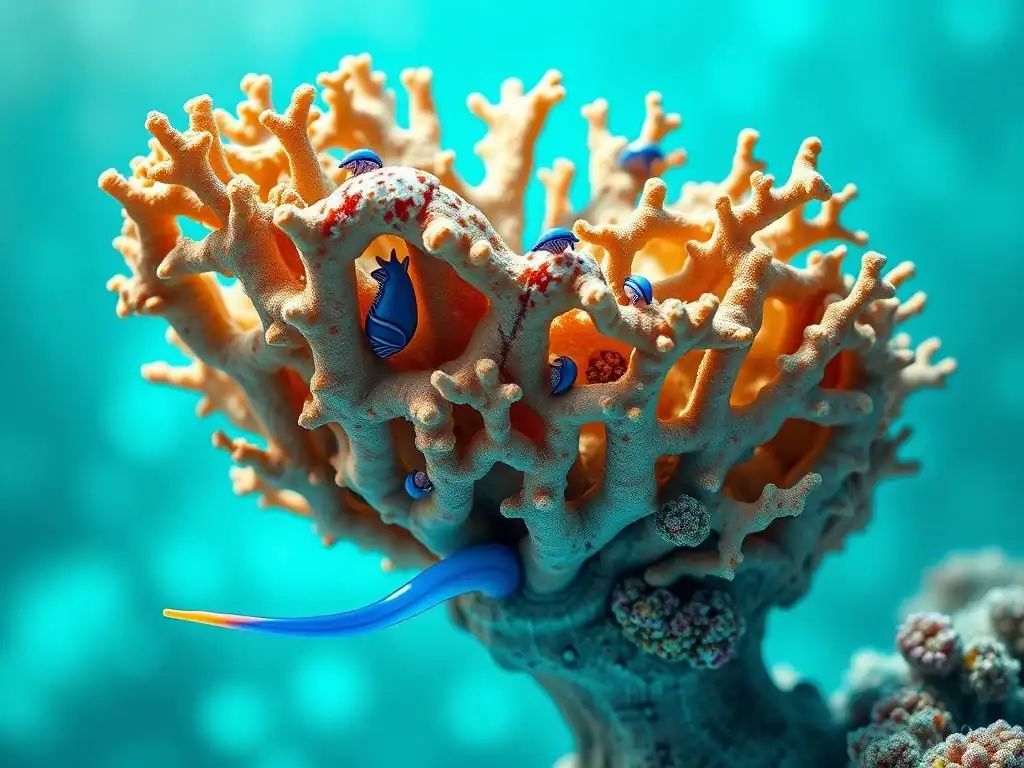
When a coral has been stung and shows signs of tissue damage, immediate action is necessary to promote recovery and prevent further necrosis or secondary infections. The first step is to remove the damaged coral from the immediate vicinity of the aggressor, if it hasn't been done already.
For localized tissue loss, a common coral aggression treatment involves dipping the affected coral in an antiseptic solution, such as a diluted iodine dip (e.g., Lugol's solution) or a commercial coral dip designed to combat bacterial infections and parasites. These dips can help cleanse the wound and prevent opportunistic pathogens from colonizing the exposed skeleton.
For SPS corals that have experienced significant tissue recession, careful trimming of the affected branch can sometimes be beneficial to prevent the spread of necrosis. This involves using sterile coral cutters to remove the dead or dying tissue, ensuring the cut is made into healthy tissue. After treatment, place the coral in an area with stable, optimal water parameters and moderate, indirect flow to minimize stress during the healing process.
Promoting Coral Recovery: Water Quality and Supplements
Optimizing water quality is perhaps the most critical factor in promoting the recovery of damaged corals. Stressed corals are more susceptible to disease and have a diminished capacity to heal. Maintaining stable parameters is paramount:
- Alkalinity: 7-9 dKH
- Calcium: 400-450 ppm
- Magnesium: 1300-1350 ppm
Consistent levels prevent further physiological stress. Beyond the major parameters, ensuring ultra-low nitrates (below 5 ppm) and phosphates (below 0.03 ppm) will reduce the risk of nuisance algae fouling the healing tissue.
Supplementation can also play a supportive role in recovery. Dosing amino acids and various trace elements (e.g., strontium, potassium, iodide) can provide the building blocks necessary for tissue regeneration. For example, a twice-weekly dose of a high-quality amino acid solution can accelerate tissue repair and improve overall coral vitality. Regular water changes with high-quality salt mix also replenish essential elements and dilute any residual toxins, aiding the coral's journey back to full health after a Favia coral aggression treatment.
Coral Compatibility: Choosing Tank Mates Wisely
Identifying Compatible Coral Species
Successful reef keeping often hinges on understanding and respecting coral compatibility. While no two corals are exactly alike in their aggression, certain groups tend to coexist better than others. For example, many soft corals (e.g., Zoanthids, Palythoa, Ricordea) can be kept together, though some, like Palythoa or Xenia, can be quite aggressive in their own right, spreading rapidly and outcompeting others. Among LPS corals, some Euphyllia species can be kept together if given sufficient space, as they are often tolerant of their own kind's sting.
However, the general rule is to research each specific species thoroughly. Some corals, like Duncanopsammia and Blastomussa, are generally considered less aggressive and can often be placed closer to other non-aggressive LPS or even some SPS corals, provided enough distance is maintained. Creating "zones" within your tank based on aggression levels – a dedicated LPS zone, an SPS zone, and a soft coral zone – can significantly reduce conflicts and the need for Favia coral aggression treatment.
Corals to Avoid Placing Near Aggressive Species
To minimize the risk of aggression, certain coral pairings should be avoided or approached with extreme caution. Highly aggressive LPS corals such as Favia, Euphyllia (Torch, Hammer, Frogspawn), Galaxea, and Lobophyllia should generally not be placed in close proximity to delicate SPS corals like Acropora, Montipora, or Stylophora. The powerful sting of an LPS sweeper tentacle can quickly decimate the thin tissue of an SPS coral, leading to rapid tissue necrosis.
Similarly, even within the LPS family, certain combinations can be problematic. While some Euphyllia species can tolerate each other, mixing different genera, such as placing a Favia too close to a Trachyphyllia or Scolymia, can lead to one-sided aggression and damage. It's also wise to avoid placing very aggressive soft corals, like large Sarcophyton (Leather Corals) or Palythoa, directly adjacent to any stony coral, as their chemical warfare can also cause significant stress or death. Always err on the side of caution and provide more space than you initially think is necessary.
Advanced Techniques for Managing Coral Aggression
Coral Guards and Barriers
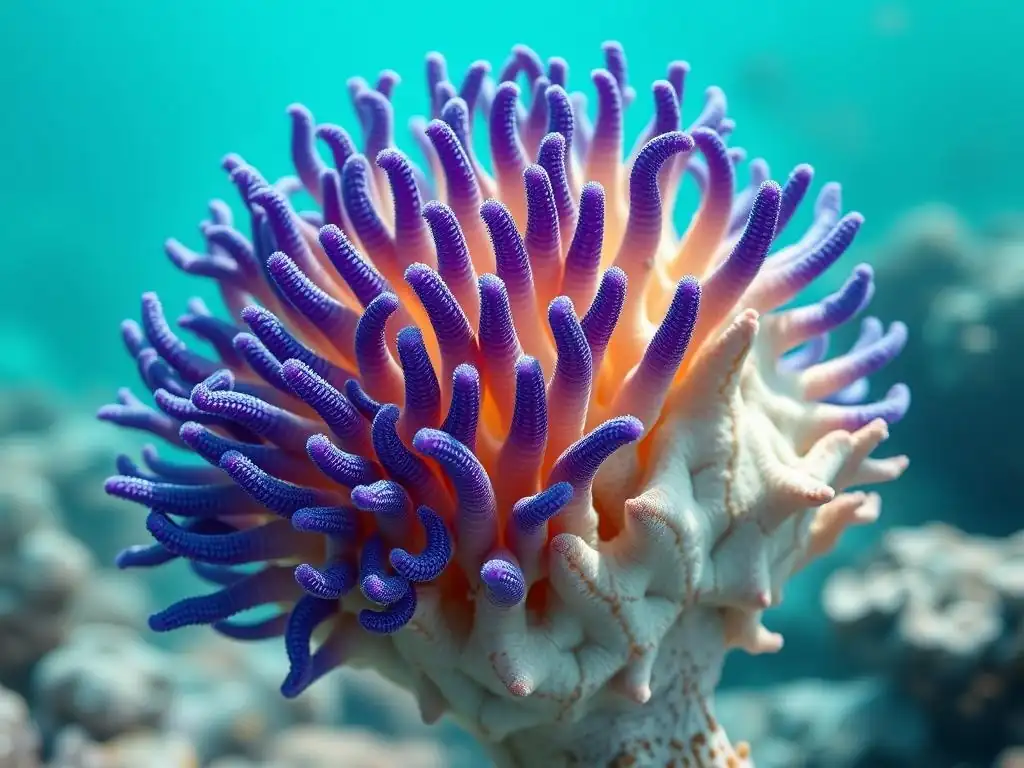
In situations where physical separation is challenging due to limited tank space or fixed coral placement, coral guards or physical barriers can serve as temporary or semi-permanent coral aggression treatment solutions. These barriers are typically constructed from clear acrylic sheets, egg crate, or fine mesh netting, strategically placed between an aggressive coral and its intended victim. The barrier physically blocks the extension of sweeper tentacles, preventing direct contact and stinging.
For example, a small, clear acrylic sheet can be cut and wedged into the rockwork to create an invisible wall between a potent Favia and a valuable Acropora frag. While effective, these barriers can sometimes obstruct water flow, accumulate detritus, or detract from the natural aesthetics of the aquascape. They are best used as a short-term solution or for protecting highly valuable, irreplaceable corals, allowing time for more permanent re-aquascaping or fragging.
Fragging to Control Growth and Aggression
Fragging, or propagating, corals is an advanced technique that can be effectively used to manage coral aggression, particularly by controlling the size and spatial footprint of aggressive colonies. As an aggressive coral like a Favia grows larger, its potential reach and overall competitive impact on the tank increase. By periodically fragging the edges or overhanging sections of a large colony, you can reduce its size and, consequently, its ability to sting neighboring corals.
This method not only serves as a proactive Favia coral aggression treatment but also provides the added benefit of creating new coral frags for trade or sale, or for populating other tanks. When fragging, it's crucial to use appropriate sterile tools (e.g., bone cutters, Dremel with a diamond blade) and to perform the procedure quickly and with minimal stress to the coral. After fragging, the parent colony often experiences a temporary reduction in aggression as it heals and regrows, providing a window of opportunity for nearby corals to establish themselves.
Case Studies: Successful Coral Aggression Management
Case Study: Euphyllia and Montipora Placement
In a 75-gallon mixed reef tank, an aquarist successfully managed the aggressive nature of a large Euphyllia divisa (Frogspawn coral) placed near a sensitive Montipora capricornis (Plating Monti). The Euphyllia was positioned on a lower rock shelf with moderate, turbulent flow, allowing its sweeper tentacles, which could extend up to 7 inches, to sway without consistently reaching the Montipora. The Montipora was placed on an upper rock, approximately 10 inches away, slightly elevated and upstream from the Euphyllia's main body.
The key to this success was not just the physical distance but also the strategic flow. An indirect powerhead aimed near the Euphyllia created randomized water movement that prevented the sweepers from maintaining a direct line of attack. Daily observation confirmed no sustained tentacle contact. After 18 months, both corals thrived, showing robust growth and vibrant coloration, with no signs of stings or tissue recession on the Montipora, demonstrating effective coral aggression treatment through careful planning.
Case Study: Acropora and Soft Coral Placement
Another successful case involved a 120-gallon display tank featuring a variety of SPS Acropora colonies and several large soft corals, including a Sarcophyton (Leather Coral) and a Sinularia. Soft corals are known for releasing allelopathic chemicals, which can stress and even kill sensitive SPS corals. To mitigate this, the aquarist placed the Sarcophyton on the sandbed, in an area of strong, laminar flow, allowing any released chemicals to be quickly diluted and carried away.
The Acropora colonies were positioned on the upper rockwork, well above the soft corals, with excellent water movement to ensure proper gas exchange and nutrient delivery. Additionally, the tank ran a large media reactor with high-quality activated carbon, replaced bi-weekly, to continuously remove dissolved organic compounds and allelopathic chemicals. This multi-pronged approach, combining physical separation with chemical filtration, ensured that both the chemically aggressive soft corals and the sensitive SPS corals could coexist without detrimental effects, showcasing a comprehensive coral aggression treatment strategy.
Minimizing Coral Stings: A Comprehensive Guide
Frequently Asked Questions
How aggressive are Favia corals typically, and what factors contribute to their aggression?
Favia corals are known to be moderately aggressive, primarily due to their ability to extend sweeper tentacles. These tentacles contain stinging cells (nematocysts) that can harm or kill neighboring corals. The size and frequency of sweeper tentacle deployment are influenced by proximity to other corals and water flow patterns.
What are sweeper tentacles, and how do they relate to Favia coral aggression?
Sweeper tentacles are specialized extensions of a Favia coral's body that are used for aggressive defense. They contain potent stinging cells that they use to damage or kill other corals within their reach, thereby securing more space and resources.
What are some early warning signs that a Favia coral is exhibiting aggressive behavior towards its neighbors?
The most obvious sign is the extension of sweeper tentacles towards other corals. You might also see receding tissue or bleaching on corals that are near the Favia. Direct observation of tentacle contact is a clear indicator of aggression.
What are the key steps involved in treating or mitigating Favia coral aggression in an aquarium?
The primary treatment involves physical separation of the Favia from susceptible corals. Increasing water flow can also help to dilute the effects of the sweeper tentacles. Regular observation and adjustments are crucial for long-term management.
Besides physical separation, what other long-term strategies can I employ to prevent Favia coral aggression from becoming a problem?
Careful placement of corals during initial setup is key. Consider using frag racks or creating a rockscape with clear barriers to prevent tentacle contact. Regularly monitoring and proactively trimming the Favia can also help to limit its aggressive reach.
The insights shared throughout this article on managing Favia coral aggression are not merely academic; they are essential for the continued health and vibrancy of our reef aquariums. As hobbyists, we are stewards of miniature ecosystems, and understanding the delicate balance within them, especially the aggressive tendencies of corals like Favia, is crucial for long-term success and the ethical care of these living organisms.
The challenges presented by Favia's sweeper tentacles highlight the interconnectedness of every element within our tanks. This understanding transcends the technical aspects of coral husbandry and fosters a deeper appreciation for the intricate beauty and resilience of reef ecosystems. In nature, nothing exists alone.
- Rachel Carson's words resonate deeply, reminding us that our actions within the aquarium have far-reaching consequences, impacting the health and well-being of all its inhabitants.
Now, armed with knowledge of Favia coral aggression treatment, consider how you can apply these principles to your own reef-keeping journey. Reflect on the current layout of your tank, the placement of your corals, and the potential for conflict. Embrace the role of a proactive caretaker, constantly observing, adapting, and striving to create a harmonious environment where all your corals can thrive. Your dedication to understanding and mitigating aggression will not only enhance the beauty of your aquarium but also contribute to the broader understanding and conservation of these precious marine ecosystems.
Ignite Your Reef: Master Favia Harmony Now!
Thanks for diving deep into the world of Favia aggression! We hope this article has shed light on how to keep your reef tank thriving and peaceful. Now, it's time to take action and ensure your corals are living their best lives.
Here's what you can do:
- Take proactive steps to protect your corals by assessing your tank's layout and relocating sensitive species from the Favia's reach. This will make a big difference in maintaining a healthy environment for all your corals.
- Monitor your Favia closely at night, using a red light, to observe its sweeper tentacles and identify potential threats.
- Share your experiences with Favia aggression and solutions in the Aquarium Mastery community forum. Helping others is the best way to reinforce your own knowledge!
What innovative solutions have you used to mitigate coral aggression in your reef tank? Let's discuss!