
Mushroom Coral Acclimation: Ensuring a Smooth Transition

Welcome to Aquarium Mastery!
Ever wondered how to ensure your new mushroom coral thrives in its saltwater home? Mushroom Coral Acclimation: Ensuring a Smooth Transition is your gateway to understanding the delicate saltwater coral acclimation process. Discover the secrets to a stress-free introduction, and unlock the beauty of a flourishing reef. Dive in, and let's cultivate a vibrant underwater world together!
- Mushroom Coral Acclimation: Ensuring a Smooth Transition for Your Saltwater Coral
- Introduction: The Importance of Proper Saltwater Coral Acclimation
- Understanding Mushroom Corals and Their Sensitivity
-
The Saltwater Coral Acclimation Process: A Step-by-Step Guide for Mushroom Corals
- Step 1: Preparing for Arrival - Setting Up Your Quarantine Tank
- Step 2: Temperature Acclimation - Floating the Bag
- Step 3: Drip Acclimation - The Gentle Approach to Water Chemistry
- Step 4: Inspecting the Mushroom Coral for Pests and Diseases
- Step 5: Placement in the Display Tank - Gradual Introduction to Light and Flow
- Monitoring Your Mushroom Coral Post-Acclimation: Signs of Success and Stress
- Long-Term Care Considerations for Thriving Mushroom Corals
- Conclusion: Mastering the Art of Mushroom Coral Acclimation
-
Frequently Asked Questions
- How crucial is the acclimation process for mushroom corals?
- What are the key water parameters to consider during saltwater coral acclimation?
- How long should the saltwater coral acclimation process typically take?
- What are some signs of stress in a mushroom coral during or after acclimation?
- Can I skip any steps in the saltwater coral acclimation process?
- Final Reflection: Embracing the Delicate Dance of Acclimation
- Dive Deeper: Unlock the Vibrant Beauty of Your Mushroom Coral!
Mushroom Coral Acclimation: Ensuring a Smooth Transition for Your Saltwater Coral
Introduction: The Importance of Proper Saltwater Coral Acclimation
Introducing new corals to an existing marine aquarium is a critical phase that demands precision and patience. For sensitive invertebrates like mushroom corals, a proper saltwater coral acclimation process is not merely a recommendation but a vital prerequisite for their survival and long-term health. Rushing this stage can lead to severe stress, tissue necrosis, and even the loss of the coral, impacting the stability and aesthetic appeal of your entire reef system.
The goal of a meticulous acclimation process is to gradually equalize the water parameters—such as temperature, salinity, and pH—between the shipping water and the aquarium water. This slow transition minimizes osmotic shock and physiological stress, allowing the coral's cells to adapt to the new environment without being overwhelmed. A well-executed saltwater coral acclimation process sets the foundation for a thriving mushroom coral, ensuring it can quickly recover from shipping stress and begin to flourish in its new home.
Understanding Mushroom Corals and Their Sensitivity
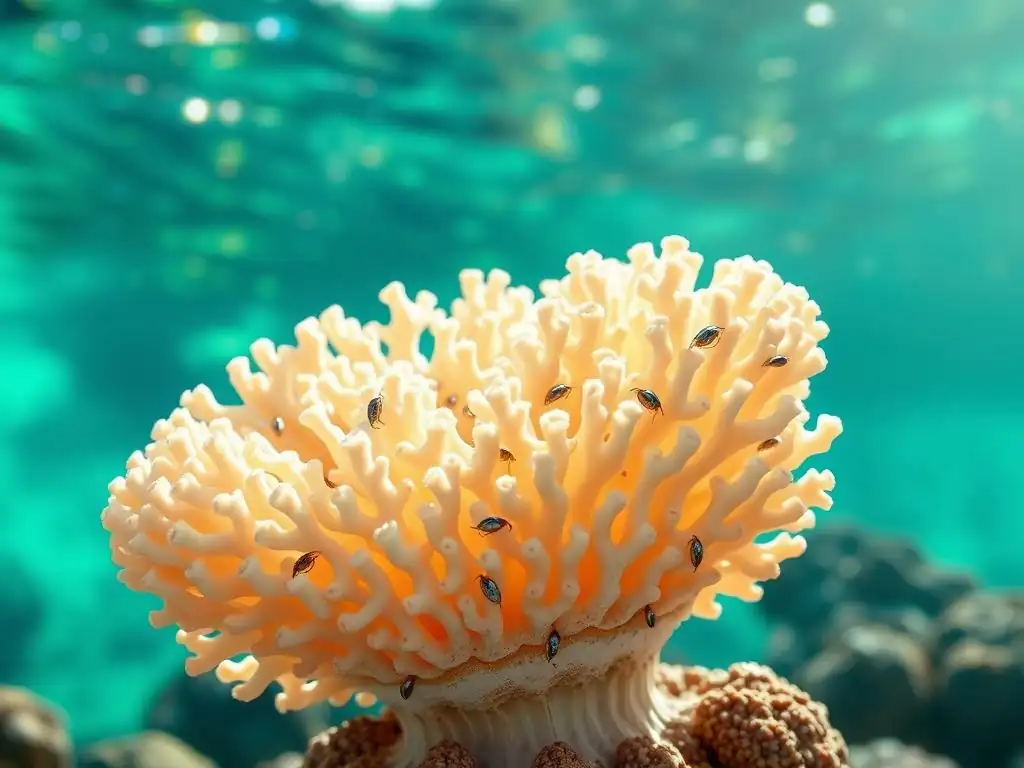
Mushroom corals, belonging primarily to the order Corallimorpharia, are popular choices for both novice and experienced reef keepers due to their vibrant colors, interesting textures, and relatively undemanding care compared to many stony corals. However, despite their perceived hardiness, they are quite sensitive to sudden changes in water chemistry and physical handling, making a careful saltwater coral acclimation process essential.
Their soft, fleshy bodies are highly susceptible to osmotic shock, which occurs when there's a rapid shift in the salt concentration of their surrounding water. This can cause cells to rapidly gain or lose water, leading to cellular damage. Furthermore, their symbiotic zooxanthellae, which provide a significant portion of their nutritional needs, are also sensitive to environmental fluctuations, meaning proper acclimation is crucial for their photosynthetic efficiency.
Identifying Common Mushroom Coral Genera [e.g., Rhodactis, Discosoma, Ricordea]
Mushroom corals encompass several distinct genera, each with unique characteristics but similar acclimation needs. Rhodactis mushrooms, often referred to as hairy mushrooms, are known for their textured surfaces, which can range from short bumps to long, flowing tentacles. They come in a vast array of colors, from deep reds and purples to vibrant greens and blues, and are generally quite resilient once properly acclimated. A common Rhodactis species might grow to 3-5 inches in diameter when fully extended.
Discosoma mushrooms are typically smoother and often exhibit striking iridescent blues, greens, and reds, frequently with contrasting oral discs. These are among the most common and affordable mushroom corals, often growing up to 4 inches in diameter. Ricordea, particularly Ricordea florida and Ricordea yuma, are highly sought after for their unique, bubbly textures and exquisite color combinations, often fetching higher prices. Ricordea florida can grow to 2-3 inches, while Ricordea yuma tends to be slightly smaller. Despite their aesthetic differences, the fundamental saltwater coral acclimation process remains consistent across these genera to ensure their best chance of survival.
Why Acclimation is Crucial for Mushroom Coral Survival
Acclimation is paramount for mushroom corals because their soft-bodied nature makes them exceptionally vulnerable to rapid environmental shifts. When a coral is transported, it experiences significant changes in temperature, salinity, pH, and nutrient levels within its shipping bag. A sudden transfer to a tank with different parameters can induce severe physiological stress, leading to a phenomenon known as osmotic shock. This shock can cause internal cellular damage, leading to tissue sloughing, necrosis, or a complete failure to open and thrive.
Furthermore, mushroom corals rely heavily on their symbiotic zooxanthellae for energy production through photosynthesis. Stress from improper acclimation can disrupt this vital symbiotic relationship, causing the coral to expel its zooxanthellae—a process known as bleaching. While mushroom corals are generally more resilient to bleaching than SPS corals, severe or prolonged stress can still lead to a loss of color and, eventually, starvation. A gradual saltwater coral acclimation process allows these delicate organisms and their internal symbionts to slowly adjust to the new water chemistry, minimizing the risk of irreparable harm and ensuring they can resume normal biological functions.
The Saltwater Coral Acclimation Process: A Step-by-Step Guide for Mushroom Corals
The successful integration of new mushroom corals into your reef aquarium hinges on a meticulous, step-by-step saltwater coral acclimation process. This procedure is designed to minimize stress and prevent shock by gradually introducing the coral to its new environment. Patience is key, as rushing any part of this sequence can negate the entire effort and jeopardize the coral's health.
Following these guidelines will significantly increase the chances of your mushroom corals thriving for years to come. Each stage addresses a specific environmental factor, ensuring a comprehensive and gentle transition for these sensitive invertebrates.
Step 1: Preparing for Arrival - Setting Up Your Quarantine Tank
Before your new mushroom corals even arrive, establishing a dedicated quarantine tank (QT) is a non-negotiable step for any responsible aquarist. While it might seem like an extra effort, a QT serves as a vital isolation chamber, preventing the introduction of pests, parasites, and diseases that could decimate your main display tank (MDT). This separate environment allows for a controlled saltwater coral acclimation process, where the coral can recover from shipping stress and be closely observed for any signs of trouble without risking the established ecosystem.
A typical quarantine tank for a few mushroom corals doesn't need to be large; a 5 to 10-gallon aquarium is often sufficient. It should be set up with minimal equipment, making it easy to clean and monitor. This simplified setup also helps maintain stable parameters, crucial for the initial recovery period. The absence of substrate helps prevent detritus buildup and makes it easier to spot and remove any pests that might emerge from the coral or its frag plug.
Quarantine Tank Essentials for Mushroom Corals
- Heater: A reliable submersible heater to maintain a stable water temperature, typically between 76-78°F (24.4-25.5°C), matching your main display tank.
- Small Powerhead: A low-flow powerhead to provide gentle, indirect water movement, preventing stagnation without stressing the coral.
- Dim Lighting: A basic LED light or even ambient room light is usually sufficient. Intense lighting should be avoided during the initial acclimation period as the coral is already stressed.
- Refractometer/Hydrometer: Essential for accurately measuring salinity. A refractometer is generally preferred for its precision.
- Water Test Kits: Essential for monitoring key parameters like pH, alkalinity, calcium, and magnesium, ensuring they are stable and within target ranges.
Maintaining Stable Water Parameters for Acclimation
- Salinity: Aim for a specific gravity (SG) of 1.025-1.026, or 35 ppt, which is the standard for most reef aquariums. Ensure the QT water matches your MDT as closely as possible.
- pH: Maintain a stable pH level between 8.0 and 8.4. Fluctuations can be highly stressful for corals.
- Alkalinity (dKH): Keep alkalinity between 7-11 dKH. This parameter is crucial for coral calcification, even for soft corals, and overall water stability.
- Calcium (ppm): Maintain calcium levels between 400-450 ppm. While soft corals are not heavy calcium users, stable levels contribute to overall water quality.
- Magnesium (ppm): Keep magnesium between 1250-1350 ppm. Magnesium helps stabilize alkalinity and calcium levels, preventing precipitation.
Step 2: Temperature Acclimation - Floating the Bag
The first practical step in the saltwater coral acclimation process upon receiving your mushroom coral is temperature acclimation. This is crucial because sudden changes in water temperature can induce thermal shock, severely stressing the coral and potentially leading to irreversible damage. The goal is to slowly bring the water inside the shipping bag to the same temperature as your quarantine tank or main display tank.
To perform temperature acclimation, simply float the sealed shipping bag containing the mushroom coral in your quarantine tank or sump for approximately 15 to 30 minutes. Ensure that no outside water enters the bag during this process. This allows the temperature of the water inside the bag to gradually equalize with the surrounding tank water, providing a gentle initial adjustment before proceeding to water chemistry changes.
Step 3: Drip Acclimation - The Gentle Approach to Water Chemistry
Drip acclimation is by far the most recommended and effective method for sensitive invertebrates like mushroom corals, forming the core of a thorough saltwater coral acclimation process. Unlike simply floating and then netting the coral, drip acclimation slowly introduces the new tank water to the coral's shipping water over an extended period. This gradual mixing allows the coral's cells to slowly adjust to changes in salinity, pH, and other trace elements, minimizing the risk of osmotic shock and cellular damage.
Rapid shifts in water chemistry, even seemingly small ones (e.g., a 0.003-0.005 difference in specific gravity), can be incredibly detrimental to a coral's delicate tissues. Drip acclimation effectively mitigates this risk by providing a controlled environment for adaptation. This method is particularly vital for mushroom corals, which can easily "melt" or recede if exposed to sudden environmental changes, making it an indispensable part of their initial care.
Setting Up a Drip Acclimation System
- Coral Placement: Gently open the shipping bag and carefully pour the coral and its shipping water into a clean, appropriately sized bucket or container. Ensure the coral is fully submerged.
- Airline Tubing: Take a length of airline tubing and place one end in your quarantine tank (or main display tank if no QT is used) and the other end in the bucket with the coral.
- Siphon Start: Start a siphon by briefly sucking on the end of the tubing in the bucket, ensuring water begins to flow from the tank into the bucket.
- Drip Rate Control: Create a slow drip by tying a loose knot in the airline tubing or by using an airline control valve. Adjust the knot or valve until water drips into the bucket at a rate of about 1-2 drips per second.
Monitoring Salinity and pH During Drip Acclimation
- Regular Testing: Periodically test the salinity and pH of the water in the bucket as the drip acclimation progresses. For mushroom corals, a drip acclimation period of 60 to 90 minutes is often sufficient, though some aquarists extend it to 2-3 hours for particularly sensitive specimens or significant parameter differences.
- Target Parameters: Continue the drip until the salinity in the bucket is very close to that of your quarantine tank (within 0.001 SG) and the pH has also gradually adjusted.
- Water Removal: As the bucket fills, periodically remove small amounts of water from the bucket (equal to the amount dripped in) to prevent overflow, ensuring the coral remains submerged. Discard this removed water; do not add it to your display tank. Once parameters are matched, the saltwater coral acclimation process related to water chemistry is complete.
Step 4: Inspecting the Mushroom Coral for Pests and Diseases
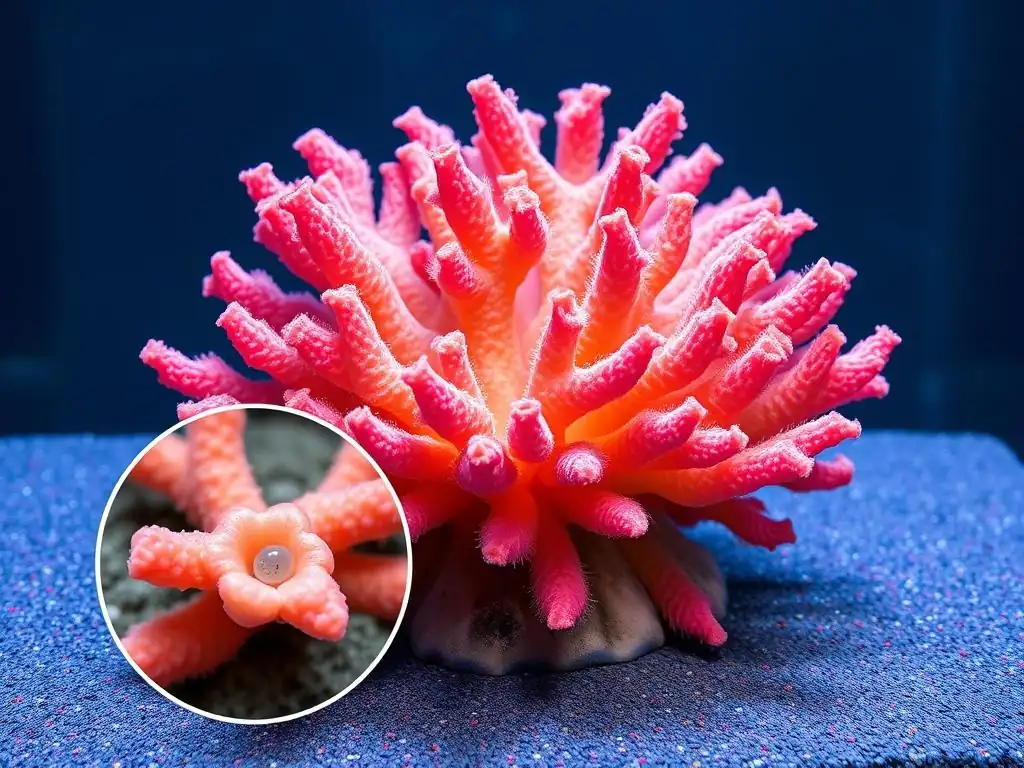
After the drip acclimation process, but before introducing the mushroom coral to your display tank, a thorough inspection for pests and diseases is absolutely critical. Many common coral pests are masters of camouflage or are microscopic, making them easy to overlook. Introducing an infested coral can lead to a devastating outbreak in your established reef system, potentially harming or even killing other valuable inhabitants. This step is a proactive measure that saves significant heartache and expense in the long run.
Careful visual examination during the saltwater coral acclimation process can reveal the presence of unwanted hitchhikers. Some aquarists also opt for a prophylactic coral dip, though this should be approached with caution, especially for sensitive soft corals like mushrooms. The goal is to identify and address any potential threats while the coral is isolated, safeguarding the health of your entire aquarium.
Identifying Common Coral Pests [e.g., Red Bugs, Nudibranchs]
- Flatworms: Various types exist, from harmless clear ones to predatory Convolutriloba retrogemma (red planaria) which can smother corals. Look for reddish-brown, flat, oval-shaped worms on the coral's surface or frag plug.
- Asterina Starfish: While many are benign detritivores, some species of Asterina starfish are known to consume coral tissue, particularly on zoanthids but can bother mushrooms. They are tiny, typically less than 1/4 inch, and often white or light colored.
- Zoanthid-Eating Nudibranchs: Although specifically targeting zoanthids, general awareness of nudibranchs is important. These are shell-less sea slugs, often camouflaged to match their prey. Inspect carefully for any unusual, slug-like creatures.
- Red Bugs (Tegastes acroporanus): Primarily a pest of SPS corals (Acropora), but they can hitchhike on frag plugs or other corals. They are tiny, reddish-orange copepods, usually found near the base of the coral.
Addressing Potential Health Issues Before Introduction
- Manual Removal: For visible pests like larger flatworms or asterina starfish, careful manual removal with tweezers or a siphon is often the first step.
- Coral Dips: Commercial coral dips (e.g., Coral RX, Revive Coral Cleaner) can be effective against certain pests. Always follow product instructions meticulously, use a separate container with tank water, and never dip directly in the main tank. Observe the coral closely during and after dipping for signs of stress. Note that some mushroom corals can be sensitive to dips, so proceed with caution.
- Freshwater Dip (Extreme Caution): A very brief freshwater dip (e.g., 30-60 seconds in RO/DI water matched for temperature and pH) can dislodge some pests, but this is highly stressful and risky for mushroom corals and should only be considered as a last resort for specific, identified pest issues. It is generally not recommended for mushrooms due to their sensitivity.
Step 5: Placement in the Display Tank - Gradual Introduction to Light and Flow
The final stage of the saltwater coral acclimation process involves carefully transferring your mushroom coral from the quarantine tank (or acclimation bucket) to its permanent home in the display tank. Even after successful water chemistry acclimation, sudden exposure to different light intensities and water flow patterns can be stressful. Mushroom corals generally prefer lower light and gentle to moderate flow, and introducing them gradually to these conditions is crucial for their long-term health and vibrant appearance.
Incorrect placement can lead to bleaching, tissue recession, or a failure to fully extend. Taking the time to observe your tank's specific light and flow zones and choosing an appropriate initial location will significantly aid the coral's transition and overall well-being.
Choosing the Right Location for Your Mushroom Coral
- Lower Tank Levels: Mushroom corals typically thrive in the lower sections of the display tank, where light intensity is naturally reduced.
- Shaded Areas: Consider placing them under overhangs, larger rock structures, or taller corals that can provide some natural shading.
- Away from Direct Flow: Ensure the chosen spot does not receive direct, strong water flow. Gentle, indirect flow is ideal, allowing the coral to expand fully without being constantly battered.
- Stable Surface: Place the mushroom coral on a stable rock or frag rack where it won't be easily dislodged by tank inhabitants or water movement.
Acclimating Mushroom Corals to Light Intensity
- Start Low: Even if your tank's overall lighting isn't extremely high, it's best to start the mushroom coral in the lowest light area of your display tank. This could mean placing it on the sandbed or a shaded rock.
- Observe Response: Over the next few days to a week, observe the coral's response. If it opens fully, maintains good color, and appears healthy, it is likely comfortable. If it appears shrunken, bleached, or discolored, the light may be too intense.
- Gradual Adjustment: If you wish to move the coral to a slightly brighter spot, do so incrementally over several days or weeks. A general PAR (Photosynthetically Active Radiation) range for thriving mushroom corals is typically between 30-80 PAR, though some species can tolerate slightly higher.
Providing Adequate Water Flow for Nutrient Delivery
- Gentle and Indirect: Mushroom corals require gentle, indirect water flow. Too much direct flow can prevent them from extending their polyps, cause tissue damage, or even detach them from their substrate.
- Nutrient Exchange: Appropriate flow helps deliver essential nutrients and food particles to the coral while also carrying away metabolic waste products. It should be enough to gently undulate the coral's tissues without causing them to retract persistently.
- Avoid Dead Spots: While avoiding strong flow, also ensure the coral is not in a complete "dead spot" where water circulation is minimal, as this can lead to detritus accumulation and poor health.
Monitoring Your Mushroom Coral Post-Acclimation: Signs of Success and Stress
The saltwater coral acclimation process doesn't end with the coral's placement in the display tank; it extends into a crucial monitoring period. The first few days to weeks after introduction are vital for observing how the mushroom coral responds to its new environment. Early detection of stress signs allows for timely intervention, significantly increasing the chances of recovery and long-term success. Regular observation will teach you what a healthy mushroom coral looks like in your specific tank and how to interpret subtle cues indicating discomfort or distress.
Understanding the visual cues your mushroom coral provides is key to ensuring its continued health. A well-acclimated and happy coral will display distinct characteristics, while a stressed one will show clear indicators of trouble.
Recognizing Signs of a Healthy, Acclimated Mushroom Coral
A healthy, well-acclimated mushroom coral will exhibit several positive signs, usually within 24-48 hours of being placed in the display tank. The most prominent indicator is full polyp extension, where the coral inflates to its characteristic size, often showing its full texture and coloration. For Discosoma species, this means a smooth, broad disc; for Rhodactis, it implies extended, hairy tentacles; and for Ricordea, the distinctive bubbly texture will be prominent and plump.
Their coloration should be vibrant and consistent with the species. The coral should appear firm and turgid, indicating good internal pressure and hydration, rather than deflated or shriveled. A healthy mushroom coral will also securely attach to its frag plug or the rockwork, demonstrating good adhesion. If target fed, it may show a feeding response, where its mouth opens slightly to accept food particles. These signs collectively indicate that the saltwater coral acclimation process was successful and the coral is adapting well to its new home.
Troubleshooting Common Acclimation Problems in Mushroom Corals
Despite a careful saltwater coral acclimation process, new mushroom corals can sometimes exhibit signs of stress or poor health. Prompt identification and addressing of these issues are crucial for recovery. The first step in troubleshooting is always to re-check all critical water parameters (salinity, pH, alkalinity, calcium, magnesium, nitrates, phosphates) to ensure they are stable and within optimal ranges. Often, a minor parameter fluctuation can trigger a stress response.
Beyond water quality, environmental factors like light and flow are common culprits. Observing the coral's specific reaction—whether it's shrinking, losing color, or failing to extend—can provide valuable clues to the underlying problem. It's important to remember that corals can take several days, or even a few weeks, to fully settle in, so some initial shyness is normal, but persistent negative signs warrant immediate investigation.
Coral Bleaching: Causes and Prevention
- Causes: Coral bleaching in mushroom corals is most commonly caused by excessive light intensity (too high PAR), but can also result from sudden temperature spikes (e.g., above 82°F / 27.8°C), drastic swings in water parameters (salinity, pH), or prolonged shipping stress. The coral expels its symbiotic zooxanthellae, leading to a loss of color and a translucent appearance.
- Prevention: Ensure a gradual light acclimation by placing the coral in a lower light area initially (e.g., 30-80 PAR). Maintain stable water parameters through regular testing and consistent husbandry. Use a heater controller to prevent temperature fluctuations.
- Remediation: If bleaching occurs, immediately move the coral to a very low-light area. Verify and stabilize all water parameters. Provide gentle, indirect flow. Reduce overall tank lighting if necessary. Some corals can recover if the stressor is removed quickly.
Tissue Recession: Identifying and Addressing the Issue
- Identification: Tissue recession is characterized by the coral's fleshy tissue pulling away from its base or frag plug, exposing bare skeleton or the plug itself. The coral may appear to be "melting" or shrinking significantly and persistently.
- Causes: Common causes include poor water quality (e.g., high nitrates/phosphates, unstable alkalinity), excessive or direct water flow, physical damage (e.g., from snails, fish, or other corals), bacterial infections, or insufficient lighting/feeding.
- Addressing: First, meticulously check all water parameters and correct any imbalances slowly. Reduce direct water flow on the coral. Inspect for physical damage or aggressive tank mates. If a bacterial infection is suspected (e.g., fuzzy white patches), a medicated coral dip might be considered, but use extreme caution with mushrooms. Ensure the coral is receiving adequate light and consider gentle target feeding.
Poor Polyp Extension: Understanding Potential Causes
- Causes: A mushroom coral that consistently fails to extend its polyps fully can be a sign of various stresses. These include recent acclimation stress, inappropriate light intensity (too high or too low), excessive or turbulent water flow, the presence of pests (e.g., flatworms irritating the coral), poor water quality, or a lack of available nutrients/food.
- Addressing: Re-evaluate the coral's placement in the tank regarding light and flow; try moving it to a slightly different spot. Perform a thorough pest inspection. Check all water parameters to ensure stability and optimal ranges. If water quality is good and no pests are present, consider gently target feeding the mushroom coral with a fine-grained coral food to provide supplementary nutrition, especially if it seems starved.
Long-Term Care Considerations for Thriving Mushroom Corals
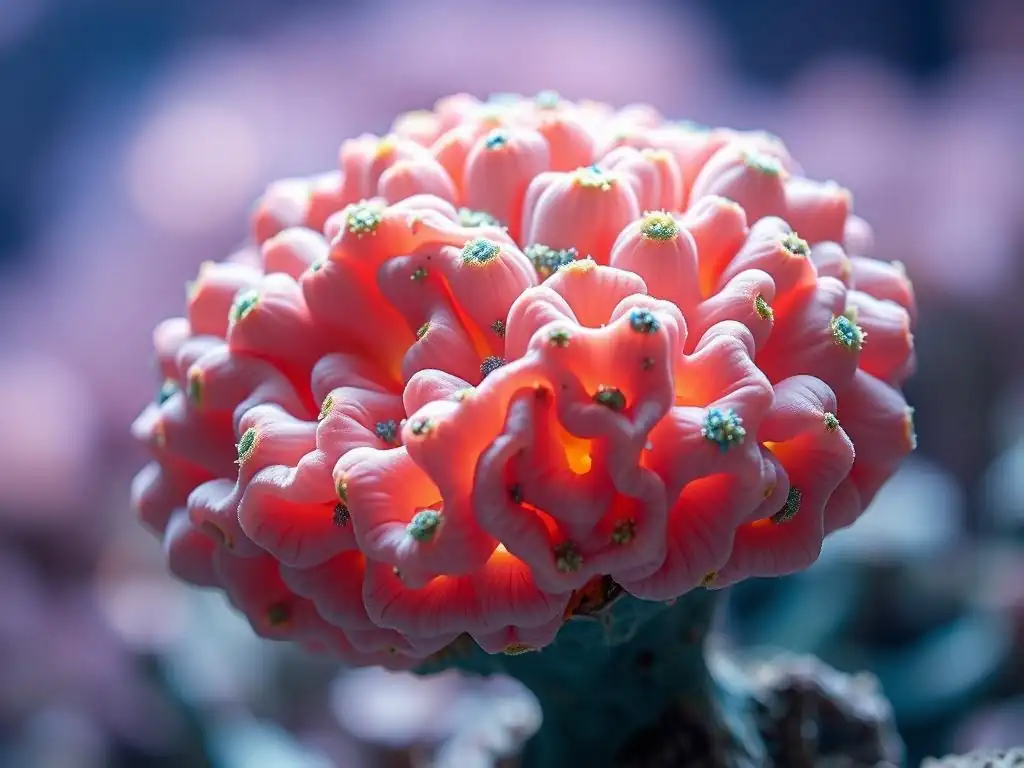
Once your mushroom coral has successfully completed the saltwater coral acclimation process and is thriving in your display tank, the focus shifts to consistent long-term care. While generally considered hardy, maintaining optimal conditions is paramount for their continued growth, vibrant coloration, and propagation. This involves a commitment to stable water parameters, appropriate lighting and flow, and supplemental feeding when necessary.
Ignoring these long-term care principles can lead to a gradual decline in health, even for a coral that initially acclimated well. Consistency and proactive maintenance are the cornerstones of a flourishing reef environment where mushroom corals can truly excel.
Maintaining Stable Water Parameters for Optimal Growth
The single most critical factor for the long-term health of any coral, including mushroom corals, is the stability of water parameters. Fluctuations are far more detrimental than slightly off-target but stable parameters. Regular testing, ideally weekly or bi-weekly, is essential to monitor key indicators and catch any deviations before they become problematic. Consistent water changes (e.g., 10-20% bi-weekly) are often sufficient for smaller tanks to replenish trace elements and remove accumulated nitrates and phosphates.
For larger systems or heavily stocked tanks, supplemental dosing of alkalinity, calcium, and magnesium might be necessary to maintain ideal ranges. Aim for Salinity: 1.025-1.026 SG; Alkalinity: 7-11 dKH; Calcium: 400-450 ppm; Magnesium: 1250-1350 ppm. Keeping nitrates below 10 ppm and phosphates below 0.05 ppm is also crucial to prevent nuisance algae and maintain coral health. Consistent parameter management, building upon the initial saltwater coral acclimation process, ensures a stable environment that reduces stress and promotes robust growth.
Providing Adequate Lighting and Flow
Mushroom corals generally prefer lower to moderate light intensity. While some species can tolerate brighter conditions, most thrive in PAR levels ranging from approximately 30 to 80. Too much light can cause them to shrink, lose color, or even bleach, as their zooxanthellae become overstressed. If a mushroom coral appears shrunken or pale, reducing light exposure by moving it to a more shaded area or lowering light intensity is often the first corrective action.
Regarding water flow, mushroom corals require gentle and indirect movement. Strong, direct flow can prevent them from extending fully, cause physical damage to their delicate tissues, or even detach them from their substrate. The flow should be sufficient to gently undulate their polyps, facilitating nutrient delivery and waste removal, but not so strong that it causes them to constantly retract or struggle. Observe your individual coral's response to the flow in its chosen spot and adjust powerhead placement or intensity as needed.
Target Feeding for Enhanced Growth and Coloration
While mushroom corals obtain a significant portion of their energy requirements from their symbiotic zooxanthellae through photosynthesis, they are also capable of capturing and consuming food particles directly from the water column. Supplemental target feeding can significantly enhance their growth rates, improve their coloration, and boost their overall vitality. This is particularly beneficial for newly acquired or recovering corals, complementing the successful saltwater coral acclimation process.
Suitable foods include fine-grained zooplankton, phytoplankton, and small meaty foods like finely chopped mysis shrimp or brine shrimp. To target feed, turn off all powerheads and return pumps to prevent the food from being dispersed too quickly. Use a pipette or turkey baster to gently deliver a small amount of food directly onto the surface of the mushroom coral, near its oral disc. Feeding once or twice a week is usually sufficient and helps avoid overfeeding the tank, which can lead to nutrient spikes and nuisance algae.
Conclusion: Mastering the Art of Mushroom Coral Acclimation
Mastering the saltwater coral acclimation process for mushroom corals is a fundamental skill for any successful reef aquarist. It is a testament to patience and attention to detail, ensuring that these beautiful and resilient invertebrates not only survive their journey but truly thrive in their new aquatic home. From the initial temperature equalization to the meticulous drip acclimation, and the critical post-introduction monitoring, each step plays an indispensable role in mitigating stress and fostering long-term health.
By understanding the sensitivity of mushroom corals, diligently preparing their environment, and executing a step-by-step acclimation, you provide them with the best possible start. This careful approach minimizes the risk of osmotic shock, tissue recession, and other common issues. Ultimately, a well-executed saltwater coral acclimation process is the cornerstone of a vibrant, healthy, and flourishing reef tank, allowing you to enjoy the unique beauty of your mushroom corals for years to come.
Frequently Asked Questions
How crucial is the acclimation process for mushroom corals?
The acclimation process is absolutely crucial for the survival of mushroom corals. It helps them adjust to the new water parameters and lighting in your aquarium, minimizing stress and preventing shock.
What are the key water parameters to consider during saltwater coral acclimation?
Key water parameters to monitor and match include salinity, temperature, and pH levels. Gradual adjustments are essential to avoid stressing the mushroom coral.
How long should the saltwater coral acclimation process typically take?
The acclimation process for mushroom corals typically takes between 1 to 2 hours. This includes drip acclimation or floating the bag to equalize temperature before introducing the coral to the tank.
What are some signs of stress in a mushroom coral during or after acclimation?
Signs of stress can include shrunken polyps, excessive mucus production, and lack of expansion. Addressing these issues promptly is important for the coral's recovery.
Can I skip any steps in the saltwater coral acclimation process?
Skipping steps in the acclimation process is not recommended. Following each step, like drip acclimation, ensures a smooth transition and increases the coral's chances of survival in its new environment.
Final Reflection: Embracing the Delicate Dance of Acclimation
The journey of introducing new life into our saltwater aquariums, particularly delicate mushroom corals, is a testament to our responsibility as stewards of these miniature ecosystems. The saltwater coral acclimation process is more than just a series of steps; it's a commitment to understanding and respecting the intricate needs of these fascinating creatures, ensuring their survival and thriving in a new environment. Neglecting this crucial process can have devastating consequences, underscoring the importance of patience, observation, and informed decision-making.
The impact of successful acclimation extends beyond the individual coral; it contributes to the overall health and beauty of our reef tanks, enriching our lives with the vibrant colors and unique textures of the underwater world. My own experiences with mushroom corals have taught me the profound interconnectedness of life within these systems, highlighting the need for diligent care and continuous learning. In the end, we will conserve only what we love; we will love only what we understand; and we will understand only what we are taught.
- Baba Dioum. This quote perfectly encapsulates the essence of responsible reef keeping, urging us to deepen our understanding and appreciation for the delicate balance of marine life.
Now, as you consider the knowledge shared within this article, I invite you to reflect on your own approach to saltwater aquarium keeping. Are you prepared to embrace the delicate dance of acclimation, prioritizing the well-being of your corals above all else? Let us all strive to be informed and compassionate reef keepers, ensuring that these magnificent creatures not only survive but flourish under our care, enriching our lives and inspiring future generations to appreciate the wonders of the ocean.
Dive Deeper: Unlock the Vibrant Beauty of Your Mushroom Coral!
Thank you for exploring the fascinating world of mushroom coral acclimation! We hope this article has provided you with valuable insights to ensure a thriving reef environment. Now, let's put that knowledge into action and bring your coral's brilliance to life.
Here are a few ways to continue your journey:
- Initiate your acclimation process confidently: Carefully follow our step-by-step guide to acclimate your new mushroom coral, ensuring a stress-free introduction to its new home.
- Explore different placement options within your aquarium to discover which location helps your mushroom coral display its most vibrant colors.
- Share your acclimation experience and coral photos with fellow reef enthusiasts in online forums or local aquarium clubs – spread the reefing joy!
What unique acclimation technique have you found most effective for mushroom corals in your aquarium?