
Mushroom Coral Placement: Creating a Carpet of Color in Your Reef

Welcome to Aquarium Mastery!
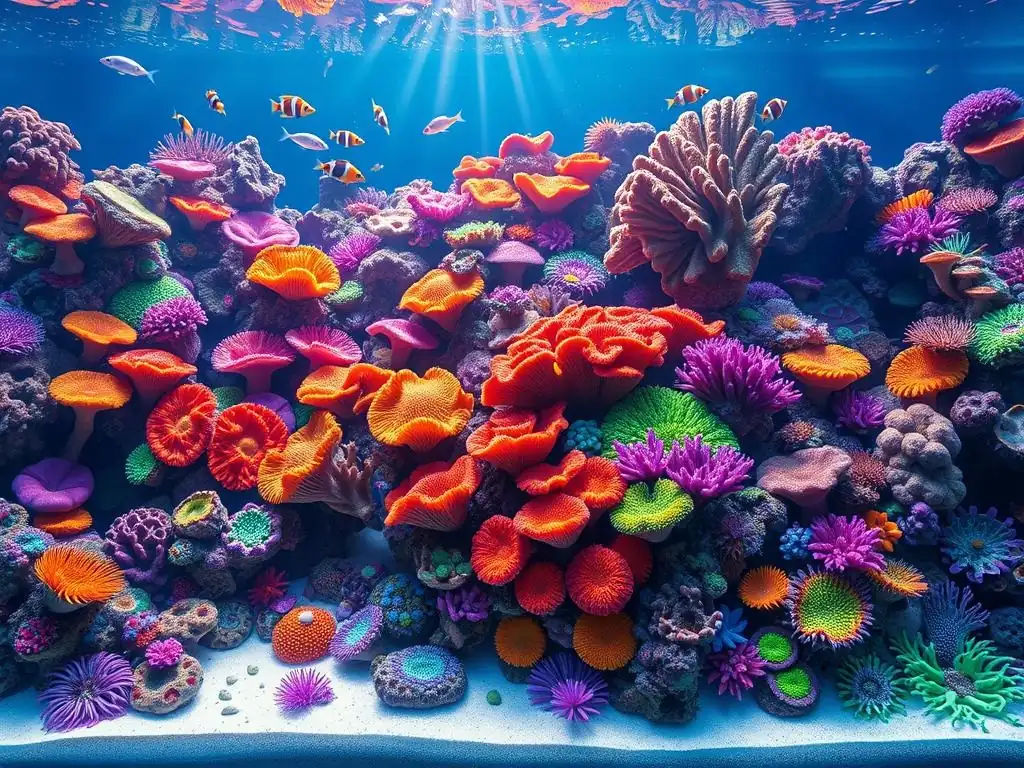
Ever wondered how to create a breathtaking underwater landscape teeming with vibrant life? Dive in and discover the secrets to a thriving reef! Today, we're unraveling the art of Reef tank coral placement, specifically focusing on the mesmerizing beauty of Mushroom corals. Learn how strategic placement can unlock their full potential and transform your aquarium into a dazzling carpet of color. But where do you even begin? Let's explore!
- Understanding Mushroom Corals for Optimal Reef Tank Placement
- Essential Factors for Mushroom Coral Placement in Reef Tanks
- Step-by-Step Guide to Mushroom Coral Placement
- Troubleshooting Common Mushroom Coral Placement Issues
- Creating a Stunning Mushroom Coral Carpet in Your Reef Tank
- Advanced Mushroom Coral Placement Techniques
- Maintaining Optimal Conditions for Mushroom Coral Growth and Color
- Maximizing Reef Tank Coral Placement Success with Mushroom Corals
- Frequently Asked Questions
- Final Reflection: Cultivating Underwater Gardens
- Ignite Your Reef: Plant Your Dream Coral Carpet!
Understanding Mushroom Corals for Optimal Reef Tank Placement
Identifying Different Types of Mushroom Corals
Mushroom corals, belonging to the order Corallimorpharia, are a diverse and popular group of soft corals renowned for their vibrant colors and relatively straightforward care requirements. Key genera commonly found in the hobby include Discosoma, Rhodactis, Ricordea, and Actinodiscus, each possessing unique characteristics. Discosoma mushrooms often exhibit a smooth, flat disc-like appearance, frequently displaying iridescent blues, reds, and greens. In contrast, Rhodactis species are known for their textured surfaces, which can be warty, hairy, or even shaggy, adding a different visual dimension to any reef tank coral placement.
Ricordea mushrooms, particularly Ricordea florida and Ricordea yuma, are highly prized for their striking patterns and highly textured oral discs, often featuring multiple contrasting colors and vesicles. For instance, a single Ricordea florida polyp can display a mosaic of electric blue, neon green, and fiery orange, making them a focal point in any reef aquarium. Understanding these distinctions is crucial for aesthetic planning and for ensuring that your chosen mushroom corals thrive in their specific reef tank coral placement, as some types might have slightly nuanced preferences for light or flow.
Mushroom Coral Growth Habits and Tank Space Considerations
Mushroom corals primarily reproduce through a process called budding or fission, where a new polyp develops from the base or margin of the parent and eventually detaches. They can also reproduce by fragmentation, where pieces that break off can re-attach and grow into new individuals.
This reproductive strategy means they can spread across rockwork and even substrate over time, forming expansive colonies or "carpets." While their growth rate is generally considered moderate compared to fast-growing SPS corals, they can significantly increase in size and number within a few months to a year, with individual polyps typically ranging from 1 to 6 inches in diameter depending on the species and conditions.
When planning your reef tank coral placement, it is essential to account for this potential spread. A single Discosoma mushroom, for example, can produce several offspring within a year, gradually covering a significant portion of a rock. Failing to anticipate their growth can lead to overcrowding, shading of other corals, or even overgrowth of less competitive species. Therefore, allocating sufficient space and considering their future expansion is a critical aspect of successful reef tank coral placement.
The Importance of Proper Reef Tank Coral Placement for Mushroom Health
Proper reef tank coral placement is paramount for the long-term health, vitality, and aesthetic appeal of your mushroom corals. Incorrect placement can lead to a myriad of issues, including tissue recession, bleaching, detachment from the substrate, and a general failure to thrive. For instance, placing a low-light Discosoma directly under intense LED lighting might cause it to shrink and lose its vibrant coloration due to photosynthetic stress, whereas a Rhodactis placed in an area of strong, direct flow might remain perpetually closed or detach.
Conversely, optimal reef tank coral placement ensures that mushrooms receive the ideal balance of light and water flow, promoting robust growth, vivid coloration, and natural expansion. It also minimizes potential aggression from neighboring corals, as some mushroom species, while generally peaceful, can irritate other corals if in direct physical contact. A well-considered placement strategy reduces stress on the coral, enhances its ability to photosynthesize and absorb nutrients, and ultimately contributes to a resilient and visually stunning reef aquarium.
Essential Factors for Mushroom Coral Placement in Reef Tanks
Lighting Requirements for Vibrant Mushroom Coral Coloration
Mushroom corals are generally considered low to moderate light corals, making them excellent choices for less intensely lit areas of a reef tank. Most species thrive under Photosynthetically Active Radiation (PAR) levels ranging from 50 to 150 µmol·m⁻²·s⁻¹. While Discosoma and Actinodiscus typically prefer the lower end of this spectrum, some Ricordea florida can tolerate slightly higher PAR, up to 200 µmol·m⁻²·s⁻¹, especially if gradually acclimated. Exposing mushrooms to excessive light can cause them to bleach, recede, or "ball up" as a defense mechanism, indicating photosynthetic stress.
Conversely, insufficient light will lead to a loss of vibrant coloration, stretching (where the coral appears elongated as it tries to reach for more light), and a general decline in health. For optimal reef tank coral placement, consider placing mushrooms in the lower to mid-sections of your aquarium, or on shaded ledges within the rockwork, away from the direct beam of high-intensity light sources. Observing the coral's behavior and color over a few days after initial reef tank coral placement will help determine if the lighting is appropriate.
Water Flow Considerations for Mushroom Corals: Preventing Detritus Buildup
Water flow is another critical factor in successful mushroom coral placement. These corals prefer low to moderate, indirect water movement. Strong, direct flow can be highly detrimental, causing mushrooms to remain retracted, struggle to open, detach from their substrate, or even experience tissue damage from constant buffeting. A prime example is a Rhodactis mushroom constantly being hit by a powerhead's direct stream, which will likely result in it remaining closed or detaching within days.
While strong flow is harmful, completely stagnant water is also undesirable as it can lead to the accumulation of detritus on the coral's surface. Detritus buildup can smother the coral, leading to tissue necrosis and infection. Therefore, the ideal reef tank coral placement for mushrooms is in an area with gentle, turbulent, and indirect flow that ensures detritus is gently swept away without causing the coral to constantly retract. Positioning them on a rock face where the flow gently washes over them, rather than directly at them, is often the most effective strategy for optimal reef tank coral placement.
Substrate Options for Mushroom Coral Attachment
Mushroom corals are adaptable when it comes to substrate, but they generally prefer to attach to stable surfaces. Live rock, or small pieces of live rock rubble, are the most common and ideal substrates for mushroom coral attachment. Their fleshy foot will extend and adhere firmly to the porous surface over time, providing a secure anchor. While some larger, established mushrooms can be placed directly on a sandy substrate, especially if they are already well-formed and stable, newly acquired or smaller polyps are prone to being swept away or buried if not secured.
For initial reef tank coral placement, especially when dealing with detached frags, using a small piece of rubble or a coral plug is highly effective. These can be placed in a low-flow area where the mushroom can settle and attach. Once attached, the entire piece can then be moved to its desired final reef tank coral placement. Ensuring a stable and appropriate substrate is crucial for preventing detachment, which is a common issue for new mushroom coral additions.
Step-by-Step Guide to Mushroom Coral Placement
Acclimating Mushroom Corals to Your Reef Tank
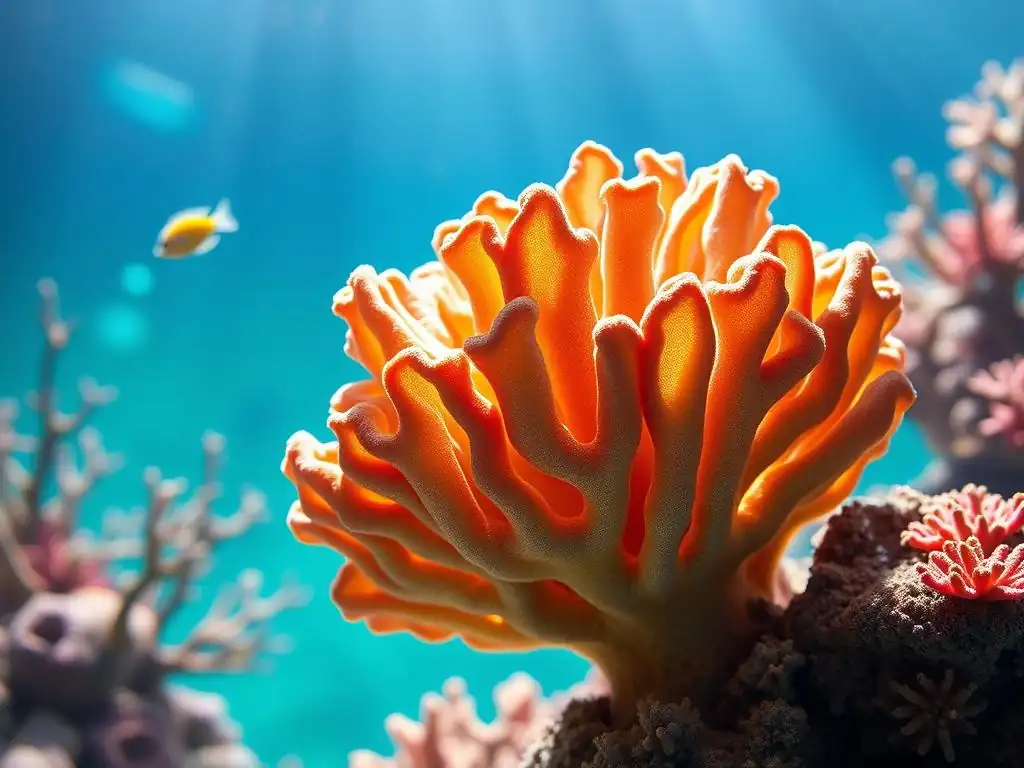
Proper acclimation is the first crucial step to successful mushroom coral placement. Upon arrival, the coral should be slowly acclimated to your tank's salinity and temperature. A drip acclimation method, where tank water is slowly dripped into the coral's bag or container over 30-60 minutes, is highly recommended to minimize osmotic shock.
For example, using an airline tubing with a knot to control the drip rate can ensure a gradual change in water parameters. After salinity and temperature acclimation, it's advisable to perform a brief dip in a coral dip solution (such as an iodine-based product) to remove potential pests like nudibranchs or flatworms, which can devastate a mushroom colony.
Light acclimation is equally important. Even if your tank's lighting is suitable for mushrooms, a newly introduced coral may still be stressed by a sudden change in light intensity. It's best to initially place the mushroom in a shaded area of your tank, perhaps on the sandbed or under an overhang, for a few days to a week.
Gradually, over the course of several days or even weeks, you can move it to its intended final reef tank coral placement, allowing it to slowly adjust to the higher light levels. This careful, multi-stage acclimation process significantly increases the chances of the mushroom thriving in its new environment.
Choosing the Ideal Location for Mushroom Coral Placement
Selecting the perfect spot for your mushroom coral is key to its long-term health and vibrant appearance. As previously discussed, mushrooms thrive in areas with low to moderate, indirect water flow and low to moderate light intensity. Avoid placing them directly under high-intensity light fixtures or in the direct path of powerheads. Instead, look for shaded ledges, crevices within your rockwork, or the lower sections of your aquascape. For instance, a small cave or an overhang provides an excellent spot where light is diffused and flow is gentle.
Consider the mushroom's potential for future growth and spread when making your reef tank coral placement decision. While mushrooms are generally peaceful, some species can expand significantly and potentially irritate or shade nearby corals if placed too closely. Allow at least 3 to 6 inches of clearance from other corals, especially more sensitive LPS or SPS species, to prevent chemical warfare or overgrowth. Planning for this expansion from the outset will prevent future issues and ensure harmonious reef tank coral placement.
Attaching Mushroom Corals to Rocks or Substrate
Once you've chosen the ideal location, securing the mushroom coral to its substrate is the next step. For detached frags or newly acquired mushrooms that aren't yet affixed, super glue gel (cyanoacrylate) is a popular and effective method. Simply apply a generous dab of glue to the underside of the mushroom's foot or to a small piece of rubble, then press it firmly onto the desired spot on your rockwork for 10-20 seconds. Ensure the coral's delicate tissue does not come into direct contact with the glue.
Alternatively, if the mushroom is small and difficult to glue, or if you prefer a less invasive method, you can place it in a small, low-flow crevice or depression in the rockwork. Gentle water flow will help it settle, and over a few days to a few weeks, the mushroom will naturally extend its foot and adhere to the rock.
Some aquarists also use a small piece of mesh or a rubber band to gently hold the mushroom in place against the rock until it attaches, though care must be taken not to damage the coral. Patience is key, as natural attachment can take time, but a secure bond is vital for successful reef tank coral placement.
Monitoring Mushroom Coral Health After Placement
After initial reef tank coral placement, diligent monitoring is essential to ensure your mushroom coral is acclimating well and thriving. For the first few days to a week, observe the coral daily for any signs of stress. A healthy mushroom coral should fully expand, display vibrant coloration, and appear plump. It should also retract slowly when gently disturbed. Signs of distress include prolonged retraction, shriveling, loss of color (bleaching or browning), excessive sliming, or tissue recession.
If you notice any of these symptoms, reassess the factors of its reef tank coral placement. Is the light too intense? Is the water flow too strong or too weak, leading to detritus accumulation? Are there any signs of aggression from neighboring corals or pests? Timely identification of issues allows for prompt adjustments, such as relocating the coral to a more suitable light or flow area, performing a water change to improve parameters, or addressing any pest concerns. Consistent observation is your best tool for ensuring successful reef tank coral placement.
Troubleshooting Common Mushroom Coral Placement Issues
Mushroom Coral Receding: Identifying the Cause and Finding Solutions
Mushroom coral receding, characterized by the shrinking or thinning of the coral's tissue, is a common sign of stress. One of the primary culprits is often excessive light. If a mushroom, particularly a Discosoma or Actinodiscus, is placed directly under high-intensity lighting (e.g., over 200 PAR), it may bleach and recede as its symbiotic zooxanthellae are expelled or damaged. Another common cause is poor water quality, specifically elevated nitrates or phosphates, which can stress the coral. For example, a tank with nitrate levels consistently above 20 ppm might see mushrooms looking dull and shrunken.
To address receding, first, evaluate your reef tank coral placement. If light is suspected, move the mushroom to a lower-light area, such as a shaded ledge or the sandbed. If water quality is an issue, perform regular small water changes (e.g., 10-15% weekly) and ensure your filtration system is efficient.
Aggression from nearby corals, especially stinging LPS or SPS, can also cause recession; ensure adequate spacing. Finally, inspect for pests like Discosoma nudibranchs, which specifically prey on mushroom corals. Addressing these factors promptly often allows the mushroom to recover and re-inflate, reinforcing the importance of correct reef tank coral placement.
Mushroom Coral Detachment: Re-attaching and Preventing Future Problems
Mushroom coral detachment, where the coral releases itself from its substrate, is a frustrating but often resolvable issue. The most frequent cause is strong, direct water flow that constantly buffets the coral, preventing it from securely attaching or causing it to release its grip. Physical disturbance, such as a fish knocking it loose or accidental contact during maintenance, can also lead to detachment. Furthermore, a new mushroom that hasn't fully adhered to its initial reef tank coral placement is more susceptible.
If a mushroom detaches, the immediate solution is to re-attach it. This can be done by carefully using super glue gel to secure it to a small piece of live rock rubble or a frag plug. Alternatively, if you prefer a natural re-attachment, place the detached mushroom in a small, low-flow container within your tank (like a net breeder) with a piece of rubble, allowing it to re-adhere on its own over several days.
To prevent future detachment, reassess your reef tank coral placement for water flow; redirect powerheads or move the coral to an area with gentler, indirect flow. Ensuring the initial attachment is secure, perhaps by holding it in place for a longer duration with super glue, will also significantly reduce the likelihood of detachment.
Mushroom Coral Aggression: Space Management and Compatible Tank Mates
While generally considered peaceful, some mushroom coral species, particularly certain Rhodactis varieties, can exhibit mild aggression, primarily through direct contact or the release of mild toxins. They are not as potent as many LPS or SPS corals, but if a mushroom grows to touch a more sensitive coral, it can cause the latter to recede or show signs of irritation. For example, a rapidly spreading Rhodactis colony might begin to shade and irritate an adjacent Blastomussa coral if not given enough space.
Effective space management is key to preventing these issues. When planning your reef tank coral placement, ensure there is adequate buffer space between mushroom corals and other species. A general guideline is to allow at least 3 to 6 inches of clearance, especially for species known to spread more aggressively.
If a mushroom colony is expanding rapidly and encroaching on neighbors, consider fragging or relocating some of the polyps to maintain harmony within your aquascape. Choosing compatible tank mates that do not pick at or disturb soft corals also contributes to a peaceful environment for your mushrooms, ensuring your reef tank coral placement remains harmonious.
Creating a Stunning Mushroom Coral Carpet in Your Reef Tank
Planning Your Mushroom Coral Garden Design
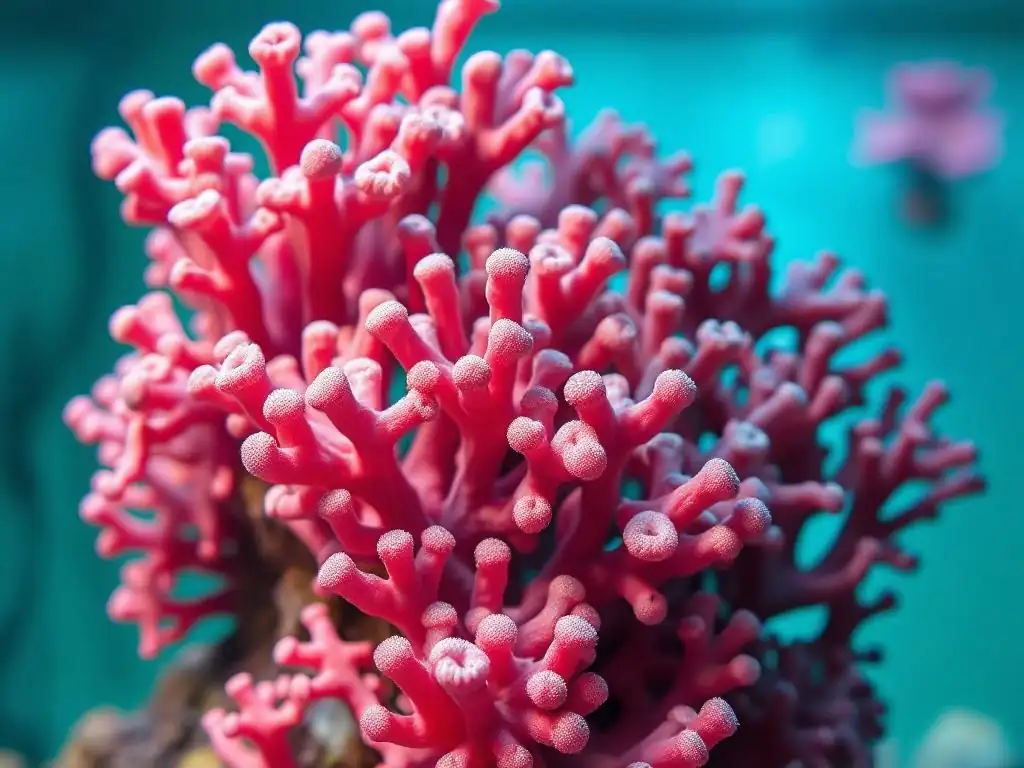
Creating a visually stunning mushroom coral carpet requires thoughtful planning and design. Before placing your corals, consider the overall aesthetic you wish to achieve. Will you aim for a monochromatic look with variations in texture, or a vibrant explosion of diverse colors? Visualize how the mushrooms will spread and interact with the existing rockwork. For instance, you might designate a specific section of your aquascape, such as a large, flat rock or a lower shelf, to be the primary "carpet" area.
Think about the contours of your rockwork; mushrooms can beautifully drape over ledges or fill in crevices, adding depth and natural flow to your reef tank. Sketching out your design ideas can be incredibly helpful. Consider creating distinct zones for different types or color morphs of mushrooms to prevent them from becoming a chaotic mix. This proactive approach to reef tank coral placement ensures that your mushroom garden develops into a cohesive and captivating display.
Combining Different Mushroom Coral Colors and Textures
The true beauty of a mushroom carpet lies in the ability to combine various colors and textures to create a dynamic and visually rich display. For instance, you could place a cluster of electric blue Discosoma mushrooms next to a patch of fiery orange Rhodactis with its unique warty texture. The smooth, vibrant surface of a green Actinodiscus can be contrasted with the highly textured, multi-colored vesicles of a Ricordea florida.
Don't be afraid to experiment with different arrangements. A common and effective strategy for reef tank coral placement is to group similar color morphs together to create strong visual blocks, then use contrasting colors or textures as accents. For example, a large expanse of deep red mushrooms could be punctuated by a small "island" of bright yellow ones. This combination of variety and strategic grouping will enhance the visual appeal of your mushroom carpet, making it a compelling focal point in your reef tank.
Maintaining a Healthy and Vibrant Mushroom Coral Carpet
Maintaining a healthy and vibrant mushroom coral carpet involves consistent care and attention to water parameters. Regular water changes (e.g., 10-20% bi-weekly) are crucial for replenishing trace elements and removing accumulated nitrates and phosphates, which can dull colors and inhibit growth. Aim for stable parameters: salinity at 1.025-1.026 SG, temperature between 75-78°F, alkalinity 7-9 dKH, calcium 400-450 ppm, and magnesium 1300-1400 ppm.
Beyond water quality, ensuring optimal lighting and water flow as discussed earlier is paramount. Periodically assess the spread of your mushroom carpet; if certain areas become too dense or start to encroach on other corals, consider fragging or carefully removing excess polyps to maintain the desired aesthetic and prevent overcrowding. While mushrooms are generally undemanding, this consistent maintenance ensures your reef tank coral placement remains effective, allowing your mushroom carpet to flourish with spectacular color and vitality for years to come.
Advanced Mushroom Coral Placement Techniques
Fragging and Propagating Mushroom Corals for Expanded Coverage
Fragging and propagating mushroom corals is an excellent technique for expanding your mushroom carpet or sharing with other hobbyists. The simplest method for many species, especially Discosoma and Rhodactis, involves gently cutting the foot of a larger polyp with a clean, sharp razor blade, ensuring a piece of the base is included.
The detached piece can then be placed on a frag plug or a small piece of rubble, often secured with a rubber band or super glue gel, in a low-flow area where it can re-attach. Within a few days to weeks, the frag will adhere and begin to grow into a new polyp.
Another method relies on natural fission or stress-induced detachment. By placing a mushroom in a slightly higher flow area or slightly stressing it, the coral may spontaneously release small "buds" or fragments. These fragments can then be collected and placed on new frag plugs for propagation. This controlled propagation allows for strategic reef tank coral placement, enabling you to fill specific areas of your aquascape with your desired mushroom varieties, creating a more cohesive and expansive carpet effect over time.
Using Mushroom Coral Islands and Aquascaping Features
Advanced reef tank coral placement techniques involve incorporating mushroom corals into unique aquascaping features to create visual interest and manage their spread. One popular method is creating "mushroom coral islands." This involves placing a single large rock or a cluster of smaller rocks in an open sandbed area, isolated from the main rockwork. This island then becomes a dedicated zone for a specific type or color of mushroom, allowing it to spread and form a dense colony without encroaching on other corals in the main aquascape. This also provides a striking focal point.
Furthermore, integrating mushrooms into crevices, ledges, and overhangs of your primary rock structure can add depth and texture. For example, allowing Ricordea florida to colonize a natural shelf creates a vibrant, multi-layered look. Using these natural features helps contain the mushrooms' spread to designated areas, making their proliferation an asset rather than a challenge. Thoughtful reef tank coral placement using these aquascaping features elevates your tank from a collection of corals to a living piece of art.
Controlling Mushroom Coral Spread in the Reef Aquarium
While mushroom corals are highly desirable for their aesthetic appeal, their prolific nature sometimes requires active management to prevent them from overgrowing other corals or dominating the aquascape. One effective method for controlling spread is through physical barriers. Creating "moats" of open sand around your mushroom-covered rockwork can prevent them from spreading onto adjacent rocks. For example, leaving a 2-3 inch gap of sand around a mushroom island usually deters them from expanding further.
Regular fragging and removal of excess polyps is another key control measure. If a particular patch of mushrooms is becoming too dense or spreading into unwanted areas, carefully detaching and removing some of the polyps can keep their growth in check. Strategic reef tank coral placement also plays a role; avoid placing mushrooms directly adjacent to slow-growing or sensitive corals that could easily be outcompeted or irritated by direct contact. Proactive management ensures that your mushroom carpet remains a beautiful, controlled feature rather than an invasive one.
Maintaining Optimal Conditions for Mushroom Coral Growth and Color
Water Parameter Monitoring and Adjustment for Mushroom Corals
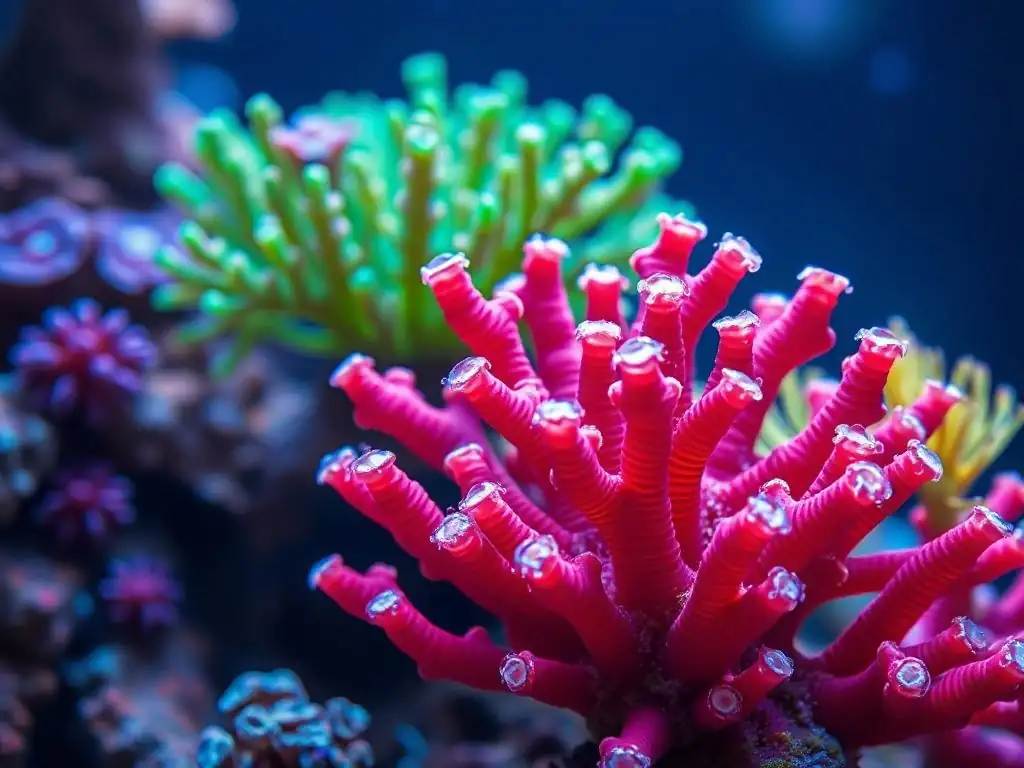
Maintaining stable water parameters is the cornerstone of successful mushroom coral growth and vibrant coloration. While generally hardy, mushrooms thrive within specific ranges. Salinity should be maintained between 1.025 and 1.026 specific gravity, ideally using a quality refractometer for accurate readings. Temperature stability is also crucial, ideally kept between 75-78°F (24-25.5°C), with minimal fluctuations. For instance, a daily swing of more than 2°F can stress even the hardiest mushrooms.
Alkalinity (7-9 dKH), calcium (400-450 ppm), and magnesium (1300-1400 ppm) should be monitored regularly, although mushrooms are less demanding than stony corals for these parameters. Nitrates should be kept low, ideally below 10 ppm, and phosphates below 0.05 ppm, as elevated levels can lead to dull coloration and inhibit growth. Regular testing with reliable kits and small, consistent adjustments are far better than large, infrequent corrections, ensuring the stability vital for optimal reef tank coral placement and health.
Supplementation and Feeding for Enhanced Mushroom Coral Health
Most mushroom corals are highly photosynthetic and derive the majority of their energy from the zooxanthellae living within their tissues, making them relatively self-sufficient regarding feeding. Therefore, direct supplementation of calcium, alkalinity, or magnesium is often not necessary if regular water changes (e.g., 10-20% bi-weekly) are performed with a high-quality salt mix, as these changes replenish essential trace elements.
However, some larger or more textured mushroom species, particularly certain Rhodactis and Ricordea, may benefit from occasional spot feeding. Offering fine particulate foods such as zooplankton, phytoplankton, or specialized coral foods once or twice a week can enhance their growth rate and intensify their colors. For example, a Rhodactis that appears slightly shrunken might expand more fully and display richer hues after targeted feeding. This supplemental feeding, while not strictly required for survival, can contribute to the overall vibrancy and robustness of your reef tank coral placement.
Preventing Pests and Diseases in Mushroom Corals
Preventing pests and diseases is crucial for maintaining a healthy mushroom coral carpet. The most common pests affecting mushroom corals are specialized nudibranchs, such as the Discosoma nudibranch, which specifically prey on Discosoma and Actinodiscus species. These pests are often camouflaged and can quickly decimate a colony if left unchecked. Aiptasia anemones can also be problematic if they grow on or near mushrooms, irritating them.
The best defense is prevention. Always quarantine new corals in a separate tank for several weeks before introducing them to your main display. During quarantine, carefully inspect the coral for any signs of pests and perform a prophylactic coral dip using a product designed to dislodge or kill common pests. For existing infestations, manual removal of nudibranchs with tweezers is effective, though often tedious. Maintaining pristine water quality and providing optimal reef tank coral placement conditions also strengthens the corals' natural defenses against disease, ensuring a resilient and vibrant mushroom carpet.
Maximizing Reef Tank Coral Placement Success with Mushroom Corals
Choosing the Right Tank Size and Equipment
Maximizing the success of your reef tank coral placement for mushrooms begins with selecting the appropriate tank size and equipment. Mushroom corals are adaptable and can thrive in a wide range of tank sizes, from nano aquariums (e.g., 10-20 gallons) to large reef systems (100+ gallons). For a dedicated mushroom carpet, a tank with ample floor space and lower rockwork is ideal. Key equipment includes stable lighting capable of providing low to moderate PAR (LEDs are excellent for this, often with adjustable intensity), and gentle water flow.
While protein skimmers are beneficial for larger tanks to maintain water quality, they are not strictly necessary for smaller, lightly stocked mushroom-only tanks, provided regular water changes are performed. Ensure you have reliable heaters to maintain stable temperatures and a robust filtration system (sump, refugium, or hang-on-back filter) to manage nutrients. The right equipment creates the stable environment necessary for effective reef tank coral placement and the long-term health of your mushrooms.
Understanding the Nitrogen Cycle in your Reef Aquarium
A fundamental understanding of the nitrogen cycle is paramount for any reef aquarium, including those focused on mushroom coral placement. The nitrogen cycle describes the biological process where harmful ammonia (from fish waste and decaying matter) is converted into less toxic nitrite, and then into even less toxic nitrate by beneficial bacteria. This cycle must be fully established, or "cycled," before any corals or fish are introduced. A typical cycle can take 4-8 weeks.
A mature and stable nitrogen cycle ensures that toxic compounds like ammonia and nitrite do not accumulate, which would be highly detrimental to mushroom corals. While mushrooms are relatively tolerant to some nitrates, consistently low levels are ideal for their vibrant coloration and overall health. A well-established cycle provides a stable chemical environment, reducing stress on the corals and significantly increasing the success rate of your reef tank coral placement.
The Long-Term Benefits of Proper Mushroom Coral Placement
The long-term benefits of proper reef tank coral placement for mushroom corals are multifaceted, extending beyond mere survival to encompass aesthetic appeal, ease of maintenance, and the overall joy of the hobby. A thoughtfully designed mushroom carpet, achieved through careful placement, offers a dynamic and visually stunning display that matures beautifully over time. Their relatively low maintenance requirements, once established, make them an excellent choice for both novice and experienced aquarists seeking vibrant, colorful additions without the complexities of high-demand stony corals.
Beyond their beauty, well-placed mushroom corals contribute to the biodiversity and stability of your reef ecosystem. They provide shelter for small invertebrates and fish, and their photosynthetic activity aids in oxygen production. Observing their unique behaviors, such as inflation, retraction, and gradual spread, provides immense satisfaction. Ultimately, proper reef tank coral placement leads to a resilient, thriving, and endlessly rewarding reef aquarium that can be enjoyed for many years.
Frequently Asked Questions
How important is proper coral placement in a reef tank?
Coral placement is crucial for the health and aesthetics of your reef tank. Incorrect placement can lead to coral aggression, inadequate lighting, and poor water flow, ultimately harming your corals.
What factors should I consider when placing mushroom corals?
Consider lighting intensity, water flow, and proximity to other corals. Mushroom corals generally prefer lower light and moderate water flow. Also, ensure they have enough space to expand without overcrowding other inhabitants.
How can I prevent mushroom corals from spreading too aggressively?
Regularly monitor your tank and manually remove any mushroom corals that are growing in undesirable locations. Some aquarists use fragging techniques to control their spread and even create new colonies.
What are the ideal lighting conditions for mushroom corals?
Mushroom corals thrive best under lower lighting conditions. Avoid placing them directly under intense metal halides or LEDs, which can cause bleaching. Provide shaded areas or use dimmable lights.
How does water flow affect mushroom coral placement?
Mushroom corals benefit from moderate water flow, providing them with nutrients and removing waste. However, avoid strong, direct flow, which can irritate them and cause them to detach from the substrate.
Final Reflection: Cultivating Underwater Gardens
The principles of reef tank coral placement, as explored in this article, are more than just aesthetic considerations; they represent a commitment to creating thriving, miniature ecosystems. Understanding the needs of mushroom corals, and strategically placing them within the reef, directly impacts their health, growth, and the overall biodiversity of the tank, a responsibility that resonates deeply in today's world where we are increasingly aware of the fragility of our natural environments.
This journey into the art of mushroom coral placement has highlighted the delicate balance within a reef aquarium. It’s a constant reminder that even in a controlled environment, success hinges on understanding and respecting the needs of each individual organism. The vibrant carpet of color we strive to create is not merely a visual spectacle, but a testament to our dedication as reef keepers. In nature, nothing exists alone.
- Rachel Carson. This quote perfectly encapsulates the interconnectedness of life within a reef tank, and the importance of thoughtful placement in fostering a harmonious environment.
Now, armed with this knowledge, consider how you can apply these principles to your own reef. Don't just aim for a visually appealing arrangement; strive to create a truly thriving ecosystem. Reflect on the needs of your corals, experiment with placement, and observe the results. Let your reef tank become a living laboratory, a testament to your dedication, and a vibrant reminder of the beauty and complexity of the natural world.
Ignite Your Reef: Plant Your Dream Coral Carpet!
Thank you for exploring the vibrant world of mushroom corals with us! We hope you're now inspired to bring even more color and texture to your aquarium. Ready to take the plunge and cultivate your own stunning coral carpet?
Here are a few actionable steps to get you started:
- Boldly begin by strategically placing your first mushroom coral frag in a low-flow area, observing its expansion and adaptation over the coming weeks. This is your foundation!
- Experiment with varying light intensities across your reef to discover the optimal conditions for maximizing the unique color morphs of your mushroom corals. Observe, learn, and adapt!
- Share your mushroom coral journey! Post photos of your growing carpet on social media using #AquariumMastery, inspiring other reef keepers with your success.
What surprising color combinations are you most excited to create in your mushroom coral carpet? Share your vision in the comments below!