
The "Bird of Paradise" Coral: Achieving Peak Color & Form in Your Seriatopora Colonies

Welcome to Aquarium Mastery!
Ever wondered how to unlock the true, vibrant potential of your Seriatopora coral? The "Bird of Paradise" is a stunning addition to any reef tank, but achieving its peak color and form takes more than just luck. Dive into this guide and discover practical Seriatopora coral color tips that will transform your colonies into breathtaking focal points. Ready to learn the secrets? Let's get started!
- Seriatopora Coral: Achieving Vibrant Color and Growth
- Understanding Seriatopora Coral: An Overview
- Key Factors Influencing Seriatopora Coral Coloration
- Optimizing Water Chemistry for Vibrant Seriatopora Corals
- Lighting Strategies for Maximum Color Potential
- Flow and Placement for Optimal Health and Color
- Troubleshooting Color Loss and Tissue Necrosis
- Advanced Techniques for Enhancing Color
- Fragging Seriatopora: Propagation
- Achieving Peak Color: A Summary of Care
-
Frequently Asked Questions
- What are the key factors influencing Seriatopora coral color?
- What specific water parameters are crucial for vibrant Seriatopora coral coloration?
- How does lighting impact the color of Seriatopora corals?
- What are some common causes of Seriatopora coral color loss or browning?
- Are there any specific supplements or additives that can enhance Seriatopora coral color?
- Final Reflection: Unveiling the Vibrant Potential of Seriatopora
- Ignite Your Reef: Unleash the Bird of Paradise's Full Glory!
Seriatopora Coral: Achieving Vibrant Color and Growth
Understanding Seriatopora Coral: An Overview
Identifying Common Seriatopora Species
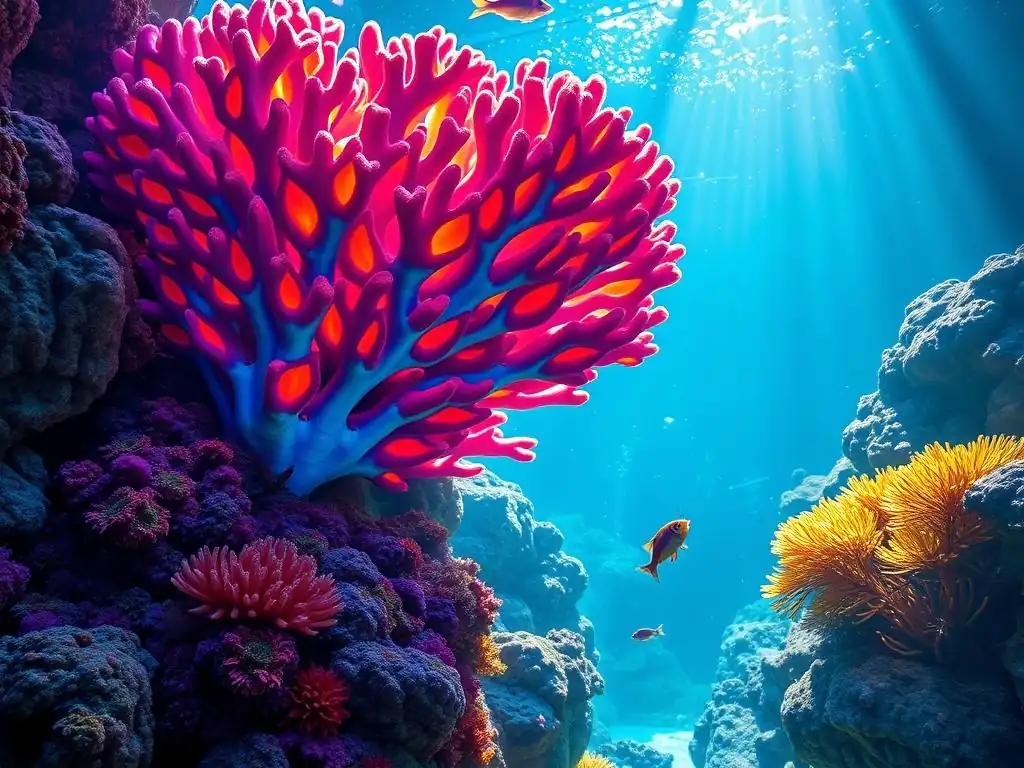
Seriatopora corals, often referred to as "Bird of Paradise" corals, are popular Small Polyp Stony (SPS) corals known for their branching growth forms and vibrant colors. The most commonly encountered species in the hobby is Seriatopora hystrix, which typically exhibits a bushy, branching structure with sharp, pointed tips. Its common name, "Bird of Paradise," stems from its potential to display brilliant pink, purple, or even yellow coloration, especially at the growth tips, making it a highly sought-after coral for its aesthetic appeal.
Beyond Seriatopora hystrix, other notable species include Seriatopora caliendrum, which often forms more robust, thicker branches and can display green, yellow, or brown hues, and Seriatopora guttatus, characterized by a more open, delicate branching structure. While all Seriatopora species share similar care requirements, their specific growth patterns and potential for vibrant coloration, which aquarists often aim to optimize with specific Seriatopora coral color tips, can vary slightly. Understanding these distinctions helps in appreciating their natural beauty and tailoring care to achieve their peak form.
Natural Habitat and Water Parameter Preferences
In their natural habitat, Seriatopora corals thrive in the clear, nutrient-poor waters of the Indo-Pacific reefs, typically found in shallow to moderate depths where they receive intense light and strong, turbulent water flow. Their prevalence in such dynamic environments indicates their preference for stable, high-quality water conditions that mimic these pristine oceanic settings. This natural preference forms the bedrock of successful Seriatopora care in a home aquarium.
To achieve the best growth and coloration in a captive environment, maintaining stable water parameters is paramount. Ideal water temperature should range between 76-80°F (24-27°C), with specific gravity maintained at 1.025-1.026. For major elements, aim for alkalinity between 7-9 dKH, calcium levels of 400-450 ppm, and magnesium concentrations of 1300-1400 ppm. Consistent adherence to these parameters is a fundamental Seriatopora coral color tip, as even minor fluctuations can stress the coral and diminish its vibrant hues.
Key Factors Influencing Seriatopora Coral Coloration
The Role of Zooxanthellae and Pigments
The vibrant colors observed in Seriatopora corals are a complex interplay between their symbiotic algae, zooxanthellae, and the coral host's own pigments. Zooxanthellae, microscopic dinoflagellates living within the coral's tissue, contain chlorophyll and other photosynthetic pigments that provide the coral with a significant portion of its energy through photosynthesis. The density and type of zooxanthellae primarily influence the coral's base color, often contributing to brown, green, or yellowish tones.
However, the striking pinks, purples, reds, and blues that make Seriatopora so appealing are largely due to the coral's production of host pigments, specifically chromoproteins and fluorescent proteins. These proteins are synthesized by the coral itself, often as a protective mechanism against intense light or in response to specific light spectra. Optimal Seriatopora coral color tips often focus on managing environmental factors to encourage the coral to produce these brilliant, light-reactive pigments, showcasing its full chromatic potential.
Impact of Light Spectrum and Intensity on Color
Light is arguably the most critical factor influencing Seriatopora coloration. Not only does it fuel the zooxanthellae's photosynthesis, but specific wavelengths of light directly stimulate the coral to produce its vibrant host pigments. Blue and violet light, typically in the 420-470 nanometer (nm) range, are particularly effective in promoting the synthesis of many chromoproteins responsible for pinks, purples, and blues.
While a broad spectrum is necessary for overall coral health, an emphasis on the blue end of the spectrum, combined with appropriate intensity, is a key Seriatopora coral color tip. Seriatopora species generally thrive under moderate to high Photosynthetically Active Radiation (PAR) levels, often in the range of 200-450 PAR.
Too low PAR can lead to dull colors and slow growth, as the coral may increase zooxanthellae density to compensate for insufficient light, resulting in a "browned out" appearance. Conversely, excessively high PAR or sudden changes in light intensity can cause stress, leading to bleaching where the coral expels its zooxanthellae, resulting in a pale or white appearance.
Water Chemistry and Color Development
Beyond light, stable and optimal water chemistry plays a foundational role in achieving and maintaining vibrant Seriatopora coral color. While light directly influences pigment production, consistent water parameters ensure the coral's overall health and metabolic function, which are prerequisites for healthy coloration. Any significant fluctuation in alkalinity, calcium, or magnesium can stress the coral, diverting energy from pigment synthesis to stress response or repair, leading to diminished color intensity or even tissue recession.
Furthermore, the balance of nutrients, specifically nitrates and phosphates, also profoundly impacts Seriatopora coloration. While ultra-low nutrient systems (ULNS) are often associated with brighter, more pastel SPS colors due to reduced zooxanthellae density, excessively low nutrients can starve the coral, leading to pale colors or even tissue loss. Conversely, high nutrient levels can cause an overpopulation of zooxanthellae, leading to a "brown-out" effect where the coral's natural host pigments are masked. Achieving the right balance is a critical Seriatopora coral color tip, ensuring both health and vivid pigmentation.
Optimizing Water Chemistry for Vibrant Seriatopora Corals
Maintaining Stable Alkalinity, Calcium, and Magnesium
Maintaining unwavering stability in alkalinity (dKH), calcium (Ca), and magnesium (Mg) levels is perhaps the most critical aspect of water chemistry for Seriatopora corals. These elements are the fundamental building blocks for the coral's aragonite skeleton. A healthy, growing skeleton supports robust tissue, which is essential for vibrant coloration. Seriatopora corals, being fast-growing SPS, can consume these elements rapidly; a mature SPS-dominated tank might see alkalinity depletion of 0.5 to 1.5 dKH per day.
To combat this consumption and ensure stability, consistent dosing is imperative. This can be achieved through automated two-part dosing systems, a calcium reactor, or regular manual additions of kalkwasser. The goal is not just to hit target numbers (e.g., 8.0 dKH, 420 ppm Ca, 1350 ppm Mg) but to maintain them with minimal daily fluctuation, ideally within 0.2 dKH for alkalinity. Instability, even if parameters eventually return to target, creates stress that can lead to dull Seriatopora coral color and even tissue loss.
Nutrient Management: Nitrate and Phosphate Levels
The delicate balance of nitrate (NO3) and phosphate (PO4) is a key determinant of Seriatopora coral color. While many reef aquarists strive for "zero" nutrients, Seriatopora corals, like most SPS, require trace amounts to thrive. An ideal range for nitrates is typically 2-10 ppm, and for phosphates, 0.02-0.08 ppm. When nutrient levels are too high, zooxanthellae populations within the coral tissue can proliferate excessively, leading to a "brown-out" effect where the coral's vivid host pigments are overshadowed by the brown-green hues of the algae.
Conversely, an Ultra Low Nutrient System (ULNS) can induce brighter, more pastel colors by reducing zooxanthellae density, which allows the coral's natural pigments to shine through. However, extreme ULNS conditions (e.g., nitrates below 0.5 ppm and phosphates undetectable) can starve the coral, leading to pale colors, slow growth, and even tissue necrosis. Effective nutrient management involves regular water changes, proper filtration (e.g., protein skimming, refugiums), and potentially methods like GFO (Granular Ferric Oxide) for phosphate removal or carbon dosing for nitrate reduction. Achieving this "sweet spot" is a critical Seriatopora coral color tip, balancing vibrancy with overall health.
Trace Elements and Their Effect on Color
While alkalinity, calcium, and magnesium are the macronutrients for coral growth, trace elements, though needed in minute quantities, are often pivotal for enhancing and maintaining specific Seriatopora coral color tips. These elements act as cofactors in enzymatic reactions and are involved in the synthesis of various coral pigments. Their depletion in a closed system, often due to uptake by corals, algae, and protein skimming, necessitates careful supplementation.
Iodine, Strontium, and Other Essential Trace Elements
Several trace elements are commonly discussed for their potential impact on coral coloration. Iodine, often recommended at levels around 0.06 ppm, is believed by some aquarists to enhance pinks and reds in certain SPS corals, though its primary role is in general coral health and metabolism. Strontium, typically maintained at 8-10 ppm, is structurally integrated into the coral skeleton alongside calcium and is vital for healthy calcification, which in turn supports robust tissue and better color.
Other elements like Potassium (around 380-410 ppm) have been anecdotally linked to enhancing pink and red coloration in some SPS species, including Seriatopora. Iron, while often associated with promoting green coloration in some corals by influencing zooxanthellae, must be dosed very cautiously to avoid promoting nuisance algae. It is crucial to use high-quality trace element supplements and follow manufacturer guidelines, as overdosing can be far more detrimental than underdosing. Regular testing, if reliable kits are available for specific trace elements, is recommended to refine your Seriatopora coral color tips strategy for supplementation.
Lighting Strategies for Maximum Color Potential
Selecting Appropriate Lighting Systems
Choosing the right lighting system is fundamental for unlocking the full color potential of your Seriatopora corals. The primary options available to hobbyists include T5 fluorescent lighting, LED fixtures, and Metal Halide lamps. Each has its advantages in providing the necessary light spectrum and intensity for vibrant Seriatopora coral color. T5 systems, particularly those combining blue, actinic, and purple bulbs with a few white bulbs, offer a broad, diffuse light that penetrates well and provides excellent coloration.
LED fixtures have become increasingly popular due to their energy efficiency, longevity, and superior control over spectrum and intensity. High-quality full-spectrum LEDs with channels for blue, royal blue, violet, and UV wavelengths are ideal for stimulating chromoprotein production in Seriatopora. While Metal Halides provide intense, deep penetration, they generate significant heat and offer less spectral control compared to modern LEDs. Ultimately, the best system is one that allows for precise control over light intensity and spectrum, enabling you to fine-tune conditions for optimal Seriatopora coral color tips.
Understanding PAR and Light Spectrum
Beyond simply choosing a light, understanding Photosynthetically Active Radiation (PAR) and the specific light spectrum is crucial for maximizing Seriatopora coral color. PAR measures the amount of light available for photosynthesis, and Seriatopora corals generally thrive in moderate to high PAR environments, typically ranging from 250-450 PAR at the coral's location. Too little PAR can lead to dull colors and slow growth, while excessive PAR can cause bleaching and tissue damage.
The spectrum, or the color of the light, is equally important. Blue and violet wavelengths (420-470 nm) are particularly effective at stimulating the production of vibrant pink, purple, and blue chromoproteins in SPS corals. While a predominantly blue spectrum can enhance these specific colors, a balanced spectrum that includes some white light (e.g., 10,000K or 14,000K) is essential for overall coral health, growth, and the natural appearance of your reef. Many successful Seriatopora coral color tips emphasize a strong blue dominant spectrum with enough white to provide a full spectral range for healthy photosynthesis and pigment development.
Light Acclimation: Preventing Stress and Bleaching
Proper light acclimation is a critical step in introducing new Seriatopora corals or upgrading your lighting system, preventing stress, and ensuring the coral can maintain or develop its peak coloration. Corals, especially SPS, are highly sensitive to sudden changes in light intensity. Introducing a coral directly to high PAR without acclimation can lead to severe stress or immediate bleaching, where the coral expels its symbiotic zooxanthellae, turning pale or white.
To acclimate effectively, start with a lower intensity or shorter photoperiod, gradually increasing it over several weeks. For example, if using LEDs, begin at 40-50% of the target intensity and increase by 5-10% weekly, closely observing the coral for signs of stress such as paling, tissue recession, or loss of polyp extension. This gradual approach allows the coral's zooxanthellae to adjust to the new light levels and the coral to regulate its pigment production, ensuring that your Seriatopora coral color tips lead to vibrant, healthy corals rather than stressed, bleached ones.
Flow and Placement for Optimal Health and Color
Importance of Water Flow for Nutrient Delivery and Waste Removal
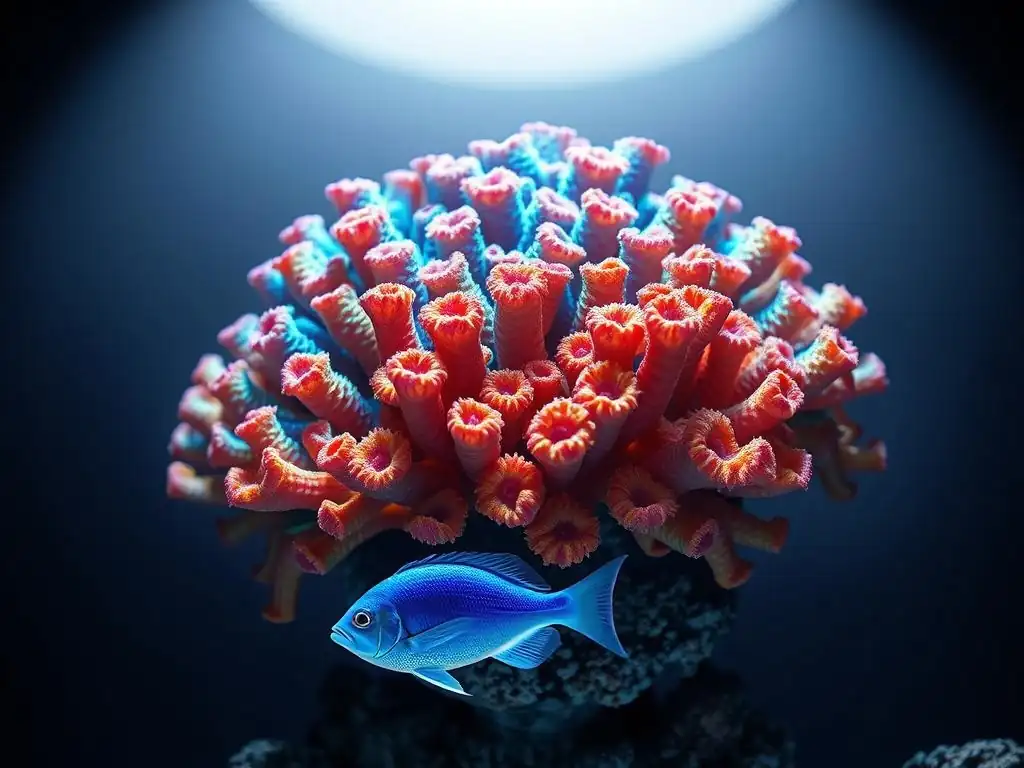
Water flow is a non-negotiable requirement for the health and vibrant coloration of Seriatopora corals. These corals thrive in strong, turbulent, and varied water movement, mimicking their natural reef environment. Adequate flow serves several critical functions: it delivers essential nutrients, including calcium, alkalinity, and trace elements, directly to the coral polyps, facilitating their growth and metabolic processes.
Equally important, strong flow prevents the accumulation of detritus and waste products on the coral tissue, which can otherwise lead to tissue necrosis or create localized areas of poor water quality. It also helps in the removal of metabolic waste from the coral itself. Inadequate flow can result in "dead spots" where detritus settles, leading to tissue irritation, bacterial infections, and ultimately, dull coloration or even tissue loss. Therefore, providing robust, random, and indirect flow is a fundamental Seriatopora coral color tip for promoting both health and peak vibrancy.
Seriatopora Placement: Considering Light and Flow
Strategic placement of your Seriatopora coral within the aquarium is crucial for optimizing both its light exposure and water flow, directly impacting its ability to achieve vibrant coloration. Given their preference for high light and strong, turbulent flow, Seriatopora species typically do best in the mid-to-upper regions of the tank, where they can receive ample PAR. However, direct, laminar flow should be avoided, as it can cause tissue damage. Instead, aim for chaotic, indirect flow that constantly changes direction, ensuring all parts of the coral receive nutrients and are free of detritus.
When placing multiple corals, ensure there is sufficient space around the Seriatopora to prevent shading from other corals, which could lead to localized color loss, and to allow for unobstructed flow. Proper placement contributes not only to the coral's overall health and growth rate but also to the uniform development of its vibrant Seriatopora coral color across its entire structure. Observing how the polyps extend and the coral's overall appearance under different flow patterns can help fine-tune its ideal position.
Preventing Algae Buildup
Preventing algae buildup on Seriatopora coral tissue is an essential aspect of maintaining its health and vibrant coloration. Nuisance algae, such as diatoms, hair algae, or cyanobacteria, can settle on the coral's delicate tissue if water flow is insufficient or nutrient levels are elevated. Once established, algae can directly compete with the coral for light and nutrients, effectively shading the coral tissue and inhibiting its photosynthesis. This reduction in light can lead to a significant dulling of the coral's colors, as it struggles to produce its vibrant host pigments.
Consistent and strong water flow plays a crucial role in physically sweeping away detritus and preventing algae from settling on the coral. Furthermore, stringent nutrient control, achieved through regular water changes, effective protein skimming, and judicious feeding, is vital to starve out nuisance algae. By minimizing algae competition, you ensure that your Seriatopora receives unobstructed light and can dedicate its energy to growth and dazzling Seriatopora coral color production, rather than battling algal overgrowth.
Troubleshooting Color Loss and Tissue Necrosis
Identifying Causes of Bleaching
Bleaching in Seriatopora corals, characterized by a loss of color and a pale or white appearance, is a clear sign of severe stress. The most common cause is excessive or sudden changes in light intensity (too high PAR or too rapid acclimation), which causes the coral to expel its symbiotic zooxanthellae. However, bleaching can also be triggered by significant fluctuations in water parameters, such as alkalinity swings, low calcium/magnesium, or temperature shock (sudden drops or spikes outside the ideal range of 76-80°F).
Other contributing factors include prolonged periods of nutrient starvation in ultra-low nutrient systems, which can stress the coral to the point of expelling zooxanthellae. Pests or diseases, while less common as primary causes of widespread bleaching, can also weaken the coral and make it more susceptible. Identifying the specific stressor is the first step in recovery; often, gradually reducing light intensity, stabilizing water parameters, and ensuring proper flow can help the coral regain its Seriatopora coral color tips and overall health over several weeks.
Addressing Rapid Tissue Necrosis (RTN) and Slow Tissue Necrosis (STN)
Rapid Tissue Necrosis (RTN) and Slow Tissue Necrosis (STN) are severe conditions that can affect Seriatopora corals, leading to irreversible tissue loss and often death. RTN manifests as a sudden, often overnight, sloughing off of coral tissue, frequently starting from the base and rapidly progressing upwards, leaving behind a stark white skeleton. STN, conversely, is a slower, progressive loss of tissue over days or weeks, often appearing as a receding line of flesh.
Both RTN and STN are generally symptomatic of extreme stress, though bacterial infections are often implicated in RTN. Causes include severe water parameter instability, extreme temperature fluctuations, nutrient deficiencies or excesses, or even physical damage. Immediate action is crucial: if possible, fragging healthy portions of the coral above the affected area can save a piece.
Improving water quality, ensuring stable parameters, increasing water flow around the coral, and in some severe cases, dipping the coral in an antibacterial solution (as a last resort) can sometimes halt the progression. Addressing the underlying stressor is paramount to preventing future occurrences and preserving your vibrant Seriatopora coral color.
Recognizing and Treating Pests
While Seriatopora corals are generally less prone to specific dedicated pests than Acropora, they can still be affected by general SPS pests or opportunistic organisms. The most common threats include flatworms (such as Montipora-eating nudibranchs, though they can sometimes bother Seriatopora), red bugs ( Tegastes acroporanus), and various types of predatory snails. Early detection is key, as these pests can rapidly reproduce and cause significant damage, leading to tissue loss and dull Seriatopora coral color.
Careful visual inspection of your Seriatopora during routine tank maintenance is the best defense. Look for small, unusual bumps (nudibranchs), tiny reddish-brown copepods (red bugs), or areas of tissue irritation. If pests are identified, treatment typically involves dipping the coral in a commercially available coral dip solution designed to kill pests without harming the coral, followed by a freshwater rinse. For severe infestations, multiple dips may be necessary, and biological controls like certain wrasse species can sometimes help manage populations of some pests.
Advanced Techniques for Enhancing Color
Amino Acid Supplementation
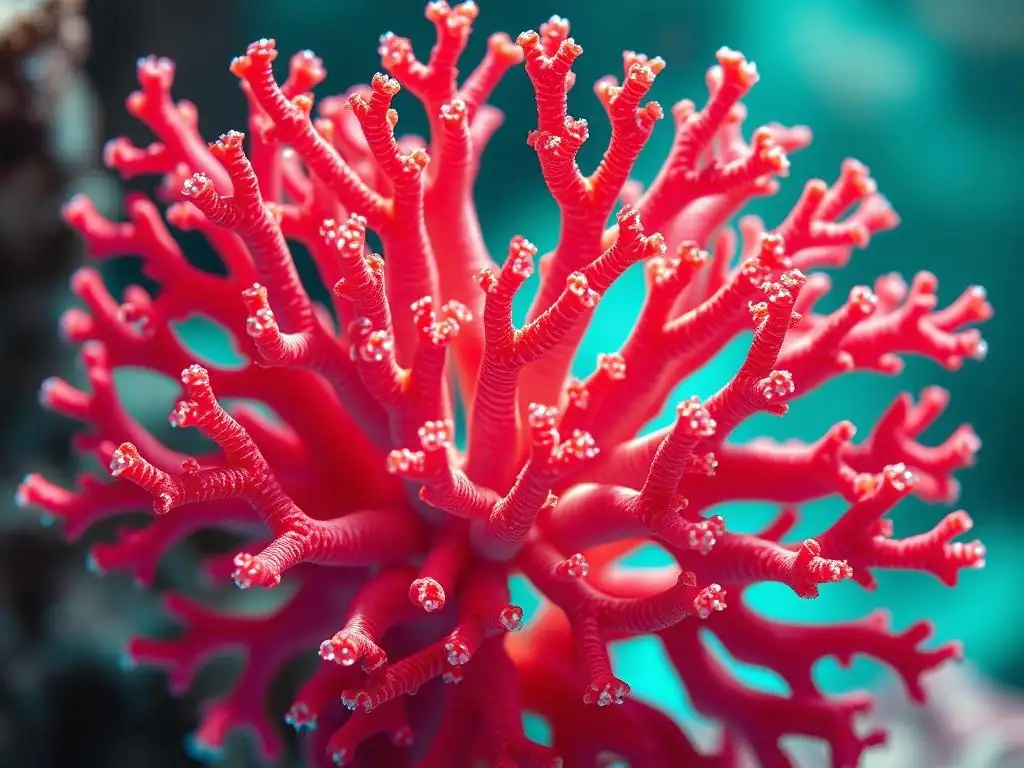
Amino acid supplementation has become a popular advanced technique among aquarists aiming to enhance the health, growth, and particularly the vibrant Seriatopora coral color of their SPS corals. Amino acids are the fundamental building blocks of proteins, including the chromoproteins that give corals their brilliant hues. In ultra-low nutrient systems, where corals may not receive sufficient protein from natural food sources, supplementing with amino acids can provide the necessary precursors for pigment synthesis.
Many aquarists report noticeable improvements in the intensity of pinks, reds, and purples in their Seriatopora corals after consistent amino acid dosing. It is generally recommended to start with a low dose and gradually increase it, observing the coral's response, as overdosing can sometimes lead to nuisance algae blooms. This strategy supports the coral's metabolic needs, allowing it to allocate more energy towards producing the dazzling pigments that define peak Seriatopora coral color.
Carbon Dosing
Carbon dosing is an advanced nutrient reduction method that can indirectly contribute to enhanced Seriatopora coral color by helping to achieve and maintain ultra-low nutrient system (ULNS) conditions. The process involves adding a digestible carbon source (such as vinegar, vodka, or commercially available carbon supplements) to the aquarium water. This carbon fuels the proliferation of beneficial bacteria, which in turn consume nitrates and phosphates from the water column as part of their metabolic processes.
By significantly lowering nitrate and phosphate levels, carbon dosing can reduce the density of zooxanthellae within the coral tissue. This reduction allows the coral's own vibrant host pigments to become more prominent, leading to brighter, more pastel, and often more intense Seriatopora coral color. However, carbon dosing requires careful monitoring and precision, as overdosing can lead to bacterial blooms, oxygen depletion, or nutrient starvation if levels become too low. When implemented correctly, it is a powerful tool for fine-tuning water chemistry for optimal SPS coloration.
Fragging Seriatopora: Propagation
Fragging Techniques
Fragging Seriatopora corals is a straightforward process, making them an excellent choice for propagation and sharing with other hobbyists. Due to their delicate, branching structure, Seriatopora are relatively easy to frag. The most common technique involves using bone cutters or sharp, clean pliers to snip off a branch that is at least 1-2 inches long. Ensure the cut is clean to minimize damage to the mother colony and the frag.
After making the cut, handle the frag minimally to reduce stress. It's advisable to dip the frag in a coral dip solution for a few minutes to cleanse it of any potential pests or irritants from the cutting process, though this is optional for healthy colonies. The frag can then be attached to a frag plug or a small piece of live rock using cyanoacrylate gel glue (super glue).
Allow the glue to set for a minute or two before returning the frag to the main display tank. Proper fragging is a simple Seriatopora coral color tip for expanding your collection while maintaining the health of the parent colony.
Maintaining Color in Frags
Once a Seriatopora frag has been cut and mounted, maintaining its vibrant coloration, and ideally allowing it to intensify, is the next step. Like any coral, frags will experience some degree of stress from the fragging process, which may initially lead to a slight paling of their color. The key to successful recovery and color retention lies in providing the exact same optimal conditions as the mother colony.
Place the frag in an area of the tank that receives appropriate light intensity and spectrum (e.g., 250-400 PAR, with a strong blue component) and ample, turbulent water flow. Consistent water parameters—stable alkalinity, calcium, magnesium, and controlled nutrient levels—are paramount for the frag to heal, encrust, and resume healthy growth and pigment production. A healthy mother colony typically produces healthy frags, and by providing ideal conditions, these frags will quickly regain and potentially surpass the vibrant Seriatopora coral color of the parent.
Achieving Peak Color: A Summary of Care
Combining Key Factors for Long-Term Success
Achieving and maintaining the peak "Bird of Paradise" Seriatopora coral color is not the result of a single magic bullet, but rather the harmonious combination of multiple critical factors. Long-term success hinges on unwavering attention to stable water parameters, including alkalinity (7-9 dKH), calcium (400-450 ppm), and magnesium (1300-1400 ppm), ensuring they remain consistent with minimal daily fluctuations. This foundational stability provides the necessary building blocks for robust skeletal growth and healthy tissue, which are prerequisites for vibrant pigmentation.
Equally vital is a carefully calibrated lighting strategy that provides optimal PAR levels (250-450 PAR) and a spectrum rich in blue and violet wavelengths to stimulate the coral's host pigments. This must be coupled with strong, turbulent, and varied water flow to ensure nutrient delivery and waste removal, preventing stagnation and detritus buildup.
Furthermore, meticulous nutrient management, maintaining nitrates between 2-10 ppm and phosphates between 0.02-0.08 ppm, is crucial for balancing zooxanthellae density and allowing the coral's inherent colors to shine through. Consistent adherence to these Seriatopora coral color tips, alongside careful observation and timely intervention for any signs of stress, will lead to truly spectacular and long-lasting coloration.
Further Reading and Resources.
To deepen your understanding of Seriatopora coral care and advanced techniques for enhancing their coloration, consider consulting comprehensive reefkeeping guides and scientific publications focusing on SPS coral physiology and husbandry. Engaging with experienced aquarists in online forums and local reef clubs can also provide invaluable practical Seriatopora coral color tips and insights based on real-world experiences.
Many reputable online resources and books offer detailed profiles of Seriatopora species, troubleshooting guides for common issues, and discussions on the latest advancements in reef aquarium technology and supplementation. Continual learning and careful observation of your specific aquarium environment are key to mastering the art of vibrant Seriatopora cultivation.
Frequently Asked Questions
What are the key factors influencing Seriatopora coral color?
Color in Seriatopora corals, often called "Bird of Paradise" coral, is primarily influenced by lighting intensity and spectrum, water quality parameters, and nutrient levels within the aquarium.
What specific water parameters are crucial for vibrant Seriatopora coral coloration?
Maintaining stable and optimal water parameters is vital. Specifically, pay attention to alkalinity, calcium, and magnesium levels, as well as ensuring nitrates and phosphates remain low.
How does lighting impact the color of Seriatopora corals?
Seriatopora corals thrive under intense lighting, particularly with a blue-heavy spectrum. Experimenting with different lighting setups can significantly impact their coloration.
What are some common causes of Seriatopora coral color loss or browning?
Color loss or browning can be caused by inadequate lighting, fluctuations in water parameters, or high nutrient levels in the aquarium water.
Are there any specific supplements or additives that can enhance Seriatopora coral color?
While not always necessary, certain supplements like amino acids and trace elements can sometimes enhance coloration. However, prioritize stable water parameters first.
Final Reflection: Unveiling the Vibrant Potential of Seriatopora
The journey to unlocking the peak color and form in Seriatopora colonies is more than just a technical pursuit; it's a testament to our dedication to understanding and nurturing the delicate ecosystems within our aquariums. This pursuit of vibrant hues and intricate structures reflects a broader desire to connect with the beauty and complexity of the natural world, bringing a slice of the ocean's majesty into our homes.
This fascination with Seriatopora, and the meticulous care required to achieve its full potential, highlights the growing awareness of the interconnectedness of life and the responsibility we have to protect it. The dedication to providing the perfect environment for these corals mirrors a larger commitment to environmental stewardship. In the end, we will conserve only what we love; we will love only what we understand; and we will understand only what we are taught.
- Baba Dioum
As you continue to explore the nuances of Seriatopora coral care and strive to achieve those breathtaking colors, remember that your efforts contribute to a greater understanding and appreciation of marine life. Let the vibrant beauty you cultivate serve as a constant reminder of the wonders that exist beneath the waves, and inspire you to champion the preservation of these fragile ecosystems for generations to come.
Ignite Your Reef: Unleash the Bird of Paradise's Full Glory!
Thank you for diving deep into the secrets of vibrant Seriatopora colonies! We hope you've discovered valuable insights to elevate your reef-keeping skills. Now, let’s put that knowledge into action.
Here are a few things you can do right now:
- Immediately assess your alkalinity levels! This is the key to unlocking the Bird of Paradise's true potential. Aim for stable parameters.
- Explore different light spectrums and intensities. Experimentation is crucial to finding the sweet spot for your specific system.
- Share your before-and-after photos of your Seriatopora's transformation on your favourite reefing forum – let's inspire each other!
What's the first adjustment you're going to make to bring out the best in your Bird of Paradise coral?