
The Science Behind Acan Coloration: How to Make Them Pop

Welcome to Aquarium Mastery!
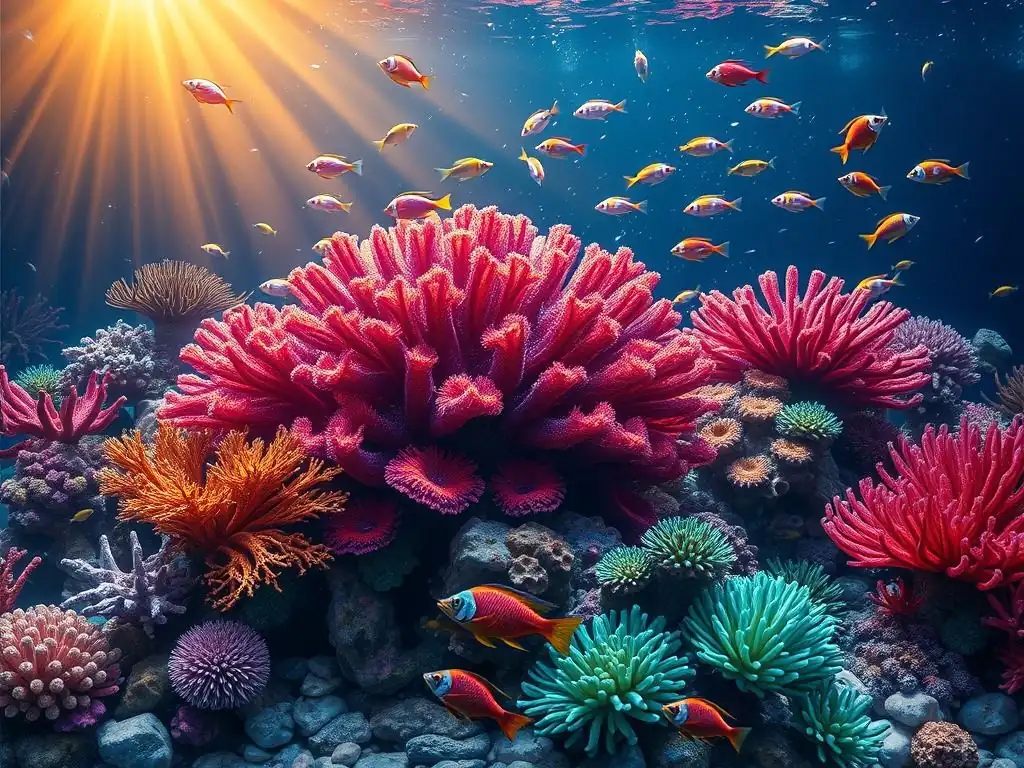
Ever wondered why some Acanthastrea corals boast vibrant, otherworldly colors while others remain… well, less impressive? Dive into "The Science Behind Acan Coloration: How to Make Them Pop" and unlock the secrets to maximizing the breathtaking hues of your LPS corals. Prepare to be amazed by the Acan coloration tips and tricks that can transform your reef tank into a living masterpiece. Let's explore the fascinating world of coral pigmentation together!
- Maximizing Acan Lordhowensis Coloration: A Comprehensive Guide
- Understanding Acan Lord Coloration: A Primer
- Environmental Factors Influencing Acan Lord Coloration in Aquariums
- Practical Acan Lord Coloration Techniques
- Advanced Techniques for Enhancing Acan Lord Color
- Troubleshooting Acan Lord Color Problems
-
Frequently Asked Questions
- What factors most significantly impact Acan coloration in aquariums?
- What specific lighting spectrum is most beneficial for enhancing Acan coloration?
- How does water chemistry influence the colors of Acans?
- What types of food and feeding schedules are recommended to boost Acan coloration?
- What are some common mistakes that can lead to Acan color fading, and how can they be avoided?
- Final Reflection: Unlocking the Secrets of Radiant Reefs
- Unleash the Vibrant Potential of Your Acans!
Maximizing Acan Lordhowensis Coloration: A Comprehensive Guide
Understanding Acan Lord Coloration: A Primer
What are Acan Lord Corals and Why is Color Desirable?
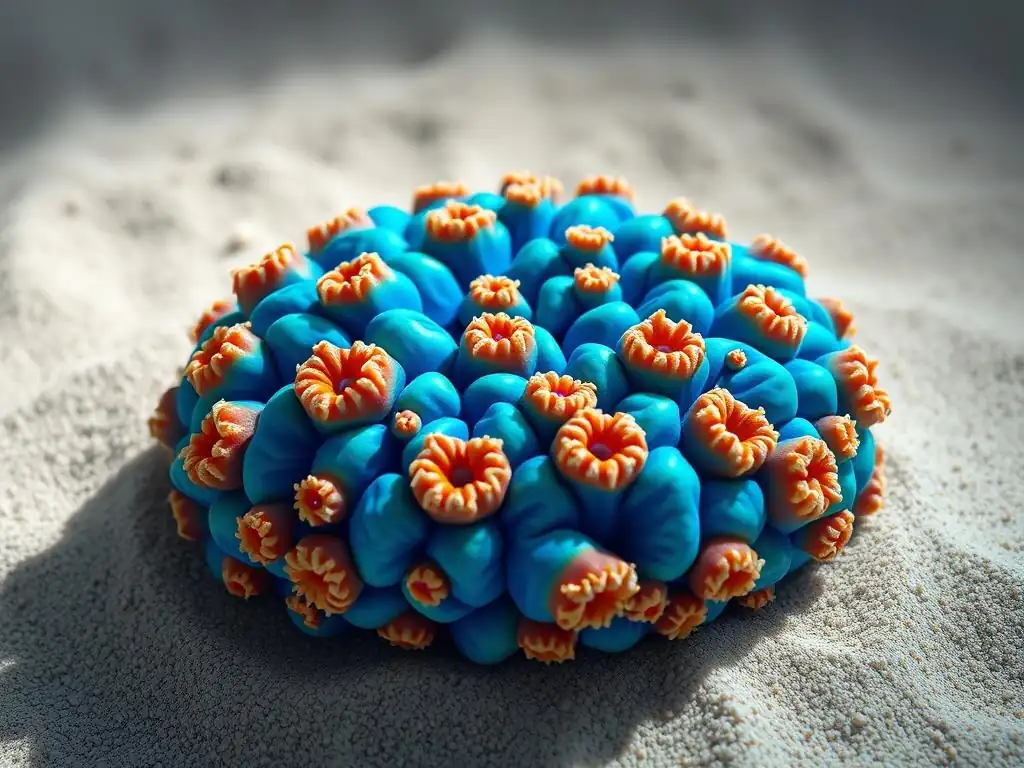
Acanthastrea lordhowensis, commonly known as Acan Lord corals, are a highly sought-after species of large polyp stony (LPS) coral renowned for their vibrant and diverse coloration. Originating primarily from the Indo-Pacific region, particularly around Australia's Lord Howe Island, these corals feature fleshy polyps with multiple mouths, often forming encrusting or massive colonies. Their striking appearance, ranging from deep reds and oranges to brilliant blues, greens, and purples, makes them a centerpiece in many reef aquariums.
The desirability of intense Acan coloration extends beyond mere aesthetics; it serves as a critical indicator of the coral's health and the overall well-being of the aquarium system. A thriving Acan Lord will display rich, saturated colors, signaling optimal water parameters, adequate lighting, and proper nutrition. Conversely, dull, faded, or browning coloration often points to stress, nutrient imbalances, or inadequate care, prompting aquarists to adjust their husbandry practices to restore the coral's natural brilliance.
Zooxanthellae and Pigment Production in Acan Lords
The stunning colors of Acan Lords are largely a result of a complex symbiotic relationship with microscopic dinoflagellates called zooxanthellae, primarily species from the genus Symbiodinium. These algal symbionts reside within the coral's tissue and perform photosynthesis, converting light energy into sugars and other organic compounds. This process provides up to 90% of the coral's energy requirements, fueling its growth, calcification, and general metabolic processes.
While zooxanthellae themselves are typically brown, the coral's vibrant hues are primarily due to the production of various fluorescent proteins (FPs) and non-fluorescent chromoproteins (CPs) by both the coral host and its symbiotic algae. For instance, Green Fluorescent Protein (GFP) and Red Fluorescent Protein (RFP) are common, absorbing specific wavelengths of light and re-emitting them at different, often more vivid, wavelengths. The precise combination, concentration, and distribution of these proteins, influenced by factors like light spectrum, nutrient availability, and genetic predisposition, dictate the coral's final, captivating Acan coloration.
Common Acan Lord Color Patterns and Regional Variations
Acan Lord corals exhibit an astonishing array of color patterns, making each specimen unique and highly prized. Some of the most common and coveted patterns include "rainbow" Acans, featuring a kaleidoscope of distinct colors across a single coral head; "watermelon" morphs, characterized by striking combinations of green and red; and "blue steel" or "orange crush" variants, which showcase intense, singular dominant hues. Other patterns may include "reverse rainbow," "red planet," or various solid color morphs, each reflecting a specific interplay of fluorescent and chromoproteins within the coral's tissue.
The diversity in Acan coloration is also influenced by regional variations, a crucial aspect for those seeking specific Acan coloration tips and tricks. Corals collected from different geographical locations, such as the vibrant reefs of Australia versus those in Indonesia, often display distinct color morphs. For example, Australian Acans are frequently celebrated for their particularly intense reds, oranges, and pinks, often attributed to the specific environmental conditions (like light penetration and water chemistry) and genetic strains prevalent in those waters.
Indonesian Acans, while equally beautiful, might exhibit a greater prevalence of greens, blues, and purples. These natural variations highlight the adaptability of Acan Lords and the environmental factors that shape their aesthetic.
Environmental Factors Influencing Acan Lord Coloration in Aquariums
Light Spectrum's Role in Acan Lord Color: Optimizing for Fluorescence
Understanding PAR and Spectral Balance for Acan Lords
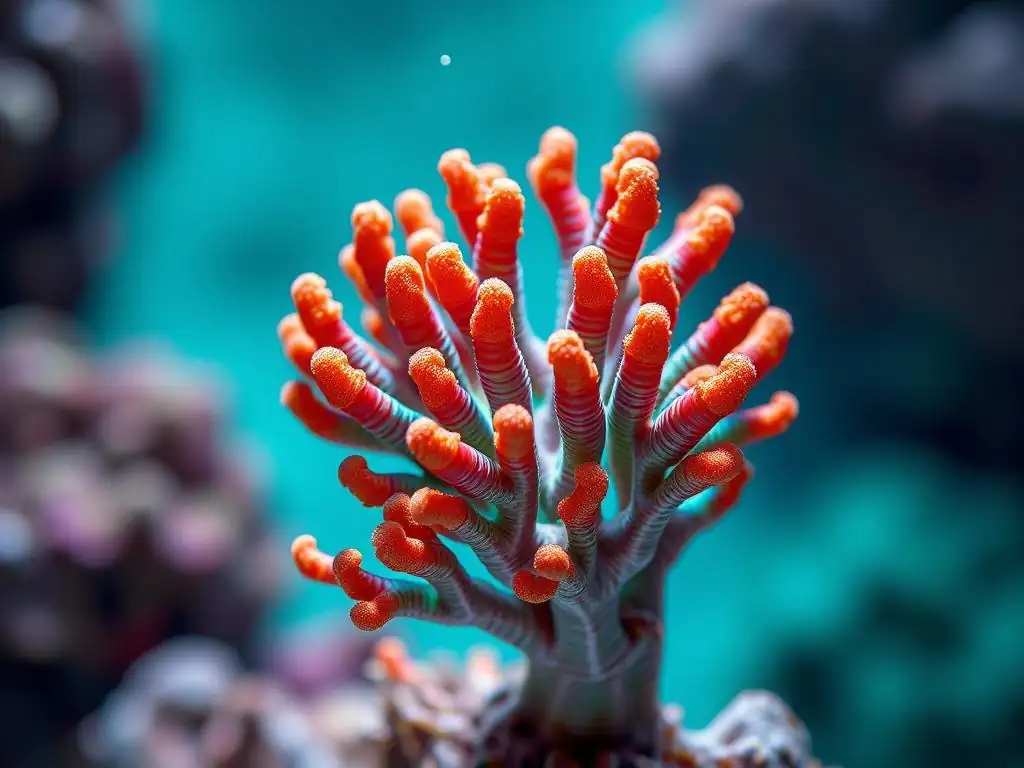
Light is arguably the most critical environmental factor influencing Acan coloration. Photosynthetically Active Radiation (PAR), which measures the light usable by zooxanthellae (wavelengths between 400 and 700 nanometers), is essential for their photosynthetic activity and thus for the coral's energy supply.
However, for Acan Lords, moderation is key; while adequate PAR is vital, excessively high PAR levels can lead to photoinhibition, where the zooxanthellae become stressed, potentially leading to bleaching and a significant loss of color. Acan Lords generally thrive in moderate PAR levels, typically ranging from 75 to 150 PAR, though some highly acclimated specimens might tolerate slightly higher intensities.
Beyond mere intensity, the spectral balance of the light plays a profound role in enhancing Acan coloration. Blue light, specifically in the royal blue spectrum (around 450-470 nm), is not only highly efficient for driving zooxanthellae photosynthesis but also exceptionally effective at exciting the fluorescent proteins within the coral, making their colors "pop" and appear more vivid.
Additionally, the inclusion of UV-A (380-400 nm) and violet (400-420 nm) wavelengths can further stimulate specific fluorescent pigments, intensifying reds, purples, and certain greens. A broad, balanced spectrum, rather than just high PAR, is a fundamental Acan coloration tip for achieving maximal vibrancy.
Recommended Lighting for Acan Lord Coloration: LEDs and Their Settings
Light Emitting Diodes (LEDs) have become the preferred lighting solution for reef aquariums due to their unparalleled control over spectrum and intensity, making them ideal for optimizing Acan coloration. For Acan Lords, a lighting setup that emphasizes blue and royal blue channels, supplemented with violet and a smaller percentage of white LEDs (e.g., 10,000K to 14,000K), is highly recommended. A common ratio might involve running blue channels at a significantly higher intensity than white channels, perhaps a 2:1 or 3:1 blue-to-white ratio during peak illumination.
To achieve optimal Acan coloration, consider running your blue and royal blue LEDs at 70-80% intensity, with white LEDs at 20-30% intensity during the core photoperiod, which typically lasts 8-10 hours. Many modern LED fixtures allow for programmable ramp-up and ramp-down phases, simulating sunrise and sunset. This gradual transition helps reduce stress on the corals and encourages better polyp extension and overall health, contributing to more vibrant colors. Ensuring the coral is placed within its preferred PAR range (75-150 PAR) under this optimized spectrum will significantly enhance its natural beauty.
Water Chemistry's Influence on Acan Lord Pigmentation
Maintaining Stable Alkalinity, Calcium, and Magnesium Levels
Stable water parameters are non-negotiable for healthy coral growth and vibrant Acan coloration. Alkalinity (dKH), calcium (Ca), and magnesium (Mg) are the building blocks for the coral's aragonite skeleton. For Acan Lords, maintaining alkalinity within a narrow range of 7.5-8.5 dKH, calcium between 400-450 ppm, and magnesium between 1250-1350 ppm is crucial. More importantly than hitting exact numbers, however, is preventing rapid fluctuations; daily swings greater than 0.5 dKH, 20 ppm Ca, or 50 ppm Mg can severely stress corals, diverting energy from pigment production to stress response and leading to dull, faded colors.
Each of these parameters plays a distinct role. Alkalinity provides the carbonate ions necessary for calcification, while calcium is the primary mineral component of the skeleton. Magnesium acts as a buffer, preventing calcium carbonate from precipitating out of solution prematurely and ensuring the correct saturation levels for calcification. When these parameters are consistently within their optimal ranges, the coral can devote more energy to producing the vibrant fluorescent and chromoproteins that define its spectacular Acan coloration, rather than struggling to maintain its skeletal integrity. Regular testing, ideally 2-3 times per week, is essential for proactive management.
Controlling Nitrate and Phosphate Levels for Optimal Color
While corals require trace amounts of nutrients, excessive levels of nitrates (NO₃⁻) and phosphates (PO₄³⁻) are detrimental to vibrant Acan coloration. High nutrient concentrations can lead to an overgrowth of zooxanthellae within the coral tissue. Since zooxanthellae are naturally brownish, an increased density of these symbionts can cause the coral to "brown out," obscuring its natural, brilliant pigments. To promote optimal color, aim for nitrate levels below 5 ppm, ideally in the 1-2 ppm range, and phosphate levels below 0.05 ppm, with an ideal target of 0.01-0.03 ppm.
Achieving and maintaining these low nutrient levels requires a multi-faceted approach. Regular water changes (e.g., 10-15% bi-weekly) are fundamental for nutrient export. The use of an efficient protein skimmer is vital for removing organic waste before it breaks down into nitrates and phosphates.
Furthermore, robust biological filtration, such as ample live rock and a well-maintained refugium, helps process waste. For persistent nutrient issues, employing chemical filtration media like granular ferric oxide (GFO) for phosphate removal or biopellets for both nitrate and phosphate reduction can be highly effective. Controlling nutrients is a powerful Acan coloration tip that directly impacts pigment expression.
Trace Elements and Acan Lord Color: Essential Additives
The Role of Iodine and Strontium in Color Enhancement
Beyond the major parameters, certain trace elements are believed to play a role in enhancing specific aspects of Acan coloration. Iodine, for instance, is often cited for its potential to deepen blue and purple pigments in corals, though the exact biochemical mechanism is still being researched. It's also involved in various metabolic processes within the coral. If dosing iodine, it should be done cautiously, aiming for natural seawater levels around 0.06 ppm, as overdosing can be harmful to reef inhabitants.
Strontium, another vital trace element, is chemically similar to calcium and is readily incorporated into the coral's aragonite skeleton during calcification. While its direct impact on color isn't as clear as its role in skeletal growth, a healthy, robust skeleton supports overall coral vitality and efficient metabolic function. This indirectly contributes to the coral's ability to produce and maintain its vibrant pigments. Natural seawater levels for strontium are approximately 8 ppm. Many high-quality salt mixes provide adequate strontium, but targeted dosing might be considered for tanks with heavy calcification.
Other Beneficial Trace Elements: Potassium and Boron
Potassium (K) has gained significant attention in the reefkeeping community for its potential to enhance red and pink pigments in various corals, including Acan Lords. While its precise function in coral pigmentation is not fully understood, it is known to be involved in numerous cellular processes, including osmoregulation and enzyme activity. Aquarists who maintain potassium levels around 380-400 ppm (natural seawater levels are around 399 ppm) often report noticeable improvements in the intensity of red and pink Acan coloration.
Boron (B) is another trace element that contributes to overall coral health, though its direct link to specific color enhancement is less pronounced. It is believed to play a role in the calcification process and may contribute to the coral's resilience and ability to cope with stress. A healthy, stress-free coral is far more likely to display its full color potential. Natural seawater contains approximately 4.4 ppm of boron. Ensuring a balanced array of trace elements, either through high-quality salt mixes or comprehensive trace element supplements, is an important, albeit indirect, Acan coloration tip.
Water Flow and Placement Considerations for Acan Lords
Water flow is a critical environmental factor that directly impacts the health and Acan coloration of your corals. Acan Lords prefer moderate, indirect, and turbulent water flow. Too strong a flow can cause tissue recession, preventing polyps from extending fully, leading to stress and eventual color loss. Conversely, insufficient flow allows detritus and waste products to settle on the coral tissue, which can lead to localized tissue necrosis, infections, and dulling of colors. The ideal flow allows the polyps to gently sway and extend completely without being flattened against the coral skeleton.
Proper placement within the aquarium is also essential for optimizing Acan coloration. Given their preference for moderate PAR levels (typically 75-150 PAR), Acan Lords are best placed in the lower to middle sections of the tank, away from the most intense light sources. Ensure they have ample space to expand their fleshy polyps without touching other corals, as Acan Lords can be aggressive, extending sweeper tentacles that can sting neighboring corals. Thoughtful placement minimizes stress and maximizes the coral's ability to thrive and display its most vivid colors.
Practical Acan Lord Coloration Techniques
Selecting Acan Lords Based on Existing Tank Conditions
The journey to maximizing Acan coloration begins even before you bring the coral home, with careful selection. When purchasing Acan Lords, it is highly beneficial to inquire about the conditions in which they were previously kept, particularly their lighting and flow. If your aquarium operates with lower PAR levels, selecting an Acan that has been thriving in similar conditions will minimize acclimation stress and increase its chances of maintaining vibrant coloration. Conversely, moving a high-light Acan directly into a low-light environment, or vice-versa, without proper acclimation, can cause significant stress and lead to rapid color fading.
Beyond environmental compatibility, always prioritize the overall health of the coral. A healthy Acan Lord will exhibit fully extended, plump polyps, with no visible signs of tissue recession, lesions, or excessive sliminess. While an intensely colored coral is appealing, one that appears stressed or damaged, even if colorful, is a poor choice. A healthy coral, even if its colors are initially subdued, has the best potential to flourish and intensify its Acan coloration under optimal conditions in your established system.
Acclimation Procedures to Promote Color Stability
Proper acclimation is a cornerstone of successful reefkeeping and a crucial Acan coloration tip, particularly for new arrivals. For Acan Lords, a slow drip acclimation process over 30-60 minutes is highly recommended to gradually equalize the coral's internal conditions with your tank's temperature, salinity, and pH. This gradual transition significantly reduces osmotic shock and stress. After drip acclimation, it's advisable to place the new Acan in a shaded or lower-light area of your aquarium for the initial few days.
Following the initial placement, a gradual light acclimation schedule is often necessary to prevent photo-shock, especially if your new Acan is coming from a tank with vastly different lighting. This might involve reducing your tank's overall light intensity by 20-30% for the first week, then slowly increasing it back to your normal settings over the subsequent 1-2 weeks. This gentle approach allows the coral's zooxanthellae to adjust to the new light environment, helping to preserve and even enhance its Acan coloration rather than causing it to bleach or brown out.
Targeted Feeding Strategies for Enhanced Color in Acan Lords
Best Foods for Acan Lord Color: Amino Acids and Small Particulates
Acan Lord corals are carnivorous and significantly benefit from targeted feeding, which directly contributes to their health and, consequently, their vibrant Acan coloration. Foods rich in amino acids are particularly effective for enhancing coral pigmentation, as these provide the essential building blocks for the coral's own proteins, including the fluorescent and chromoproteins responsible for their stunning hues.
Excellent food choices include high-quality liquid coral foods designed for LPS, frozen mysis shrimp, enriched brine shrimp, and finely chopped marine foods like silversides or krill. The small, particulate nature of these foods makes them easily consumable by the Acan's numerous, small mouths.
Regular and appropriate feeding ensures that the coral has ample energy not only for growth and skeletal deposition but also for the synthesis and maintenance of its intricate color pigments. A well-fed Acan Lord is a healthy Acan Lord, and a healthy coral is inherently more capable of displaying its most intense and beautiful Acan coloration. This direct nutritional input is one of the most impactful Acan coloration tips available to aquarists.
Recommended Feeding Schedules and Methods
For optimal results, feed Acan Lords 2-3 times per week. The ideal time for feeding is typically after the main lights have dimmed or completely turned off, usually during the blue light phase, as this is when their polyps are most fully extended and their feeding tentacles are actively searching for prey. Use a turkey baster or a specialized coral feeder to gently spot-feed each individual polyp, ensuring the food lands directly on the coral and is consumed. This targeted approach minimizes waste and ensures the food reaches the intended recipient.
While beneficial, it's crucial to avoid overfeeding, which can quickly lead to nutrient spikes (elevated nitrates and phosphates) and a decline in overall water quality. Only feed what the coral can consume within a 10-15 minute period. Ensure your filtration system, particularly your protein skimmer, is robust enough to handle the increased bioload from feeding. A balanced feeding regimen, combined with excellent water quality, is key to maintaining vibrant Acan coloration.
Regularly Monitoring and Adjusting Water Parameters
Consistent and diligent monitoring of water parameters is paramount for maintaining the health and vibrant Acan coloration of your corals. Alkalinity, calcium, magnesium, nitrates, and phosphates should be tested at least weekly, if not more frequently, using reliable and accurate test kits. Keeping a log of your test results allows you to track trends and identify potential issues before they become critical. For those with established systems and stable coral growth, considering automated dosing systems for alkalinity, calcium, and magnesium can provide unparalleled stability, minimizing daily fluctuations that stress corals.
Based on your test results, make small, gradual adjustments to your dosing or water change regimen. Rapid or drastic changes to water parameters can shock corals, leading to stress, tissue recession, and color loss. For example, if alkalinity drops below the target range, increase your dosing slowly over several days rather than making a large, immediate correction. This proactive and methodical approach to water parameter management is a fundamental Acan coloration tip that underpins all other efforts to achieve and maintain stunning coral colors.
Preventing Color Loss in Acan Lords: Common Issues and Solutions
Identifying and Addressing Coral Bleaching in Acan Lords
Coral bleaching is a severe form of color loss where the coral expels its symbiotic zooxanthellae, often in response to significant environmental stress. When this occurs, the coral's tissue becomes translucent, revealing its white skeleton underneath, leading to a dramatic loss of its vibrant Acan coloration. Common stressors include excessively high water temperatures (above 78°F or 25.5°C), sudden increases in light intensity (photo-shock), or rapid, drastic shifts in water parameters such as salinity or pH.
If your Acan Lord begins to bleach, immediate action is necessary to save it. First, identify and rectify the stressor. Check your water temperature for spikes and ensure it remains stable within the ideal range of 76-78°F (24.4-25.5°C). If light intensity is suspected, reduce it immediately or move the coral to a shadier location. Verify all major water parameters (alkalinity, calcium, magnesium, nitrates, phosphates) and ensure their stability. Gentle, targeted feeding of amino acid-rich foods can provide supplemental energy to the coral while it attempts to recover its zooxanthellae and regain its natural Acan coloration.
Managing Common Diseases Affecting Color: Bacterial Infections
Bacterial infections can also lead to significant color loss and tissue damage in Acan Lords. One of the most aggressive and feared is "brown jelly disease" (BJD), which manifests as a rapid tissue necrosis covered in a brown, slimy substance. Other bacterial infections might present as localized tissue loss, discolored patches, or a general dulling of the coral's vibrant Acan coloration. These infections often arise when corals are stressed or have suffered physical injury, making them vulnerable.
Treatment for bacterial infections varies depending on severity. For minor infections or as a preventative measure for new corals, a freshwater dip (using RO/DI water, pH and temperature matched to the tank, for 30-60 seconds) can be effective. Commercial coral dips, often iodine-based or containing antibacterial agents, can also be used following manufacturer instructions.
For aggressive diseases like brown jelly, immediate isolation of the affected coral is crucial. If possible, carefully remove affected tissue with a clean razor blade or frag the healthy parts to prevent the spread. Maintaining impeccable water quality and minimizing stressors are the best defenses against such issues.
Advanced Techniques for Enhancing Acan Lord Color
Using Color-Enhancing Supplements: Benefits and Risks
For aquarists seeking to push the boundaries of Acan coloration, various commercial color-enhancing supplements are available. These products often contain specific trace elements (like potassium, iodine, or iron), specialized amino acid blends, or unique carbon sources designed to promote the production of fluorescent and chromoproteins. When used correctly, these supplements can indeed lead to intensified pigments, deeper hues, and sometimes even faster growth rates, contributing to a truly spectacular display.
However, using color-enhancing supplements comes with inherent risks. The primary concern is overdosing, which can be highly detrimental, leading to coral stress, tissue loss, or even mortality, and negatively impacting other tank inhabitants. Always adhere strictly to the manufacturer's recommended dosing instructions, and err on the side of caution by starting with lower doses. It is crucial to monitor all water parameters closely, especially if you are using multiple supplements simultaneously, as their combined effects can sometimes be unpredictable. It is generally advised to ensure optimal basic husbandry and stable parameters before venturing into advanced supplementation.
Fragging Acans to Encourage Color Development
Fragging, or fragmenting, Acan Lord corals is a common practice for propagation, but it can also, in some instances, stimulate new growth and lead to more vibrant Acan coloration in the resulting fragments. When a coral is fragged, it undergoes a healing process and redirects energy towards tissue regeneration and growth at the cut site. This energetic investment can sometimes include increased production of the very proteins responsible for their color. Fragging should be performed with appropriate tools, such as bone cutters or a Dremel with a diamond blade, and proper safety gear.
After fragging, it is essential to provide excellent post-frag care to ensure the fragments heal quickly and effectively. A brief antiseptic coral dip (e.g., in an iodine-based solution) immediately after fragging can help prevent bacterial infections. Place the newly fragged Acans in an area of the tank with stable, moderate water flow and light, allowing them to recover without additional stress. Closely observe the fragments for any signs of infection or tissue recession. Successful fragging can be a rewarding Acan coloration tip, allowing you to propagate your favorite morphs while potentially enhancing their vibrancy.
The Future of Acan Lord Color Research: New Developments
The scientific understanding of coral coloration is a rapidly evolving field, with ongoing research continually uncovering new insights into the genetics, biochemistry, and environmental factors that govern the vibrant hues of corals like Acan Lords. Scientists are actively identifying novel fluorescent and chromoproteins, elucidating their specific roles in light absorption and emission, and exploring the complex interplay between light spectrum, nutrient availability, and the coral's physiological response. Advances in genomic sequencing are also providing deeper understanding of the genetic predispositions for certain color morphs.
These ongoing developments hold significant promise for the future of reefkeeping and Acan coloration tips. Improved research could lead to more precise guidelines for aquarists, potentially allowing for highly targeted manipulation of coral color through specific lighting profiles, advanced nutrient regimens, or specialized trace element formulations based on scientific evidence. Furthermore, genetic studies may identify particularly resilient or intensely colored strains of Acan Lords that could be selectively aquacultured, contributing to more sustainable and colorful options for hobbyists worldwide.
Troubleshooting Acan Lord Color Problems
Acan Lord Turning Brown: Potential Causes and Remedies
One of the most common and frustrating issues for aquarists is when their vibrant Acan Lord corals begin to turn brown. This phenomenon is almost always linked to an overabundance of zooxanthellae within the coral tissue, which can be triggered by two primary factors: excessive nutrient levels or too much light. When nitrates (NO₃⁻) and phosphates (PO₄³⁻) are elevated, the zooxanthellae proliferate, and their natural brownish color overwhelms the coral's intrinsic pigments. Similarly, if the coral is exposed to excessively high PAR levels, it may increase its zooxanthellae density as a protective mechanism, leading to browning.
To remedy a browning Acan Lord, first, test your water parameters meticulously. If nitrates are above 5 ppm or phosphates above 0.05 ppm, implement strategies to reduce them, such as increased water changes (e.g., 20% weekly), more efficient protein skimming, or the use of nutrient export media like GFO or biopellets. If light is suspected, reduce its intensity gradually or relocate the coral to a shadier spot in the aquarium. Gradual changes are crucial to avoid further stress and allow the coral to slowly shed excess zooxanthellae and regain its brilliant Acan coloration.
Acan Lord Losing Color: Diagnosis and Corrective Actions
Unlike browning, an Acan Lord that is losing its color, appearing pale, washed out, or even bleached white, typically indicates stress or starvation. Several factors can contribute to this, including insufficient light (PAR levels too low), unstable or incorrect water parameters (e.g., significant swings in alkalinity, calcium, or magnesium), chronically low nutrient levels (an "ultra-low nutrient" system that deprives corals of essential trace nutrients), or insufficient targeted feeding. Pests or diseases, while less common as a primary cause of overall fading, can also cause localized color loss.
Corrective actions depend on the diagnosis. Begin by thoroughly checking all water parameters and stabilizing them within optimal ranges. If your PAR is consistently below 75, gradually increase your light intensity. If nitrates and phosphates are undetectable for extended periods, consider slightly increasing feeding or reducing nutrient export to provide some available nutrients. Implement a consistent targeted feeding regimen with amino acid-rich foods. Finally, carefully inspect the coral for any signs of pests (e.g., predatory snails, flatworms, or nudibranchs) or disease, and treat accordingly if detected. Addressing these issues systematically is key to restoring vibrant Acan coloration.
When to Consult a Reefkeeping Expert for Acan Lord Issues
While many Acan coloration tips and troubleshooting steps can be handled by diligent aquarists, there are times when consulting a reefkeeping expert becomes necessary. If your Acan Lord continues to decline despite your best efforts to address common issues like water parameters, lighting, and feeding, or if you observe rapid and widespread tissue necrosis (e.g., brown jelly disease advancing quickly), it's time to seek professional advice. This could come from an experienced local fish store owner, a knowledgeable member of a local reef club, or a trusted online forum with a track record of providing sound advice.
When seeking expert consultation, be prepared to provide comprehensive information about your aquarium. This should include your tank's size, a detailed list of your equipment (lighting system, protein skimmer, filtration methods, pumps), a history of your recent water parameter test results (including alkalinity, calcium, magnesium, nitrates, and phosphates), your feeding regimen, and a clear, concise description of the problem, including when it started and any changes you've made. Providing thorough information will enable the expert to offer the most accurate and effective Acan coloration tips and solutions for your specific situation.
Frequently Asked Questions
What factors most significantly impact Acan coloration in aquariums?
The most important factors are lighting, water parameters, and feeding. Ensuring stability in these areas is crucial for vibrant coloration.
What specific lighting spectrum is most beneficial for enhancing Acan coloration?
Generally, Acans thrive under blue-dominant lighting supplemented with some red and green wavelengths. Experimentation is key to finding the optimal spectrum for your specific Acan morph.
How does water chemistry influence the colors of Acans?
Maintaining stable alkalinity, calcium, and magnesium levels is vital. These elements directly contribute to the coral's skeletal growth and pigment production.
What types of food and feeding schedules are recommended to boost Acan coloration?
Target feeding with small, meaty foods like mysis shrimp or coral-specific formulas is recommended. Feed 2-3 times per week for best results.
What are some common mistakes that can lead to Acan color fading, and how can they be avoided?
Over or under lighting, nutrient imbalances, and pest infestations can all cause color fading. Regular testing and observation are essential for prevention.
Final Reflection: Unlocking the Secrets of Radiant Reefs
The journey into understanding Acan coloration, as explored in this article, isn't just about aesthetics; it's about deciphering the language of life within our aquariums. The intricate interplay of light, nutrients, and genetics, when understood and carefully managed, unlocks the potential for truly breathtaking displays of color, transforming a simple reef tank into a vibrant ecosystem. This understanding is more relevant than ever as reef keeping becomes increasingly popular and aquarists strive for sustainable and responsible practices.
The pursuit of vibrant Acan coloration has profoundly impacted the reefing community, driving innovation in lighting technology and nutrient management strategies. My own fascination with these corals has deepened my appreciation for the delicate balance required to nurture them. The beauty of the natural world lies in the details, and the vibrant colors of Acans are a testament to the power of understanding and respecting those details.
This pursuit isn't just about achieving a specific look; it's about fostering a healthy and thriving environment for these incredible creatures.
Now, armed with these Acan coloration tips and tricks, I invite you to reflect on your own approach to reef keeping. Consider how you can apply this knowledge to not only enhance the beauty of your aquarium but also to contribute to a deeper understanding of coral health and resilience. Let the vibrant colors of your Acans be a testament to your dedication and a beacon of hope for the future of our reefs.
Unleash the Vibrant Potential of Your Acans!
Thanks for diving deep into the fascinating world of Acan coloration! We hope you found some valuable insights to enhance your reef-keeping journey. Now, let’s put that knowledge into action and truly make your Acans shine.
Here's how to take the next steps:
- Immediately assess your current lighting and nutrient levels. Use your newfound knowledge to identify any potential imbalances that might be hindering your Acans' coloration.
- Experiment with strategic coral placement. Move your Acans to different locations in your tank to see how varying light and flow conditions impact their colors. This hands-on approach can yield surprising results!
- Share your Acan coloration journey! Post pictures of your Acans and your care routine on reefing forums. What unique techniques do you use to keep your Acans happy and colorful?