
Shadow Warfare in Your Reef: Optimizing Light Penetration in Dense SPS Colonies

Welcome to Aquarium Mastery!
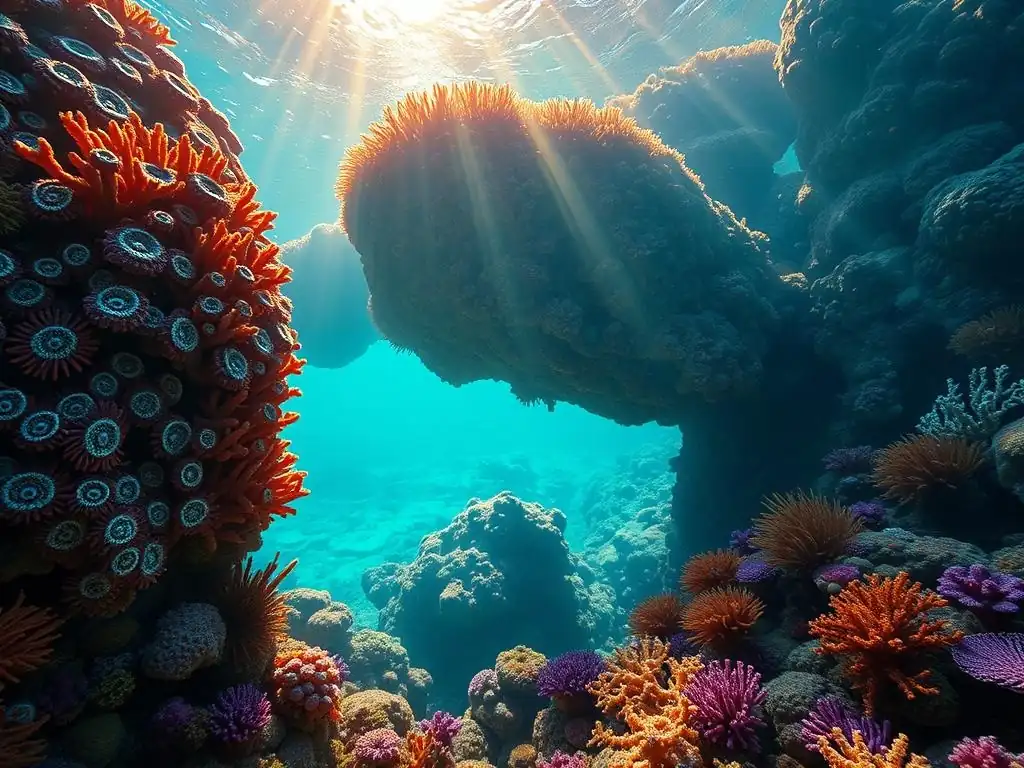
Ever wondered if the vibrant colors of your SPS coral are hiding a secret struggle for survival beneath the surface? Dive deep into the world of "SPS coral light penetration" and uncover the secrets to maximizing light distribution in even the densest reef colonies. Read on to learn how to wage your own shadow warfare and ensure every polyp gets the illumination it needs to thrive!
- Understanding SPS Coral Light Requirements for Optimal Growth
- The Challenge of Light Penetration in Dense SPS Colonies
- Factors Affecting SPS Coral Light Penetration
- Optimizing Light Penetration Strategies for SPS Corals
- Advanced Techniques for Maximizing Light Penetration
- Troubleshooting Light-Related Issues in SPS Colonies
- Maintaining Optimal Light Conditions for Long-Term SPS Coral Success
-
Frequently Asked Questions
- How does light penetration specifically affect SPS coral health in a reef tank?
- What are the main factors that can hinder light penetration within a dense SPS coral colony?
- Why is it important to consider the placement of SPS corals in relation to the light source?
- What are some practical methods to improve light penetration within a reef tank with dense SPS colonies?
- How often should I adjust my lighting or coral placement to optimize light penetration in my SPS reef tank?
- Final Reflection: Illuminating the Depths
- Unleash the Radiant Depths of Your Reef!
Understanding SPS Coral Light Requirements for Optimal Growth
The Importance of Light for SPS Coral Health and Coloration
Light is the fundamental energy source for Small Polyp Stony (SPS) corals, primarily due to their symbiotic relationship with zooxanthellae, photosynthetic algae residing within their tissues. These algae convert light energy into sugars and oxygen, providing up to 90% of the coral's nutritional needs, which is vital for calcification, growth, and vibrant coloration. Without adequate SPS coral light penetration, the zooxanthellae cannot photosynthesize efficiently, leading to reduced energy production and compromised coral health.
Insufficient light levels manifest in various ways, from a noticeable paling or "washed out" appearance as zooxanthellae density diminishes, to significantly slowed growth rates and even tissue recession. For instance, a healthy Acropora millepora typically displays a rich blue or green hue under optimal light (PAR 350-450 µmol/m²/s), but under persistently low light (below 200 µmol/m²/s), it may turn a dull brown or become very pale, indicating stress and a struggle to produce necessary energy.
Ensuring proper SPS coral light penetration is therefore not just about growth, but about maintaining the characteristic vibrant colors that make these corals so desirable.
How Light Penetration Affects SPS Coral Growth Patterns
The direction and intensity of SPS coral light penetration profoundly influence a coral's morphological development. Corals naturally grow towards light sources to maximize photosynthetic efficiency. In a reef aquarium, this can lead to uneven or "leggy" growth patterns if light distribution is not uniform. Branches in shaded areas may elongate and become sparse, reaching for brighter zones, while parts of the colony directly exposed to optimal light exhibit dense, bushy growth.
This uneven light exposure, particularly when SPS light penetration is compromised, can also impact the coral's calcification rate and overall skeletal integrity. For example, a Montipora digitata colony might show robust, thick branches on its upper, directly illuminated surfaces, while lower branches that consistently receive less than 150 µmol/m²/s PAR become noticeably thinner and more fragile. Such directional or asymmetrical growth not only detracts from the coral's aesthetic appeal but can also indicate an underlying stressor related to insufficient or uneven light, highlighting the critical need for balanced SPS coral light penetration throughout the entire colony.
Identifying Light Deficiency in SPS Corals: Visual Cues
Recognizing the signs of light deficiency in SPS corals is crucial for timely intervention and maintaining their health. One of the primary visual cues is a noticeable paling or dulling of the coral's vibrant colors, often progressing to a brownish hue. This browning occurs as the coral attempts to increase the number of zooxanthellae or shifts to less efficient, browner types of algae to compensate for the lack of light, effectively trying to maximize what little SPS coral light penetration it receives.
Beyond color changes, reduced polyp extension is another strong indicator. Healthy SPS corals typically exhibit full polyp extension during peak light hours, but light-starved corals may keep their polyps mostly retracted, conserving energy. Slowed growth rates, or a complete cessation of growth, are also tell-tale signs. In severe cases of chronic light starvation, tissue recession may begin from the base of the coral, indicating that the coral is expending more energy than it can produce through photosynthesis, and its foundational health is deteriorating due to inadequate SPS light penetration.
The Challenge of Light Penetration in Dense SPS Colonies
Shadowing Issues in Multi-Tiered SPS Reef Aquariums
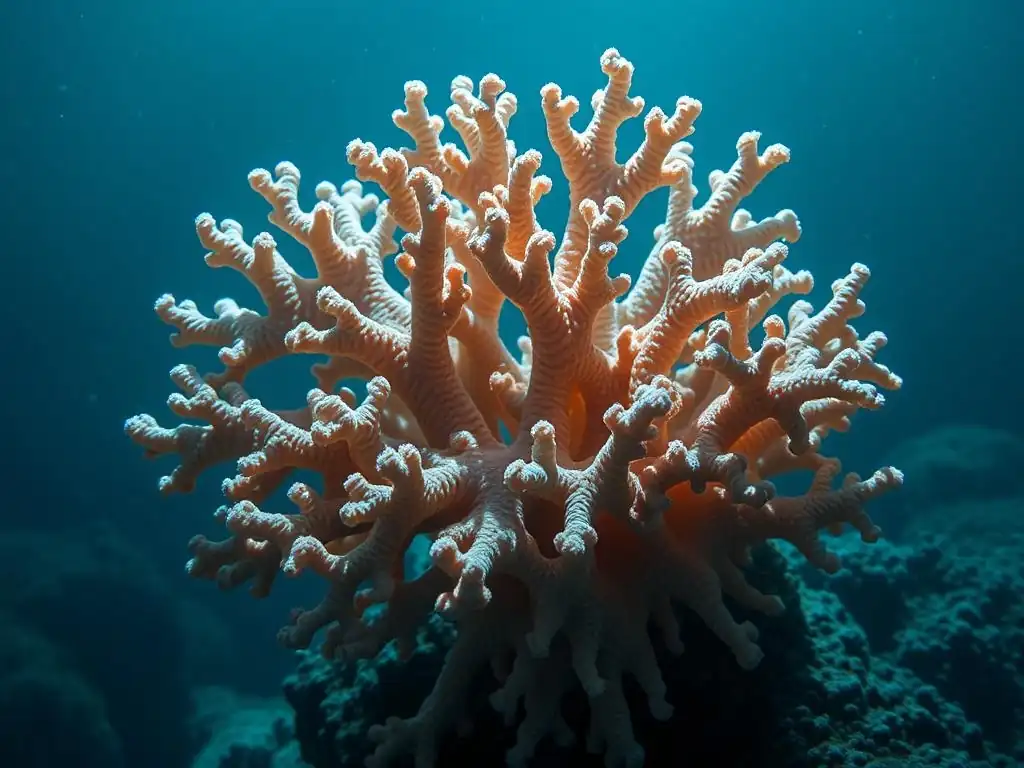
As SPS colonies mature and expand within a multi-tiered reef aquarium, they inevitably begin to cast shadows on their smaller neighbors or even on lower parts of their own structure. This "shadow warfare" is a significant impediment to optimal SPS coral light penetration. Taller, faster-growing species positioned high on the rockwork can effectively block a substantial amount of direct light from reaching corals situated beneath them, leading to significant PAR reductions in those shaded areas.
For instance, a rapidly growing Acropora tortuosa colony, reaching 20 cm in height, can reduce the PAR levels for a Stylophora pistillata frag placed just 15 cm below it by as much as 50-70%, depending on the light source's spread and intensity. This dramatic decrease in available light often results in stunted growth, a loss of vibrant coloration, and increased stress for the lower-tiered corals, as their photosynthetic energy production is severely compromised. Managing these shadowing effects is paramount for ensuring uniform SPS coral light penetration throughout the entire aquascape.
Competition for Light: SPS Coral Warfare
Beyond simple physical shadowing, dense SPS colonies engage in a more subtle, yet intense, form of competition for optimal light exposure. This competition often manifests as directional growth, where corals "reach" or extend their branches towards brighter areas of the tank, sometimes at the expense of their neighbors' space and light access. While direct stinging is more common among LPS corals, prolonged light deprivation can stress SPS corals, making them more vulnerable to other forms of inter-coral aggression or allelopathy.
A dominant Acropora colony thriving in a high-light zone might indirectly suppress the growth of a less illuminated Montipora capricornis nearby, not just by shading but also by potentially releasing trace inhibitory compounds when stressed. This constant struggle for adequate SPS coral light penetration can lead to one coral outcompeting another, resulting in the decline of the less fortunate colony. Understanding these competitive dynamics is key to strategic placement and ongoing management within a densely populated SPS reef tank.
Understanding PAR (Photosynthetically Active Radiation) and Its Role
PAR, or Photosynthetically Active Radiation, is the measurement of the light intensity within the visible spectrum (400-700 nanometers) that is actually available for photosynthesis. Unlike lumens or lux, which are based on human eye perception, PAR is the gold standard for assessing SPS coral light penetration in a reef aquarium because it directly quantifies the light energy usable by zooxanthellae. A PAR meter provides precise data (measured in µmol/m²/s) on the light levels at various depths and locations within the tank.
For robust growth and vibrant coloration, most SPS corals thrive under PAR levels generally ranging from 250 to 450 µmol/m²/s at the coral's tissue level. Using a PAR meter allows aquarists to identify "hot spots" where light is excessively intense (potentially causing bleaching) and "dead spots" where light is insufficient (leading to starvation).
For example, a reading of 180 µmol/m²/s at the base of a dense Acropora colony would indicate significant light deprivation, whereas 400 µmol/m²/s at the top signifies optimal SPS light penetration. This precise data enables targeted adjustments to lighting or coral placement, ensuring every coral receives its ideal light intensity.
Factors Affecting SPS Coral Light Penetration
Water Clarity and Its Impact on Light Transmission
Water clarity is a paramount factor directly influencing SPS coral light penetration. Even microscopic suspended particles, dissolved organic compounds (DOCs), and bacterial blooms can significantly scatter and absorb light, drastically reducing the PAR that ultimately reaches your corals. When water has a yellowish tint, often due to an accumulation of organic acids, it specifically absorbs vital blue wavelengths of light, which are crucial for many SPS corals.
For instance, water with moderate yellowing can reduce the transmission of blue light by 20-30% over a depth of 60 cm compared to crystal clear water. This diminished transmission directly impacts the efficiency of photosynthesis by the zooxanthellae, leading to dull coloration, slower growth, and overall stress in SPS colonies. Maintaining impeccable water clarity through effective filtration and nutrient control is therefore not just about aesthetics, but a critical component of maximizing SPS coral light penetration.
Substrate Reflectivity and Light Distribution
The type and color of your aquarium substrate play a subtle yet significant role in overall SPS coral light penetration and distribution. A light-colored sand bed or, even more effectively, a bare-bottom tank painted white or light blue, can reflect a substantial amount of incident light back upwards into the water column. This reflected light, though diffused, becomes available to illuminate the undersides and lower branches of SPS colonies that might otherwise be perpetually in shadow.
Studies suggest that a white substrate can reflect 10-20% of the light that hits it, effectively bouncing this energy back towards the corals. This upward reflection helps to minimize "bottom-out" issues, where the base of a coral starves for light, and promotes more even growth and coloration throughout the entire colony. While not a primary light source, leveraging substrate reflectivity is a smart way to enhance ambient SPS coral light penetration, particularly for dense or multi-tiered aquascapes.
Aquarium Dimensions and Lighting Placement Considerations
The physical dimensions of your aquarium, specifically its depth and width, directly influence the challenges and strategies required for optimal SPS coral light penetration. In deeper tanks (e.g., 75 cm or more), light intensity diminishes significantly with depth due to absorption and scattering by the water itself, necessitating more powerful lighting units or closer fixture placement. For example, a high-end LED fixture producing 500 µmol/m²/s at the surface might only deliver 150-200 µmol/m²/s at 60 cm deep, highlighting the rapid drop-off.
Similarly, a wide tank (e.g., 90 cm front-to-back) demands lighting fixtures with a broad and even spread to ensure uniform illumination across the entire aquascape, preventing dark corners where SPS corals would struggle. Proper lighting placement, considering the optimal "sweet spot" distance from the water surface (typically 25-40 cm for powerful LEDs over SPS), is critical to balance intensity with spread and minimize shadowing. These dimensional factors are paramount in designing a lighting system that ensures adequate SPS coral light penetration across your entire reef.
Optimizing Light Penetration Strategies for SPS Corals
SPS Coral Placement: Strategic Staging for Maximum Light Exposure
Positioning Taller Colonies to Avoid Shading Smaller Ones
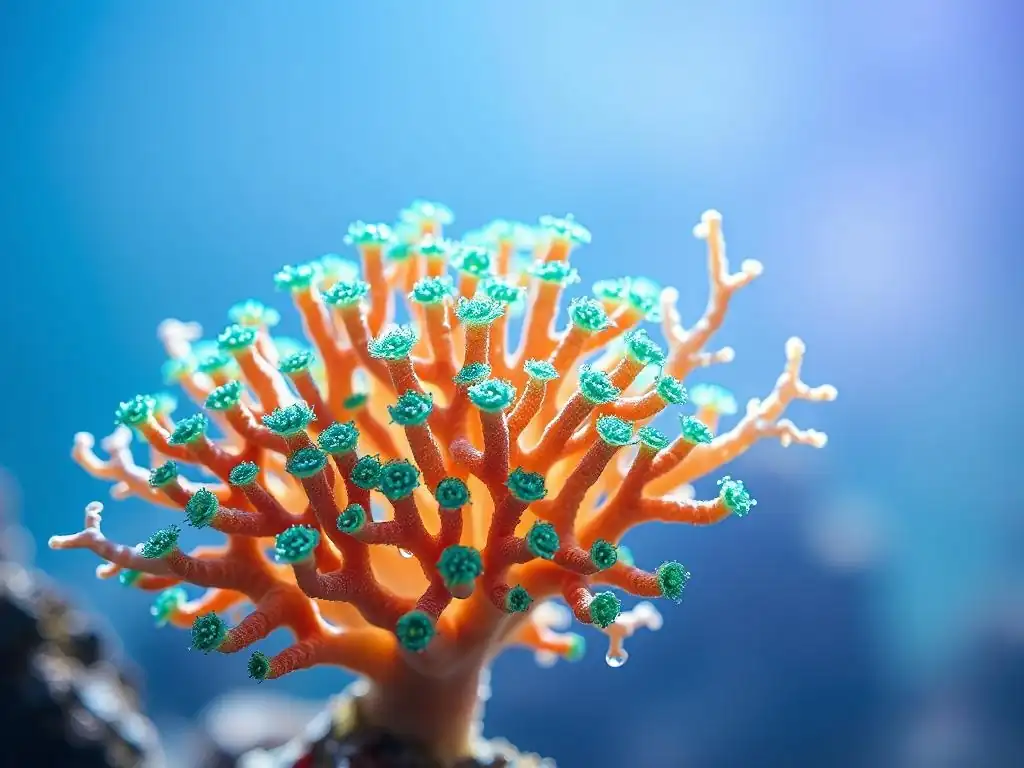
Strategic placement of SPS corals, often referred to as "stadium seating," is fundamental to maximizing SPS coral light penetration throughout your reef tank. This approach involves positioning taller, more light-demanding SPS colonies, such as mature Acropora or Seriatopora species, higher up on the rockwork where they receive the most direct and intense light. Conversely, smaller frags or less light-intensive species like certain Montipora varieties are placed on lower tiers.
For example, a large Acropora valida might be situated at the apex of a rock structure, basking in 350-450 µmol/m²/s PAR, while a smaller Montipora undata frag is carefully positioned 15-20 cm below it. This ensures the Montipora receives slightly less intense but still adequate light (e.g., 250-300 µmol/m²/s PAR) without being completely overshadowed. This careful arrangement minimizes the physical shadowing effect and ensures every colony benefits from optimal SPS coral light penetration tailored to its needs.
Utilizing Rockwork to Enhance Light Distribution
The aquascape itself can be a powerful tool for optimizing SPS coral light penetration and distribution. Creating an open, porous rock structure with ample negative space and multiple levels allows light to penetrate deeper and spread more evenly throughout the tank, reducing large areas of static shadow. Instead of dense, monolithic walls of rock, consider designing multiple islands, arches, or "bonsai" style structures.
For example, an aquascape with fewer, strategically placed rocks and more open water column can increase the surface area exposed to direct light by an estimated 15-20% compared to a heavily stacked, dense structure. Ledges and overhangs, when used judiciously, can also provide areas for lower-light corals while still allowing light to filter down to the main display. This thoughtful use of rockwork enhances overall light distribution, minimizes deep shadows, and significantly improves SPS coral light penetration to all parts of the reef.
Lighting System Selection and Configuration for SPS Reefs
Choosing the Right Spectrum and Intensity for SPS Corals
For robust SPS coral light penetration and growth, the spectrum and intensity of your lighting system are paramount. SPS corals thrive under a blue-dominant spectrum, with specific wavelengths around 450-470 nm being highly efficient for zooxanthellae photosynthesis and contributing significantly to vibrant coloration. While a full-spectrum light is beneficial, ensuring a strong blue peak is critical for the coral's energy production and aesthetic appeal.
Regarding intensity, SPS corals typically require high Photosynthetically Active Radiation (PAR) levels, generally ranging from 250 to 450 µmol/m²/s at the coral's tissue. Many successful SPS growers aim for an average PAR of 300 µmol/m²/s across their colonies, adjusting higher for specific light-hungry Acropora species and lower for initial acclimation or less demanding SPS like some Montipora. Selecting a lighting system capable of delivering this intensity and spectrum across your entire tank is the first step in ensuring optimal SPS light penetration.
Adjusting Light Fixture Height and Angle for Optimal Coverage
The physical positioning of your light fixtures is a critical factor in achieving even SPS coral light penetration across your entire aquascape. Raising a fixture higher above the water surface will increase the light spread, effectively reducing hot spots directly beneath the unit but also decreasing overall intensity due to greater diffusion. Conversely, lowering the fixture increases intensity but narrows the spread, potentially creating more shadowed areas at the tank edges.
For a standard 60 cm deep tank with high-power LED lighting, a common starting height is 25-35 cm above the water, which often provides a good balance between intensity and spread, yielding PAR values of 300-400 µmol/m²/s at mid-depth. For wider tanks, utilizing multiple fixtures and angling them slightly inwards can help eliminate dark corners and ensure uniform illumination. Precise adjustment of fixture height and angle is essential to distribute optimal SPS coral light penetration evenly across all corals.
The Role of LED Lighting in SPS Coral Growth
LED lighting has revolutionized SPS coral light penetration and growth due to its unparalleled control, efficiency, and ability to deliver targeted spectrums. Modern LED fixtures offer precise control over individual color channels (e.g., royal blue, cool white, UV, red, green), allowing aquarists to fine-tune the spectrum for optimal photosynthesis and the enhancement of specific coral pigments. This spectral tunability empowers growers to maximize light utilization by the zooxanthellae.
High-quality LEDs, often equipped with specialized optics, can deliver concentrated light beams that penetrate deep into the water column with minimal spread loss, making them ideal for deeper tanks or achieving very high PAR levels for demanding SPS species. For instance, a well-designed LED fixture can maintain PAR levels above 200 µmol/m²/s at depths of 75 cm, a feat challenging for other lighting types without generating excessive heat. Their energy efficiency also means less heat transfer to the water, contributing to more stable tank parameters and fostering robust SPS coral light penetration.
Enhancing Water Clarity for Improved Light Penetration
Regular Water Changes and Nutrient Control
Regular water changes are fundamental for maintaining the pristine water clarity essential for maximum SPS coral light penetration. By replacing 10-20% of the tank water bi-weekly or monthly, aquarists effectively remove accumulated dissolved organic compounds (DOCs), phosphates, and nitrates that contribute to water yellowing and fuel nuisance algae growth. These dissolved substances act as a "light filter," absorbing critical wavelengths before they reach the corals.
For example, a reef tank with consistently high nitrates (e.g., above 10 ppm) and phosphates (e.g., above 0.05 ppm) will often experience persistent microalgae blooms, which can absorb or scatter up to 15% of incident light, directly hindering SPS light penetration. Consistent nutrient control through routine water changes and responsible feeding keeps the water crystal clear, allowing light to reach corals unimpeded and ensuring their zooxanthellae can photosynthesize at peak efficiency.
Utilizing Protein Skimmers and Filtration Systems
Protein skimmers are indispensable tools for enhancing SPS coral light penetration by actively removing dissolved organic waste before it can break down and cloud the water. A well-sized and properly maintained protein skimmer can remove up to 30-50% of organic precursors daily, preventing the accumulation of yellowing compounds that absorb the crucial blue light wavelengths preferred by SPS corals. This direct removal of organics improves the water's optical purity.
Similarly, mechanical filtration, such as filter socks or filter floss, physically removes suspended particulate matter – detritus, uneaten food, and fine dust – which can significantly scatter light and create a hazy appearance. Regular cleaning or replacement of these mechanical filters (e.g., every 2-3 days for filter socks in a heavily fed tank) dramatically improves water clarity. By working in tandem, skimmers and mechanical filters ensure optimal light transmission, directly contributing to effective SPS coral light penetration.
The Benefits of Activated Carbon and GFO (Granular Ferric Oxide)
Chemical filtration media like activated carbon and GFO (Granular Ferric Oxide) are powerful allies in maintaining optimal SPS coral light penetration. High-quality activated carbon excels at adsorbing dissolved organic compounds that cause water yellowing, effectively removing chromophoric dissolved organic matter (CDOM). Using a fresh batch of carbon (e.g., 0.5-1 gram per liter, replaced monthly) can visibly brighten the water within hours, increasing light transmission by 10-15% by eliminating color-tinting impurities.
GFO, on the other hand, efficiently removes phosphates, a primary nutrient for nuisance algae. By keeping phosphates consistently low (e.g., below 0.03 ppm), GFO helps prevent the proliferation of algae films on glass and rockwork that can physically block light from reaching your corals. Both activated carbon and GFO contribute significantly to maintaining crystal-clear water, ensuring your SPS corals receive the full benefit of your lighting system and maximizing SPS coral light penetration.
Flow Dynamics and Light Penetration
Creating Turbulent Flow to Minimize Shading
Optimal flow dynamics play a critical, often overlooked, role in maximizing SPS coral light penetration. Rather than laminar (straight) flow, turbulent and random water movement is highly beneficial. This type of chaotic flow causes SPS colonies to gently sway and undulate, ensuring that all sides of the coral, including the undersides and inner branches, are periodically exposed to direct or indirect light. This prevents static shadows from forming and persisting on any single part of the coral.
For instance, a well-placed powerhead creating a chaotic flow pattern can effectively reduce static shadowing on a dense Acropora colony by up to 20-30%, allowing light to reach areas that would otherwise remain perpetually in shadow. This dynamic exposure promotes more uniform growth and coloration across the entire colony, as all polyps receive intermittent access to optimal SPS coral light penetration, fostering a healthier and more balanced development.
The Relationship Between Water Flow and Nutrient Uptake
Beyond direct light exposure, strong and turbulent water flow is intrinsically linked to the overall health and vitality of SPS corals, which in turn impacts their ability to utilize available light. High flow rates, typically 20-40 times the tank volume per hour, ensure a constant supply of essential nutrients like calcium, alkalinity, magnesium, and trace elements to the coral polyps. This constant replenishment is vital for calcification and metabolic processes, which are accelerated under optimal light.
Simultaneously, vigorous flow efficiently sweeps away metabolic waste products from the coral's surface, preventing localized build-ups that can inhibit nutrient uptake and overall health. For example, an Acropora colony in a high-flow area (e.g., 50-70 cm/s) will exhibit more robust polyp extension and faster calcification rates compared to one in a low-flow zone, even under identical light levels. This enhanced nutrient uptake and efficient waste removal contribute to a healthier coral that can more effectively photosynthesize and cope with high SPS coral light penetration.
Advanced Techniques for Maximizing Light Penetration
Coral Fragging and Pruning for Light Management
For mature SPS colonies, coral fragging and strategic pruning are indispensable advanced techniques for managing SPS coral light penetration and promoting long-term health. Overgrown branches, especially from fast-growing species like Acropora valida or Montipora digitata, can cast significant shadows on lower parts of the same colony or neighboring corals. These dense areas often experience reduced light and flow, leading to tissue loss from the base.
By selectively fragging or pruning these overgrown branches, aquarists can effectively "open up" the colony's structure, allowing light to penetrate deeper into its core and reach previously shaded areas. This practice can increase light exposure to the inner parts of a dense colony by an estimated 10-25%, stimulating new growth and preventing tissue recession from the base due to light starvation. It also helps maintain the desired aquascape aesthetic and prevents unwanted inter-coral shading, ensuring sustained SPS coral light penetration.
Implementing a Light Meter for Precise PAR Measurement
Implementing a high-quality PAR meter (Photosynthetically Active Radiation meter) is an advanced technique for precise SPS coral light penetration management, moving beyond visual guesswork. Unlike subjective visual assessment, a PAR meter provides quantitative data (µmol/m²/s) on the actual light intensity reaching your corals at various depths and locations within the aquarium. This allows for a scientific approach to lighting.
For instance, an aquarist can map their tank by taking PAR readings every 10-15 cm horizontally and vertically, creating a detailed PAR map. This data might reveal that while the top of a rock structure receives 400 µmol/m²/s, the base of a colony just 20 cm below might only receive 180 µmol/m²/s, indicating a severe light deficiency. Armed with this precise information, targeted adjustments to lighting height, angle, or coral placement can be made with confidence, ensuring optimal SPS light penetration for every coral.
Acclimation Strategies for SPS Corals to Higher Light Levels
When introducing new SPS corals or significantly upgrading lighting, proper acclimation to higher SPS coral light penetration is crucial to prevent shock, bleaching, or even tissue necrosis. Corals accustomed to lower light levels cannot suddenly cope with intense PAR, as their zooxanthellae are not prepared for the sudden increase in energy. Rapid changes can overwhelm their photosynthetic machinery, leading to oxidative stress.
A common acclimation strategy involves placing new corals lower in the tank, where PAR levels are significantly reduced (e.g., 150-200 µmol/m²/s), and gradually moving them upwards over several weeks or months. Alternatively, if using controllable LED lighting, the light intensity can be slowly increased by 5-10% per week until the desired PAR range is reached. For example, a Staghorn Acropora frag, initially kept at 200 µmol/m²/s, might be moved up 5 cm every two weeks until it reaches a desired 350 µmol/m²/s, allowing its zooxanthellae to adapt to the increased SPS coral light penetration without stress.
Addressing Bleaching and Browning in SPS Corals
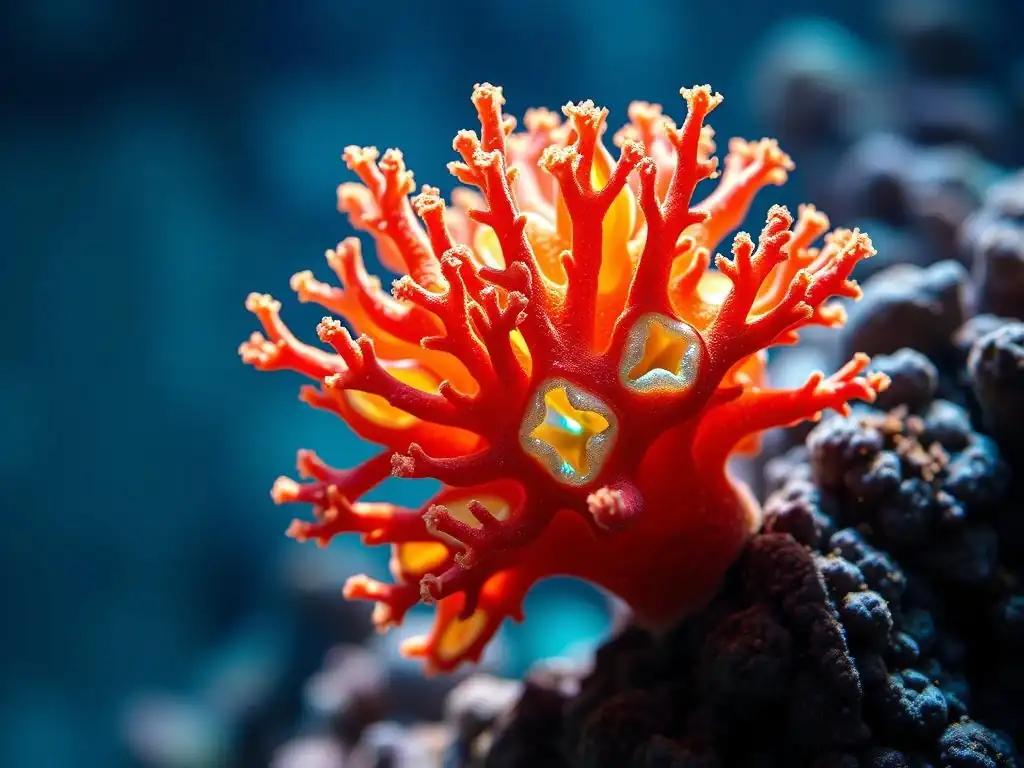
Bleaching and browning are common visual indicators of light-related stress in SPS corals, directly impacting SPS coral light penetration effectiveness. Bleaching, characterized by a loss of color revealing the coral's white skeleton, often occurs when corals are exposed to excessively high light levels (e.g., sudden jump from 200 to 500 µmol/m²/s PAR) or prolonged low light combined with other stressors. The coral expels its symbiotic zooxanthellae, reducing its photosynthetic capacity.
Conversely, browning typically indicates insufficient light or excessively high nutrients, causing the coral to increase its zooxanthellae density or shift to less efficient, browner types to maximize light capture from limited SPS coral light penetration. For instance, an Acropora humilis that normally displays vibrant purple tips might turn pale white if suddenly placed under 450 µmol/m²/s PAR without acclimation, or turn murky brown if consistently receiving only 150 µmol/m²/s PAR. Corrective action involves adjusting light intensity, ensuring proper acclimation, or addressing underlying water quality issues.
Identifying and Resolving Algae Blooms That Block Light
Nuisance algae blooms are a significant impediment to SPS coral light penetration, as they physically block light from reaching the coral tissue. Diatoms can form a brown film on glass and rockwork, while dinoflagellates and cyanobacteria (red slime algae) can quickly blanket large areas, including the corals themselves, effectively acting as a physical barrier to light. This direct blockage reduces the PAR reaching the coral and stresses the zooxanthellae.
For example, a heavy film of diatoms on the aquarium glass can reduce light transmission by 5-10%, while a thick mat of cyanobacteria covering an Acropora colony can diminish PAR reaching the coral by 30% or more. Resolving these blooms requires addressing their root causes, typically high nitrates (e.g., >10 ppm) and phosphates (e.g., >0.05 ppm), through improved filtration, enhanced nutrient export (e.g., GFO, refugium), and increased water flow to prevent settlement. Manual removal of algae is also crucial to immediately restore SPS light penetration.
Recognizing and Correcting Lighting System Malfunctions
Lighting system malfunctions can severely compromise SPS coral light penetration and overall coral health. Signs to watch for include noticeable dimming of the fixture, flickering lights, inconsistent color output (e.g., one section becoming greener or redder than others), or complete failure of individual LED diodes or T5 bulbs. These issues directly impact the consistency and intensity of light delivered to your corals.
For instance, if a section of your LED array fails, a specific area of your tank might suddenly drop from 350 µmol/m²/s to below 100 µmol/m²/s, causing rapid stress to corals in that zone. Regular visual inspection of your fixtures and periodic PAR measurements can help identify these issues early. Corrective actions typically involve checking power connections, inspecting LED drivers for signs of failure, replacing old T5 bulbs (which lose up to 50% intensity after 9-12 months), or contacting the manufacturer for repairs, ensuring consistent and optimal SPS light penetration.
Maintaining Optimal Light Conditions for Long-Term SPS Coral Success
Regular Monitoring of Water Parameters and Lighting Performance
Long-term SPS coral success hinges on consistent monitoring of both water parameters and lighting performance to ensure optimal SPS coral light penetration. Regular testing of alkalinity (e.g., 7.5-8.5 dKH), calcium (e.g., 400-450 ppm), and magnesium (e.g., 1250-1350 ppm) is crucial, as these directly impact calcification rates, which are significantly influenced by light availability. Similarly, monitoring nitrates (<5 ppm) and phosphates (<0.03 ppm) prevents algae blooms that impede light transmission.
Beyond water chemistry, periodic PAR measurements (e.g., every 3-6 months) allow aquarists to track light degradation from aging bulbs or shifts in SPS light penetration due to coral growth. For instance, if PAR readings drop by 10% in certain areas over six months, it might indicate a need to adjust fixture height, prune corals, or replace old bulbs. This proactive monitoring ensures sustained high light levels for demanding species and overall reef health.
Implementing a Consistent Maintenance Schedule
A consistent and diligent maintenance schedule is non-negotiable for sustaining optimal SPS coral light penetration. This includes routine tasks such as weekly cleaning of the aquarium glass and acrylic to remove algae films that can reduce light by up to 5%, and regularly cleaning or replacing filter socks/floss every 2-3 days to maintain crystal-clear water clarity. These actions directly prevent physical light obstruction and water yellowing.
Bi-weekly or monthly water changes (e.g., 10-20%) are essential to remove accumulated dissolved organics that yellow the water, further improving light transmission. For T5 users, replacing bulbs every 9-12 months is critical, as their intensity can degrade by 30-50% over this period, directly impacting SPS light penetration. Adhering to such a schedule ensures that light is consistently delivered to corals without hindrance from cloudy water or diminished fixture performance.
Adapting Lighting Strategies as SPS Colonies Grow and Mature
As SPS colonies grow and mature, especially fast-growing species like Acropora (which can add 5-10 cm of growth per year), aquarists must adapt their lighting strategies to maintain optimal SPS coral light penetration. A colony that once fit perfectly in a high-light spot might now be casting significant shadows on neighboring corals or even on its own lower branches, leading to light deprivation in those areas.
For example, a large Acropora colony that has doubled in size might now be reducing PAR by 20-30% on corals positioned just 10 cm below it. This necessitates proactive adjustments, such as slightly raising the lighting fixture to increase spread and reduce hot spots, strategically fragging or pruning overgrown sections to open up the colony, or even repositioning entire colonies to ensure all corals continue to receive adequate light levels. This dynamic approach is vital for their long-term health and vibrant coloration.
Frequently Asked Questions
How does light penetration specifically affect SPS coral health in a reef tank?
Light penetration is crucial for SPS coral health because these corals rely heavily on zooxanthellae, photosynthetic algae living within their tissues. Insufficient light penetration prevents these algae from photosynthesizing effectively, leading to coral bleaching and eventual starvation.
What are the main factors that can hinder light penetration within a dense SPS coral colony?
Several factors impede light penetration, including the density of the coral branches, the water clarity, and the placement of the corals within the aquarium. Overcrowding and poor water quality drastically reduce light available to inner and lower branches.
Why is it important to consider the placement of SPS corals in relation to the light source?
Proper placement ensures that all parts of the coral receive adequate light. Placing larger, branching corals above smaller, less light-demanding species can create shading issues, hindering the growth of the lower corals.
What are some practical methods to improve light penetration within a reef tank with dense SPS colonies?
Pruning and fragging can help to thin out dense colonies, allowing more light to reach inner branches. Maintaining optimal water parameters and using high-quality lighting systems are also essential for maximizing light penetration.
How often should I adjust my lighting or coral placement to optimize light penetration in my SPS reef tank?
Regular observation of your corals' coloration and growth is key. Be prepared to make adjustments every few months as your corals grow and the overall light environment within the tank changes.
Final Reflection: Illuminating the Depths
The intricacies of SPS coral light penetration, as explored throughout this article, are not merely technical details for reef aquarists; they represent a fundamental understanding of the delicate balance required for thriving ecosystems, even within the confines of a home aquarium. Neglecting this crucial aspect can lead to the slow decline of vibrant colonies, underscoring the importance of proactive and informed reefkeeping practices.
This journey into the science of light and coral health has profoundly impacted our understanding of responsible reef stewardship. The realization that seemingly small adjustments in lighting and placement can dramatically affect the well-being of these complex organisms is a powerful reminder of our role as caretakers. In the end, we will conserve only what we love; we will love only what we understand; and we will understand only what we are taught.
- Baba Dioum. This quote perfectly encapsulates the importance of continuous learning and applying that knowledge to create flourishing reef environments.
Now, armed with a deeper understanding of SPS coral light penetration, I encourage you to reflect on your own reefkeeping practices. Consider how you can optimize light distribution within your tank, ensuring that every coral, even those nestled deep within a dense colony, receives the vital energy it needs to thrive. Embrace the challenge of creating a truly balanced and illuminated underwater world, and witness the vibrant rewards of your dedication.
Unleash the Radiant Depths of Your Reef!
Thank you for diving deep into the world of SPS lighting and shadow management. Now that you understand how to combat light deprivation in your reef, it's time to put that knowledge into action and witness the vibrant transformation!
Here are a few ways you can immediately boost your reef's health and coloration:
- Start by strategically repositioning one shadowed coral today. Observe its response over the next week. This small adjustment could make a huge difference!
- Dive deeper by experimenting with different lighting angles to find the optimal configuration for your specific reef setup. Document your results!
- Join the Aquarium Mastery community forum and share your own shadow-busting strategies and coral transformations with fellow reef keepers!
What small, yet impactful, lighting adjustment will you make this week to banish shadows and unlock your SPS corals' full potential?