
Soft Corals 101: Your Essential Guide to a Thriving LowMaintenance Reef

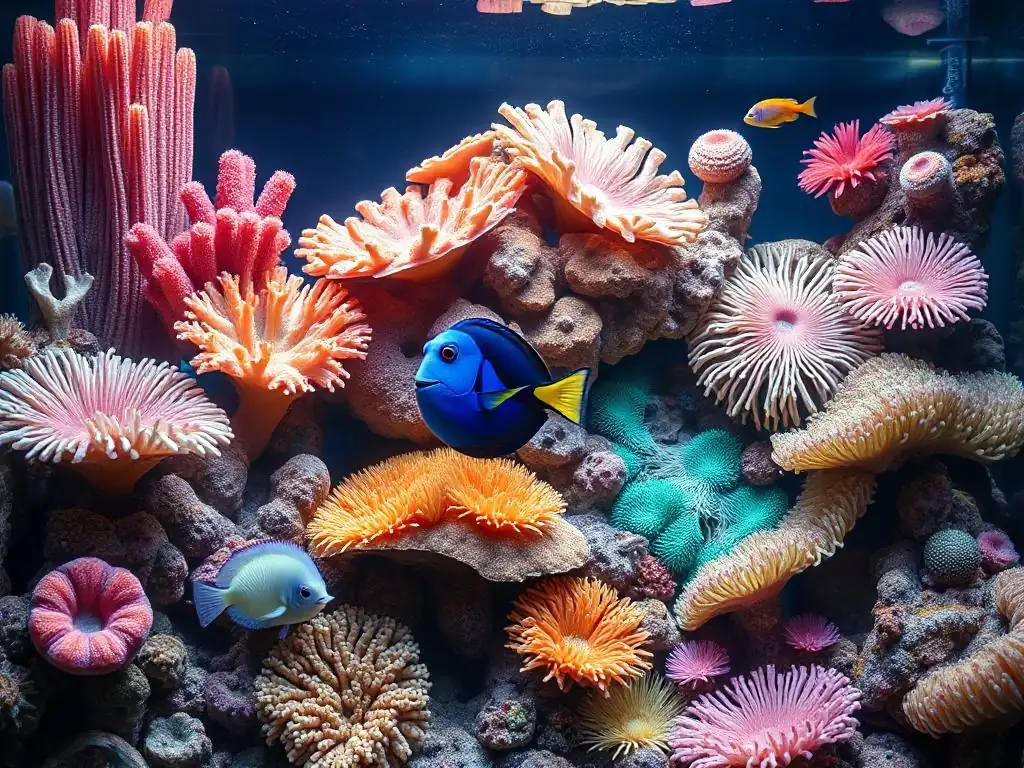
Welcome to Aquarium Mastery!
Ever dreamt of a vibrant, thriving reef aquarium, teeming with life and color, but worry about the demanding upkeep? What if we told you there's a way to achieve that dream with minimal effort? Dive into our guide to low maintenance reef corals and discover the secrets to creating a stunning underwater paradise without the stress. Intrigued? Let's explore the fascinating world of soft corals and unlock the potential of your reef tank!
- Understanding Soft Corals for Beginners
- Selecting the Right Soft Corals for Your Reef Aquarium
- Setting Up Your Reef Tank for Soft Coral Success
- Soft Coral Care: Essential Maintenance Practices
- Propagating Soft Corals: Expanding Your Reef
- Troubleshooting Common Issues in Low-Maintenance Soft Coral Reefs
- Advanced Tips for a Thriving Soft Coral Reef
- Conclusion: Enjoying Your Beautiful and Low-Maintenance Soft Coral Reef
-
Frequently Asked Questions
- What exactly are soft corals, and why are they considered low maintenance?
- What kind of lighting is typically recommended for low maintenance reef corals, particularly soft corals?
- How often should I perform water changes in a soft coral reef tank to maintain optimal water quality?
- What are some good beginner-friendly soft coral species that are known for their low maintenance requirements?
- What common problems might arise when keeping low maintenance reef corals, and how can they be addressed?
- Final Reflection: Embracing the Simplicity of Reef Keeping
- Dive Deeper: Cultivate Your Own Soft Coral Paradise!
Understanding Soft Corals for Beginners
What are Soft Corals and Why Choose Them?
Soft corals, unlike their stony counterparts (LPS and SPS corals), do not possess a rigid, external calcium carbonate skeleton. Instead, they are characterized by their flexible, fleshy polyps, which often create a mesmerizing, undulating display in the current. These fascinating invertebrates derive most of their energy from symbiotic algae called zooxanthellae, living within their tissues, but can also absorb dissolved nutrients directly from the water column. Popular examples include the various types of Leather corals ( Sarcophyton, Sinularia), Mushroom corals ( Discosoma, Ricordea), and the incredibly diverse Zoanthids.
Choosing soft corals is particularly appealing for those seeking a low-maintenance reef corals setup. Their inherent hardiness and resilience to fluctuating water parameters make them significantly more forgiving than SPS or even many LPS corals. They can tolerate a wider range of nitrate and phosphate levels, reducing the need for ultra-pristine water conditions. This robustness, combined with their vibrant colors and dynamic movement, allows new aquarists to experience the beauty of a thriving reef without the steep learning curve and constant parameter monitoring often associated with more delicate coral types.
Benefits of a Low-Maintenance Reef Tank
Opting for a low-maintenance reef tank centered around soft corals offers numerous advantages, making the hobby accessible and enjoyable for a broader audience. Firstly, the time commitment for daily or weekly care is substantially reduced. While SPS tanks often demand daily alkalinity and calcium monitoring, along with precise dosing, a soft coral tank might only require bi-weekly water parameter checks, freeing up valuable time. This translates to less stress for the aquarist and more time to simply enjoy the aquatic ecosystem.
Furthermore, a low-maintenance reef corals setup typically entails lower initial investment and ongoing operational costs. The lighting requirements for most soft corals are less stringent, meaning you often don't need to purchase high-end, powerful LED fixtures that are essential for SPS growth.
Similarly, the need for complex dosing systems for calcium, alkalinity, and magnesium is often minimal or entirely absent, as soft corals consume these elements at a much slower rate. For instance, while a heavily stocked SPS tank might consume 1.0 dKH of alkalinity daily, a soft coral tank might only deplete 0.1-0.2 dKH in the same period, making routine water changes sufficient for replenishment.
Common Misconceptions About Soft Corals
Despite their numerous benefits, soft corals are sometimes subject to certain misconceptions that can deter new aquarists. One common belief is that they are "boring" or "less beautiful" compared to the intricate structures of SPS corals or the large polyps of LPS corals. This couldn't be further from the truth.
Soft corals offer an incredible diversity in shape, texture, and color, from the pulsating movement of Xenia to the vibrant, almost fluorescent hues of certain Zoanthids and the unique textures of various Leather corals. Their constant swaying and natural flow add a dynamic, organic feel to the aquarium that stony corals cannot replicate.
Another misconception is that soft corals are "only for beginners" and lack the challenge or prestige of more demanding coral types. While they are indeed beginner-friendly, many experienced aquarists dedicate entire tanks to soft corals, appreciating their unique aesthetics and resilience. They play a crucial ecological role in natural reefs, providing habitat and contributing significantly to the biomass. A well-designed soft coral tank can be just as, if not more, captivating than a mixed reef, showcasing a different facet of the marine world with less demanding care, making them truly exemplary low-maintenance reef corals.
Selecting the Right Soft Corals for Your Reef Aquarium
Best Beginner-Friendly Soft Coral Species
When embarking on a low-maintenance reef corals journey, selecting hardy and forgiving species is paramount. Several soft coral varieties are particularly well-suited for beginners due to their robust nature and adaptability to a range of tank conditions. These species can thrive even if water parameters fluctuate slightly, offering a buffer for new aquarists learning the ropes of reef keeping.
Leather Corals: A Hardy Choice for New Reefers
Leather corals ( Sarcophyton, Sinularia, Lobophytum) are among the most popular and resilient soft corals available, making them an excellent choice for new reefers. They are known for their leathery texture and often large, impressive forms, ranging from toadstool shapes to branching structures. These corals are incredibly tolerant of varying light and flow conditions, and they can even withstand higher nitrate levels (up to 20 ppm) than many SPS or LPS corals, which typically prefer nitrates below 5 ppm.
For example, a Sarcophyton (Toadstool Leather) can grow to a significant size, often reaching 6-12 inches in diameter, providing a substantial visual anchor in the aquarium. They periodically "shed" a waxy layer to remove detritus and algae, a natural process that indicates health. Their resilience and relatively fast growth rate contribute to a visually impactful tank with minimal fuss, embodying the essence of low-maintenance reef corals.
Mushroom Corals: Vibrant and Easy to Care For
Mushroom corals ( Discosoma, Rhodactis, Ricordea) are another fantastic option for beginners due to their low light and moderate flow requirements, coupled with an incredible array of colors and patterns. These disc-shaped corals can thrive in lower PAR (Photosynthetically Active Radiation) levels, typically ranging from 30 to 70 PAR, making them suitable for tanks with less intense lighting setups. They propagate easily, often budding off new "shrooms" from their base, allowing for the rapid expansion of a colorful display.
Discosoma mushrooms, for instance, come in a spectrum of blues, reds, greens, and purples, often with iridescent qualities. Ricordea florida offers even more vibrant, multi-colored textures, though they might be slightly more expensive per polyp. Their ability to thrive with minimal intervention and their stunning visual appeal make them prime examples of low-maintenance reef corals that can transform a tank into a vibrant underwater garden.
Zoanthids: Adding Color and Diversity
Zoanthids (often referred to as "Zoas" or "Palys") are small, colonial polyps that offer an unparalleled diversity of colors and patterns, making them a favorite among aquarists looking to add intricate detail to their reef. While individual polyps are small, they grow into impressive colonies that can carpet rockwork. They are generally very hardy and adaptable to a range of lighting and flow conditions, though they tend to display their best coloration under moderate light.
The variety of Zoanthids is astounding, with names like "Nuclear Green," "Blue Hornet," "Utter Chaos," and "God of War" reflecting their striking appearance. A small frag of 3-5 polyps can quickly grow into a colony of 50 or more polyps within 6-12 months under optimal conditions, providing a dynamic and ever-expanding splash of color. Due to their ease of care and rapid spread, they are excellent low-maintenance reef corals for adding intricate beauty. However, always exercise caution when handling Zoanthids, as some species of Palythoa can contain palytoxin, requiring gloves and eye protection.
Choosing Soft Corals Based on Tank Size and Compatibility
When selecting soft corals, consider both the current and future size of your tank, as well as the compatibility with other tank inhabitants. Many soft corals, especially Leather corals, can grow quite large. A Sarcophyton toadstool, for example, can eventually occupy a significant footprint, requiring at least 6-10 inches of clearance from other corals to prevent shading or chemical warfare. Plan your aquascape to accommodate their mature size, ensuring adequate space for growth without overcrowding.
Compatibility with other corals and fish is also crucial. While soft corals are generally peaceful, some species, particularly certain Leather corals, can release chemical compounds (terpenes) into the water to inhibit the growth of competing corals, a phenomenon known as allelopathy. Providing strong carbon filtration (e.g., granular activated carbon exchanged monthly) can help mitigate these effects. Additionally, ensure that your chosen fish species are "reef-safe" and won't nip at your soft corals. Certain angelfish or butterflyfish are known to occasionally bother soft corals, so research fish compatibility thoroughly before introduction.
Avoiding Problematic or Invasive Soft Corals
While most soft corals are excellent choices for a low-maintenance reef, a few species can become problematic due to their aggressive growth or potential for rapid proliferation. It's wise to be informed about these before adding them to your tank, especially if you plan a mixed reef or want to control their spread.
One notable example is Xenia (especially Pulsing Xenia). While beautiful and mesmerizing with its rhythmic pulsing motion, Xenia can grow incredibly fast and colonize large areas of rockwork, often outcompeting other corals for space and light. In a small or mixed reef tank, it can quickly become a nuisance, requiring constant trimming.
Similarly, some species of Green Star Polyps (GSP) are known for their rapid encrusting growth, spreading quickly over rockwork and glass, potentially smothering slower-growing corals. While they are beautiful low-maintenance reef corals, their invasive nature means they should be placed on isolated rocks to contain their spread. Careful selection ensures your low-maintenance reef remains balanced and visually appealing without becoming overgrown by a single species.
Setting Up Your Reef Tank for Soft Coral Success
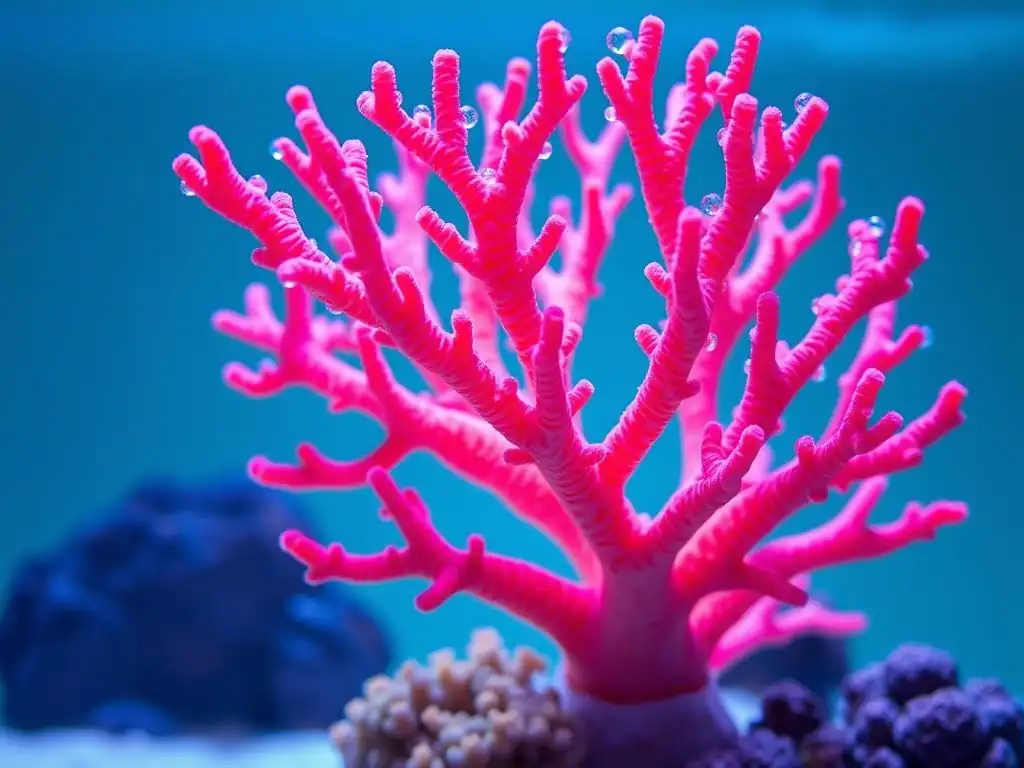
Essential Equipment for a Low-Maintenance Soft Coral Reef
Setting up a tank for low-maintenance reef corals doesn't require the most expensive or complex equipment, but certain essentials are crucial for creating a stable and healthy environment. The right balance of lighting, water flow, and filtration will ensure your soft corals thrive with minimal intervention.
Lighting Requirements for Soft Corals: Radion XR15 Blue, AI Prime 16HD
Soft corals generally have lower lighting requirements compared to stony corals, thriving in moderate PAR levels. This means you don't necessarily need the most powerful or expensive lights on the market. For a typical 24-inch deep reef tank, PAR values between 50 and 150 are ideal for most soft corals.
High-quality LED fixtures like the EcoTech Marine Radion XR15 Blue or the AquaIllumination (AI) Prime 16HD are excellent choices. A single Radion XR15 Blue can effectively illuminate a 24x24 inch area, providing ample light penetration and spectrum for vibrant soft coral growth, while consuming around 85 watts at peak.
The AI Prime 16HD is perfect for smaller tanks (up to 20 inches deep), offering a customizable spectrum and consuming approximately 55 watts at full power. Both units allow for easy adjustment of intensity and color, ensuring you can fine-tune conditions for optimal health and coloration of your low-maintenance reef corals.
Water Flow and Circulation: Jebao OW-25, Gyre XF350
Adequate water flow and circulation are vital for soft corals, even for low-maintenance reef corals. It helps deliver nutrients, remove waste, and prevent detritus from settling on the corals, which can lead to tissue necrosis. Soft corals generally prefer moderate, turbulent, and indirect flow rather than direct, blasting currents.
Wavemakers or powerheads are essential for creating the necessary water movement. A Jebao OW-25 powerhead, for instance, can provide a flow rate of up to 2,000 gallons per hour (GPH), making it suitable for tanks ranging from 40 to 75 gallons.
For larger tanks (100+ gallons) or those desiring broader flow patterns, a Maxspect Gyre XF350 can move up to 5,300 GPH, creating a gyre-like flow that mimics natural reef conditions and ensures all areas of the tank receive adequate circulation. Multiple smaller powerheads strategically placed can also create excellent random flow, preventing dead spots and promoting healthy coral respiration.
Filtration Needs for a Healthy Soft Coral Environment
Effective filtration is the backbone of any healthy reef tank, especially for maintaining the stability required by low-maintenance reef corals. A combination of mechanical, biological, and chemical filtration is usually recommended. Mechanical filtration, typically filter socks or sponges, removes particulate matter and detritus, which should be cleaned or replaced weekly to prevent nitrate buildup. Biological filtration, provided by live rock and sand, converts harmful ammonia and nitrites into less toxic nitrates.
For chemical filtration, a protein skimmer is highly recommended. A good quality skimmer, such as an AquaMaxx HOB-1 for smaller tanks or an in-sump skimmer like the Reef Octopus Classic 150INT for larger setups, efficiently removes organic waste before it breaks down into nitrates and phosphates. This can reduce nitrate accumulation by 20-30% weekly in a moderately stocked 50-gallon tank.
Additionally, incorporating a refugium with macroalgae like Chaetomorpha can further reduce nitrates by 5-10 ppm per week, creating a truly low-maintenance reef environment. Using granular activated carbon (GAC) monthly helps remove dissolved organic compounds and yellowing agents, maintaining water clarity and reducing allelopathic chemicals released by some soft corals.
Creating a Suitable Aquascape for Soft Corals
The aquascape, or the arrangement of live rock and substrate, is not just for aesthetics; it plays a critical role in the health and success of your soft corals. A well-designed aquascape provides ample surface area for coral attachment, creates varied flow patterns, and offers hiding spots for fish and invertebrates. For low-maintenance reef corals, an open and airy aquascape is often preferred.
Ensure there is sufficient space between rock structures and the glass for cleaning. More importantly, plan for the mature size of your soft corals. Large Leather corals, for instance, need adequate room to expand without touching other corals or the tank walls. Leave at least 4-6 inches of clearance around where you plan to place larger soft corals. Create different levels and ledges to accommodate corals with varying light and flow requirements. Use reef-safe epoxy or super glue gel to securely attach soft coral frags to the rockwork, preventing them from being dislodged by strong currents or tank inhabitants.
Water Chemistry and Stability: The Key to Success
While soft corals are more forgiving than SPS corals, maintaining stable water chemistry is still the most critical factor for their long-term health and vibrant coloration. Consistency in parameters is often more important than hitting exact target numbers. For low-maintenance reef corals, aim for the following ranges:
- Temperature: 76-78°F (24.4-25.6°C)
- Salinity: 1.025-1.026 specific gravity
- Alkalinity: 7-9 dKH
- Calcium: 400-450 ppm
- Magnesium: 1250-1350 ppm
- Nitrates: 5-20 ppm (soft corals can tolerate higher levels than stony corals)
- Phosphates: 0.02-0.05 ppm
Regular testing with reliable test kits is essential. While soft corals don't consume calcium and alkalinity as rapidly as stony corals, these elements are still used for growth and maintaining cellular structure. Maintaining stable levels prevents stress and promotes robust health. Daily top-off with RODI water compensates for evaporation, preventing salinity swings. Even with low-maintenance reef corals, consistency is the ultimate goal.
Soft Coral Care: Essential Maintenance Practices
Regular Water Changes: Maintaining Optimal Water Parameters
Regular water changes are the cornerstone of maintaining a healthy and stable environment for low-maintenance reef corals. They serve multiple vital functions: exporting accumulated nitrates, phosphates, and other dissolved organic compounds, while simultaneously replenishing essential trace elements that corals and other inhabitants consume. While soft corals are more tolerant of nutrient levels, consistent water changes help prevent conditions from deteriorating to harmful levels.
For a soft coral dominant tank, a 10-20% weekly or bi-weekly water change is often sufficient. For example, a 20% weekly water change in a 50-gallon tank removes 10 gallons of old water, effectively reducing nitrate levels by approximately 20% and replenishing crucial elements like iodine and strontium. Always use high-quality RODI (Reverse Osmosis Deionized) water mixed with a reputable marine salt mix to ensure consistent parameters and avoid introducing undesirable contaminants. This simple, routine practice is arguably the most impactful for a thriving low-maintenance reef corals system.
Feeding Soft Corals: What and How Often?
Most soft corals derive the majority of their nutritional needs from the symbiotic zooxanthellae within their tissues, through photosynthesis. This means they don't require daily, targeted feeding like many LPS corals. However, supplemental feeding can enhance growth, coloration, and overall vitality, particularly for species like mushroom corals or certain leathers that can also filter feed.
Liquid coral foods, such as phytoplankton suspensions (e.g., PhytoPlan, Reef-Roids) or amino acid solutions, can be broadcast fed into the water column once or twice a week. For instance, adding 1-2 ml of a concentrated phytoplankton solution per 20 gallons of tank water a few times a week can provide beneficial nutrients. Observe your corals' response; if they appear to extend polyps more readily after feeding, they are likely benefiting. Avoid overfeeding, as this can quickly lead to elevated nutrient levels (nitrates and phosphates) and trigger nuisance algae blooms, counteracting the low-maintenance aspect of your reef.
Monitoring and Adjusting Alkalinity, Calcium, and Magnesium
Although soft corals have lower demands for alkalinity, calcium, and magnesium compared to stony corals, these elements are still crucial for their cellular processes and overall health. Regular monitoring ensures these parameters remain within optimal ranges for your low-maintenance reef corals.
Test alkalinity weekly, aiming for a range of 7-9 dKH. Calcium and magnesium can be tested bi-weekly or monthly, targeting 400-450 ppm and 1250-1350 ppm respectively. For most soft coral tanks, routine water changes often replenish these elements adequately.
However, if you notice a consistent drop, a balanced two-part solution (e.g., Brightwell Aquatics Reef Code A & B) can be dosed manually or with a simple dosing pump. Start with a low dose, such as 5-10 ml per 10 gallons daily, and adjust based on your test results to maintain stability. Remember, consistency is more important than hitting exact numbers, especially for a low-maintenance setup.
Identifying and Addressing Common Soft Coral Diseases
While soft corals are generally hardy, they are not immune to diseases. Early identification and prompt action are crucial to prevent widespread issues in your low-maintenance reef corals. Common signs of distress include tissue recession, unusual discoloration, failure to open, or the presence of slimy patches.
Recognizing and Treating Brown Jelly Disease
Brown Jelly Disease (BJD) is a highly aggressive protozoan infection that can rapidly consume coral tissue, often within 24-48 hours. It typically manifests as a brown, slimy, gelatinous mass covering parts of the coral, often accompanied by rapid tissue necrosis. It frequently affects stressed corals or those with existing damage.
If detected, immediate action is required. Gently siphon off as much of the brown jelly as possible from the affected coral. If the coral is on a frag plug or easily removable, isolate it in a separate container. A common treatment involves a 5-minute dip in a Lugol's iodine solution (e.g., 10 drops per gallon of tank water) or a commercial coral dip, followed by placement in a quarantine tank with excellent water quality and flow. For main tank corals, improving overall water parameters and flow around the affected area can help prevent further spread.
Recognizing and Treating Coral Pox
Coral Pox, while more commonly associated with SPS corals, can occasionally affect soft corals, though it is less frequently observed. It typically appears as white, pitted lesions or small, circular areas of tissue loss on the coral. The exact cause is not always clear, but it is often linked to poor water quality, stress, or the presence of specific bacterial pathogens.
Treatment for Coral Pox in soft corals primarily focuses on improving overall water quality and reducing stressors. Ensure all water parameters are within optimal ranges and stable. Increase water changes and enhance water flow around the affected coral. In some severe cases, a short dip in a broad-spectrum antibiotic solution (e.g., Furan-2) for 30 minutes has been used, but this is a last resort and less common for soft corals. Maintaining a clean and stable environment is the best preventative measure for your low-maintenance reef corals.
Propagating Soft Corals: Expanding Your Reef
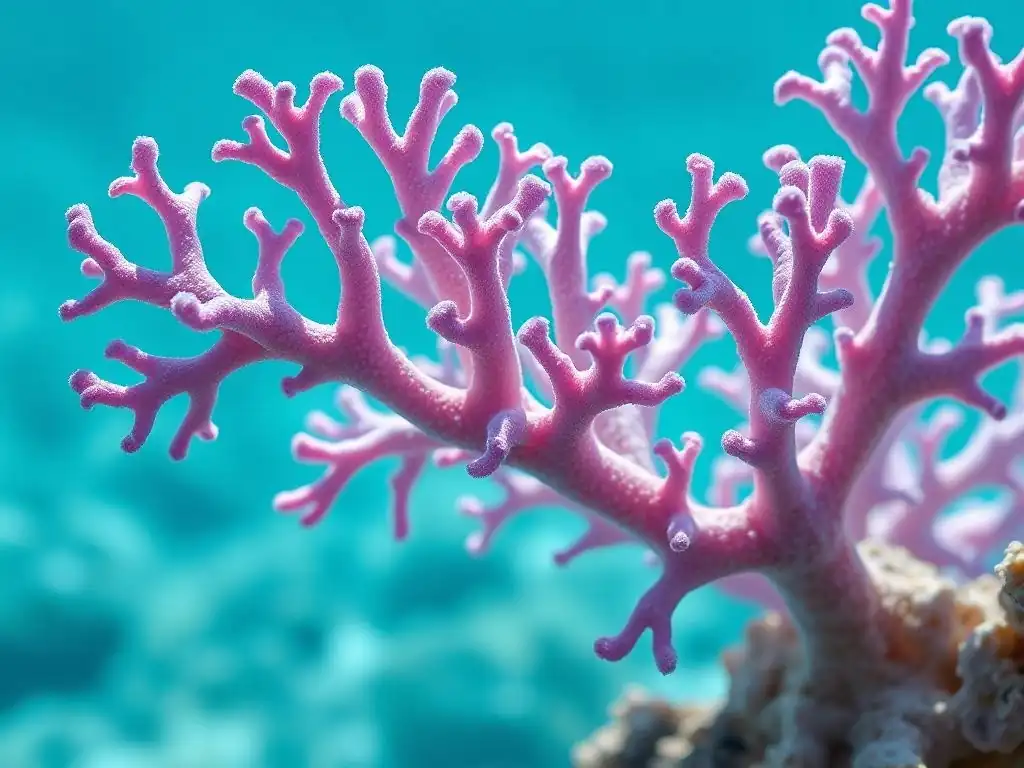
Propagating soft corals, often referred to as "fragging," is a rewarding aspect of the hobby that allows you to expand your reef, trade with other aquarists, or even trim overgrown colonies. Many soft corals are incredibly easy to frag, making them ideal for those interested in expanding their low-maintenance reef corals collection.
Simple Techniques for Fragging Soft Corals
Before you begin fragging, ensure you have clean, sharp tools (e.g., a new razor blade, surgical scissors), a container of tank water for dipping, and appropriate personal protective equipment (gloves and eye protection, especially for Zoanthids). Always work quickly and gently to minimize stress to the coral.
Fragging Leather Corals: A Step-by-Step Guide
Leather corals ( Sarcophyton, Sinularia) are among the easiest soft corals to frag. Their fleshy tissue allows for simple cutting without specialized tools.
- Select a healthy piece: Choose a healthy, well-extended part of the parent colony that is at least 1-2 inches in size.
- Cut the frag: Using a clean, sharp razor blade or surgical scissors, carefully cut off the desired piece from the edge or base of the parent colony.
- Prepare for attachment: The cut piece of leather coral will often exude a slimy mucus. Some aquarists recommend letting the frag "heal" in a low-flow area of the tank or a separate container for a few hours to a day until it forms a protective layer.
- Attach the frag: Secure the frag to a small piece of live rock or a frag plug using a rubber band, a toothpick inserted through the frag into the plug, or even a small mesh bag. Avoid using super glue directly on the fresh cut, as it may not adhere well to the slime.
- Placement: Place the frag in a low-to-moderate flow area of your tank. It typically takes 2-4 weeks for the frag to firmly attach. The parent colony usually recovers and heals within 1-2 weeks.
Fragging Mushroom Corals: An Easy Propagation Method
Mushroom corals ( Discosoma, Rhodactis) are known for their ease of propagation, often multiplying naturally. Manual fragging is also straightforward.
- Isolate the mushroom: Gently remove the mushroom from its current attachment point, if possible.
- Slice the disc: Using a clean razor blade, carefully slice the mushroom disc into 2-4 pieces, ensuring each piece contains a portion of the central mouth or at least a significant part of the disc.
- Containment: Place the cut pieces in a low-flow area of your tank, a frag box, or a small container with rubble rock. Mushroom frags do not typically attach with super glue immediately.
- Attachment: The frags will naturally attach to the rock or substrate over time, usually within 1-3 weeks. Providing a slightly rough surface can encourage faster attachment.
Fragging Zoanthids: Careful Handling Required
Fragging Zoanthids requires more precision and caution due to their small size and the potential presence of palytoxin in some species. Always wear gloves and eye protection when handling Zoanthids.
- Select a colony: Identify a healthy cluster of 3-5 polyps that you wish to frag.
- Chip or cut: The easiest method is to carefully chip off a small piece of the rock that the Zoanthids are attached to using bone cutters or a chisel. Alternatively, if they are on a flat surface, you can carefully use a razor blade to cut around the base of the polyps to detach a small mat.
- Attach the frag: Use super glue gel to attach the small rock piece or mat directly to a frag plug. Hold it in place for 30 seconds to a minute until it adheres.
- Placement: Place the frag in a low-to-moderate flow area. New polyps will begin to bud off within 1-2 months, expanding your low-maintenance reef corals collection.
Mounting and Growing Out New Soft Coral Frags
Once you've fragged your soft corals, proper mounting and placement are crucial for their successful growth and integration into your reef. Use reef-safe super glue gel or epoxy for attaching frags to frag plugs or directly to your aquascape. For Leather corals, a rubber band or toothpick can often be more effective initially.
Place new frags in an area of your tank with slightly lower light and flow than their final desired location for the first 1-2 weeks. This allows them to acclimate and recover from the fragging process with reduced stress. Once they show signs of opening fully and attaching securely, you can gradually move them to their permanent spot, ensuring they receive appropriate light and flow for their species. This systematic approach ensures the highest success rate for expanding your low-maintenance reef corals display.
Troubleshooting Common Issues in Low-Maintenance Soft Coral Reefs
Even in a low-maintenance reef, issues can arise. Understanding how to identify and address common problems quickly can prevent minor setbacks from becoming major crises.
Algae Blooms and How to Control Them
Algae blooms are one of the most frequent issues faced by reef aquarists, and low-maintenance reef corals tanks are no exception. They are typically a symptom of excess nutrients (nitrates and phosphates) in the water column and/or an imbalance in lighting. Common types include brown diatoms (often in new tanks), green hair algae, and cyanobacteria (red slime algae).
To control algae:
- Identify the cause: Test your water for nitrates (aim for under 20 ppm) and phosphates (aim for under 0.05 ppm).
- Reduce nutrient input: Decrease feeding frequency and quantity by 10-20%. Ensure all uneaten food is removed.
- Increase nutrient export: Perform more frequent or larger water changes (e.g., 25% weekly). Ensure your protein skimmer is working efficiently. Consider adding a refugium with macroalgae like Chaetomorpha or using phosphate-removing media (e.g., GFO).
- Optimize lighting: Ensure your lights are not on for too long (typically 8-10 hours maximum) and that intensity is appropriate.
- Introduce a cleanup crew: Snails (e.g., Trochus, Turbo, Nassarius) and hermit crabs (e.g., Blue Leg, Red Leg) are excellent grazers. Aim for approximately 1 snail per 2 gallons and 1 hermit crab per 5 gallons in a moderately stocked tank.
Pest Management: Dealing with Nuisance Organisms
While soft corals are generally less susceptible to specific coral pests than SPS or LPS, nuisance organisms can still appear. These often include Aiptasia anemones, flatworms, or majano anemones, which can irritate or sting corals and proliferate rapidly.
- Aiptasia/Majano Anemones: These small, clear or brown anemones can reproduce quickly and sting corals. Treat them by injecting their oral disc with kalkwasser paste, lemon juice, or a commercial Aiptasia-specific product (e.g., Aiptasia-X). Natural predators like Peppermint Shrimp ( Lysmata wurdemanni) can also be effective, with 1-2 shrimp often clearing a small outbreak in a 20-gallon tank.
- Flatworms: These small, reddish-brown worms can multiply rapidly and cover corals, blocking light and irritating them. They are often introduced on new corals. Specific flatworm exit treatments are available (e.g., Salifert Flatworm Exit), which typically require a large water change (25-50%) and siphoning of dead worms after treatment to prevent toxin release.
- Prevention: Always dip new corals in a broad-spectrum coral dip (e.g., Revive, Coral RX) before introducing them to your tank to minimize the risk of pest introduction. Quarantine new additions for 2-4 weeks if possible.
Soft Corals Not Opening: Identifying the Cause
If your soft corals are not extending their polyps or appear shrunken, it's a clear sign of stress. This can be caused by various factors, from water parameters to physical irritation.
- Check Water Parameters: Immediately test salinity, temperature, alkalinity, calcium, magnesium, nitrates, and phosphates. A sudden swing in any of these, such as an alkalinity drop below 6 dKH or a nitrate spike above 20 ppm, can cause retraction.
- Inspect Flow and Lighting: Ensure the coral is receiving adequate, but not excessive, flow. Too little flow can lead to detritus accumulation, while too much can cause physical stress. Verify that lighting is appropriate for the species (e.g., 50-150 PAR for most soft corals).
- Look for Physical Irritation: Check for fish nipping, other corals stinging, or detritus settled on the coral.
- Pest Inspection: Carefully examine the coral for any signs of pests (e.g., small white bugs, flatworms).
- Acclimation: If it's a new coral, it may simply be acclimating to its new environment, which can take several days to a week. Give it time and stable conditions.
Slow Growth or Color Loss: Addressing Nutrient Imbalances
Slow growth or faded coloration in your low-maintenance reef corals often points to nutrient imbalances or insufficient light/flow. While soft corals are tolerant of nutrients, extremely low levels ("ultra-low nutrient systems") can sometimes starve them, leading to paleness. Conversely, excessively high nutrients can also cause issues.
- Nutrient Levels: If corals are pale and growth is stagnant, ensure nitrates are between 5-10 ppm and phosphates are between 0.02-0.05 ppm. If nutrients are too low, slightly increase feeding or reduce aggressive nutrient export (e.g., less frequent skimmer cleaning).
- Lighting: Verify that your PAR levels are within the optimal range for soft corals (50-150 PAR). If too low, gradually increase light intensity or duration. If too high, corals may bleach or close up; gradually reduce intensity.
- Flow: Ensure adequate, turbulent flow. Insufficient flow can hinder nutrient uptake and waste removal, leading to stagnation and poor health. Adjust powerhead placement or intensity.
- Trace Elements: While water changes usually suffice, some aquarists find that occasional dosing of specific trace elements (like iodine, strontium) or amino acids can enhance coloration and growth. However, this is usually an advanced step, and stability of primary parameters is always paramount.
Advanced Tips for a Thriving Soft Coral Reef
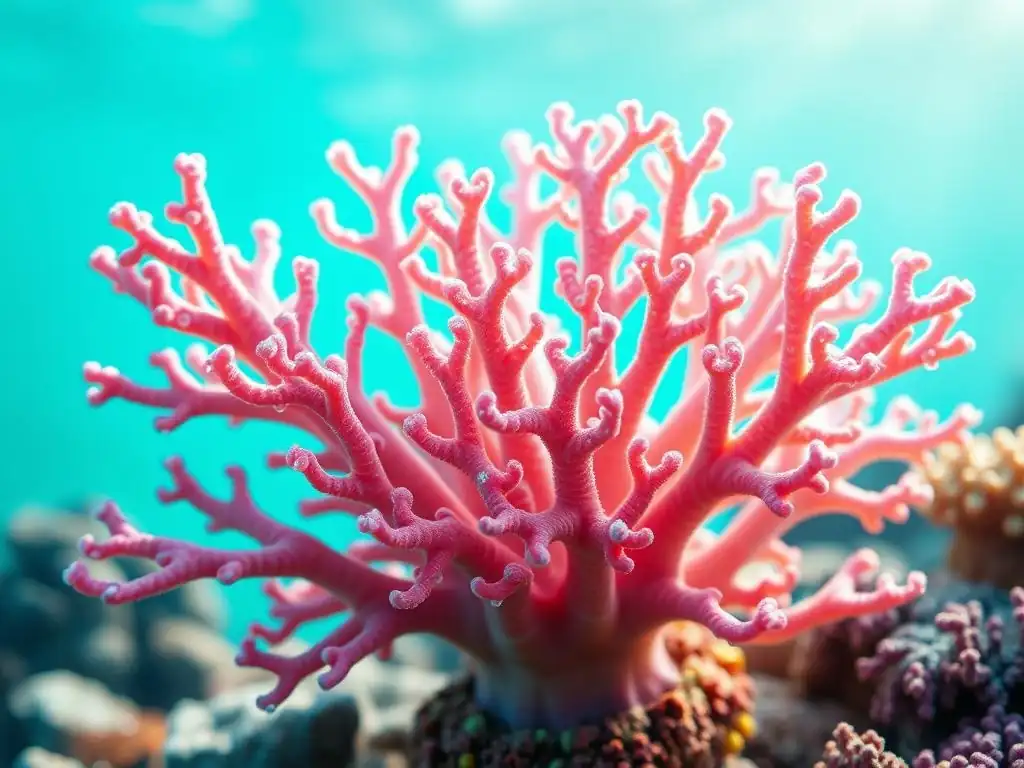
Once you've mastered the basics of maintaining a low-maintenance reef corals tank, you might consider advanced techniques to further enhance the health, coloration, and biodiversity of your system. These tips are about fine-tuning rather than fundamental changes.
Utilizing Supplements and Additives Responsibly
For a truly thriving soft coral reef, especially if you have a densely stocked tank or are aiming for peak coloration, you might consider using supplements and additives. While water changes replenish most essential elements, specific supplementation can sometimes provide a noticeable boost.
- Trace Elements: Elements like iodine, strontium, and potassium are utilized by corals for various biological processes. While soft corals don't consume these as rapidly as stony corals, a bi-weekly dose of a comprehensive trace element solution (e.g., 1-2 ml per 10 gallons) can support their health and vibrancy.
- Amino Acids: Amino acids are the building blocks of proteins and can enhance coral growth and coloration, particularly for photosynthetic corals. Dosing a high-quality amino acid supplement a few times a week can provide an additional food source.
- Caution: Always dose supplements responsibly and according to manufacturer instructions. Overdosing can be detrimental and lead to imbalances. It's advisable to test for specific elements before supplementing them to avoid unnecessary additions.
Optimizing Water Parameters for Enhanced Coloration
While low-maintenance reef corals are forgiving, fine-tuning water parameters within their optimal ranges can significantly enhance their coloration and overall appearance. This involves consistent monitoring and slight adjustments to create the perfect environment.
- Alkalinity Stability: Maintaining a very stable alkalinity (e.g., consistently at 8.0-8.5 dKH) can contribute to deeper, more vibrant colors in many soft corals, including Discosoma mushrooms. Avoid large swings, which can stress corals.
- Magnesium Levels: Ensuring magnesium is consistently within the upper end of the optimal range (e.g., 1300-1350 ppm) supports alkalinity stability and overall coral health, which can indirectly lead to better coloration.
- Nutrient Balance: While soft corals tolerate higher nutrients, a balance is key. Nitrates between 5-10 ppm and phosphates between 0.02-0.05 ppm often provide enough nutrients for vibrant colors without encouraging nuisance algae. Extremely low nutrient systems can sometimes cause soft corals to appear pale.
Creating a Biologically Balanced Reef Ecosystem
A truly advanced and low-maintenance reef corals system is one that is biologically balanced, mimicking natural reef ecosystems. This involves fostering a diverse array of life beyond just corals and fish.
- Diverse Cleanup Crew: Beyond snails and hermit crabs, consider adding various micro-grazers and detritivores like copepods, amphipods, and various types of worms. These tiny organisms contribute to nutrient cycling and provide a natural food source for many corals and fish. A population of 1 snail per 2 gallons and 1 hermit crab per 5 gallons is a good starting point for algae control.
- Refugium: Integrating a refugium into your sump, especially one with a deep sand bed and macroalgae (like Chaetomorpha), can significantly enhance biological filtration. A refugium effectively consumes nitrates and phosphates (e.g., 5-10 ppm nitrate reduction per week) and provides a safe haven for beneficial microfauna, which then populate the main display tank.
- Live Rock and Sand: Using fully cured live rock and a healthy deep sand bed (3-4 inches) provides vast surface area for beneficial bacteria, contributing to natural denitrification and nutrient processing, reducing the reliance on mechanical filtration and chemical media.
Conclusion: Enjoying Your Beautiful and Low-Maintenance Soft Coral Reef
Embarking on the journey of a soft coral reef tank offers a uniquely rewarding experience for aquarists of all levels. As we've explored, these remarkable invertebrates provide vibrant colors, dynamic movement, and fascinating textures, all while demanding significantly less intensive care than their stony counterparts. From selecting hardy species like Leather and Mushroom corals to establishing proper lighting, flow, and filtration, the path to a thriving low-maintenance reef corals system is accessible and enjoyable.
By understanding their needs, maintaining stable water parameters through consistent water changes, and diligently addressing any issues that arise, you can cultivate a breathtaking underwater landscape that flourishes with minimal intervention. The ability to propagate these corals easily further enhances the hobby, allowing you to expand your collection or share its beauty with others. Ultimately, a soft coral reef is a testament to the fact that stunning aquatic displays do not always require complex setups or constant tinkering. Embrace the simplicity, resilience, and captivating allure of soft corals, and enjoy the enduring beauty of your truly low-maintenance reef.
Frequently Asked Questions
What exactly are soft corals, and why are they considered low maintenance?
Soft corals are invertebrates that lack a hard, stony skeleton. This makes them generally more adaptable to less-than-perfect water parameters, contributing to their reputation for being easier to care for.
What kind of lighting is typically recommended for low maintenance reef corals, particularly soft corals?
Most soft corals thrive under moderate lighting, such as LED or T5 fixtures. Avoid intense metal halide lighting, as it can be too strong for many low maintenance species.
How often should I perform water changes in a soft coral reef tank to maintain optimal water quality?
Regular water changes are crucial, but a schedule of 10-20% every 1-2 weeks is often sufficient for a low maintenance soft coral system, provided other parameters are stable.
What are some good beginner-friendly soft coral species that are known for their low maintenance requirements?
Examples include Kenya Tree corals, Mushroom corals, and Pulsing Xenia. These species are generally hardy and tolerant of minor fluctuations in water chemistry, making them ideal for beginner reef keepers.
What common problems might arise when keeping low maintenance reef corals, and how can they be addressed?
Common issues include algae growth, pests like nudibranchs, and poor water flow. Addressing these requires diligent observation, proper filtration, and targeted treatments when necessary.
Final Reflection: Embracing the Simplicity of Reef Keeping
The journey into reef keeping, as we've explored, doesn't have to be a daunting one. The allure of a vibrant underwater ecosystem is now more accessible than ever, thanks to the beauty and resilience of low-maintenance soft corals. This guide has hopefully demystified the process, demonstrating that a thriving reef can be achieved without excessive time, resources, or specialized knowledge.
The shift towards simpler, more sustainable reef keeping practices reflects a broader trend in our relationship with nature. It's about appreciating the inherent beauty and resilience of the natural world and finding ways to coexist harmoniously. This approach not only benefits the environment but also enriches our lives, providing a constant source of wonder and tranquility. In nature, nothing is perfect and everything is perfect. Trees can be contorted, bent in weird ways, and they're still beautiful.
- Alice Walker. This quote perfectly encapsulates the beauty of a soft coral reef, where even the simplest organisms contribute to a breathtaking whole.
Now, we invite you to reflect on the potential of your own reef keeping journey. Consider the joy and satisfaction that comes from nurturing a living ecosystem, however small. Embrace the simplicity, appreciate the beauty, and contribute to a more sustainable future for our oceans. Start small, learn continuously, and watch as your low-maintenance reef transforms into a vibrant testament to the power of nature.
Dive Deeper: Cultivate Your Own Soft Coral Paradise!
Thanks for exploring the captivating world of soft corals with us! We hope you've gained valuable insights into creating a thriving, low-maintenance reef aquarium. Now, it's time to turn that knowledge into action.
Here are some steps you can take to continue your soft coral journey:
- Start Planning: Begin by researching compatible tank mates and suitable tank parameters for the soft coral species that have piqued your interest. This initial planning will set you up for success!
- Share Your Discovery:Share this article with fellow aquarium enthusiasts who might be interested in the beauty and ease of soft coral keeping. Let's grow the community!
- Explore Alternatives:Experiment with unconventional propagation techniques like fragging with razor blades (safely, of course!) to expand your coral collection and master the art of reef keeping.
What's the first soft coral species you're dreaming of adding to your reef tank, and why?