
Favia Coral Shopping: Selecting Healthy & Vibrant Specimens

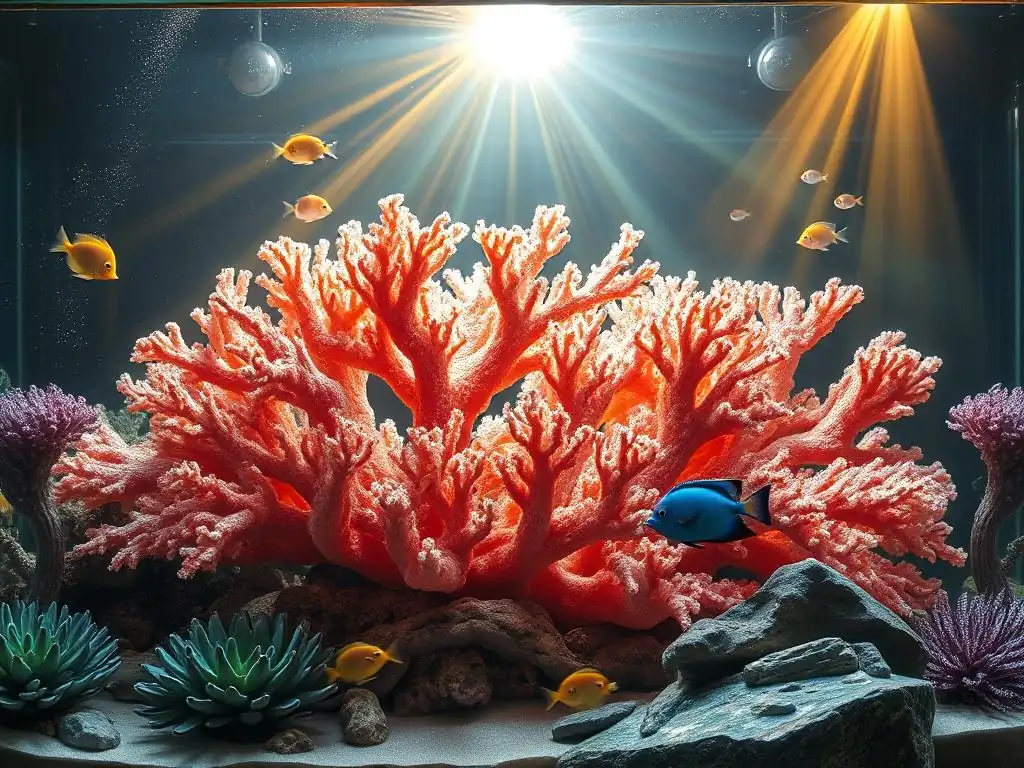
Welcome to Aquarium Mastery!
Dive into the captivating world of reef keeping! Ready to bring the dazzling beauty of Favia coral to your aquarium? Before you buy, it's crucial to know what to look for. Our guide on healthy, vibrant Favia coral buying unlocks the secrets to selecting thriving specimens. But that's just the beginning... eager to discover the key indicators of a healthy Favia and avoid common pitfalls? Let's explore!
- Introduction to Buying Healthy Favia Corals
- Key Indicators of a Healthy Favia Coral
- Avoiding Common Pitfalls When Buying Favia
- Where to Buy Healthy Favia Corals
- Acclimation and Introduction of Your New Favia Coral
- Maintaining a Healthy Environment for Your Favia
- Troubleshooting Common Favia Coral Health Problems
- Ensuring Long-Term Health and Vibrancy of Your Favia Coral
- Conclusion: Enjoying Your Thriving Favia Coral
- Frequently Asked Questions
- Final Reflection: Cultivating Reef Resilience
- Unleash the Vibrant Reef Keeper Within!
Introduction to Buying Healthy Favia Corals
Why Choose Favia Coral for Your Reef Tank?
Favia corals, often recognized for their distinctive "brain-like" appearance and vibrant coloration, are a popular choice among reef aquarists, from beginners to seasoned hobbyists. Their appeal stems from their relative hardiness compared to more delicate coral species, making them an excellent stepping stone for those looking to expand their LPS (Large Polyp Stony) coral collection. Favia corals are known for their encrusting or massive growth forms, creating a visually striking addition to any reef display, and many species exhibit a remarkable ability to recover from minor stresses, further cementing their reputation as resilient inhabitants.
Beyond their aesthetic appeal and durability, Favia corals play an important role in the reef ecosystem, albeit in a home aquarium setting. They contribute to the overall biodiversity and structural complexity of the tank, providing microhabitats for various beneficial organisms. Their moderate care requirements, including adaptable lighting and flow needs, mean that with proper attention to water parameters, a healthy vibrant Favia coral buying experience can lead to years of enjoyment and growth within your reef tank.
Understanding Favia Coral Varieties and Colors
The world of Favia corals is incredibly diverse, offering a breathtaking spectrum of colors and growth patterns that can transform a reef tank into a living kaleidoscope. While many species are colloquially referred to as "Favia," some have been reclassified into genera like Dipsastrea or Parasimplastrea, but the common name persists in the hobby. Favia corals typically exhibit either an encrusting growth form, spreading across rockwork, or a massive, dome-shaped structure. Some rarer varieties might even display a more columnar or branching habit.
The coloration of Favia corals is perhaps their most captivating feature, ranging from deep emerald greens, fiery reds, and brilliant oranges to cool blues, purples, and even multi-color morphs that display several hues simultaneously within a single colony. For instance, the "War Coral" is a highly sought-after morph known for its striking red and green patterns, while other types may feature intricate concentric rings of contrasting colors around their individual polyps. When considering healthy vibrant Favia coral buying, understanding these variations helps in selecting specimens that will truly complement your existing reef scape.
Key Indicators of a Healthy Favia Coral
Checking Favia Coral Coloration for Health
The coloration of a Favia coral is one of the most immediate and telling indicators of its overall health. A truly healthy vibrant Favia coral will display rich, consistent, and intense colors that are characteristic of its specific morph or species. For example, a "Dragon Soul" Favia should exhibit deep purples and greens without any dullness or paleness. Healthy Favia polyps are typically plump and well-extended, often showcasing their vibrant hues even under moderate lighting conditions.
Conversely, signs of distress or ill health are often first visible through changes in coloration. Paling or bleaching, where the coral loses its vibrant pigments and appears white or translucent, indicates stress from issues such as excessive light, unstable water parameters, or temperature fluctuations. Browning can suggest insufficient light or elevated nutrient levels, leading to an overabundance of zooxanthellae. When engaged in healthy vibrant Favia coral buying, always observe the coral's color under various lighting conditions if possible, ensuring it maintains its vibrancy and doesn't show patchy or inconsistent coloration.
Examining Favia Coral Tissue and Growth Tips
Beyond color, the integrity and appearance of a Favia coral's tissue are crucial health markers. A healthy Favia will have plump, turgid tissue that fully covers its skeletal structure, with no visible recession or exposed skeleton, especially around the edges or base. The polyps, though often retracted during the day, should appear full and capable of extending, particularly at night when they feed. When observing a Favia, look for clear, well-defined septa (the radial ridges within the polyp's mouth) and a smooth, unblemished surface.
Signs of unhealthy tissue include recession, where the tissue pulls away from the skeleton, revealing white bone underneath. This can be rapid (Rapid Tissue Necrosis or RTN) or slow (Slow Tissue Necrosis or STN), both indicating severe stress or disease. Slime or a white film on the tissue can point to bacterial infections. Furthermore, examine the coral's base where it attaches to the frag plug or rock; healthy tissue should extend fully to the attachment point without any signs of necrosis or algae overgrowth. For healthy vibrant Favia coral buying, a comprehensive check of the tissue is paramount.
Inspecting Favia Coral Skeleton for Pests or Disease
A thorough inspection of the Favia coral's skeleton, particularly its underside and crevices, is essential to identify potential pests or signs of disease that might not be immediately visible on the tissue surface. While the tissue should ideally cover the entire skeleton, if any part is exposed, check it for signs of algae growth, which indicates tissue loss. Look for unusual growths, lesions, or discolored patches on the skeleton itself.
More importantly, scrutinize the coral for hitchhiking pests. Although Acropora Eating Flatworms (AEFW) are specific to Acropora, Favia corals can still harbor other undesirable organisms. These might include various types of predatory flatworms (e.g., Montipora eating nudibranchs if they are misidentified as Montipora, or general predatory flatworms), vermetid snails (small tube-dwelling snails that can irritate corals), or even small parasitic crabs. Using a magnifying glass and gently blowing water over the coral can help dislodge or reveal hidden pests. A healthy vibrant Favia coral buying decision includes ensuring the specimen is free of these potential threats.
Avoiding Common Pitfalls When Buying Favia
Recognizing Signs of Unhealthy Favia Coral
When you are on the lookout for a healthy vibrant Favia coral buying opportunity, it's equally important to know what to avoid. Unhealthy Favia corals will often exhibit clear warning signs that indicate stress, disease, or pest infestation. One of the most obvious red flags is significant tissue recession, where the coral's flesh has pulled back from its skeleton, exposing large areas of white bone. This can be a sign of severe stress, bacterial infection, or inadequate water parameters in the vendor's tank.
Other critical indicators of poor health include dull, faded, or inconsistent coloration that is not typical for the Favia variety. If the coral appears slimy, has a white or brown film on its surface, or emits a foul odor, it is likely suffering from a bacterial infection or is rapidly decaying. Furthermore, a Favia coral with polyps that are constantly retracted, even after a period of acclimation, or polyps that appear shriveled and thin, suggests it is not thriving. Avoid specimens with visible algae growth on their tissue, as this often indicates prolonged stress and tissue loss.
Identifying Favia Eating Flatworms and Other Pests
While the infamous Acropora Eating Flatworms (AEFW) specifically target Acropora corals, Favia corals are not immune to their own set of potential pests. It's crucial to be vigilant for general coral pests that can affect various LPS species. These might include certain types of predatory flatworms that feed on coral tissue, though they are less commonly discussed than AEFW. Other common nuisances are vermetid snails, which build hard tubes on rockwork and corals, irritating the coral with their mucus nets and potentially causing tissue recession over time if they proliferate near the coral.
Another potential concern is the presence of unwanted hitchhikers like small aiptasia anemones, majano anemones, or even certain types of parasitic copepods or nudibranchs. While not all are direct threats to Favia, they can compete for resources or irritate the coral. A thorough visual inspection, ideally with a flashlight, can help reveal these pests. Some hobbyists even recommend a brief dip in a coral dip solution (e.g., iodine-based or commercially available pest control dips) as a preventative measure, even for seemingly clean specimens, as part of a healthy vibrant Favia coral buying protocol to minimize risk.
Quarantine Procedures for New Favia Coral Acquisitions
Implementing a strict quarantine (QT) procedure for any new Favia coral acquisition is arguably the most critical step in preventing the introduction of pests and diseases into your main display tank. A dedicated quarantine tank, even a simple 10-gallon setup with minimal equipment (heater, small powerhead for flow, and a light), can save your entire reef system from devastating outbreaks. The purpose of QT is to observe the new coral in isolation, allowing any hidden pests to emerge or diseases to manifest, without risking your established inhabitants.
The recommended quarantine period for corals typically ranges from 4 to 6 weeks, or even longer if any issues arise. During this time, the coral should be dipped in an appropriate coral dip solution (such as a diluted iodine solution or a commercial pest control product) upon arrival, and then observed daily for any signs of flatworms, nudibranchs, or tissue issues. If pests are observed, the coral can be re-dipped and manually cleaned if possible. This diligent approach, though requiring patience, is the cornerstone of healthy vibrant Favia coral buying and long-term reef tank success.
Where to Buy Healthy Favia Corals
Reputable Online Favia Coral Vendors
For many aquarists, especially those without access to a wide selection of local fish stores, reputable online Favia coral vendors offer an unparalleled variety of species and morphs. The advantages of buying online include access to rare or highly sought-after Favia strains, competitive pricing, and often direct sourcing from aquaculture facilities or expert coral farmers. However, selecting a trustworthy vendor is paramount. Look for online stores with extensive positive reviews on forums and social media, clear policies regarding shipping, live arrival guarantees, and responsive customer service.
When browsing online, pay close attention to the actual photos of the corals. Many reputable vendors use WYSIWYG (What You See Is What You Get) photos, ensuring you receive the exact coral pictured. Ask questions about their husbandry practices, the age of the coral (wild-caught vs. aquacultured), and their acclimation procedures. A good vendor will provide detailed information about the coral's current conditions (e.g., lighting, flow) to help you prepare your tank. Investing time in researching vendors is key to a successful healthy vibrant Favia coral buying experience online.
Local Fish Stores (LFS) and Favia Coral Selection
Purchasing Favia corals from a Local Fish Store (LFS) offers distinct advantages, primarily the ability to physically inspect the coral before buying. This allows for a direct assessment of its health, color, and tissue integrity under the store's lighting conditions. You can observe the coral's behavior, check for pests with your own eyes, and even discuss its specific care requirements with knowledgeable staff. Building a relationship with a good LFS can also provide ongoing support and advice for your reef keeping journey.
When visiting an LFS for healthy vibrant Favia coral buying, look for stores that maintain clean, well-organized coral display tanks with stable water parameters. Tanks should be free of excessive algae, dead livestock, or obvious signs of disease. Observe the overall health of other corals in the tank; if other corals appear stressed or diseased, it's a red flag. Engage with the staff: ask about their coral sourcing, quarantine procedures, and how long the Favia has been in their care. A reputable LFS will be transparent and eager to share their expertise.
Coral Frags vs. Colonies: Making the Right Choice
When considering healthy vibrant Favia coral buying, you'll typically encounter two main options: coral frags or full colonies. Each has its own set of advantages and disadvantages. Coral frags are small, cut pieces of a larger colony, usually attached to a frag plug or small rock. They are generally more affordable, easier to ship, and allow for a more gradual introduction of new coral types into your tank. Frags also tend to acclimate more readily to new tank conditions, as they are often young and more adaptable.
Full colonies, on the other hand, offer immediate visual impact and a more established presence in your reef tank. They are typically larger and more expensive but provide instant gratification for those looking to fill space quickly. However, colonies can be more challenging to ship due to their size and weight, and they may experience more stress during acclimation. The choice between a frag and a colony depends on your budget, tank size, desired growth rate, and your comfort level with potentially more demanding acclimation processes for larger specimens.
Acclimation and Introduction of Your New Favia Coral
Proper Acclimation Techniques for Favia Corals
Proper acclimation is a critical step to ensure the survival and long-term health of your new Favia coral, minimizing the shock from changes in water parameters, temperature, and light. The most recommended method for corals is drip acclimation, which slowly equalizes the salinity and pH of the water your coral arrived in with your display tank's water. Begin by floating the sealed bag in your sump or display tank for 15-20 minutes to equalize temperature.
After temperature acclimation, open the bag and carefully pour the coral and its water into a clean bucket or container. Using airline tubing and a knot or valve, start a slow drip from your display tank into the bucket. Aim for a drip rate of about 2-3 drops per second, allowing the volume of water in the bucket to double over 30-60 minutes.
Once the water volume has doubled, carefully remove the coral, discarding the old water. Give the coral a quick dip in an appropriate coral dip solution (e.g., iodine-based) for 5-10 minutes as a final preventative measure before placing it in your main tank. This careful process is vital for successful healthy vibrant Favia coral buying.
Ideal Placement of Favia Coral in Your Reef Tank
The correct placement of your new Favia coral within your reef tank is crucial for its long-term health, coloration, and growth. Favia corals generally prefer moderate lighting and moderate, indirect water flow. High-intensity, direct flow can cause tissue recession or prevent polyp extension, while insufficient flow can lead to detritus accumulation and poor nutrient exchange. Aim for a spot where the water gently washes over the coral, allowing its polyps to extend and capture food without being constantly battered.
Regarding lighting, Favia corals thrive under moderate PAR (Photosynthetically Active Radiation) levels, typically ranging from 75 to 150 PAR, depending on the specific morph and your tank's established lighting. It's always safer to start a new coral in a lower light area and gradually move it to a brighter spot over several weeks, observing its response. Favia corals can extend sweeper tentacles at night, which can sting neighboring corals.
Ensure adequate space (at least 3-4 inches) between your Favia and other corals to prevent chemical warfare and tissue damage. Careful placement contributes significantly to maintaining a healthy vibrant Favia coral.
Maintaining a Healthy Environment for Your Favia
Essential Water Parameters for Favia Coral Growth
Maintaining stable and optimal water parameters is the cornerstone of fostering robust growth and vibrant coloration in Favia corals. While Favia are relatively forgiving, consistency is key. The ideal salinity range is 1.025-1.026 specific gravity (35 ppt). Temperature should be kept stable between 76-80°F (24.4-26.7°C), avoiding sudden fluctuations of more than 2°F in a 24-hour period. For alkalinity, aim for 8-10 dKH, which supports calcification. Calcium levels should be maintained at 400-450 ppm, and magnesium at 1300-1400 ppm, as these are vital for skeletal growth and supporting alkalinity stability.
Furthermore, keeping nitrates low (0-10 ppm) and phosphates near undetectable levels (0.00-0.05 ppm) is crucial to prevent nuisance algae growth and maintain water clarity, both of which are essential for Favia health. While Favia can tolerate slightly higher nutrient levels than some SPS corals, consistently low nutrients promote better coloration. Regular testing with reliable test kits is indispensable to monitor these parameters and make timely adjustments, ensuring the environment supports a healthy vibrant Favia coral.
Lighting Requirements for Favia Coral Health and Color
Lighting is a primary driver of Favia coral health and coloration, as they host symbiotic zooxanthellae algae that perform photosynthesis. As mentioned, Favia corals generally prefer moderate lighting, typically within the 75-150 PAR range. Too little light can lead to browning or dullness as zooxanthellae numbers increase to compensate, while too much light can cause bleaching, where the coral expels its zooxanthellae due to stress.
When introducing a new Favia, especially after a healthy vibrant Favia coral buying trip, it's wise to place it in a lower light area of your tank initially and gradually move it to its desired spot over several weeks. This allows the coral to acclimate to your specific lighting system. The spectrum of light is also important; a blue-heavy spectrum (e.g., 10,000K to 20,000K) often enhances Favia's natural fluorescent pigments, making their colors pop. Consistency in the light cycle (e.g., 10-12 hours on) and avoiding sudden changes in intensity will contribute significantly to their long-term vibrancy.
Effective Feeding Strategies for Favia Corals
While Favia corals derive a significant portion of their energy from the photosynthesis performed by their zooxanthellae, they are also capable of capturing and consuming particulate food from the water column. Supplementing their diet with target feeding can significantly boost their growth rates, improve coloration, and enhance overall vitality. Favia polyps have mouths that can open quite wide, allowing them to consume a variety of meaty foods.
Effective feeding strategies for Favia include target feeding once or twice a week, typically after the lights have dimmed or turned off, as this is when their feeding tentacles are most extended. Offer small, meaty foods such as finely chopped mysis shrimp, brine shrimp, copepods, or specialized coral pellet/powder foods designed for LPS corals.
Using a coral feeding pipette or baster allows you to deliver the food directly to the polyps, minimizing waste. While broadcast feeding can also provide some sustenance, direct target feeding ensures your Favia receives adequate nutrition, contributing to its status as a healthy vibrant Favia coral.
Troubleshooting Common Favia Coral Health Problems
Addressing Favia Coral Bleaching
Favia coral bleaching is a distressing but often reversible condition where the coral loses its vibrant coloration, appearing pale, white, or translucent. This occurs when the coral expels its symbiotic zooxanthellae algae, usually due to environmental stress. Common causes include sudden changes in temperature (either too high or too low, or rapid fluctuations), excessive lighting, drastic shifts in salinity or alkalinity, or prolonged exposure to poor water quality (e.g., high nitrates, phosphates).
To address Favia coral bleaching, the first step is to identify and rectify the underlying stressor. Use reliable test kits to check all water parameters and make gradual adjustments to bring them into optimal ranges. If lighting is suspected, reduce the intensity or move the coral to a shadier spot. Ensure stable temperatures and consistent salinity. Providing gentle, indirect flow can also help. Early intervention and consistent parameter stability are crucial for the coral to recover its zooxanthellae and regain its healthy vibrant Favia coral appearance.
Dealing with Rapid Tissue Necrosis (RTN) and Slow Tissue Necrosis (STN)
Rapid Tissue Necrosis (RTN) and Slow Tissue Necrosis (STN) are severe conditions characterized by the progressive loss of coral tissue, exposing the underlying white skeleton. RTN is particularly alarming as it can strip a coral of its tissue within hours or days, often appearing as a white band of receding tissue. STN, as the name suggests, is a slower process, taking weeks or months to consume the coral. Both are often triggered by bacterial infections, severe stress, inadequate water quality, or physical damage.
Immediate action is required for RTN/STN. If possible, fragging (cutting) off healthy portions of the coral, ensuring the cut is well into healthy tissue, can save parts of the colony. Dipping the affected coral in an iodine-based solution or a broad-spectrum antibiotic dip (if bacterial infection is suspected) might help slow or stop the progression. Thoroughly check and stabilize all water parameters, as compromised water quality is a common contributing factor. While challenging, addressing these issues promptly is vital to prevent total loss and preserve any chance of having a healthy vibrant Favia coral.
Preventing and Treating Favia Coral Pests
Preventing and treating Favia coral pests is an ongoing battle for reef aquarists. Prevention starts with stringent quarantine procedures for all new coral acquisitions, as discussed earlier. This includes visual inspection, dips, and a dedicated observation period in a separate tank. Regularly inspecting your established Favia corals during routine tank maintenance can help catch infestations early. Look for unusual growths, discolored spots, or visible organisms moving on the coral tissue or skeleton.
If pests are identified on your Favia, treatment options vary depending on the specific pest. For common flatworms, specialized flatworm exit solutions can be effective, but always follow manufacturer instructions carefully and be prepared for large die-offs of flatworms that can release toxins. Manual removal with tweezers or a siphon can work for larger pests like vermetid snails or small Aiptasia. For more persistent issues, a targeted coral dip might be necessary. Consistent vigilance and prompt action are key to protecting your Favia and maintaining a healthy vibrant Favia coral display.
Ensuring Long-Term Health and Vibrancy of Your Favia Coral
Regular Observation and Maintenance Practices
Consistent and diligent observation, coupled with routine maintenance practices, are indispensable for ensuring the long-term health and vibrancy of your Favia corals. Daily visual checks of your Favia should become a habit. Look for full polyp extension during both day and night cycles, vibrant and consistent coloration, and no signs of tissue recession or unusual growths. Any subtle changes can be early indicators of stress or developing issues, allowing for prompt intervention before problems escalate.
Beyond daily glances, regular maintenance is crucial. This includes weekly water parameter testing (alkalinity, calcium, magnesium, salinity, nitrates, phosphates) to ensure stability. Performing routine water changes (e.g., 10-20% every two weeks or monthly, depending on tank size and bioload) helps replenish trace elements and export accumulated nutrients. Cleaning pumps, skimmers, and powerheads regularly prevents detritus buildup and maintains efficient water circulation, all contributing to an environment where your healthy vibrant Favia coral can thrive for years.
The Importance of Water Quality and Stability for Favia Coral
For Favia corals, like most LPS and SPS corals, water quality and stability are not just important; they are paramount. Fluctuations in key parameters like salinity, temperature, pH, alkalinity, calcium, and magnesium can induce significant stress, leading to bleaching, tissue necrosis, or stunted growth. A stable environment minimizes the physiological stress on the coral, allowing it to allocate more energy towards growth and maintaining its symbiotic relationship with zooxanthellae, which in turn enhances its vibrant coloration.
Investing in high-quality salt mix, a reliable RO/DI unit for purified top-off water, and accurate test kits forms the foundation of stable water parameters. For tanks with significant coral growth, automated dosing systems for alkalinity, calcium, and magnesium can help maintain these levels consistently. Regular monitoring and proactive adjustments, rather than reactive responses to crashes, are the hallmarks of successful Favia husbandry. This unwavering commitment to water quality ensures your initial healthy vibrant Favia coral buying decision translates into long-term success.
Fragging Techniques for Favia Coral Propagation
Favia corals are excellent candidates for propagation through fragging, a technique that not only allows you to share your healthy vibrant Favia coral with other hobbyists but also can be used to control growth, save portions of a colony from necrosis, or create new colonies for sale or trade. Favia corals typically have a solid, dense skeleton, making them relatively easy to frag with the right tools.
The most common tools for fragging Favia include a bone cutter or a Dremel tool with a diamond-coated blade. Always wear appropriate eye protection and gloves. Identify the area you wish to frag, ensuring each new piece has a healthy portion of tissue and skeletal base.
Make a clean, swift cut. After fragging, dip the new frags and the mother colony in an antiseptic coral dip (e.g., iodine solution) to prevent infection. Allow the frags to heal in a low-stress environment (e.g., a frag tank or a quiet corner of your display tank with gentle flow) for several weeks before attaching them to frag plugs or rockwork.
Conclusion: Enjoying Your Thriving Favia Coral
Selecting a healthy, vibrant Favia coral is the first exciting step in bringing these captivating LPS corals into your reef aquarium. By diligently inspecting for signs of health, understanding their specific needs, and committing to proper acclimation and ongoing maintenance, you set the stage for their long-term success.
The journey from healthy vibrant Favia coral buying to witnessing its growth and flourishing within your carefully curated ecosystem is one of the most rewarding aspects of reef keeping. With consistent attention to water parameters, appropriate lighting, and occasional feeding, your Favia will not only survive but thrive, becoming a stunning centerpiece in your living reef display for years to come.
Frequently Asked Questions
How can I ensure I'm buying a healthy Favia coral?
Look for bright, vibrant colors and fully extended polyps. Avoid corals with bleached spots or receding tissue, as these are signs of stress or disease.
What signs indicate a vibrant Favia coral?
A vibrant Favia coral will display intense coloration and consistent polyp extension. The coral should also have a healthy, plump appearance without any signs of damage or decay.
What should I consider regarding water parameters before buying a Favia coral?
Favia corals thrive in stable water conditions. Ensure your tank maintains appropriate salinity, alkalinity, and calcium levels before introducing a new coral. Research the specific requirements of Favia corals for optimal health.
Where is the best place to source a healthy Favia coral?
Reputable local fish stores (LFS) or online vendors specializing in corals are your best bet. Look for sellers with positive reviews and a guarantee of live arrival.
What questions should I ask the seller before buying a Favia coral?
Inquire about the coral's acclimation process, lighting requirements, and feeding habits. Understanding its history helps ensure a smooth transition to your aquarium environment.
Final Reflection: Cultivating Reef Resilience
The journey of selecting healthy and vibrant Favia coral extends far beyond the initial purchase. It's a commitment to the delicate balance of our marine ecosystems, a tangible act of supporting the longevity of these underwater wonders. Understanding the nuances of coral health, as we've explored, is not just about aesthetics; it's about ensuring the survival of these crucial reef builders in a world facing unprecedented environmental challenges.
The allure of a thriving Favia colony in our home aquariums reflects a deeper appreciation for the intricate beauty and fragility of coral reefs. My own fascination with these organisms stems from a profound respect for their resilience and the vital role they play in marine biodiversity. In the end, we will conserve only what we love; we will love only what we understand; and we will understand only what we are taught.
- Baba Dioum. This quote encapsulates the responsibility we bear as aquarists to educate ourselves and others about the importance of coral conservation.
As you consider adding a Favia coral to your aquarium, remember that you are not just buying a decorative piece; you are becoming a steward of a tiny fragment of the ocean. Let the knowledge you've gained here inspire you to make informed decisions, to prioritize ethical sourcing, and to dedicate yourself to providing the optimal environment for your Favia to flourish. By doing so, you contribute to a future where vibrant coral reefs continue to captivate and sustain life for generations to come.
Unleash the Vibrant Reef Keeper Within!
Thank you for diving deep into the world of Favia corals! We hope you’ve gained the knowledge to select stunning and healthy additions for your reef tank. Now, let’s transform that knowledge into action and create a thriving underwater paradise!
Here are a few things you can do right now:
- Visit your local aquarium store this weekend to inspect Favia corals personally. Pay close attention to the indicators of health we discussed.
- Explore online forums and share your experience with Favia corals, helping other reef keepers learn and succeed.
- Consider photographing your current coral collection to document your progress and appreciate the beauty of your reef tank.
What’s one specific thing you will do this week to improve the health and vibrancy of your Favia, or another coral in your reef aquarium?